The Story
Plant Bio
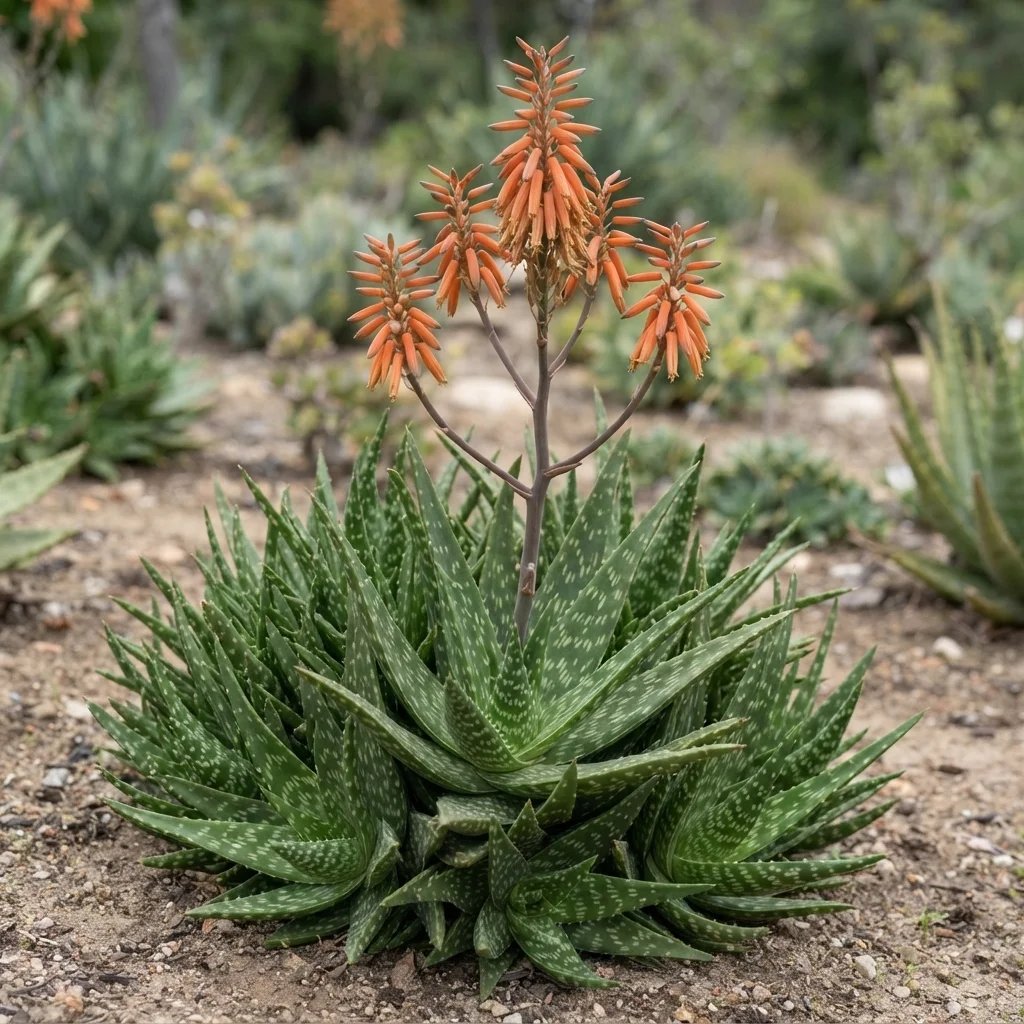
Aloe officinalis is an evergreen succulent perennial native to the Arabian Peninsula, forming dense basal rosettes of fleshy, lanceolate foliage. The glaucous gray-green leaves feature distinct white spots and pale, soft teeth along the margins, clumping readily via basal offsets.
This species is distinguished from true Aloe vera by its tighter, multi-stemmed clumping habit and persistent leaf spotting into maturity. It produces upright, simple or slightly branched flower stalks bearing bright orange to reddish tubular blooms from winter into spring.
Uses & Benefits:
Essentials
At a Glance
Plant Type
Cactus Succulent
Height
24"
Width
24"
Light
Full Sun, Partial Sun
Zones
9, 10
Water
Low
Humidity
Low to moderate
Lifespan
Perennial
Native To
Arabian Peninsula
Toxicity
Toxic if ingested; sap causes skin irritation
Bloom period
Winter – Spring
In flower about 6 months of the year
Planting
How to Grow
- Select a planting site with exceptional drainage, such as a raised bed, rockery, or container filled with a sandy, gritty mineral potting mix.
- Position the plant in full sun to very light partial shade to maintain the compact rosette form and glaucous leaf color.
- Water deeply but infrequently, allowing the soil to dry out completely between waterings, and suspend irrigation during cold winter months.
- Separate and replant basal offsets (pups) during spring or summer to propagate new specimens or control the clump size.
Pro Tip
Keep the plant completely dry during winter dormancy; combining cool temperatures with damp soil triggers rapid, catastrophic root rot.
Keep It Thriving
Care Guide
Do
- Grow in sandy, gritty, or loamy mineral soils with a pH between 6.0 and 7.5.
- Provide shelter from direct, salt-laden sea gales in coastal gardens.
- Protect the plant from sustained freezing temperatures below 30°F (-1°C).
Don't
- Do not allow the plant to sit in standing water or heavy, poorly draining clay.
- Never cut into live, green stem tissue or old leafless wood when removing dead foliage.
- Avoid over-fertilizing; apply a half-strength liquid fertilizer only once a year in spring.
Seasonal Care Calendar
| Task | Jan | Feb | Mar | Apr | May | Jun | Jul | Aug | Sep | Oct | Nov | Dec |
|---|---|---|---|---|---|---|---|---|---|---|---|---|
| Fertilize | ||||||||||||
| Pest Check | ||||||||||||
| Propagate | ||||||||||||
| Prune | ||||||||||||
| Winter Prep |
Watch Out For
Pests & Diseases
Common Pests
Common Diseases
In the Garden
Landscape Uses & Companions
Landscape Uses
Companion Plants
Multiply
Propagation Methods
Good to Know
Common Questions
Medicinal Aloe questions
What zones can Medicinal Aloe grow in?
Medicinal Aloe is hardy in USDA Zones 9–10. Inside that range it survives winter in the ground; outside it, grow it as an annual or a container plant you protect.
When does Medicinal Aloe bloom?
Medicinal Aloe typically blooms in winter through spring. Exact timing shifts a week or two with your zone — Sow's bloom calendar maps it to your garden.
Does Medicinal Aloe need full sun?
Medicinal Aloe does best in full sun to part shade. In hot climates, afternoon shade keeps blooms fresher longer.
Is Medicinal Aloe drought tolerant?
Yes — once established (usually after the first full season), Medicinal Aloe handles dry spells with minimal watering. Water deeply its first year to build the root system that makes that possible.
More Aloe to compare
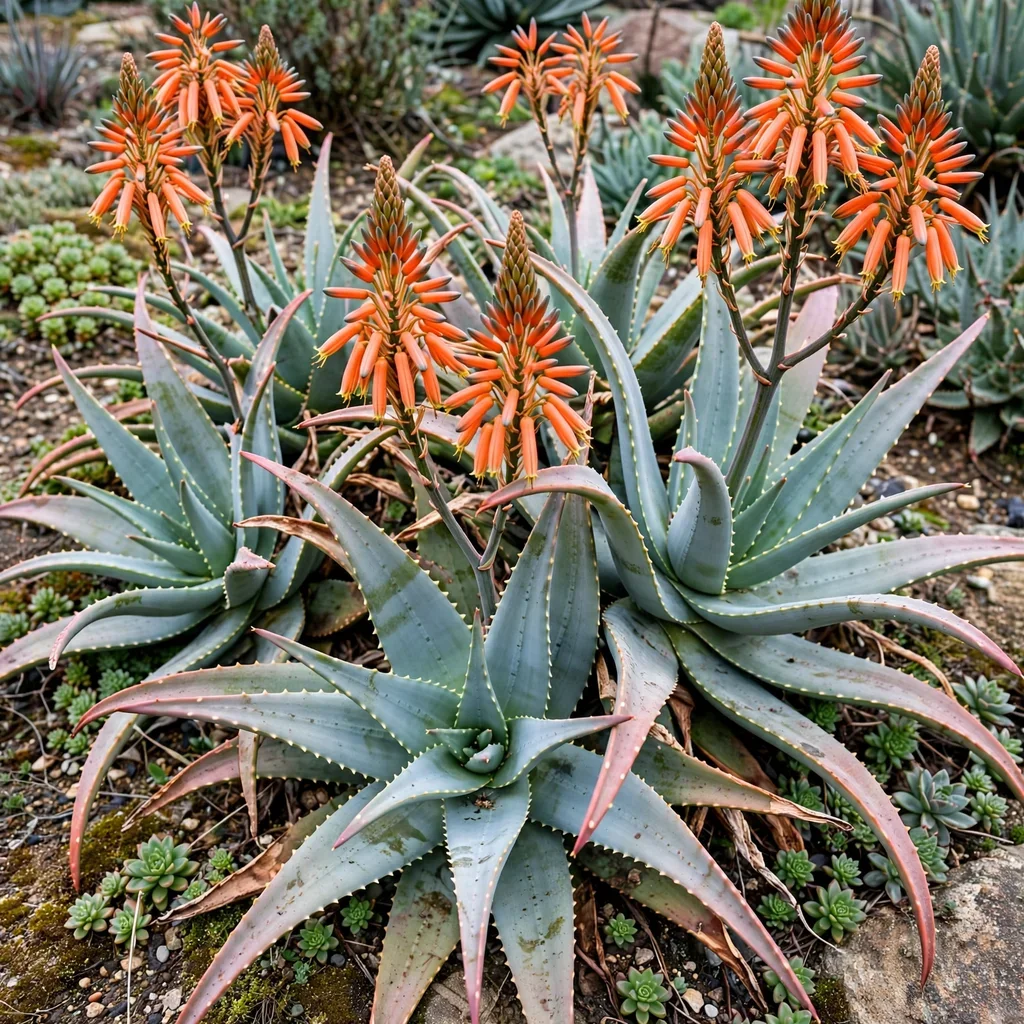
Compton's Aloe
Aloe comptonii
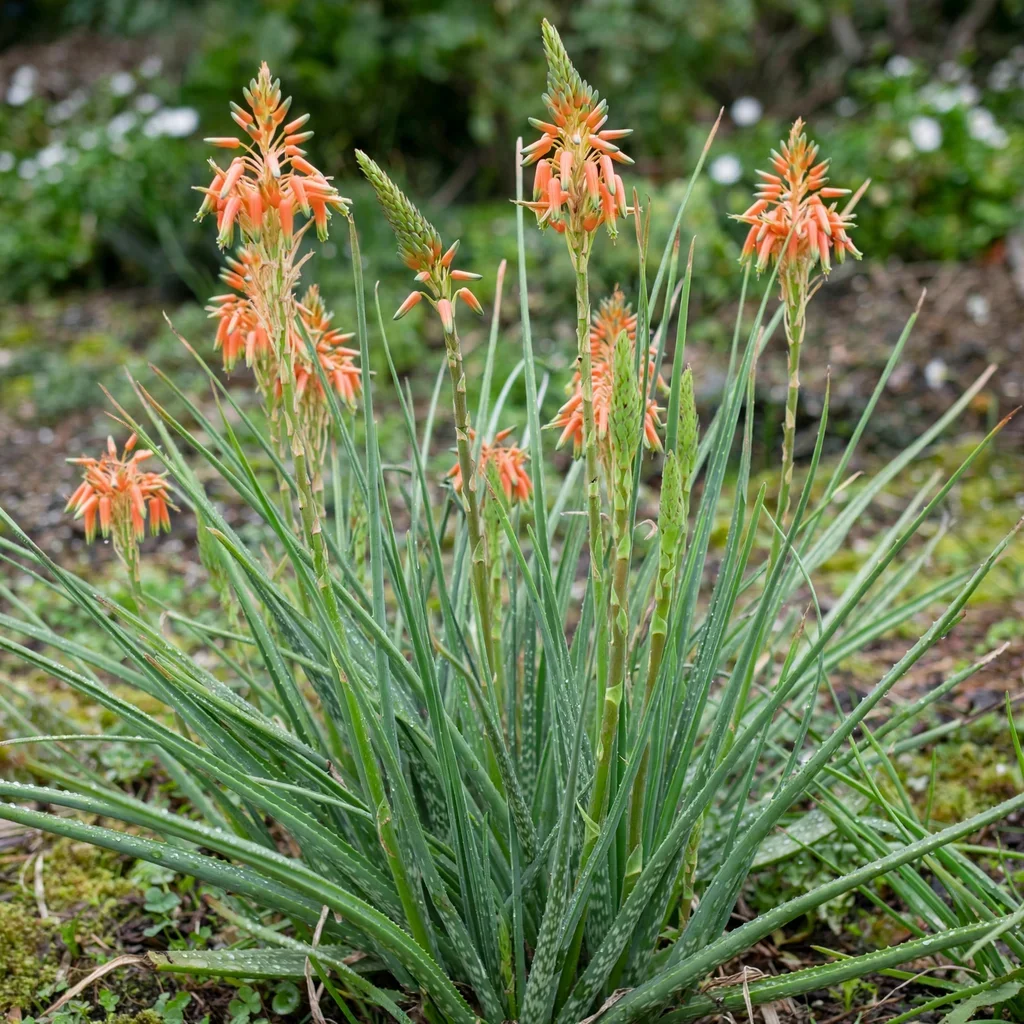
Cooper's Aloe
Aloe cooperi
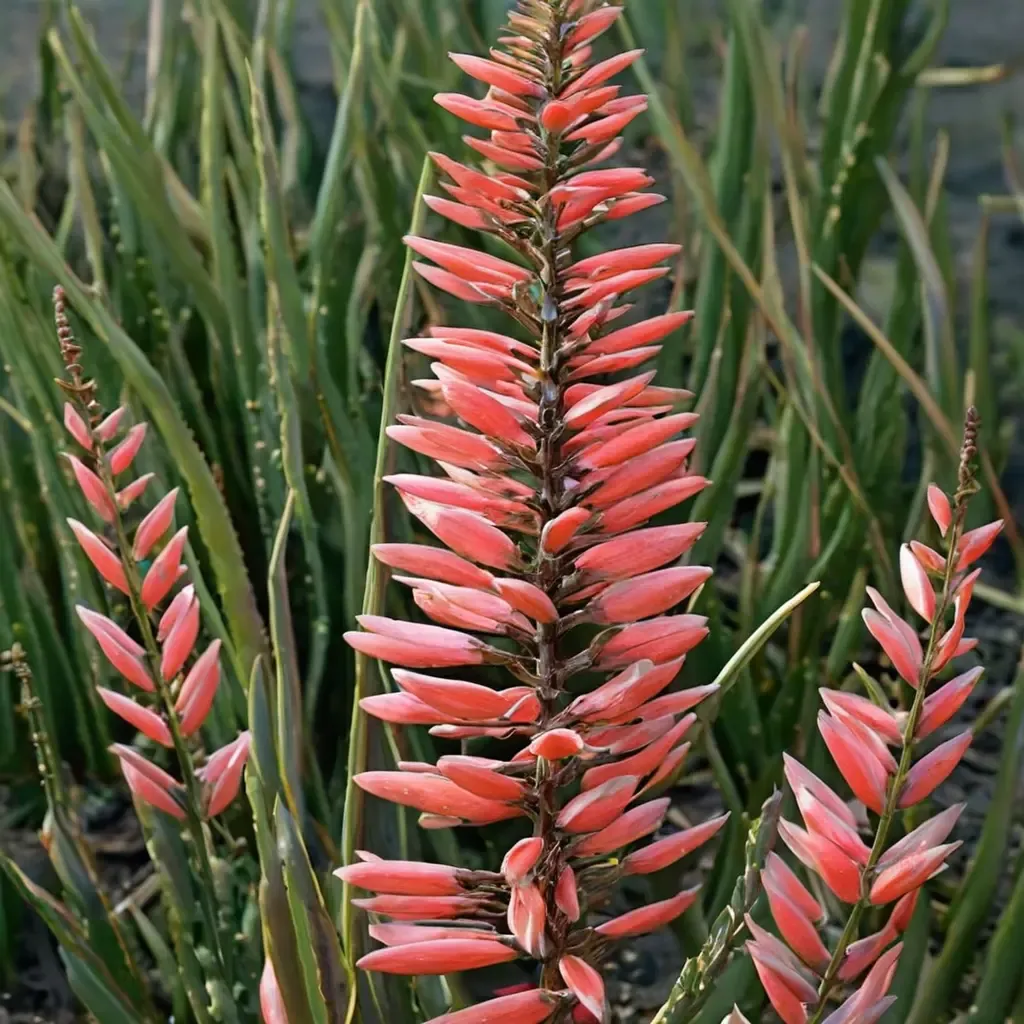
Safari Rose Aloe
Aloe vera 'Safari Rose'
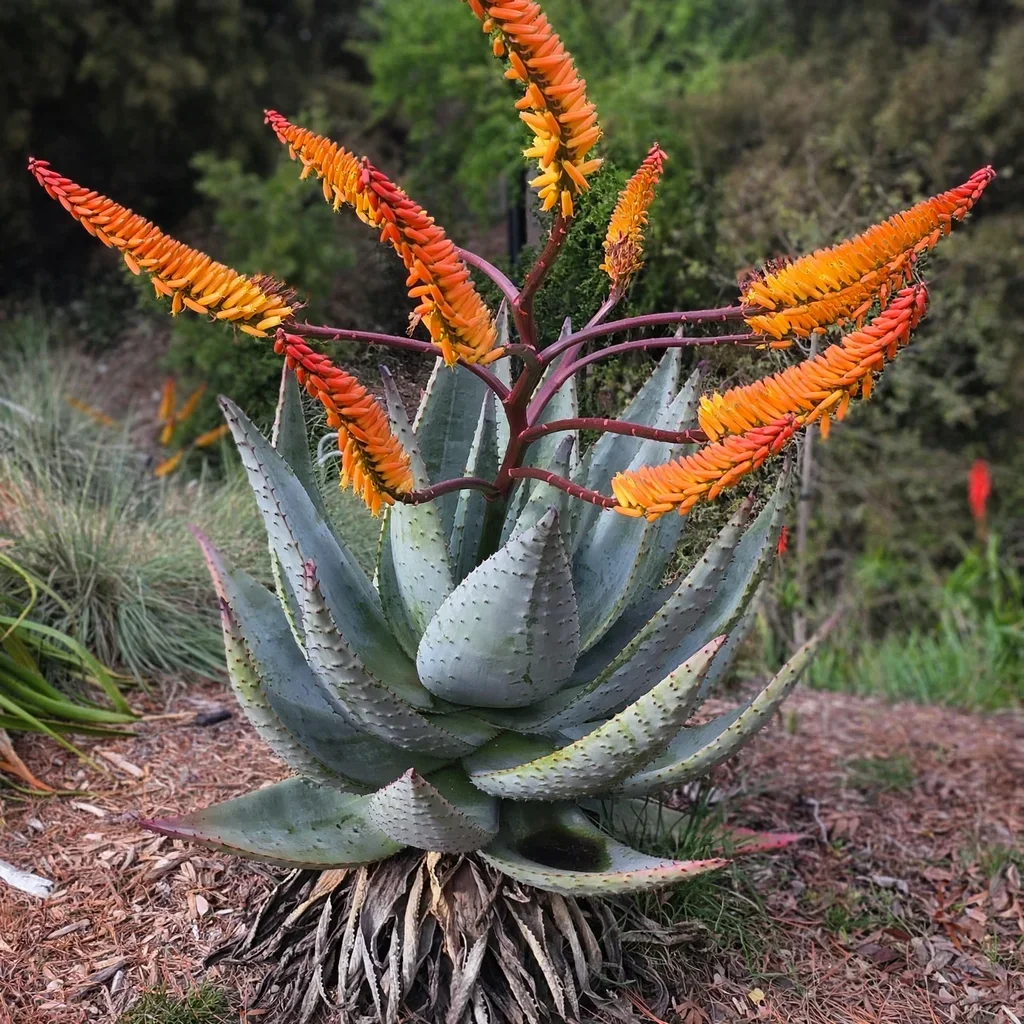
Mountain Aloe
Aloe marlothii 'Flat Flowered Aloe'
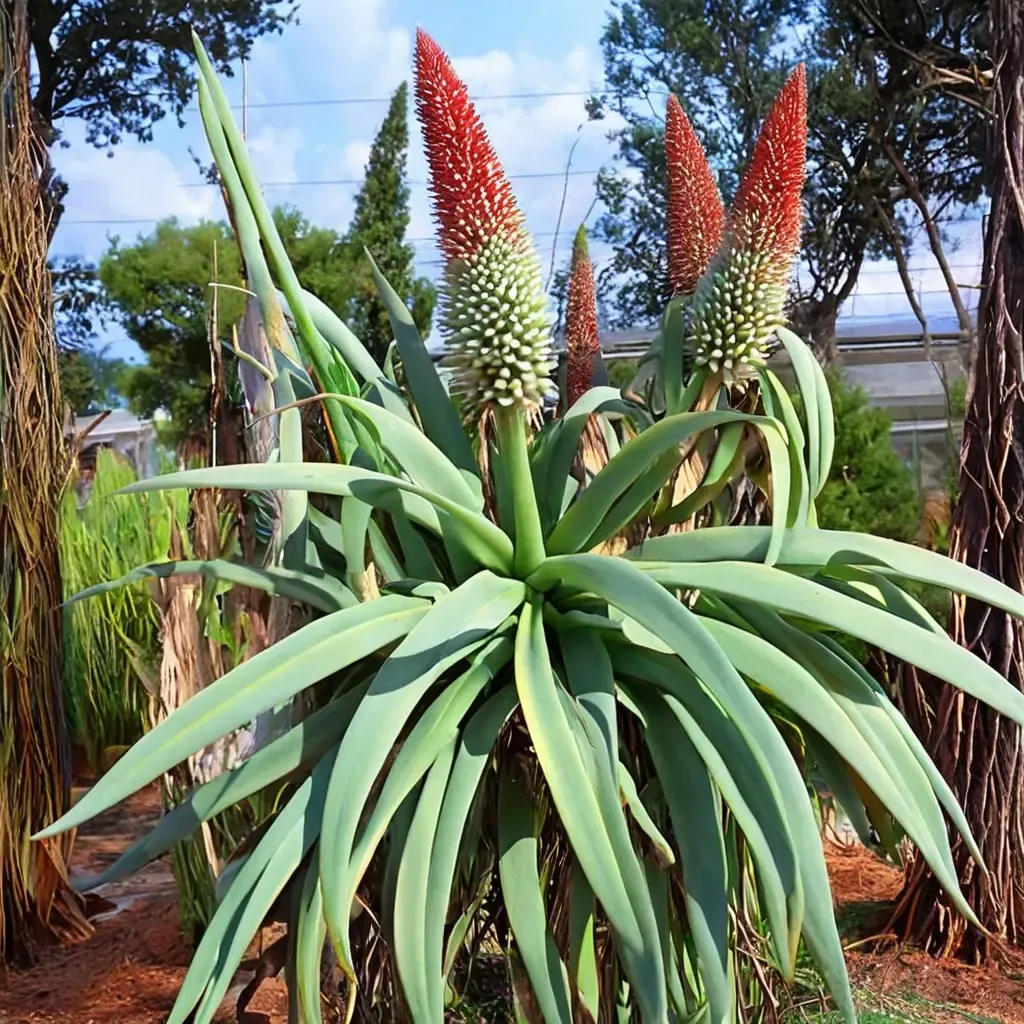
Tilt-Head Aloe
Aloe speciosa 'Tilt-Head Aloe'
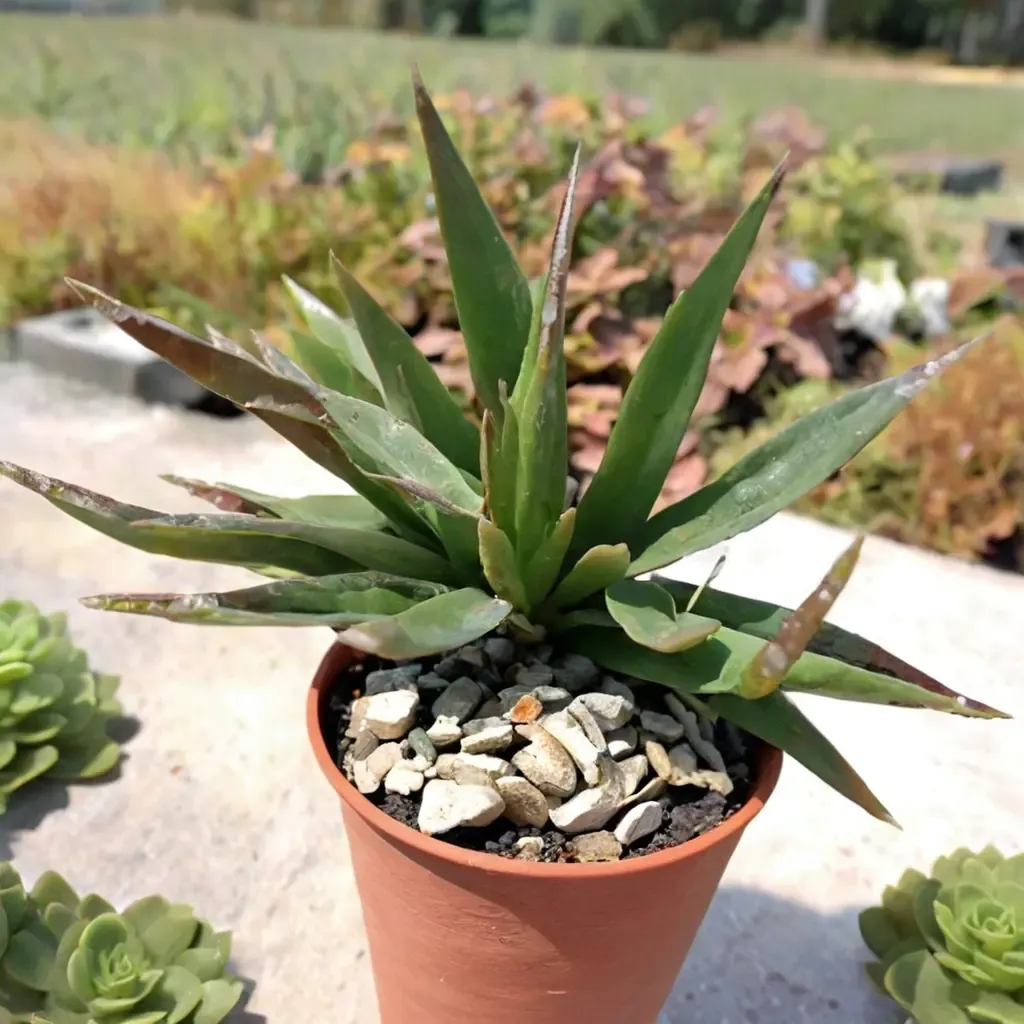
Black Gem Aloe
Aloe aethiopica 'Black Gem'
Keep exploring
Explore the genus
Hardy in your zone?
Grow Medicinal Aloe with confidence
See it in a design of your actual yard, get zone-matched care reminders, and track it season by season in your garden journal.