The Story
Plant Bio
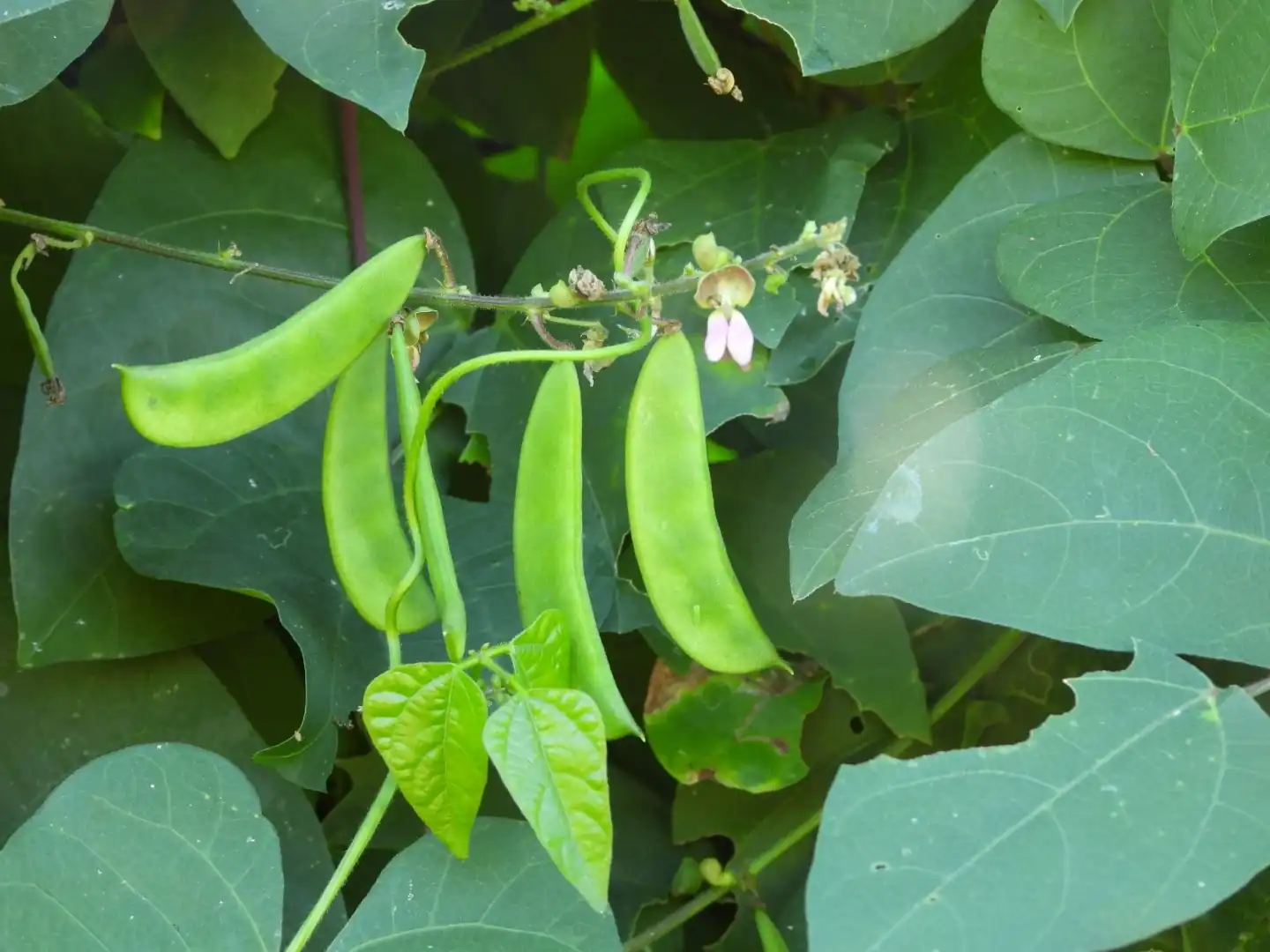
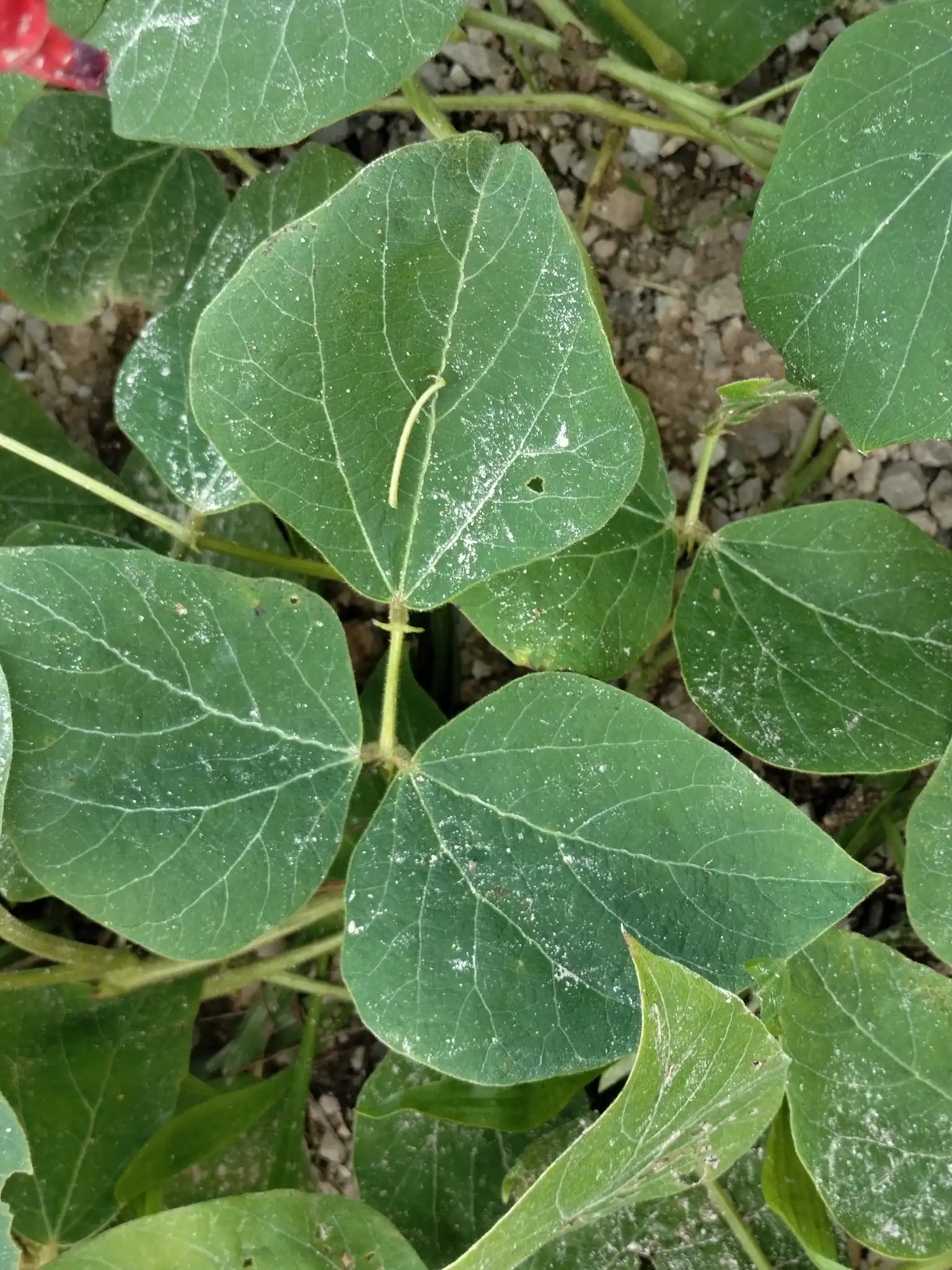
Phaseolus lunatus, commonly known as the lima bean, is a tender herbaceous annual native to Central and South America that grows as either a compact bush or a climbing vine. The foliage consists of bright green, trifoliate leaves with ovate leaflets, producing small axillary racemes of white, greenish, or pale purple pea-like flowers from summer into early fall.
This species is distinguished by its flat, crescent-shaped seed pods containing seeds that must be thoroughly cooked to neutralize toxic cyanogenic glucosides. Vining types require sturdy trellising to support their vigorous growth, while compact bush selections remain self-supporting.
Uses & Benefits:
Essentials
At a Glance
Plant Type
Fruit Vegetable
Height
118"
Width
35"
Light
Full Sun
Zones
4, 5, 6, 7, 8, 9, 10
Water
Moderate
Humidity
Moderate
Lifespan
Annual
Native To
Central and South America
Toxicity
Toxic if raw
Bloom period
Summer – Early fall
In flower about 4 months of the year
Planting
How to Grow
- Select a site in full sun with well-drained, fertile loam and a pH between 6.0 and 6.8.
- Install a sturdy trellis or support structure before planting if growing a vining variety.
- Sow seeds directly into warm soil after the last frost, spacing them 3 to 6 inches apart.
- Water consistently to keep soil moist during flowering and pod development, avoiding waterlogged conditions.
Pro Tip
Sow seeds only after soil temperatures consistently exceed 60°F (15°C); planting in cold, wet soil causes the seeds to rot before germinating.
Keep It Thriving
Care Guide
Do
- Ensure the soil is warm and well-drained before planting.
- Provide a strong trellis or support system for climbing varieties.
- Water at the base of the plant to keep foliage dry and prevent fungal diseases.
- Cook all harvested seeds thoroughly before consuming.
Don't
- Do not plant seeds in cold, wet soil below 60°F (15°C).
- Do not over-fertilize with nitrogen, which causes excessive vine growth and no pods.
- Do not allow the soil to dry out completely during flowering and pod set.
- Do not eat any part of the plant raw.
Seasonal Care Calendar
| Task | Jan | Feb | Mar | Apr | May | Jun | Jul | Aug | Sep | Oct | Nov | Dec |
|---|---|---|---|---|---|---|---|---|---|---|---|---|
| Fertilize | ||||||||||||
| Harvest | ||||||||||||
| Pest Check | ||||||||||||
| Plant | ||||||||||||
| Winter Prep |
Watch Out For
Pests & Diseases
Common Pests
Common Diseases
In the Garden
Landscape Uses & Companions
Landscape Uses
Companion Plants
Multiply
Propagation Methods
Good to Know
Common Questions
Lima Bean questions
What zones can Lima Bean grow in?
Lima Bean is hardy in USDA Zones 4–10. Inside that range it survives winter in the ground; outside it, grow it as an annual or a container plant you protect.
Is Lima Bean deer resistant?
Not reliably. Deer may browse Lima Bean, especially tender spring growth — plan on repellents or fencing where pressure is high.
When does Lima Bean bloom?
Lima Bean typically blooms in summer through early fall. Exact timing shifts a week or two with your zone — Sow's bloom calendar maps it to your garden.
Does Lima Bean need full sun?
Lima Bean does best in full sun (6+ hours).
More Phaseolus to compare
Keep exploring
Explore the genus
Grow Lima Bean with confidence
See it in a design of your actual yard, get zone-matched care reminders, and track it season by season in your garden journal.