The Story
Plant Bio
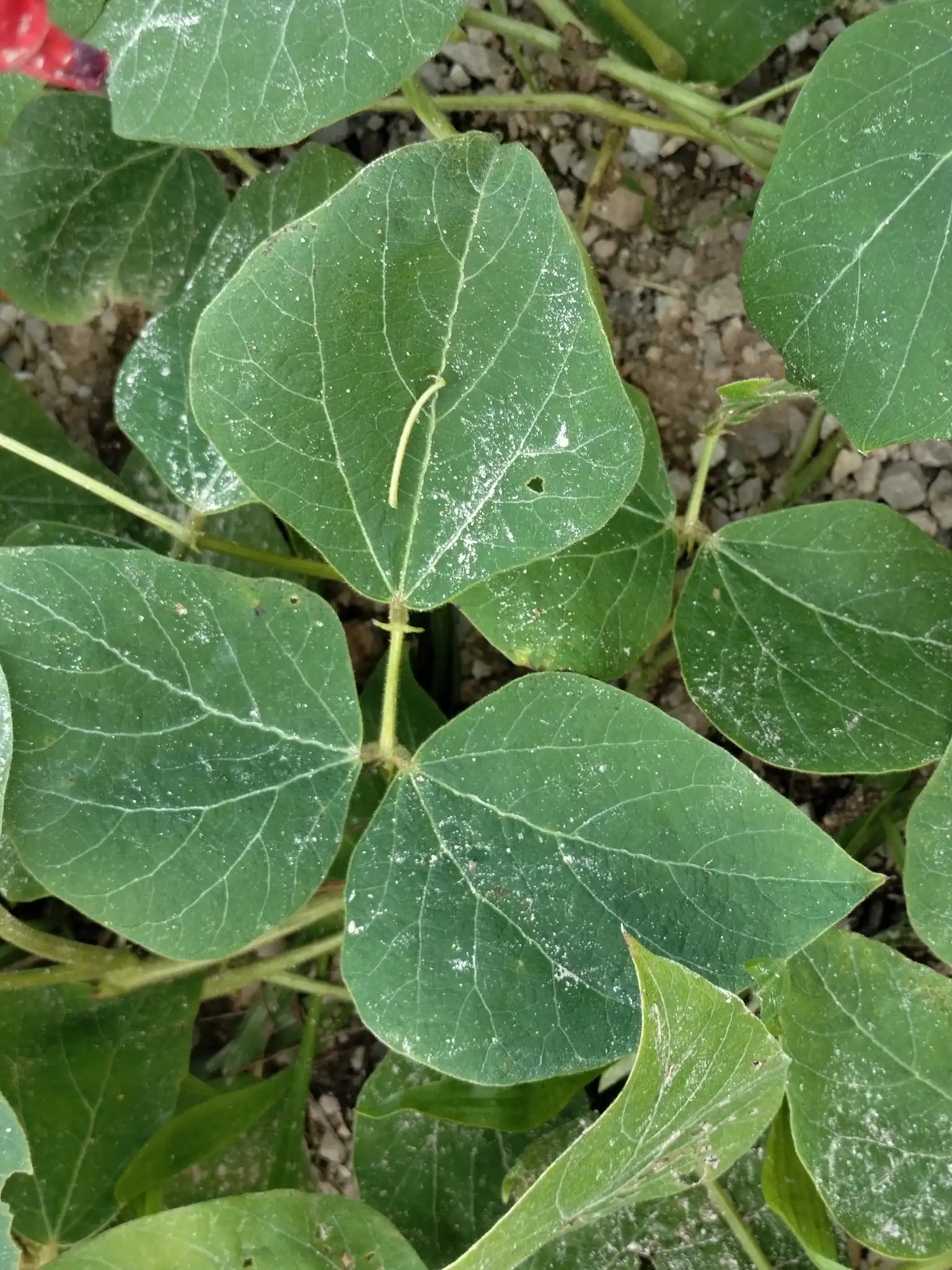
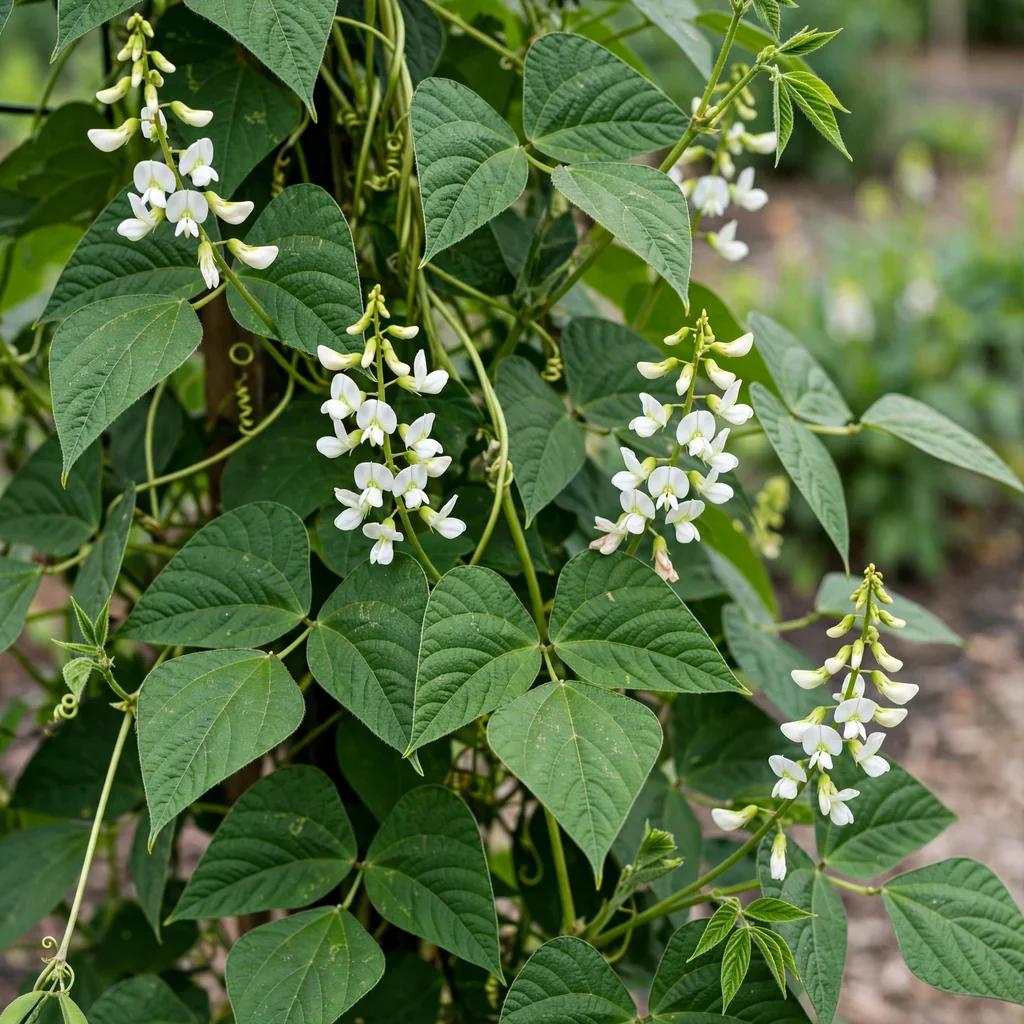
Phaseolus coccineus, runner bean, is a rapid twining annual vine originally from the highlands of Central America, climbing six to ten feet in a season. Coarse leaves clothe the stems, orange to scarlet flowers open from midsummer to frost, and the edible green pods turn purple as they age over black seeds mottled with red.
It is grown as much for the flowers as for the crop, and hummingbirds work the scarlet trumpets all summer. Unlike the common bean it is a perennial in its native highlands and forms a tuberous root, so a plant left in frost-free ground regrows the following spring. Pick pods young; older ones turn stringy and tough quickly.
Uses & Benefits:
Essentials
At a Glance
Plant Type
Fruit Vegetable
Height
72"
Width
24"
Light
Full Sun
Zones
5, 6, 7, 8
Water
Moderate to high
Humidity
Moderate
Lifespan
Annual
Native To
Central American highlands
Toxicity
Beans toxic raw; safe cooked
Planting
How to Grow
- Sow after all frost into warm soil.
- Give it full sun and a tall support to climb.
- Water freely and consistently once flowering starts.
- Mulch to hold moisture at the roots.
- Pick pods young and keep picking.
- Cook the beans; do not eat them raw.
Pro Tip
Keep picking every few days — pods left on the vine stop it setting new ones, and they turn stringy within a week.
Keep It Thriving
Care Guide
Do
- Give it a tall support 🪜
- Water consistently while flowering 💧
- Pick pods young and often 🫛
- Cook the beans thoroughly 🍲
Don't
- Sow into cold soil ❌
- Let pods go over on the vine ❌
- Eat the beans raw ❌
Seasonal Care Calendar
| Task | Jan | Feb | Mar | Apr | May | Jun | Jul | Aug | Sep | Oct | Nov | Dec |
|---|---|---|---|---|---|---|---|---|---|---|---|---|
| Harvest | ||||||||||||
| Sow |
Watch Out For
Pests & Diseases
Common Pests
Common Diseases
In the Garden
Landscape Uses & Companions
Landscape Uses
Companion Plants
Multiply
Propagation Methods
Good to Know
Common Questions
Runner Bean questions
What zones can Runner Bean grow in?
Runner Bean is hardy in USDA Zones 5–8. Inside that range it survives winter in the ground; outside it, grow it as an annual or a container plant you protect.
Is Runner Bean deer resistant?
Yes — Runner Bean is rated deer-resistant. Deer typically pass it over, though extreme hunger can override any plant's defenses.
When does Runner Bean bloom?
Runner Bean typically blooms in midsummer to frost through late summer. Exact timing shifts a week or two with your zone — Sow's bloom calendar maps it to your garden.
Does Runner Bean need full sun?
Runner Bean does best in full sun (6+ hours).
More Phaseolus to compare
Keep exploring
Explore the genus
Hardy in your zone?
Grow Runner Bean with confidence
See it in a design of your actual yard, get zone-matched care reminders, and track it season by season in your garden journal.