1 named cultivar
The Story
Plant Bio
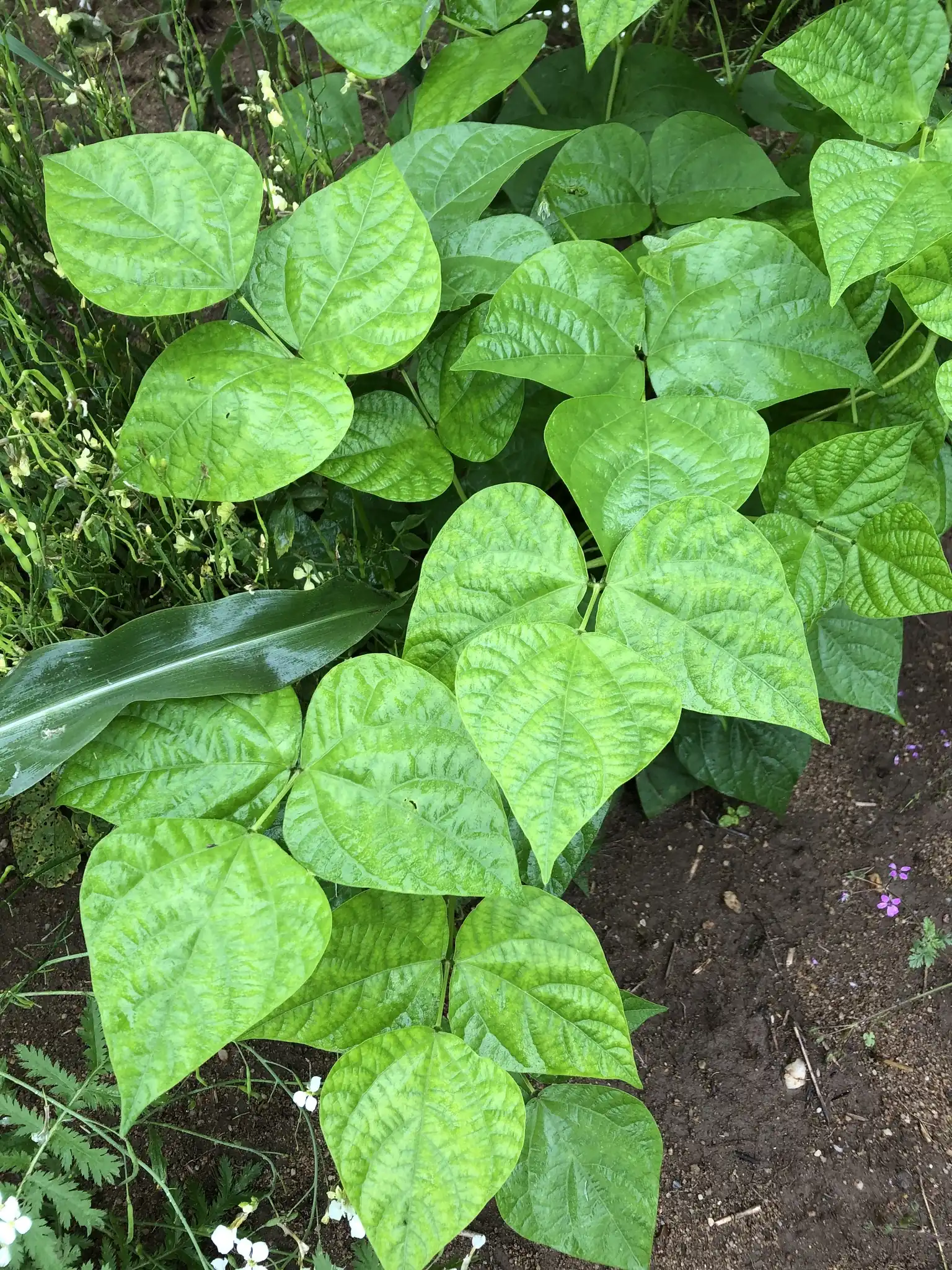
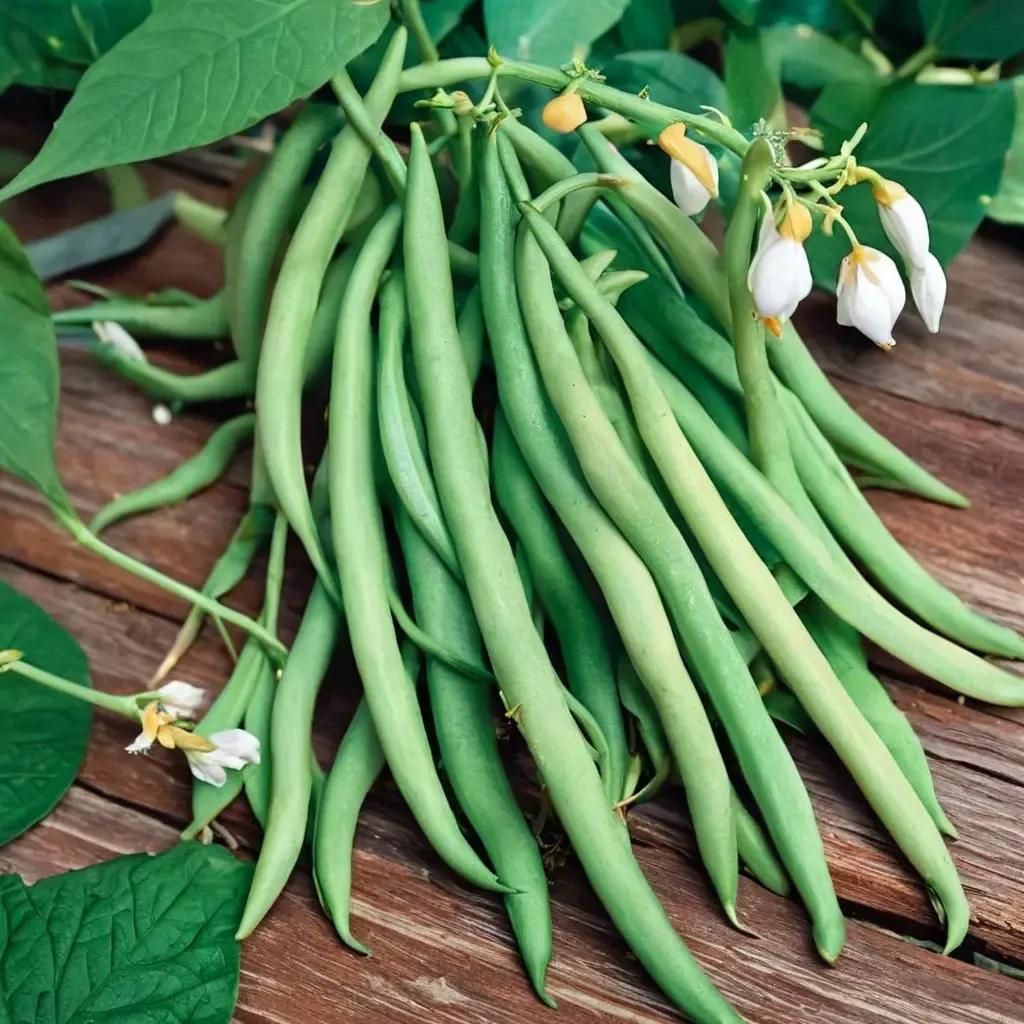
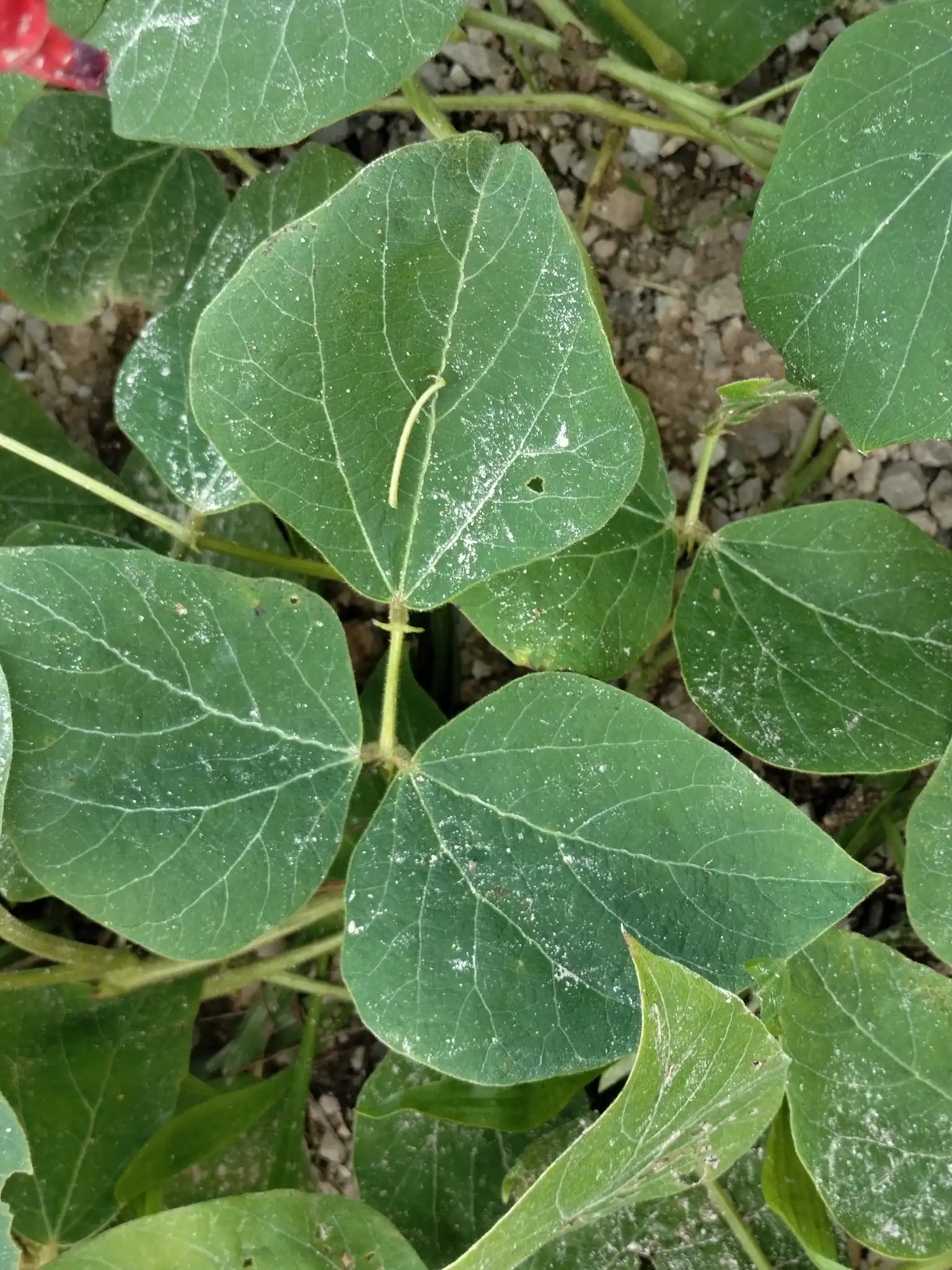
Phaseolus vulgaris, the common bean, is a warm-season annual from tropical America, grown as either a compact bush about twenty inches high or a climbing pole bean reaching six to ten feet. Three broadly oval leaflets make up each leaf, pea-like flowers open in summer, and the familiar boat-shaped pods follow.
Bush and pole types are the same species and want completely different treatment: bush beans crop heavily over two or three weeks and suit successional sowing, while pole beans climb and crop steadily for months from far less ground. Note that dried beans must be boiled hard before eating — raw or slow-cooked beans contain a toxin that causes severe illness.
Uses & Benefits:
Essentials
At a Glance
Plant Type
Fruit Vegetable
Height
20"
Width
18"
Light
Full Sun, Partial Sun
Zones
4, 5, 6, 7, 8, 9, 10
Water
Moderate
Humidity
Moderate
Lifespan
Annual
Native To
Tropical America
Toxicity
Cooked pods edible; raw dried beans are toxic
Planting
How to Grow
- Sow direct after the last frost into warm soil.
- Decide bush or pole; they need different spacing.
- Give pole beans a support at least six feet tall.
- Do not feed with nitrogen; beans fix their own.
- Pick pods young and often to keep cropping.
- Boil dried beans hard before eating.
Pro Tip
Picking is what keeps them cropping — leave pods to mature on the plant and it stops flowering within days.
Keep It Thriving
Care Guide
Do
- Sow direct into warm soil 🌡️
- Pick pods young and often 🫘
- Give pole types a tall support 🪜
- Let them fix their own nitrogen 🔄
Don't
- Feed with nitrogen fertiliser ❌
- Let pods mature if you want more ❌
- Eat raw or slow-cooked dried beans ❌
Seasonal Care Calendar
| Task | Jan | Feb | Mar | Apr | May | Jun | Jul | Aug | Sep | Oct | Nov | Dec |
|---|---|---|---|---|---|---|---|---|---|---|---|---|
| Harvest | ||||||||||||
| Sow |
Watch Out For
Pests & Diseases
Common Pests
Common Diseases
In the Garden
Landscape Uses & Companions
Landscape Uses
Companion Plants
Multiply
Propagation Methods
Good to Know
Common Questions
Green Bean questions
What zones can Green Bean grow in?
Green Bean is hardy in USDA Zones 4–10. Inside that range it survives winter in the ground; outside it, grow it as an annual or a container plant you protect.
Is Green Bean deer resistant?
Not reliably. Deer may browse Green Bean, especially tender spring growth — plan on repellents or fencing where pressure is high.
When does Green Bean bloom?
Green Bean typically blooms in summer through late summer. Exact timing shifts a week or two with your zone — Sow's bloom calendar maps it to your garden.
Does Green Bean need full sun?
Green Bean does best in full sun to part shade. In hot climates, afternoon shade keeps blooms fresher longer.
More Phaseolus to compare
Keep exploring
Explore the genus
Grow Green Bean with confidence
See it in a design of your actual yard, get zone-matched care reminders, and track it season by season in your garden journal.