The Story
Plant Bio
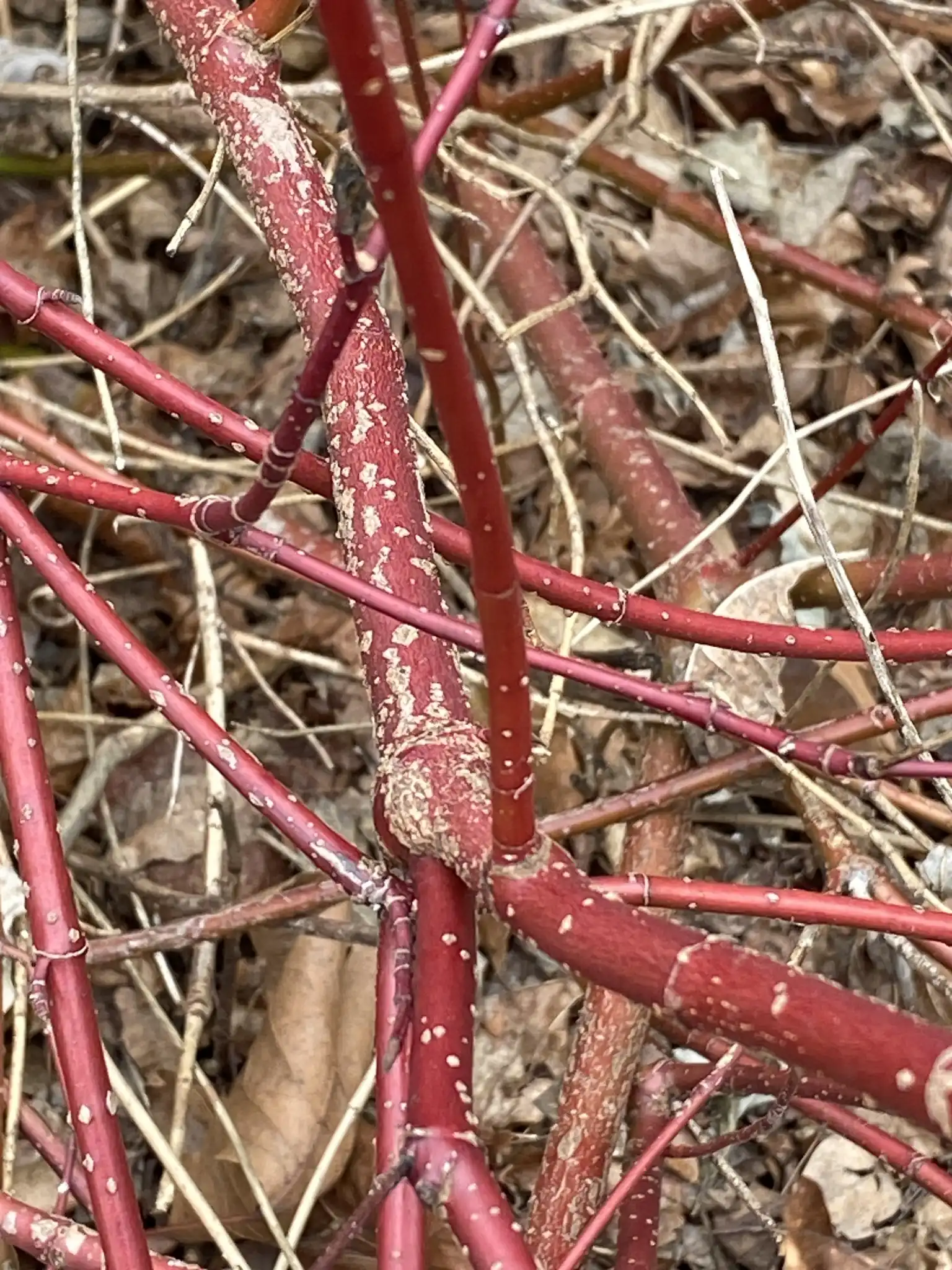
A multi-stemmed, suckering deciduous shrub native to North America, prized for its vibrant red winter stems and four-season interest. It forms dense thickets, providing excellent wildlife habitat.
This species is particularly noted for its brilliant crimson stems in winter, which provide striking color against snow. Its adaptability to wet soils makes it ideal for rain gardens and stream bank stabilization.
Uses & Benefits:
Essentials
At a Glance
Plant Type
Shrub
Height
108"
Width
120"
Light
Full Sun, Partial Sun
Zones
4, 5, 6, 7
Water
Medium to wet
Humidity
Adaptable
Lifespan
20+ years
Native To
North America
Toxicity
Non-toxic
Bloom period
Late spring – Early summer
In flower about 2 months of the year
Planting
How to Grow
- Choose a location in full sun to part shade with moist soil.
- Dig a hole twice as wide as the root ball and just as deep.
- Place the shrub in the hole, ensuring the crown is at soil level.
- Backfill with native soil and water thoroughly to settle.
- Apply a 2-3 inch layer of mulch around the base, avoiding the stems.
- Water regularly during the first year to establish a strong root system.
Pro Tip
For the most vibrant red stems, prune out one-third of the oldest canes every one to two years in late winter.
Keep It Thriving
Care Guide
Do
- Provide consistent moisture, especially in full sun locations.
- Prune regularly to maintain vibrant stem color and control size.
- Allow space for its suckering habit or use a root barrier.
- Plant in groups for a dramatic winter display.
Don't
- Don't plant in very dry, sandy soils without supplemental water.
- Avoid shearing into a formal shape; it ruins the natural habit.
- Don't let it dry out completely, especially during establishment.
- Refrain from pruning after early spring to avoid removing flower buds.
Seasonal Care Calendar
| Task | Jan | Feb | Mar | Apr | May | Jun | Jul | Aug | Sep | Oct | Nov | Dec |
|---|---|---|---|---|---|---|---|---|---|---|---|---|
| Plant | ||||||||||||
| Propagate | ||||||||||||
| Prune |
Watch Out For
Pests & Diseases
Common Pests
Common Diseases
In the Garden
Landscape Uses & Companions
Landscape Uses
Multiply
Propagation Methods
Good to Know
Common Questions
Red Osier Dogwood questions
What zones can Red Osier Dogwood grow in?
Red Osier Dogwood is hardy in USDA Zones 4–7. Inside that range it survives winter in the ground; outside it, grow it as an annual or a container plant you protect.
Is Red Osier Dogwood deer resistant?
Yes — Red Osier Dogwood is rated deer-resistant. Deer typically pass it over, though extreme hunger can override any plant's defenses.
When does Red Osier Dogwood bloom?
Red Osier Dogwood typically blooms in late spring through early summer. Exact timing shifts a week or two with your zone — Sow's bloom calendar maps it to your garden.
Does Red Osier Dogwood need full sun?
Red Osier Dogwood does best in full sun to part shade. In hot climates, afternoon shade keeps blooms fresher longer.
More Cornus to compare
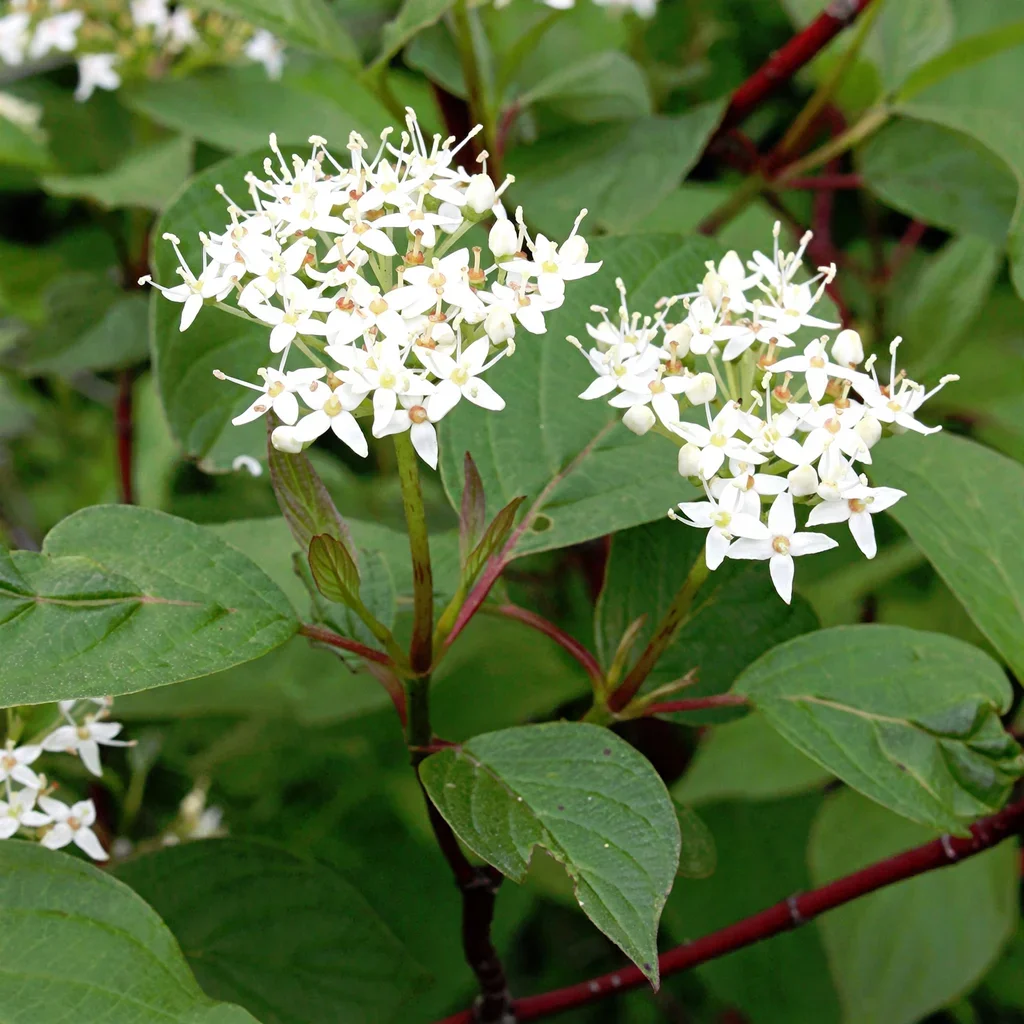
Red Twig Dogwood
Cornus sericea 'Red Twig'
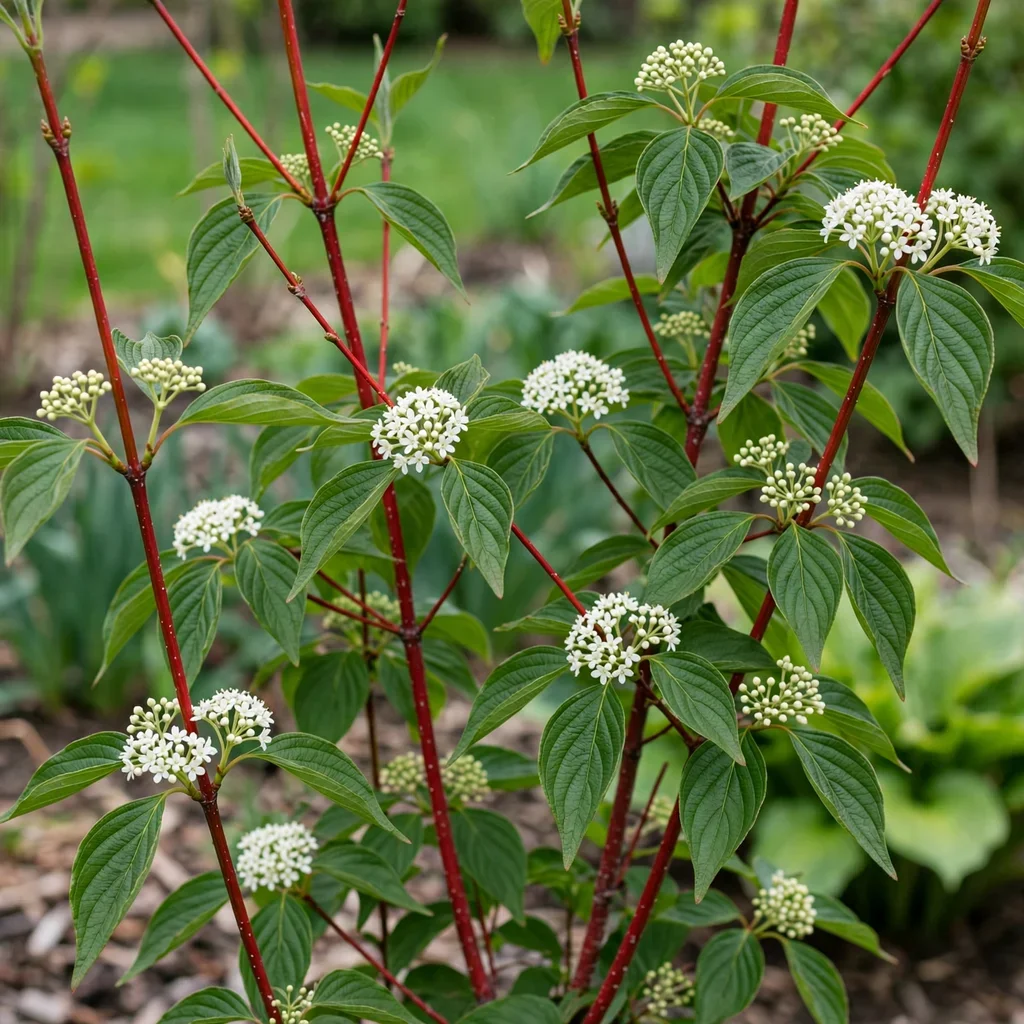
Arctic Fire Red Osier Dogwood
Cornus sericea 'Arctic Fire'
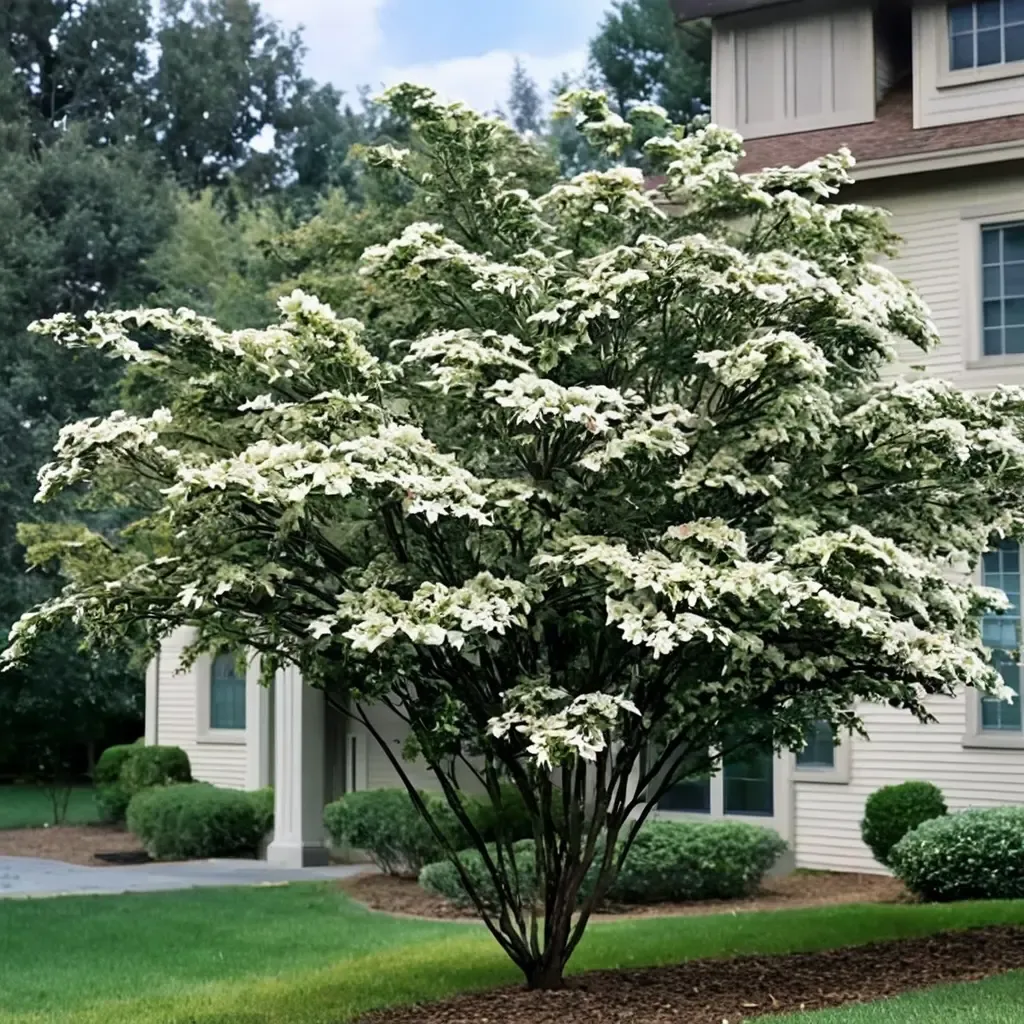
Kousa Dogwood
Cornus kousa
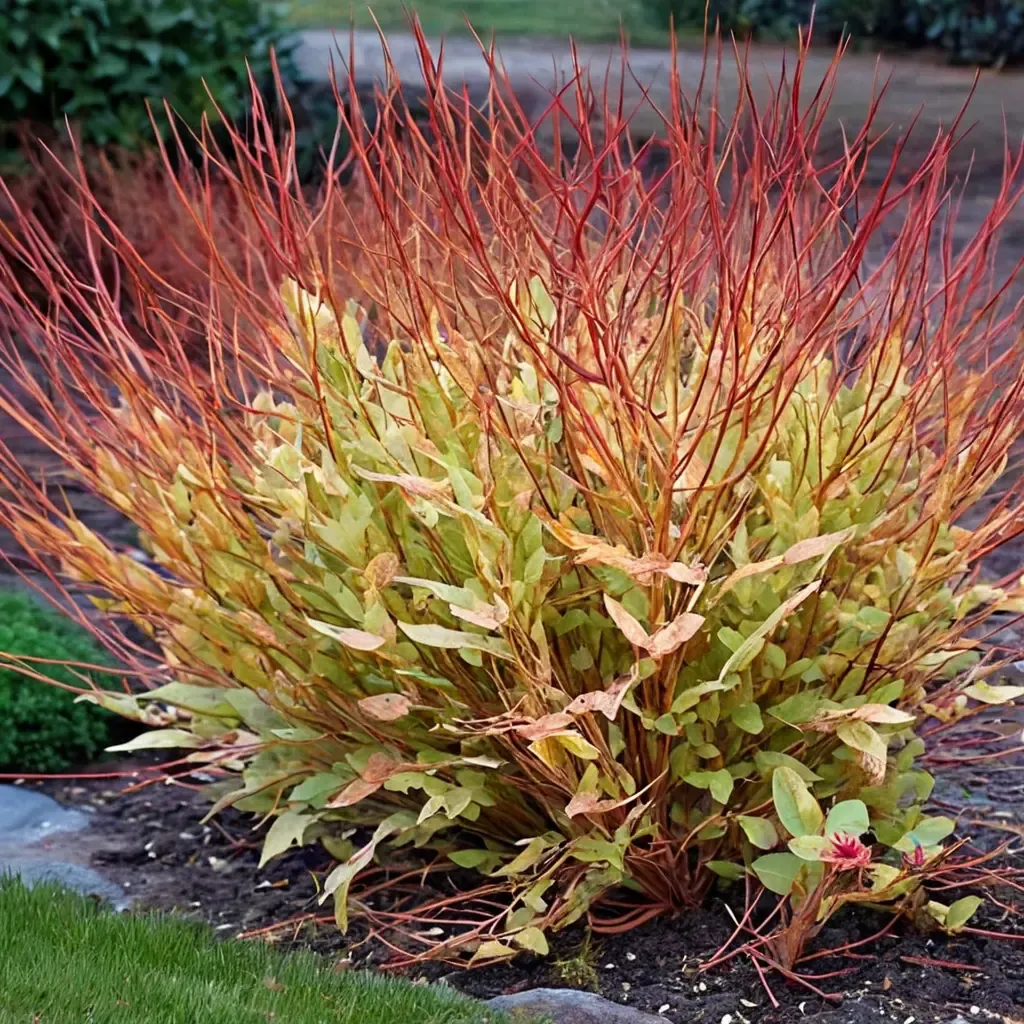
Midwinter Fire Dogwood
Cornus sanguinea 'Midwinter Fire'
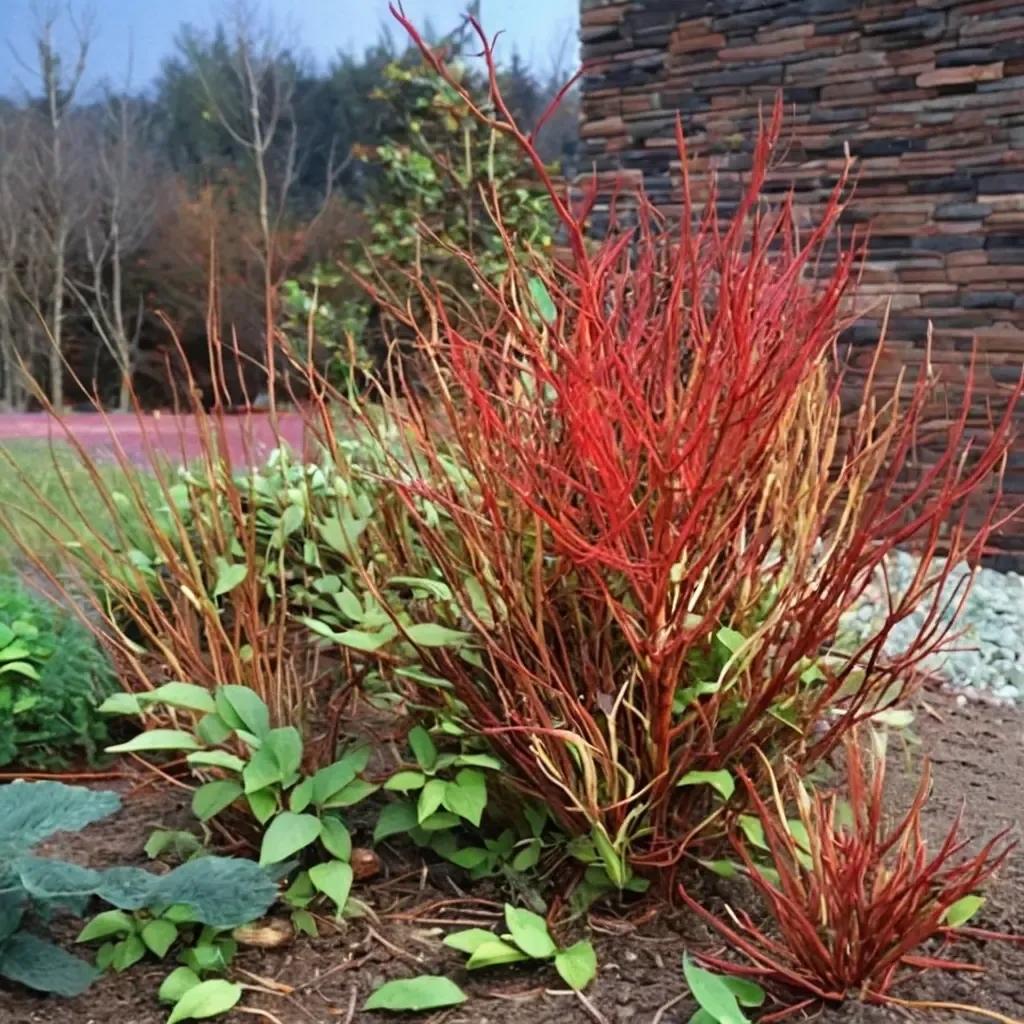
Cardinal Red Osier Dogwood
Cornus sericea 'Cardinal'
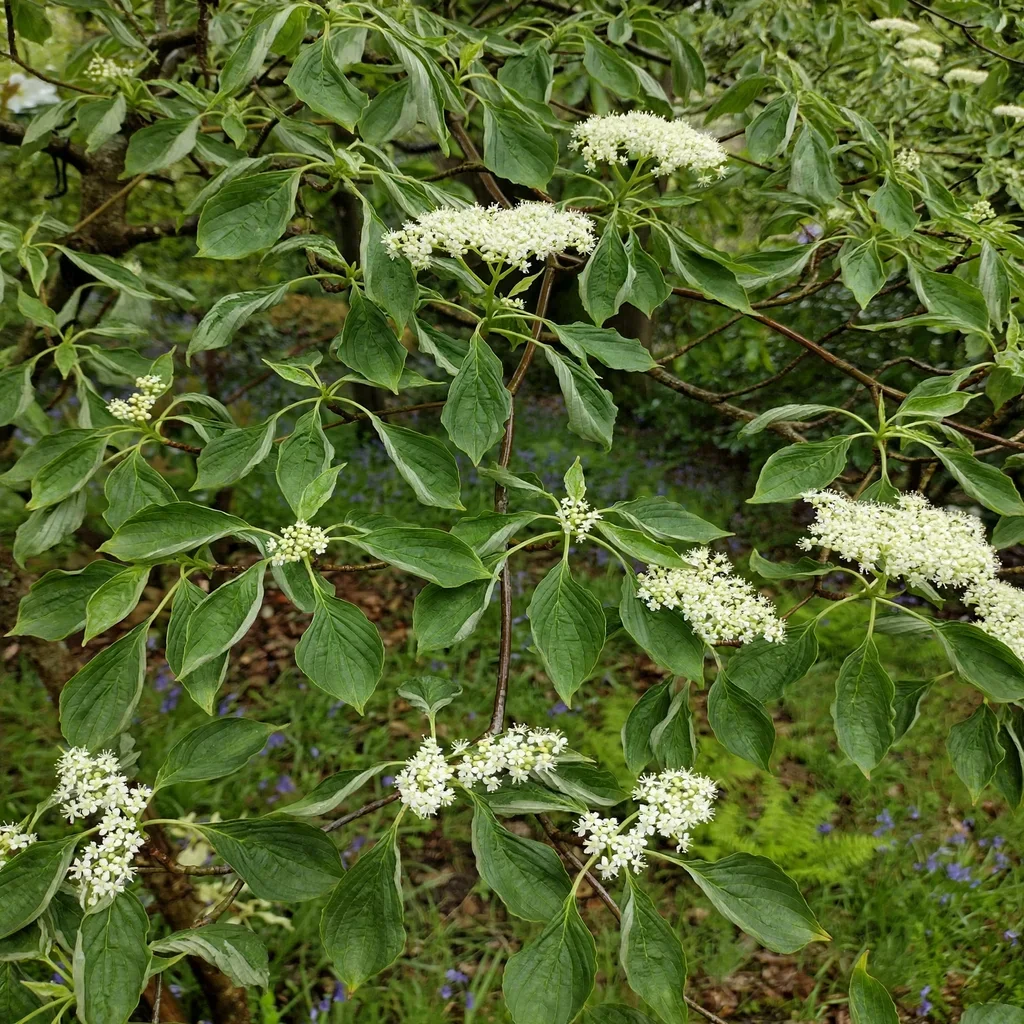
Giant Dogwood
Cornus controversa
Keep exploring
Explore the genus
Hardy in your zone?
Grow Red Osier Dogwood with confidence
See it in a design of your actual yard, get zone-matched care reminders, and track it season by season in your garden journal.