The Story
Plant Bio
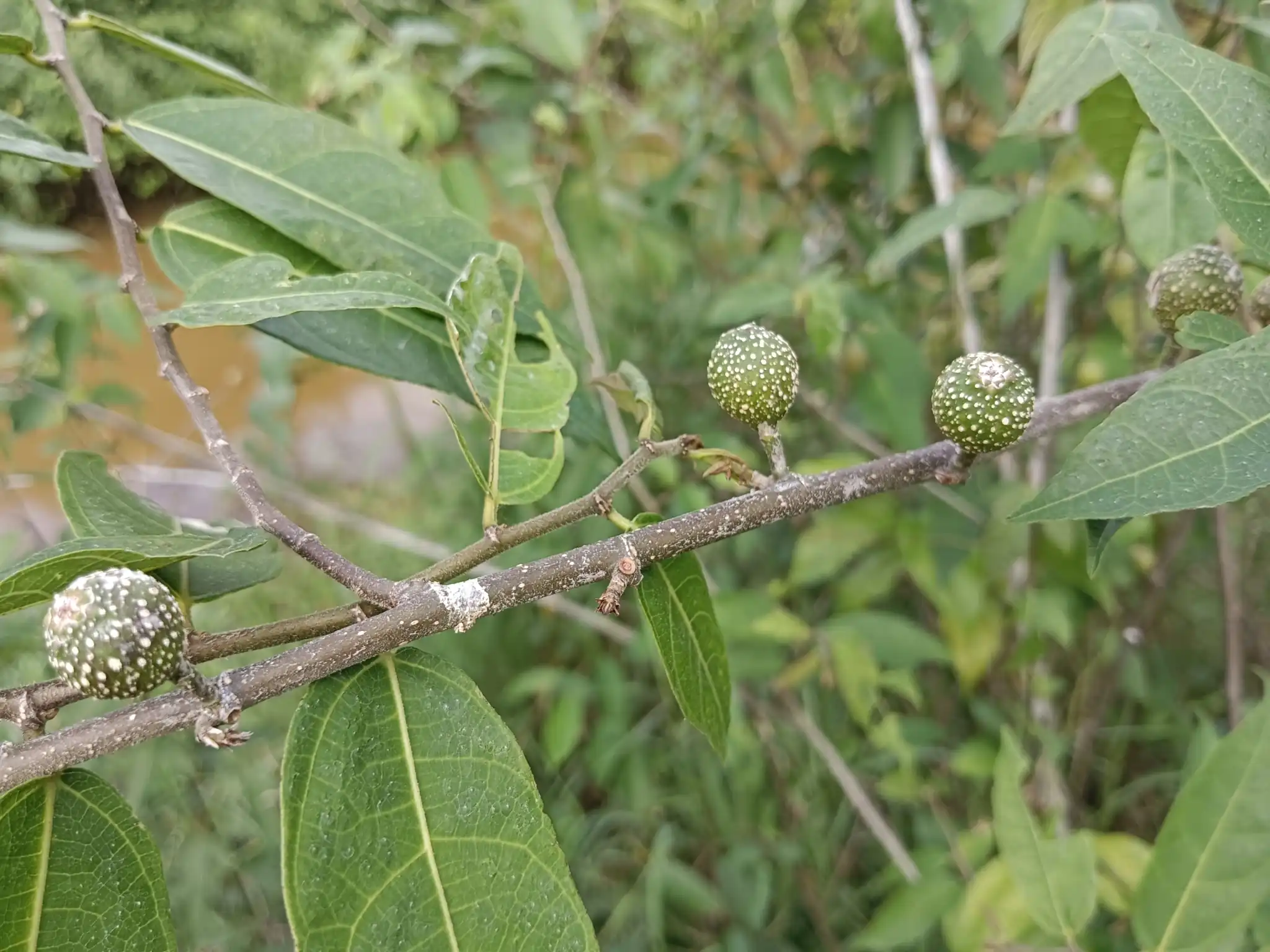
Ficus heterophylla is a deciduous to semi-evergreen tropical shrub native to the understories of tropical Asia. It is characterized by its highly variable, rough-textured foliage that ranges from lanceolate to deeply lobed or fiddle-shaped on the same plant.
The species exhibits pronounced heterophylly, with new growth emerging as light green leaves that mature into a sandpapery, scabrid texture. Its flowers are minute and entirely enclosed within axillary syconia, requiring a highly specialized symbiotic wasp for pollination.
Uses & Benefits:
Essentials
At a Glance
Plant Type
Shrub
Height
118"
Width
98"
Light
Full Sun, Partial Sun
Zones
10
Water
High
Humidity
High
Lifespan
Perennial
Native To
Tropical Asia
Toxicity
Skin irritant (milky sap)
Bloom period
Summer – Fall
In flower about 6 months of the year
Planting
How to Grow
- Select a container with excellent drainage holes and fill it with an organically rich, loamy potting mix.
- Place the plant in a location that receives bright, filtered light or partial shade, avoiding direct, scorching afternoon sun.
- Water consistently to keep the soil evenly moist, allowing only the top inch of soil to dry out between waterings.
- Maintain high humidity around the foliage by misting regularly or using a humidifier, especially during dry winter months.
Pro Tip
Avoid sudden temperature drops or cold drafts, which trigger rapid leaf drop, and never overwater during winter dormancy to prevent fatal root rot.
Keep It Thriving
Care Guide
Do
- Prune lightly in late winter to maintain shape and remove weak stems.
- Monitor indoor specimens regularly for sap-sucking pests like spider mites and scale.
- Apply a balanced, slow-release fertilizer once in spring during active growth.
Don't
- Do not cut back severely into old, bare wood, as adventitious sprouting is poor.
- Do not allow the soil to dry out completely, as the plant has low drought tolerance.
- Do not expose the plant to freezing temperatures or cold drafts.
Seasonal Care Calendar
| Task | Jan | Feb | Mar | Apr | May | Jun | Jul | Aug | Sep | Oct | Nov | Dec |
|---|---|---|---|---|---|---|---|---|---|---|---|---|
| Fertilize | ||||||||||||
| Pest Check | ||||||||||||
| Propagate | ||||||||||||
| Prune |
Watch Out For
Pests & Diseases
Common Pests
Common Diseases
In the Garden
Landscape Uses & Companions
Landscape Uses
Companion Plants
Multiply
Propagation Methods
Good to Know
Common Questions
Vú Bò questions
What zones can Vú Bò grow in?
Vú Bò is hardy in USDA Zone 10. Inside that range it survives winter in the ground; outside it, grow it as an annual or a container plant you protect.
Is Vú Bò deer resistant?
Not reliably. Deer may browse Vú Bò, especially tender spring growth — plan on repellents or fencing where pressure is high.
When does Vú Bò bloom?
Vú Bò typically blooms in summer through fall. Exact timing shifts a week or two with your zone — Sow's bloom calendar maps it to your garden.
Does Vú Bò need full sun?
Vú Bò does best in full sun to part shade. In hot climates, afternoon shade keeps blooms fresher longer.
More Ficus to compare
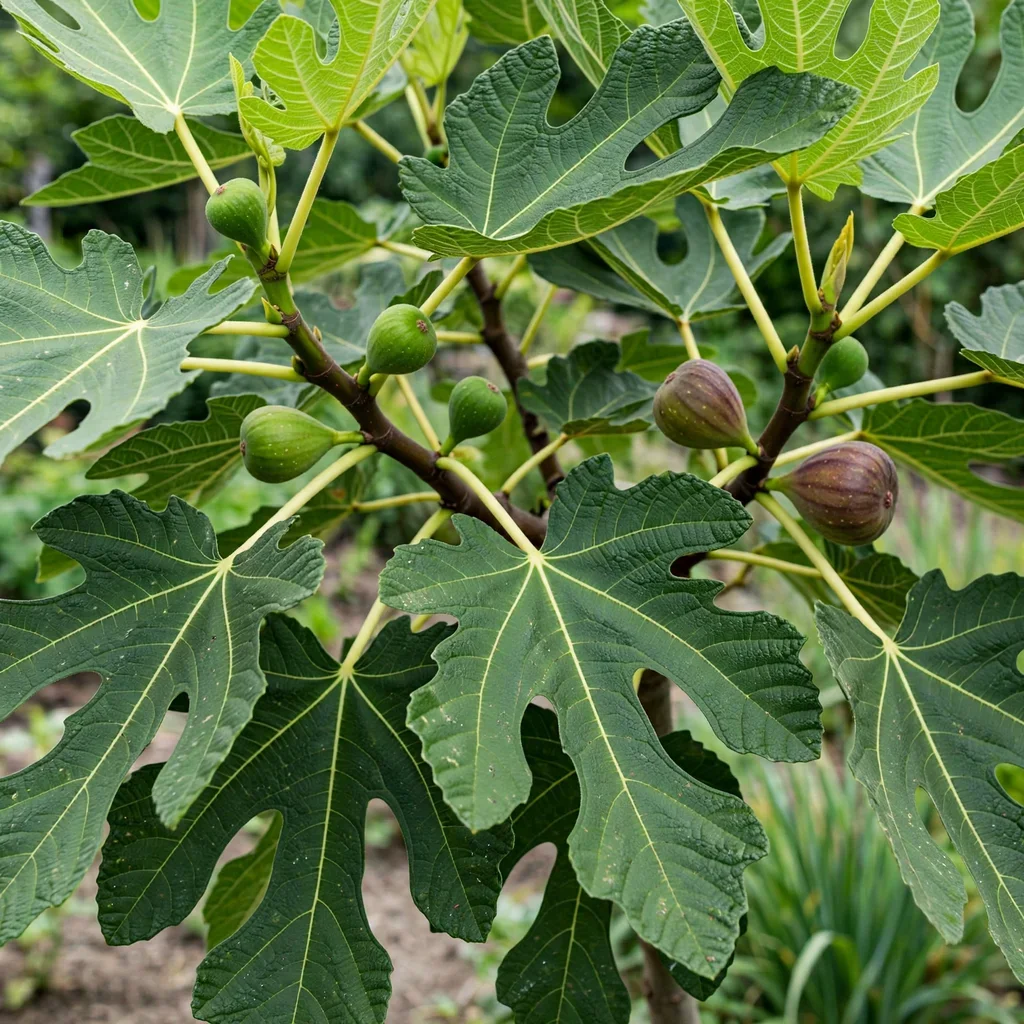
Fig Tree Brown Turkey
Ficus carica 'Brown Turkey'
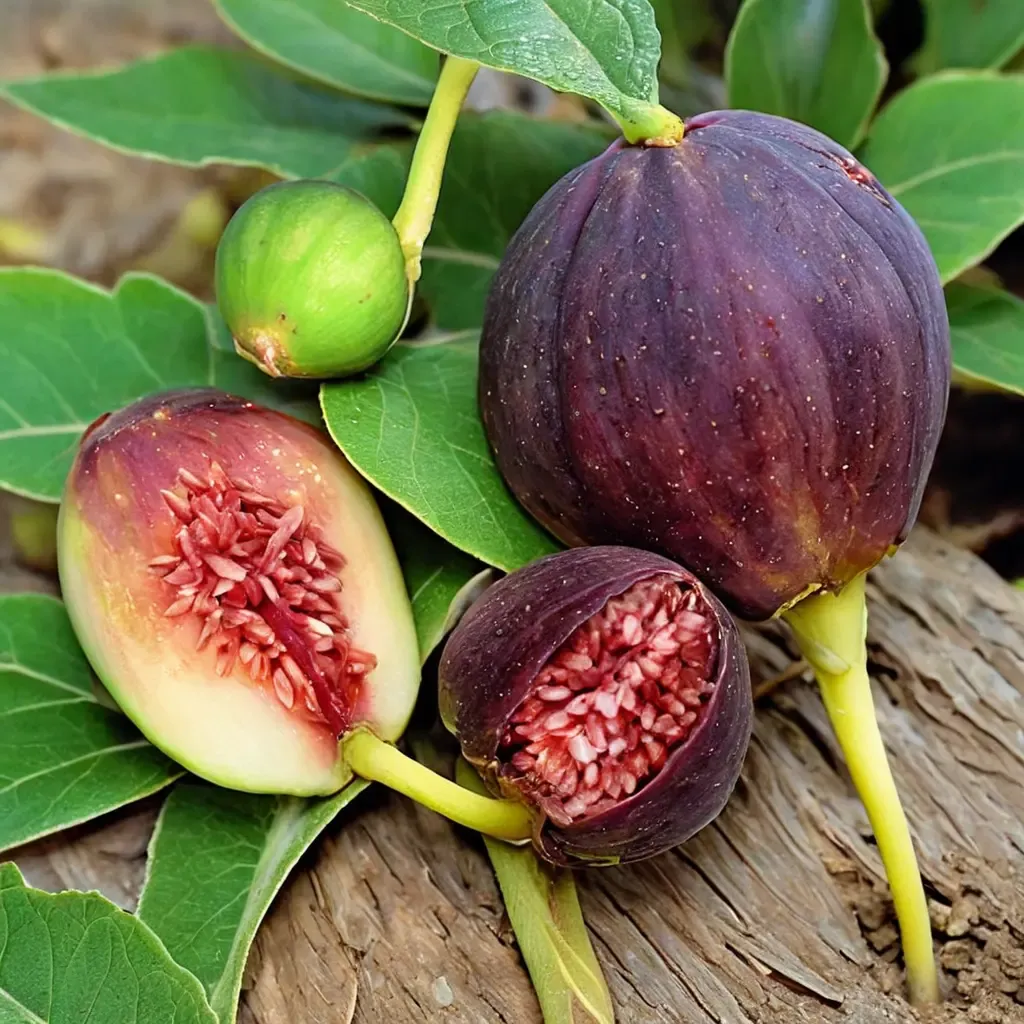
Improved Brown Turkey Fig
Ficus carica 'Improved Brown Turkey'
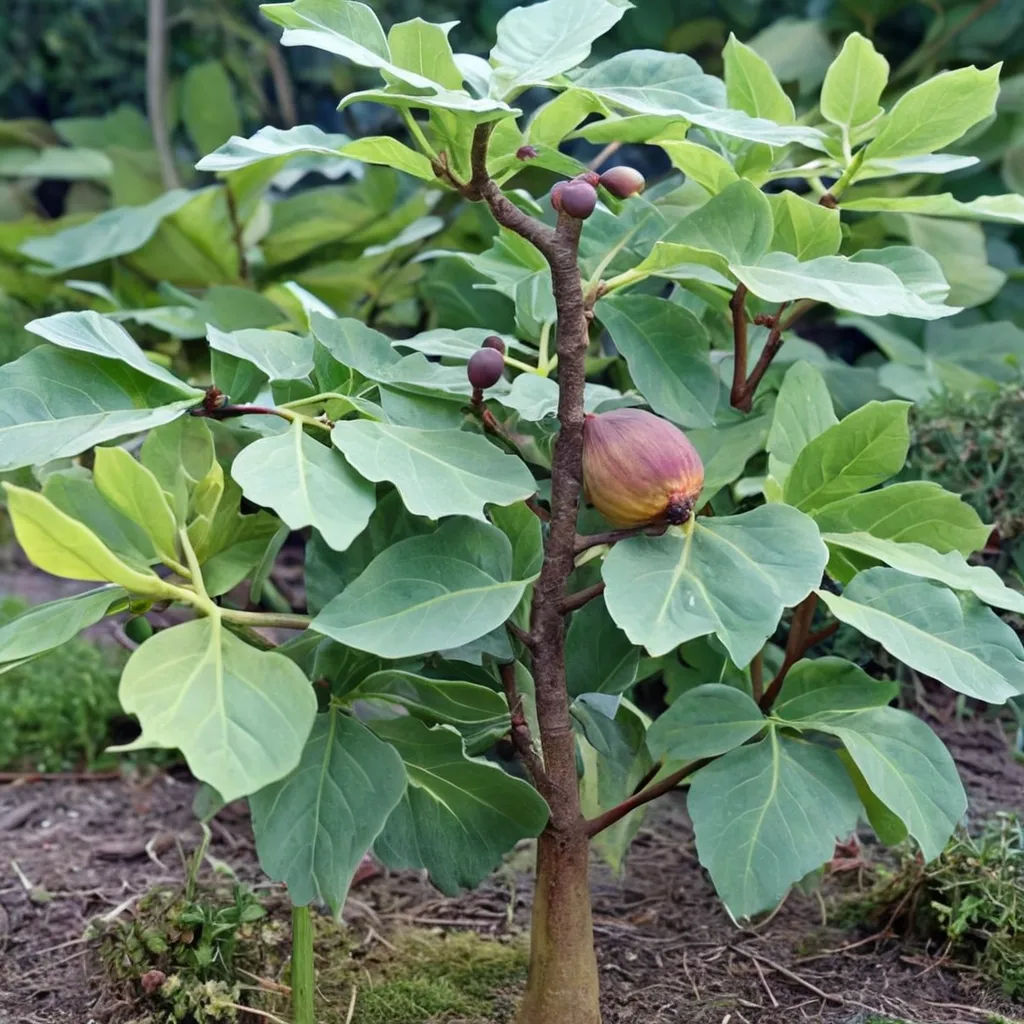
Chicago Hardy Fig
Ficus carica 'Chicago Hardy'
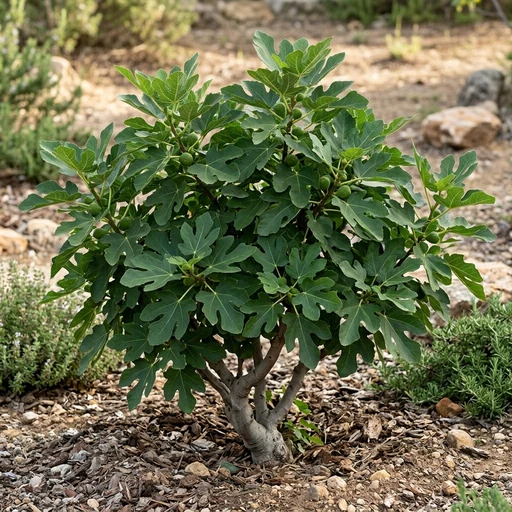
Little Miss Figgy Dwarf Fig
Ficus carica 'Little Miss Figgy'
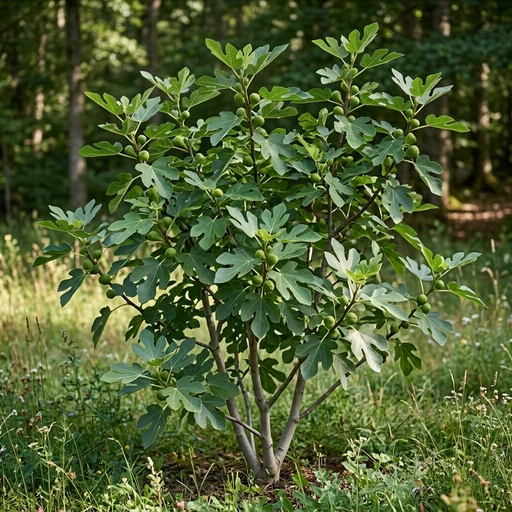
Celeste Fig
Ficus carica 'Celeste'
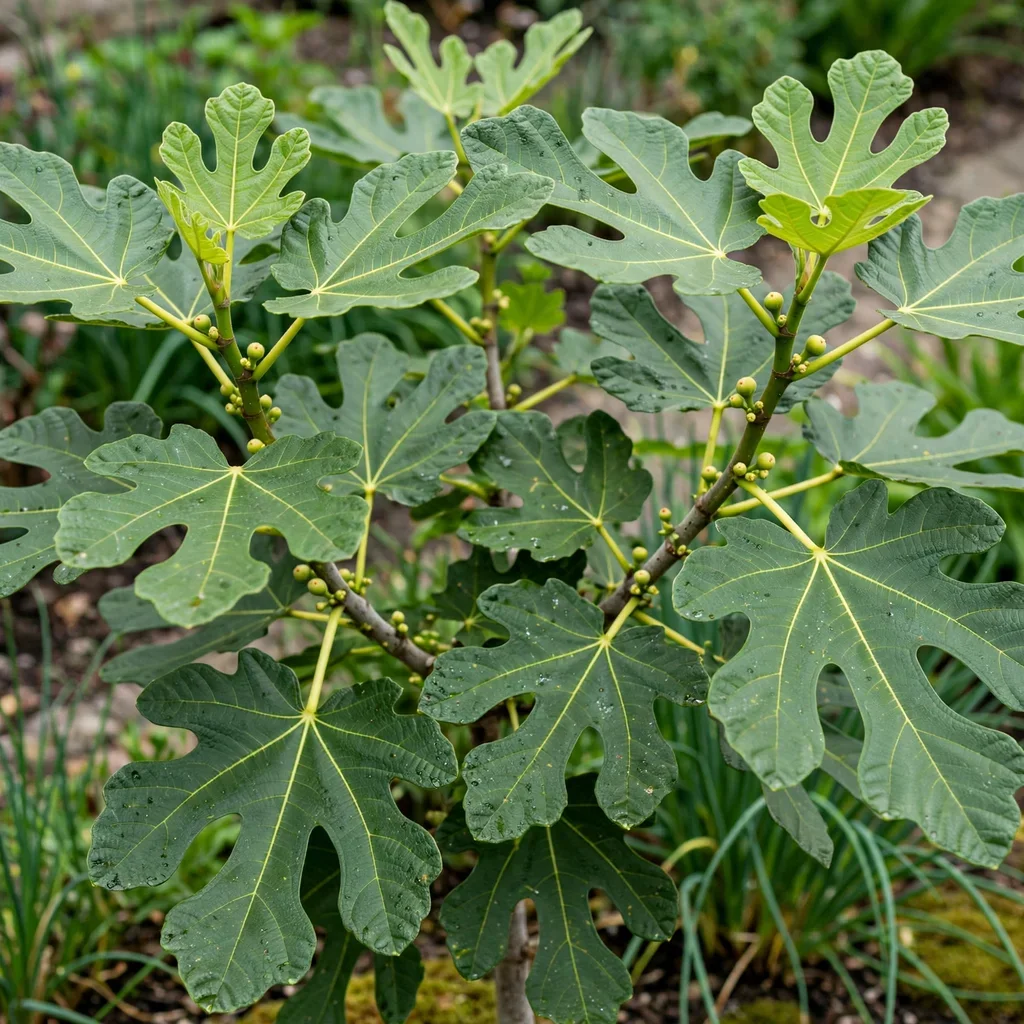
Champagne Fig
Ficus carica 'Champagne'
Keep exploring
Explore the genus
Hardy in your zone?
Grow Vú Bò with confidence
See it in a design of your actual yard, get zone-matched care reminders, and track it season by season in your garden journal.