The Story
Plant Bio
Solanum americanum, commonly known as American black nightshade, is an erect or spreading herbaceous annual to short-lived perennial native to the warmer regions of the Americas. The plant produces branching, spineless stems clothed in alternate, ovate to lanceolate green leaves that occasionally take on a purplish cast.
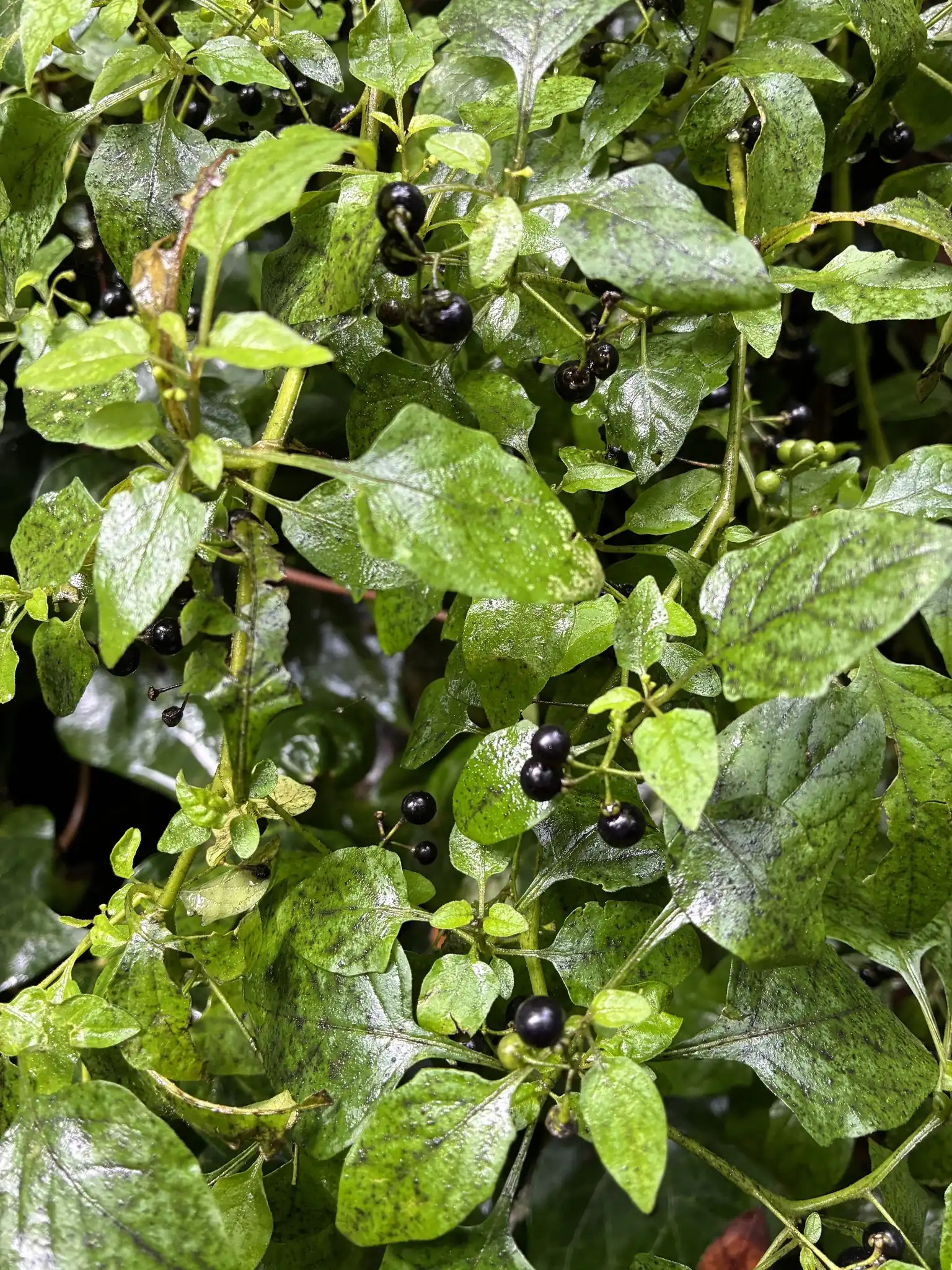
This species is distinguished from similar black nightshades by its small, star-shaped white flowers with prominent yellow anthers that give way to clusters of glossy, shiny black berries. The fruit calyx lobes are distinctly reflexed, and the berries point outward or upward rather than drooping downward.
Uses & Benefits:
Essentials
At a Glance
Plant Type
Annual
Height
59"
Width
35"
Light
Full Sun, Partial Sun
Zones
8, 9, 10
Water
Low to moderate
Humidity
High
Lifespan
Annual to short-lived perennial
Native To
Americas, Melanesia, New Guinea, Australia
Toxicity
Highly toxic
Bloom period
Spring – Fall
In flower about 9 months of the year
Planting
How to Grow
- Sow seeds shallowly in a well-draining seed-starting mix during early spring.
- Lightly scarify the seed coat prior to sowing to accelerate and even out germination.
- Transplant seedlings into a sunny to partially shaded garden site once the danger of frost has passed.
- Monitor the planting area regularly and pull volunteer seedlings to prevent unwanted self-seeding in adjacent beds.
Pro Tip
To distinguish this species from the closely related Solanum nigrum, examine the mature fruit; Solanum americanum bears highly reflective, shiny black berries on upright or outward-pointing pedicels, whereas Solanum nigrum produces dull black berries.
Keep It Thriving
Care Guide
Do
- Wear gloves when handling or pulling plants to avoid contact with toxic sap.
- Grow in well-draining soil to prevent root rot.
Don't
- Do not ingest any part of the plant, especially the highly toxic green, unripe berries.
- Do not plant in areas accessible to livestock, pets, or unsupervised children.
Seasonal Care Calendar
| Task | Jan | Feb | Mar | Apr | May | Jun | Jul | Aug | Sep | Oct | Nov | Dec |
|---|---|---|---|---|---|---|---|---|---|---|---|---|
| Pest Check | ||||||||||||
| Plant | ||||||||||||
| Prune | ||||||||||||
| Winter Prep |
Watch Out For
Pests & Diseases
Common Pests
Common Diseases
In the Garden
Landscape Uses & Companions
Landscape Uses
Multiply
Propagation Methods
Good to Know
Common Questions
American Black Nightshade questions
What zones can American Black Nightshade grow in?
American Black Nightshade is hardy in USDA Zones 8–10. Inside that range it survives winter in the ground; outside it, grow it as an annual or a container plant you protect.
Is American Black Nightshade deer resistant?
Not reliably. Deer may browse American Black Nightshade, especially tender spring growth — plan on repellents or fencing where pressure is high.
When does American Black Nightshade bloom?
American Black Nightshade typically blooms in spring through fall. Exact timing shifts a week or two with your zone — Sow's bloom calendar maps it to your garden.
Does American Black Nightshade need full sun?
American Black Nightshade does best in full sun to part shade. In hot climates, afternoon shade keeps blooms fresher longer.
Is American Black Nightshade drought tolerant?
Yes — once established (usually after the first full season), American Black Nightshade handles dry spells with minimal watering. Water deeply its first year to build the root system that makes that possible.
More Solanum to compare
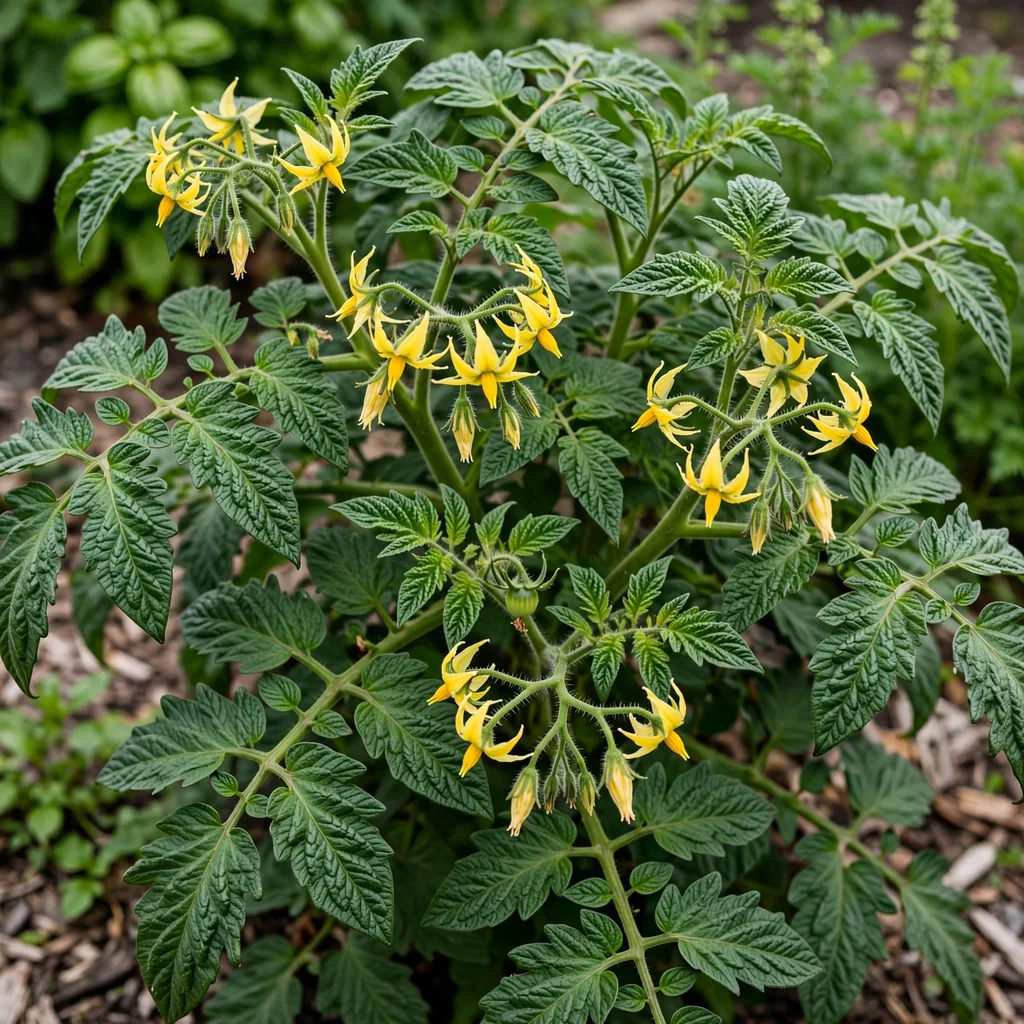
Martino's Roma Tomato
Solanum lycopersicum 'Martino's Roma'
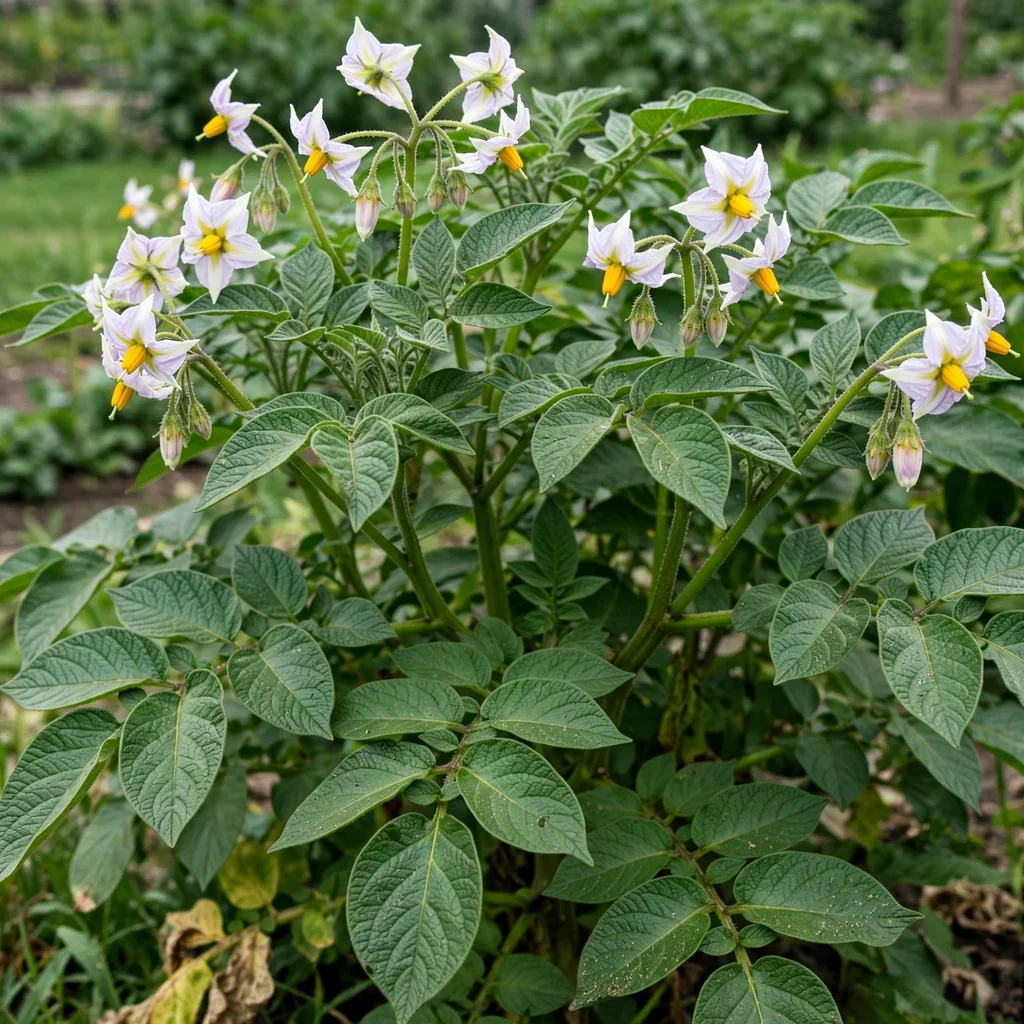
Yukon Gold Potato
Solanum tuberosum 'Yukon Gold'
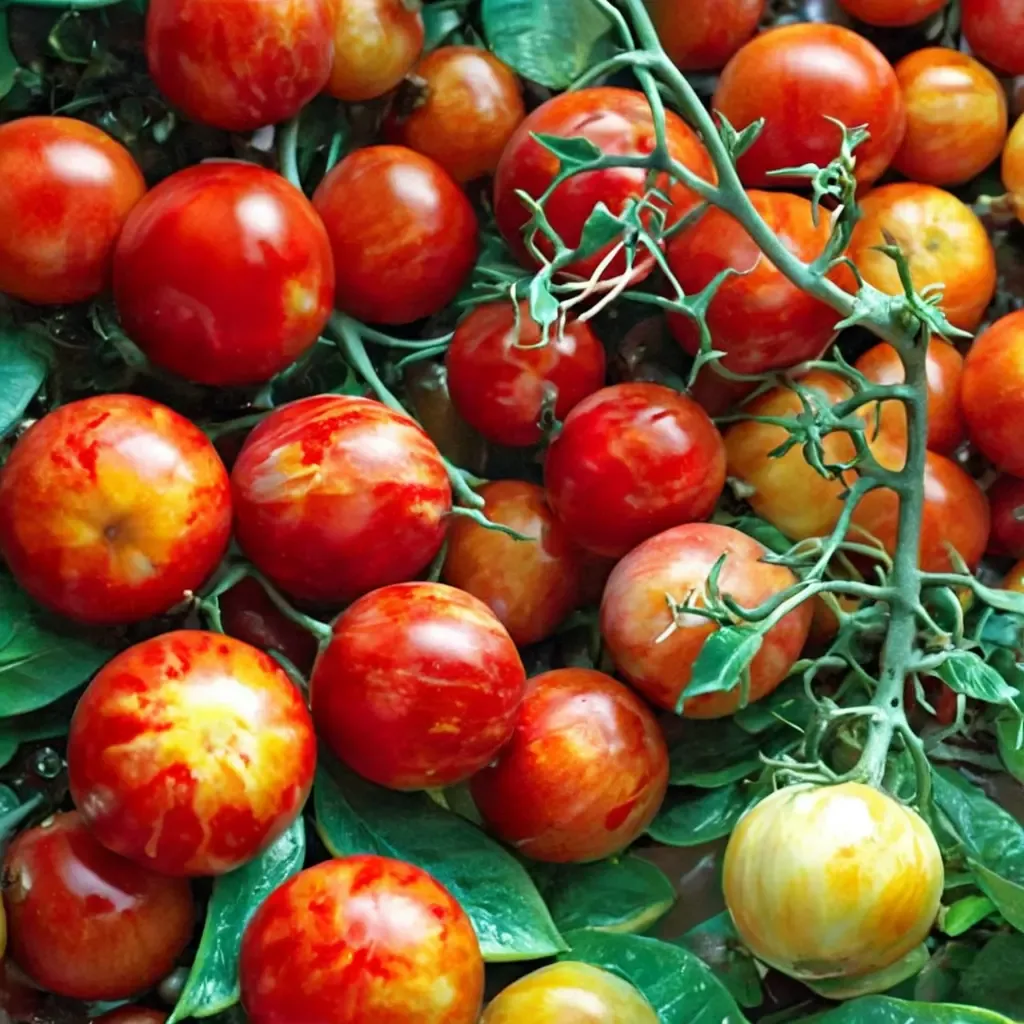
Sweet Tomato
Solanum lycopersicum 'Sweet'
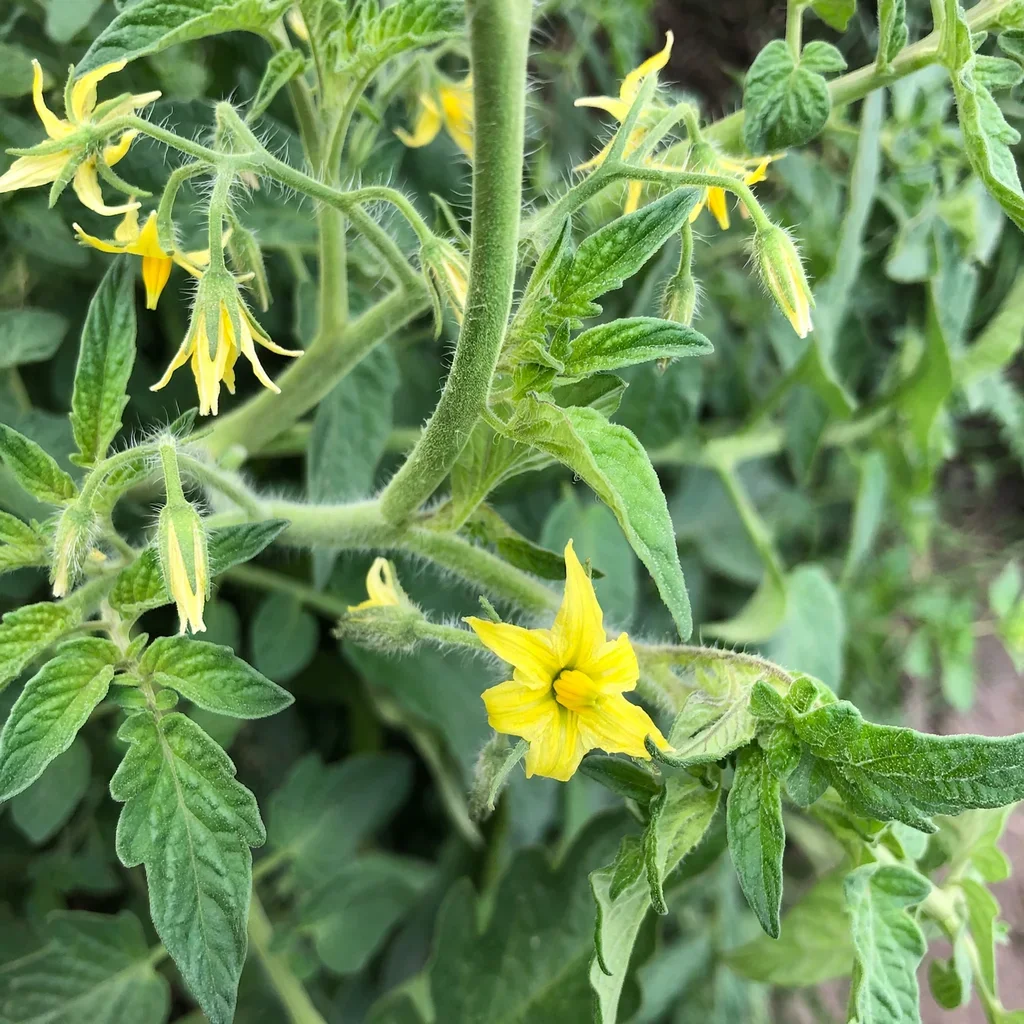
Napa Rose Tomato
Solanum lycopersicum 'Napa Rose'
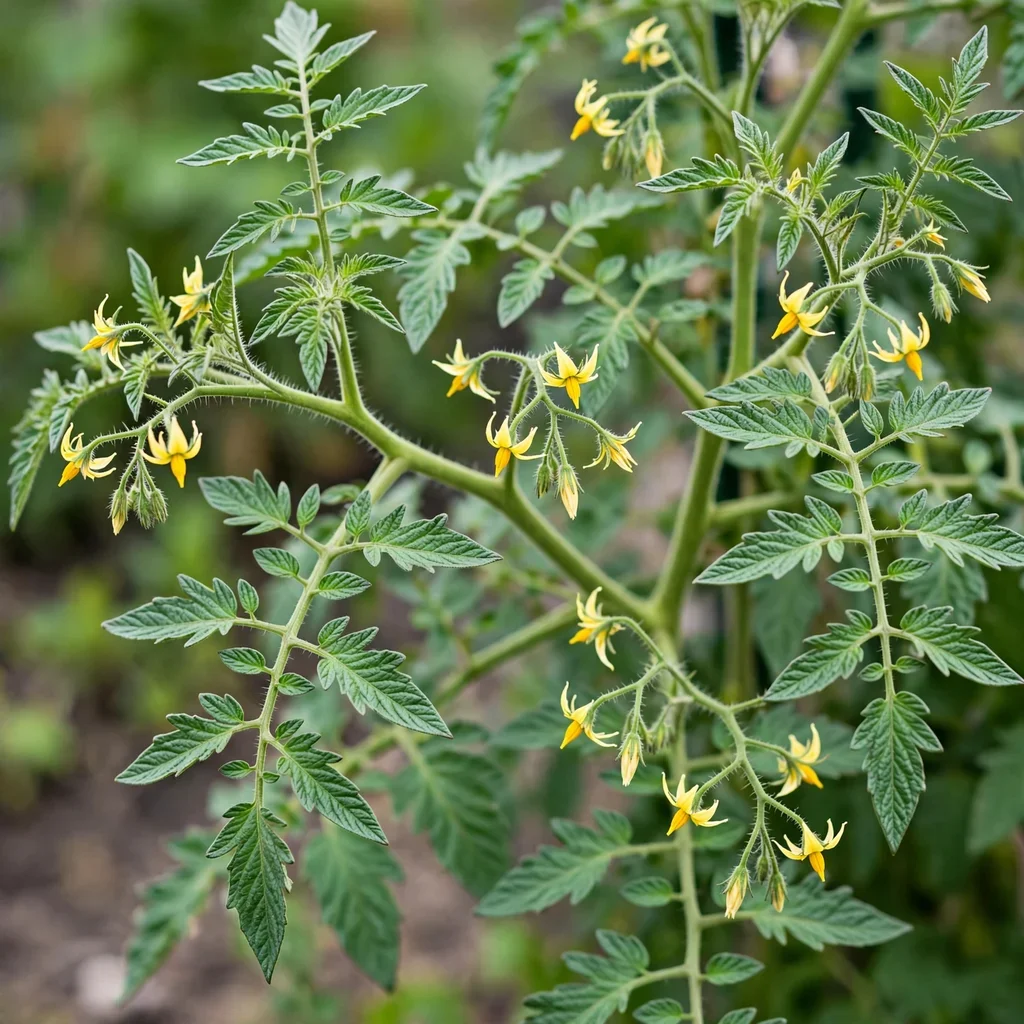
Red Currant Tomato
Solanum lycopersicum 'Red Currant'
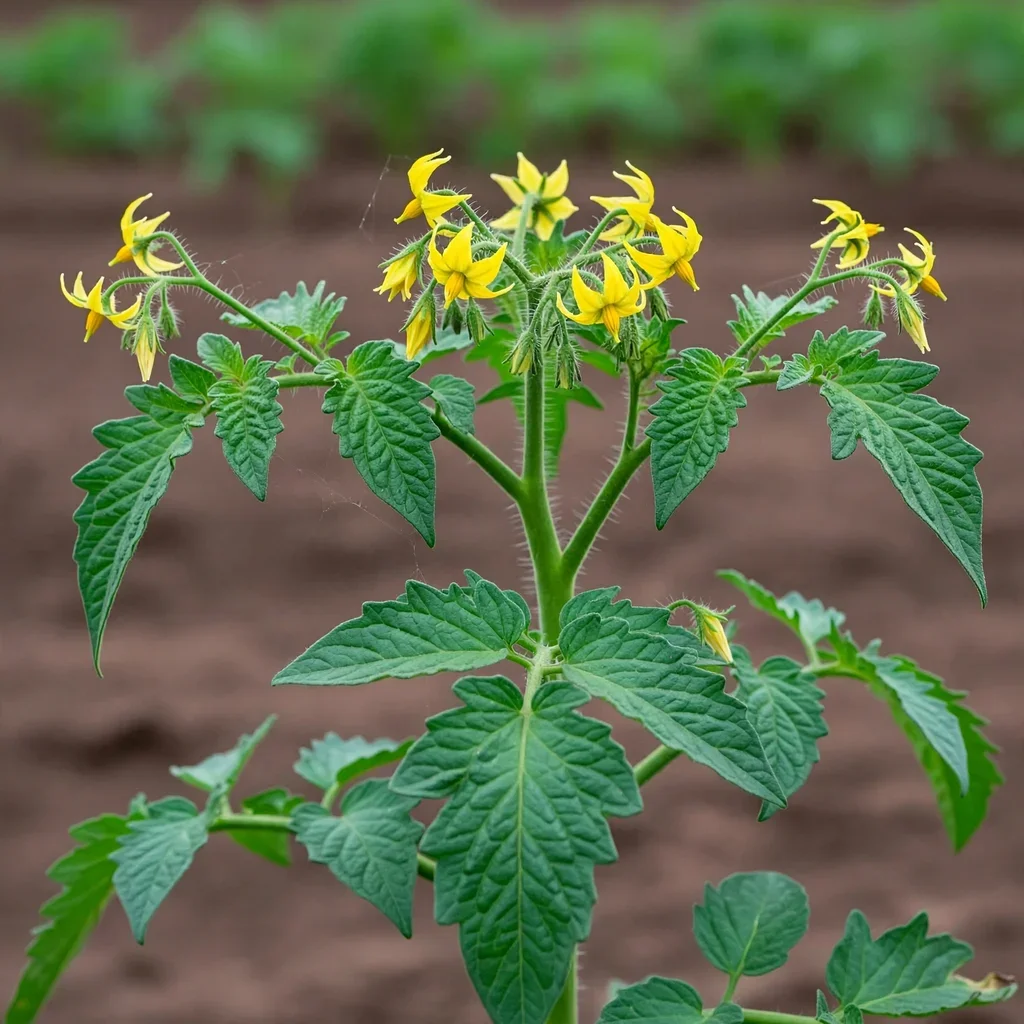
Gold Medal Tomato
Solanum lycopersicum 'Gold Medal'
Keep exploring
Explore the genus
Hardy in your zone?
Grow American Black Nightshade with confidence
See it in a design of your actual yard, get zone-matched care reminders, and track it season by season in your garden journal.