
Species
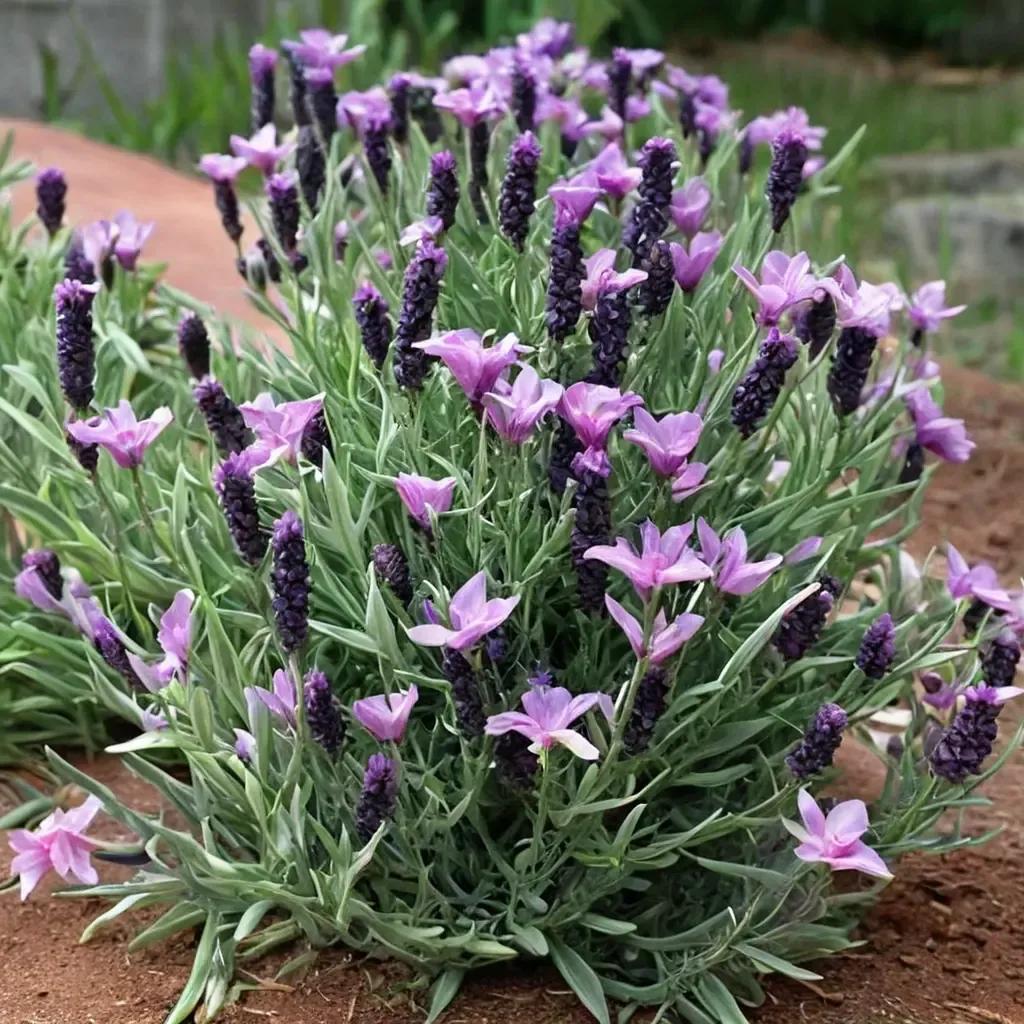 Lavandula stoechasSpanish Lavender
8 other cultivars
The Story
Plant Bio
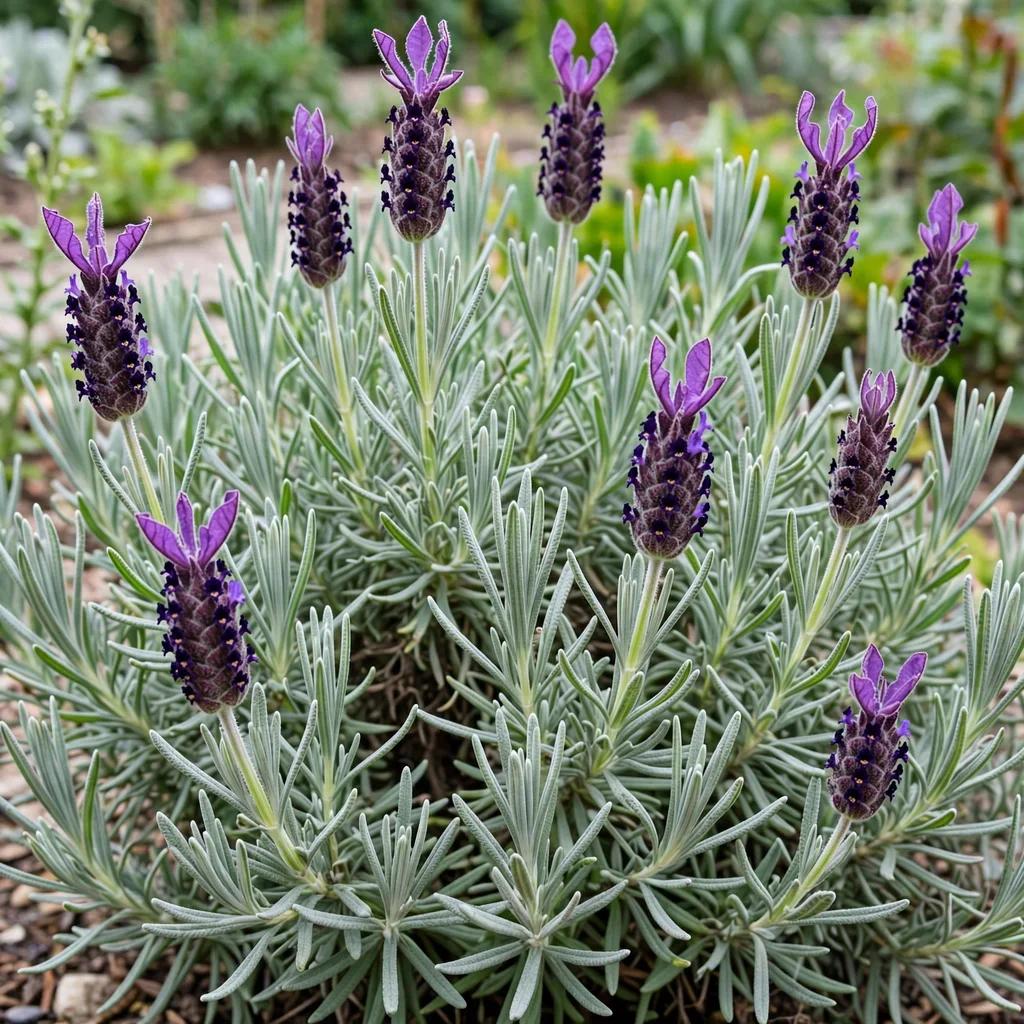
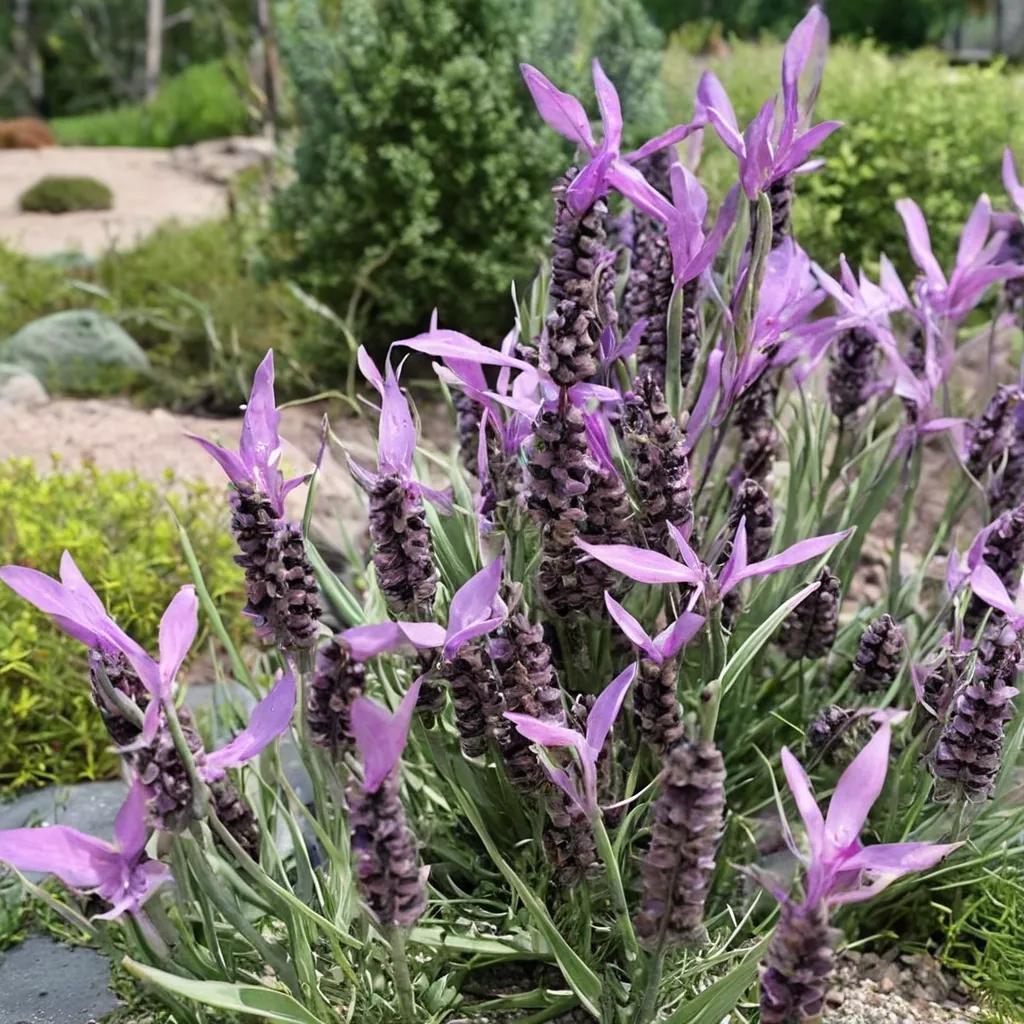
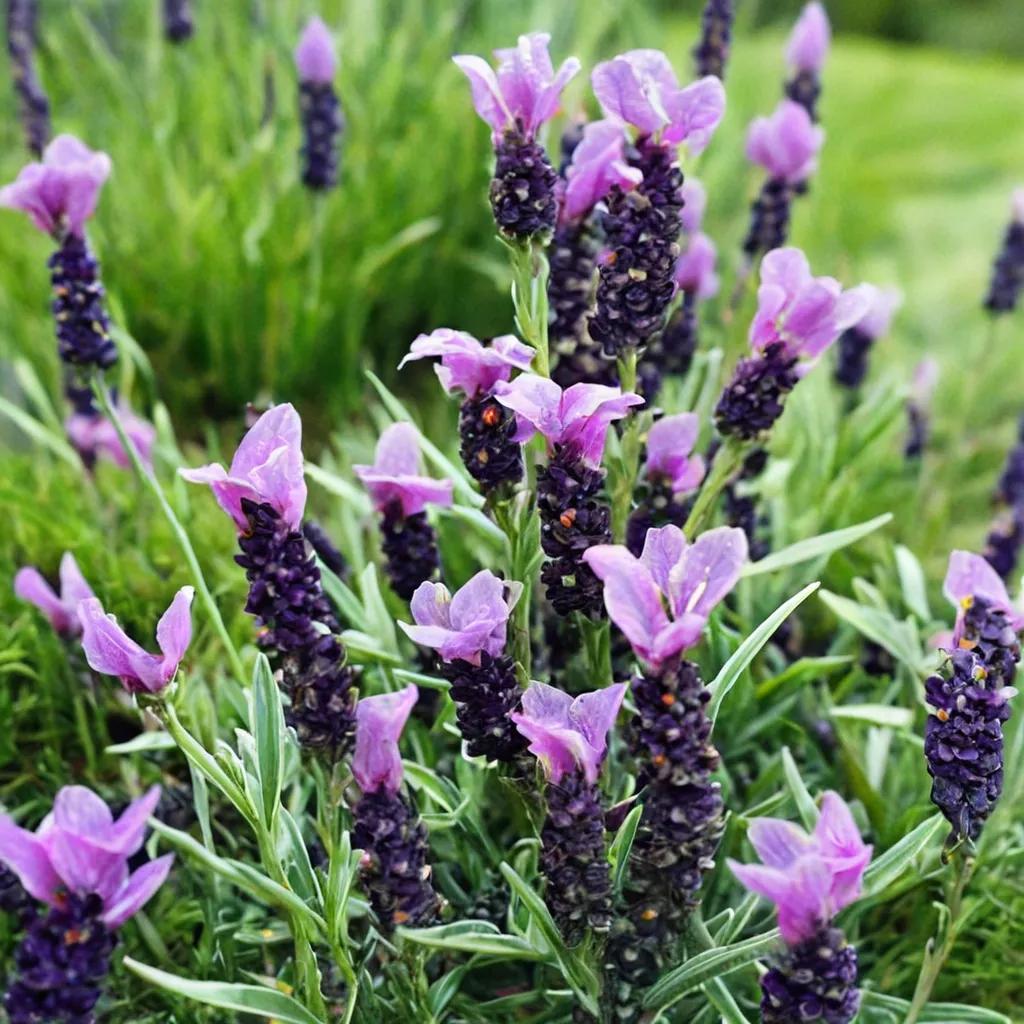
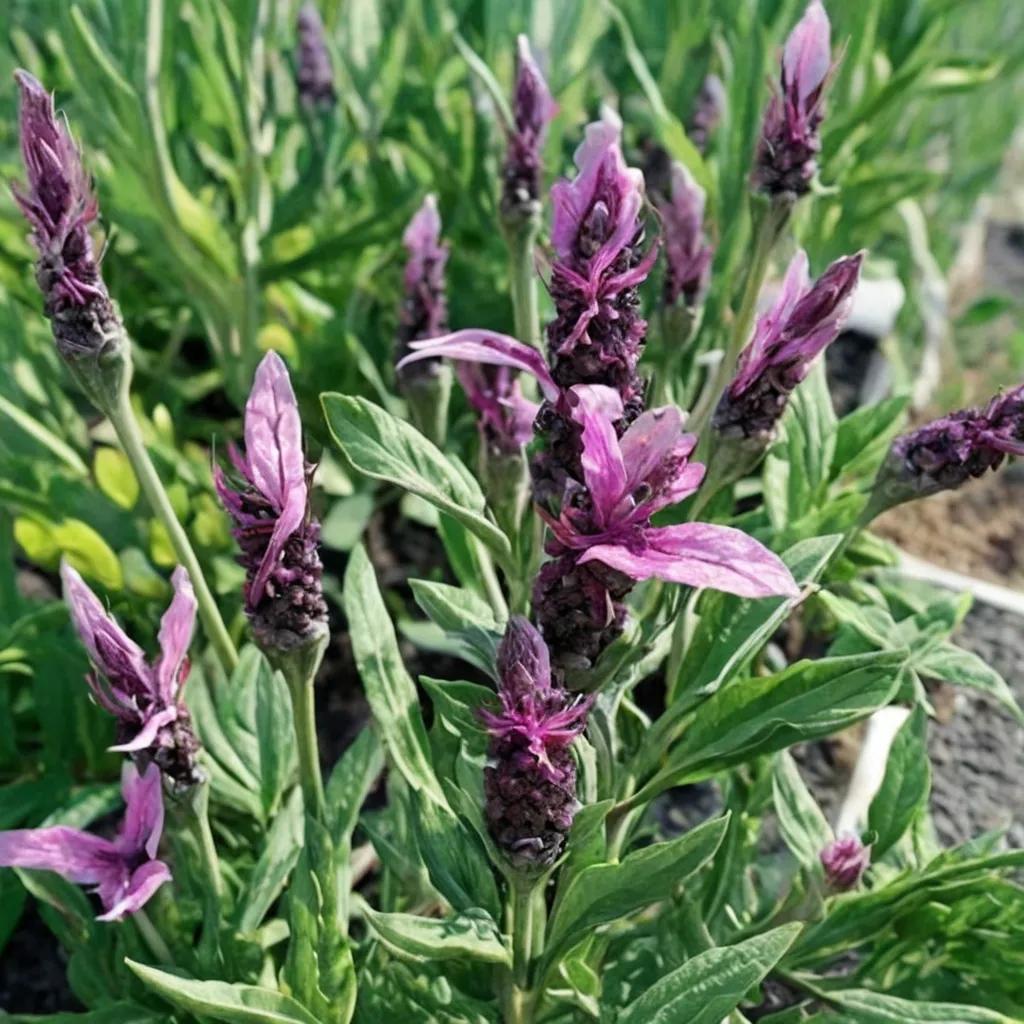
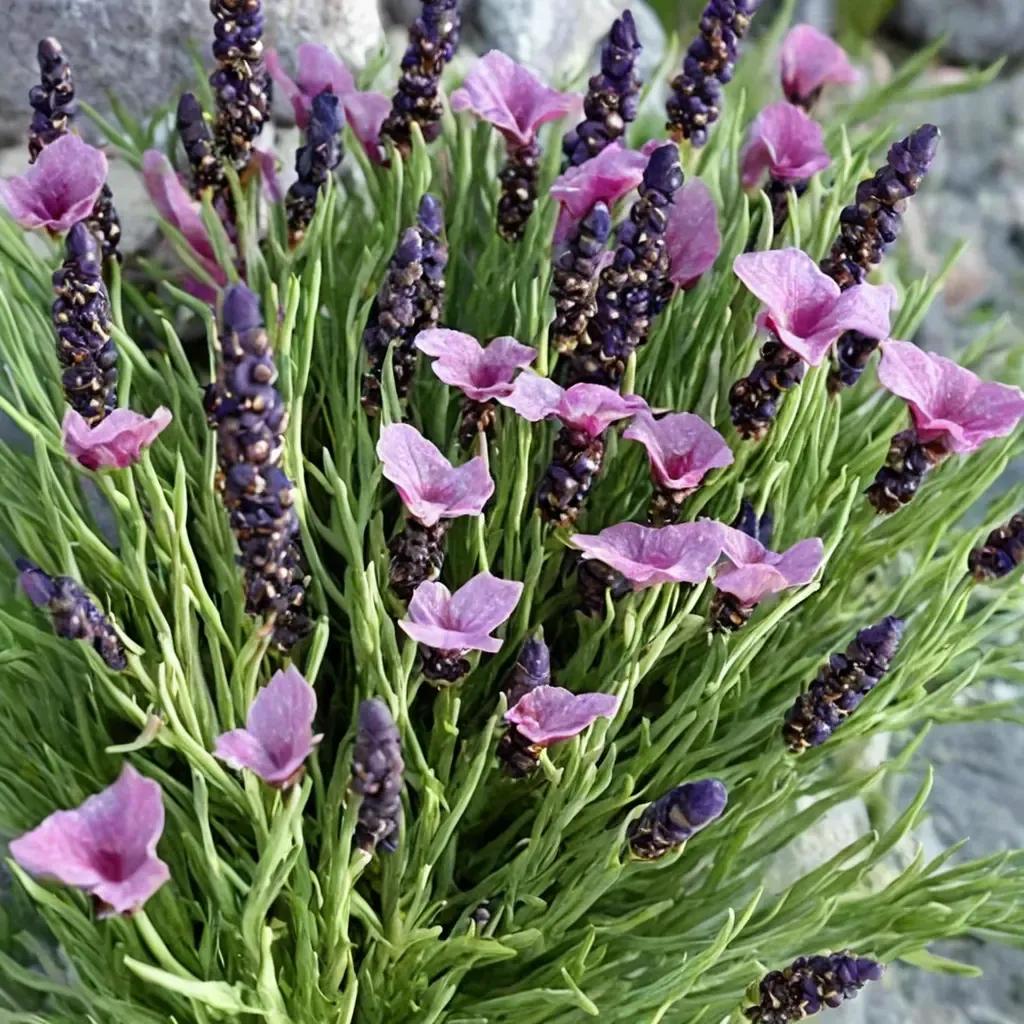
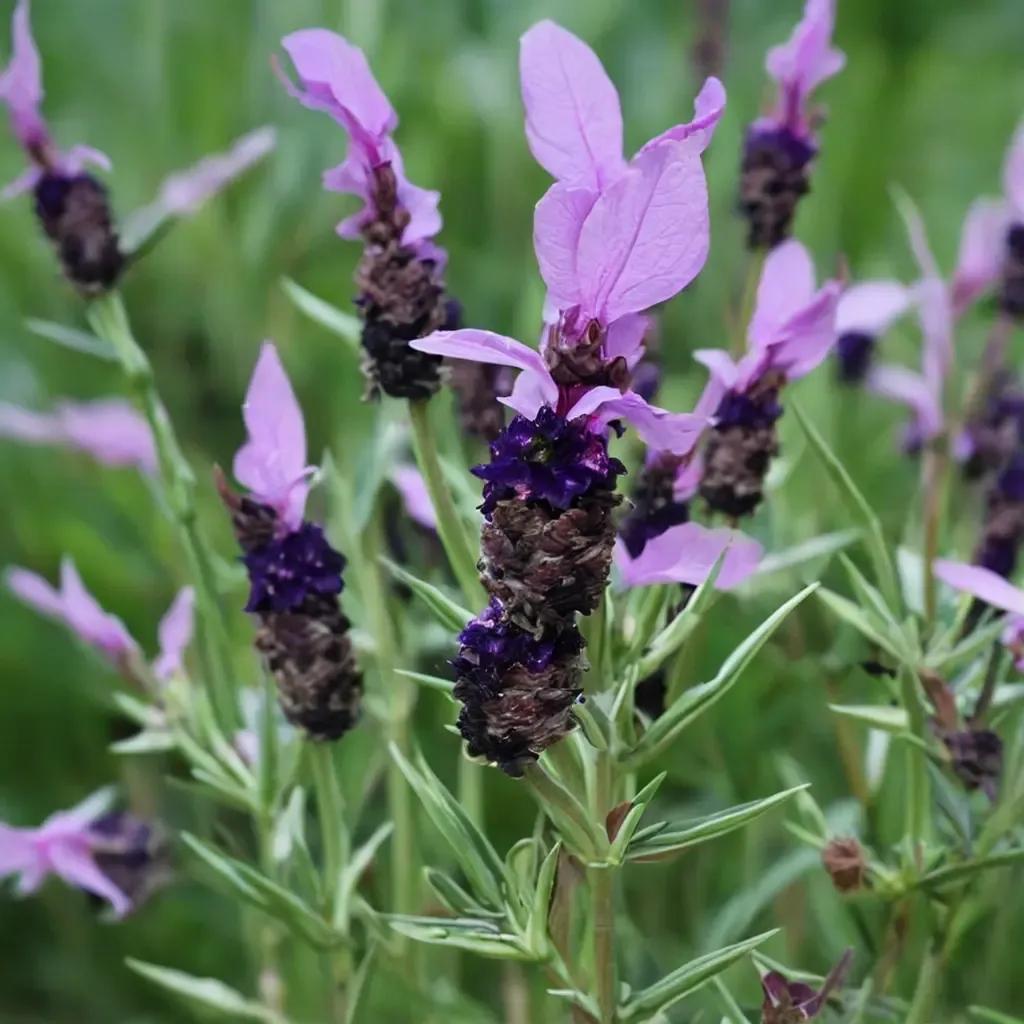
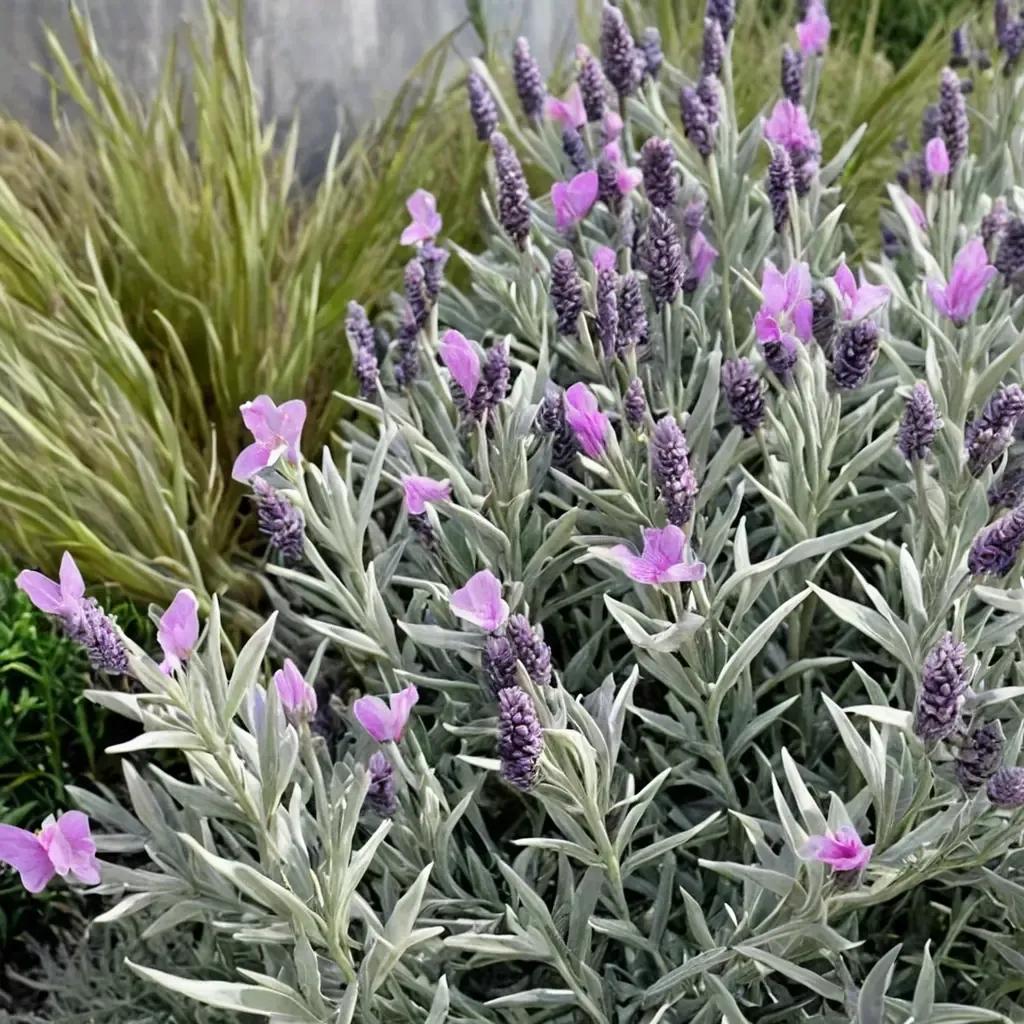
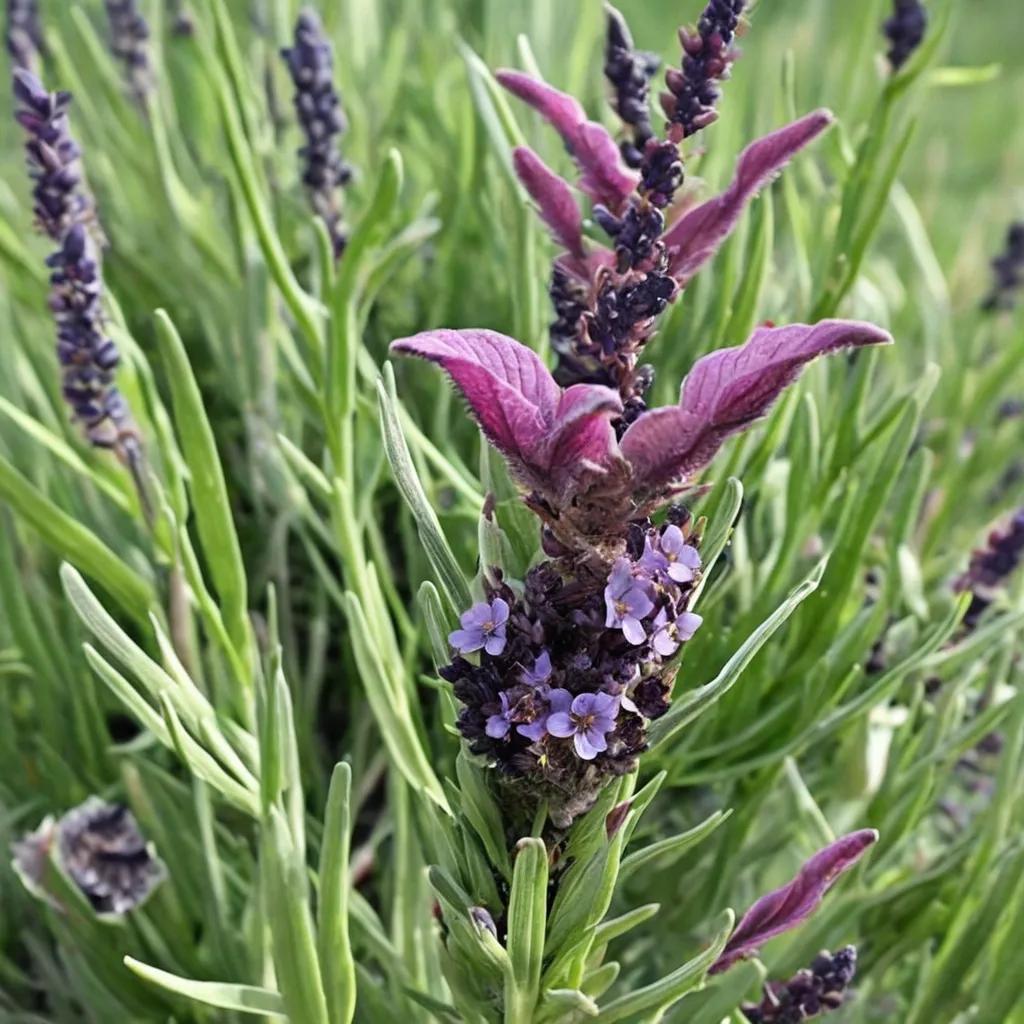
Lavandula stoechas, commonly known as Spanish lavender, is a compact evergreen shrub native to the Mediterranean Basin that thrives in dry, sunny climates. The species is distinguished by its dense, aromatic gray-green foliage and distinctive cylindrical flower spikes topped with upright, ear-like sterile bracts.
'Major' is a robust cultivar featuring plump, deep purple flower spikes crowned with exceptionally showy, bright purple bracts resembling rabbit ears. This selection maintains a highly compact, rounded form reaching just over two feet in height and width.
Uses & Benefits:
Essentials
At a Glance
Plant Type
Shrub
Height
26"
Width
26"
Light
Full Sun
Zones
8, 9
Water
Low
Humidity
Low
Lifespan
5-10 years
Native To
Mediterranean Basin
Toxicity
Non-toxic (mild skin/gastric irritant in large amounts)
Bloom period
Early spring – Summer
In flower about 6 months of the year
Planting
How to Grow
- Select a planting site in full sun with sandy, gravelly, or rocky soil that drains rapidly.
- Amend heavy soils with coarse grit or plant on raised mounds to ensure excellent drainage around the root zone.
- Water sparingly after planting, allowing the soil to dry out completely between waterings once established.
- Shear the foliage back by one-third to two-thirds immediately after the summer flowering flush to maintain a tight, rounded habit.
Pro Tip
Plant in gritty, fast-draining soil and prune immediately after the summer bloom; cutting back into old, leafless wood will kill the branch as it cannot regenerate from bare stems.
Keep It Thriving
Care Guide
Do
- Plant in highly porous, mineral-rich soils to prevent root rot.
- Ensure excellent air circulation around the foliage, especially in humid regions.
- Trim the plant regularly after flowering to prevent it from becoming woody.
Don't
- Do not plant in heavy clay or poorly drained, waterlogged soils.
- Do not prune hard into old, leafless gray wood.
- Do not over-fertilize, as excess nutrients weaken the stems and reduce essential oils.
Seasonal Care Calendar
| Task | Jan | Feb | Mar | Apr | May | Jun | Jul | Aug | Sep | Oct | Nov | Dec |
|---|---|---|---|---|---|---|---|---|---|---|---|---|
| Pest Check | ||||||||||||
| Prune | ||||||||||||
| Spring Cleanup | ||||||||||||
| Winter Prep |
Watch Out For
Pests & Diseases
Common Pests
Common Diseases
In the Garden
Landscape Uses & Companions
Landscape Uses
Companion Plants
Multiply
Propagation Methods
Good to Know
Common Questions
Spanish Lavender 'Major' questions
What zones can Spanish Lavender 'Major' grow in?
Spanish Lavender 'Major' is hardy in USDA Zones 8–9. Inside that range it survives winter in the ground; outside it, grow it as an annual or a container plant you protect.
Is Spanish Lavender 'Major' deer resistant?
Yes — Spanish Lavender 'Major' is rated deer-resistant. Deer typically pass it over, though extreme hunger can override any plant's defenses.
When does Spanish Lavender 'Major' bloom?
Spanish Lavender 'Major' typically blooms in early spring through summer. Exact timing shifts a week or two with your zone — Sow's bloom calendar maps it to your garden.
Does Spanish Lavender 'Major' need full sun?
Spanish Lavender 'Major' does best in full sun (6+ hours).
Is Spanish Lavender 'Major' drought tolerant?
Yes — once established (usually after the first full season), Spanish Lavender 'Major' handles dry spells with minimal watering. Water deeply its first year to build the root system that makes that possible.
More Lavandula to compare
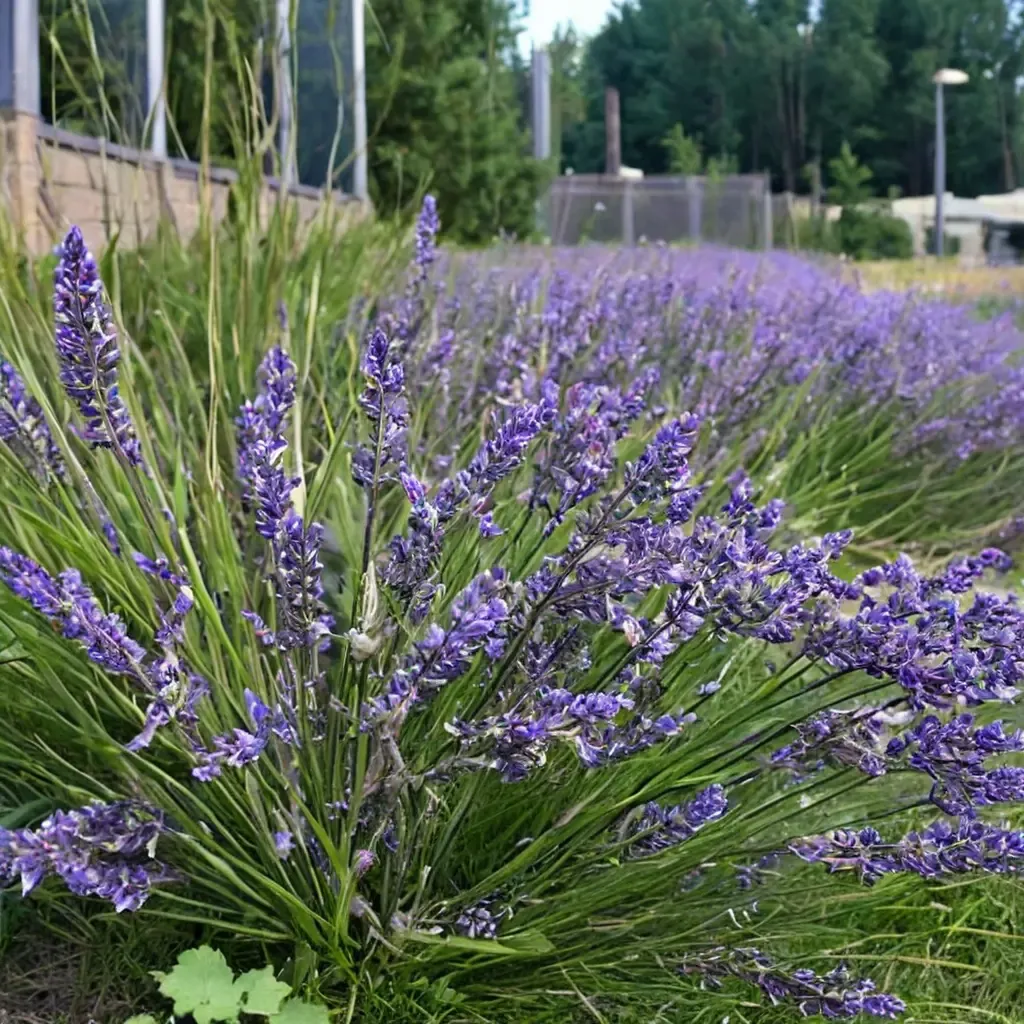
Phenomenal Lavender
Lavandula x intermedia 'Phenomenal'
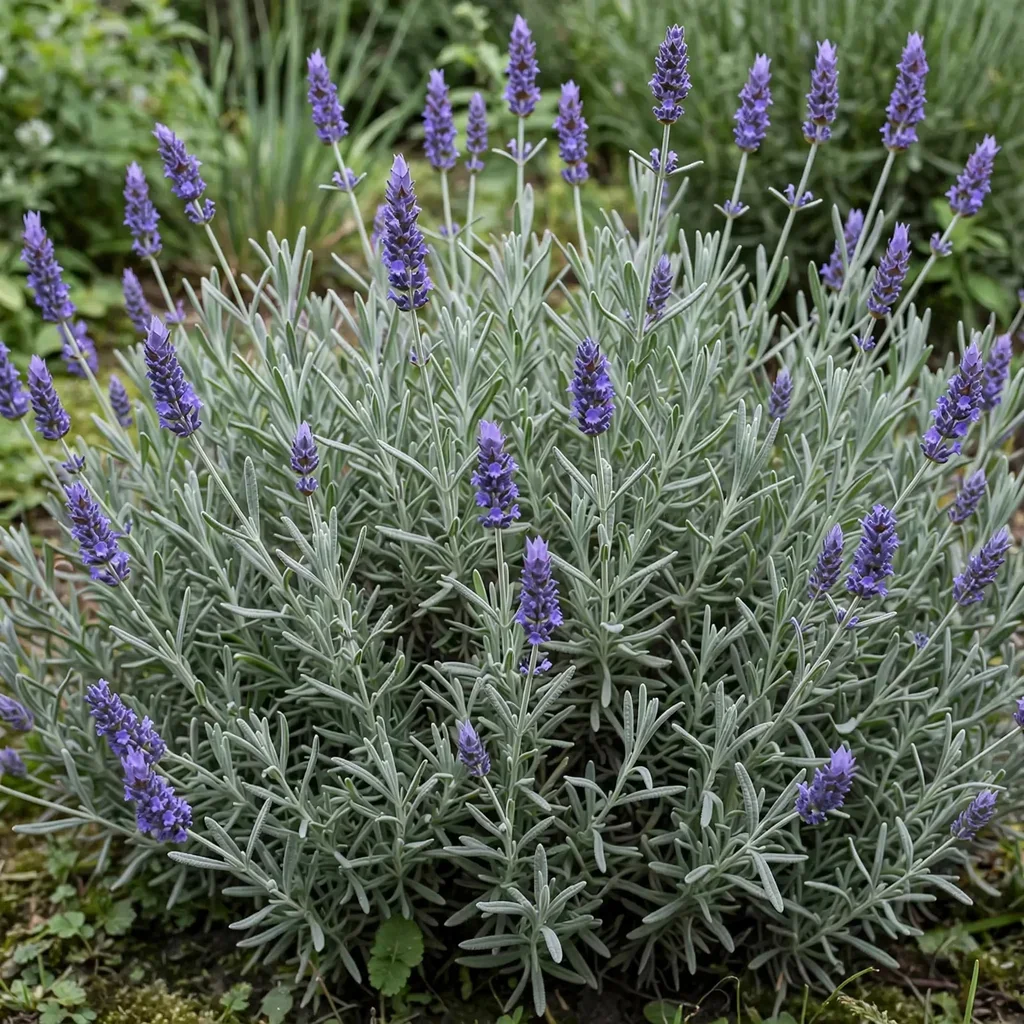
Munstead Lavender
Lavandula angustifolia 'Munstead'
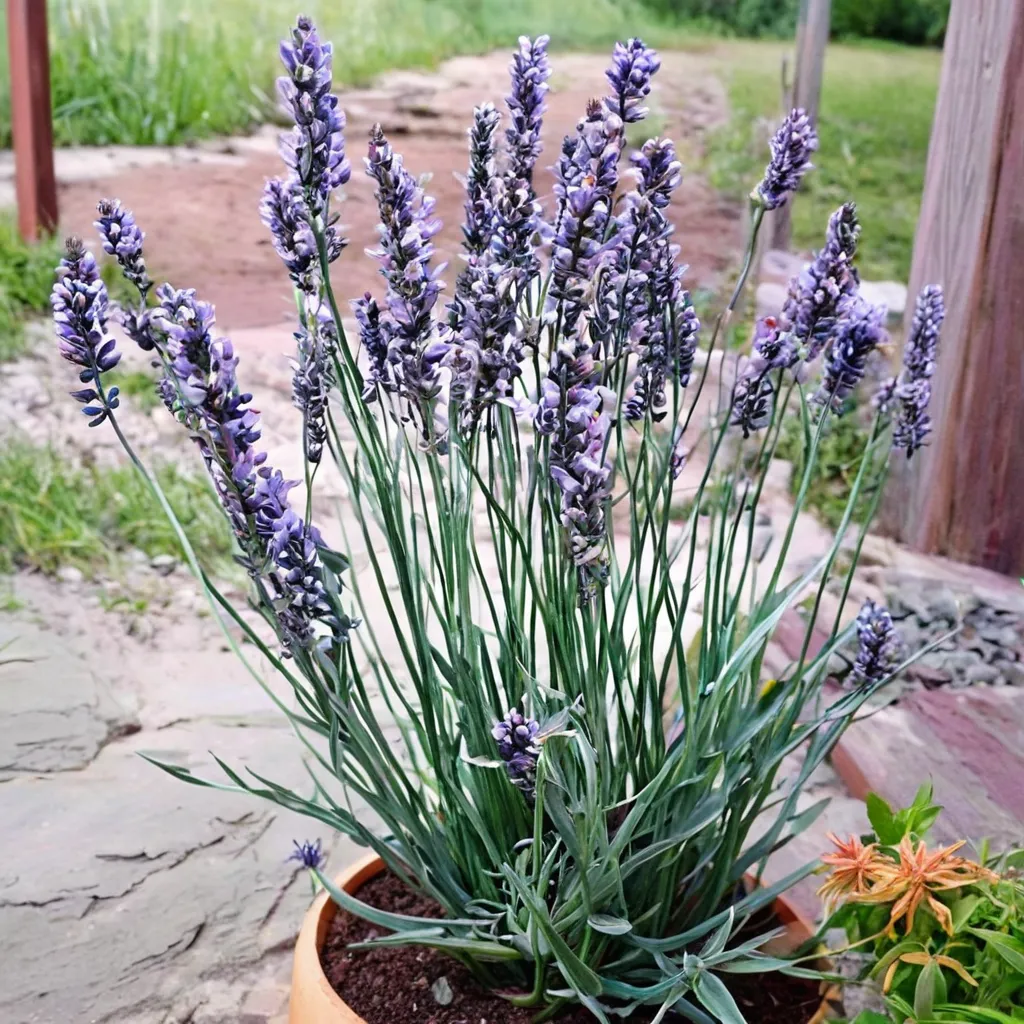
Lavender Sensational
Lavandula angustifolia 'Sensational'
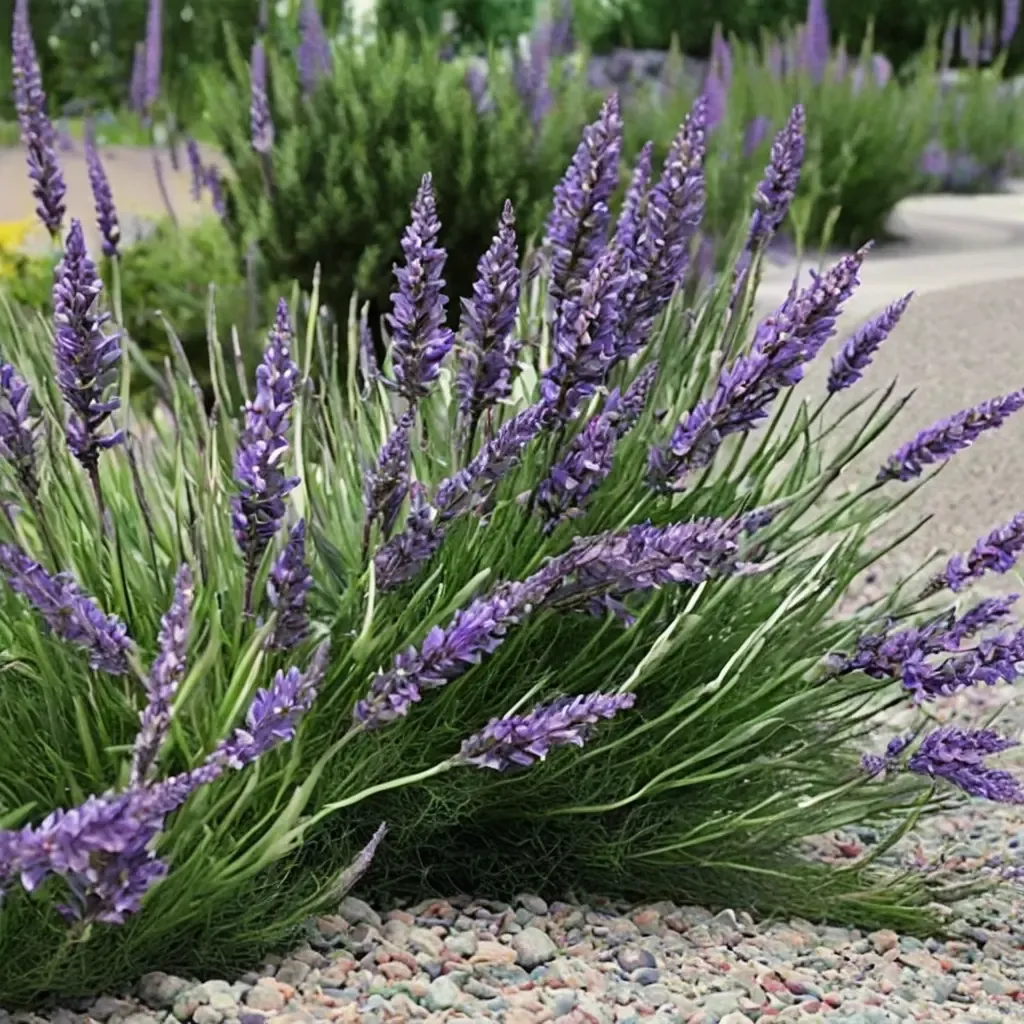
Grosso Lavender
Lavandula x hybrida 'Grosso'
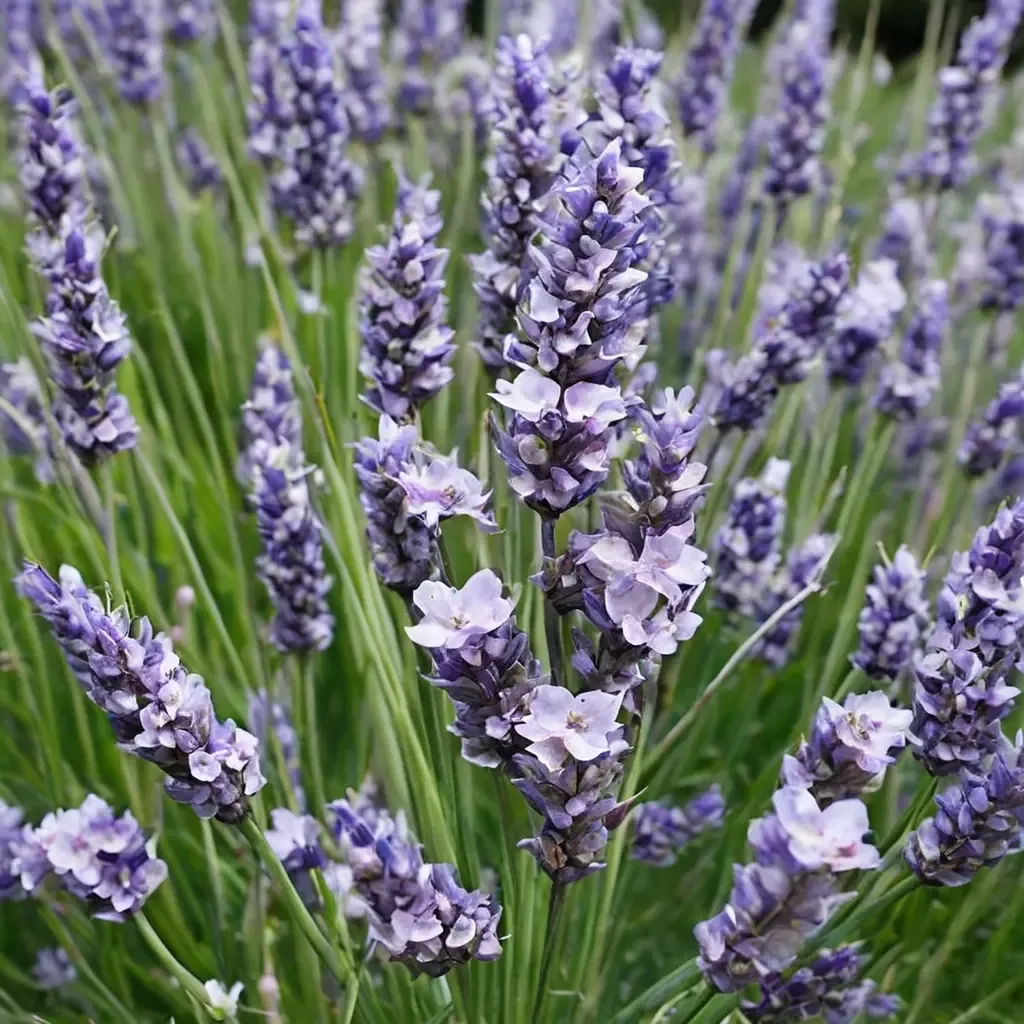
Melissa Lilac Lavender
Lavandula angustifolia 'Melissa Lilac'
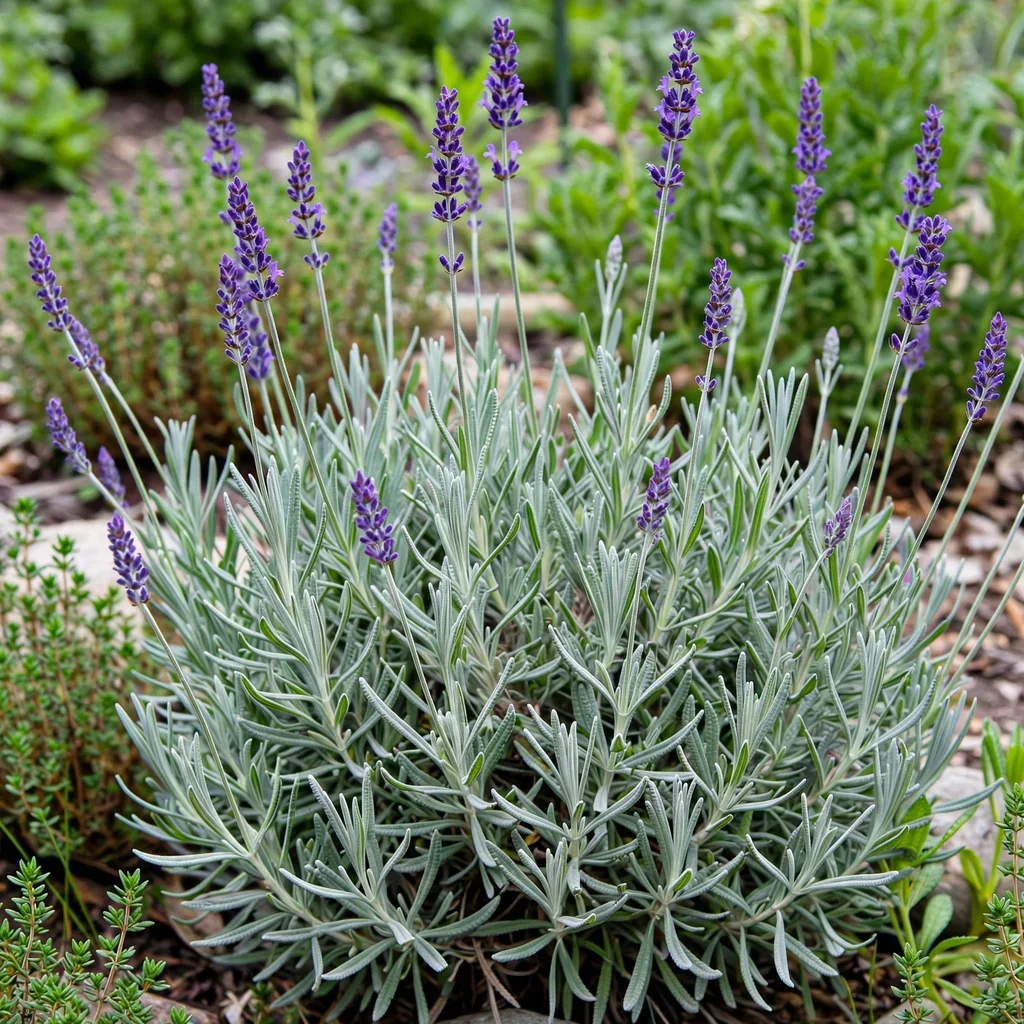
English Lavender
Lavandula angustifolia
Keep exploring
Explore the genus
Hardy in your zone?
Grow Spanish Lavender 'Major' with confidence
See it in a design of your actual yard, get zone-matched care reminders, and track it season by season in your garden journal.