
Garden hybrid
This is a garden hybrid, bred from more than one wild species, so it has no single species page of its own.
4 other cultivars
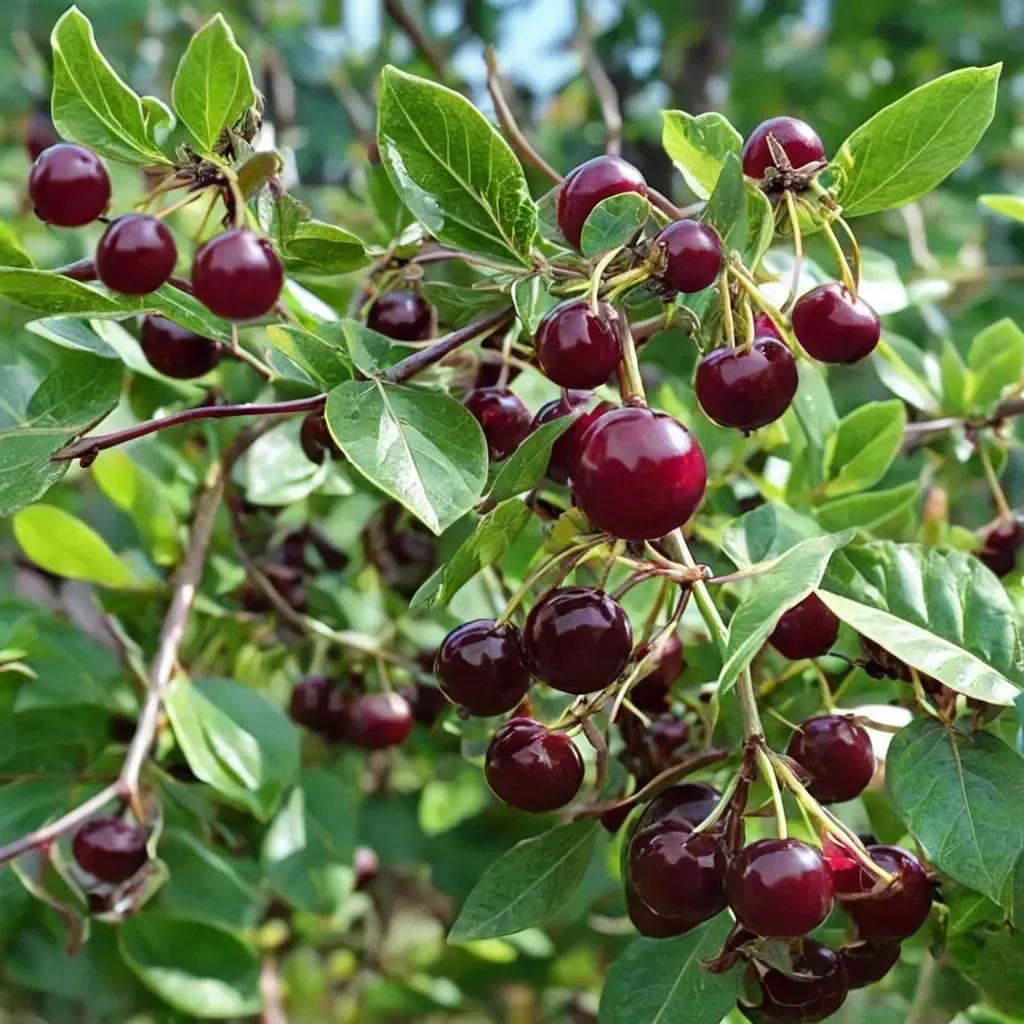


The Story
Plant Bio
Prunus 'Snow Goose' is a deciduous ornamental cherry with an upright crown, single white spring flowers and green foliage that turns yellow-orange in autumn. Its accepted cultivar name does not require a species assignment.
'Snow Goose' is distinguished by its strong, upright vase-shaped habit and an abundance of single, pure white flowers that cover the branches in early spring. It has a clean, classic appearance.
Uses & Benefits:
Bred from more than one wild species, so it has no species page of its own.
Essentials
At a Glance
Plant Type
Tree
Height
216"
Width
216"
Light
Full Sun
Zones
5, 6, 7, 8
Water
Medium
Humidity
Average
Lifespan
20-30 years
Native To
Cultivated ornamental cherry; parentage is not established here
Toxicity
Stems, leaves, and seeds contain cyanide and are toxic if ingested.
Bloom period
Early spring – Mid-spring
In flower about 2 months of the year
Planting
How to Grow
- Select a site that receives at least six hours of direct sun daily.
- Dig a hole two to three times wider than the root ball.
- Place the tree in the hole, ensuring the root flare is at ground level.
- Backfill with the original soil, watering to settle it around the roots.
- Water deeply once or twice a week for the first growing season.
- Apply a 2-3 inch layer of mulch, keeping it away from the trunk.
Pro Tip
Prune only after flowering has finished to avoid sacrificing the season's bloom and to allow for rapid healing before summer stress.
Keep It Thriving
Care Guide
Do
- Provide good air circulation to minimize disease risk.
- Water regularly during periods of drought.
- Maintain a consistent mulch layer to conserve soil moisture.
- Remove any suckers that appear at the base of the tree.
Don't
- Do not plant in poorly drained or waterlogged soils.
- Avoid heavy pruning, which can stress the tree.
- Don't damage the bark with lawnmowers or string trimmers.
- Avoid overhead watering, which can promote fungal diseases.
Seasonal Care Calendar
| Task | Jan | Feb | Mar | Apr | May | Jun | Jul | Aug | Sep | Oct | Nov | Dec |
|---|---|---|---|---|---|---|---|---|---|---|---|---|
| Fertilize | ||||||||||||
| Pest Check | ||||||||||||
| Plant | ||||||||||||
| Prune |
Watch Out For
Pests & Diseases
Common Pests
Common Diseases
In the Garden
Landscape Uses & Companions
Landscape Uses
Multiply
Propagation Methods
Good to Know
Common Questions
Snow Goose Cherry questions
What zones can Snow Goose Cherry grow in?
Snow Goose Cherry is hardy in USDA Zones 5–8. Inside that range it survives winter in the ground; outside it, grow it as an annual or a container plant you protect.
Is Snow Goose Cherry deer resistant?
Not reliably. Deer may browse Snow Goose Cherry, especially tender spring growth — plan on repellents or fencing where pressure is high.
When does Snow Goose Cherry bloom?
Snow Goose Cherry typically blooms in early spring through mid-spring. Exact timing shifts a week or two with your zone — Sow's bloom calendar maps it to your garden.
Does Snow Goose Cherry need full sun?
Snow Goose Cherry does best in full sun (6+ hours).
More Prunus to compare
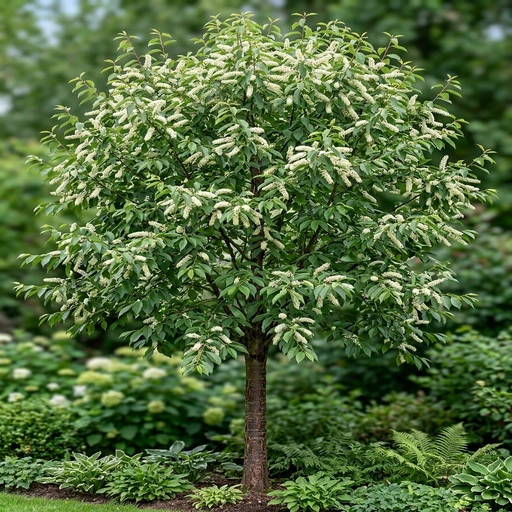
Black Cherry
Prunus serotina
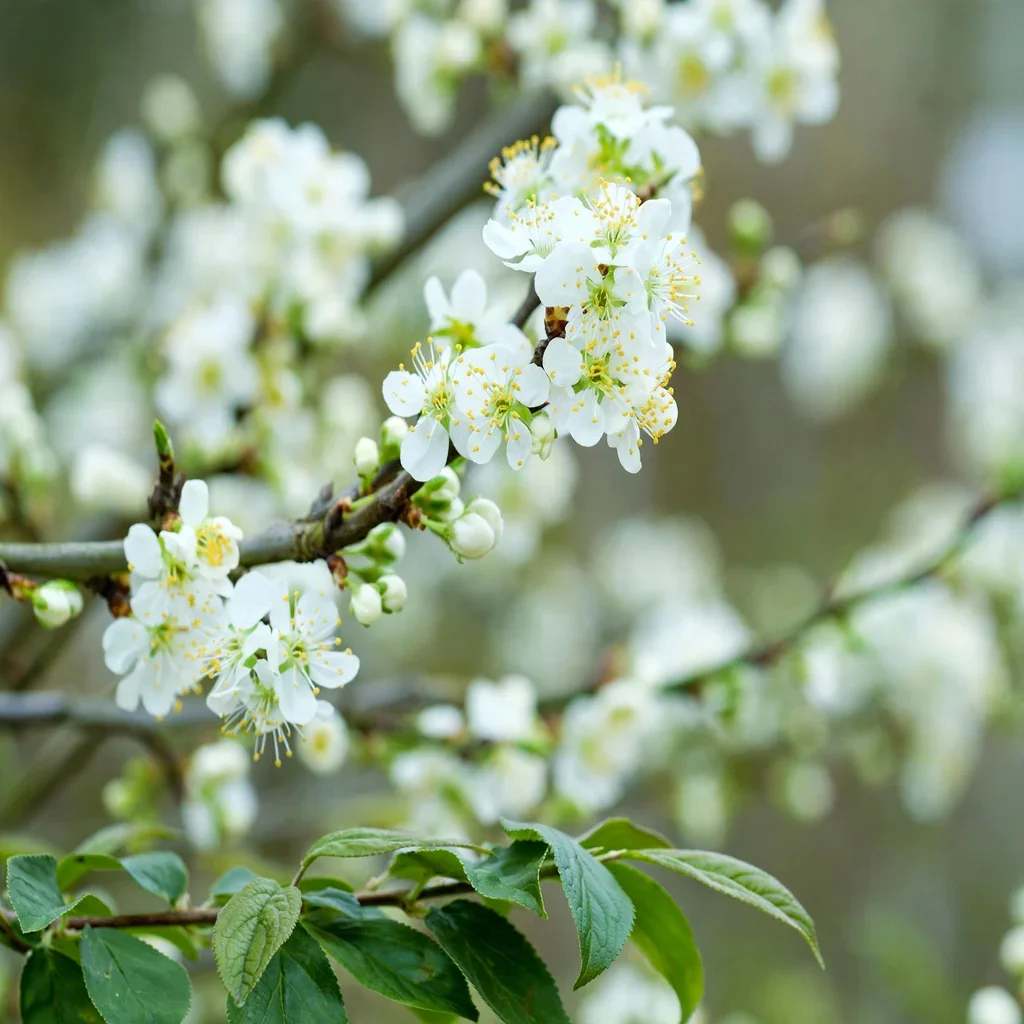
Sugar Plum
Prunus domestica 'Sugar Plum'
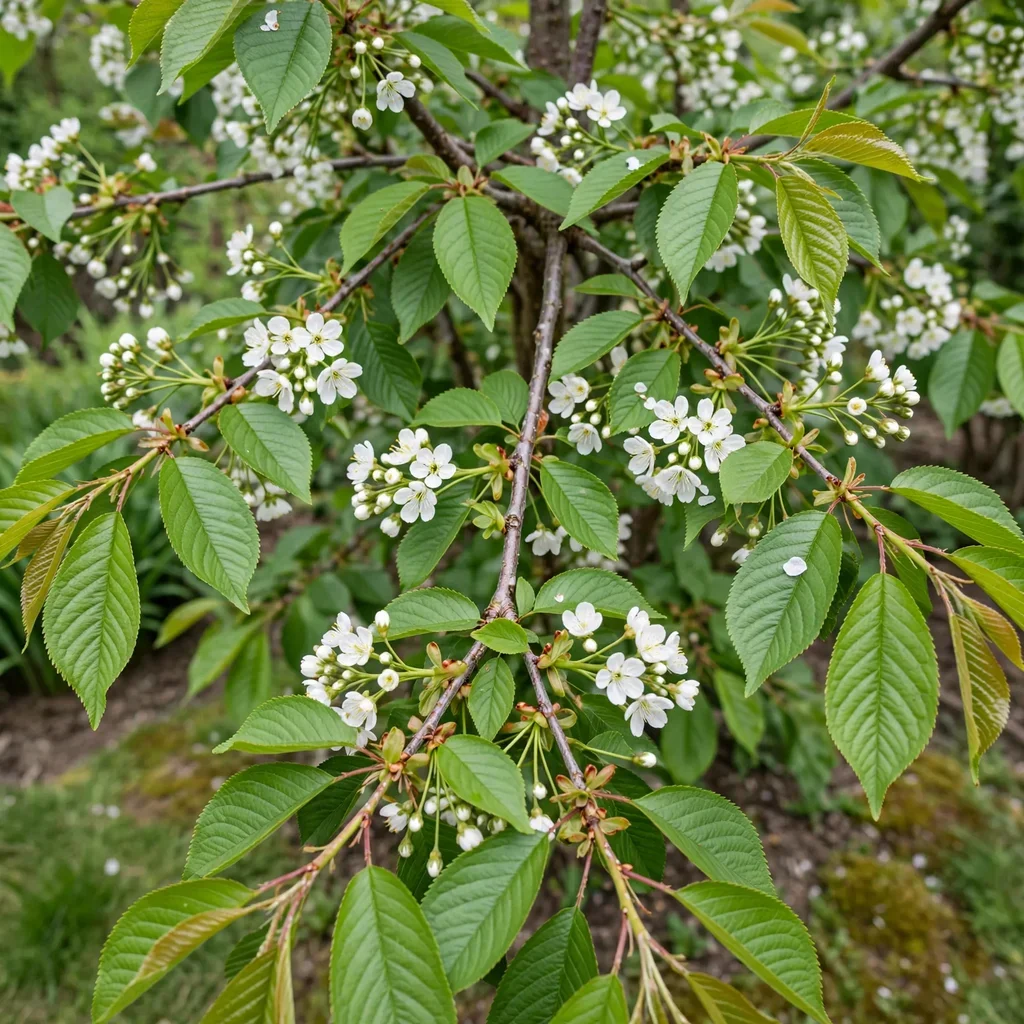
Sweet Cherry
Prunus avium 'Mix'
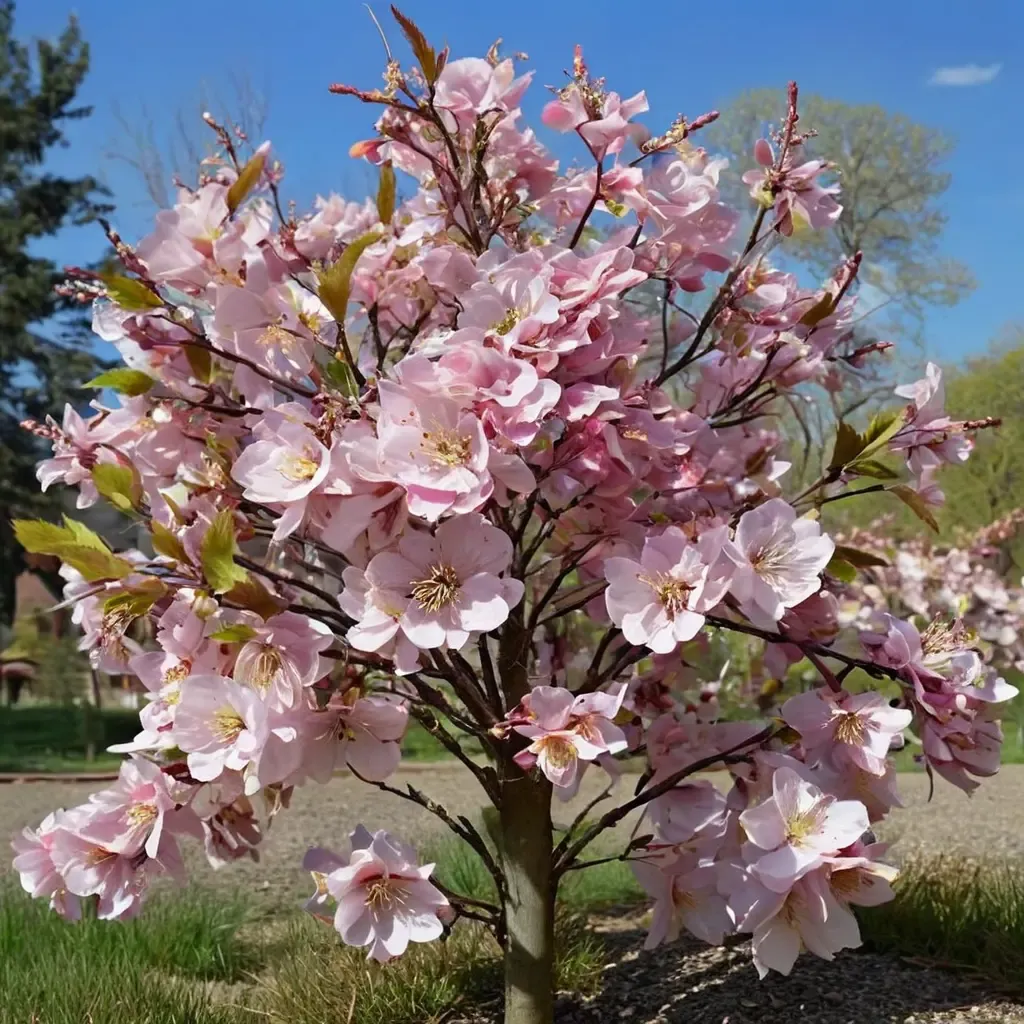
Japanese Flowering Cherry
Prunus serrulata
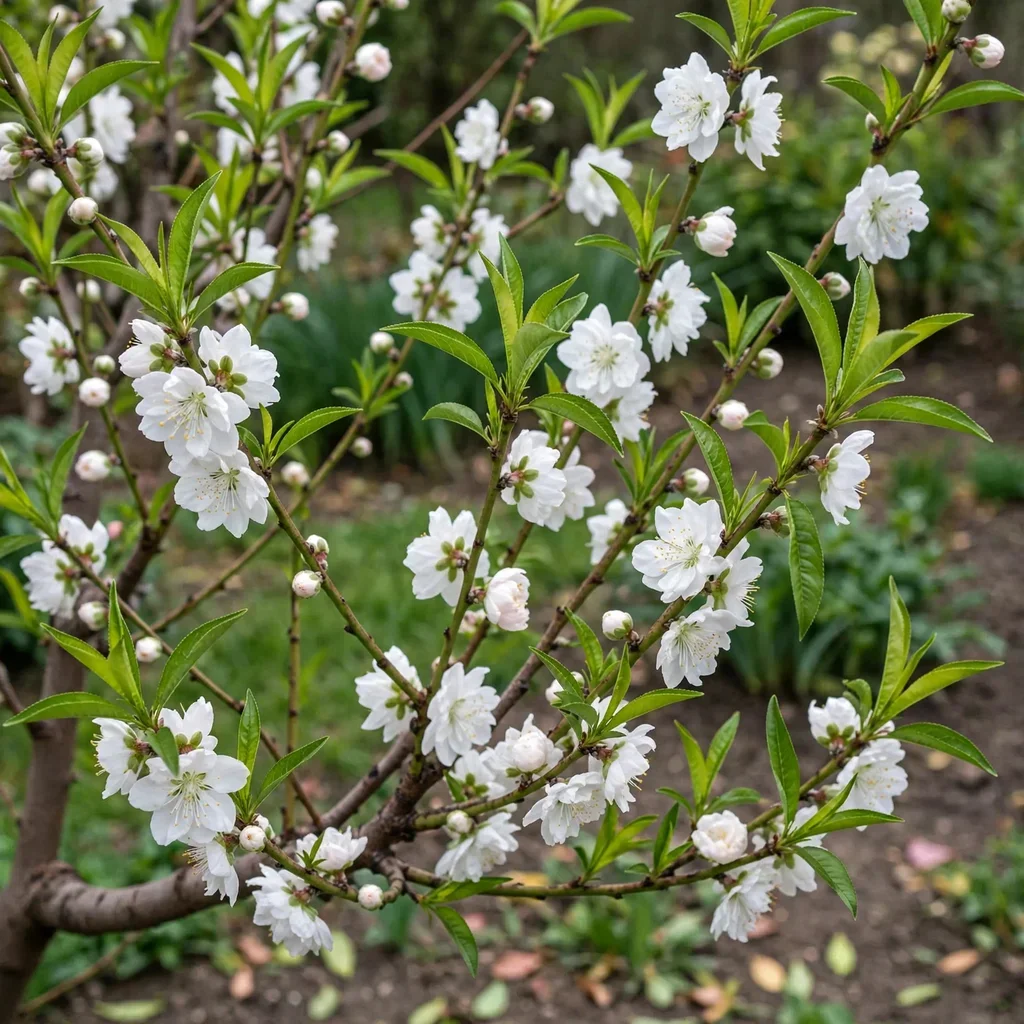
Feiching Tao White Peach
Prunus persica 'Feiching Tao White'
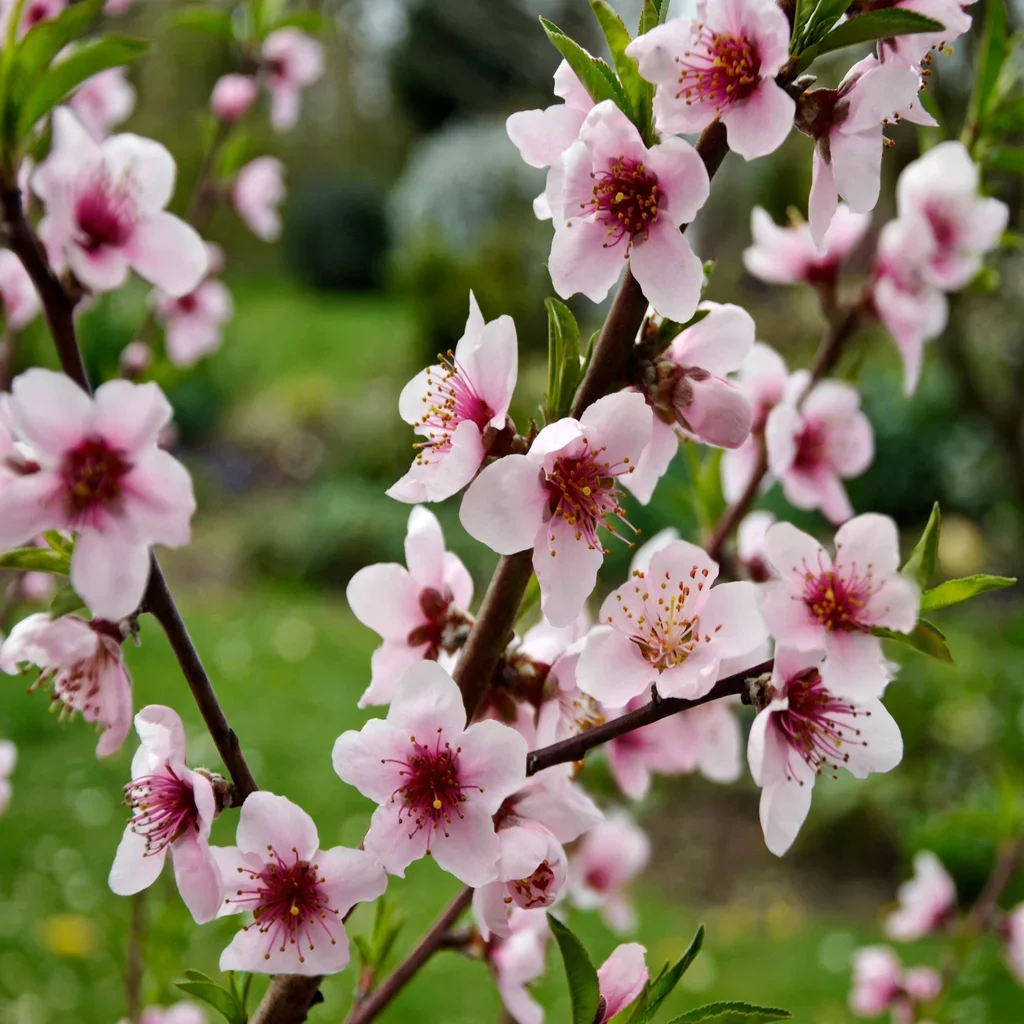
Hale Haven Peach
Prunus persica 'Hale Haven'
Keep exploring
Explore the genus
Hardy in your zone?
Grow Snow Goose Cherry with confidence
See it in a design of your actual yard, get zone-matched care reminders, and track it season by season in your garden journal.