The Story
Plant Bio
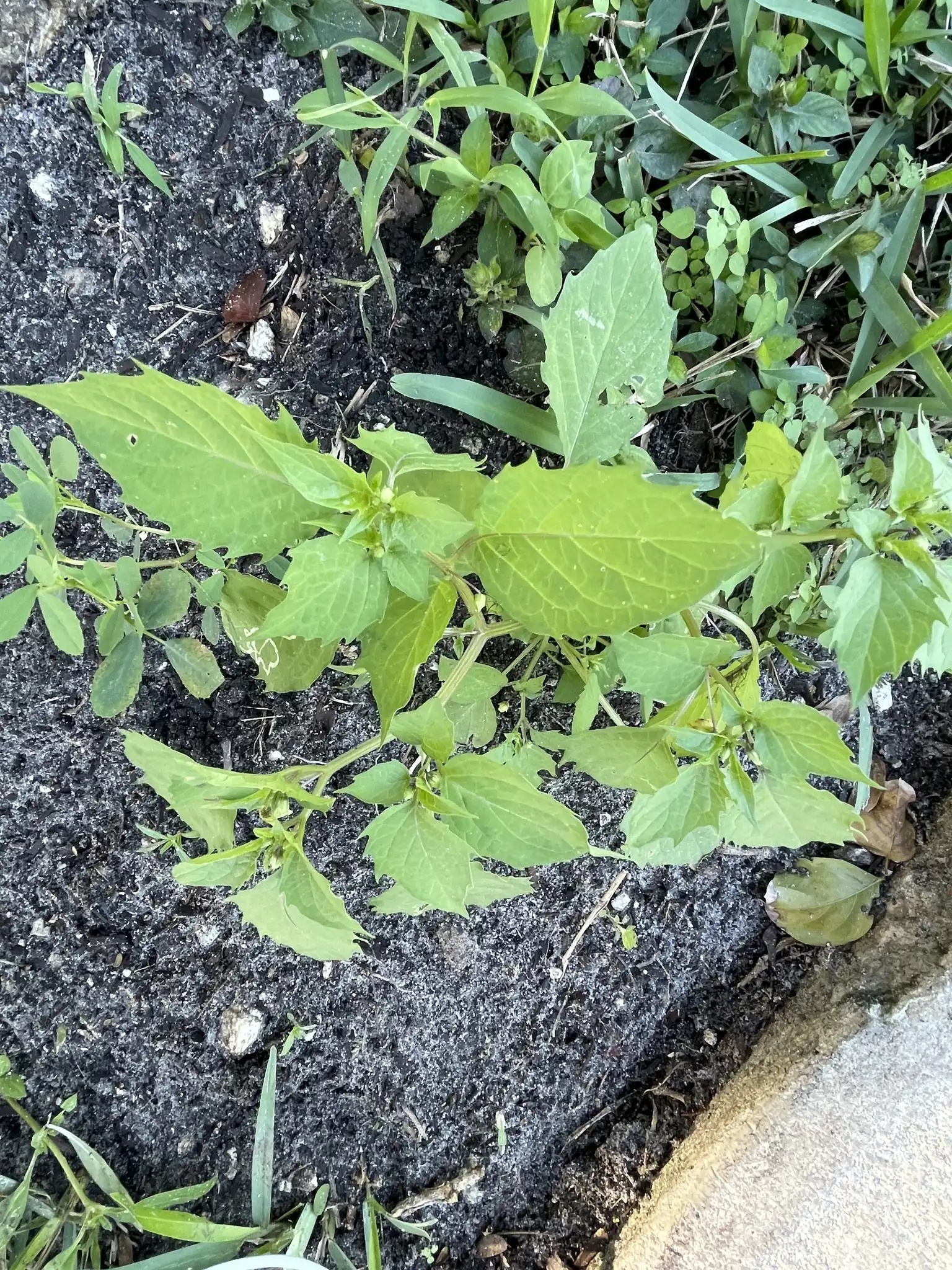
Physalis angulata is a branching annual herb distinguished by its angled, semi-succulent stems and dark green, toothed leaves. Pale yellow flowers give way to large, balloon-like husks that swell to enclose a single round, orange-yellow berry.
This species is highly adaptable, thriving in disturbed soils and warm, humid conditions across its native southern range. While the fully ripe berries are edible, all green parts of the plant—including the unripe fruit and papery calyx—contain toxic alkaloids.
Uses & Benefits:
Essentials
At a Glance
Plant Type
Annual
Height
40"
Width
24"
Light
Full Sun, Partial Sun
Zones
4, 5, 6, 7, 8, 9, 10
Water
Moderate
Humidity
High
Lifespan
Annual
Native To
Americas
Toxicity
Toxic if ingested (unripe parts)
Bloom period
Summer – Fall
In flower about 6 months of the year
Planting
How to Grow
- Sow seeds directly into well-drained soil in spring after all danger of frost has passed.
- Select a site in full sun to partial shade with sandy or loamy soil.
- Water regularly until the seedlings are established, then reduce watering to match natural rainfall.
- Harvest the berries only when the papery husks turn dry and straw-colored, indicating the fruit inside is fully ripe.
Pro Tip
Avoid nitrogen-rich fertilizers, which stimulate dense foliage growth at the expense of flower and fruit production.
Keep It Thriving
Care Guide
Do
- Monitor the planting area to remove volunteer seedlings before they spread aggressively.
- Ensure the soil drains rapidly to prevent root rot.
Don't
- Do not ingest any green or unripe berries, as they contain toxic solanine.
- Do not overwater or plant in low-lying areas prone to standing water.
Seasonal Care Calendar
| Task | Jan | Feb | Mar | Apr | May | Jun | Jul | Aug | Sep | Oct | Nov | Dec |
|---|---|---|---|---|---|---|---|---|---|---|---|---|
| Harvest | ||||||||||||
| Pest Check | ||||||||||||
| Plant | ||||||||||||
| Spring Cleanup |
Watch Out For
Pests & Diseases
Common Pests
Common Diseases
In the Garden
Landscape Uses & Companions
Landscape Uses
Companion Plants
Multiply
Propagation Methods
Good to Know
Common Questions
Cutleaf Groundcherry questions
What zones can Cutleaf Groundcherry grow in?
Cutleaf Groundcherry is hardy in USDA Zones 4–10. Inside that range it survives winter in the ground; outside it, grow it as an annual or a container plant you protect.
Is Cutleaf Groundcherry deer resistant?
Not reliably. Deer may browse Cutleaf Groundcherry, especially tender spring growth — plan on repellents or fencing where pressure is high.
When does Cutleaf Groundcherry bloom?
Cutleaf Groundcherry typically blooms in summer through fall. Exact timing shifts a week or two with your zone — Sow's bloom calendar maps it to your garden.
Does Cutleaf Groundcherry need full sun?
Cutleaf Groundcherry does best in full sun to part shade. In hot climates, afternoon shade keeps blooms fresher longer.
Is Cutleaf Groundcherry drought tolerant?
Yes — once established (usually after the first full season), Cutleaf Groundcherry handles dry spells with minimal watering. Water deeply its first year to build the root system that makes that possible.
More Physalis to compare
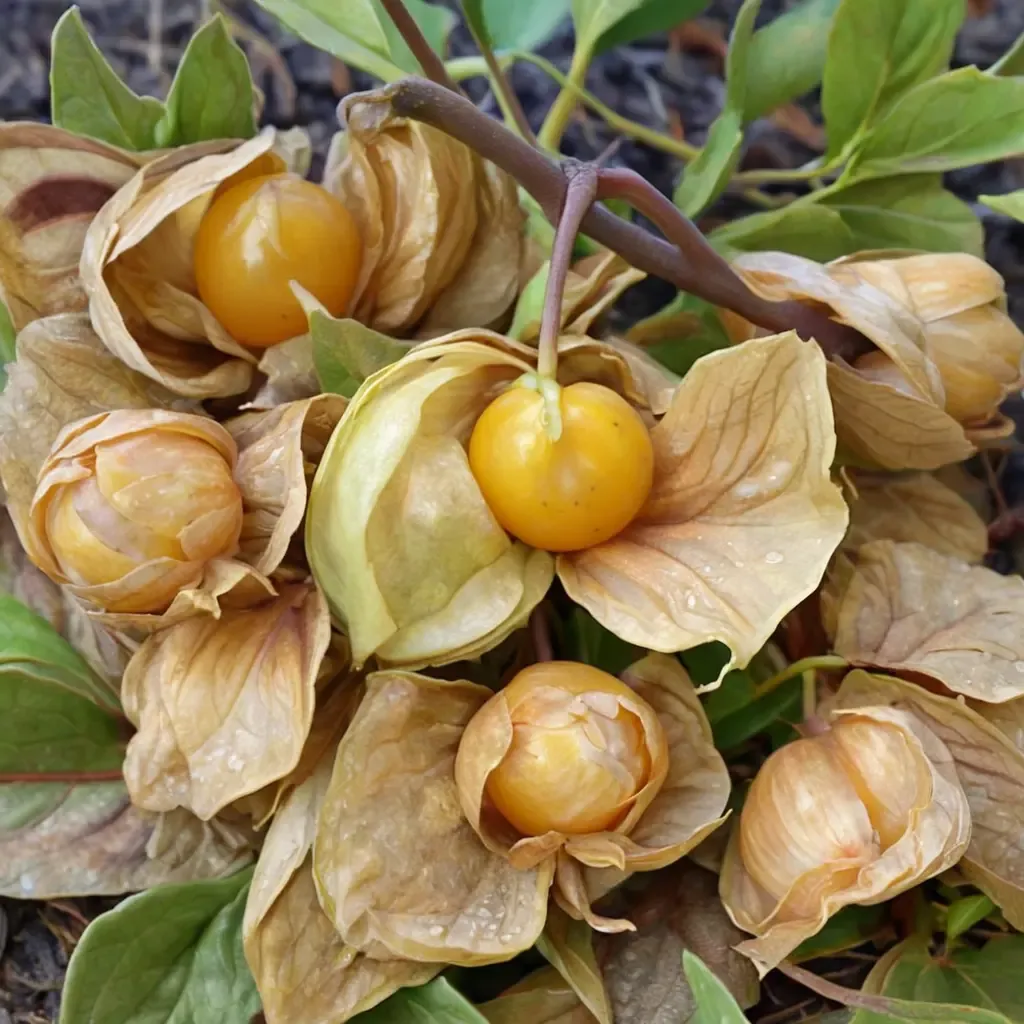
Giant Goldenberry
Physalis peruviana 'Giant'
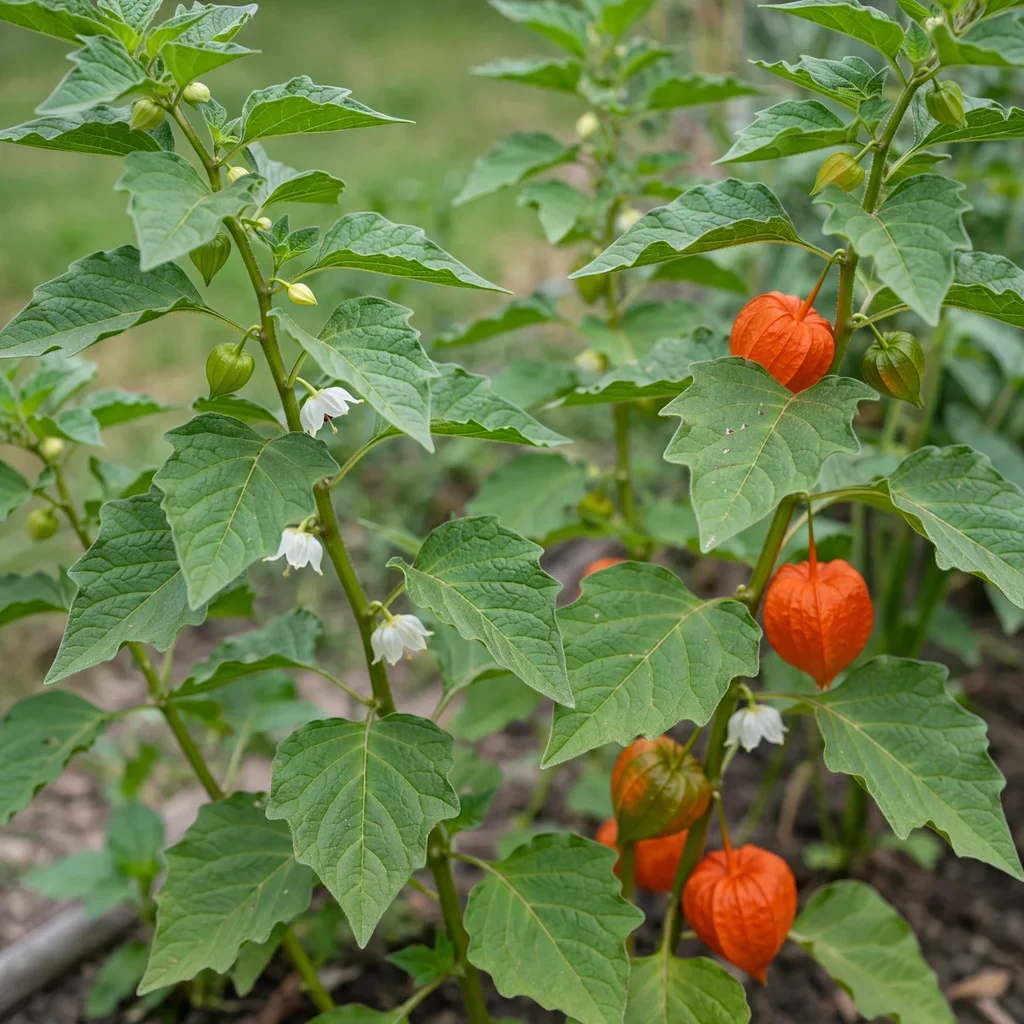
Chinese lantern Winter cherry Lantern plant
Physalis alkekengi
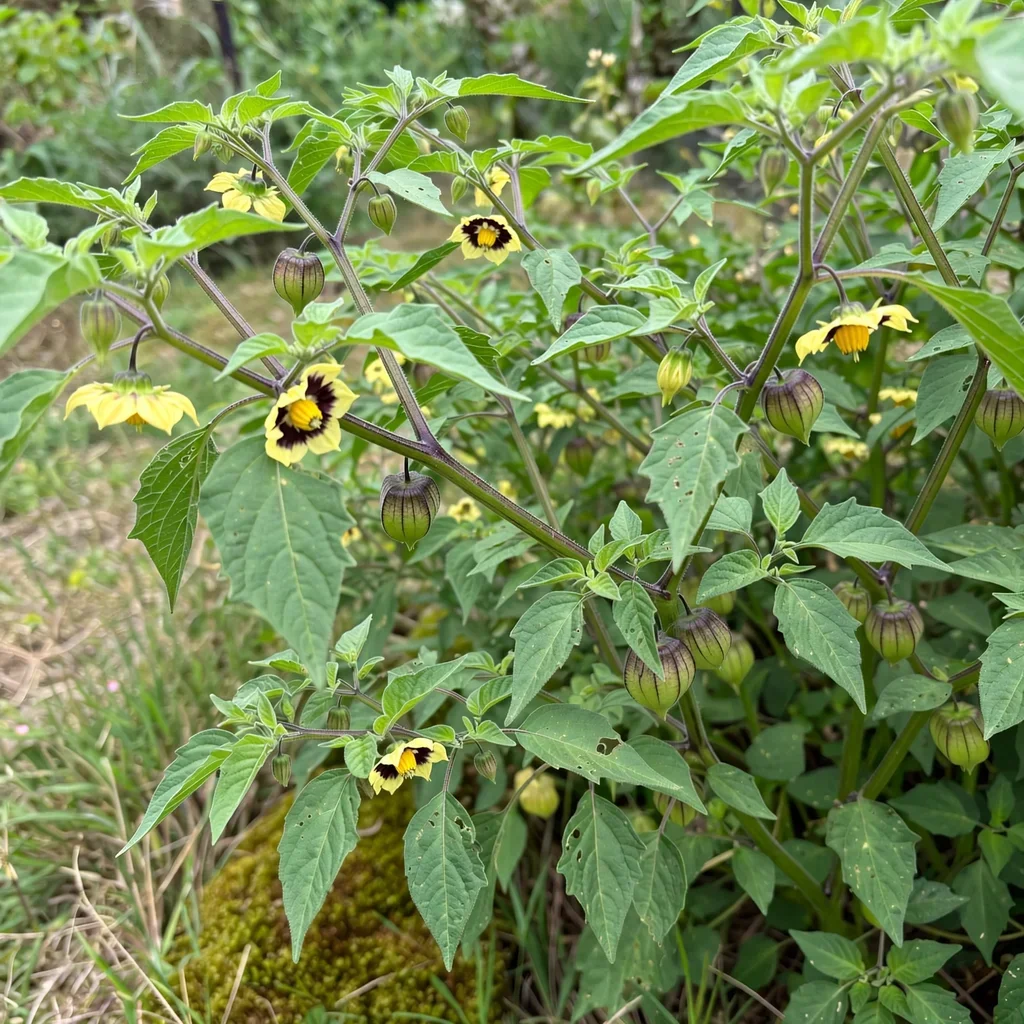
Purple de Milpa Tomatillo
Physalis philadelphica 'Purple de Milpa'
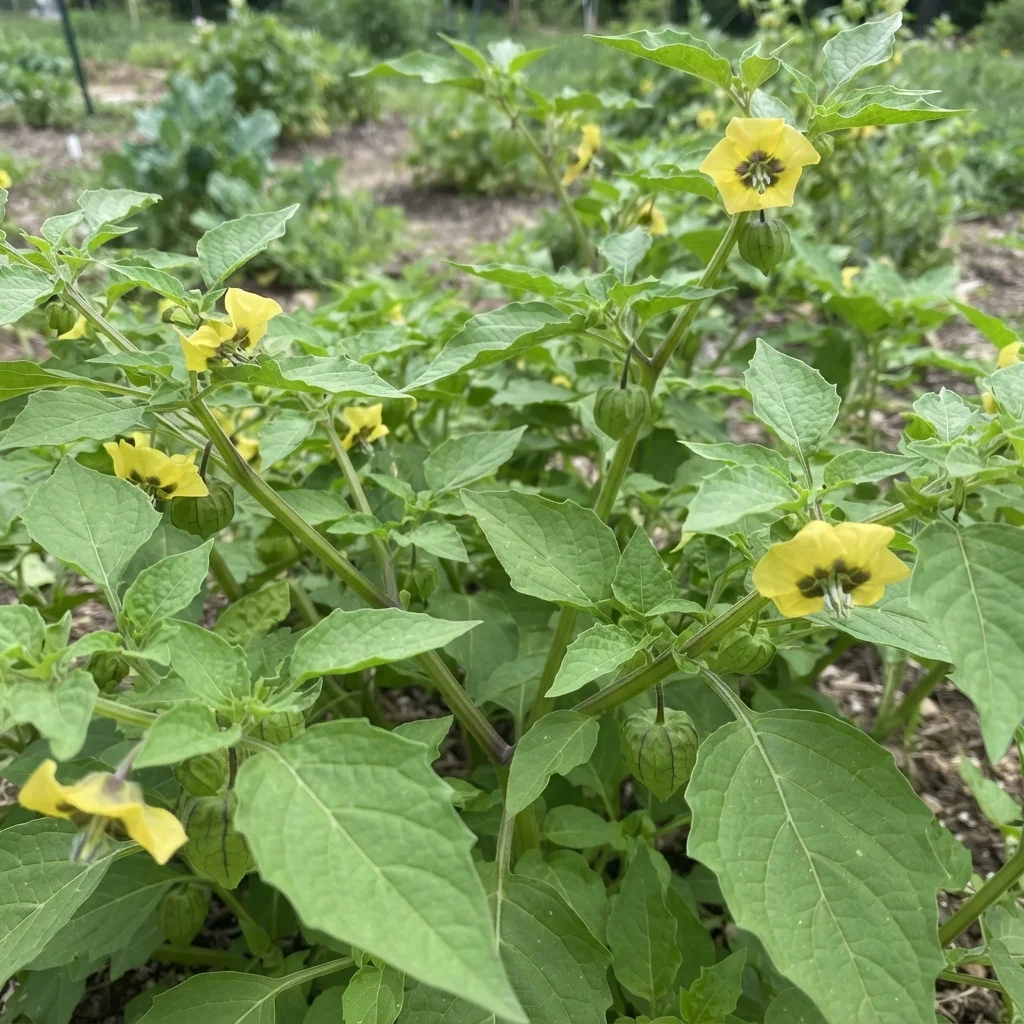
Tomatillo
Physalis philadelphica
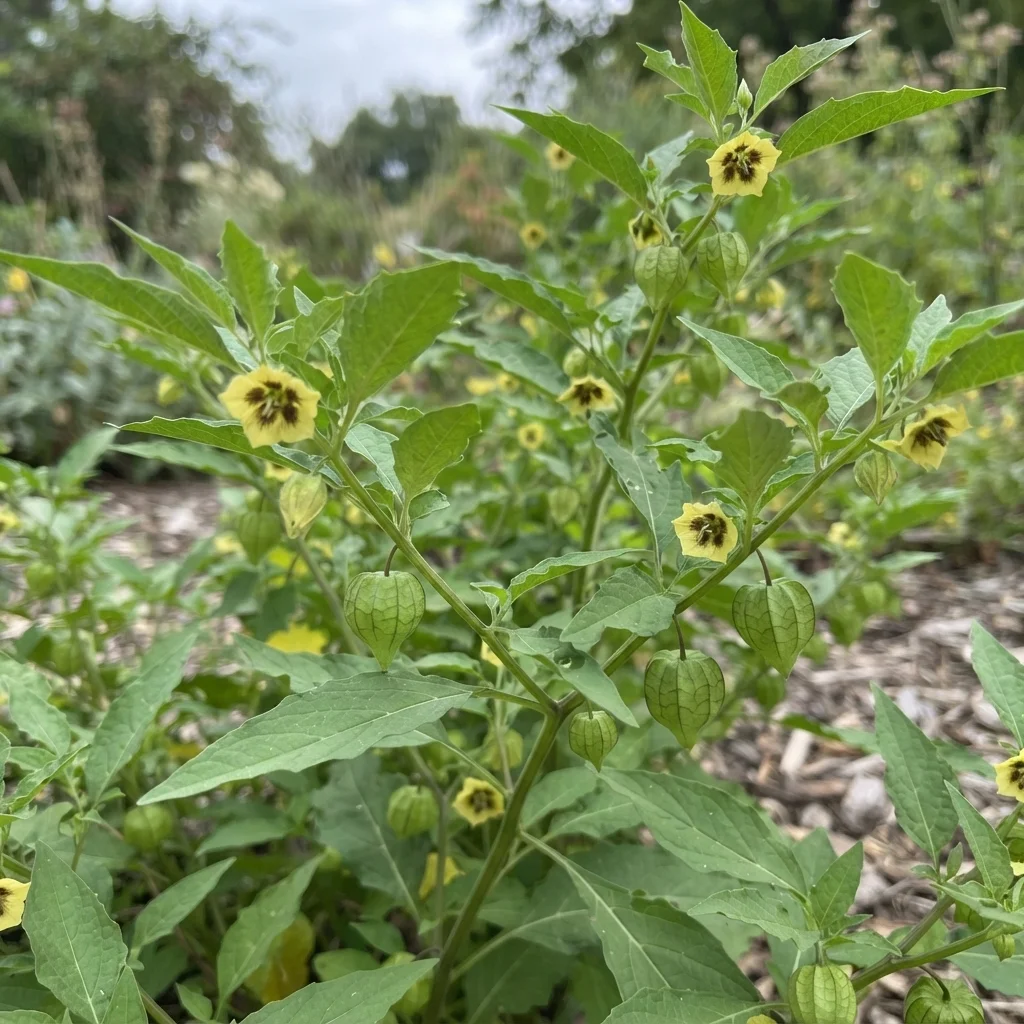
Common Groundcherry
Physalis longifolia
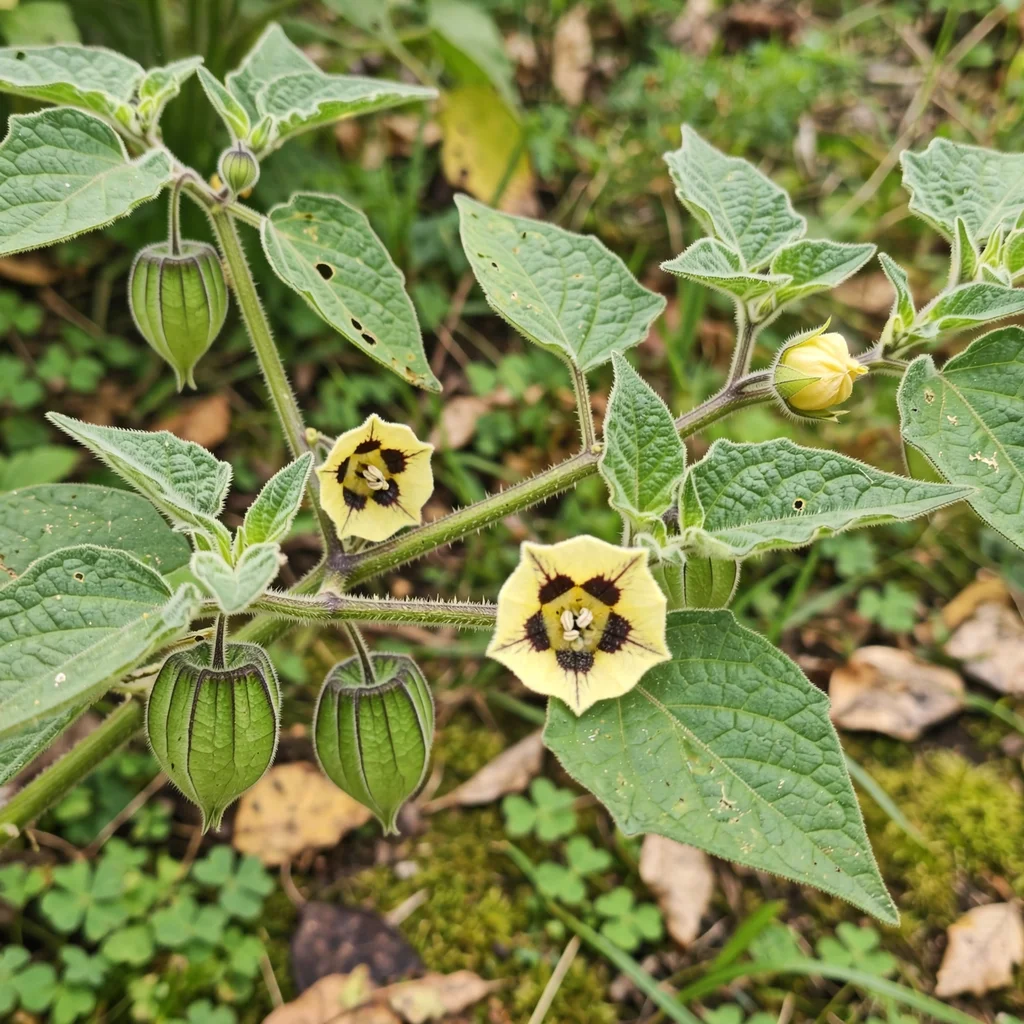
Goldenberry
Physalis peruviana
Keep exploring
Explore the genus
Grow Cutleaf Groundcherry with confidence
See it in a design of your actual yard, get zone-matched care reminders, and track it season by season in your garden journal.