The Story
Plant Bio
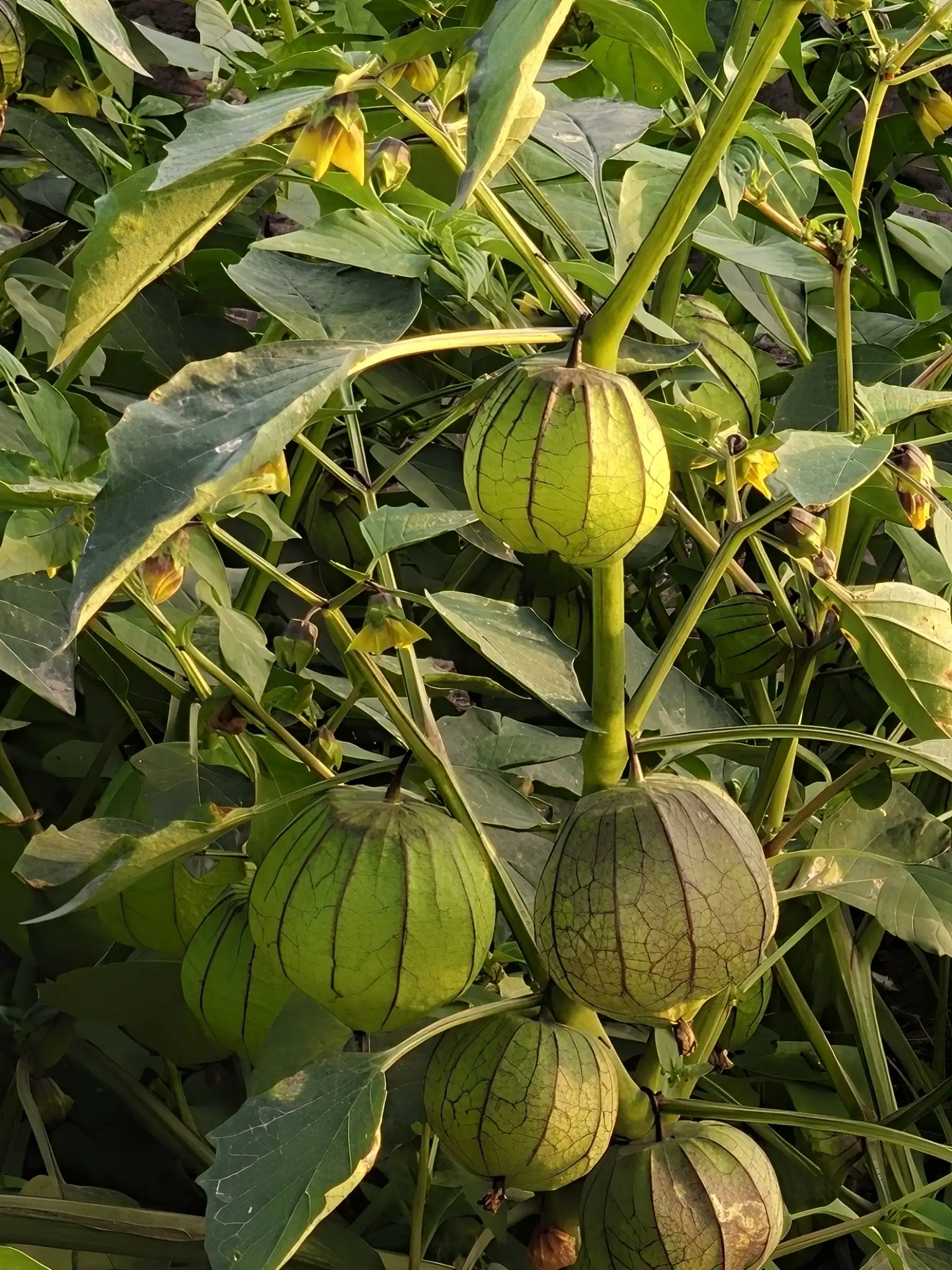
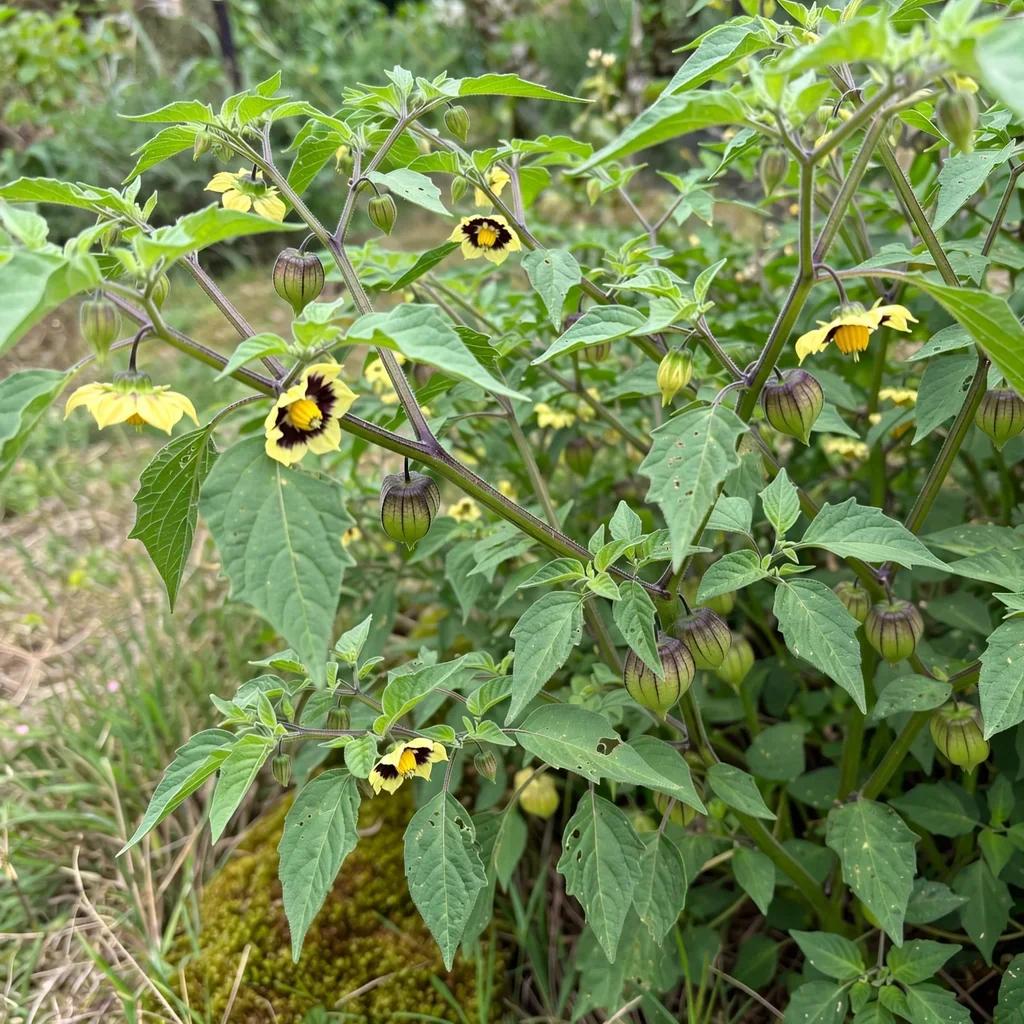
Physalis philadelphica, commonly known as the tomatillo, is a sprawling, branching annual native to Mexico and Central America that produces edible green or purple fruits enclosed in papery husks. The solitary, bell-shaped yellow flowers feature distinct dark purple throat markings and twisted anthers, blooming from summer through fall.
Unlike self-fertile tomatoes, this species is strongly self-incompatible and requires at least two distinct plants grown in close proximity to achieve successful cross-pollination and fruit set. The expanding calyx inflates to completely envelope the developing berry, drying to a papery husk that splits open when the fruit reaches maturity.
Uses & Benefits:
Essentials
At a Glance
Plant Type
Fruit Vegetable
Height
40"
Width
48"
Light
Full Sun
Zones
4, 5, 6, 7, 8, 9, 10
Water
Medium
Humidity
Moderate
Lifespan
Annual
Native To
Mexico, Central America
Toxicity
Stems, leaves, and unripe fruit are toxic if ingested
Planting
How to Grow
- Sow seeds indoors 4 to 6 weeks before the last expected spring frost, keeping soil warm to accelerate germination.
- Transplant seedlings into a full-sun location with fertile, exceptionally well-drained loamy soil once all danger of frost has passed.
- Space multiple plants within a few feet of each other to facilitate the cross-pollination required for fruit development.
- Provide a stake or cage to support the sprawling, branching stems and keep the developing husked fruits off the ground.
Pro Tip
Plant at least two specimens near each other to ensure insect-mediated cross-pollination, as single isolated plants will fail to set fruit despite abundant flowering.
Keep It Thriving
Care Guide
Do
- Plant at least two tomatillo specimens near each other to ensure cross-pollination.
- Water regularly during the growing season to maintain consistent soil moisture for optimal fruit set.
- Pinch the growing tips of young plants early in the season to encourage a bushier habit.
Don't
- Do not plant in heavy, poorly draining clay soils that hold excess water.
- Do not ingest the green stems, leaves, or unripe fruits, as they contain toxic alkaloids.
- Do not expect a single isolated plant to produce fruit.
Seasonal Care Calendar
| Task | Jan | Feb | Mar | Apr | May | Jun | Jul | Aug | Sep | Oct | Nov | Dec |
|---|---|---|---|---|---|---|---|---|---|---|---|---|
| Fertilize | ||||||||||||
| Harvest | ||||||||||||
| Pest Check | ||||||||||||
| Pinch | ||||||||||||
| Plant |
Watch Out For
Pests & Diseases
Common Pests
Common Diseases
In the Garden
Landscape Uses & Companions
Landscape Uses
Companion Plants
Multiply
Propagation Methods
Good to Know
Common Questions
Tomatillo questions
What zones can Tomatillo grow in?
Tomatillo is hardy in USDA Zones 4–10. Inside that range it survives winter in the ground; outside it, grow it as an annual or a container plant you protect.
When does Tomatillo bloom?
Tomatillo typically blooms in summer through fall. Exact timing shifts a week or two with your zone — Sow's bloom calendar maps it to your garden.
Does Tomatillo need full sun?
Tomatillo does best in full sun (6+ hours).
Is Tomatillo drought tolerant?
Yes — once established (usually after the first full season), Tomatillo handles dry spells with minimal watering. Water deeply its first year to build the root system that makes that possible.
More Physalis to compare
Giant Goldenberry
Physalis peruviana 'Giant'
Chinese lantern Winter cherry Lantern plant
Physalis alkekengi
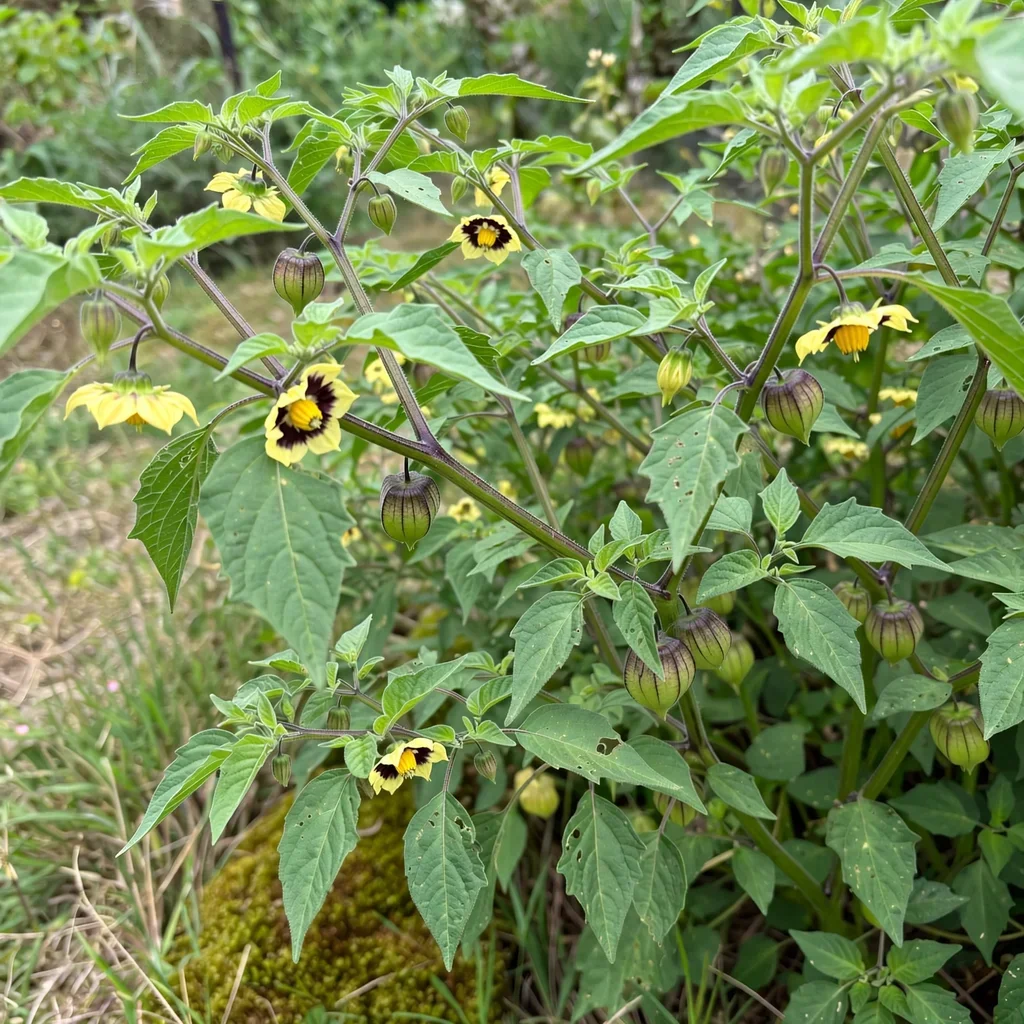
Purple de Milpa Tomatillo
Physalis philadelphica 'Purple de Milpa'
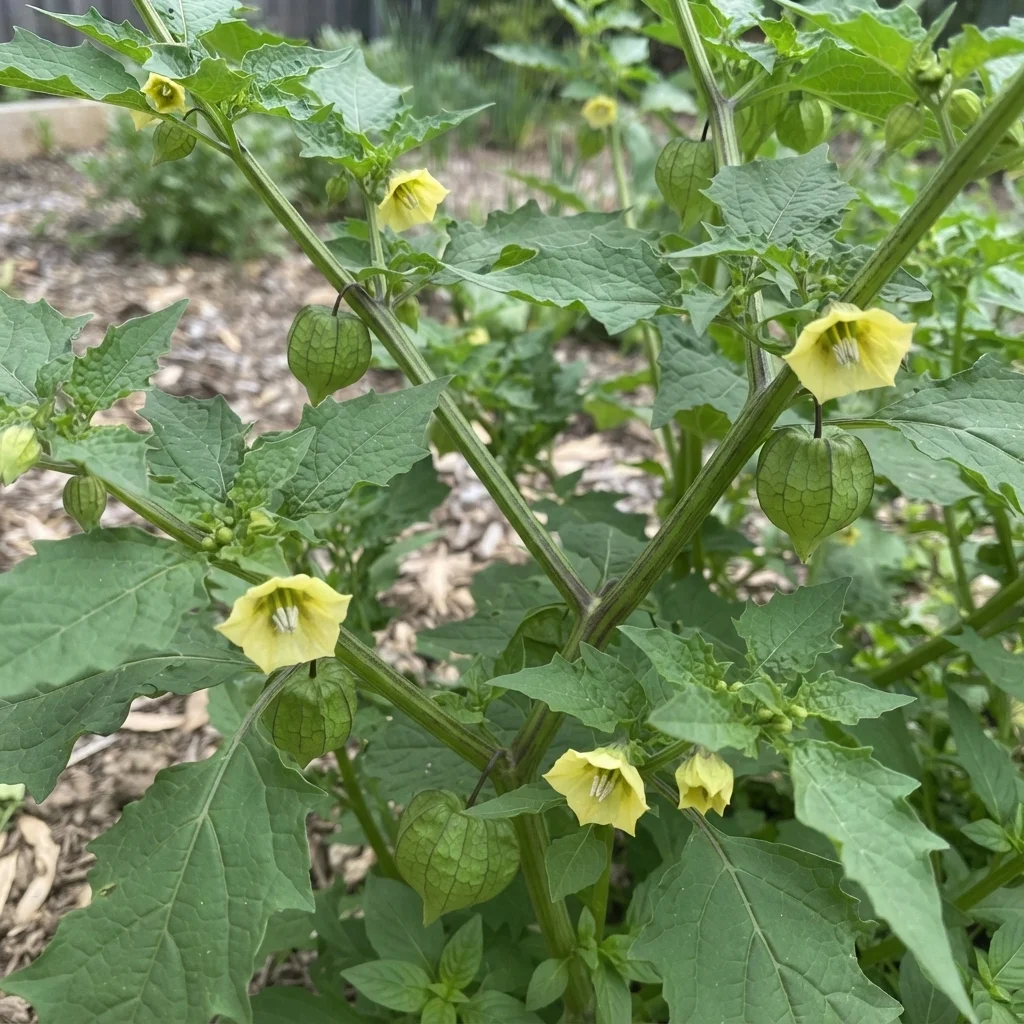
Cutleaf Groundcherry
Physalis angulata
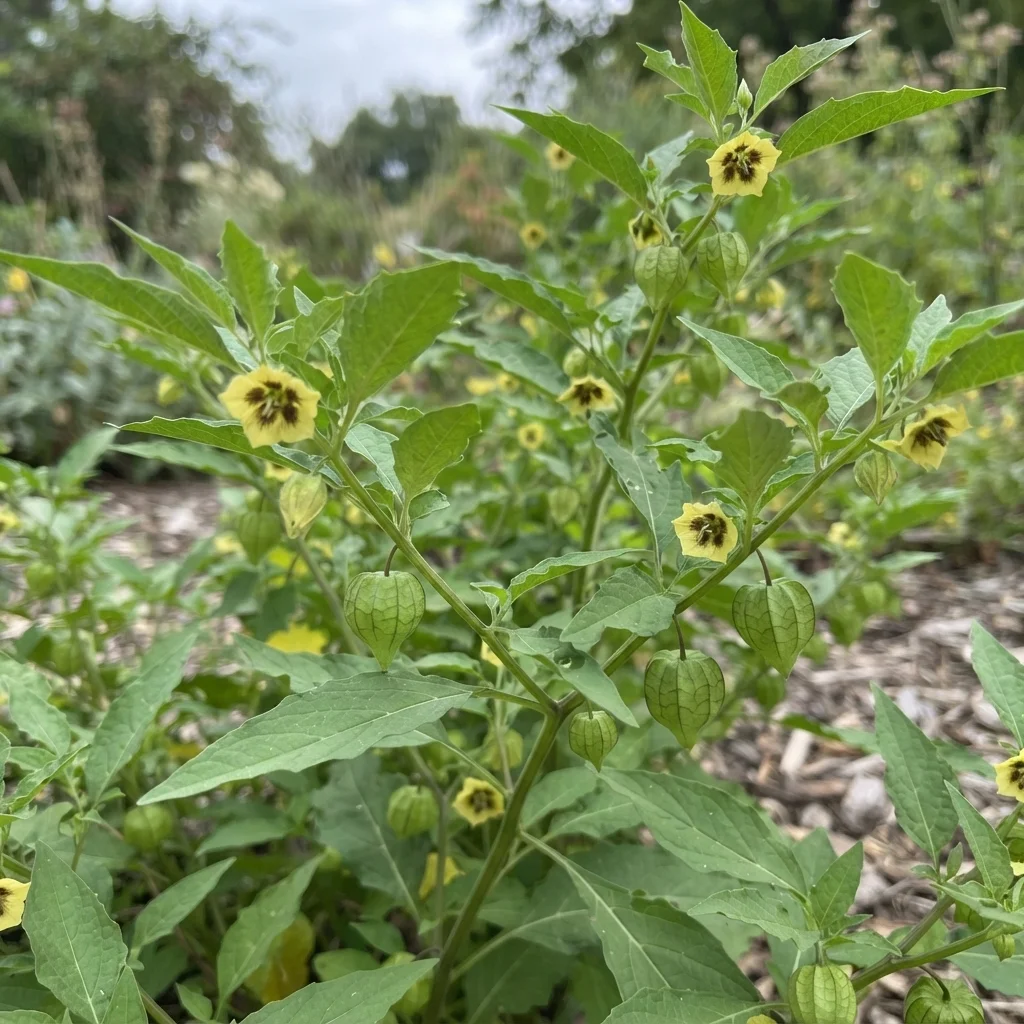
Common Groundcherry
Physalis longifolia
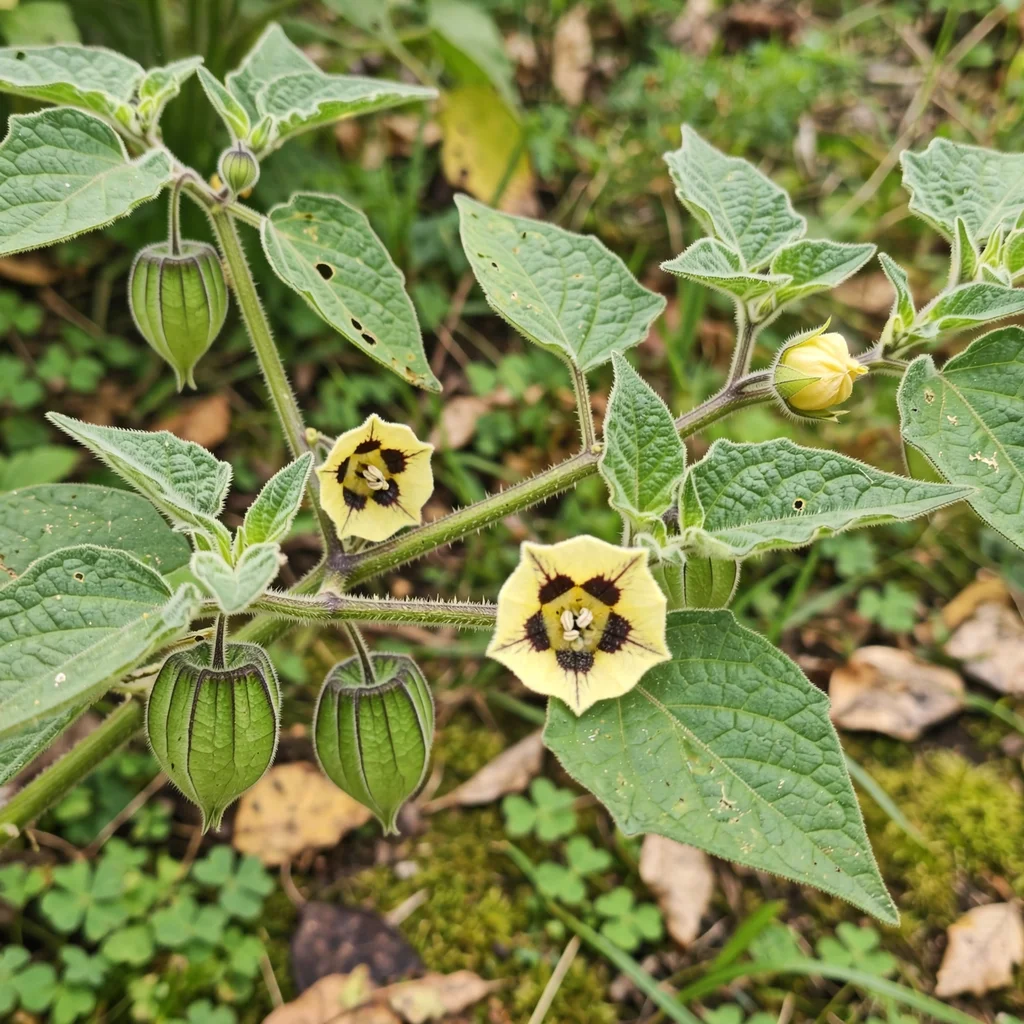
Goldenberry
Physalis peruviana
Keep exploring
Explore the genus
Grow Tomatillo with confidence
See it in a design of your actual yard, get zone-matched care reminders, and track it season by season in your garden journal.