The Story
Plant Bio
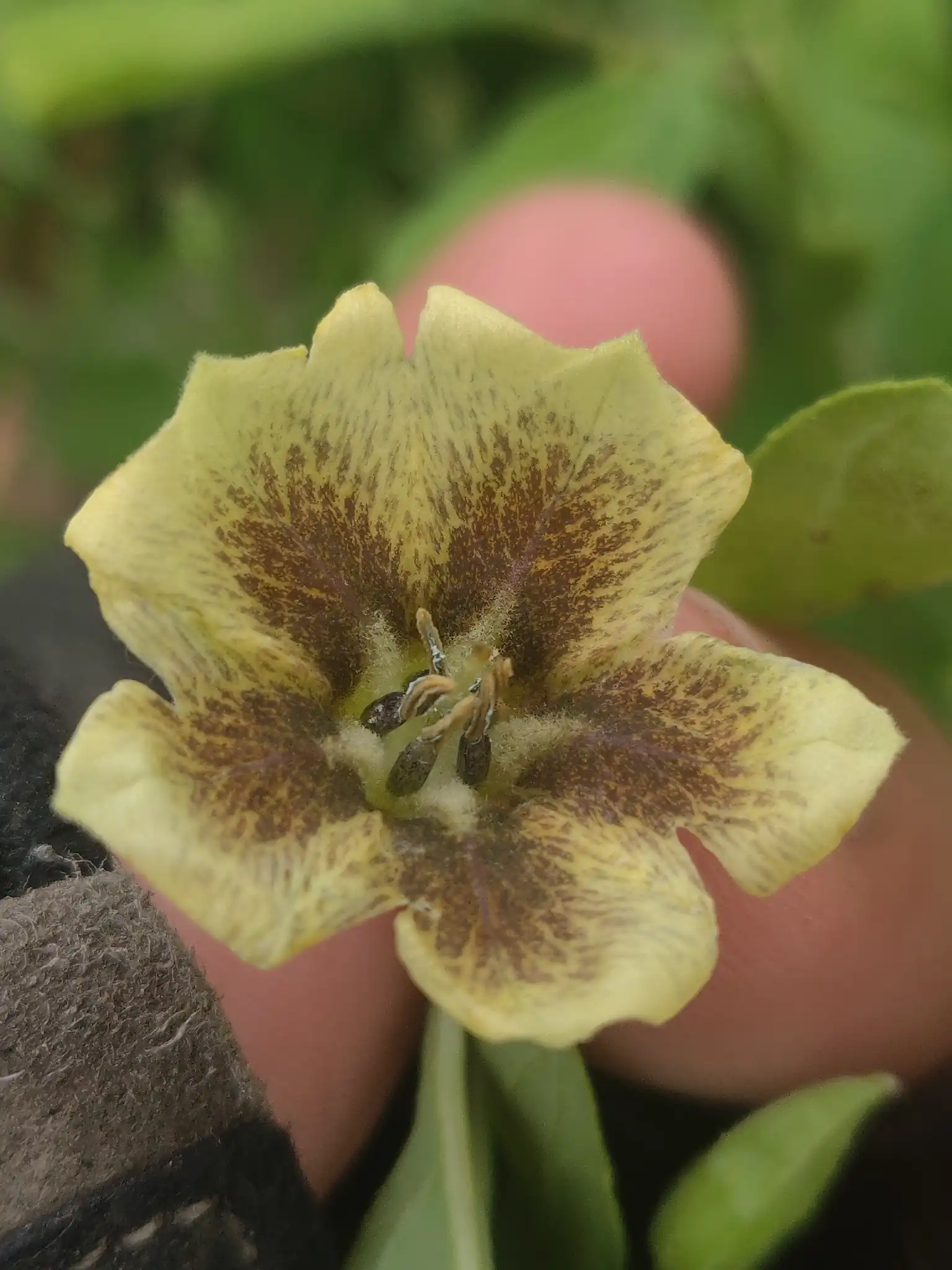
Physalis longifolia, commonly known as common groundcherry, is a rhizomatous perennial wildflower native to North America that produces nodding, bell-shaped yellow flowers with dark purple centers. The flowers are followed by papery, inflated husks that enclose edible, yellowish-green berries when fully ripe.
This species is distinguished by its deep-set, long-creeping rhizomes that allow it to survive harsh winters and dry spells, though they can cause the plant to spread aggressively in garden beds. The lanceolate to ovate leaves are mostly hairless, separating it from other more pubescent groundcherries.
Uses & Benefits:
Essentials
At a Glance
Plant Type
Perennial
Height
31"
Width
24"
Light
Full Sun, Partial Sun
Zones
4, 5, 6, 7, 8, 9
Water
Low to moderate
Humidity
Unknown
Lifespan
Perennial
Native To
North America
Toxicity
Leaves and unripe fruit contain toxic solanine
Bloom period
Summer – Fall
In flower about 6 months of the year
Planting
How to Grow
- Select a planting site in full sun to partial shade with well-drained soil.
- Dig a hole twice the width of the root ball and set the plant at the same depth it was in the container.
- Water thoroughly to settle the soil around the roots and establish the plant.
- Install physical root barriers if you need to restrict the spread of the creeping rhizomes.
Pro Tip
Install a root barrier at least twelve inches deep around the planting area to contain the aggressive, creeping rhizomes and prevent them from invading adjacent garden beds.
Keep It Thriving
Care Guide
Do
- Cut back dead stems to the ground in late winter or early spring.
- Allow the berries to turn fully yellow-green and drop from the plant before harvesting.
Don't
- Do not over-fertilize, as excess nitrogen reduces fruit set and stimulates rampant leaf growth.
- Do not plant in poorly drained, soggy soils where root rot can develop.
Seasonal Care Calendar
| Task | Jan | Feb | Mar | Apr | May | Jun | Jul | Aug | Sep | Oct | Nov | Dec |
|---|---|---|---|---|---|---|---|---|---|---|---|---|
| Harvest | ||||||||||||
| Pest Check | ||||||||||||
| Propagate | ||||||||||||
| Spring Cleanup |
Watch Out For
Pests & Diseases
Common Pests
Common Diseases
In the Garden
Landscape Uses & Companions
Landscape Uses
Companion Plants
Multiply
Propagation Methods
Good to Know
Common Questions
Common Groundcherry questions
What zones can Common Groundcherry grow in?
Common Groundcherry is hardy in USDA Zones 4–9. Inside that range it survives winter in the ground; outside it, grow it as an annual or a container plant you protect.
Is Common Groundcherry deer resistant?
Yes — Common Groundcherry is rated deer-resistant. Deer typically pass it over, though extreme hunger can override any plant's defenses.
When does Common Groundcherry bloom?
Common Groundcherry typically blooms in summer through fall. Exact timing shifts a week or two with your zone — Sow's bloom calendar maps it to your garden.
Does Common Groundcherry need full sun?
Common Groundcherry does best in full sun to part shade. In hot climates, afternoon shade keeps blooms fresher longer.
Is Common Groundcherry drought tolerant?
Yes — once established (usually after the first full season), Common Groundcherry handles dry spells with minimal watering. Water deeply its first year to build the root system that makes that possible.
More Physalis to compare
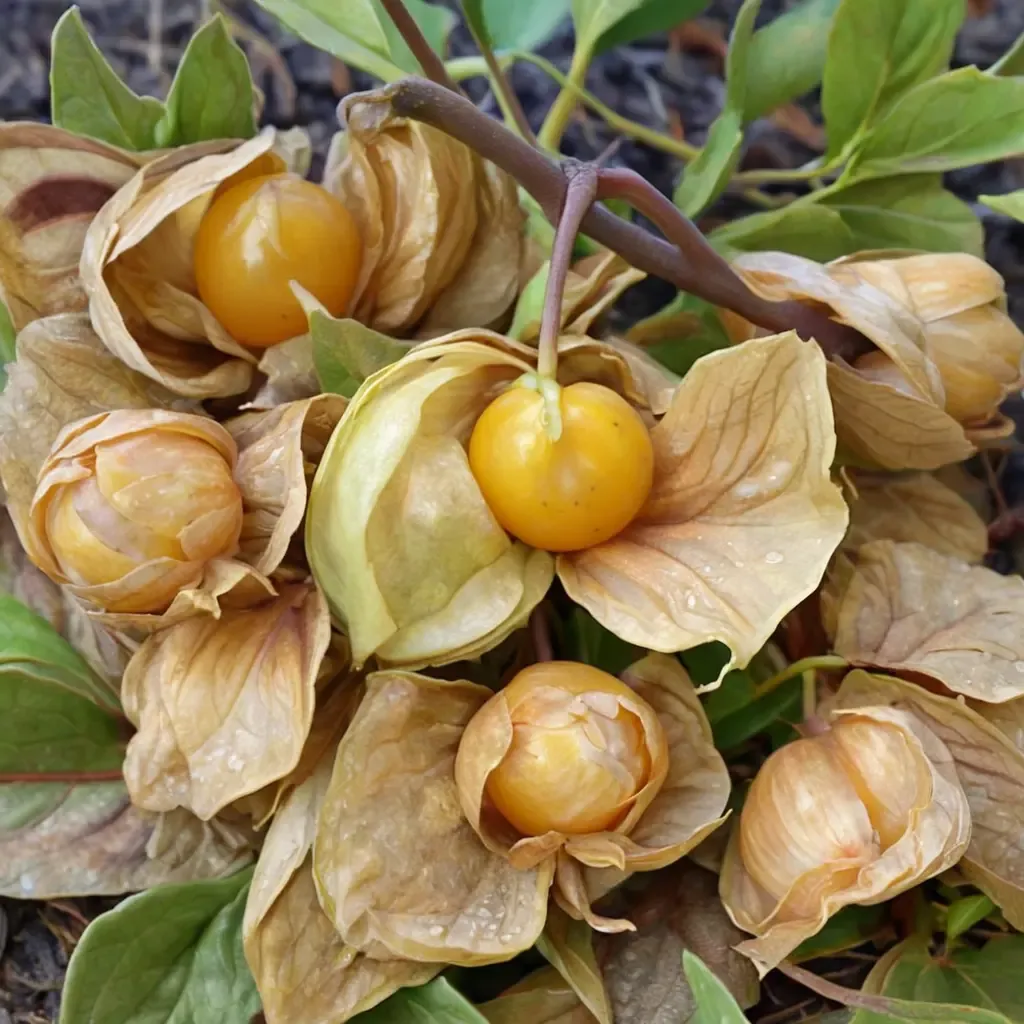
Giant Goldenberry
Physalis peruviana 'Giant'
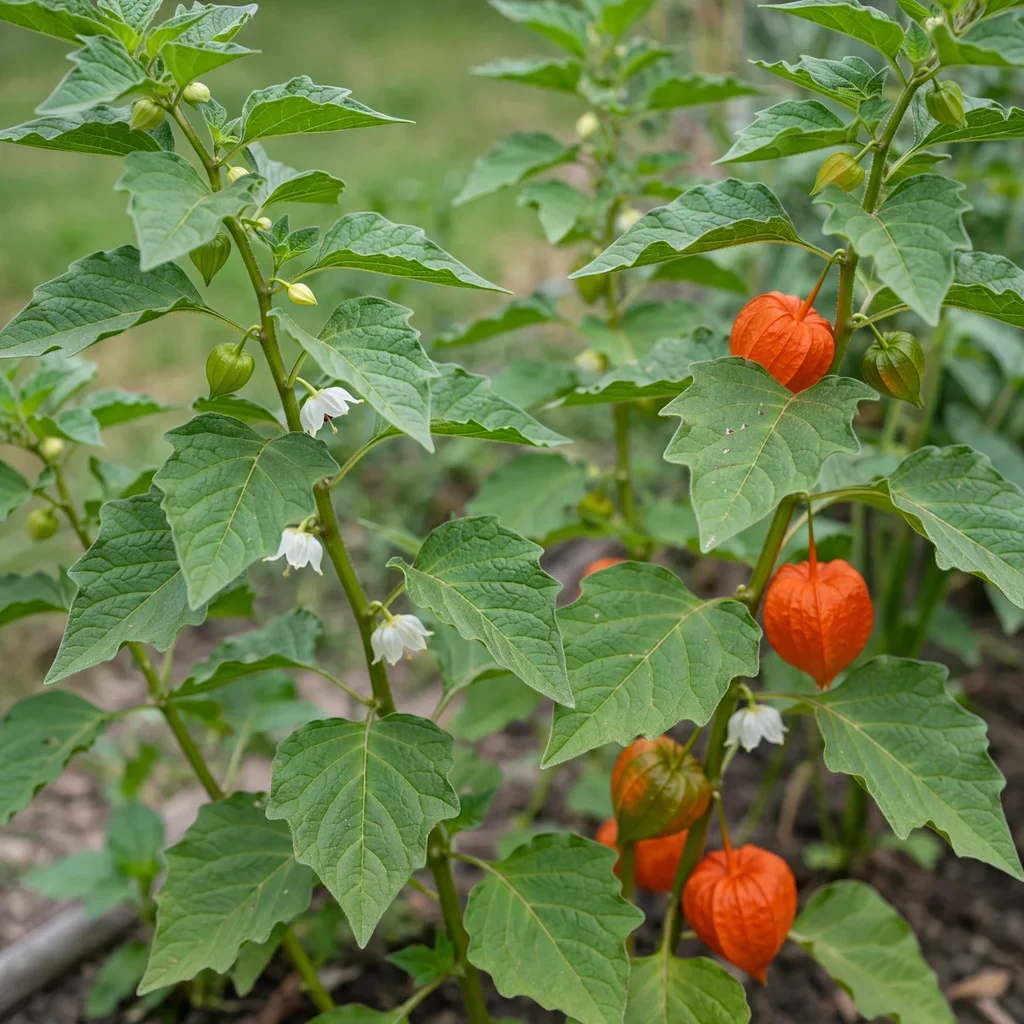
Chinese lantern Winter cherry Lantern plant
Physalis alkekengi
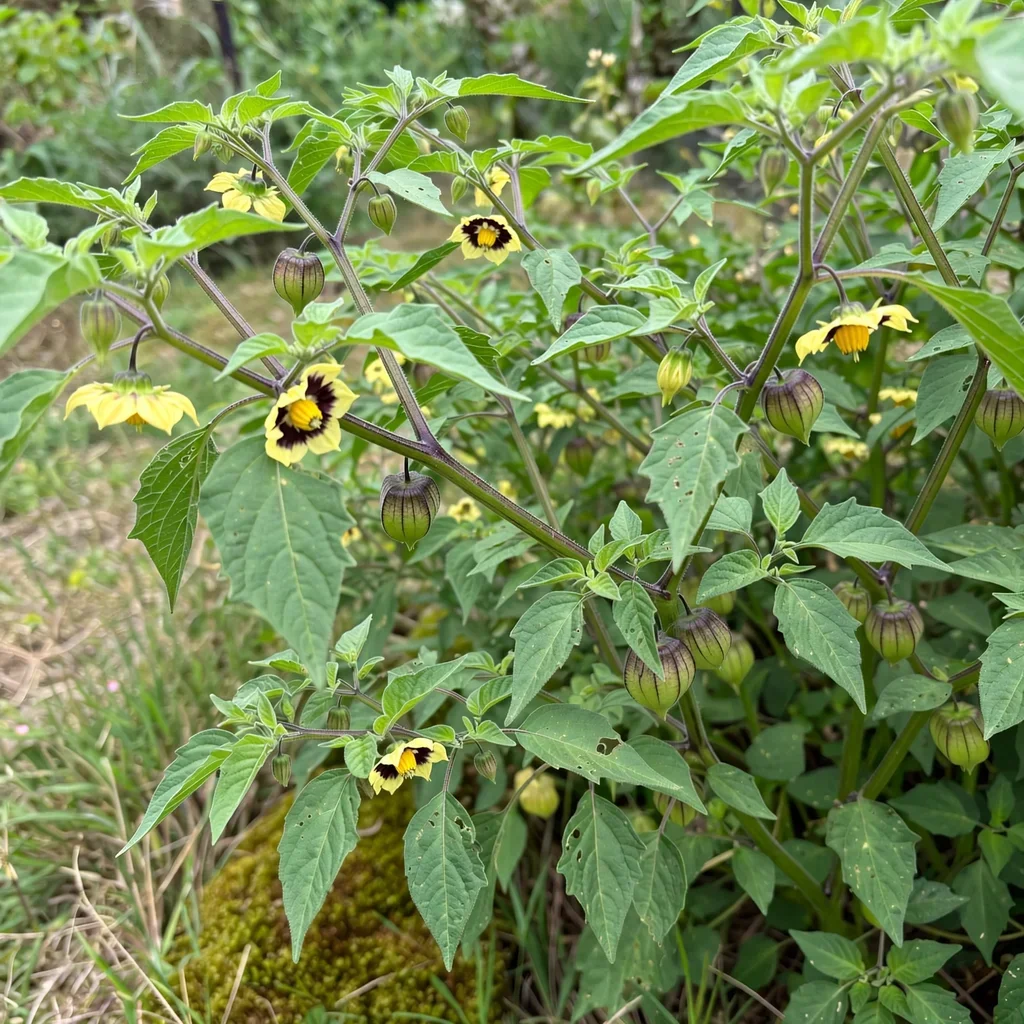
Purple de Milpa Tomatillo
Physalis philadelphica 'Purple de Milpa'
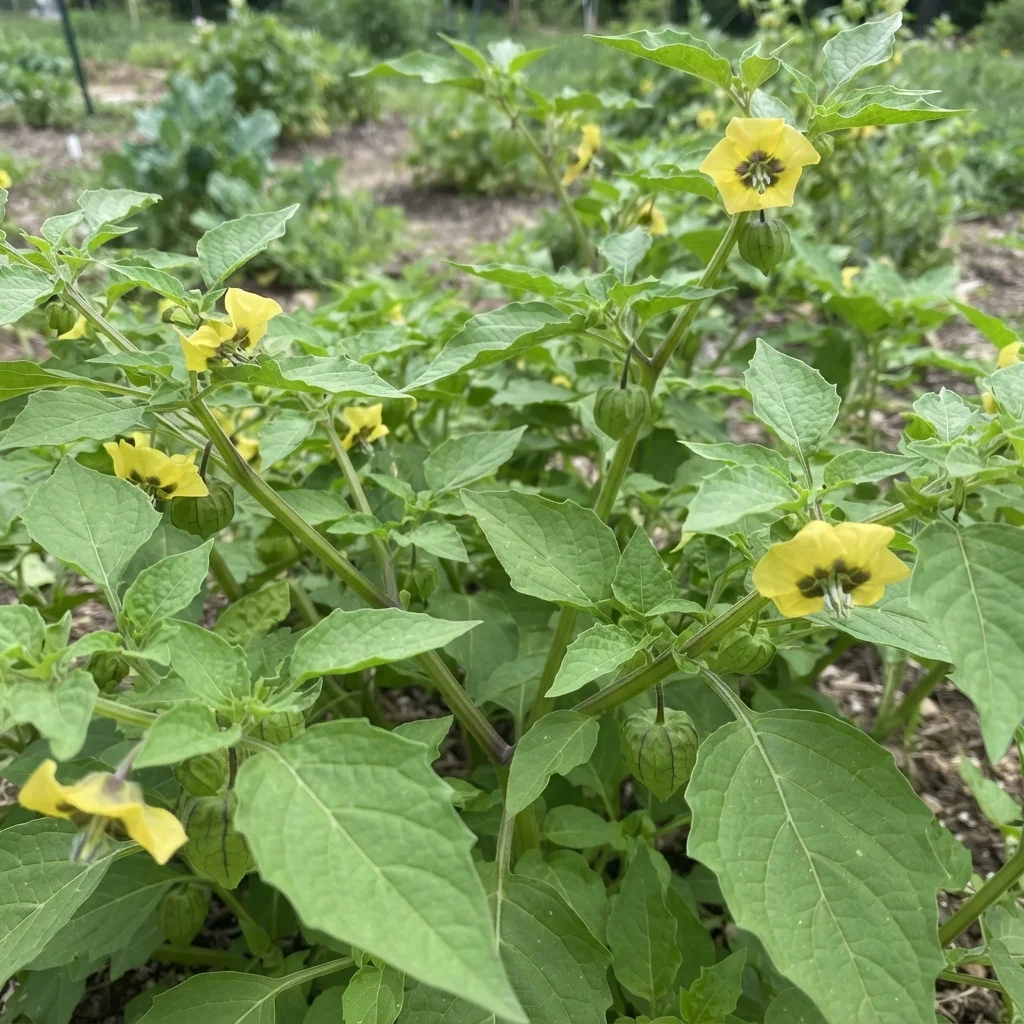
Tomatillo
Physalis philadelphica
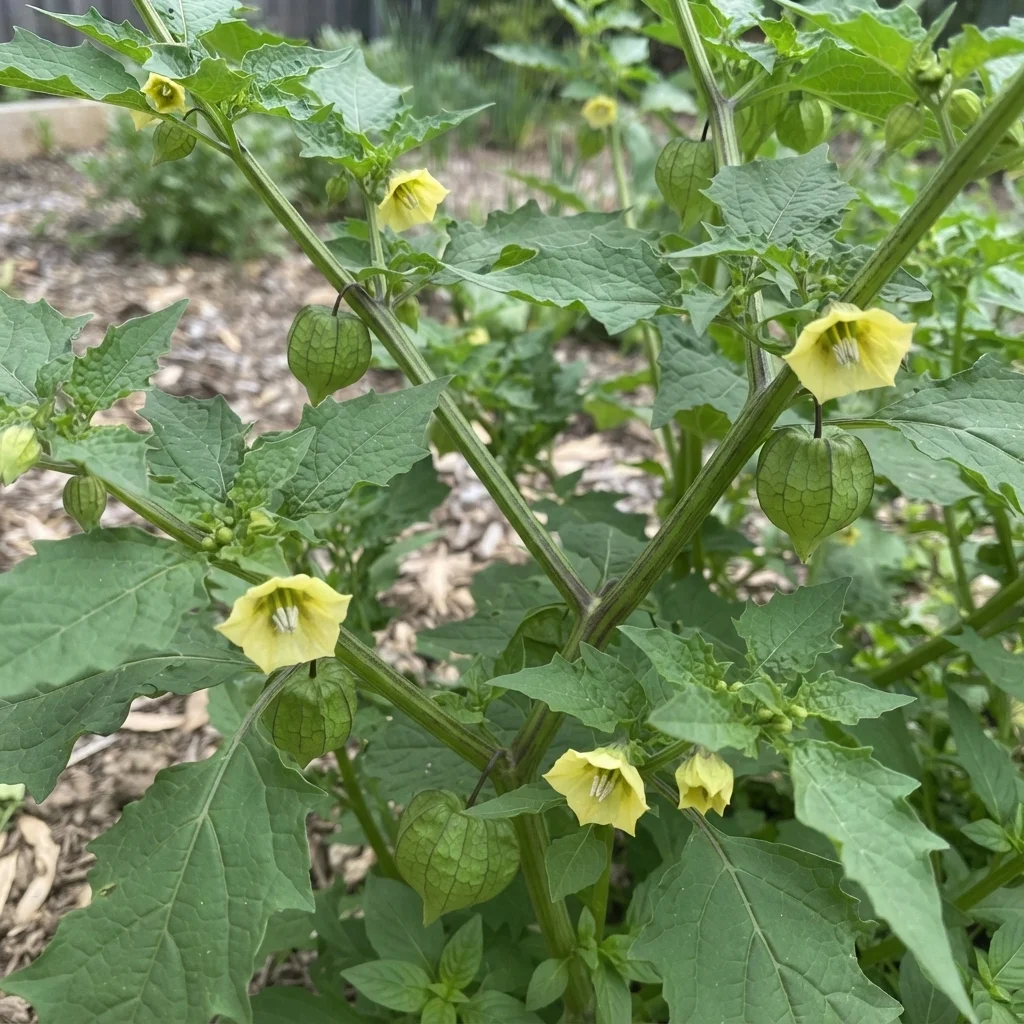
Cutleaf Groundcherry
Physalis angulata
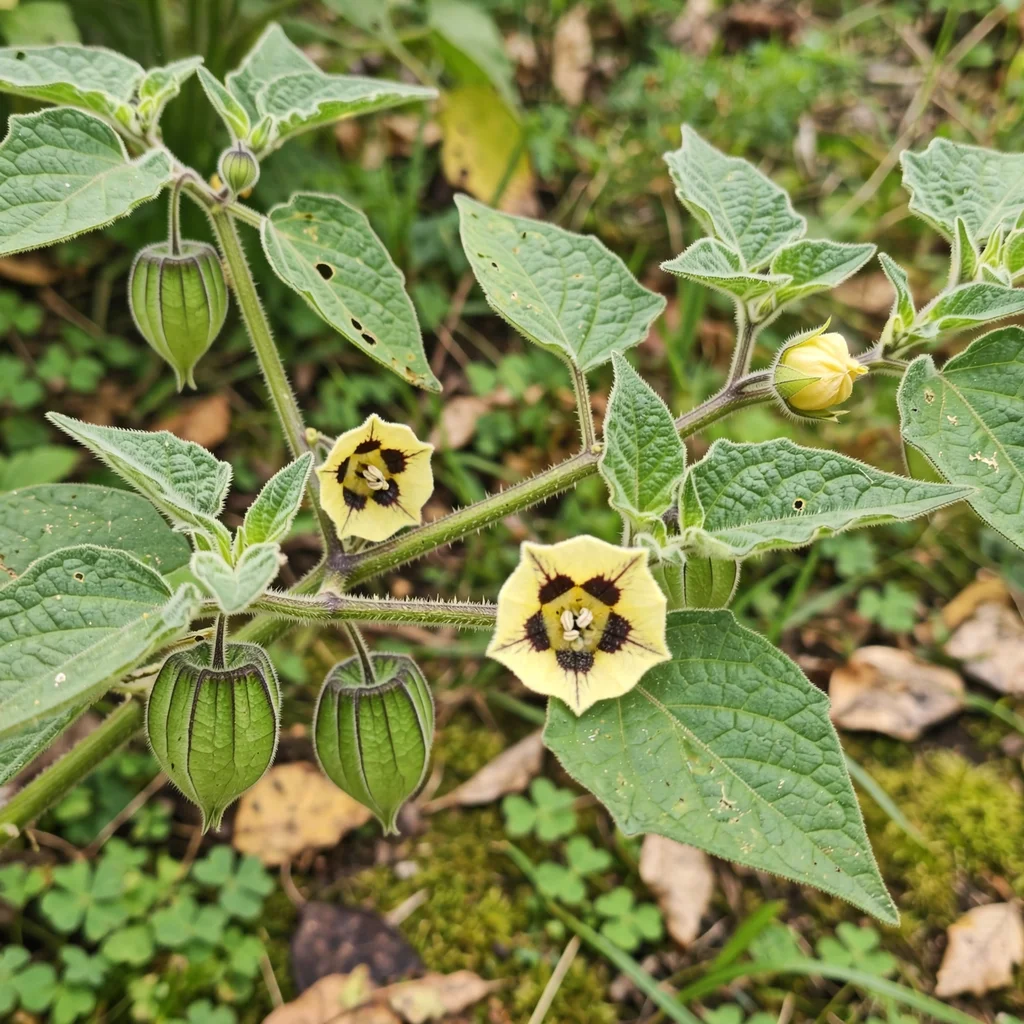
Goldenberry
Physalis peruviana
Keep exploring
Explore the genus
Grow Common Groundcherry with confidence
See it in a design of your actual yard, get zone-matched care reminders, and track it season by season in your garden journal.