The Story
Plant Bio
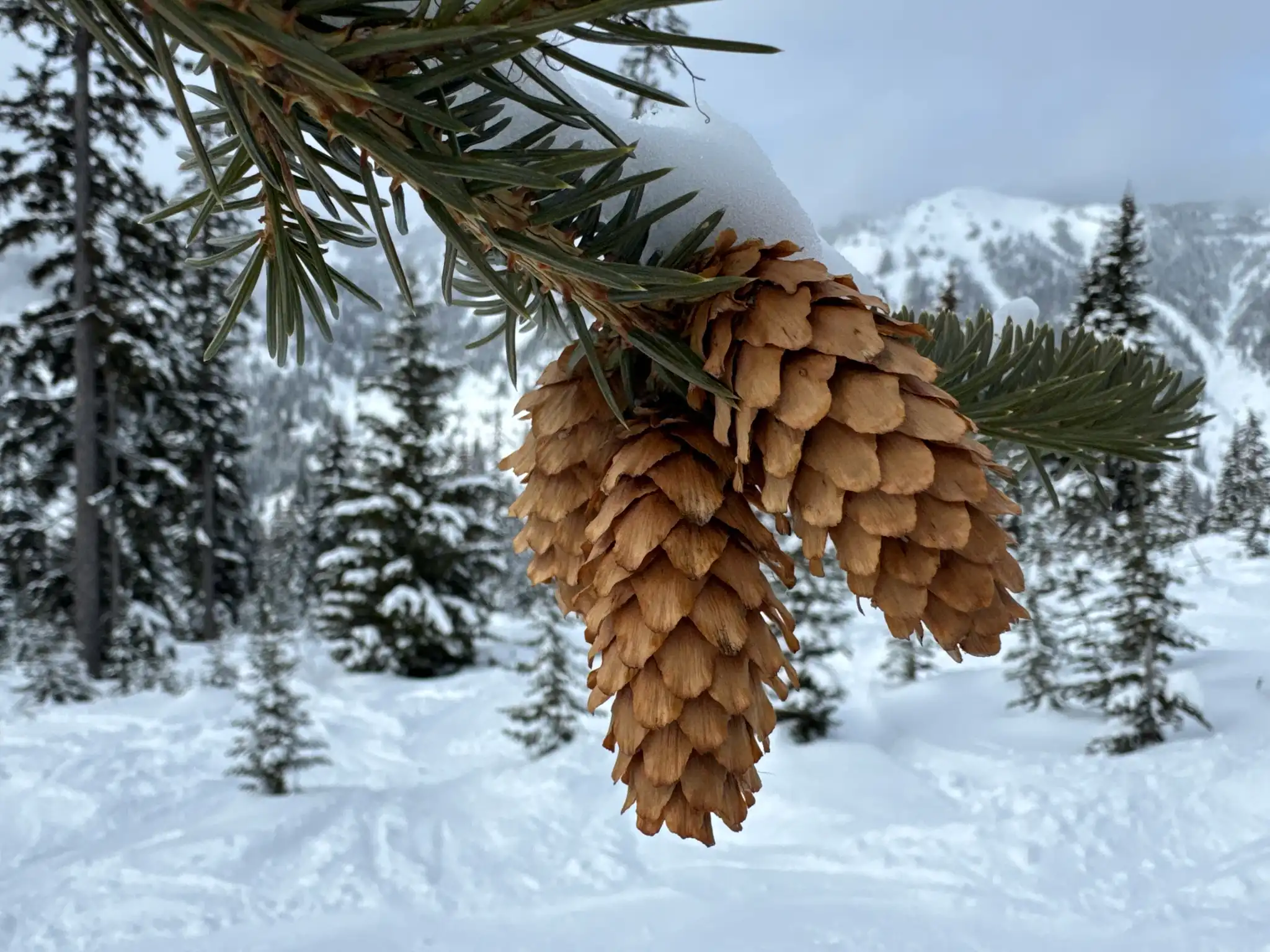
Picea engelmannii is a large evergreen conifer native to subalpine western North America, forming a dense, narrow pyramidal crown with short branches that sweep near the ground in open sites. The four-angled, sharp needles measure one inch long and emit a distinct skunky scent when crushed.
Distinguished from Colorado blue spruce by its finely hairy twigs and soft, papery cone scales with eroded margins, this species produces pendulous brown seed cones up to three inches long. New growth emerges with a silvery-blue hue before maturing to deep blue-green.
Uses & Benefits:
Essentials
At a Glance
Plant Type
Tree
Height
900"
Width
300"
Light
Full Sun, Partial Sun
Zones
4, 5, 6, 7
Water
Medium
Humidity
Moderate to High
Lifespan
Perennial
Native To
North America
Toxicity
Non-toxic
Bloom period
Spring – Late spring
In flower about 3 months of the year
Planting
How to Grow
- Select a site in full sun to light shade with deep, moist, well-drained loamy or sandy soil.
- Dig a planting hole twice as wide as the root ball and equal to its depth, ensuring the root flare rests at ground level.
- Backfill with native soil, firm gently to eliminate air pockets, and water deeply to settle the roots.
- Apply a two-inch layer of organic mulch around the base, keeping it several inches clear of the bark.
- Maintain consistent soil moisture during the first two growing seasons while the root system establishes.
Pro Tip
Never prune back into old leafless wood, as spruces lack adventitious buds on bare stems and cannot break new growth from old wood.
Keep It Thriving
Care Guide
Do
- Keep soil consistently moist, especially during dry summer periods.
- Mulch around the root zone to suppress weeds and maintain cool soil temperatures.
- Protect young saplings from deer and rabbit browsing with tree guards or fencing.
Don't
- Do not plant in heavy, waterlogged soils where water sits for extended periods.
- Do not shear foliage into old wood without needles.
- Do not expose plants to high heat, extreme urban pollution, or coastal salt spray.
Seasonal Care Calendar
| Task | Jan | Feb | Mar | Apr | May | Jun | Jul | Aug | Sep | Oct | Nov | Dec |
|---|---|---|---|---|---|---|---|---|---|---|---|---|
| Mulch | ||||||||||||
| Pest Check | ||||||||||||
| Prune | ||||||||||||
| Winter Prep |
Watch Out For
Pests & Diseases
Common Pests
Common Diseases
In the Garden
Landscape Uses & Companions
Landscape Uses
Companion Plants
Multiply
Propagation Methods
Good to Know
Common Questions
Engelmann Spruce questions
What zones can Engelmann Spruce grow in?
Engelmann Spruce is hardy in USDA Zones 4–7. Inside that range it survives winter in the ground; outside it, grow it as an annual or a container plant you protect.
Is Engelmann Spruce deer resistant?
Not reliably. Deer may browse Engelmann Spruce, especially tender spring growth — plan on repellents or fencing where pressure is high.
When does Engelmann Spruce bloom?
Engelmann Spruce typically blooms in spring through late spring. Exact timing shifts a week or two with your zone — Sow's bloom calendar maps it to your garden.
Does Engelmann Spruce need full sun?
Engelmann Spruce does best in full sun to part shade. In hot climates, afternoon shade keeps blooms fresher longer.
More Picea to compare
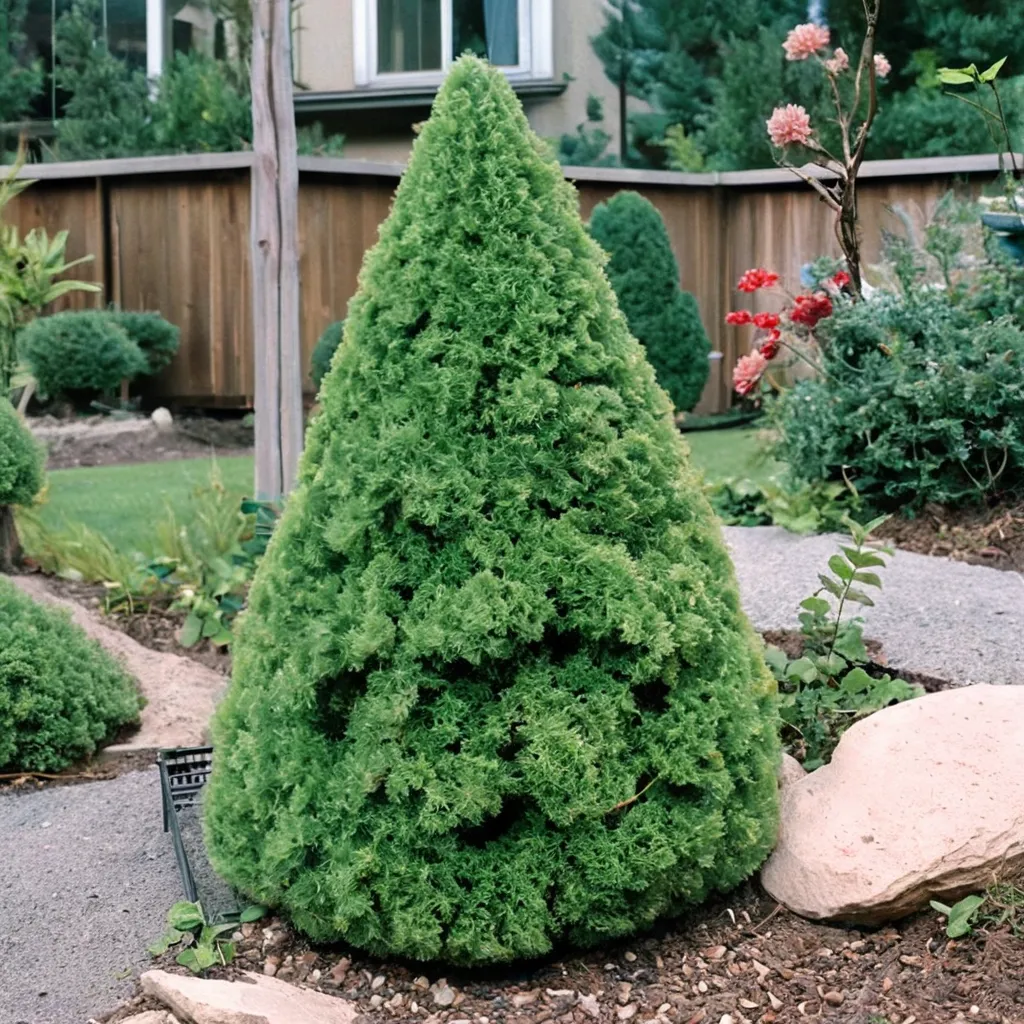
Dwarf Alberta Spruce
Picea glauca 'Conica'
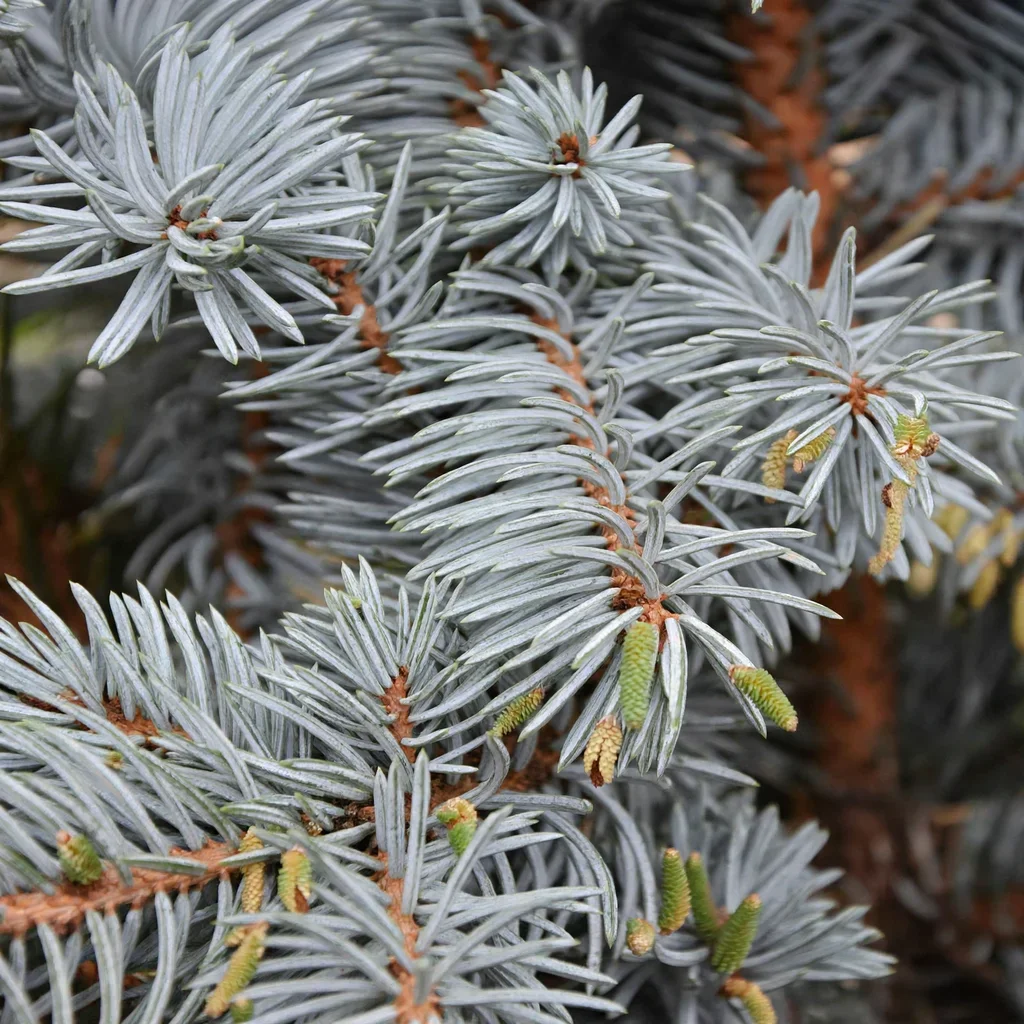
Koster Blue Spruce
Picea pungens 'Koster'
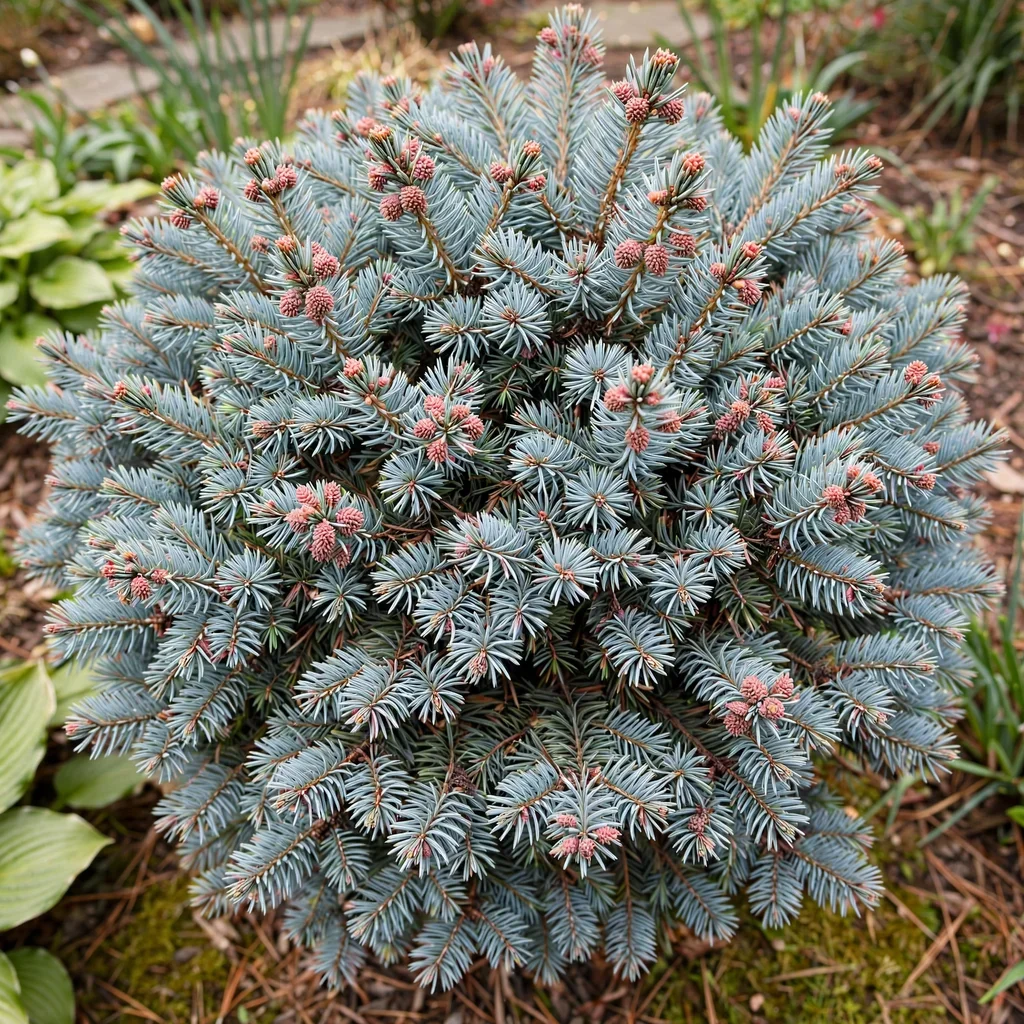
Globe Blue Spruce
Picea pungens 'Globosa'
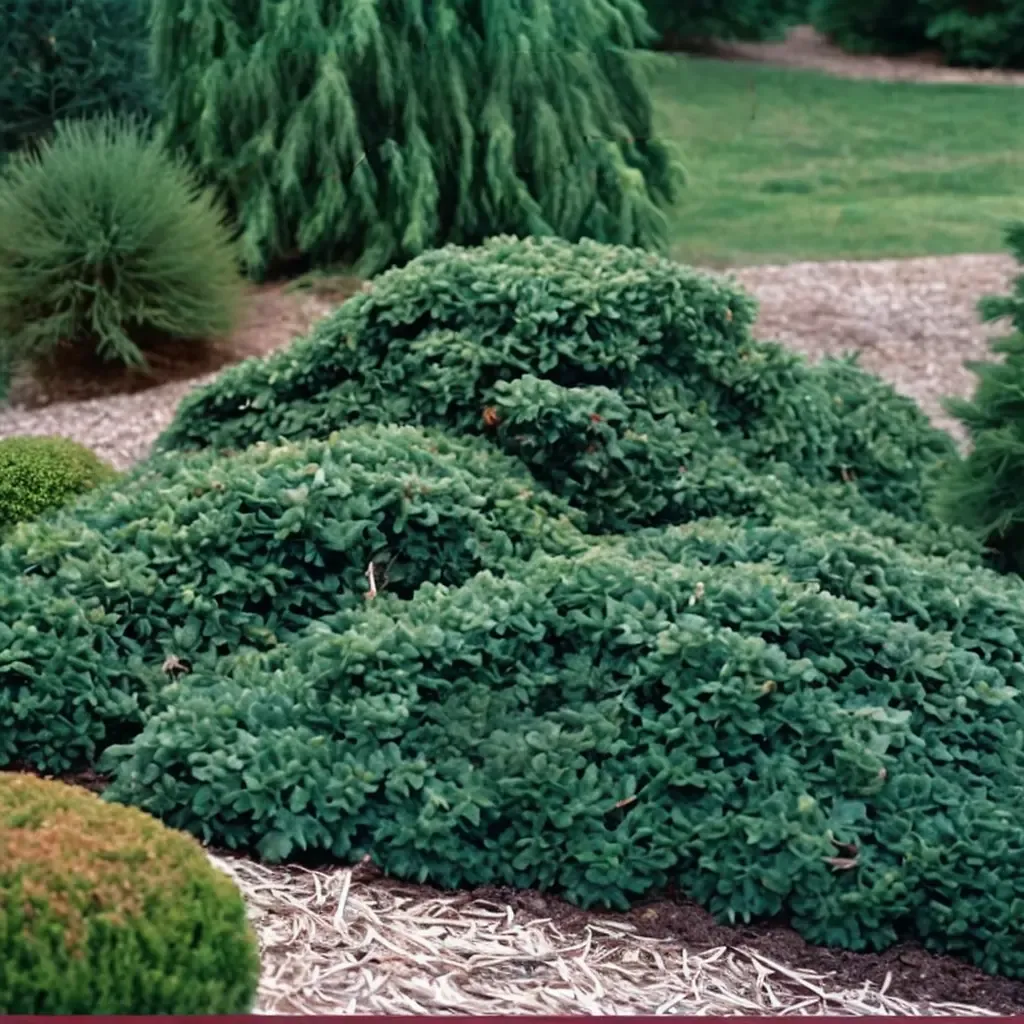
Hedgehog Dwarf White Spruce
Picea glauca 'Echiniformis'
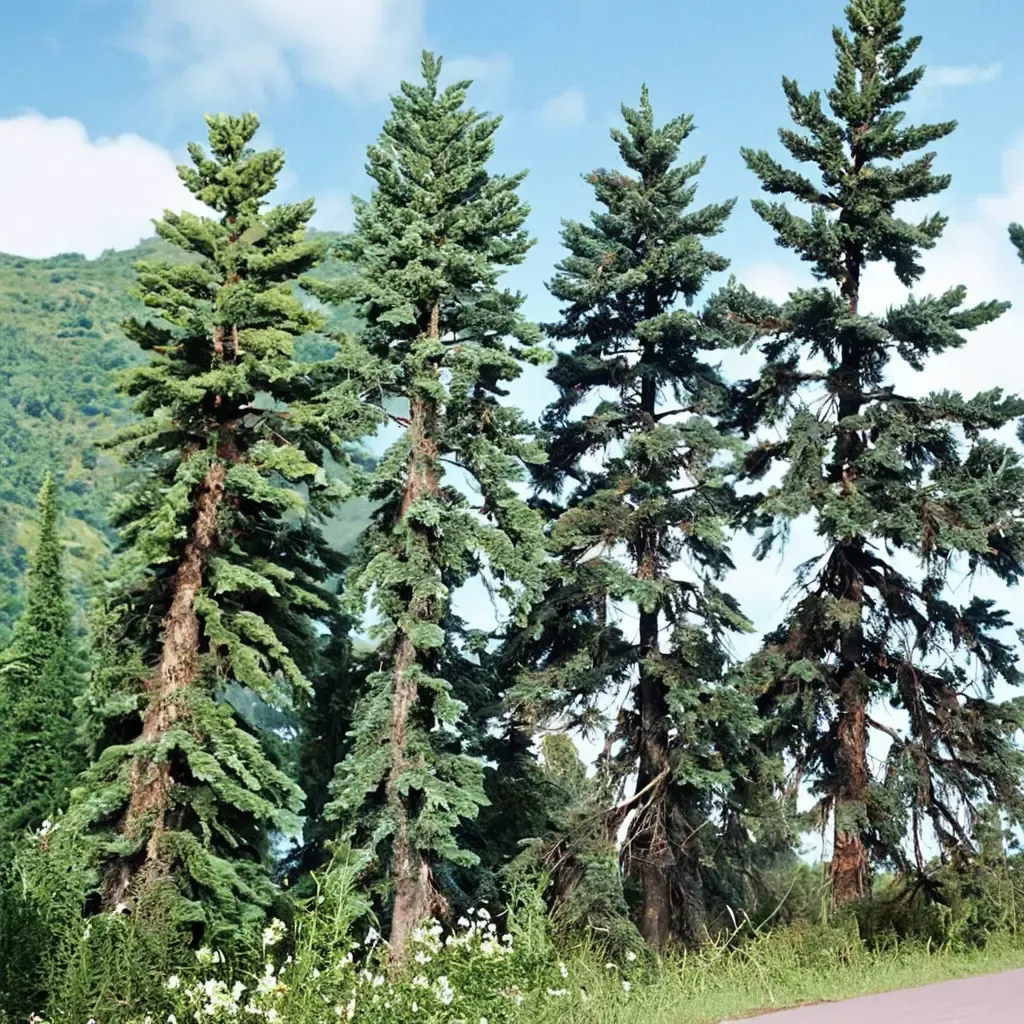
White Spruce
Picea glauca
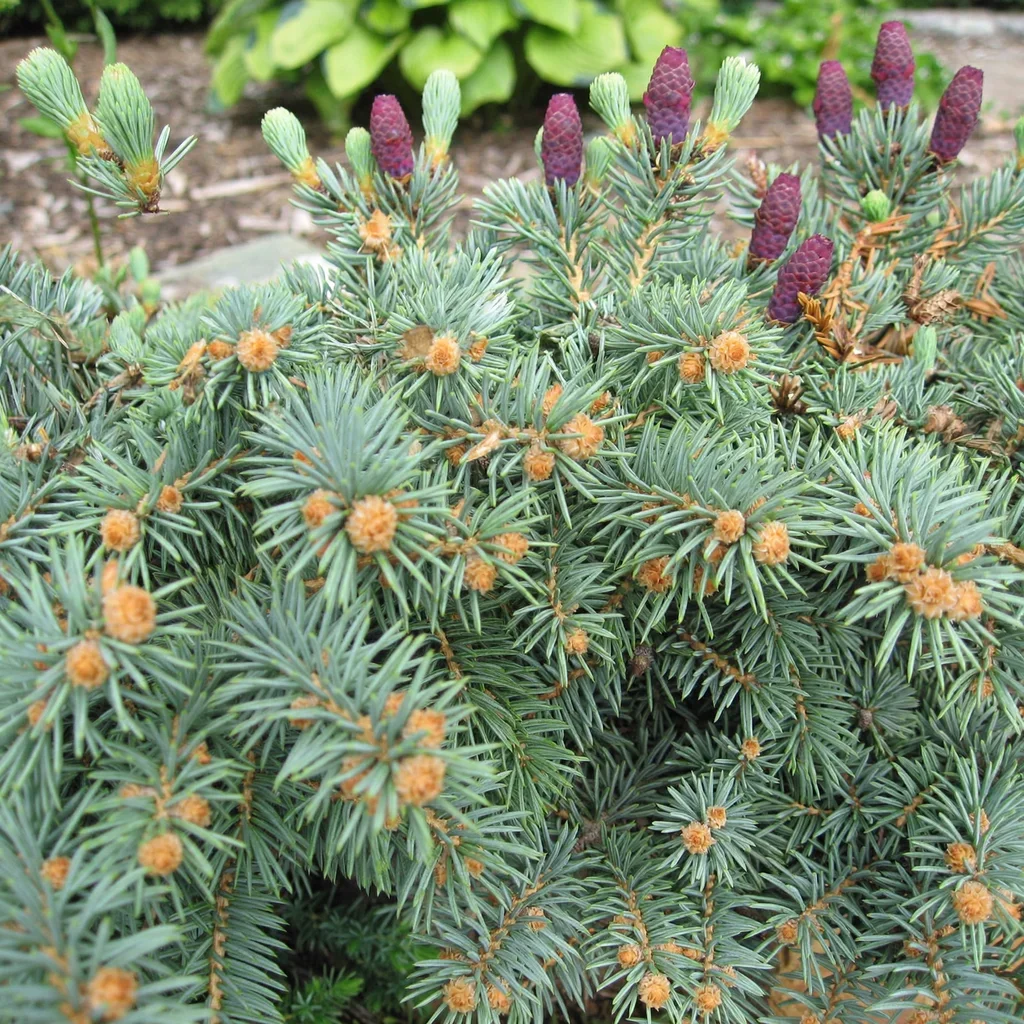
Colorado Spruce
Picea pungens
Keep exploring
Explore the genus
Hardy in your zone?
Grow Engelmann Spruce with confidence
See it in a design of your actual yard, get zone-matched care reminders, and track it season by season in your garden journal.