The Story
Plant Bio
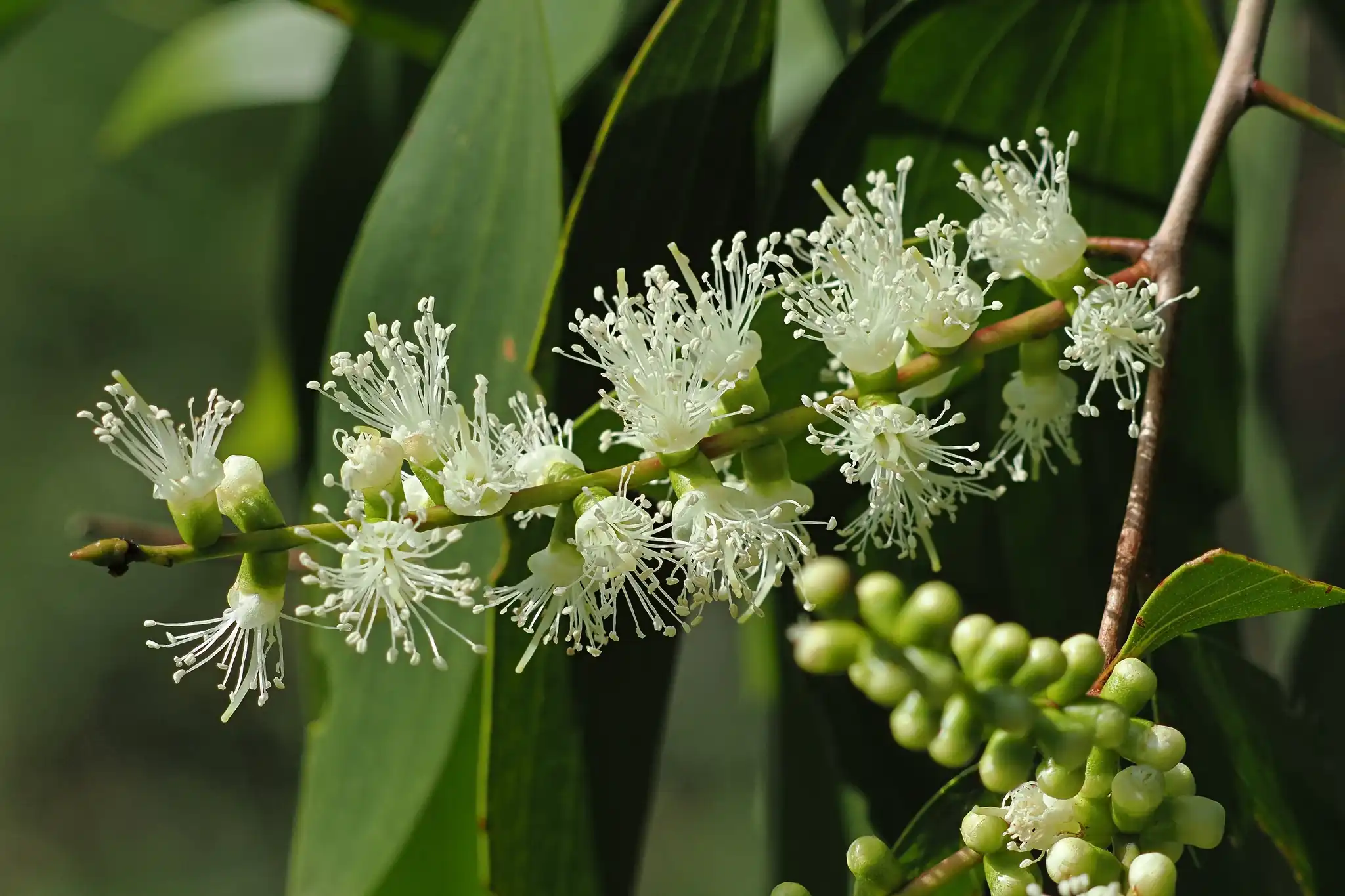
Melaleuca leucadendra, commonly known as the weeping paperbark, is a large evergreen tree native to northern Australia and parts of Southeast Asia, distinguished by its thick, spongy, white papery bark that peels in layers. The canopy features a weeping habit with pendulous branchlets holding narrow, grey-green leaves that release a medicinal aroma when crushed.
This species is distinguished from its close relative Melaleuca quinquenervia by its narrower leaves, more pronounced weeping form, and significantly lower tolerance to cold temperatures. Cream to pale yellow bottlebrush-like flower spikes appear primarily in spring and summer, attracting bees and hummingbirds in warm climates.
Uses & Benefits:
Essentials
At a Glance
Plant Type
Tree
Height
787"
Width
590"
Light
Full Sun
Zones
10
Water
Medium to High
Humidity
High
Lifespan
Long-lived
Native To
Australia, Indonesia, Papua New Guinea
Toxicity
Non-toxic
Bloom period
Spring – Summer
In flower about 6 months of the year
Planting
How to Grow
- Select a planting site in full sun with ample space to accommodate the tree's mature canopy and height.
- Dig a hole twice the width of the root ball and set the plant at the same depth as it was in the nursery container.
- Water deeply and regularly during the first growing season to establish a deep, resilient root system.
- Apply a thick layer of organic mulch around the base, keeping it clear of the trunk to prevent moisture buildup against the bark.
Pro Tip
Avoid pruning hard into old, leafless wood, as the tree lacks latent buds in mature branches and will fail to regenerate from deep cuts.
Keep It Thriving
Care Guide
Do
- Provide consistent moisture during dry spells, especially while the tree is establishing its root system.
- Allow the papery bark to peel and shed naturally to maintain its characteristic ornamental appearance.
Don't
- Do not plant this species in areas prone to hard winter frosts, as temperatures below freezing will cause severe tissue damage.
- Do not apply heavy doses of high-phosphorus fertilizers, which can disrupt nutrient uptake in native Myrtaceae.
Seasonal Care Calendar
| Task | Jan | Feb | Mar | Apr | May | Jun | Jul | Aug | Sep | Oct | Nov | Dec |
|---|---|---|---|---|---|---|---|---|---|---|---|---|
| Fertilize | ||||||||||||
| Pest Check | ||||||||||||
| Prune | ||||||||||||
| Winter Prep |
Watch Out For
Pests & Diseases
Common Pests
Common Diseases
In the Garden
Landscape Uses & Companions
Landscape Uses
Companion Plants
Multiply
Propagation Methods
Good to Know
Common Questions
Weeping Paperbark questions
What zones can Weeping Paperbark grow in?
Weeping Paperbark is hardy in USDA Zone 10. Inside that range it survives winter in the ground; outside it, grow it as an annual or a container plant you protect.
When does Weeping Paperbark bloom?
Weeping Paperbark typically blooms in spring through summer. Exact timing shifts a week or two with your zone — Sow's bloom calendar maps it to your garden.
Does Weeping Paperbark need full sun?
Weeping Paperbark does best in full sun (6+ hours).
Is Weeping Paperbark drought tolerant?
Yes — once established (usually after the first full season), Weeping Paperbark handles dry spells with minimal watering. Water deeply its first year to build the root system that makes that possible.
More Melaleuca to compare
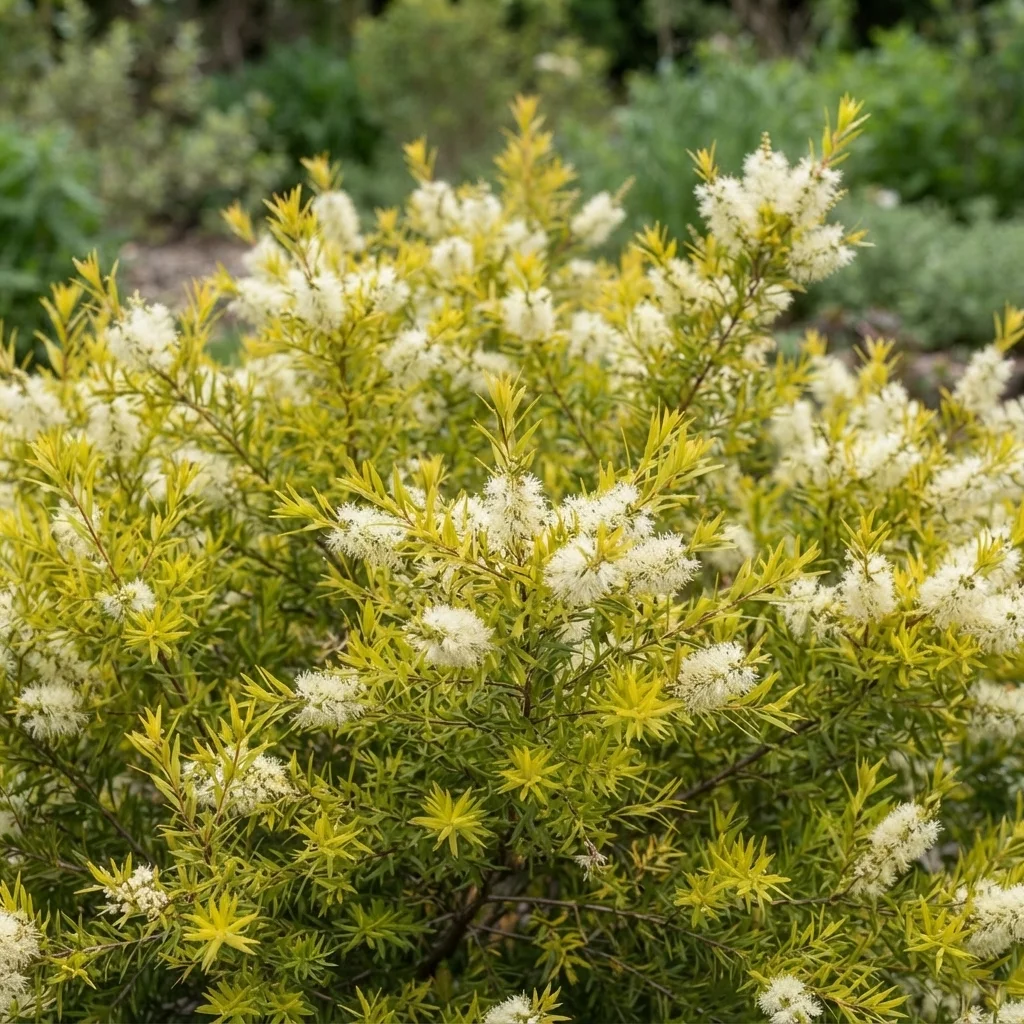
Golden Melaleuca
Melaleuca bracteata 'Golden Gem'
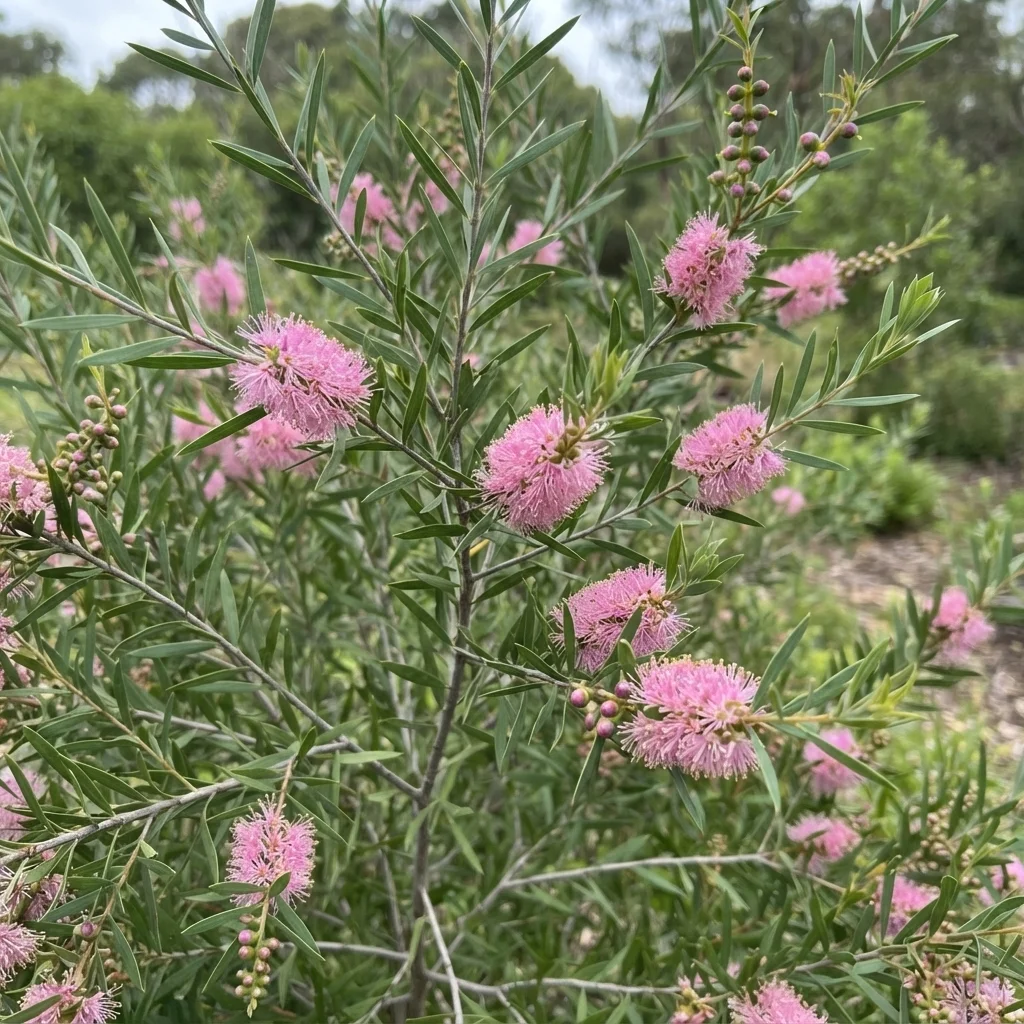
Graceful Honey-myrtle
Melaleuca radula
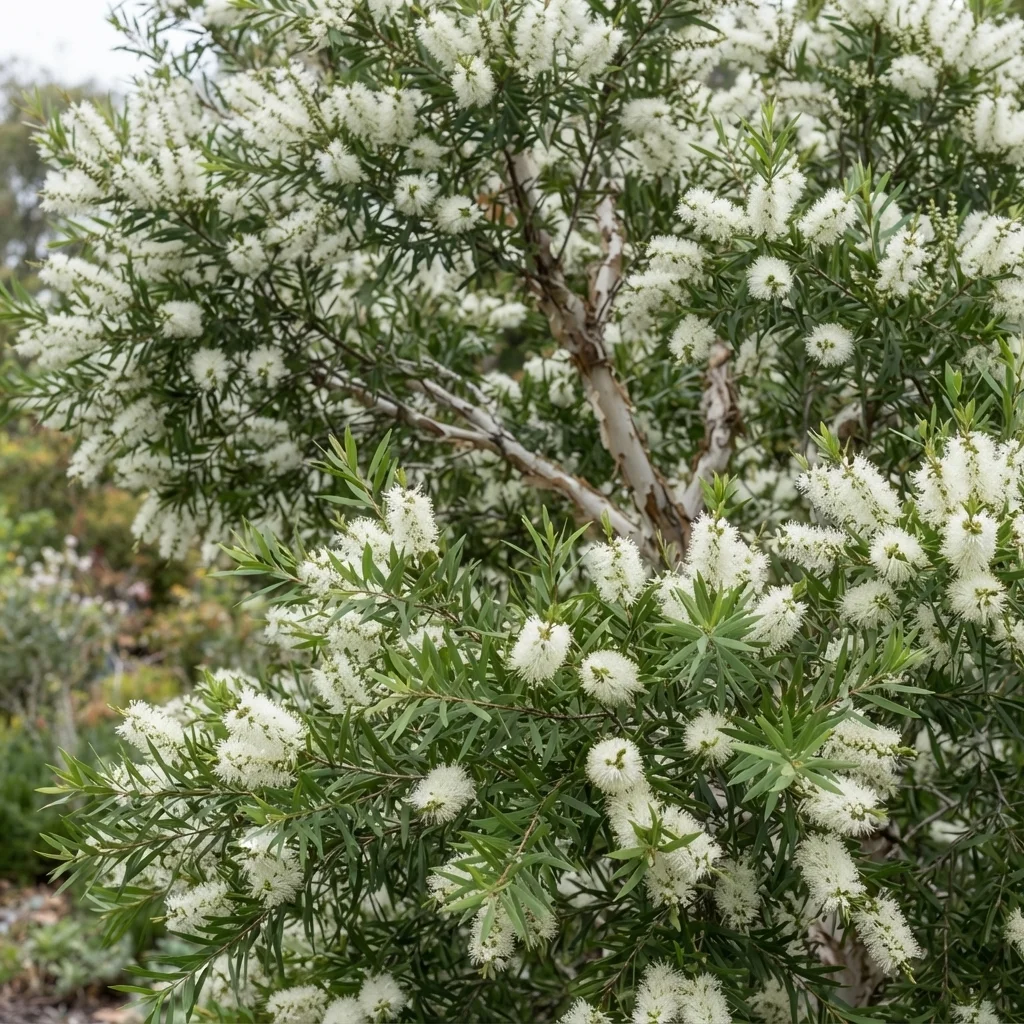
Snow-in-summer
Melaleuca linariifolia
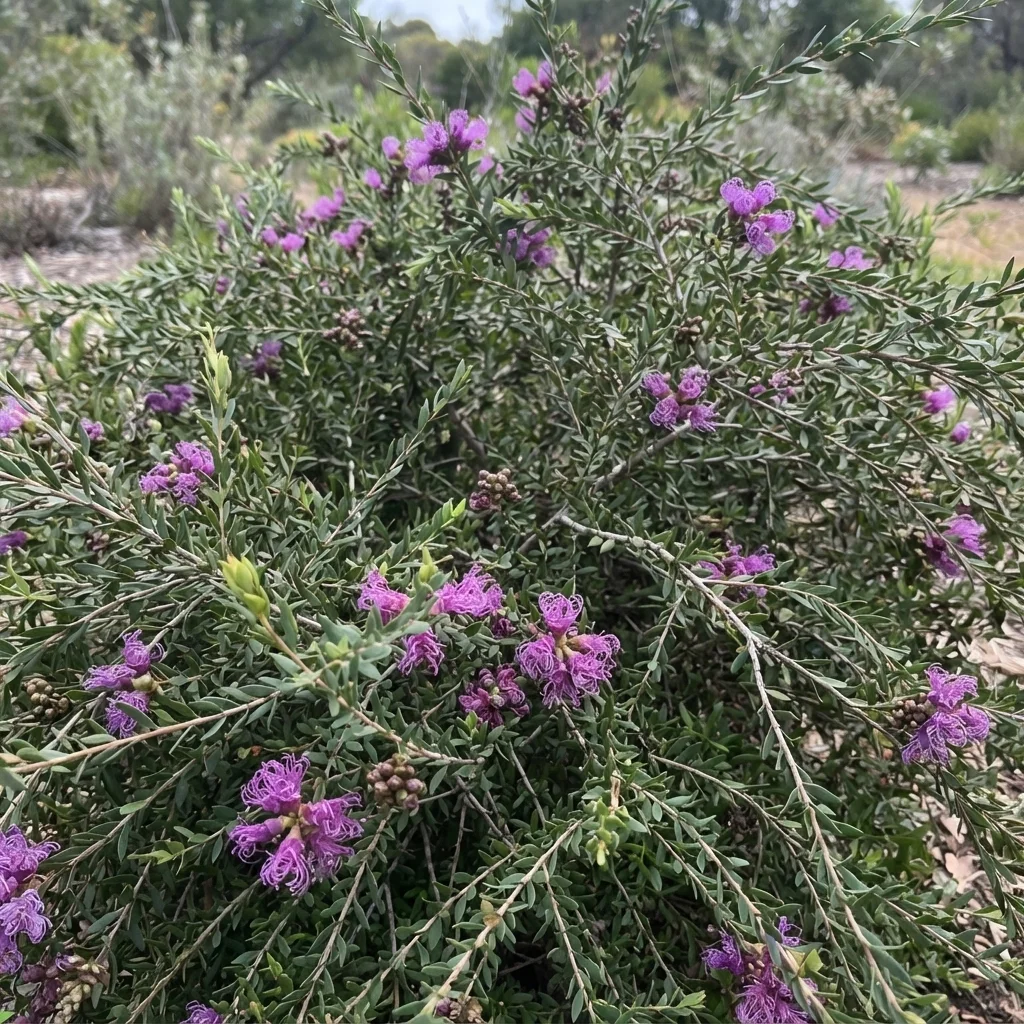
Thymeleaf Melaleuca
Melaleuca thymifolia
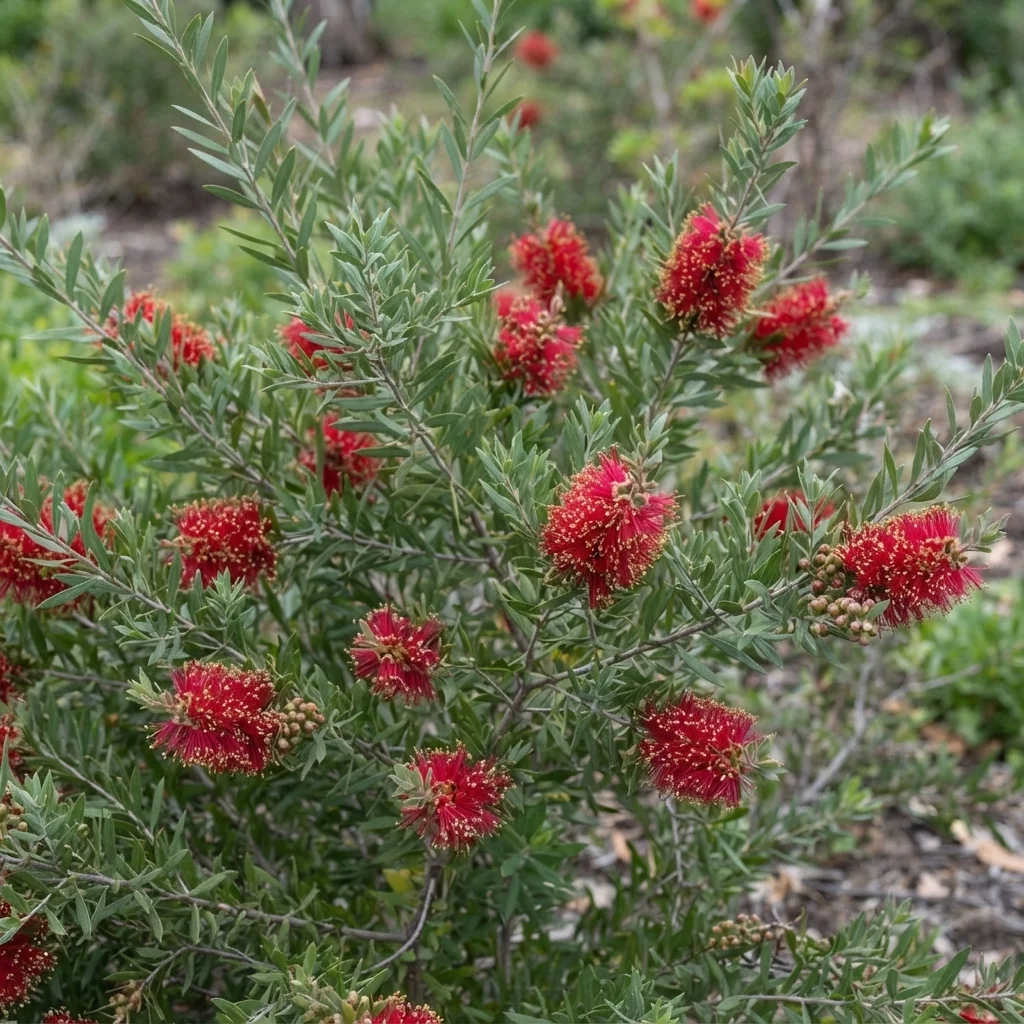
Scarlet Honey Myrtle
Melaleuca fulgens
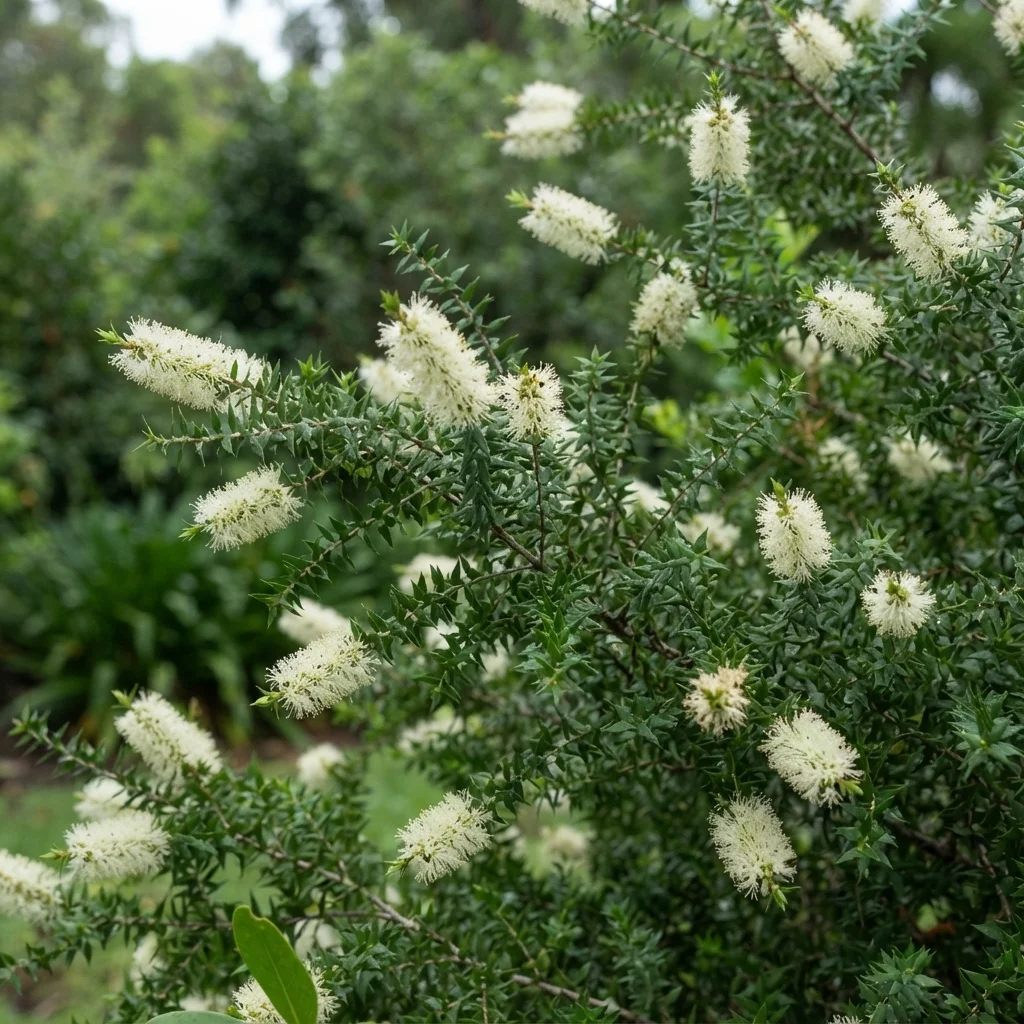
Prickly-leaved Paperbark
Melaleuca styphelioides
Keep exploring
Explore the genus
Hardy in your zone?
Grow Weeping Paperbark with confidence
See it in a design of your actual yard, get zone-matched care reminders, and track it season by season in your garden journal.