Also known as Paperbark · 129 saves
Melaleuca
Melaleuca, the genus most gardeners know as paperbark. We track 21 varieties; the ones most used by real gardeners.
The 20 most-saved Melaleuca varieties
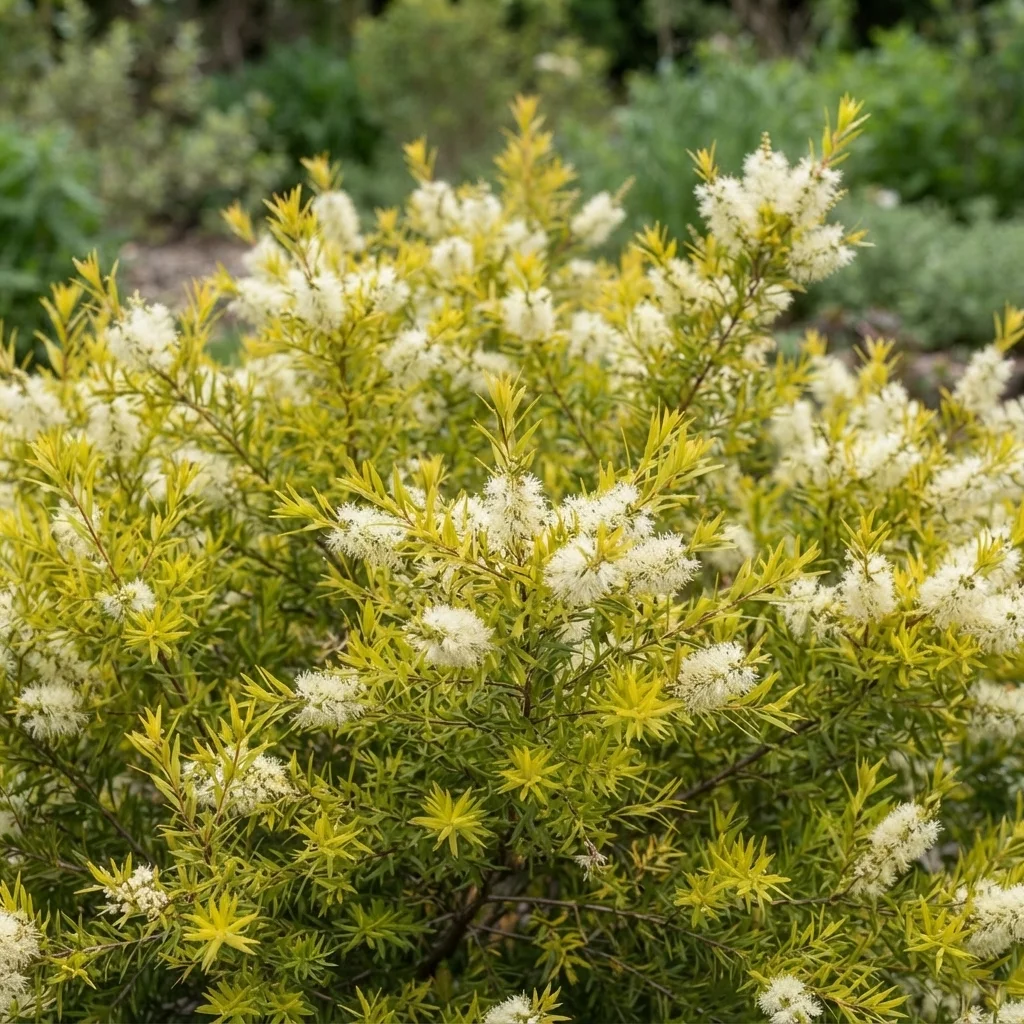
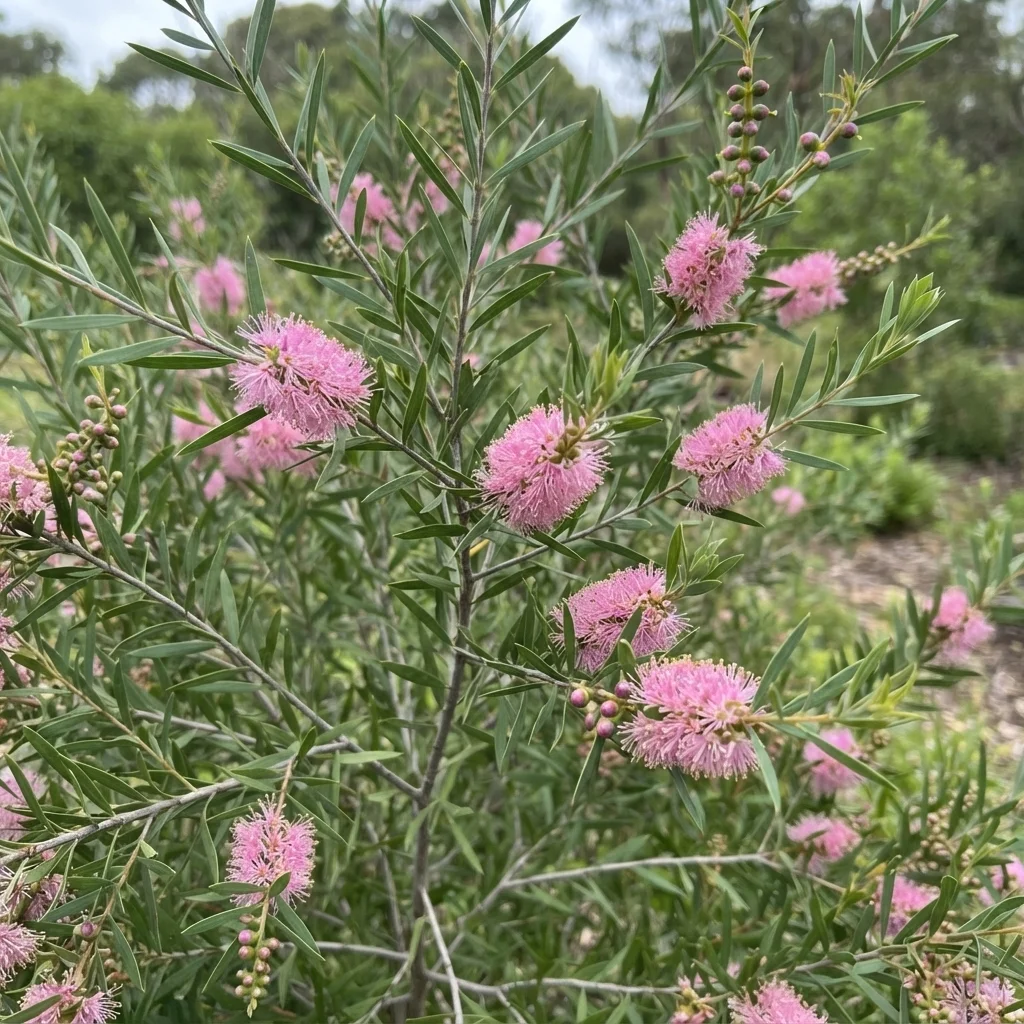
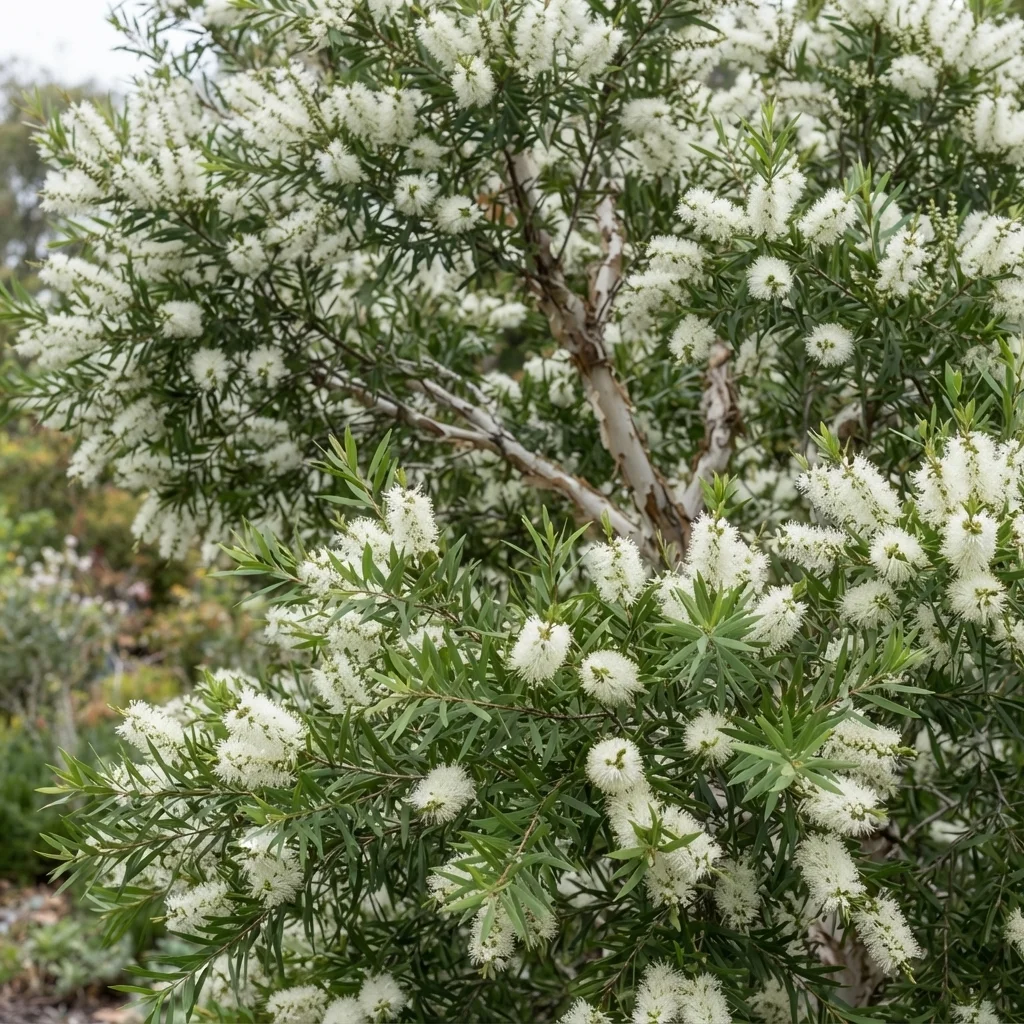
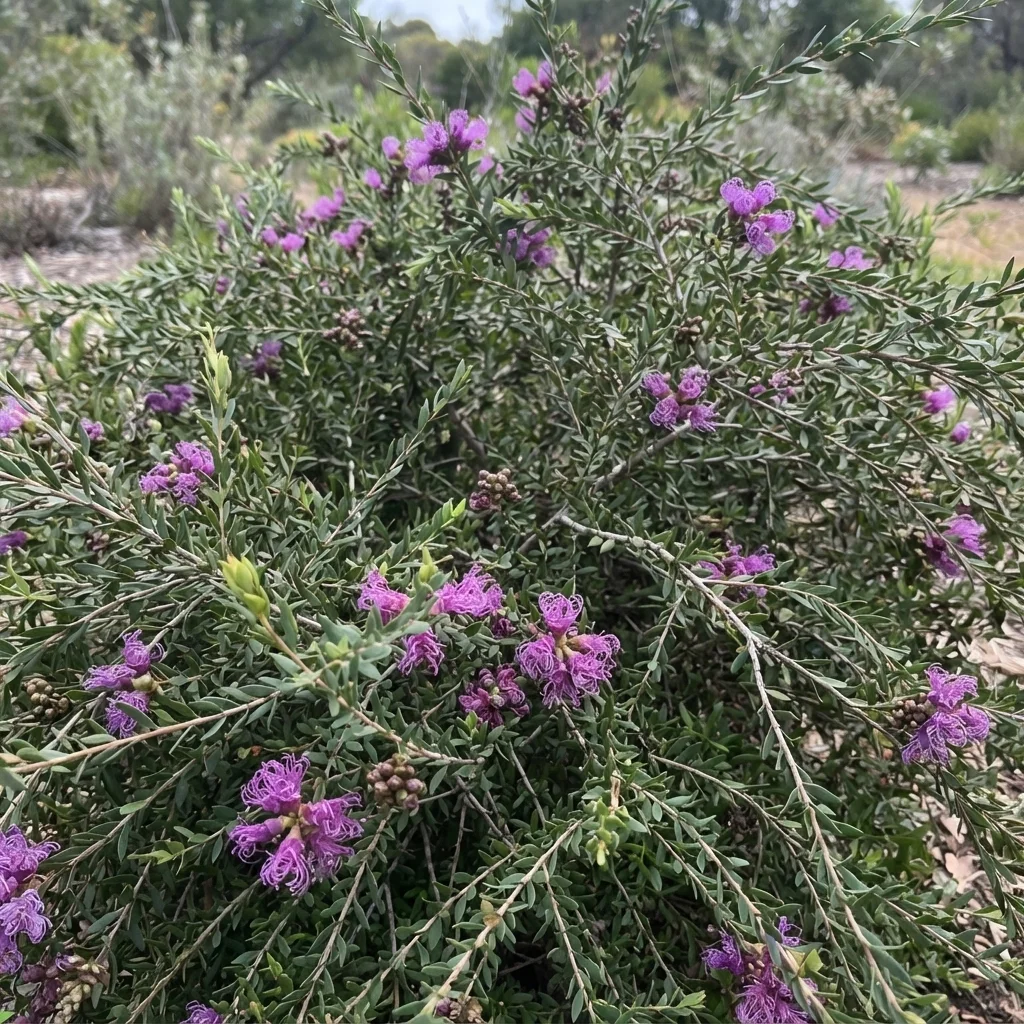
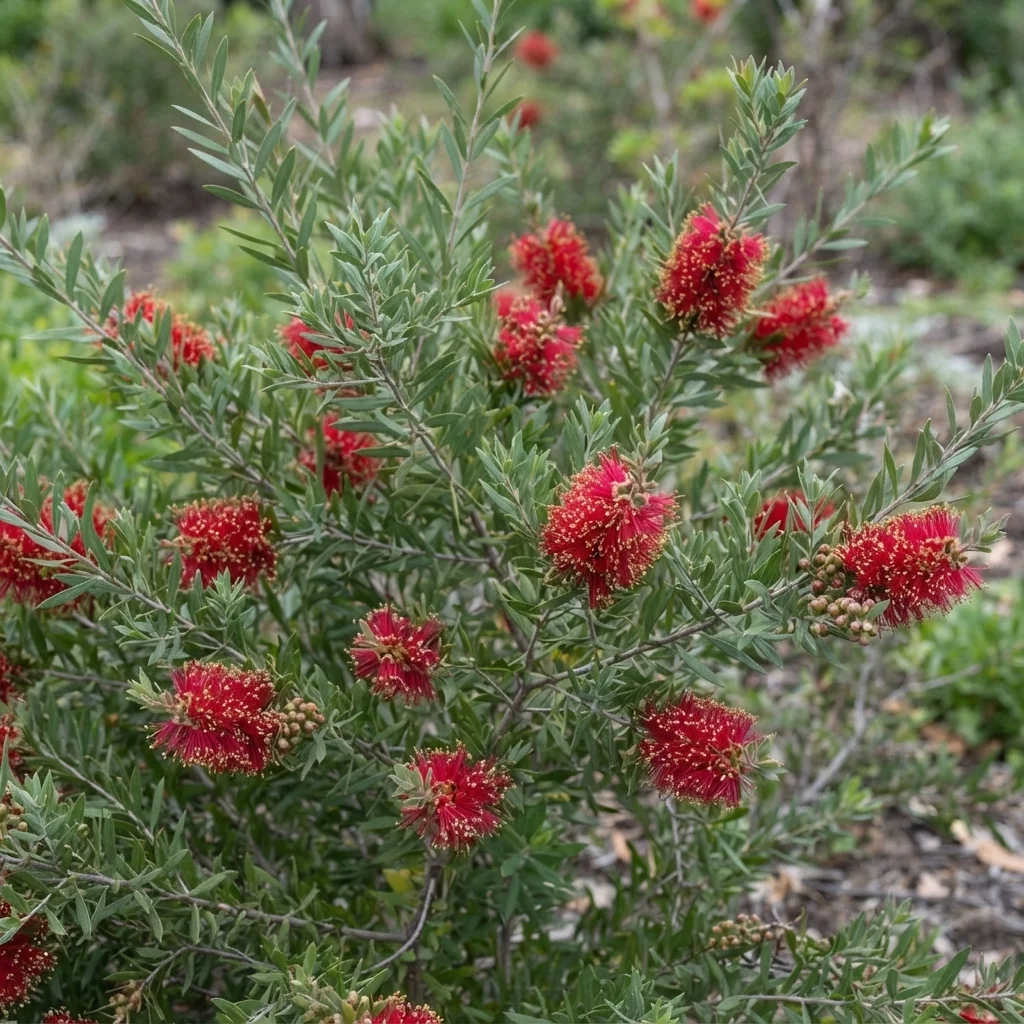
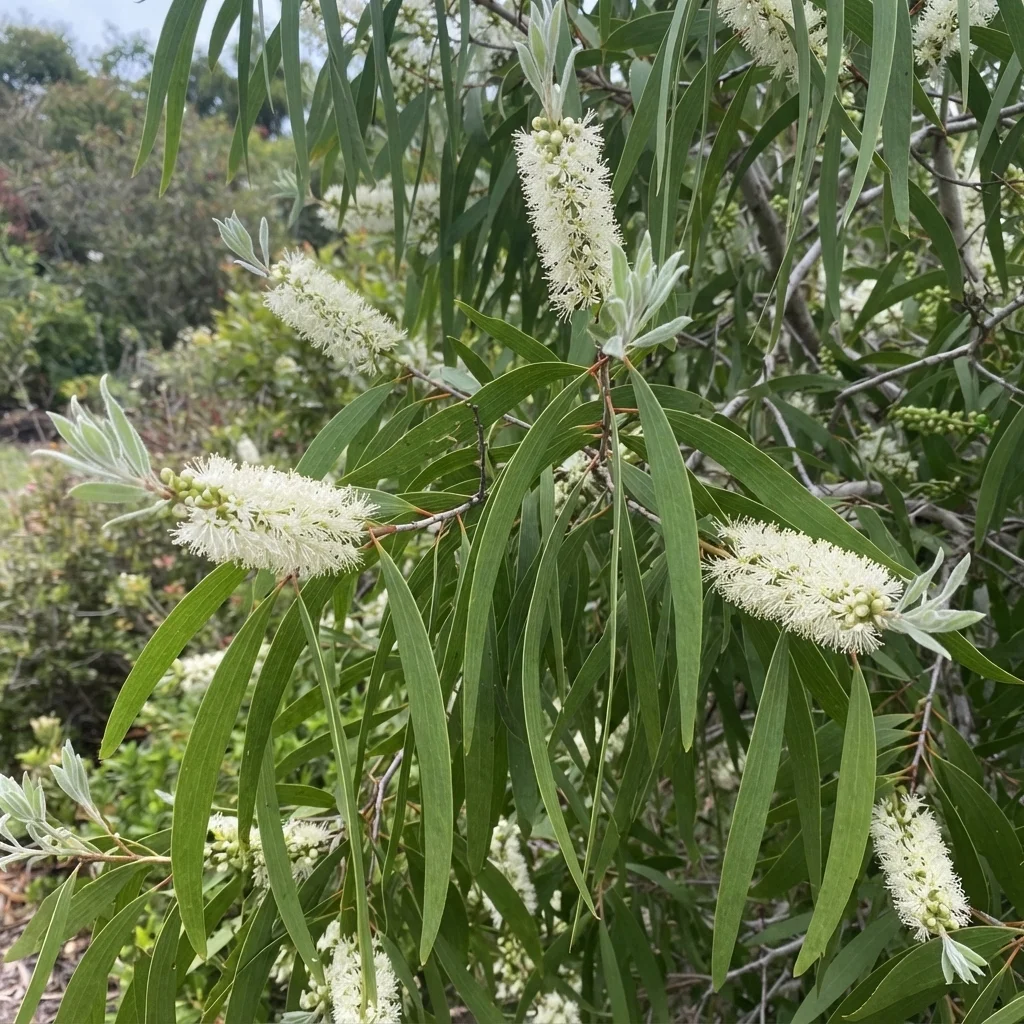
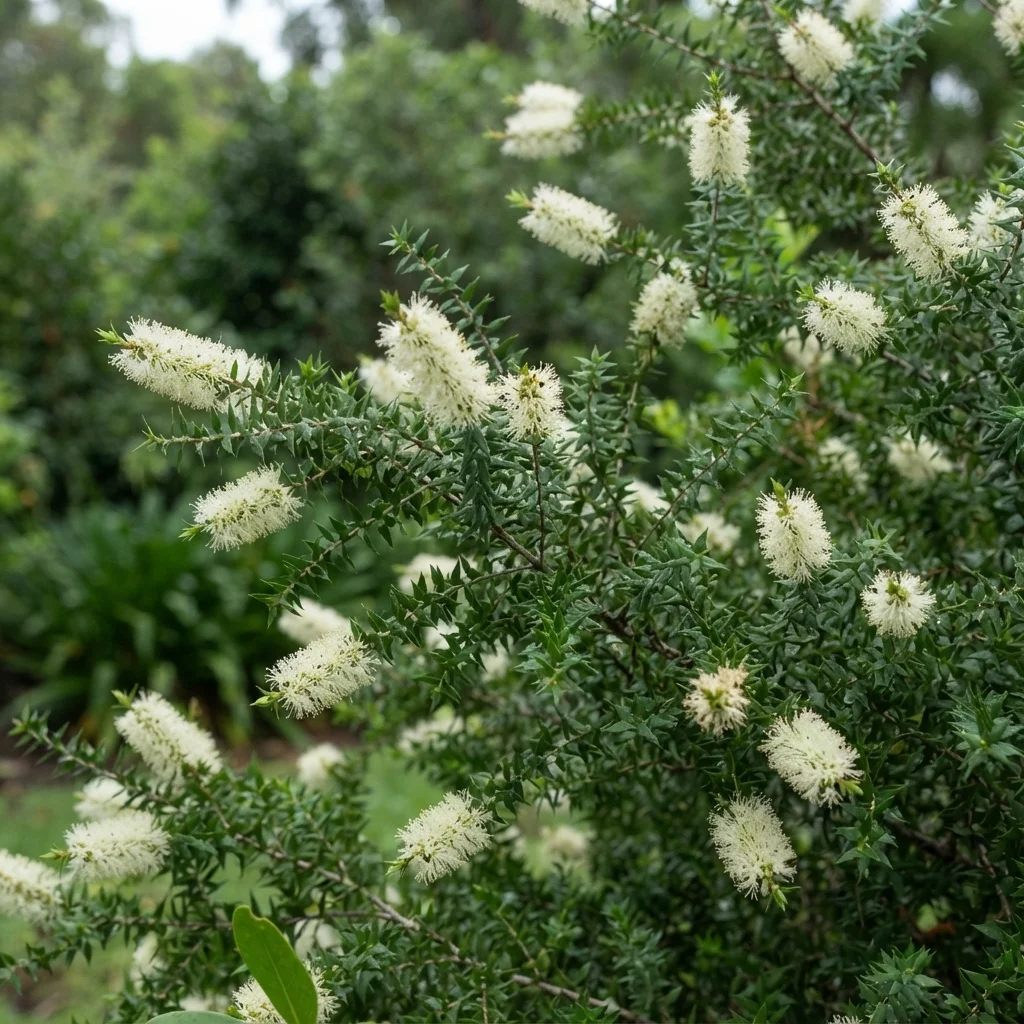
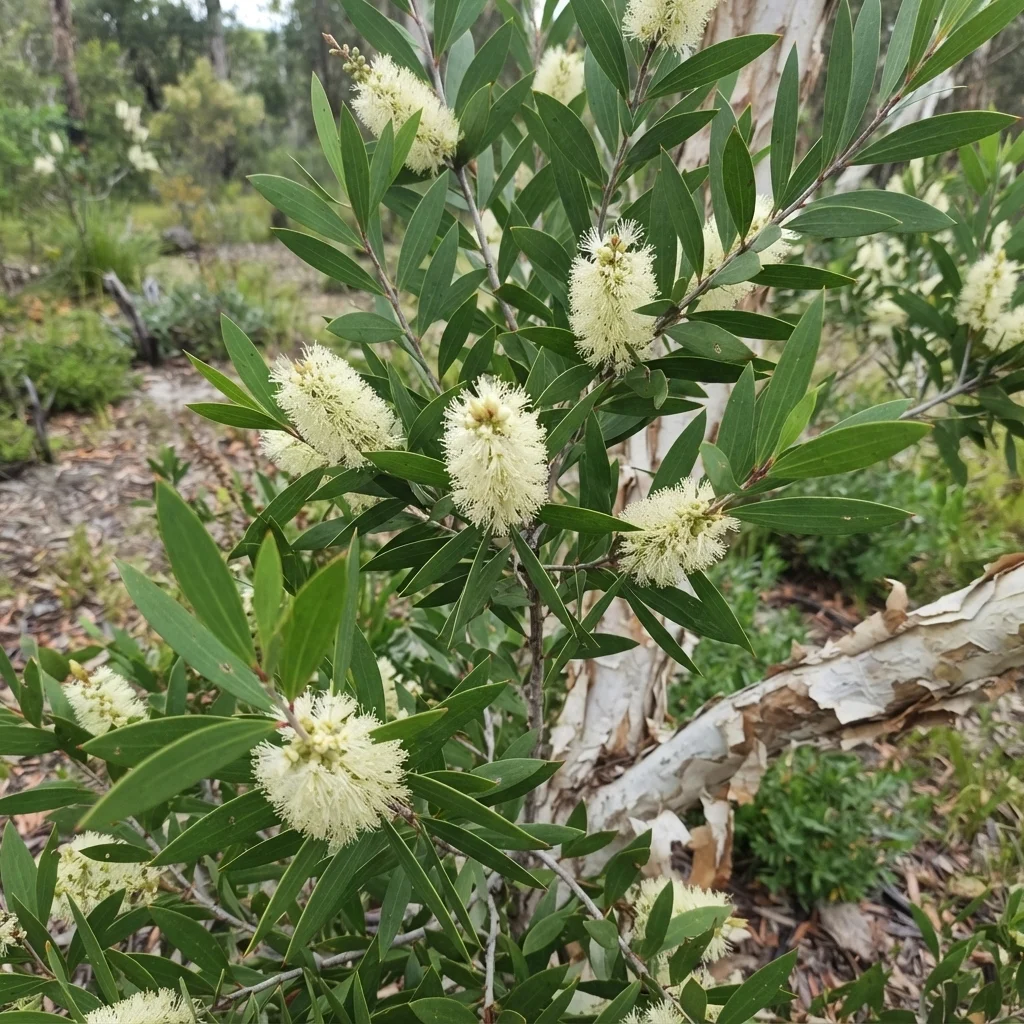
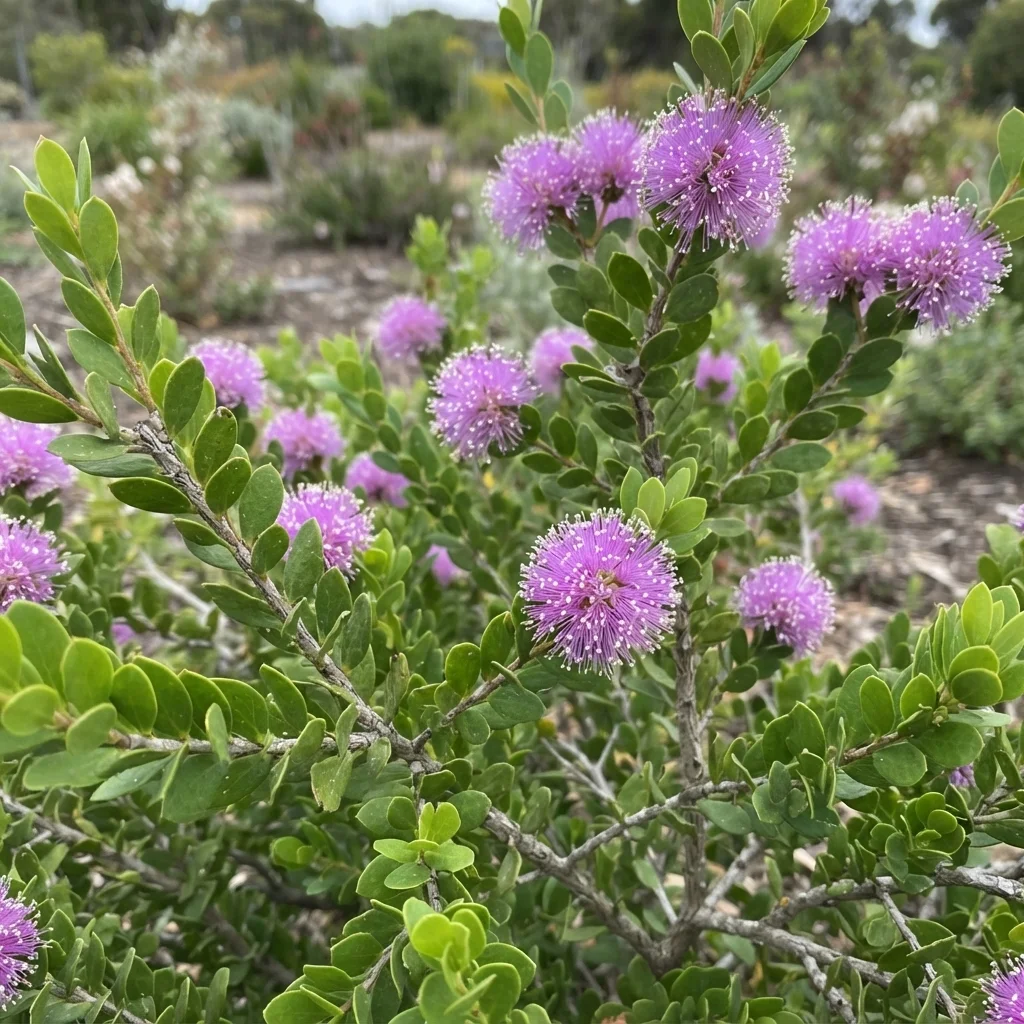
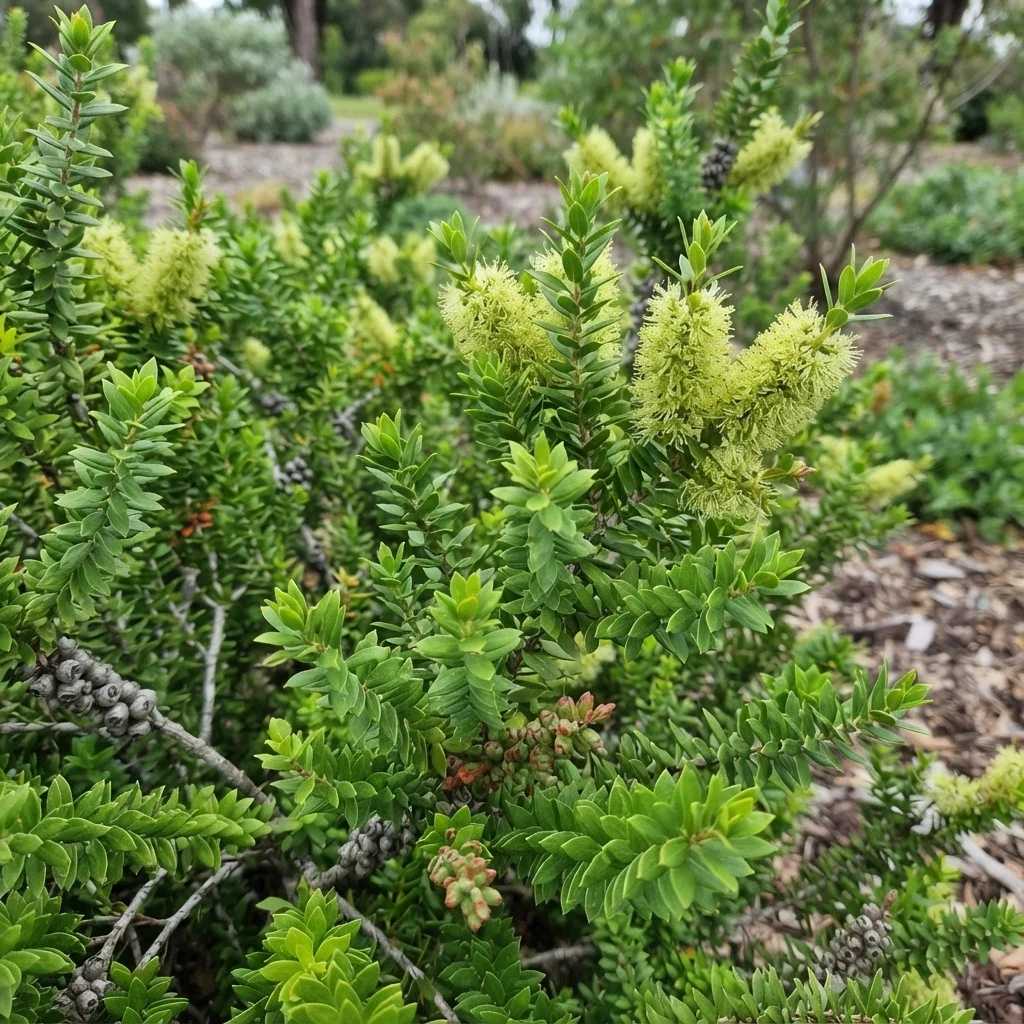
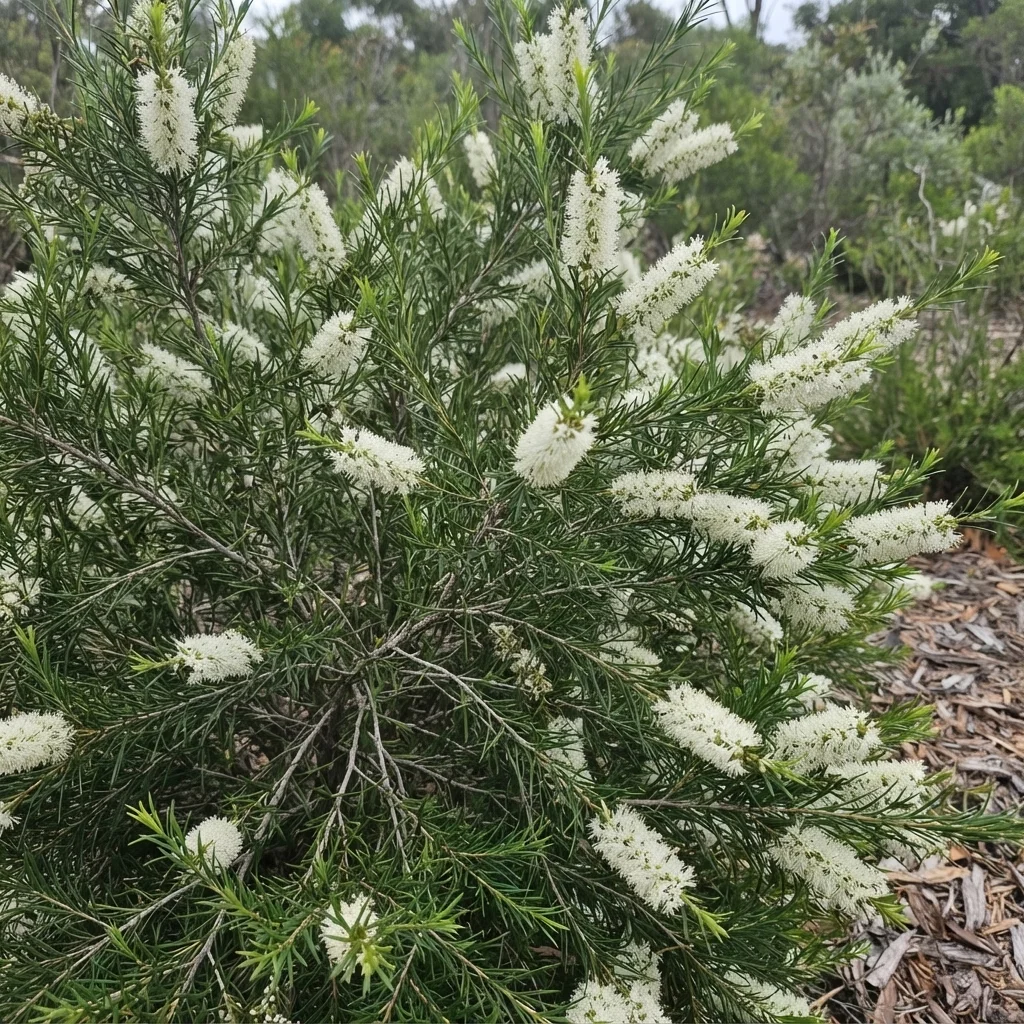
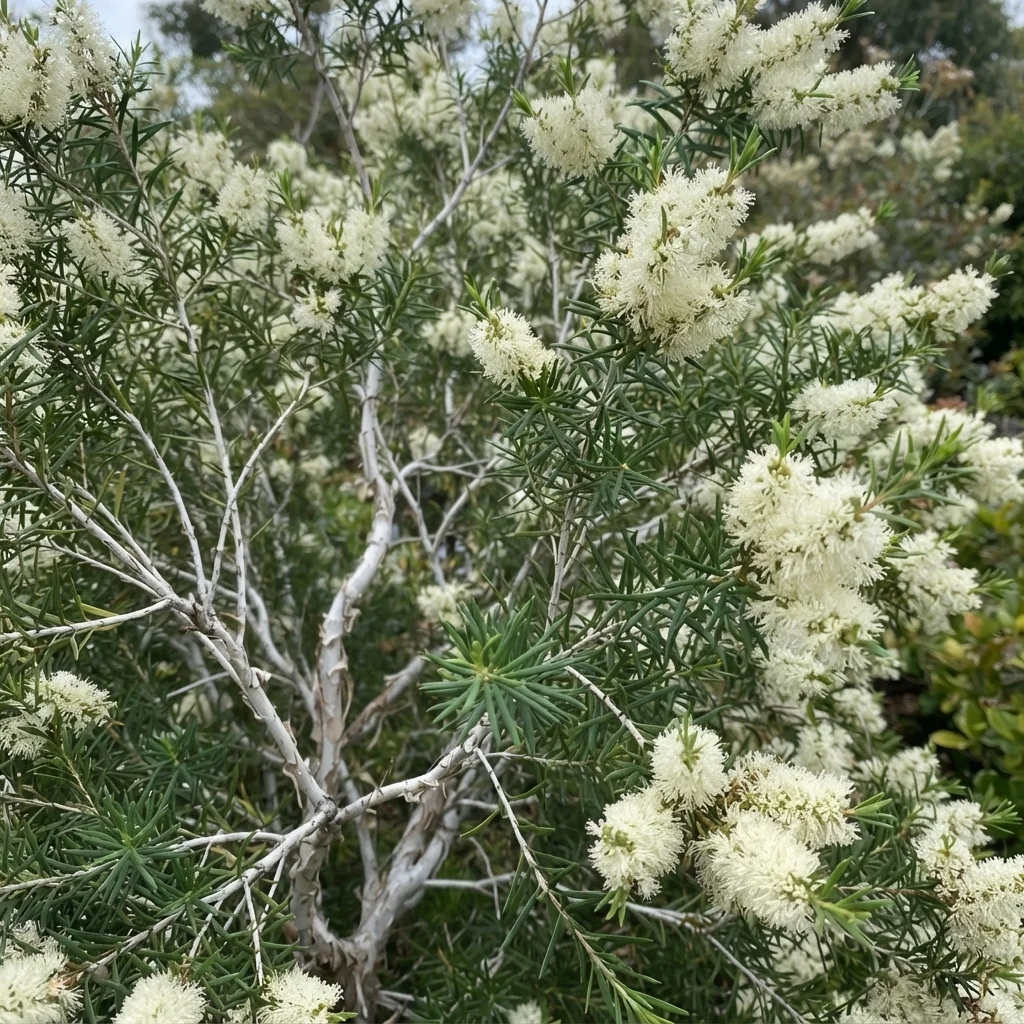
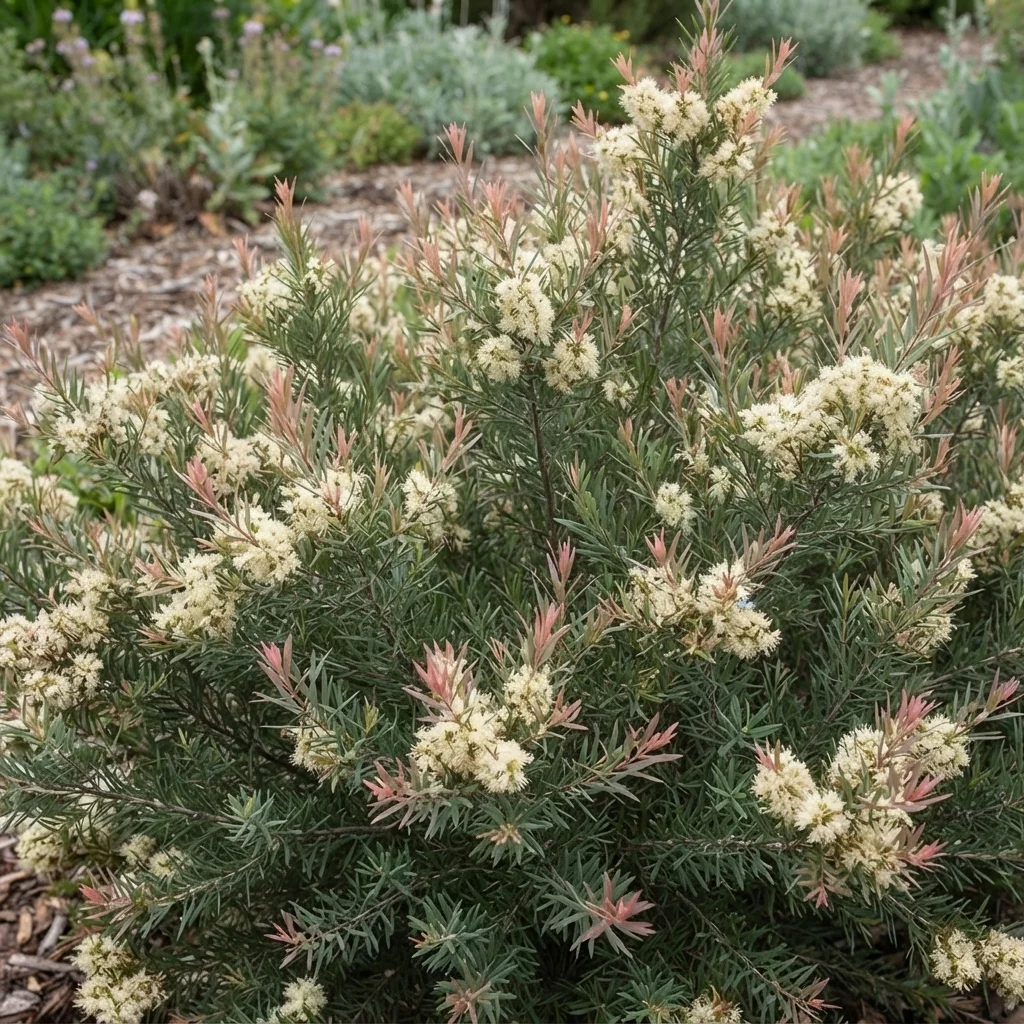
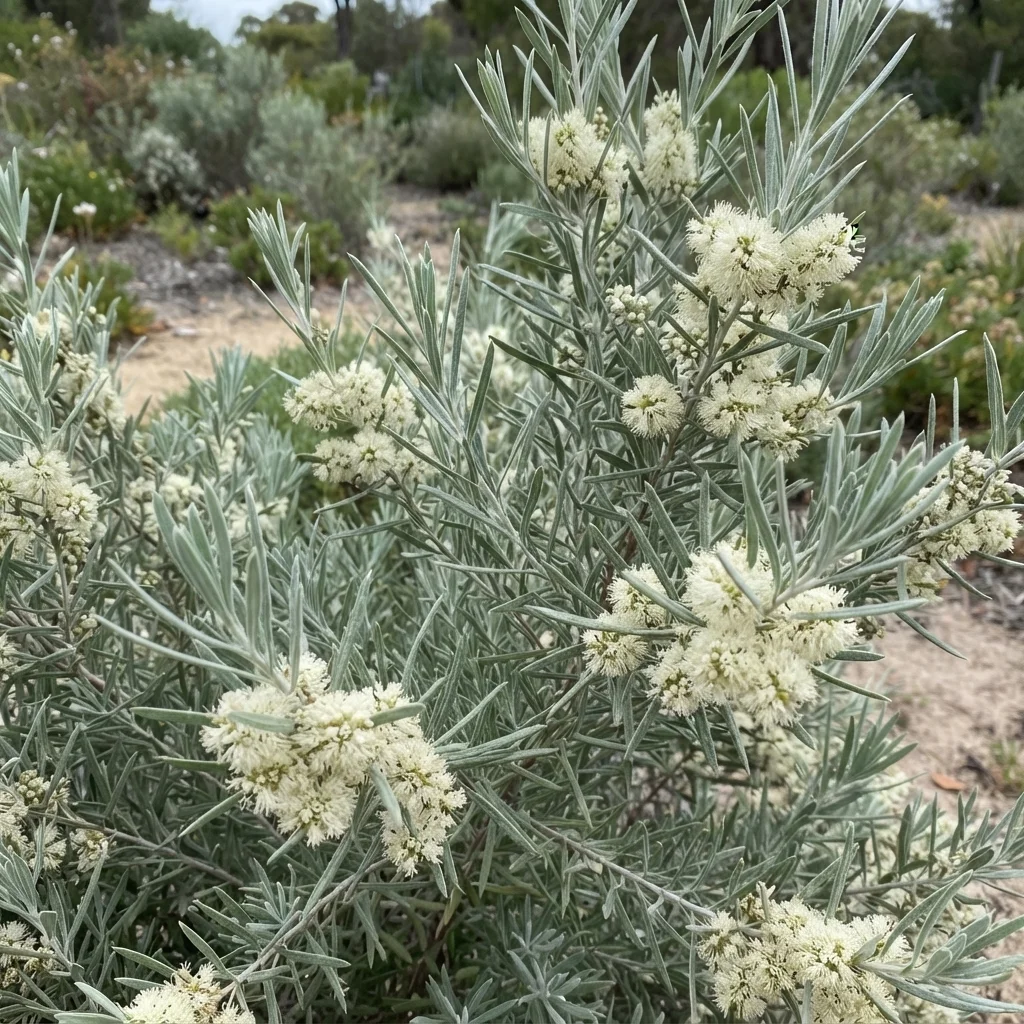
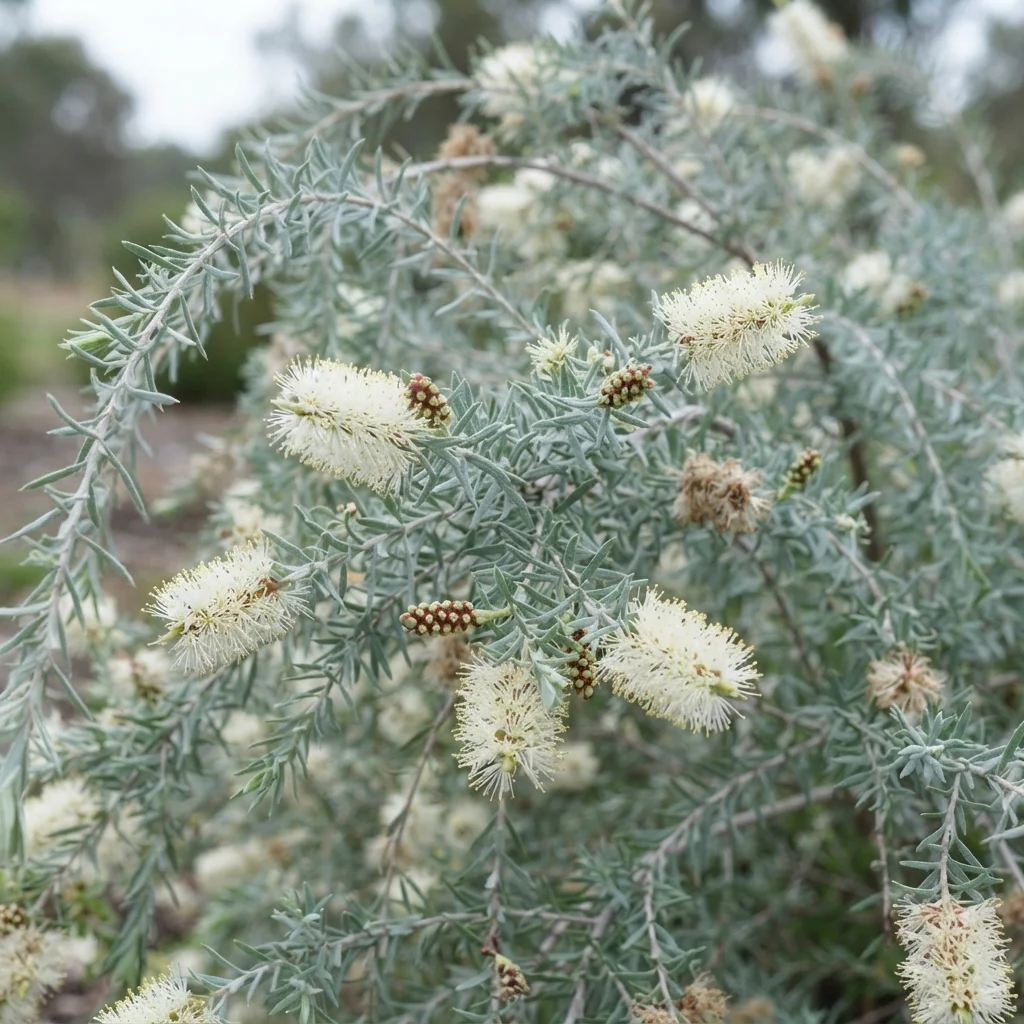
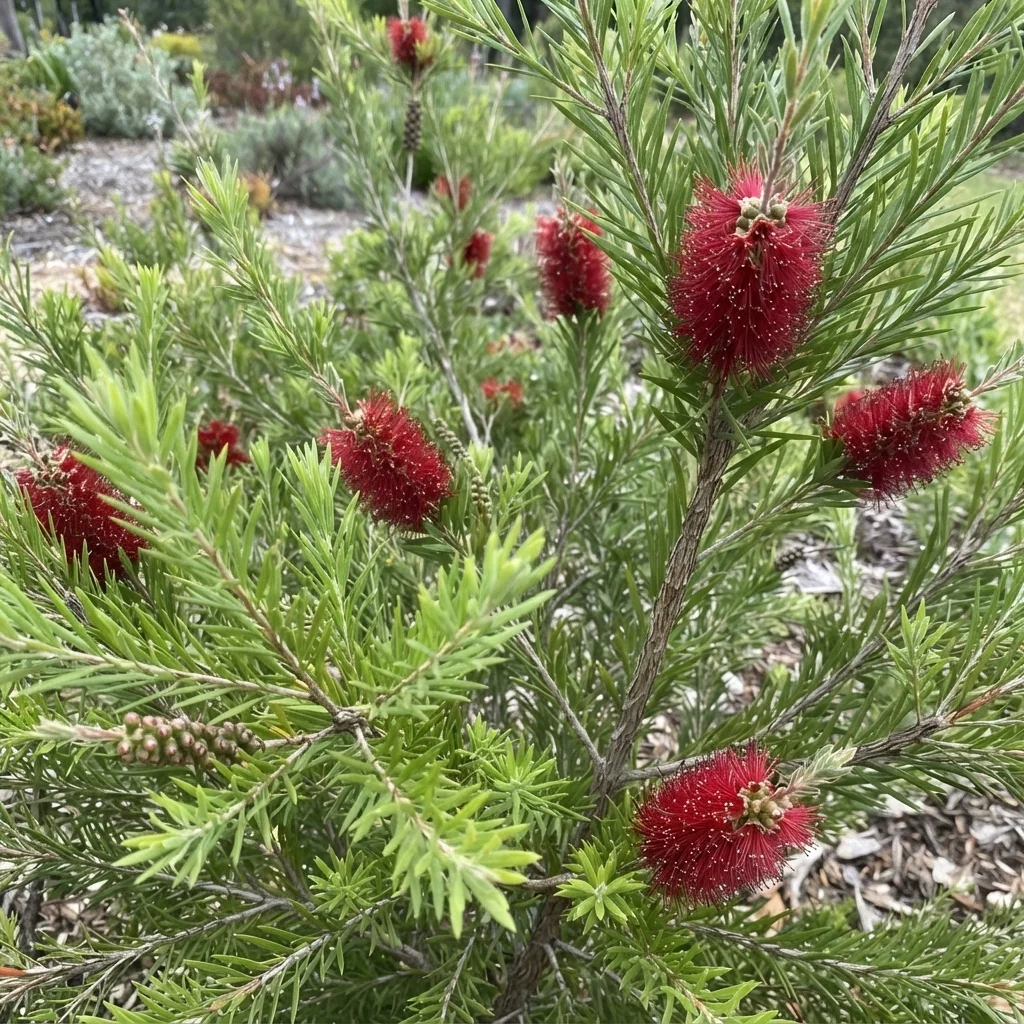
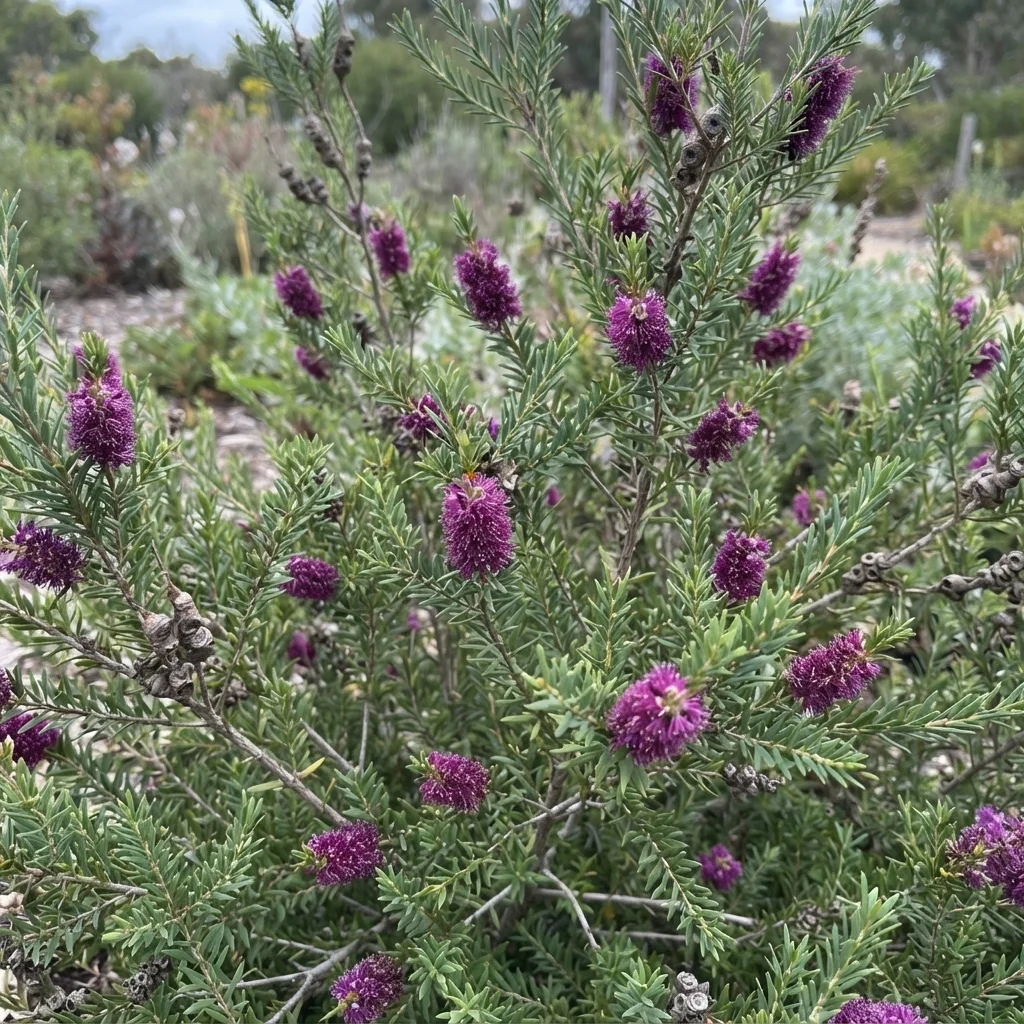
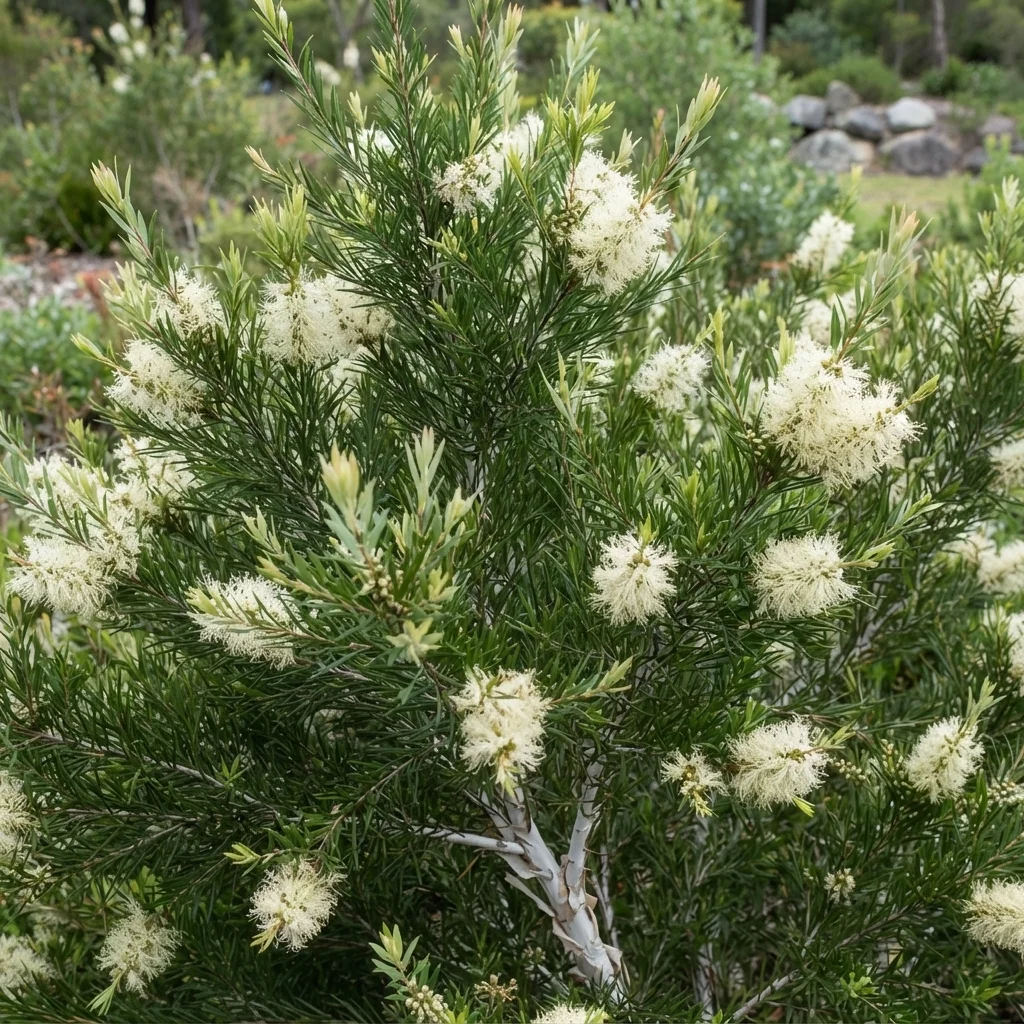

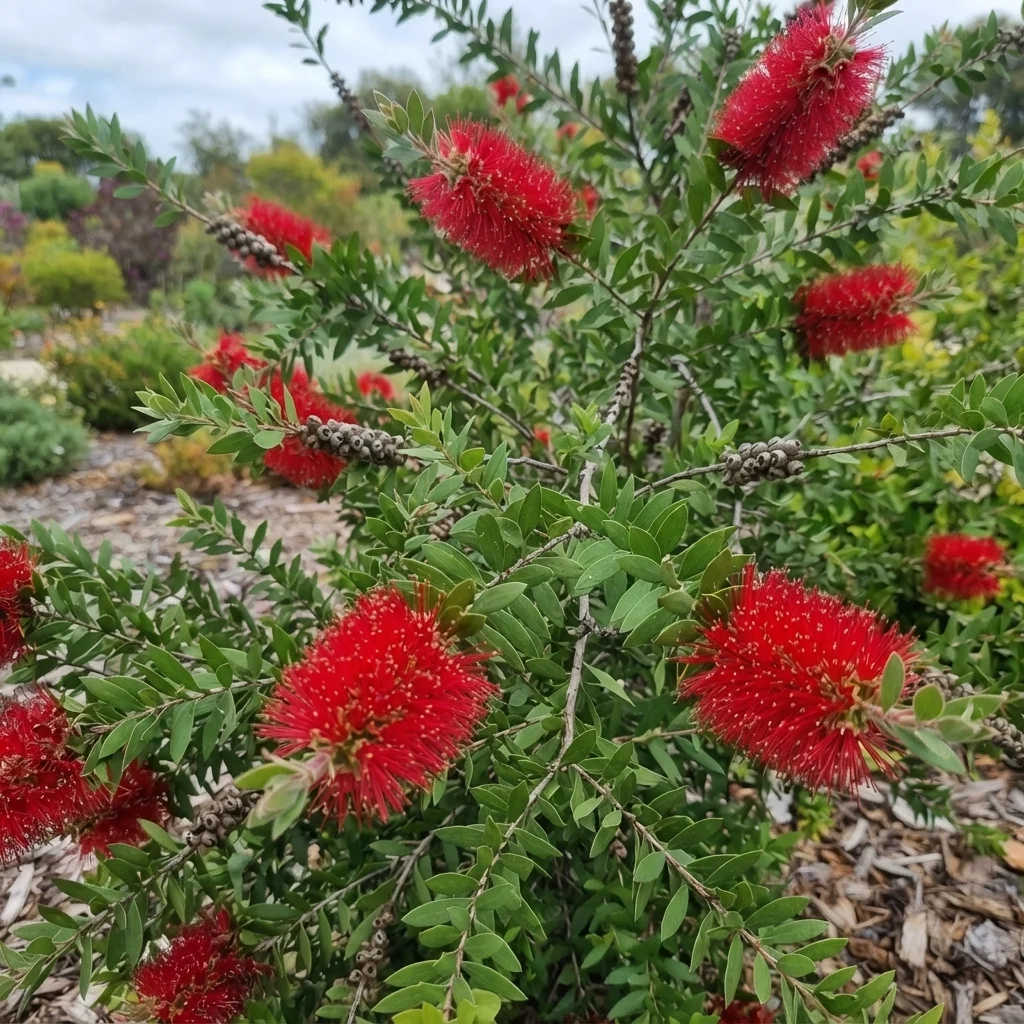
Browse all 21 Melaleuca varieties →
18 species of Melaleuca
Each one is a parent of the varieties above.
Track your Melaleuca in Sow
Save the Melaleuca you grow and get care reminders timed to your zone.
How to grow Melaleuca
Whats common across all Melaleuca varieties in our catalog — drawn from the care records of the 21 most-grown of them.
The Melaleuca year
- PruneJuly and August100% of varieties
Lightly prune the branch tips after the main spring flowering to encourage dense growth.
- Check for PestsJune and July100% of varieties
Inspect the inner branches for scale insects and spider mites during warm weather.
- FertilizeMarch and April95% of varieties
Apply a low-phosphorus native fertilizer sparingly at the start of the growing season.
- MulchApril and November48% of varieties
Apply organic mulch to conserve soil moisture and suppress weeds.


Do
- Water regularly during dry spells to maintain consistent soil moisture.
- Water during extended dry spells to maintain foliage density.
- Water regularly during the first growing season to establish a deep, resilient root system.
- Grow in full sun to maximize flowering and maintain a compact growth habit.
- Ensure the soil drains rapidly, especially if planting in heavier clay soils.
Avoid
- Do not plant in poorly drained, waterlogged soils where root rot can develop.
- Do not overwater or allow the roots to sit in waterlogged soil, which triggers root rot.
- Do not cut back severely into old, bare wood, as it lacks the latent buds to regenerate.
- Do not over-fertilize; while tolerant of standard mixes, a light application of low-phosphorus fertilizer is safest.
What goes wrong with Melaleuca
| Problem | What you'll see | What to do |
|---|---|---|
| Spider mites | Fine webbing on the undersides of leaves accompanied by yellow stippling on the foliage. | Blast the foliage with a strong stream of water or apply insecticidal soap during cool morning hours. |
| Aphids | Clusters of small, soft-bodied insects on tender new shoots, causing distorted growth. | Prune off heavily infested tips or spray with a sharp stream of water to dislodge them. |
| Scale insects | Small, raised brown bumps on the stems and sticky honeydew residue on the leaves. | Prune away heavily infested branches and apply horticultural oil to smother the remaining insects. |
| Deer and Rabbits | Chewed foliage and young stems on new growth. | Protect young plants with physical cages or apply organic scent-based repellents until the shrub is established. |
| Root rot | Sudden wilting, yellowing foliage, and decay of the root system in poorly drained soils. | Improve soil drainage, reduce watering frequency, and discard severely infected plants. |
| Powdery mildew | A white, powdery fungal coating on young leaves and shoots, typically in humid, stagnant conditions. | Space plants to improve air circulation and avoid overhead watering. |
| Root Rot | Yellowing foliage, wilting, and dieback, typically occurring in poorly managed heavy container mixes. | Ensure field plantings have adequate space or transition container plants to well-aerated mixes; avoid stagnant water in pots. |
Making more Melaleuca
Semi-hardwood cuttings
- Take 3- to 4-inch cuttings of semi-ripe wood in late summer.
- Remove the leaves from the lower half of the cutting and dip the base in rooting hormone.
- Insert the cutting into a moist, free-draining mix of perlite and peat.
- Place in a warm, humid environment with indirect light until roots establish.
Seed
- Sow fresh seed onto the surface of a moist, sandy seed-raising mix.
- Do not cover the seeds, as they require light to trigger germination.
- Maintain a warm temperature and keep the medium consistently moist using a fine mist.
- Prick out seedlings into individual pots once they develop their second set of true leaves.
Melaleuca questions
How many types of Melaleuca are there?
The Sow catalog tracks 21 distinct Melaleuca varieties. The most popular — ranked by 129 real gardeners — are shown first above.
What zones does Melaleuca grow in?
Across its varieties, Melaleuca covers USDA Zones 8–10. Individual varieties differ — each plant page lists its exact range, and Sow filters the catalog to your zone automatically.
When does Melaleuca bloom?
Most Melaleuca varieties bloom in summer, spring, autumn. Staggering early, mid, and late varieties extends the genus's season in one bed.
Which Melaleuca should I choose?
Start from the most-saved varieties above — popularity across thousands of gardens is a strong signal of reliability — then filter by your zone and sun. In the Sow app you can preview any of them in a photo of your actual yard before you buy.