The Story
Plant Bio
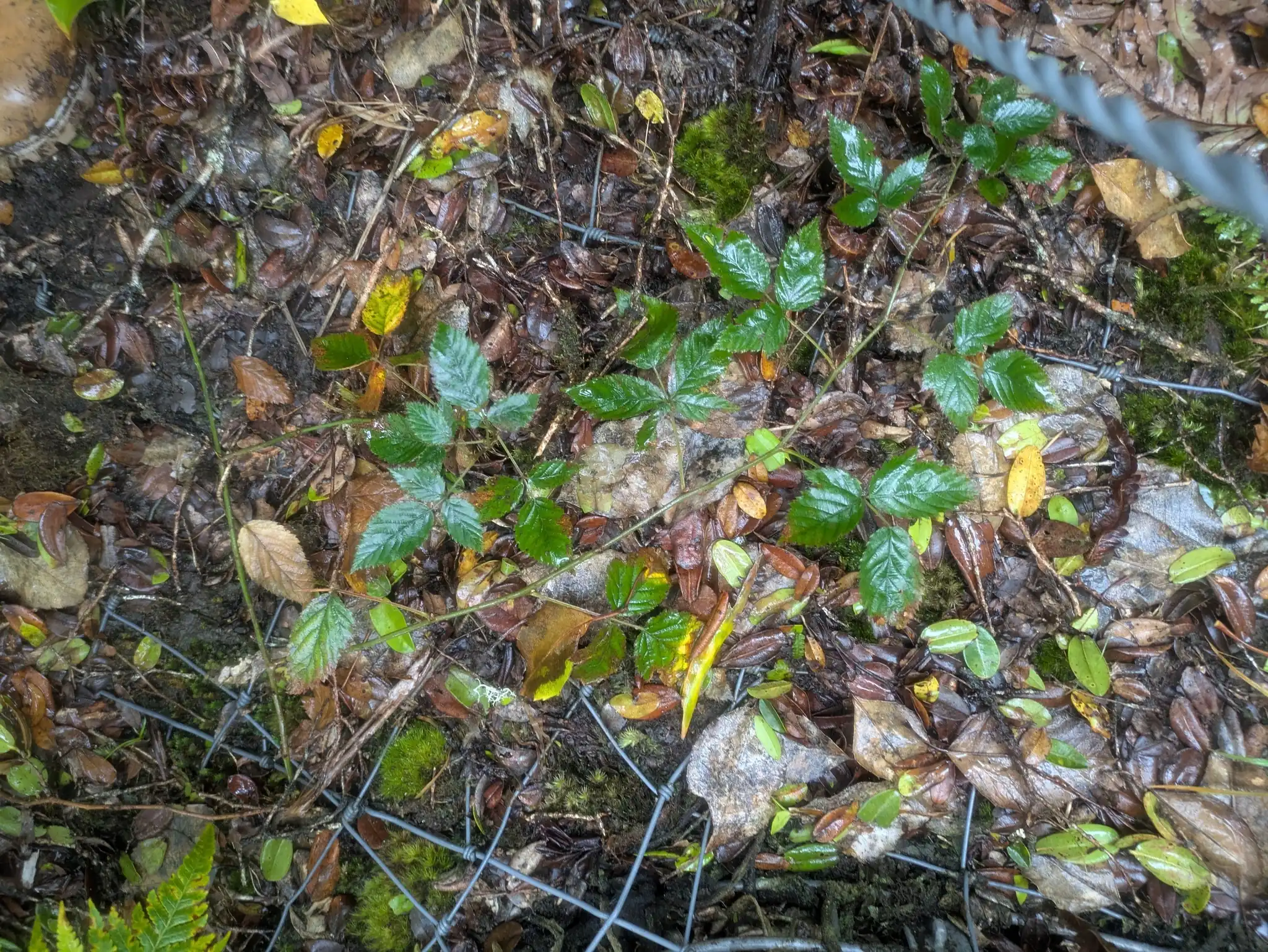
Rubus argutus, the sawtooth blackberry, is a deciduous, multi-stemmed shrub native to the eastern and central United States, forming dense thickets of erect to arching stems armed with sharp prickles. The alternate, palmately compound foliage features sharply serrated margins and soft-pubescent undersides, transitioning from five leaflets on first-year primocanes to three on second-year floricanes.
This wild blackberry produces terminal clusters of white to faintly pinkish, five-petaled flowers from mid-spring to early summer, which develop into edible black aggregate fruits. Its high tolerance for humidity and cold winters makes it a robust, naturalizing species for wildlife gardens and conservation plantings.
Uses & Benefits:
Essentials
At a Glance
Plant Type
Shrub
Height
118"
Width
79"
Light
Full Sun, Partial Sun
Zones
4, 5, 6, 7, 8, 9
Water
Medium
Humidity
High
Lifespan
Perennial
Native To
North America
Toxicity
Non-toxic
Bloom period
Mid spring – Early summer
In flower about 3 months of the year
Planting
How to Grow
- Select a site in full sun to partial shade with moist, well-drained loamy or sandy soil.
- Plant bare-root specimens or potted liners in early spring, spacing them to allow for suckering.
- Apply a thin layer of compost or organic mulch annually in early spring to conserve moisture.
- Prune fruited canes to the ground immediately after summer harvest and thin new canes.
Pro Tip
Prune spent floricanes completely to the ground immediately after summer harvest, and thin new primocanes to four to six strong stems per clump to prevent cane blight and maintain fruit size.
Keep It Thriving
Care Guide
Do
- Wear thick leather gardening gloves when handling the thorny stems.
- Prune out spent floricanes annually to prevent disease build-up.
- Thin primocanes to maintain good air circulation through the clump.
- Provide supplemental water during dry spells to ensure high fruit quality.
Don't
- Do not plant in poorly drained soils where water stands for prolonged periods.
- Do not apply high-nitrogen fertilizers, which promote excessive foliage at the expense of fruit.
- Do not prune blindly into old leafless wood without checking for live buds.
Seasonal Care Calendar
| Task | Jan | Feb | Mar | Apr | May | Jun | Jul | Aug | Sep | Oct | Nov | Dec |
|---|---|---|---|---|---|---|---|---|---|---|---|---|
| Fertilize | ||||||||||||
| Harvest | ||||||||||||
| Mulch | ||||||||||||
| Propagate | ||||||||||||
| Prune |
Watch Out For
Pests & Diseases
Common Pests
Common Diseases
In the Garden
Landscape Uses & Companions
Landscape Uses
Multiply
Propagation Methods
Good to Know
Common Questions
Sawtooth Blackberry questions
What zones can Sawtooth Blackberry grow in?
Sawtooth Blackberry is hardy in USDA Zones 4–9. Inside that range it survives winter in the ground; outside it, grow it as an annual or a container plant you protect.
Is Sawtooth Blackberry deer resistant?
Not reliably. Deer may browse Sawtooth Blackberry, especially tender spring growth — plan on repellents or fencing where pressure is high.
When does Sawtooth Blackberry bloom?
Sawtooth Blackberry typically blooms in mid spring through early summer. Exact timing shifts a week or two with your zone — Sow's bloom calendar maps it to your garden.
Does Sawtooth Blackberry need full sun?
Sawtooth Blackberry does best in full sun to part shade. In hot climates, afternoon shade keeps blooms fresher longer.
Is Sawtooth Blackberry drought tolerant?
Yes — once established (usually after the first full season), Sawtooth Blackberry handles dry spells with minimal watering. Water deeply its first year to build the root system that makes that possible.
More Rubus to compare
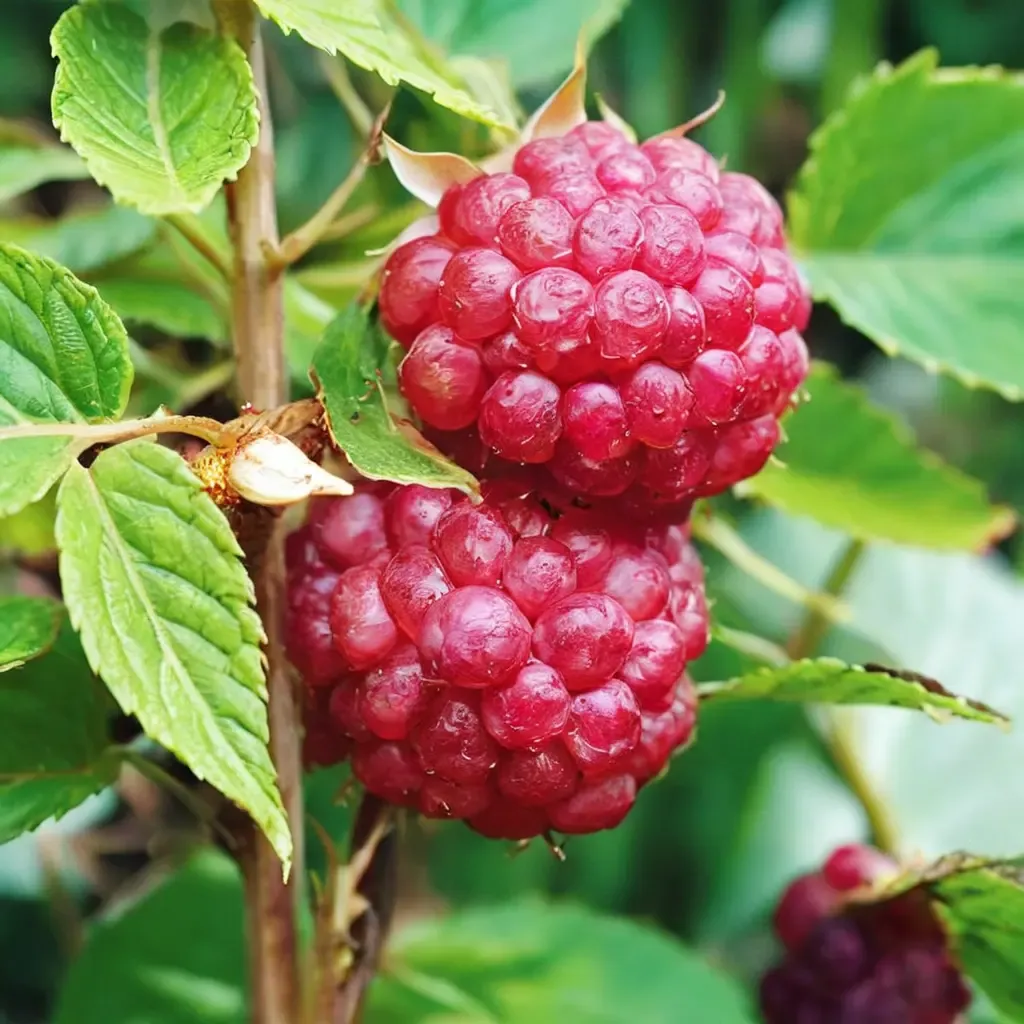
Mammoth Red Raspberry
Rubus idaeus 'Mammoth Red'
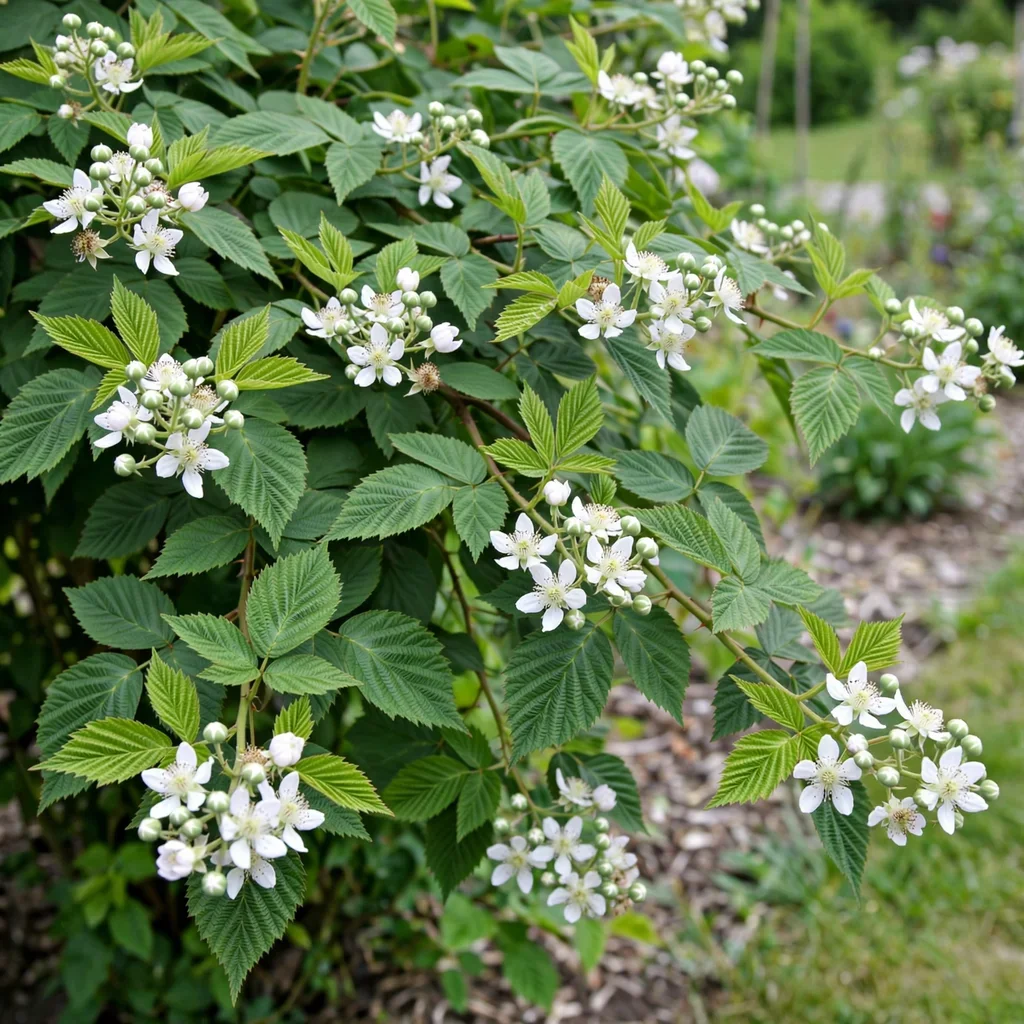
Triple Crown Blackberry
Rubus fruticosus 'Triple Crown'
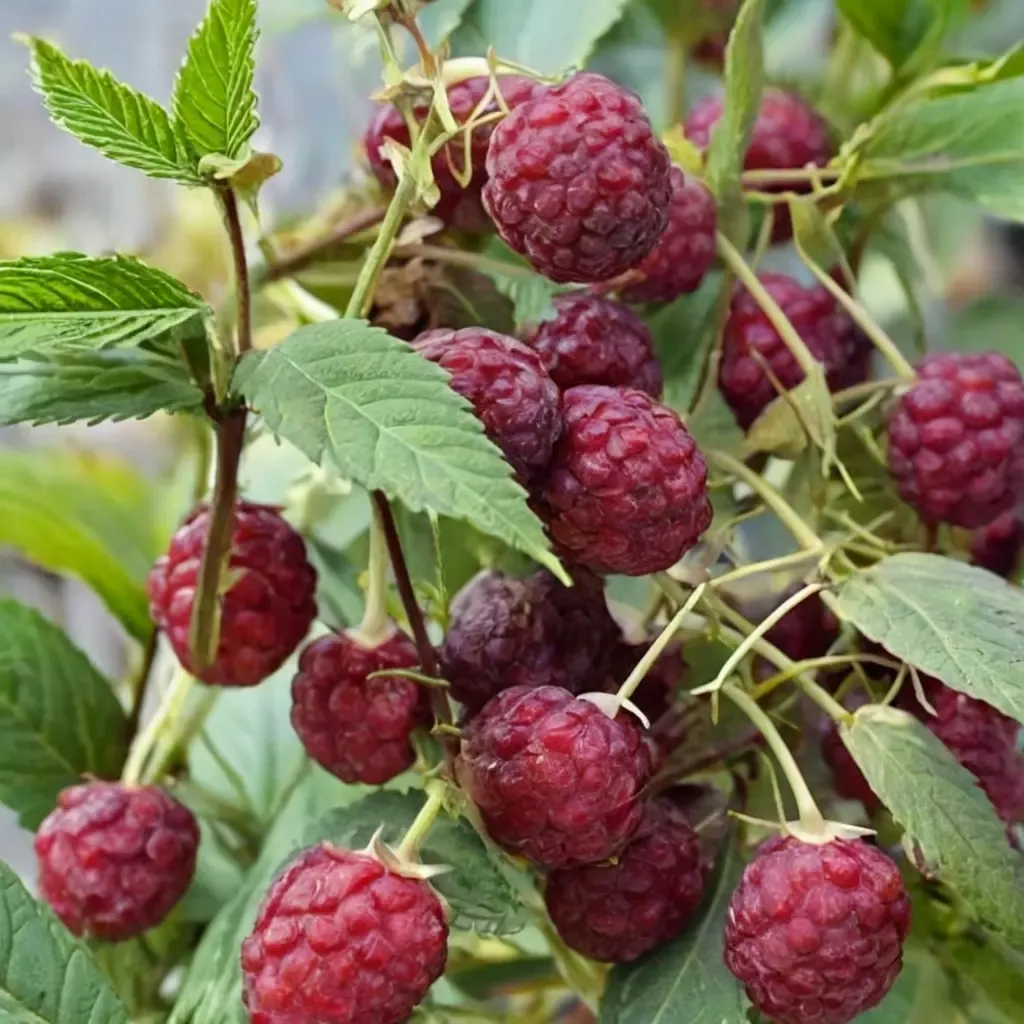
Crimson Night Raspberry
Rubus idaeus 'Crimson Night'
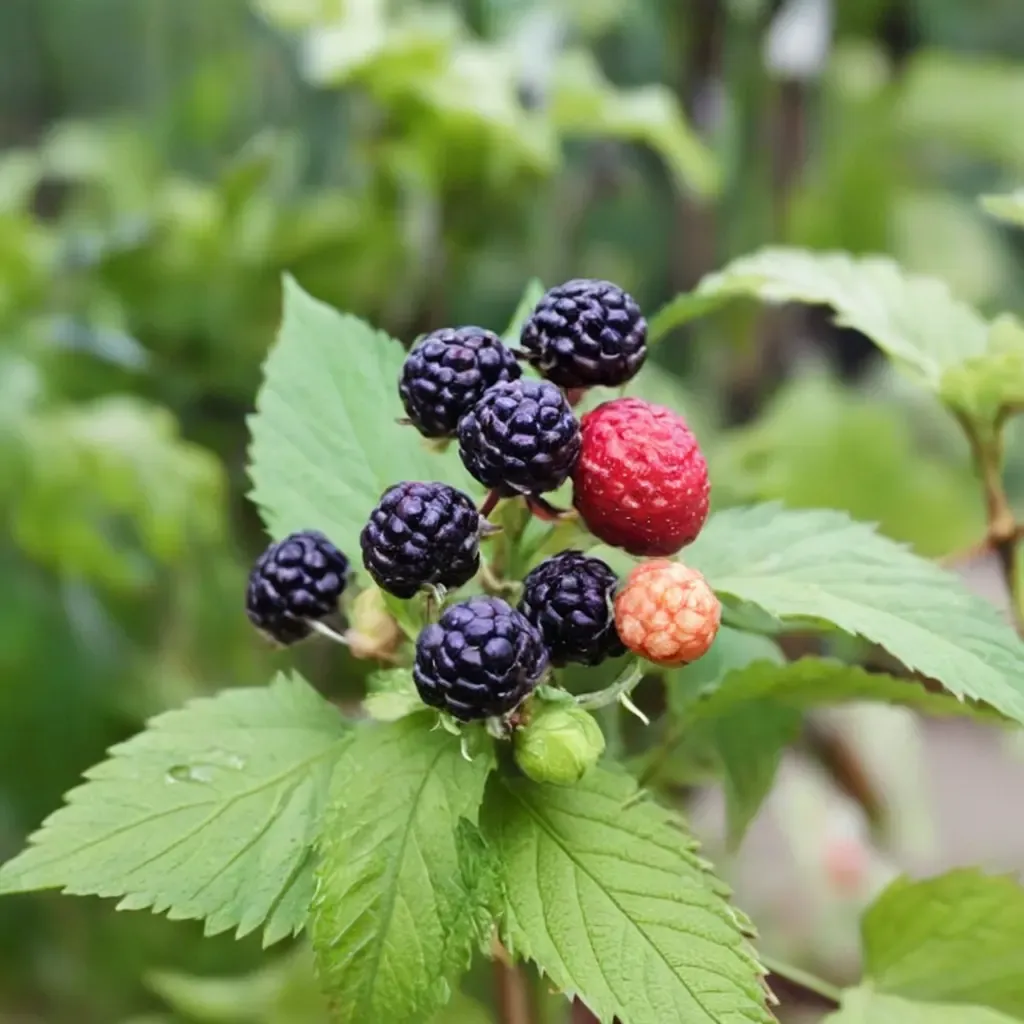
Jewel Black Raspberry
Rubus idaeus 'Jewel'
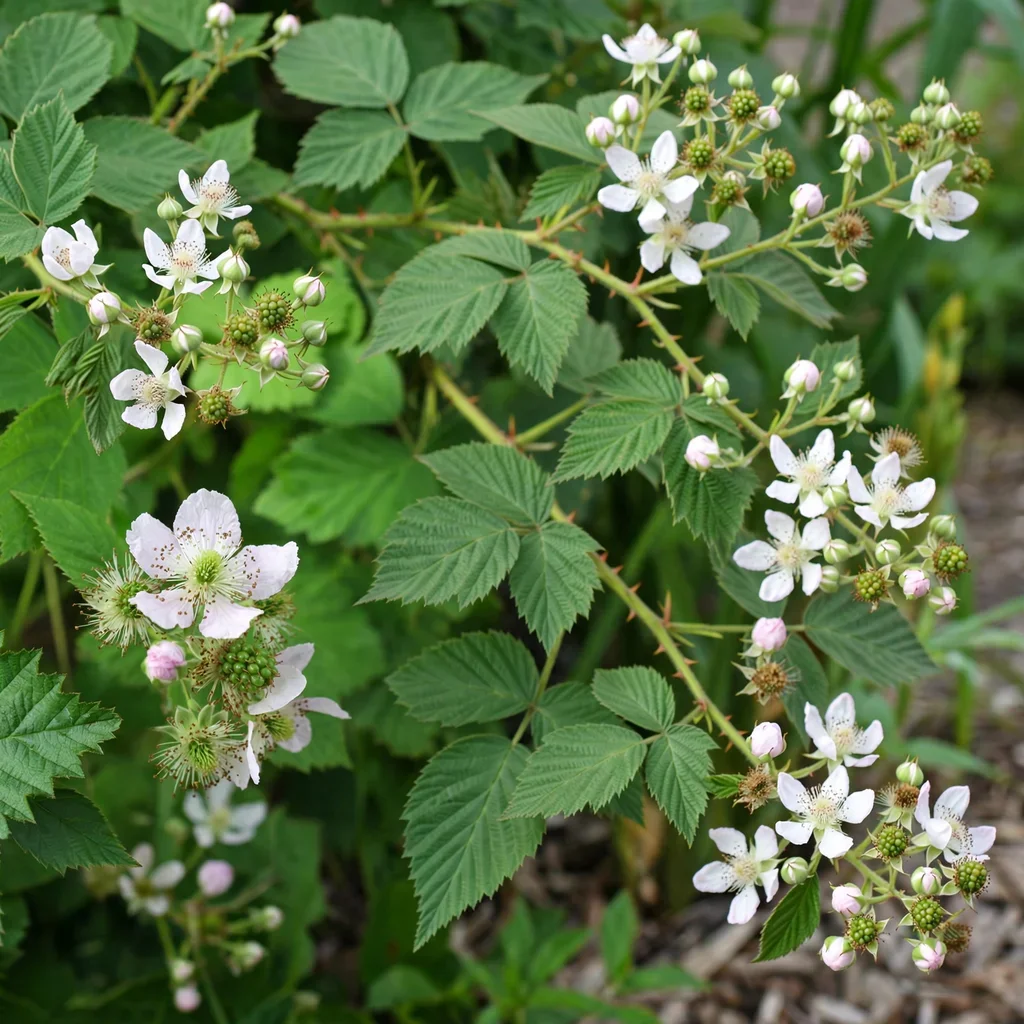
Apache Thornless Blackberry
Rubus fruticosus 'Apache Thornless'
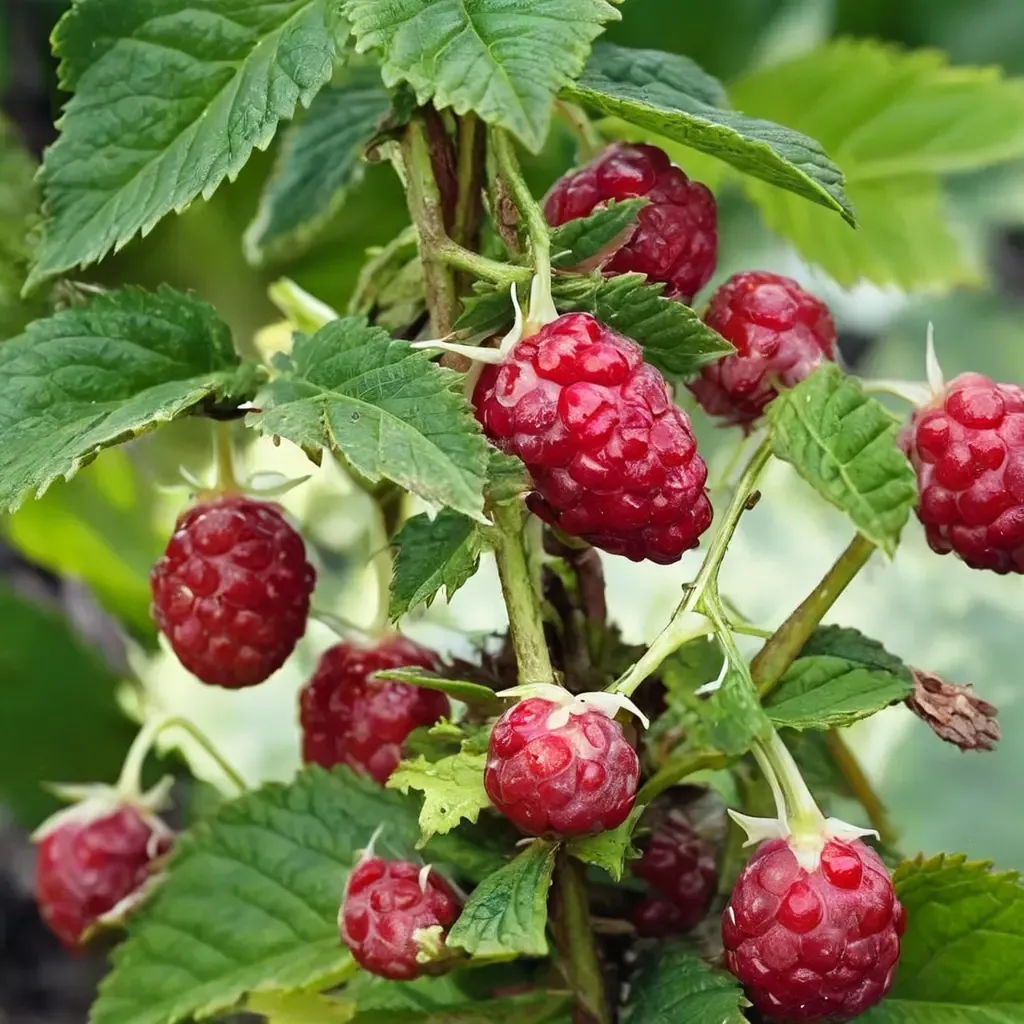
Canby raspberry
Rubus idaeus 'Canby'
Keep exploring
Explore the genus
Grow Sawtooth Blackberry with confidence
See it in a design of your actual yard, get zone-matched care reminders, and track it season by season in your garden journal.