

The Story
Plant Bio
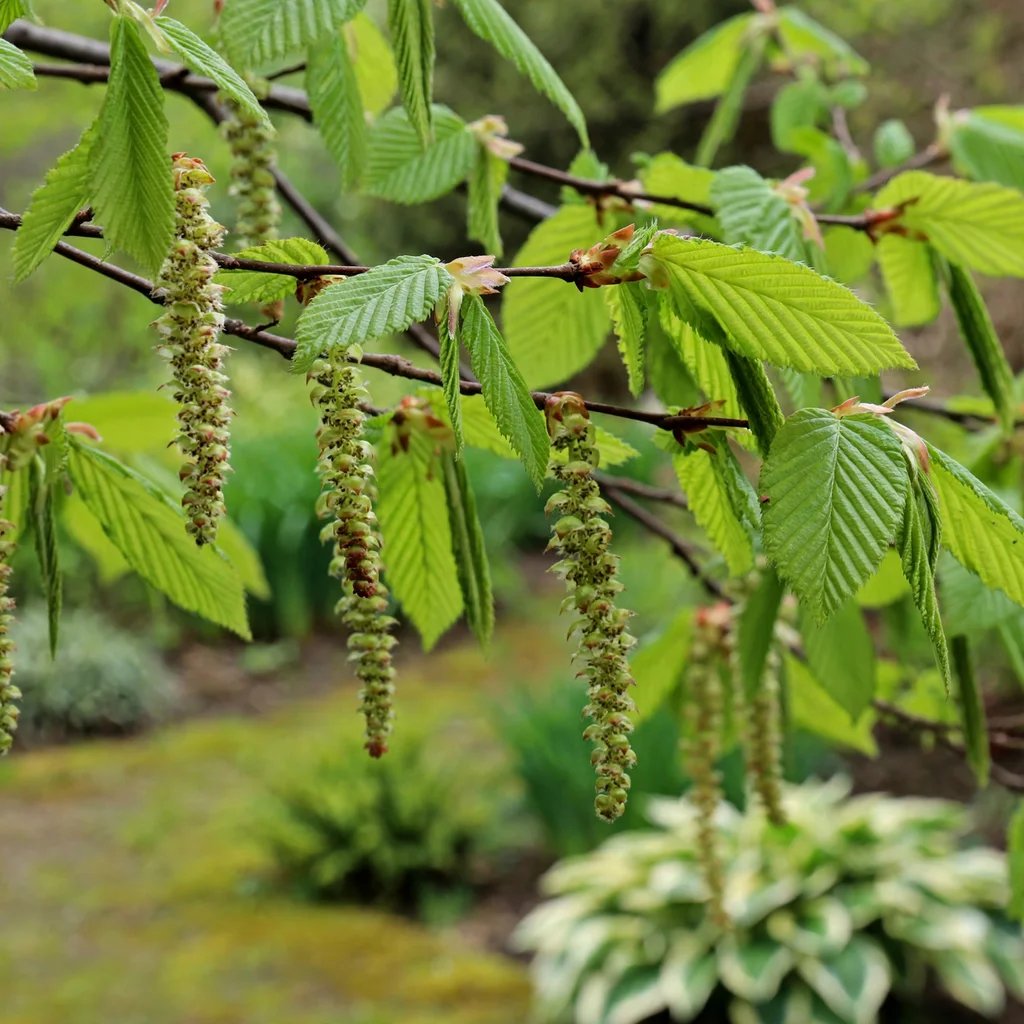
Carpinus betulus, commonly known as European hornbeam, is a tough deciduous tree native to Europe and Western Asia, valued for its dense foliage and smooth gray bark. It produces drooping yellowish-green catkins in spring followed by winged seed clusters, adapting readily to varied soil conditions.
'Lucas' forms a compact, narrowly oval crown reaching thirty to forty feet tall at maturity. Its tidy upright habit and rich yellow fall foliage make it well suited for narrow urban avenues, formal hedges, and pleached screening.
Uses & Benefits:
Essentials
At a Glance
Plant Type
Tree
Height
433"
Width
177"
Light
Full Sun, Partial Sun
Zones
4, 5, 6, 7, 8
Water
Moderate
Humidity
Moderate
Lifespan
Long-lived
Native To
Europe and Western Asia
Toxicity
Non-toxic
Bloom period
Spring
In flower about 3 months of the year
Marketplace
Where to Buy
Shipping costs Year-round shipping Free shipping
Planting
How to Grow
- Select a planting site in full sun to partial shade with fertile, moisture-retentive soil.
- Dig a hole twice as wide as the root ball and equal to its depth.
- Position the root collar level with the soil surface and backfill, firming gently.
- Water thoroughly after planting and maintain regular soil moisture during the first growing season.
Pro Tip
Prune in late winter while dormant to shape the canopy, taking care never to cut hard into old wood lacking visible dormant buds.
Keep It Thriving
Care Guide
Do
- Water regularly during dry spells until the root system is fully established.
- Prune during late winter while the tree is dormant to maintain its structural form.
- Apply a layer of organic mulch around the base to conserve soil moisture.
Don't
- Do not prune hard into old, leafless wood without dormant buds.
- Do not allow young, establishing trees to dry out completely in summer.
- Do not plant in permanently waterlogged or poorly drained sites.
Seasonal Care Calendar
| Task | Jan | Feb | Mar | Apr | May | Jun | Jul | Aug | Sep | Oct | Nov | Dec |
|---|---|---|---|---|---|---|---|---|---|---|---|---|
| Fertilize | ||||||||||||
| Mulch | ||||||||||||
| Pest Check | ||||||||||||
| Prune |
Watch Out For
Pests & Diseases
Common Pests
Common Diseases
In the Garden
Landscape Uses & Companions
Landscape Uses
Companion Plants
Multiply
Propagation Methods
Good to Know
Common Questions
Lucas European Hornbeam questions
What zones can Lucas European Hornbeam grow in?
Lucas European Hornbeam is hardy in USDA Zones 4–8. Inside that range it survives winter in the ground; outside it, grow it as an annual or a container plant you protect.
Is Lucas European Hornbeam deer resistant?
Not reliably. Deer may browse Lucas European Hornbeam, especially tender spring growth — plan on repellents or fencing where pressure is high.
When does Lucas European Hornbeam bloom?
Lucas European Hornbeam typically blooms in spring through spring. Exact timing shifts a week or two with your zone — Sow's bloom calendar maps it to your garden.
Does Lucas European Hornbeam need full sun?
Lucas European Hornbeam does best in full sun to part shade. In hot climates, afternoon shade keeps blooms fresher longer.
Is Lucas European Hornbeam drought tolerant?
Yes — once established (usually after the first full season), Lucas European Hornbeam handles dry spells with minimal watering. Water deeply its first year to build the root system that makes that possible.
More Carpinus to compare
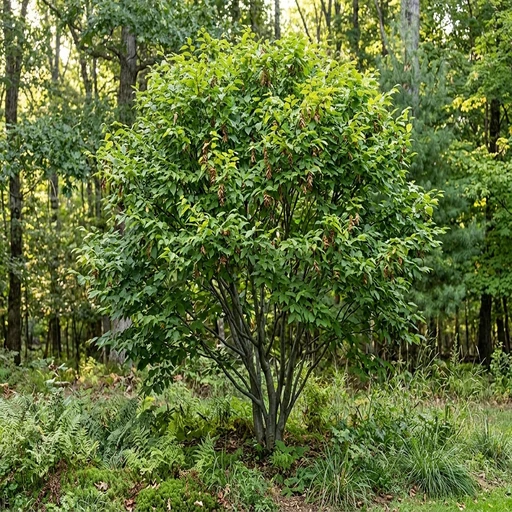
American Hornbeam
Carpinus caroliniana
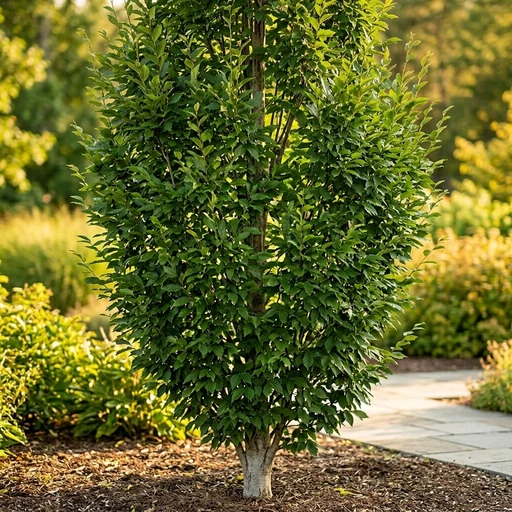
Rising Fire American Hornbeam
Carpinus caroliniana 'Rising Fire'
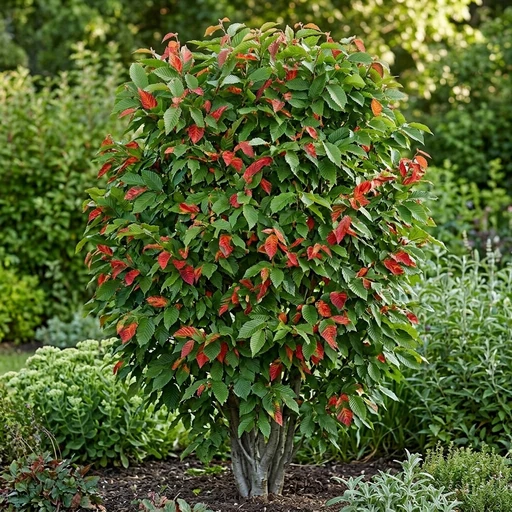
Native Flame American Hornbeam
Carpinus caroliniana 'Native Flame'
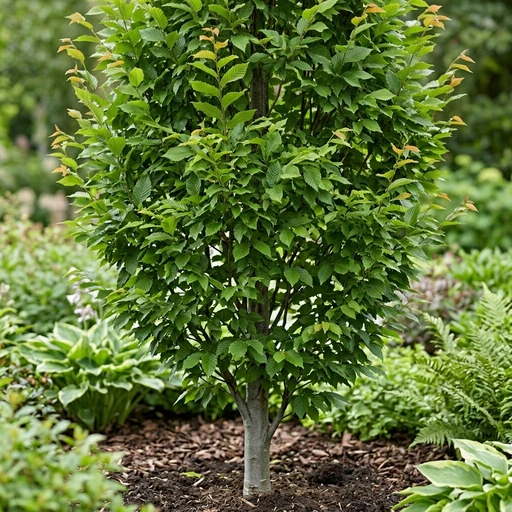
Firespire American Hornbeam
Carpinus caroliniana 'Firespire'
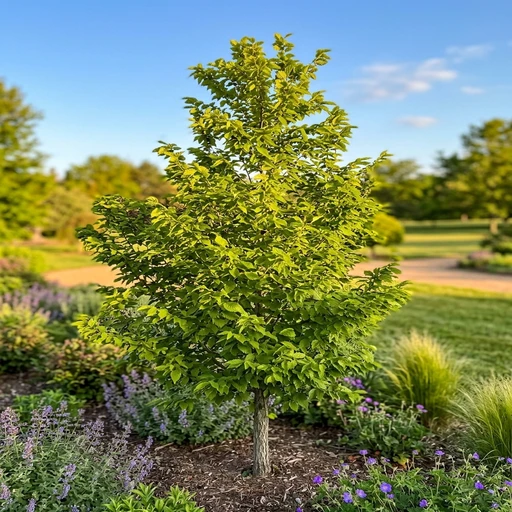
European Hornbeam
Carpinus betulus
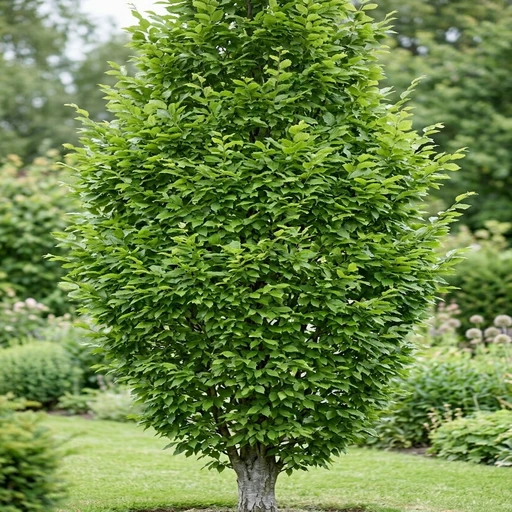
Pyramidal European Hornbeam
Carpinus betulus 'Fastigiata'
Keep exploring
Explore the genus
Hardy in your zone?
Grow Lucas European Hornbeam with confidence
See it in a design of your actual yard, get zone-matched care reminders, and track it season by season in your garden journal.