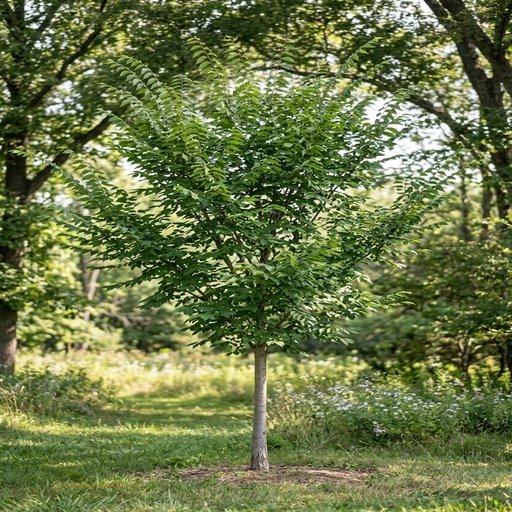
Species
1 other cultivar

The Story
Plant Bio
Elms are large, graceful deciduous trees, historically cherished for their classic vase-shaped canopy that provided ideal shade for streets and homes.
'Prospector' is a U.S. National Arboretum introduction highly valued for its excellent resistance to Dutch elm disease and good resistance to elm leaf beetle. It develops the classic, upright-arching vase shape of the American elm.
Uses & Benefits:
Essentials
At a Glance
Plant Type
Tree
Height
540"
Width
420"
Light
Full Sun
Zones
4, 5, 6, 7
Water
Medium
Humidity
Adaptable
Lifespan
60-100+ years
Native To
China (Species)
Toxicity
Non-toxic
Bloom period
Early spring
In flower about 1 month of the year
Planting
How to Grow
- Choose a location in full sun with room for a large tree.
- Plant in moist, well-drained soil; elms are widely adaptable.
- Dig a hole two to three times the width of the root ball.
- Set the tree so the top of the root ball is level with the soil.
- Backfill with native soil and water deeply to settle.
- Water regularly for the first two years to ensure establishment.
Pro Tip
Focus on structural pruning when the tree is young to develop a strong, well-spaced framework of branches for a durable, long-lived tree.
Keep It Thriving
Care Guide
Do
- Prune in the dormant season to maintain a single central leader when young.
- Provide supplemental water during extended droughts.
- Mulch the root zone to conserve moisture and moderate soil temperature.
Don't
- Do not prune elms from April through August to avoid attracting bark beetles.
- Avoid soil compaction over the root zone from vehicles or heavy foot traffic.
- Don't plant it under power lines due to its ultimate height.
Seasonal Care Calendar
| Task | Jan | Feb | Mar | Apr | May | Jun | Jul | Aug | Sep | Oct | Nov | Dec |
|---|---|---|---|---|---|---|---|---|---|---|---|---|
| Fertilize | ||||||||||||
| Pest Check | ||||||||||||
| Prune |
Watch Out For
Pests & Diseases
Common Pests
Common Diseases
In the Garden
Landscape Uses & Companions
Landscape Uses
Multiply
Propagation Methods
Good to Know
Common Questions
Prospector Elm questions
What zones can Prospector Elm grow in?
Prospector Elm is hardy in USDA Zones 4–7. Inside that range it survives winter in the ground; outside it, grow it as an annual or a container plant you protect.
Is Prospector Elm deer resistant?
Yes — Prospector Elm is rated deer-resistant. Deer typically pass it over, though extreme hunger can override any plant's defenses.
When does Prospector Elm bloom?
Prospector Elm typically blooms in early spring through early spring. Exact timing shifts a week or two with your zone — Sow's bloom calendar maps it to your garden.
Does Prospector Elm need full sun?
Prospector Elm does best in full sun (6+ hours).
Is Prospector Elm drought tolerant?
Yes — once established (usually after the first full season), Prospector Elm handles dry spells with minimal watering. Water deeply its first year to build the root system that makes that possible.
More Ulmus to compare
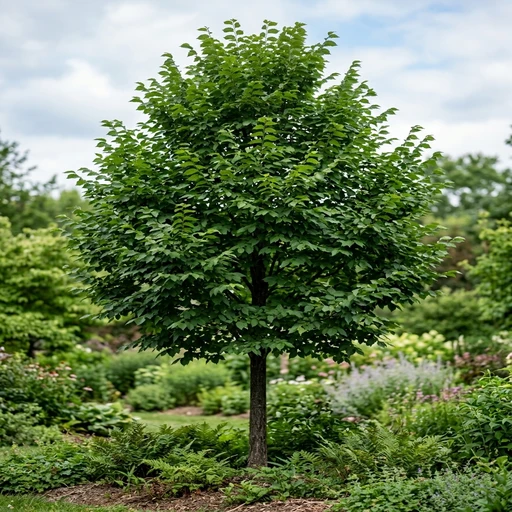
Princeton Elm
Ulmus americana 'Princeton'
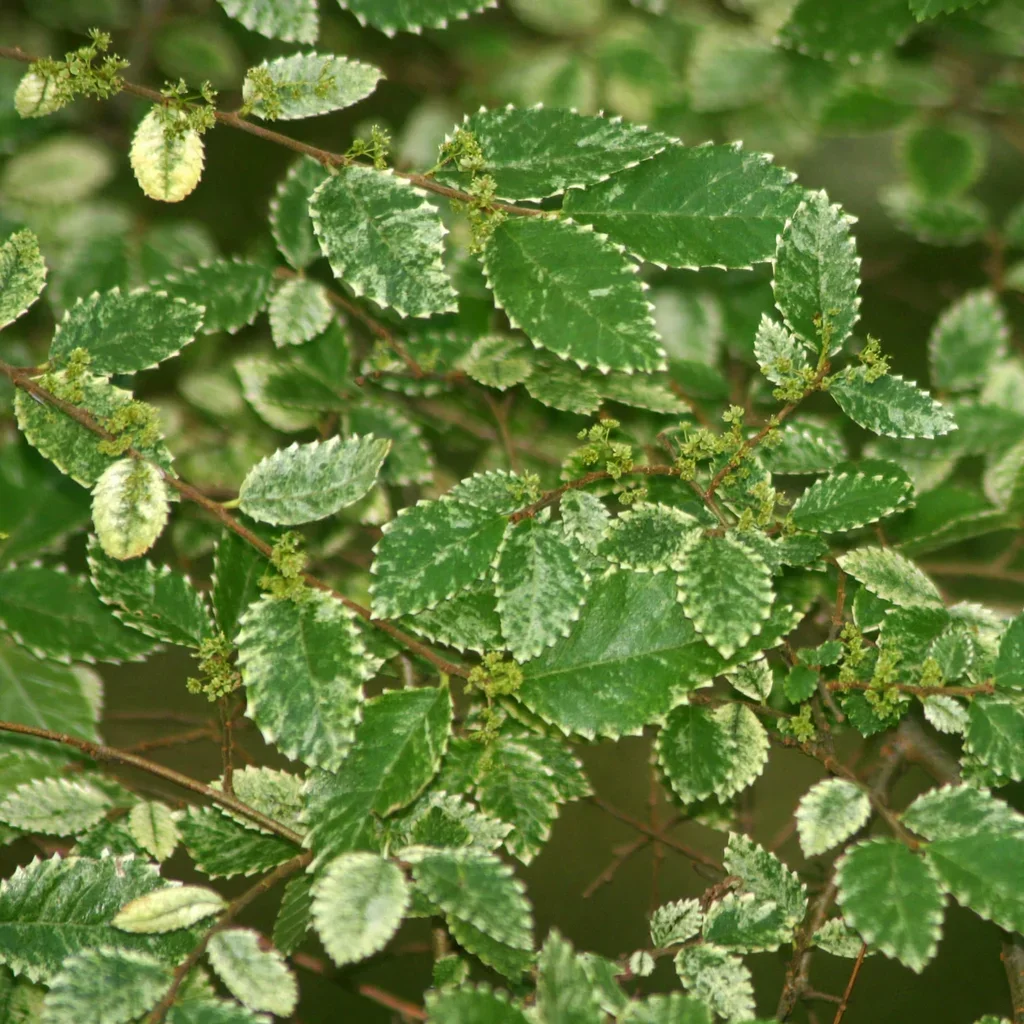
Variegated Chinese Elm
Ulmus parvifolia 'Variegata'
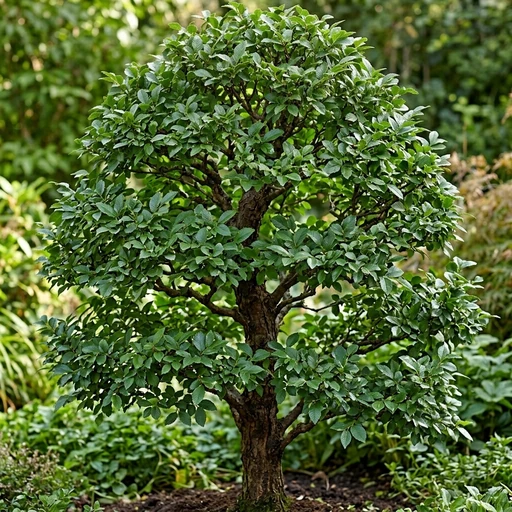
Cedar Elm
Ulmus crassifolia
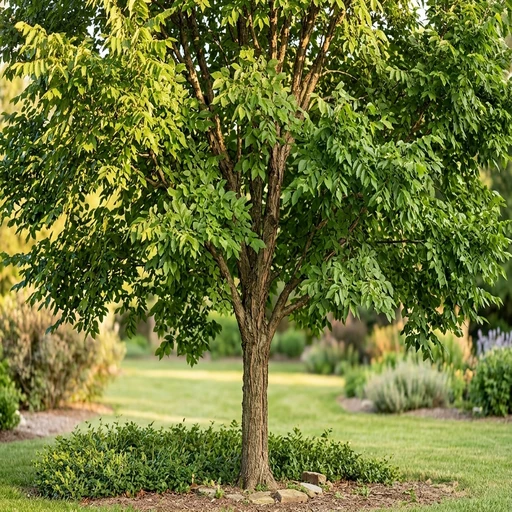
Winged Elm
Ulmus alata
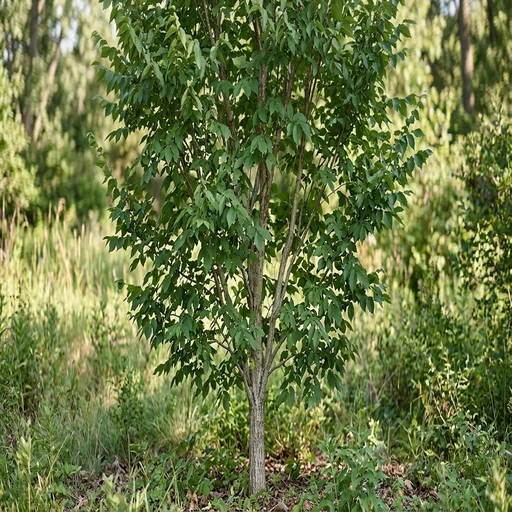
Colonial Spirit American Elm
Ulmus americana 'Colonial Spirit'
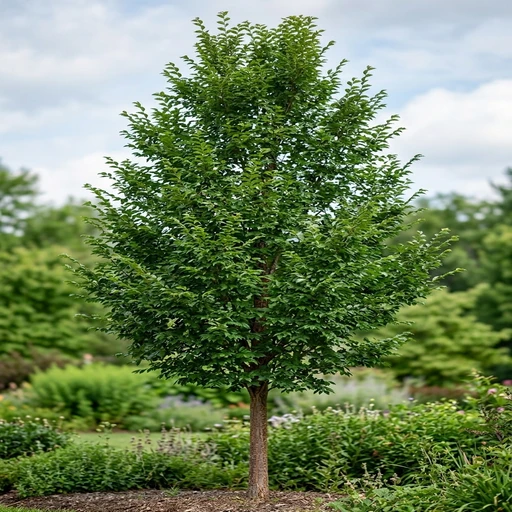
Everclear Lacebark Elm
Ulmus parvifolia 'Everclear'
Keep exploring
Explore the genus
Hardy in your zone?
Grow Prospector Elm with confidence
See it in a design of your actual yard, get zone-matched care reminders, and track it season by season in your garden journal.