The Story
Plant Bio
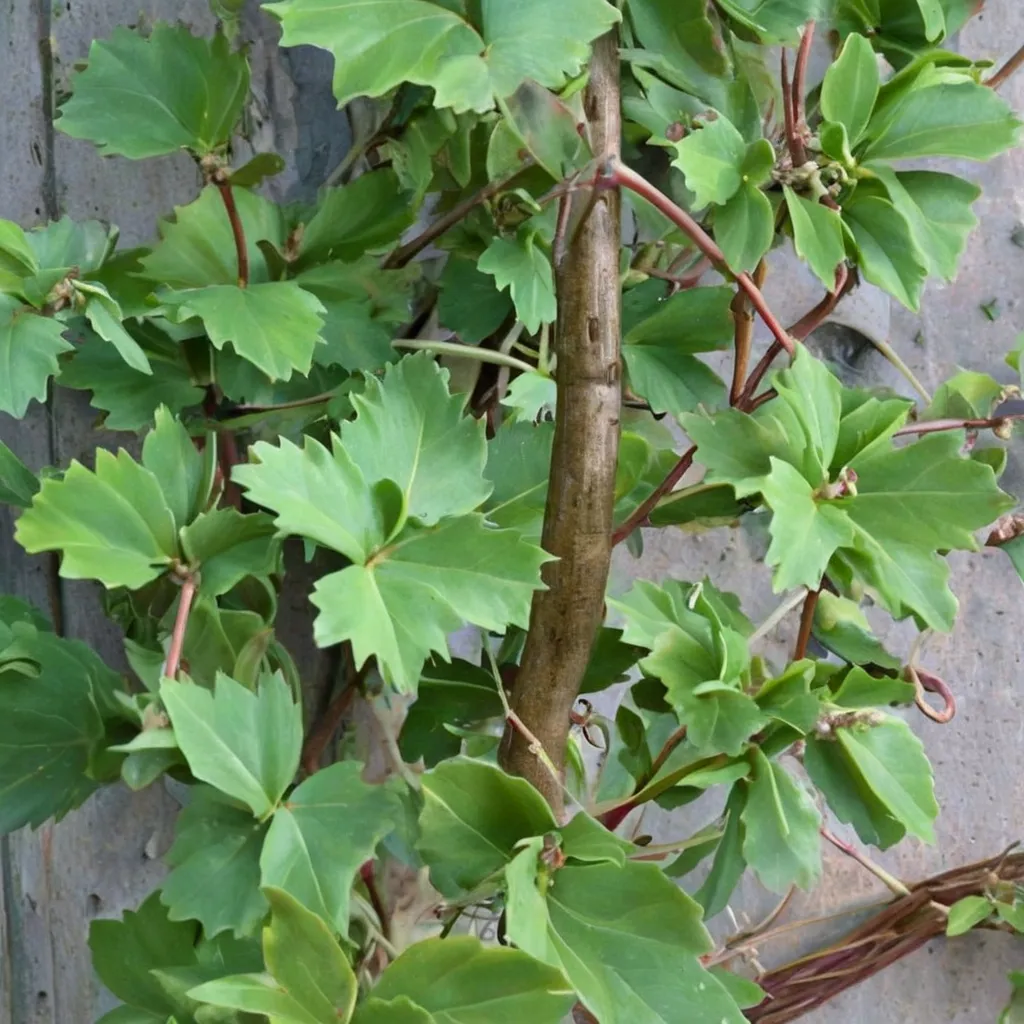
Apocissus antarctica, the kangaroo vine, is an evergreen woody climber native to eastern Australia that scales surfaces using twining tendrils. The simple, alternate leaves are dark glossy green above and covered in soft, rusty-brown hairs on the undersides, with new shoots displaying a distinctive coppery-red coloration.
This species is highly valued as an indoor foliage plant due to its tolerance of deep shade and reliable evergreen habit. Small, congested clusters of cream to pale greenish-yellow flowers appear opposite the leaves from spring through summer, though these rarely form on indoor specimens.
Uses & Benefits:
Essentials
At a Glance
Plant Type
Vine
Height
236"
Width
236"
Light
Partial Sun, Shade
Zones
9, 10
Water
Medium
Humidity
High
Lifespan
Perennial
Native To
Australia
Toxicity
Non-toxic
Bloom period
Spring – Summer
In flower about 6 months of the year
Planting
How to Grow
- Select a container with excellent drainage holes and fill it with a rich, loamy, well-drained potting mix amended with perlite.
- Position the plant in bright indirect light or medium shade, avoiding any direct midday sun which scorches the foliage.
- Water thoroughly when the top inch of soil begins to dry, keeping the medium consistently moist but never waterlogged.
- Mist the foliage regularly or place the container on a wet pebble tray to maintain the high humidity this species requires.
Pro Tip
Maintain consistent soil moisture and high humidity to prevent leaf tip burn, but avoid heavy, unamended soils that trigger fatal root rot.
Keep It Thriving
Care Guide
Do
- Provide a trellis or moss pole for the twining tendrils to climb.
- Prune lightly in spring or late summer to maintain a dense, bushy habit.
- Feed with a balanced liquid fertilizer every 20 to 30 days during active spring and summer growth.
Don't
- Do not allow the soil to dry out completely, as the vine will quickly collapse.
- Do not place the plant near dry heating vents or drafty air conditioners.
- Do not prune blindly into old, bare, leafless wood that lacks dormant buds.
Seasonal Care Calendar
| Task | Jan | Feb | Mar | Apr | May | Jun | Jul | Aug | Sep | Oct | Nov | Dec |
|---|---|---|---|---|---|---|---|---|---|---|---|---|
| Fertilize | ||||||||||||
| Pest Check | ||||||||||||
| Prune | ||||||||||||
| Winter Prep |
Watch Out For
Pests & Diseases
Common Pests
Common Diseases
In the Garden
Landscape Uses & Companions
Landscape Uses
Companion Plants
Multiply
Propagation Methods
Good to Know
Common Questions
Kangaroo Vine questions
What zones can Kangaroo Vine grow in?
Kangaroo Vine is hardy in USDA Zones 9–10. Inside that range it survives winter in the ground; outside it, grow it as an annual or a container plant you protect.
When does Kangaroo Vine bloom?
Kangaroo Vine typically blooms in spring through summer. Exact timing shifts a week or two with your zone — Sow's bloom calendar maps it to your garden.
Does Kangaroo Vine need full sun?
Kangaroo Vine does best in part shade.
More Cissus to compare
Keep exploring
Explore the genus
Hardy in your zone?
Grow Kangaroo Vine with confidence
See it in a design of your actual yard, get zone-matched care reminders, and track it season by season in your garden journal.