Also known as Pothos · 7 saves
Epipremnum
Epipremnum, the genus most gardeners know as pothos. We track 3 varieties; the ones most used by real gardeners.
The 2 most-saved Epipremnum varieties
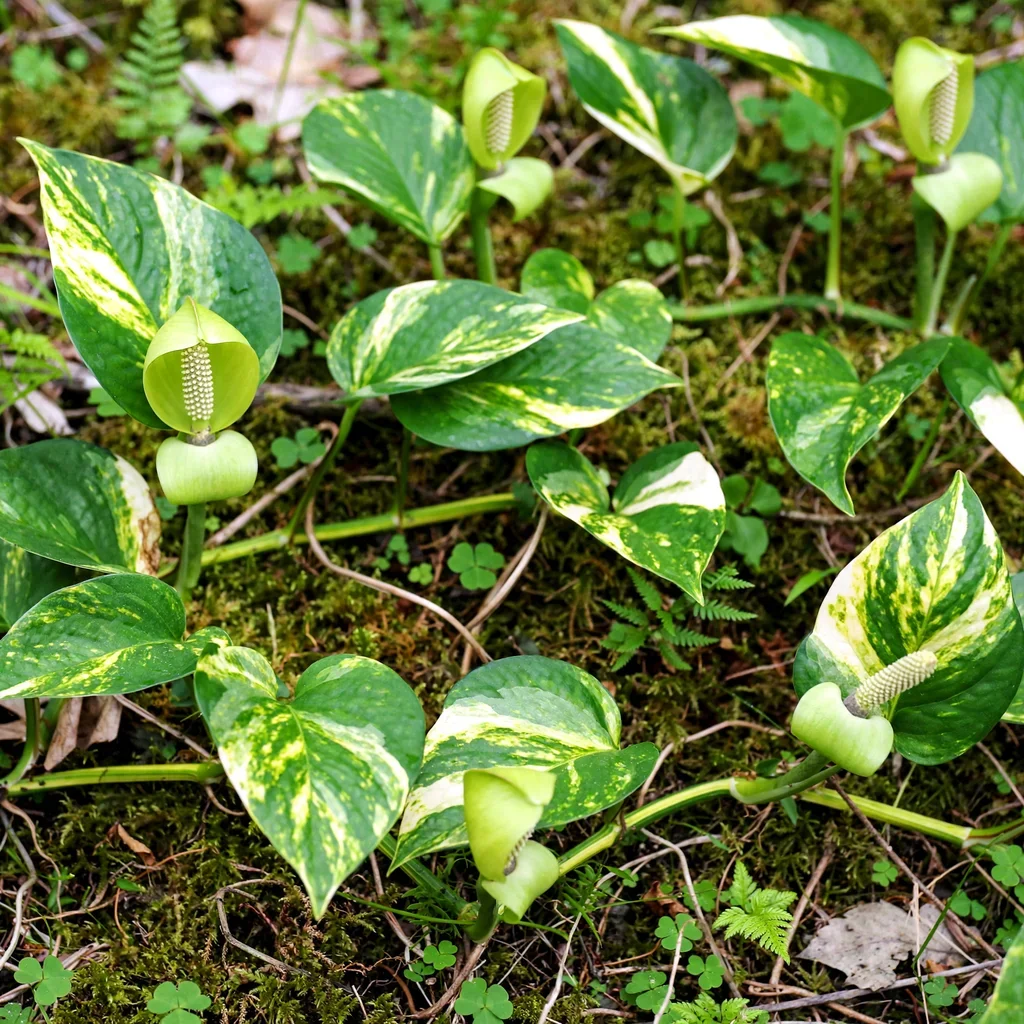
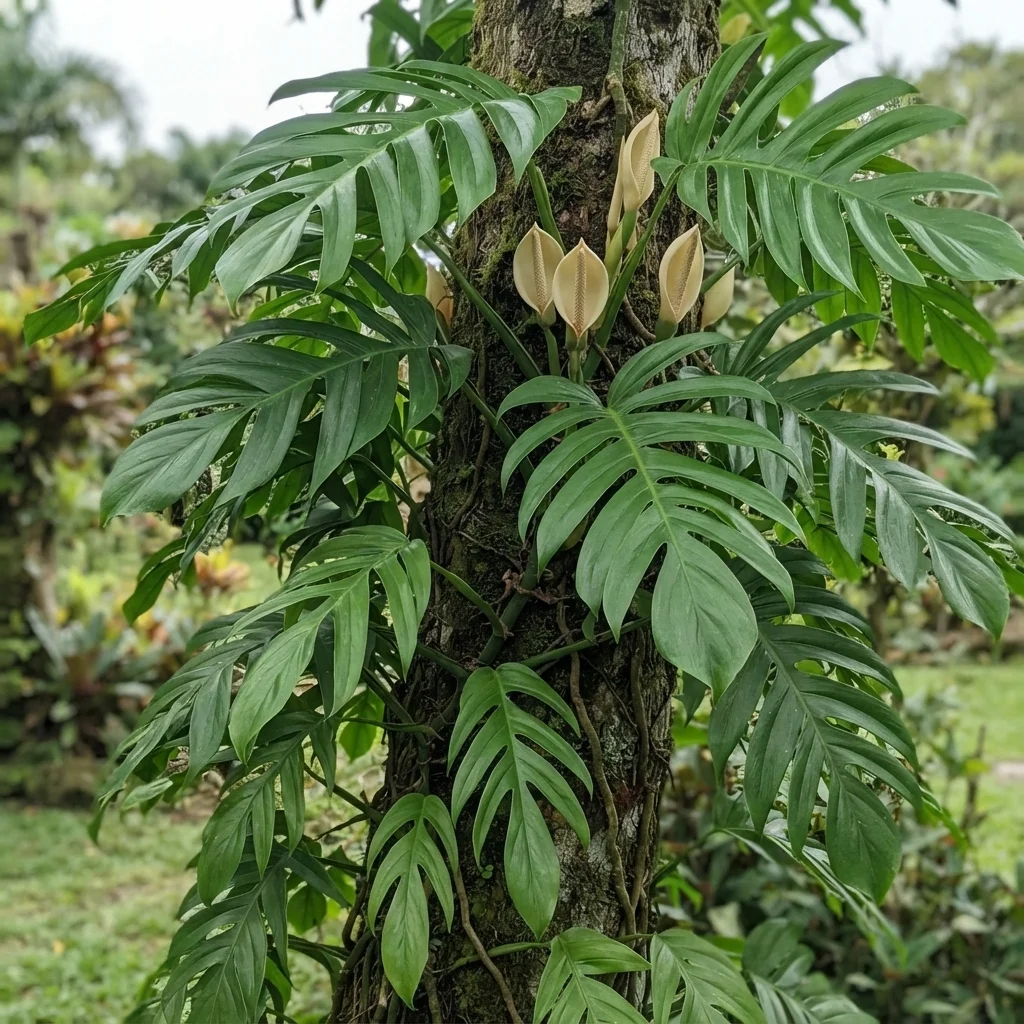
Browse all 3 Epipremnum varieties →
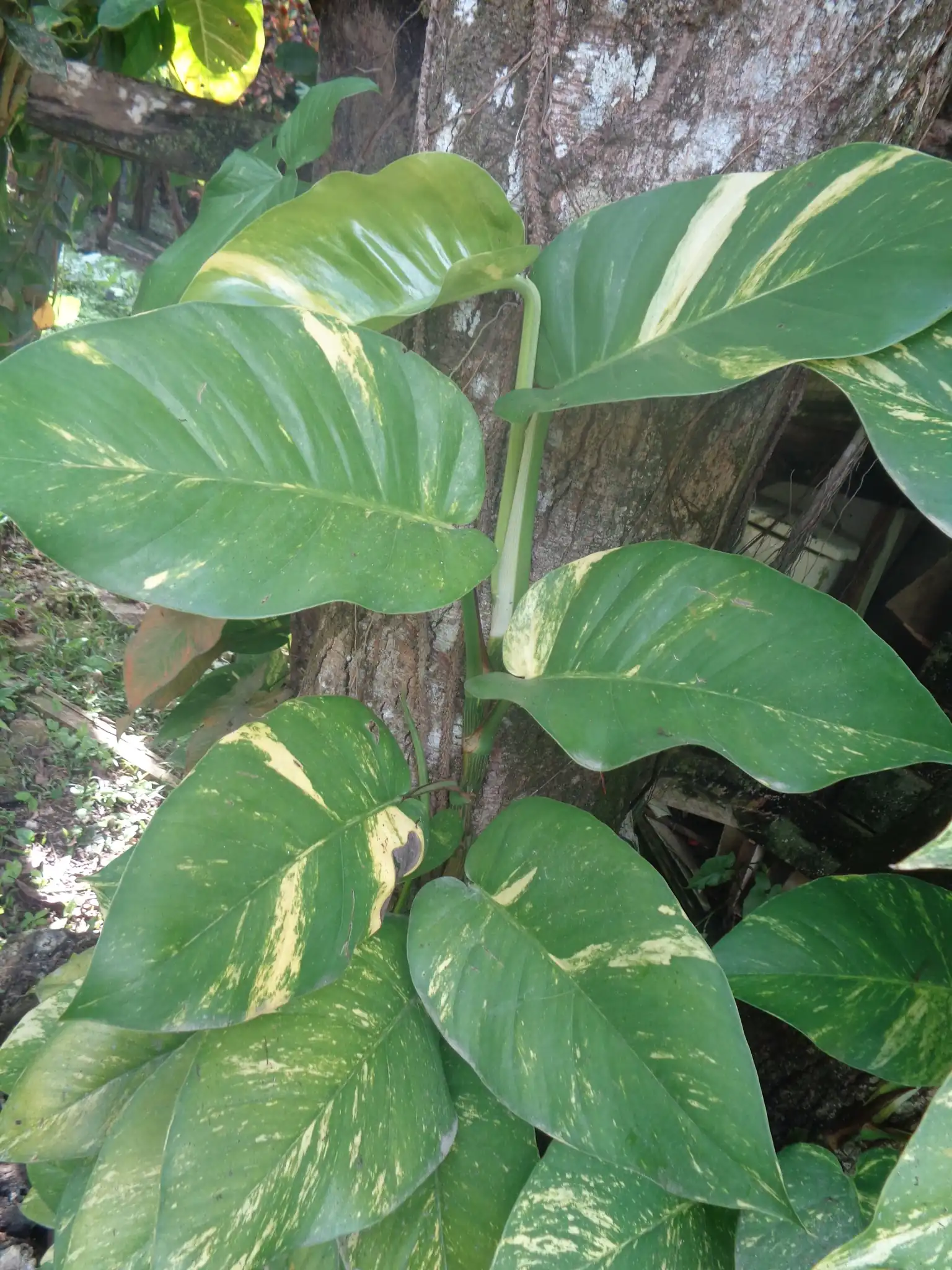
2 species of Epipremnum
Each one is a parent of the varieties above.
Track your Epipremnum in Sow
Save the Epipremnum you grow and get care reminders timed to your zone.
How to grow Epipremnum
Whats common across all Epipremnum varieties in our catalog — drawn from the care records of the 3 most-grown of them.
The Epipremnum year
- PruneMarch–June100% of varieties
Trim back leggy stems to maintain shape and encourage bushier growth.
- FertilizeApril–September67% of varieties
Apply a balanced liquid houseplant fertilizer at half strength monthly during active growth.
- PropagateJune and July67% of varieties
Take stem cuttings with active nodes to root in water or moist sphagnum moss.
- Check for PestsJanuary, February and December67% of varieties
Inspect leaf undersides and axils closely for spider mites and mealybugs, which thrive in dry indoor winter air.


Do
- Provide a vertical support to encourage the development of mature, fenestrated leaves.
- Maintain high humidity levels around the foliage using a humidifier or pebble tray.
- Prune leggy stems in spring or summer to promote bushier growth.
- Keep soil consistently moist but not waterlogged 🌱
- Provide bright, indirect light for vibrant variegation
Avoid
- Do not allow the pot to sit in standing water, which rapidly induces root rot.
- Never prune heavily into old, completely leafless wood as it may fail to regenerate.
- Avoid placing the plant in direct, intense afternoon sunlight to prevent leaf scorch.
- Avoid direct sun that can scorch leaves ❌
What goes wrong with Epipremnum
| Problem | What you'll see | What to do |
|---|---|---|
| Spider mites | Fine webbing on leaf undersides and stippled, yellowing foliage. | Increase local humidity and treat the foliage with insecticidal soap or horticultural oil. |
| Mealybugs | Cottony white masses in leaf axils and on stems, accompanied by sticky honeydew. | Wipe pests away with a cotton swab dipped in rubbing alcohol, or apply systemic insecticide. |
| Scale insects | Small, brown, dome-like bumps on stems and leaves, causing yellowing and stunted growth. | Scrape off manually and apply horticultural oil during the crawler stage. |
| Root rot | Wilting foliage, yellowing leaves, and mushy, black roots accompanied by a foul odor. | Trim away affected roots, repot in fresh, well-draining soil, and reduce watering frequency. |
| Bacterial leaf spot | Water-soaked spots with yellow halos appearing on the foliage. | Remove infected leaves, avoid overhead watering, and improve air circulation around the plant. |
| Leaf spot | Dark spots on foliage | Remove affected leaves, avoid overhead watering |
Making more Epipremnum
Stem cuttings
- Cut a stem section containing at least one node and one healthy leaf using sterile shears.
- Place the cutting in clean water or moist sphagnum moss, ensuring the node is submerged or covered.
- Keep the cutting in a warm, brightly lit location out of direct sunlight until roots reach two inches in length.
- Pot the rooted cutting into a well-draining potting mix and water lightly to settle the soil.
Epipremnum questions
How many types of Epipremnum are there?
The Sow catalog tracks 3 distinct Epipremnum varieties. The most popular — ranked by 7 real gardeners — are shown first above.
What zones does Epipremnum grow in?
Across its varieties, Epipremnum covers USDA Zones 10–10. Individual varieties differ — each plant page lists its exact range, and Sow filters the catalog to your zone automatically.
When does Epipremnum bloom?
Most Epipremnum varieties bloom in spring. Staggering early, mid, and late varieties extends the genus's season in one bed.
Which Epipremnum should I choose?
Start from the most-saved varieties above — popularity across thousands of gardens is a strong signal of reliability — then filter by your zone and sun. In the Sow app you can preview any of them in a photo of your actual yard before you buy.