Also known as Grape Ivy · 38 saves
Cissus
Cissus, the genus most gardeners know as grape ivy. We track 3 varieties; the ones most used by real gardeners.
The 3 most-saved Cissus varieties
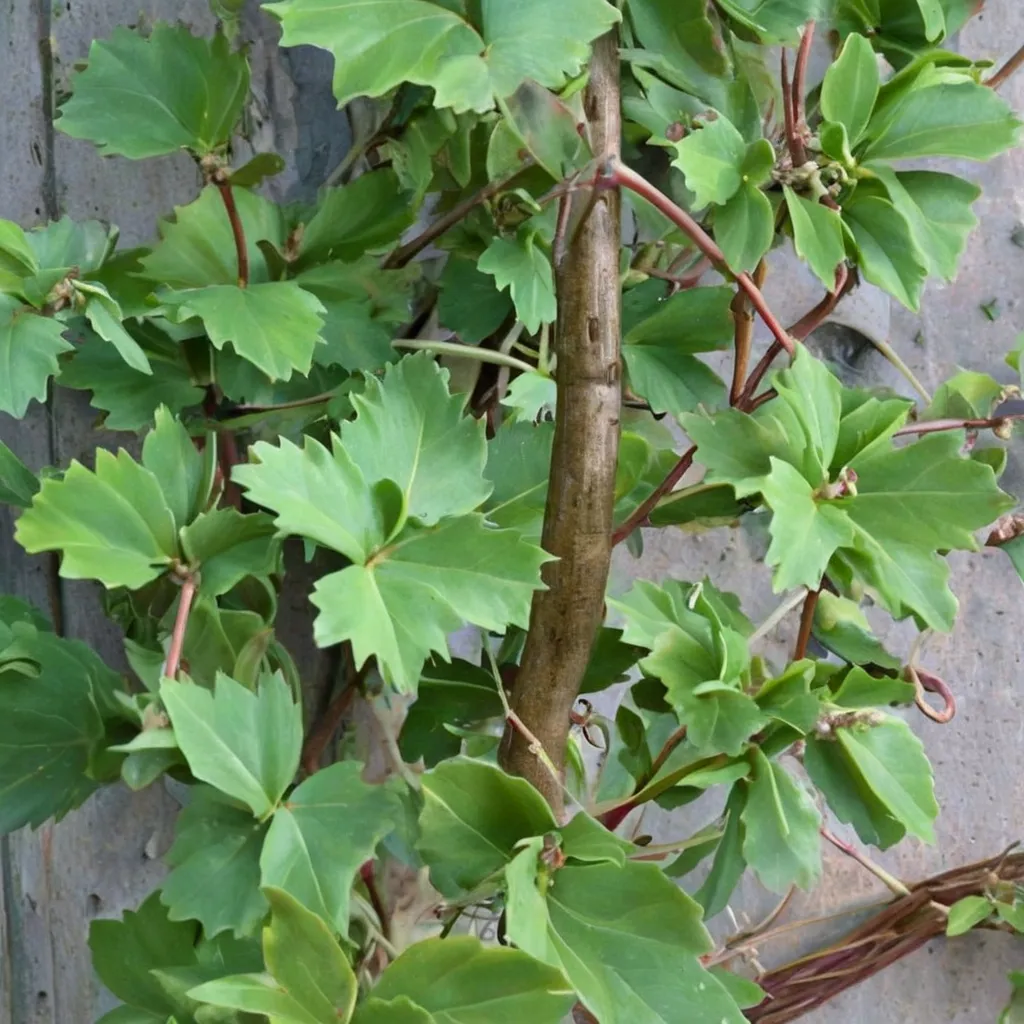
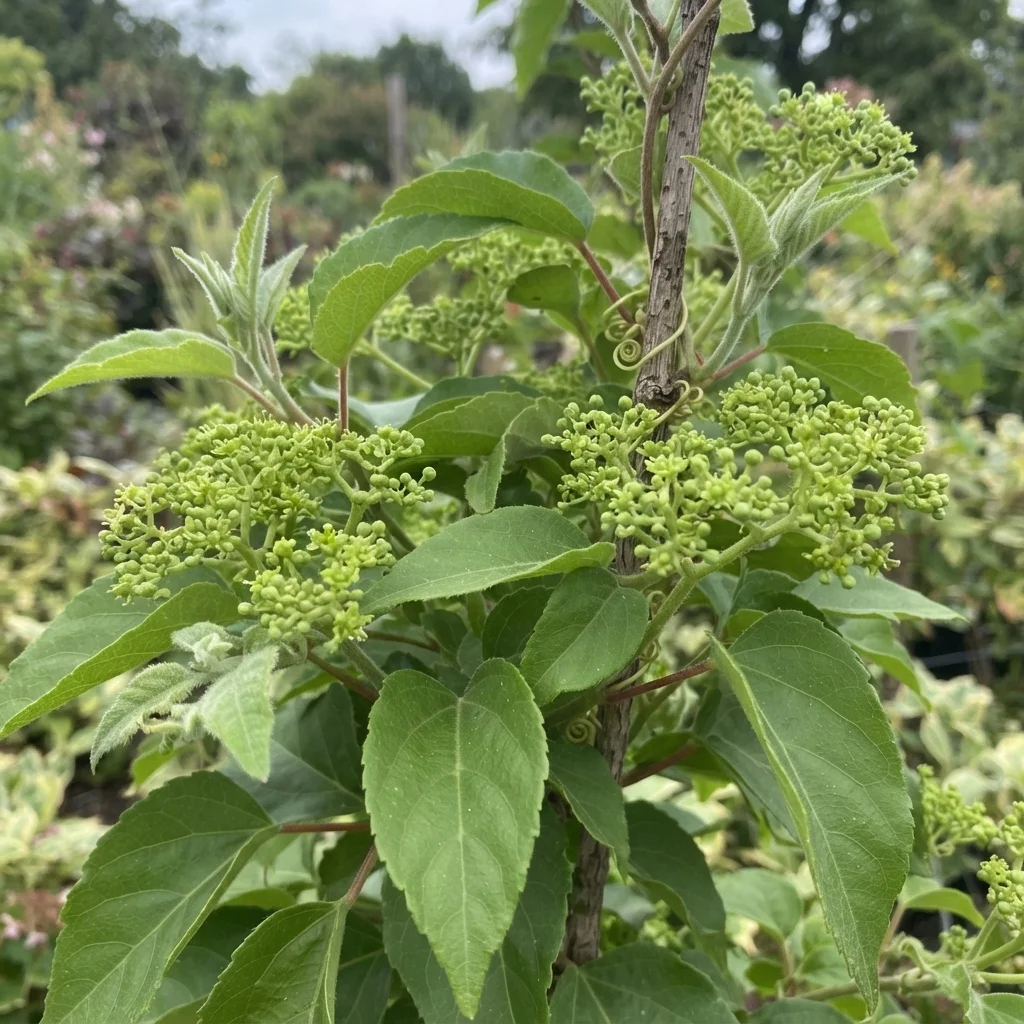

2 species of Cissus
Each one is a parent of the varieties above.
Track your Cissus in Sow
Save the Cissus you grow and get care reminders timed to your zone.
How to grow Cissus
Whats common across all Cissus varieties in our catalog — drawn from the care records of the 3 most-grown of them.
The Cissus year
- PruneMarch and April100% of varieties
Perform structural pruning in late winter or early spring to control spread and shape aerial roots.
- FertilizeApril and July67% of varieties
Apply a balanced, slow-release granular fertilizer to support active spring and summer growth.
- PropagateJune67% of varieties
Take herbaceous or semi-hardwood stem cuttings during active warm-season growth.
- Check for PestsJune–August67% of varieties
Inspect succulent new growth for aphids, spider mites, and mealybugs.


Do
- Prune annually in late winter to manage size and shape the aerial root curtain.
- Ensure the planting medium drains rapidly to prevent waterlogging.
- Provide a strong support structure for the climbing tendrils.
- Provide a trellis or moss pole for the twining tendrils to climb.
- Prune lightly in spring or late summer to maintain a dense, bushy habit.
Avoid
- Do not prune heavily into old, leafless woody stems, as they may fail to produce new buds.
- Do not overwater during the winter dormant period.
- Do not apply heavy, constant pruning unless strict containment is required.
- Do not allow the soil to dry out completely, as the vine will quickly collapse.
What goes wrong with Cissus
| Problem | What you'll see | What to do |
|---|---|---|
| Aphids | Distorted new growth and sticky honeydew deposits on succulent tips. | Apply insecticidal soap or dislodge with a strong stream of water. |
| Spider mites | Stippled, bronzed foliage, particularly under dry conditions. | Apply horticultural oil or a targeted miticide. |
| Mealybugs | White, cottony masses in leaf axils and on stems. | Treat with insecticidal soap or systemic insecticides. |
| Scale insects | Small, brown, shell-like bumps on stems and leaf midribs accompanied by sticky honeydew. | Wipe pests off manually with a damp cloth or apply horticultural oil during the crawler stage. |
| Root rot | Sudden wilting of foliage and mushy, dark roots. | Improve soil drainage and reduce irrigation frequency immediately. |
| Powdery mildew | White, powdery fungal patches on leaf surfaces. | Apply sulfur-based fungicides or neem oil and improve air circulation. |
| Smut fungus | Deformed, swollen flowers transformed into dark, spore-bearing structures. | Prune out and destroy infected inflorescences to prevent spore spread. |
Making more Cissus
Stem cuttings
- Take four- to six-inch herbaceous or semi-hardwood stem cuttings in late spring.
- Remove the lower leaves, leaving two to three leaves at the tip.
- Insert the cut end into a moist, well-draining propagation medium.
- Maintain high humidity and warm temperatures until roots establish.
Layering
- Select a flexible, low-growing stem in spring.
- Bend the stem to the ground and nick the bark slightly on the underside.
- Peg the nicked section into the soil and cover with a light layer of earth.
- Sever the newly rooted plant from the parent vine once a strong root system develops.
Cissus questions
How many types of Cissus are there?
The Sow catalog tracks 3 distinct Cissus varieties. The most popular — ranked by 38 real gardeners — are shown first above.
What zones does Cissus grow in?
Across its varieties, Cissus covers USDA Zones 4–10. Individual varieties differ — each plant page lists its exact range, and Sow filters the catalog to your zone automatically.
When does Cissus bloom?
Most Cissus varieties bloom in late summer, summer, spring. Staggering early, mid, and late varieties extends the genus's season in one bed.
Which Cissus should I choose?
Start from the most-saved varieties above — popularity across thousands of gardens is a strong signal of reliability — then filter by your zone and sun. In the Sow app you can preview any of them in a photo of your actual yard before you buy.