The Story
Plant Bio
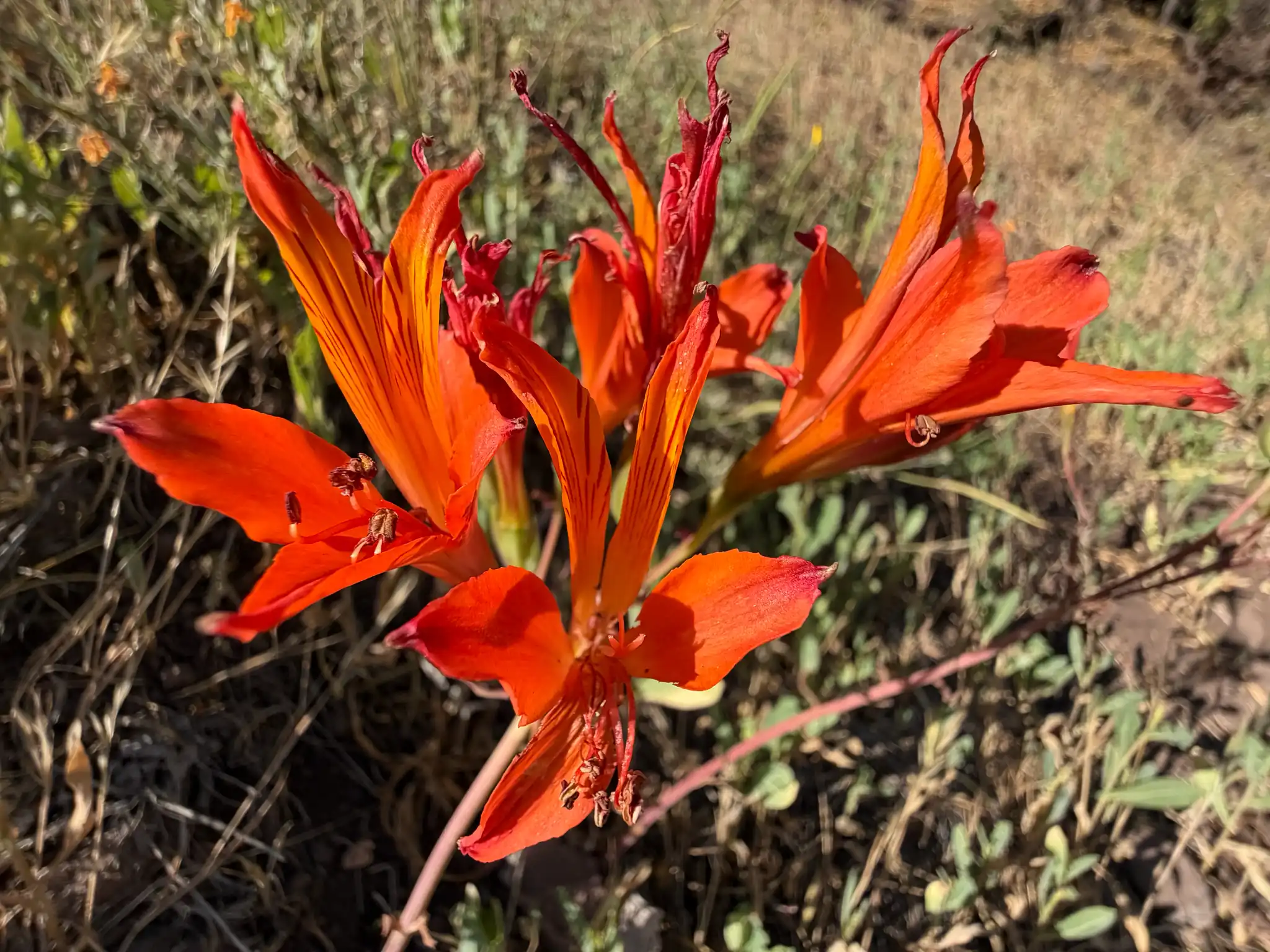
Alstroemeria ligtu is an upright, clump-forming herbaceous perennial native to the Chilean Andes, characterized by leafy, unbranched stems and fleshy, tuberous roots. The narrow, lance-shaped leaves uniquely twist at the base to present their lower surfaces upward, while terminal clusters of tubular, flared pink or pastel flowers open in late spring.
Unlike compact hybrid cultivars bred for pots, this wild species grows significantly taller and exhibits a looser, more naturalistic habit. The nectar-rich blossoms feature delicate dark streaks on the inner petals and are highly attractive to hummingbirds and generalist insect pollinators.
Uses & Benefits:
Essentials
At a Glance
Plant Type
Perennial
Height
39"
Width
24"
Light
Full Sun, Partial Sun
Zones
8, 9, 10
Water
Moderate
Humidity
Moderate
Lifespan
Perennial
Native To
Chile
Toxicity
Mildly toxic to pets
Bloom period
Late spring – Early summer
In flower about 2 months of the year
Planting
How to Grow
- Select a planting site with gritty, sandy, well-draining soil in full sun to partial shade.
- Dig a hole twice the width of the root mass and plant tubers 6 to 8 inches deep to protect them from winter freezes.
- Water regularly during the active spring growing season to establish a deep, resilient root system.
- Apply a thick layer of organic mulch in late fall to insulate the underground rhizomes in colder zones.
Pro Tip
Pull spent flowering stems cleanly from the base rather than shearing them back; pulling stimulates the rhizome to produce fresh growth, whereas cutting into old stems leaves unsightly stubs.
Keep It Thriving
Care Guide
Do
- Plant in highly permeable, sandy soil to prevent winter tuber rot.
- Provide regular moisture during the active spring growing and flowering period.
- Clear away dead foliage and debris in late winter to maintain garden hygiene.
Don't
- Do not plant in heavy clay or poorly drained soils that collect standing water.
- Do not shear the plant mid-season; pull spent stems cleanly from the rhizome instead.
- Avoid overhead watering to minimize the risk of botrytis blight on foliage.
Seasonal Care Calendar
| Task | Jan | Feb | Mar | Apr | May | Jun | Jul | Aug | Sep | Oct | Nov | Dec |
|---|---|---|---|---|---|---|---|---|---|---|---|---|
| Divide | ||||||||||||
| Fertilize | ||||||||||||
| Prune | ||||||||||||
| Winter Prep |
Watch Out For
Pests & Diseases
Common Pests
Common Diseases
In the Garden
Landscape Uses & Companions
Landscape Uses
Multiply
Propagation Methods
Good to Know
Common Questions
Ligtu Lily questions
What zones can Ligtu Lily grow in?
Ligtu Lily is hardy in USDA Zones 8–10. Inside that range it survives winter in the ground; outside it, grow it as an annual or a container plant you protect.
Is Ligtu Lily deer resistant?
Not reliably. Deer may browse Ligtu Lily, especially tender spring growth — plan on repellents or fencing where pressure is high.
When does Ligtu Lily bloom?
Ligtu Lily typically blooms in late spring through early summer. Exact timing shifts a week or two with your zone — Sow's bloom calendar maps it to your garden.
Does Ligtu Lily need full sun?
Ligtu Lily does best in full sun to part shade. In hot climates, afternoon shade keeps blooms fresher longer.
Is Ligtu Lily drought tolerant?
Yes — once established (usually after the first full season), Ligtu Lily handles dry spells with minimal watering. Water deeply its first year to build the root system that makes that possible.
More Alstroemeria to compare
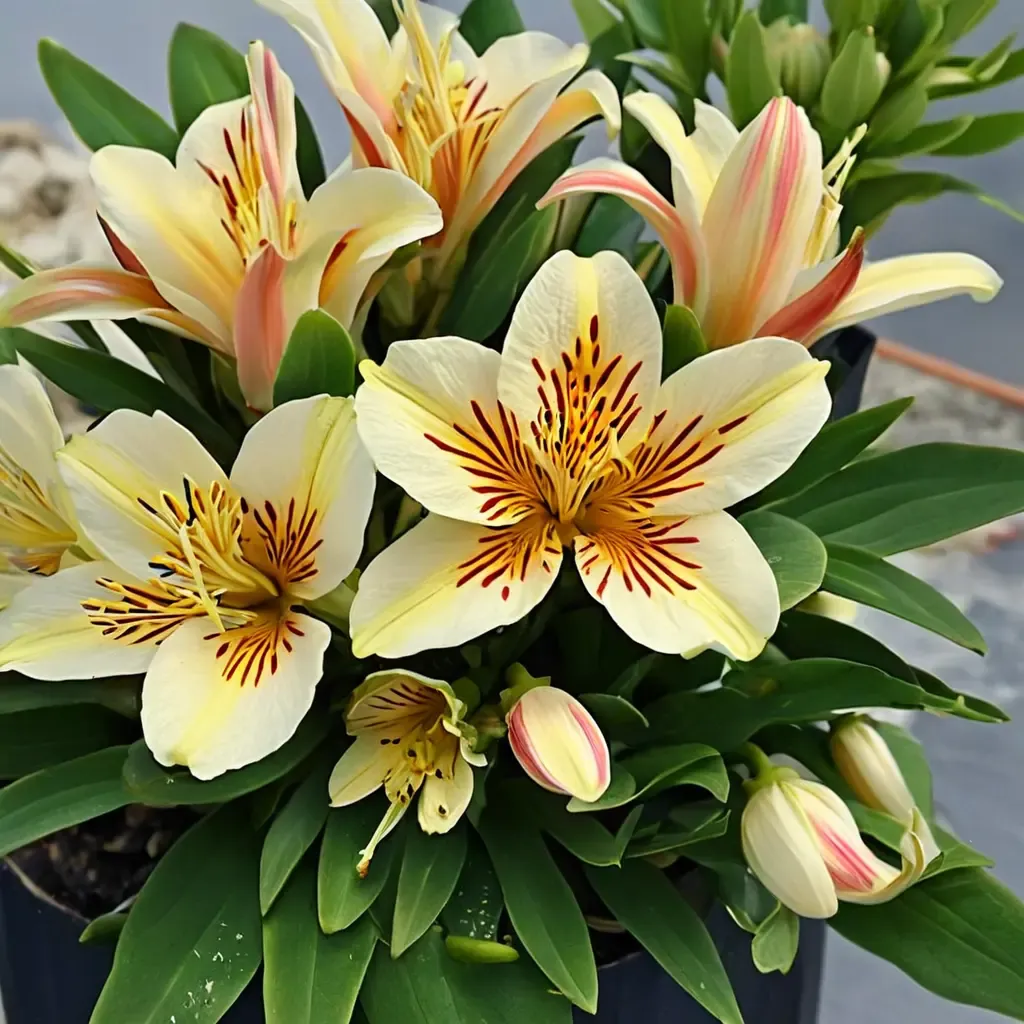
Inca Sundance Alstroemeria
Alstroemeria x hybrida 'Inca Sundance'
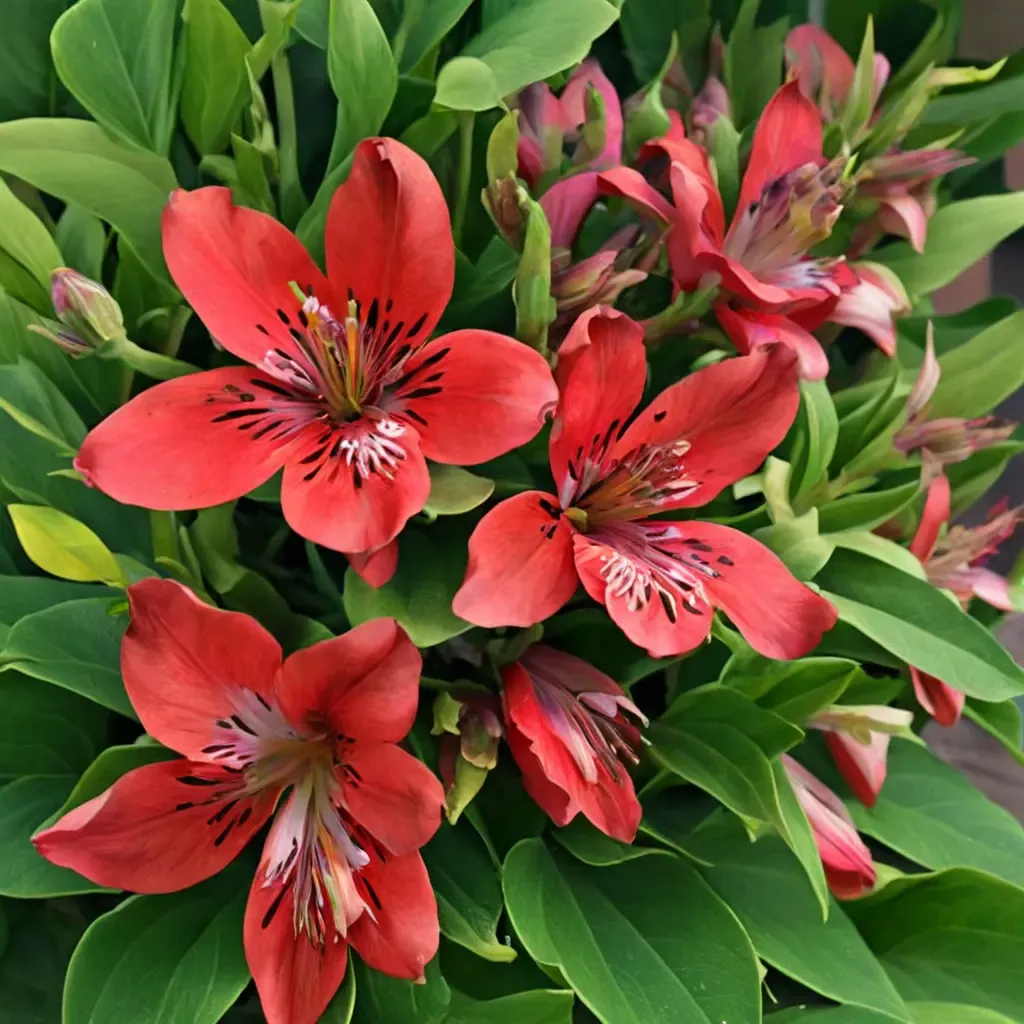
Inca Lolly Peruvian Lily
Alstroemeria x hybrida 'Inca Lolly'
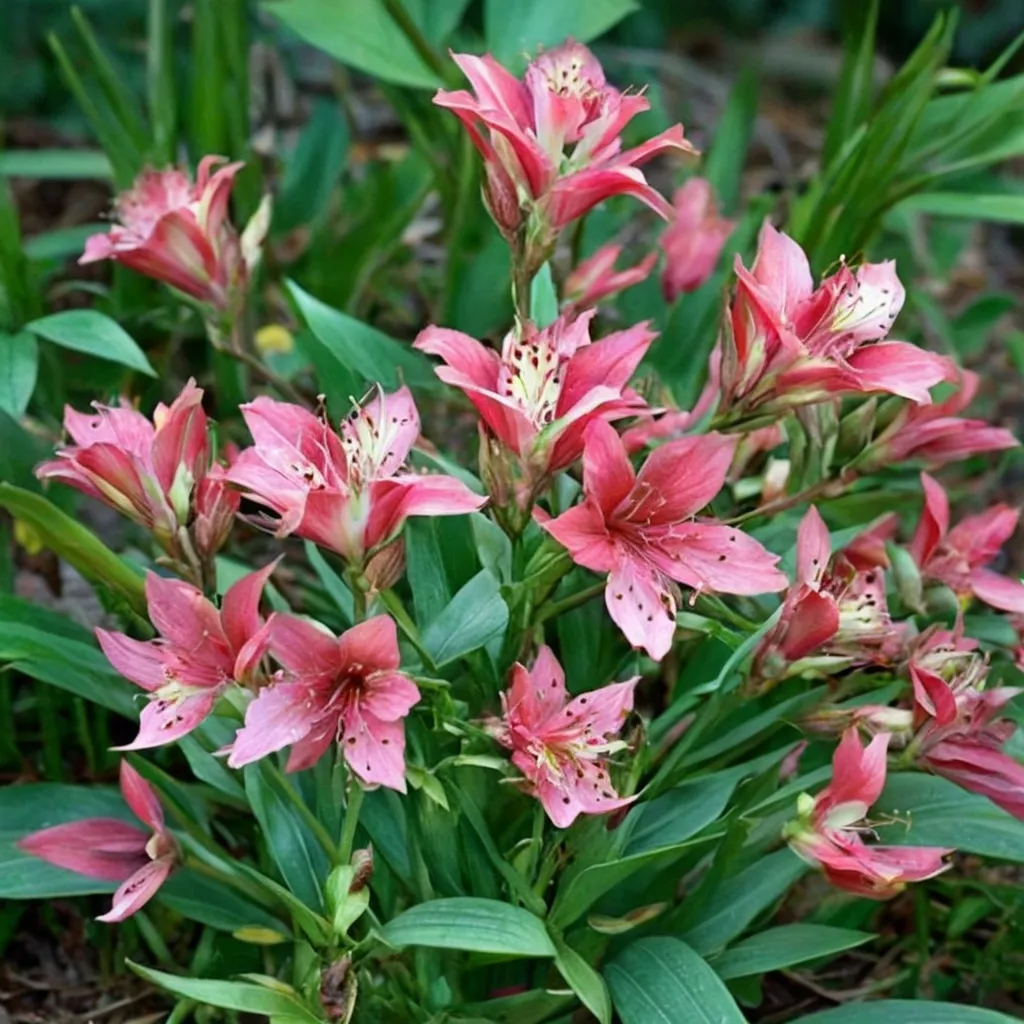
Peruvian Lily Freedom
Alstroemeria x hybrida 'Freedom'
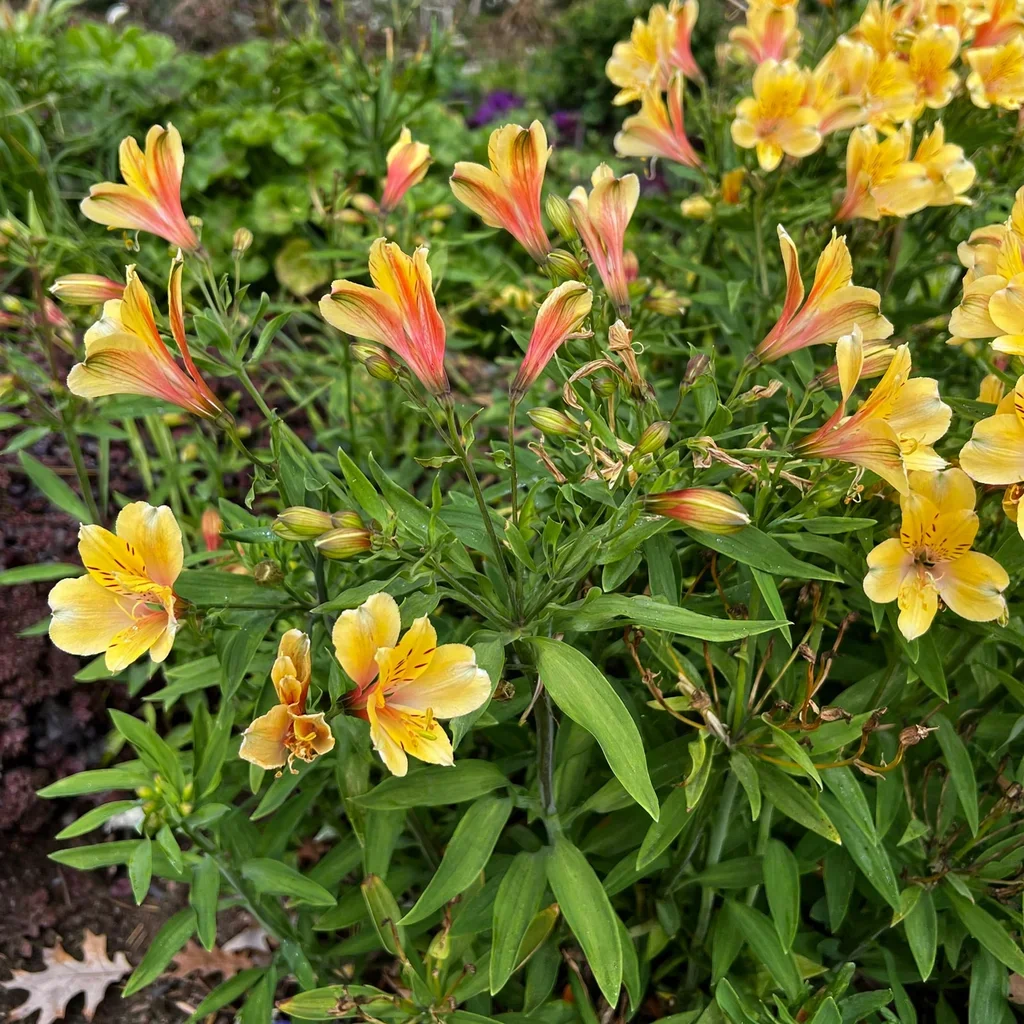
Golden Tiara Peruvian Lily
Alstroemeria x hybrida 'Golden Tiara'
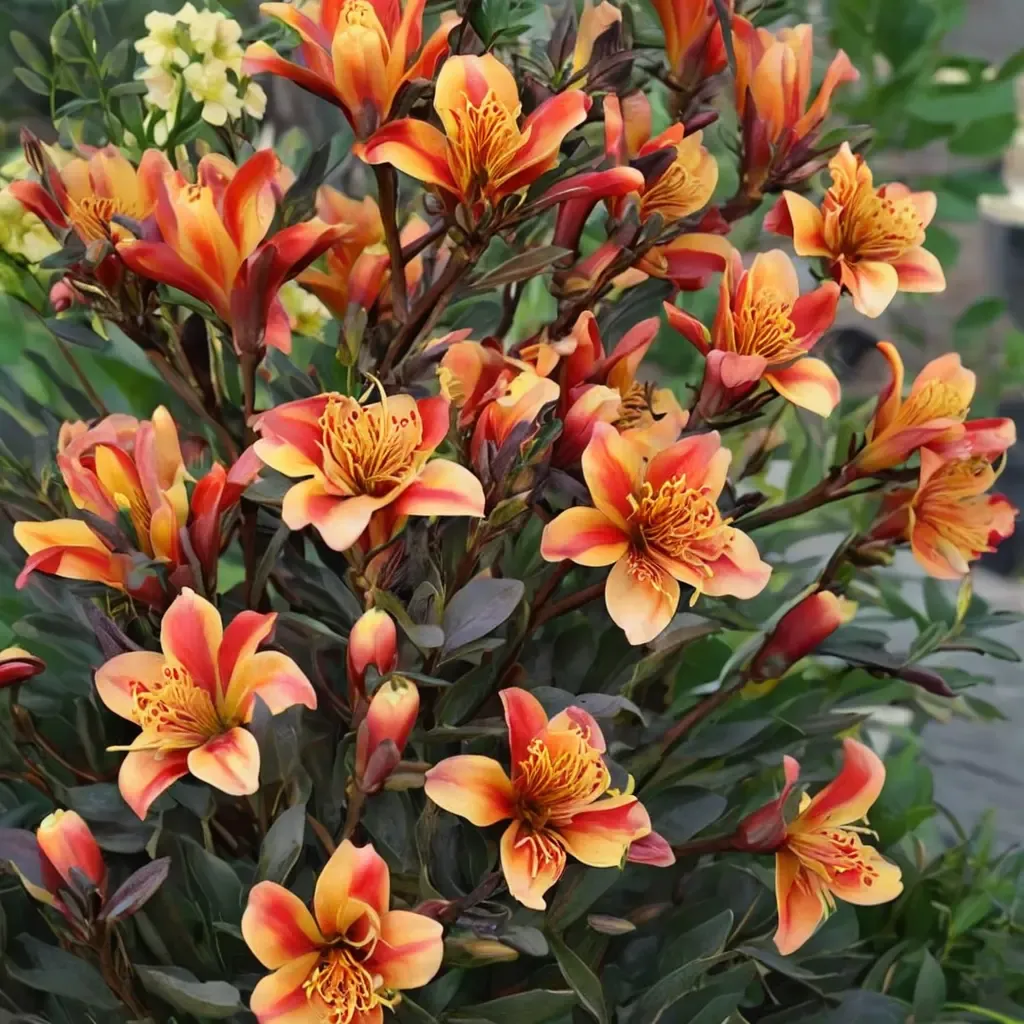
Indian Summer Peruvian Lily
Alstroemeria x hybrida 'Indian Summer'
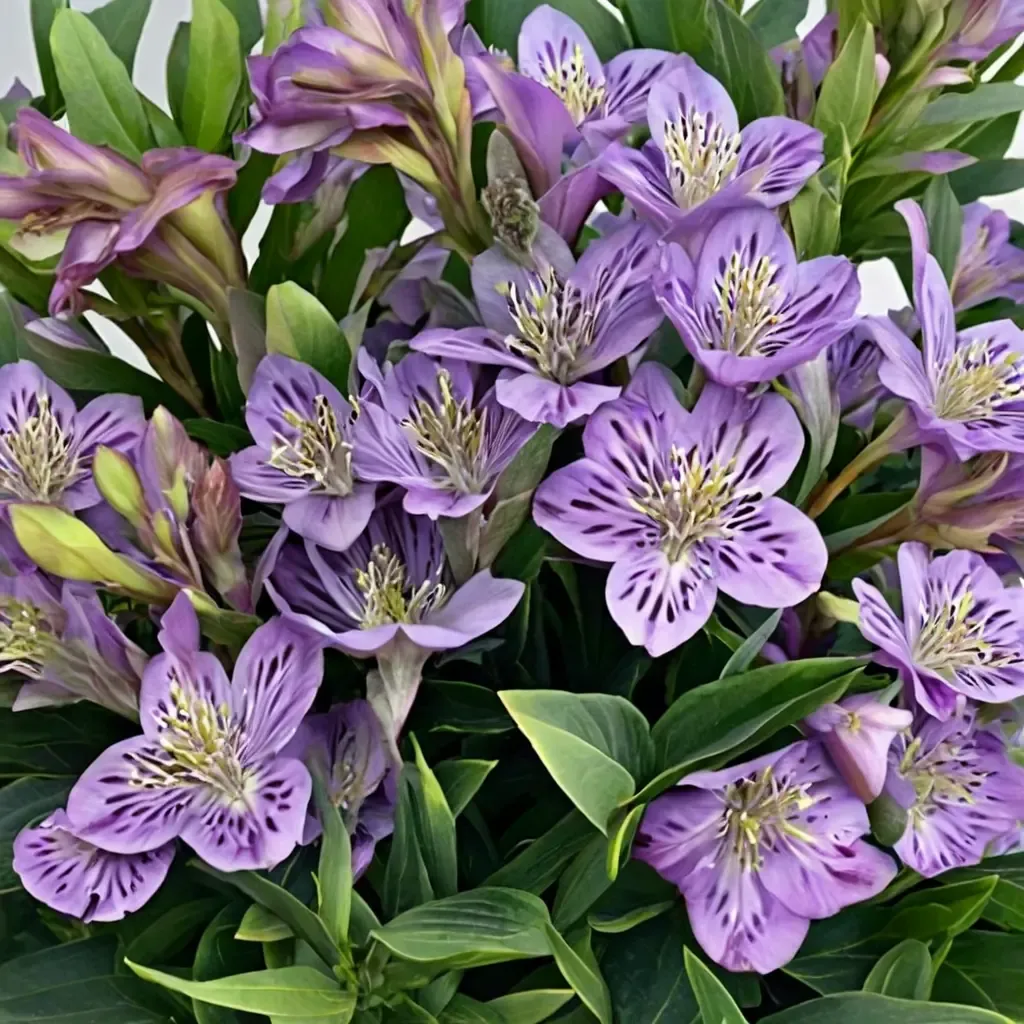
Inca Ocean Lily Peruvian Lily
Alstroemeria x hybrida 'Inca Ocean'
Keep exploring
Explore the genus
Hardy in your zone?
Grow Ligtu Lily with confidence
See it in a design of your actual yard, get zone-matched care reminders, and track it season by season in your garden journal.