


The Story
Plant Bio
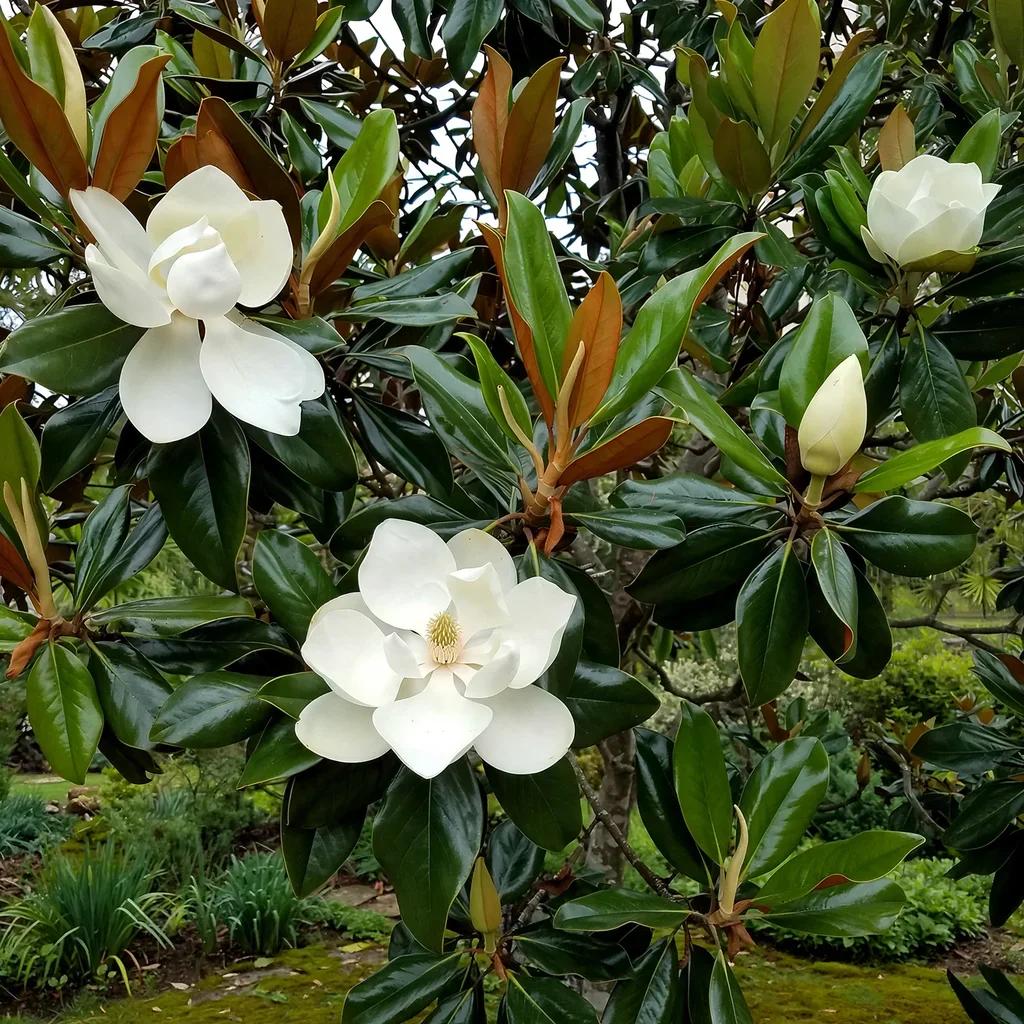
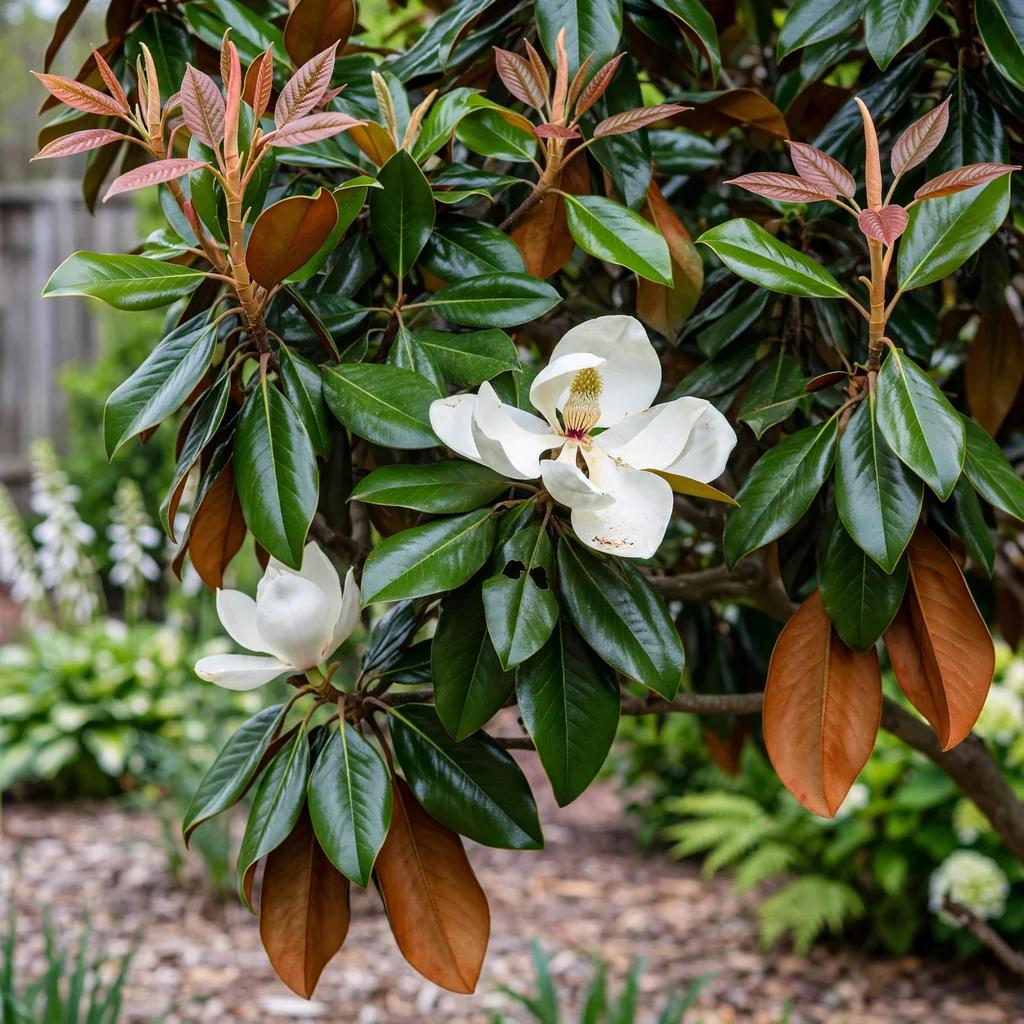
Magnolia grandiflora, the Southern magnolia, is a broadleaf evergreen tree native to the southeastern United States, known for its large glossy leaves and fragrant white blossoms. In the wild, it forms a massive canopy and thrives in moist, rich, well-drained soils along the coastal plain.
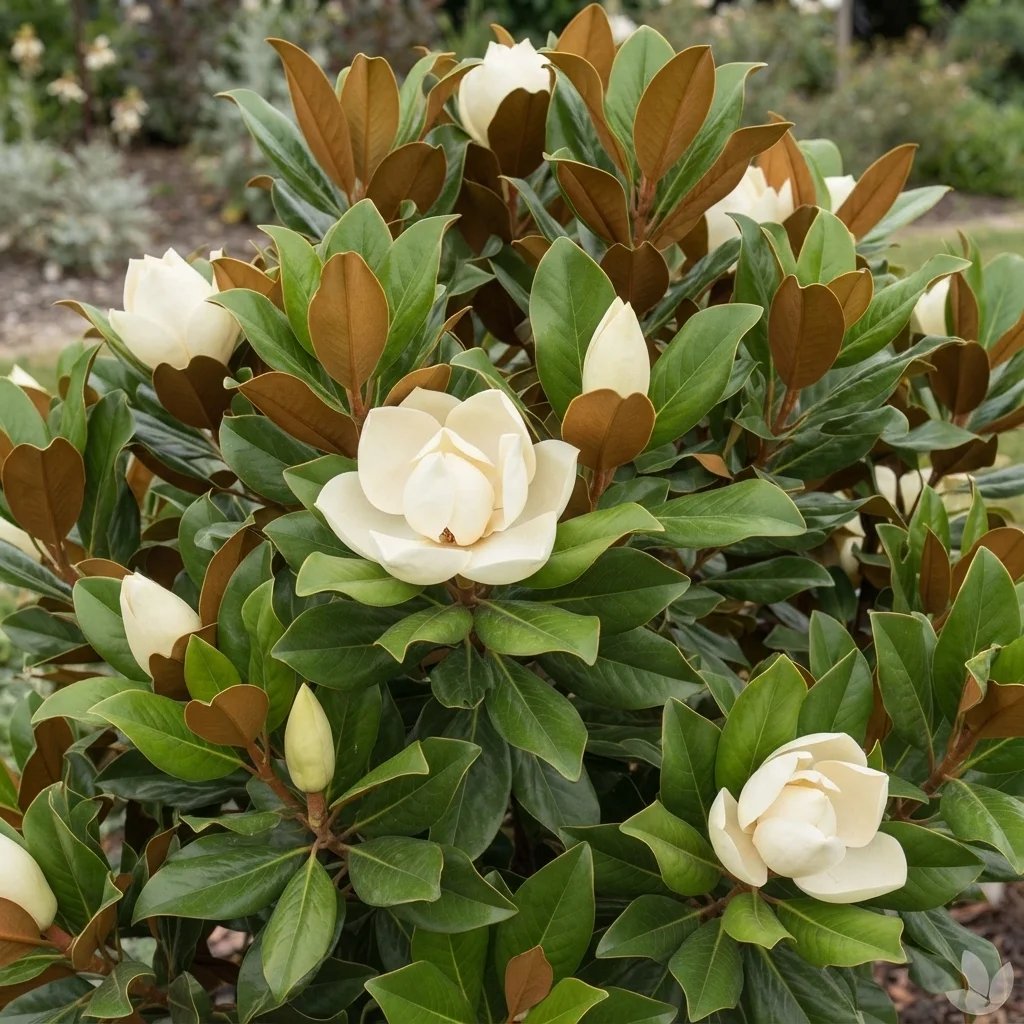
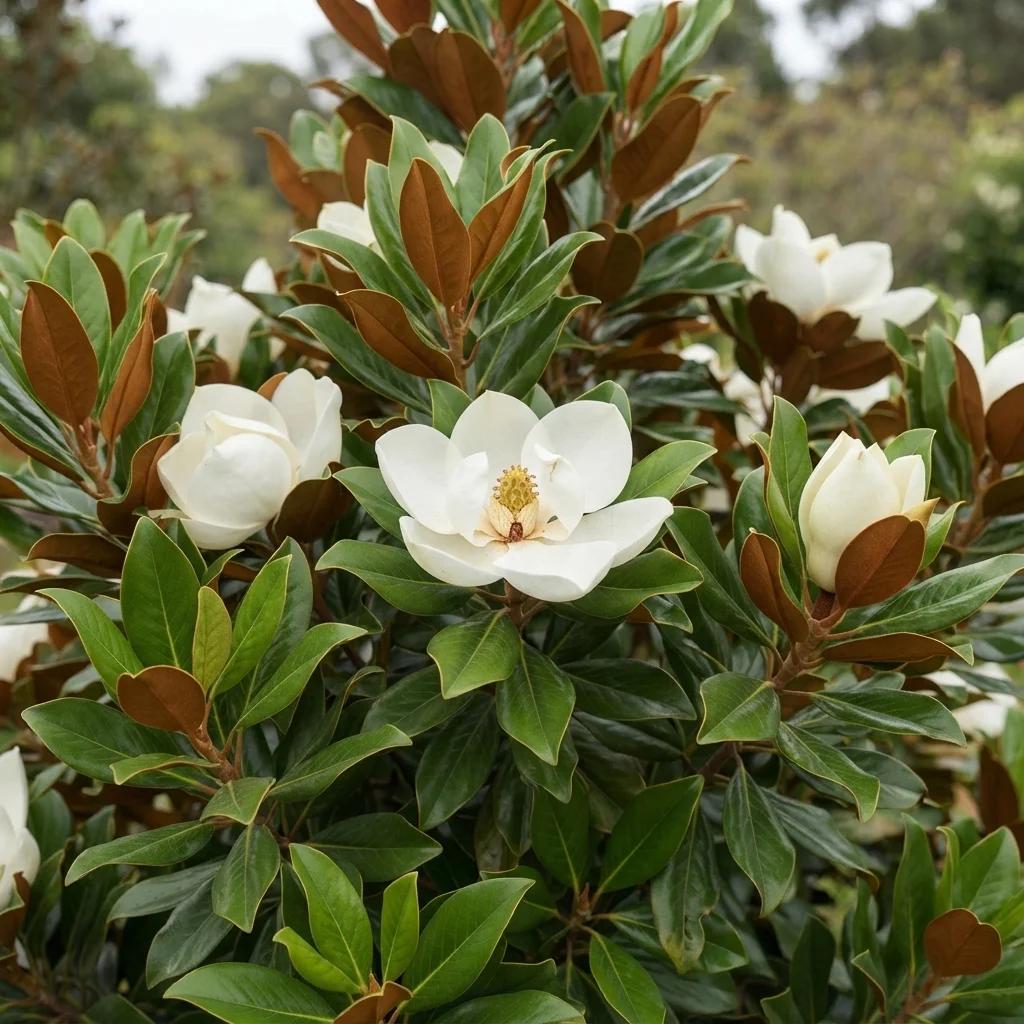
'Southern Charm', widely marketed under the trade name 'Teddy Bear', is a compact, narrow pyramidal cultivar that reaches only 15 to 20 feet tall with a dense, formal habit. The leathery leaves feature a striking, velvety, rust-colored indumentum on their undersides, and the plant produces large, cup-shaped, fragrant white flowers from late spring through summer.
Uses & Benefits:
Essentials
At a Glance
Plant Type
Tree
Height
240"
Width
144"
Light
Full Sun, Partial Sun
Zones
7, 8, 9
Water
Medium
Humidity
High
Lifespan
Long-lived
Native To
North America
Toxicity
Non-toxic
Bloom period
Late spring – Summer
In flower about 4 months of the year
Marketplace
Where to Buy
Shipping costs Year-round shipping Free shipping
Planting
How to Grow
- Select a planting site in full sun to partial shade with deep, organically rich, well-draining soil.
- Dig a hole twice as wide as the root ball but no deeper, ensuring the top of the root flare sits slightly above the surrounding soil grade.
- Backfill with native soil, water deeply to settle, and apply a 3-inch layer of organic mulch around the root zone, keeping it clear of the trunk.
- Provide deep weekly irrigation during the first two growing seasons to establish a deep root system, tapering off once established.
Pro Tip
Plant in a raised mound if your soil contains heavy clay, as poor drainage triggers fatal Phytophthora root rot. Avoid pruning hard into old, leafless wood, which lacks active buds and fails to regenerate.
Keep It Thriving
Care Guide
Do
- Mulch annually to conserve soil moisture and protect the shallow root system.
- Water deeply during extended dry spells, especially in the first three years.
- Prune lightly immediately after the summer flowering flush to maintain shape.
Don't
- Do not plant in low-lying areas prone to standing water or heavy, waterlogged clay.
- Do not prune heavily into old, bare wood, as it will not reliably sprout new growth.
- Do not over-fertilize with high-nitrogen feeds, which produces weak, frost-susceptible growth.
Seasonal Care Calendar
| Task | Jan | Feb | Mar | Apr | May | Jun | Jul | Aug | Sep | Oct | Nov | Dec |
|---|---|---|---|---|---|---|---|---|---|---|---|---|
| Fertilize | ||||||||||||
| Mulch | ||||||||||||
| Pest Check | ||||||||||||
| Prune |
Watch Out For
Pests & Diseases
Common Pests
Common Diseases
In the Garden
Landscape Uses & Companions
Landscape Uses
Multiply
Propagation Methods
Good to Know
Common Questions
Teddy Bear Southern Magnolia questions
What zones can Teddy Bear Southern Magnolia grow in?
Teddy Bear Southern Magnolia is hardy in USDA Zones 7–9. Inside that range it survives winter in the ground; outside it, grow it as an annual or a container plant you protect.
When does Teddy Bear Southern Magnolia bloom?
Teddy Bear Southern Magnolia typically blooms in late spring through summer. Exact timing shifts a week or two with your zone — Sow's bloom calendar maps it to your garden.
Does Teddy Bear Southern Magnolia need full sun?
Teddy Bear Southern Magnolia does best in full sun to part shade. In hot climates, afternoon shade keeps blooms fresher longer.
Is Teddy Bear Southern Magnolia drought tolerant?
Yes — once established (usually after the first full season), Teddy Bear Southern Magnolia handles dry spells with minimal watering. Water deeply its first year to build the root system that makes that possible.
More Magnolia to compare
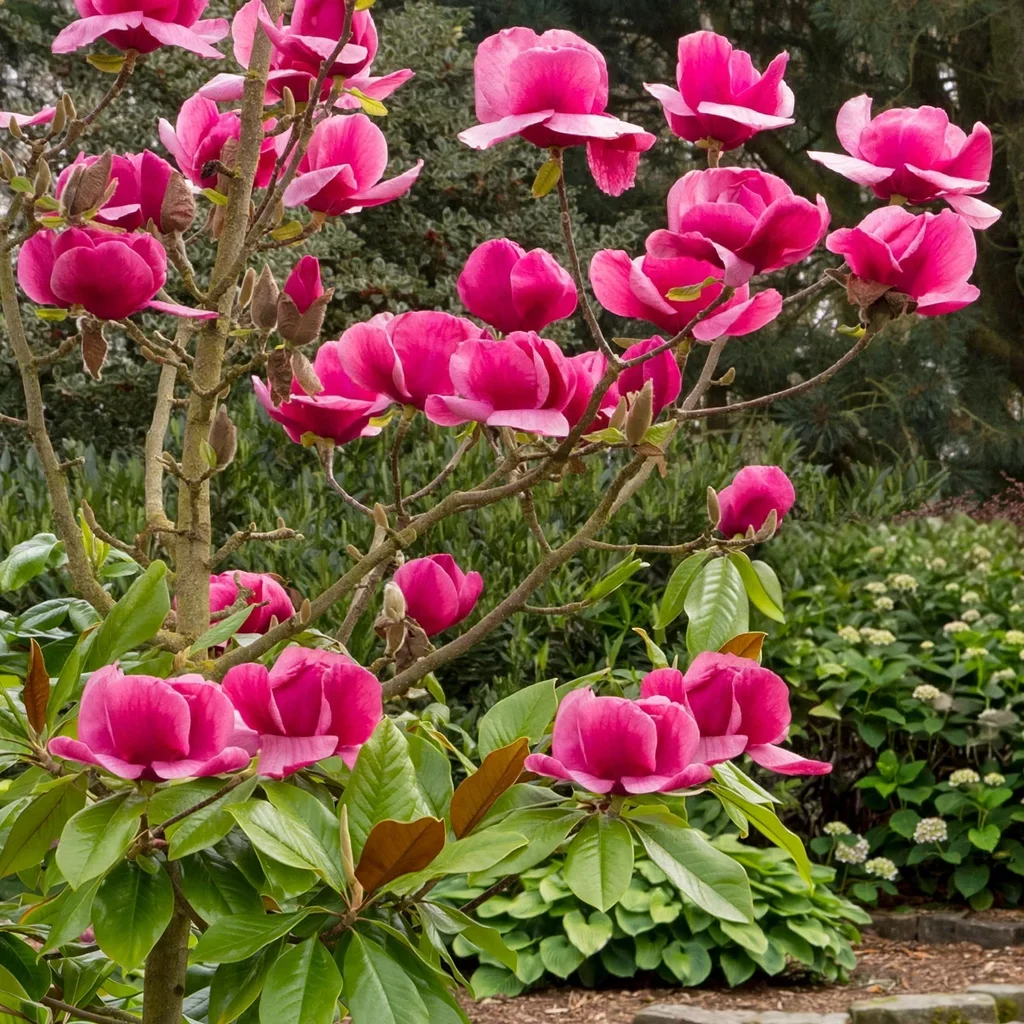
Felix Magnolia
Magnolia grandiflora 'Felix'
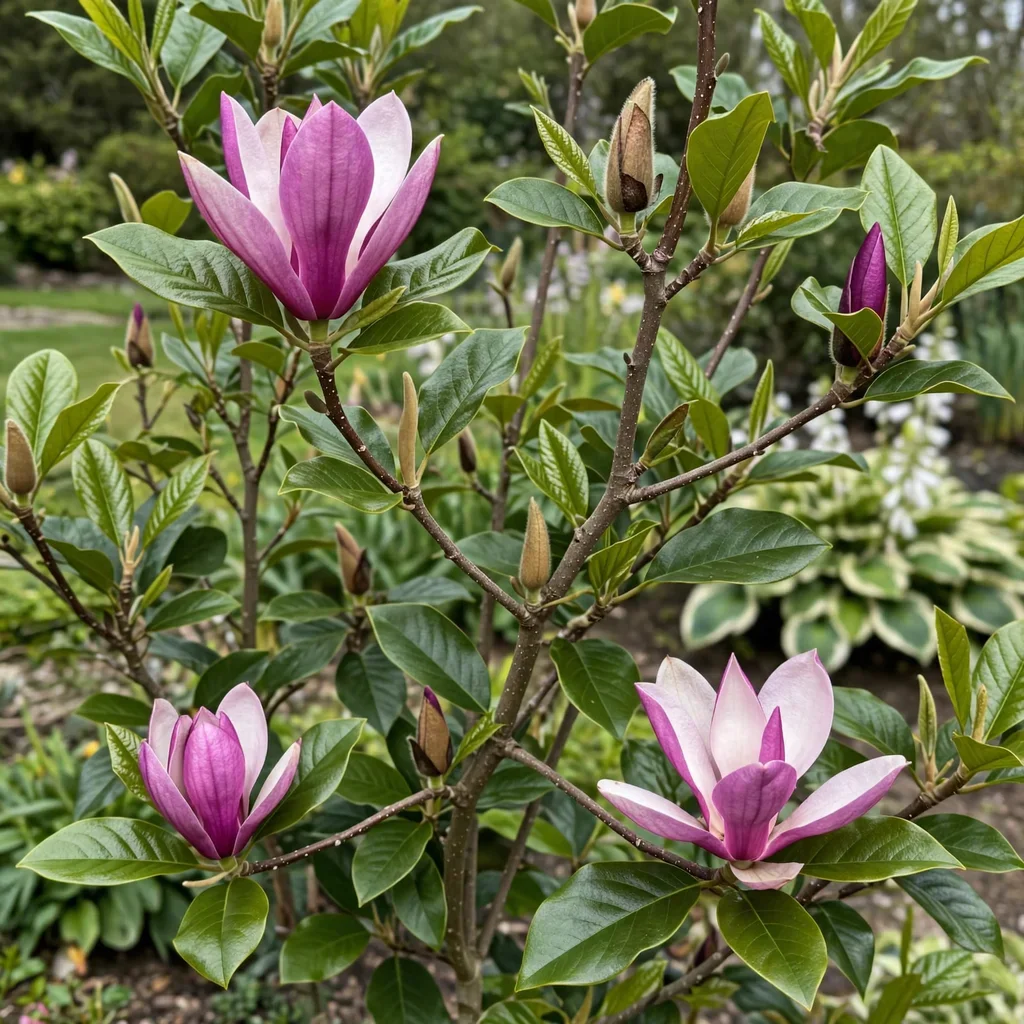
Saucer Magnolia Ann
Magnolia x soulangeana 'Ann'
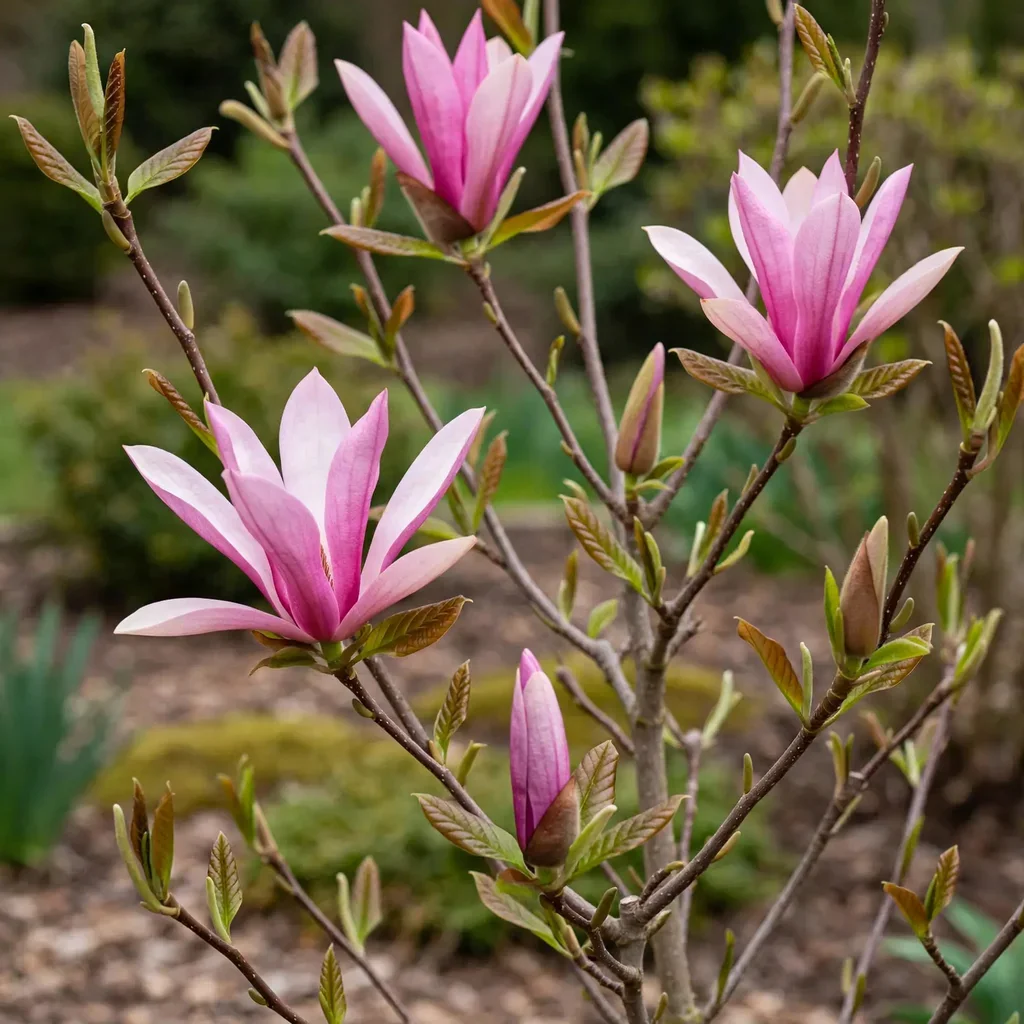
Daybreak Loebner Magnolia
Magnolia stellata 'Daybreak'
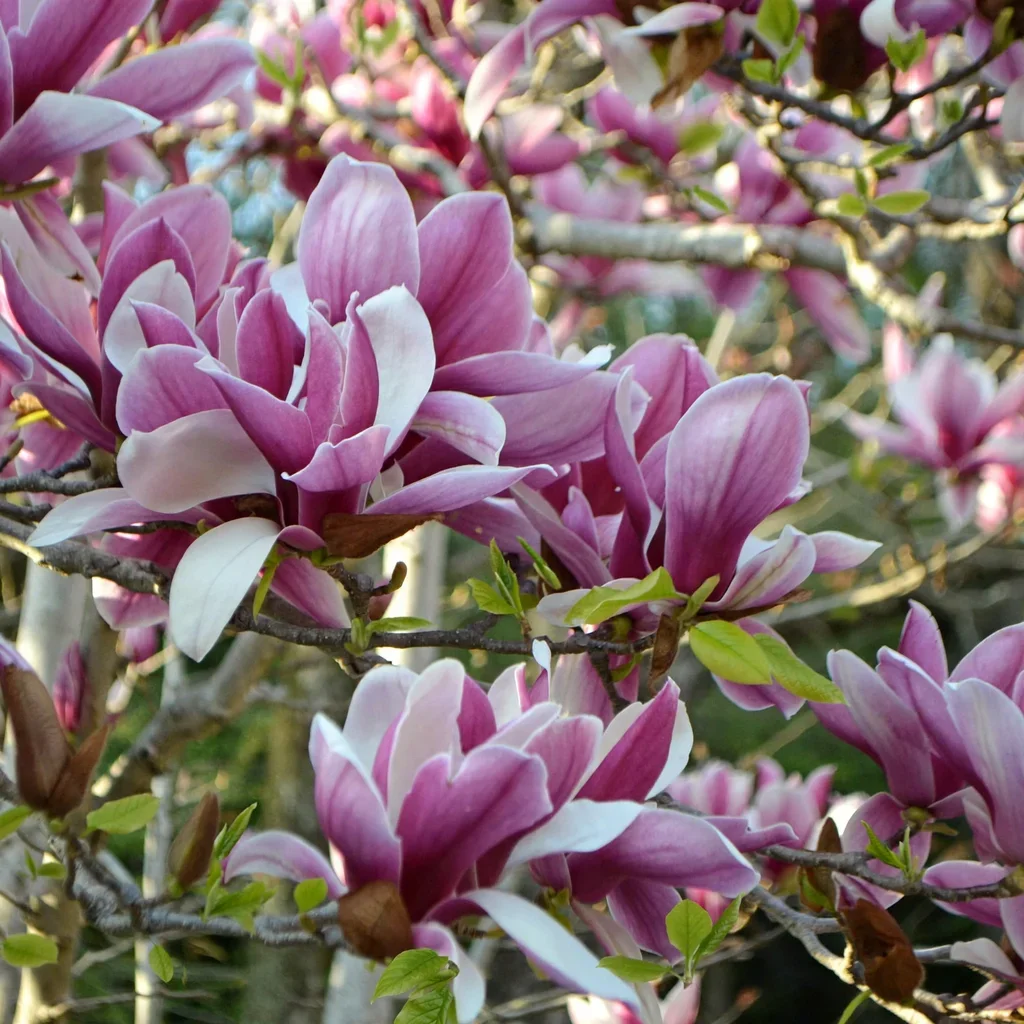
Coppertallica Saucer Magnolia
Magnolia x soulangeana 'Coppertallica'
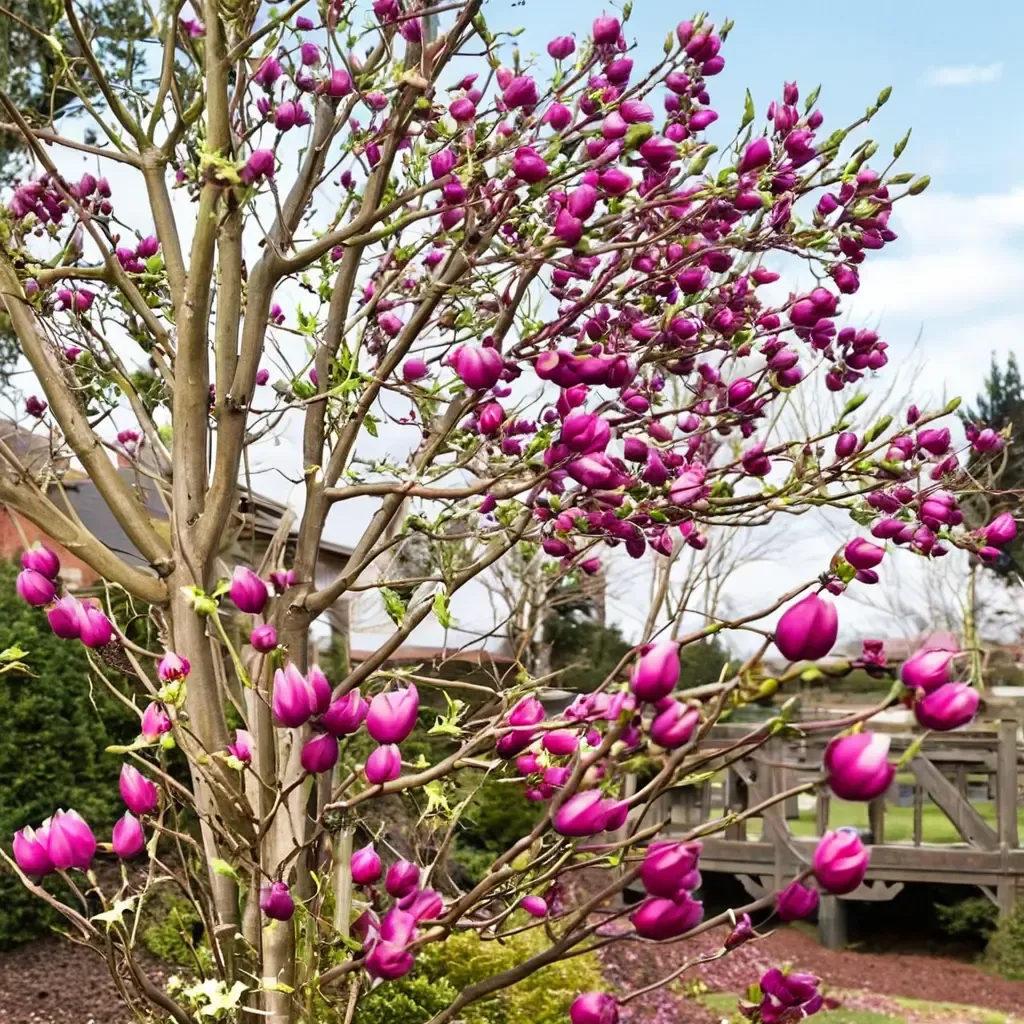
Black Tulip Magnolia
Magnolia x soulangeana 'Black Tulip'
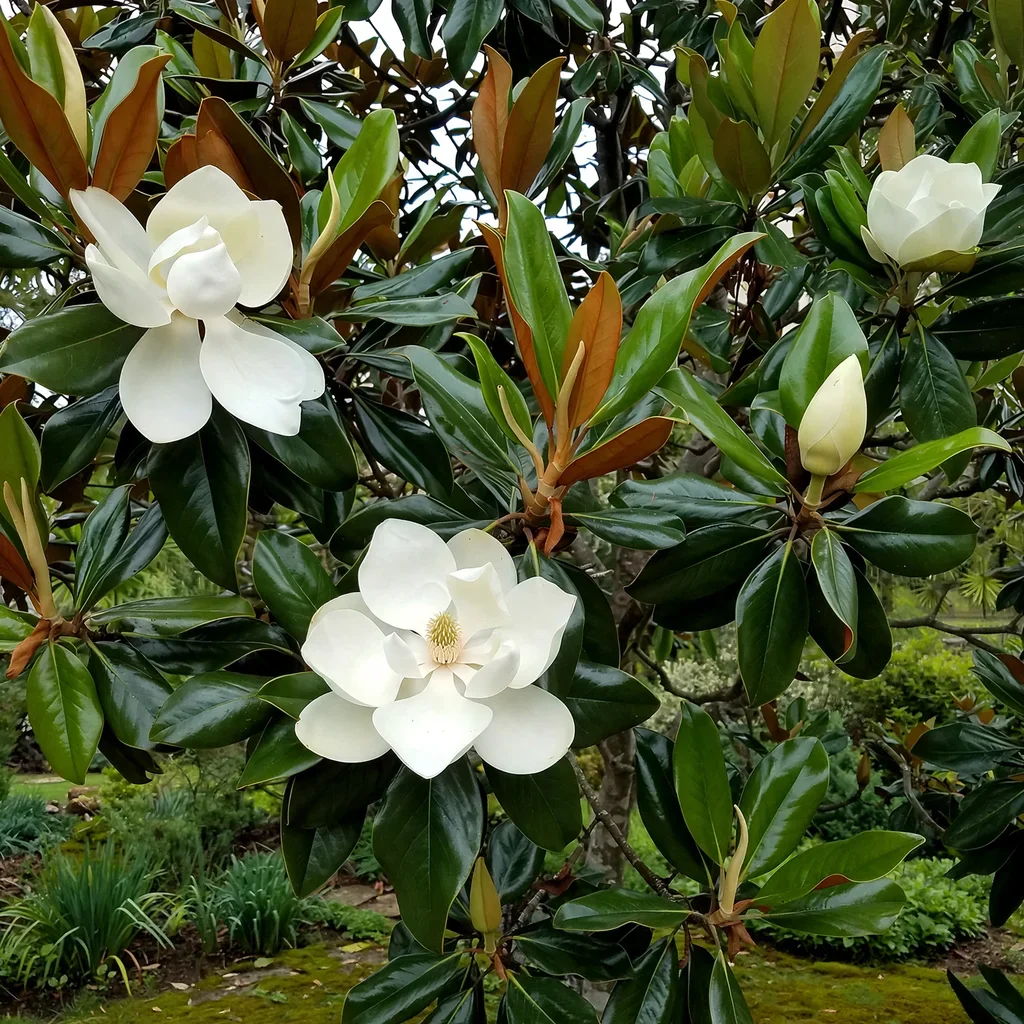
Southern Magnolia
Magnolia grandiflora
Keep exploring
Explore the genus
Hardy in your zone?
Grow Teddy Bear Southern Magnolia with confidence
See it in a design of your actual yard, get zone-matched care reminders, and track it season by season in your garden journal.