


The Story
Plant Bio
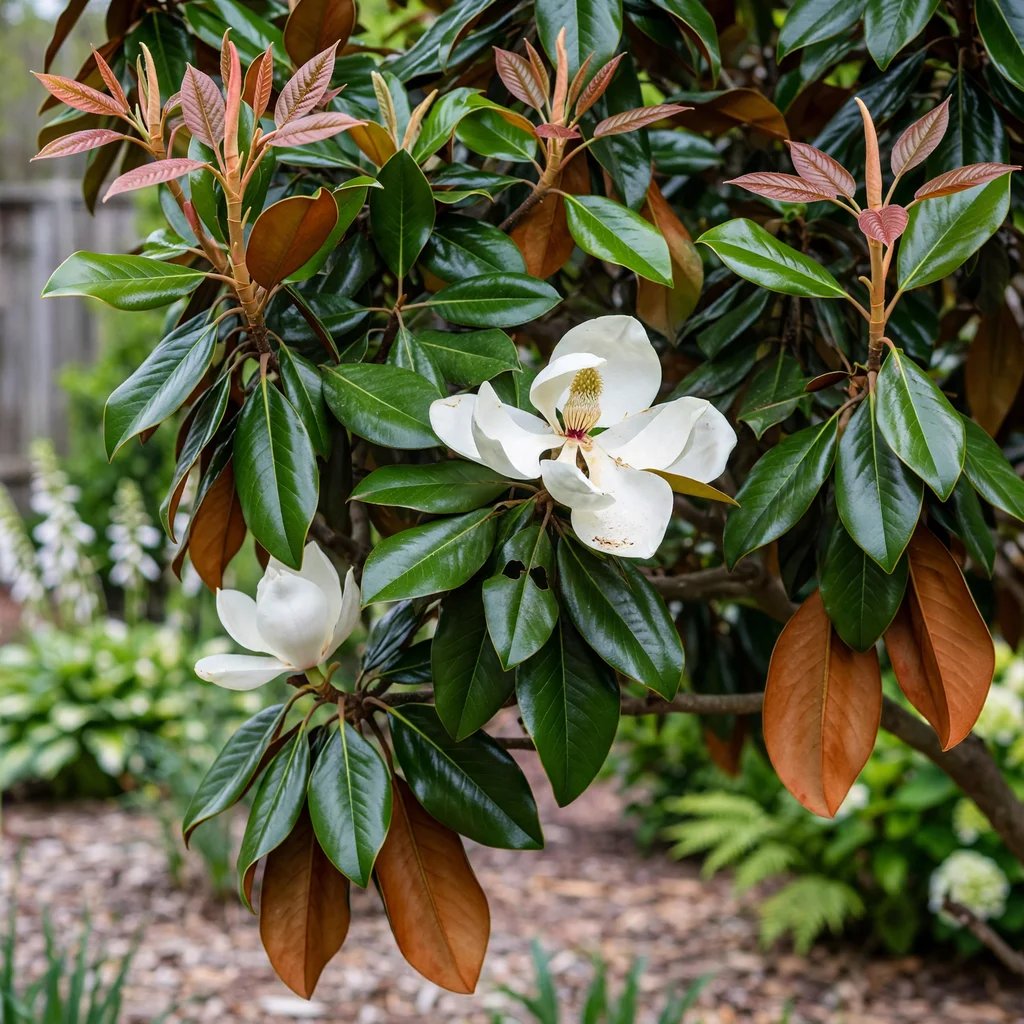
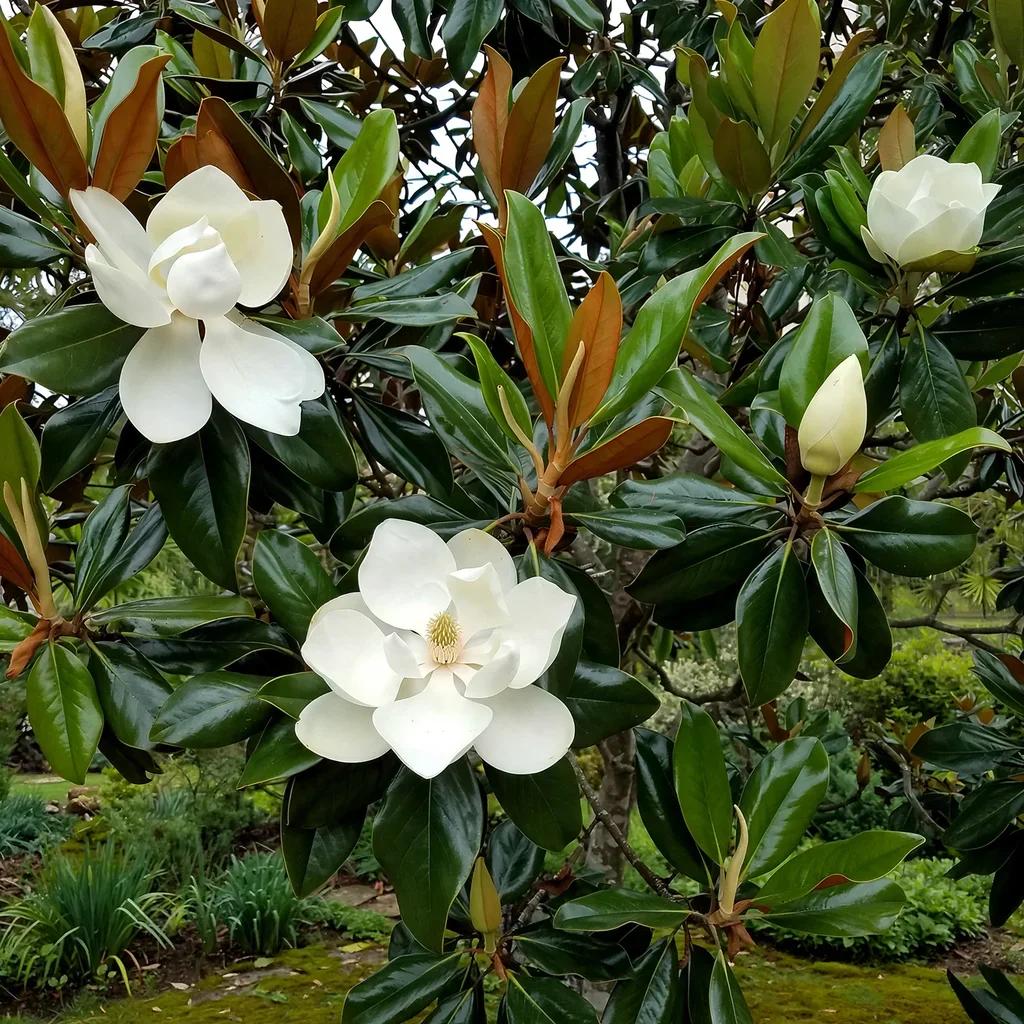
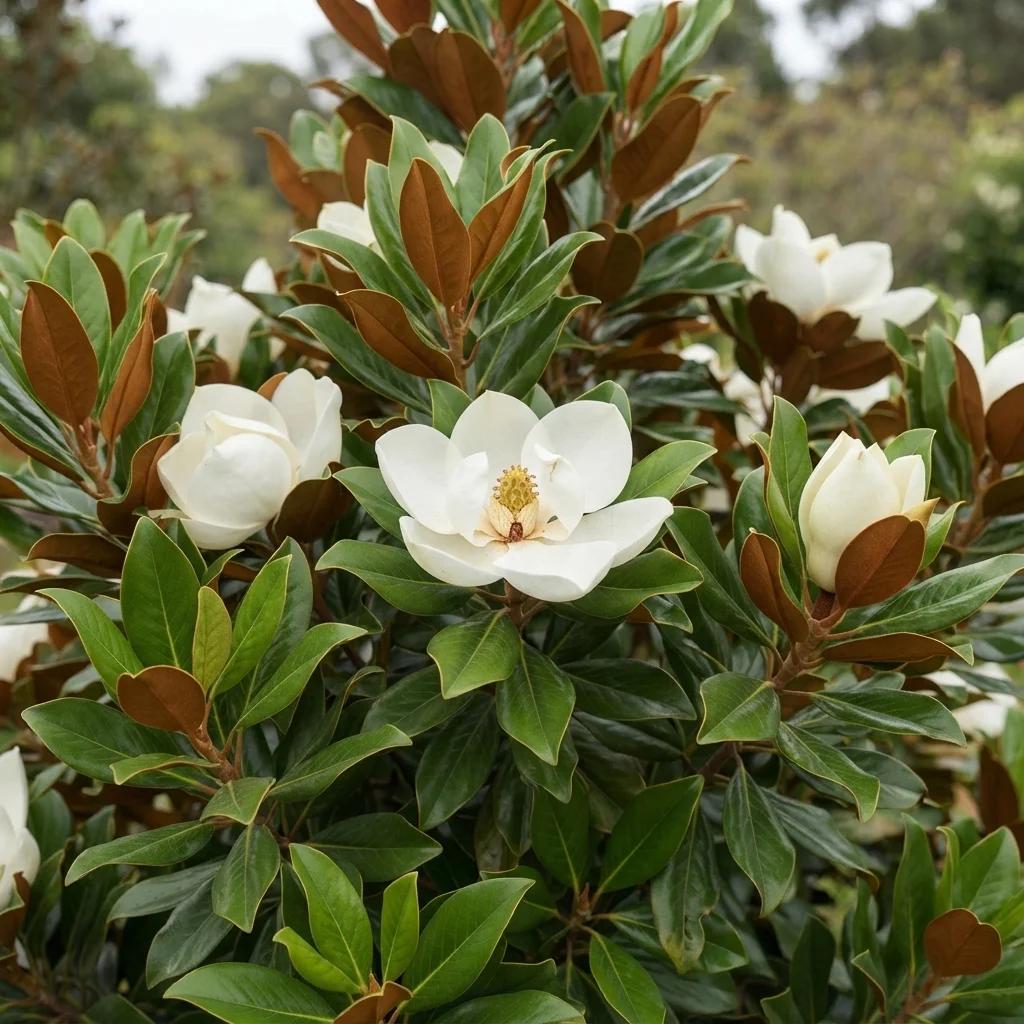
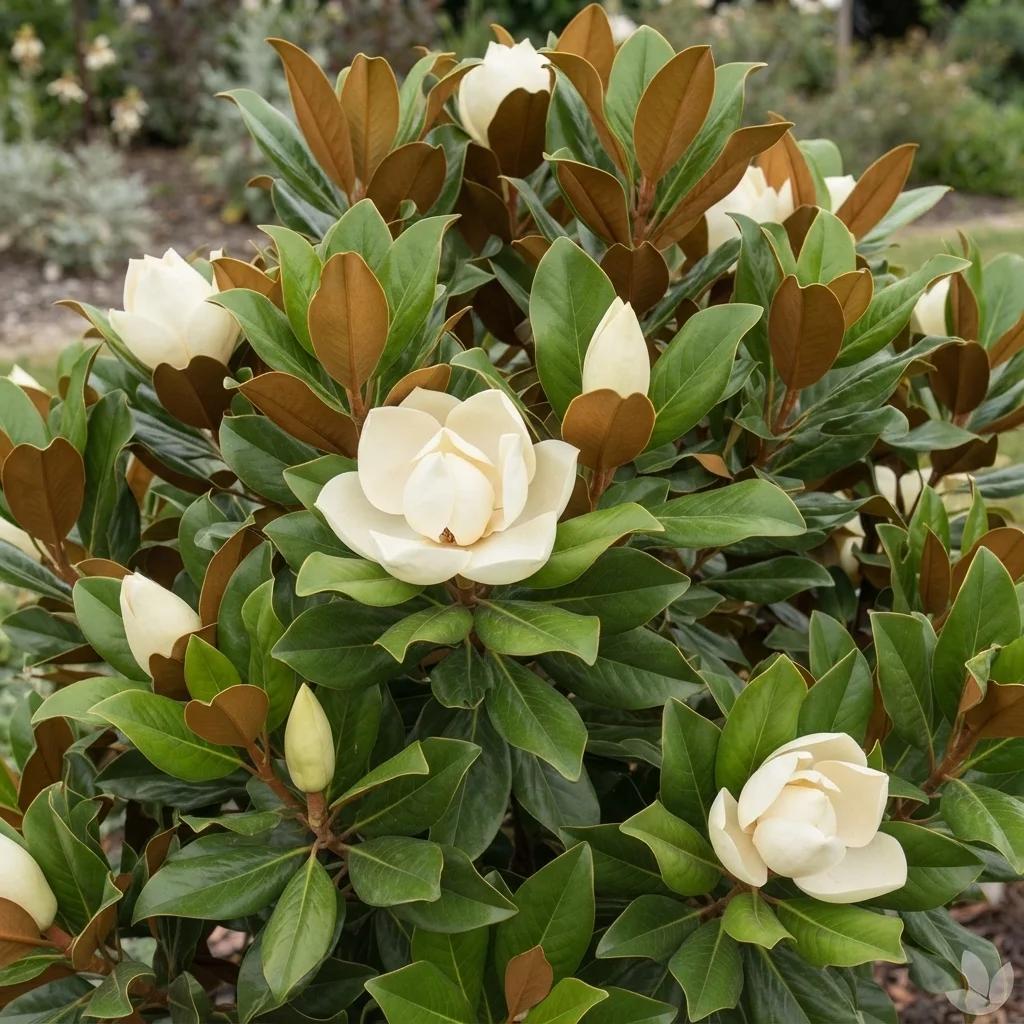
Magnolia grandiflora, the southern magnolia, is a dense broadleaf evergreen tree native to the coastal plains of the southeastern United States, where it grows in moist, organic soils. The species is characterized by its large, leathery leaves with glossy upper surfaces and cup-shaped, highly fragrant white flowers that open from late spring through summer.
'Kay Parris' is a compact, tightly upright cultivar that reaches fifteen to twenty-five feet in height, making it suitable for smaller gardens and tight screens. Its undulating leaves feature a distinct, velvety orange-brown underside, and the new spring growth emerges with a bright pinkish flush.
Uses & Benefits:
Essentials
At a Glance
Plant Type
Tree
Height
300"
Width
120"
Light
Full Sun, Partial Sun
Zones
6, 7, 8, 9
Water
Medium
Humidity
High
Lifespan
Long
Native To
North America
Toxicity
Non-toxic
Bloom period
Late spring – Fall
In flower about 7 months of the year
Planting
How to Grow
- Select a planting site in full sun to partial shade with moist, organically rich, well-drained soil.
- Dig a hole twice as wide as the root ball but no deeper, ensuring the top of the root flare sits slightly above the surrounding soil level.
- Backfill with native soil, tamp down gently to remove air pockets, and water thoroughly to settle the ground.
- Apply a three-inch layer of organic mulch over the root zone, keeping it several inches away from the trunk to prevent rot.
Pro Tip
Never prune hard into old, leafless wood, as southern magnolias lack active latent buds in ancient timber and will fail to regenerate.
Keep It Thriving
Care Guide
Do
- Water regularly during the first two growing seasons to establish a deep, resilient root system.
- Apply a slow-release fertilizer formulated for acid-loving woody plants in early spring.
- Maintain a consistent mulch layer to retain soil moisture and protect the shallow roots from temperature extremes.
Don't
- Do not plant in low-lying areas prone to standing water or prolonged waterlogging.
- Do not prune heavily into old, bare wood, as it will not regenerate new growth.
- Do not allow young plants to dry out completely during extended hot, dry summer spells.
Seasonal Care Calendar
| Task | Jan | Feb | Mar | Apr | May | Jun | Jul | Aug | Sep | Oct | Nov | Dec |
|---|---|---|---|---|---|---|---|---|---|---|---|---|
| Fertilize | ||||||||||||
| Mulch | ||||||||||||
| Pest Check | ||||||||||||
| Prune |
Watch Out For
Pests & Diseases
Common Pests
Common Diseases
In the Garden
Landscape Uses & Companions
Landscape Uses
Companion Plants
Multiply
Propagation Methods
Good to Know
Common Questions
Southern Magnolia questions
What zones can Southern Magnolia grow in?
Southern Magnolia is hardy in USDA Zones 6–9. Inside that range it survives winter in the ground; outside it, grow it as an annual or a container plant you protect.
Is Southern Magnolia deer resistant?
Yes — Southern Magnolia is rated deer-resistant. Deer typically pass it over, though extreme hunger can override any plant's defenses.
When does Southern Magnolia bloom?
Southern Magnolia typically blooms in late spring through fall. Exact timing shifts a week or two with your zone — Sow's bloom calendar maps it to your garden.
Does Southern Magnolia need full sun?
Southern Magnolia does best in full sun to part shade. In hot climates, afternoon shade keeps blooms fresher longer.
Is Southern Magnolia drought tolerant?
Yes — once established (usually after the first full season), Southern Magnolia handles dry spells with minimal watering. Water deeply its first year to build the root system that makes that possible.
More Magnolia to compare
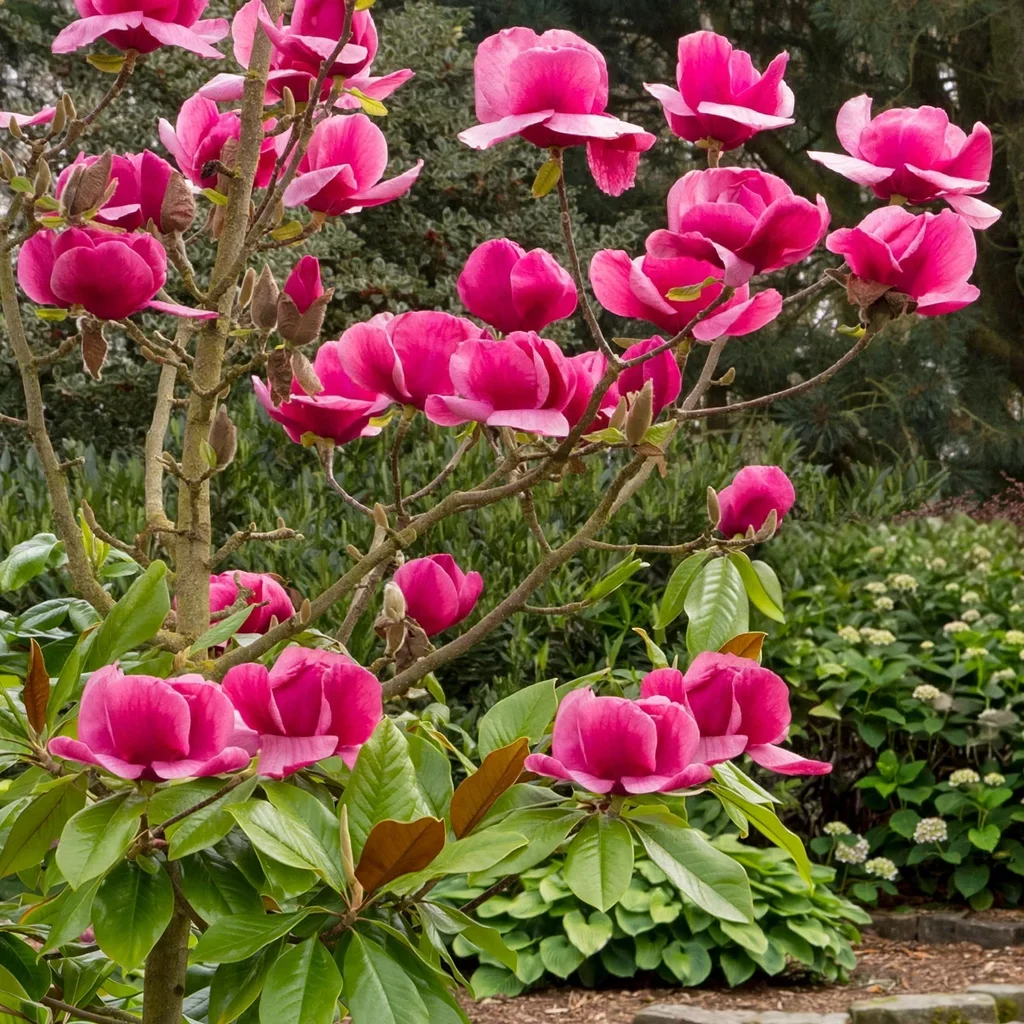
Felix Magnolia
Magnolia grandiflora 'Felix'
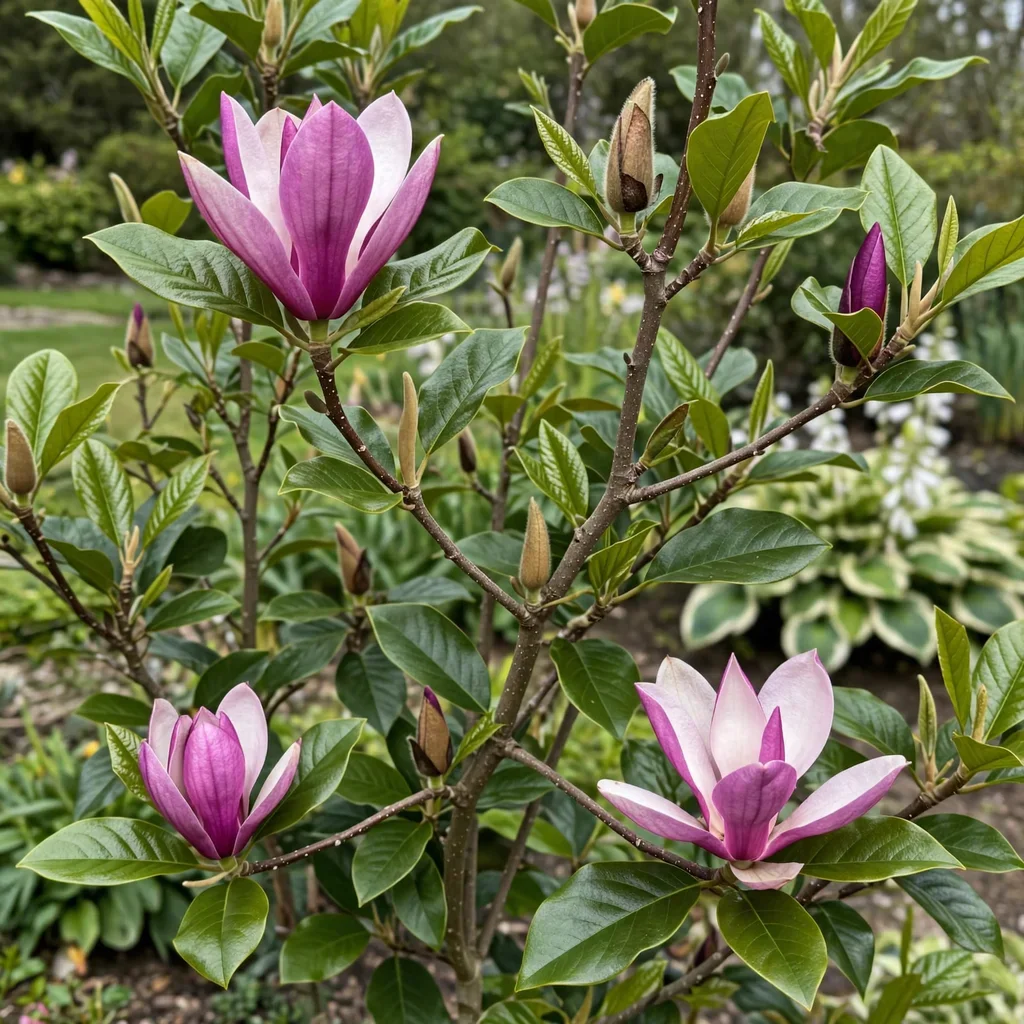
Saucer Magnolia Ann
Magnolia x soulangeana 'Ann'
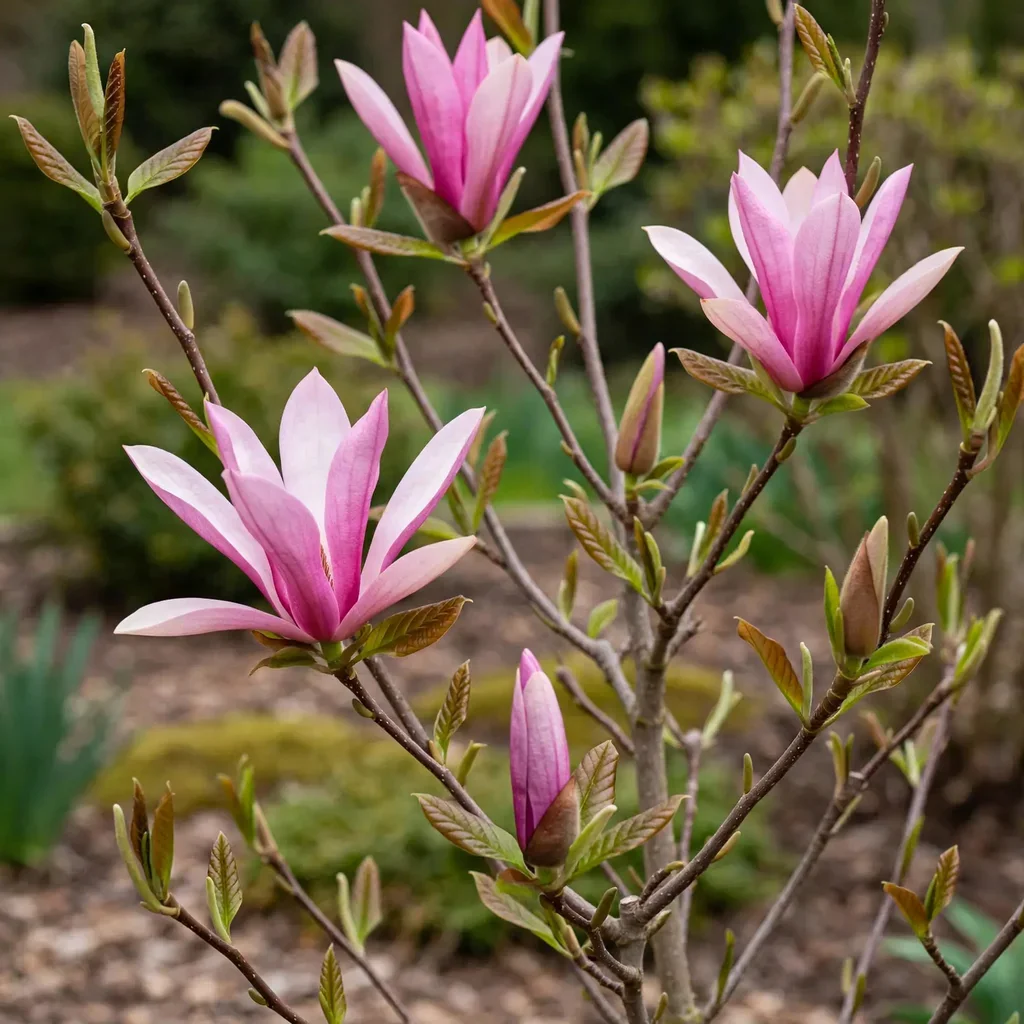
Daybreak Loebner Magnolia
Magnolia stellata 'Daybreak'
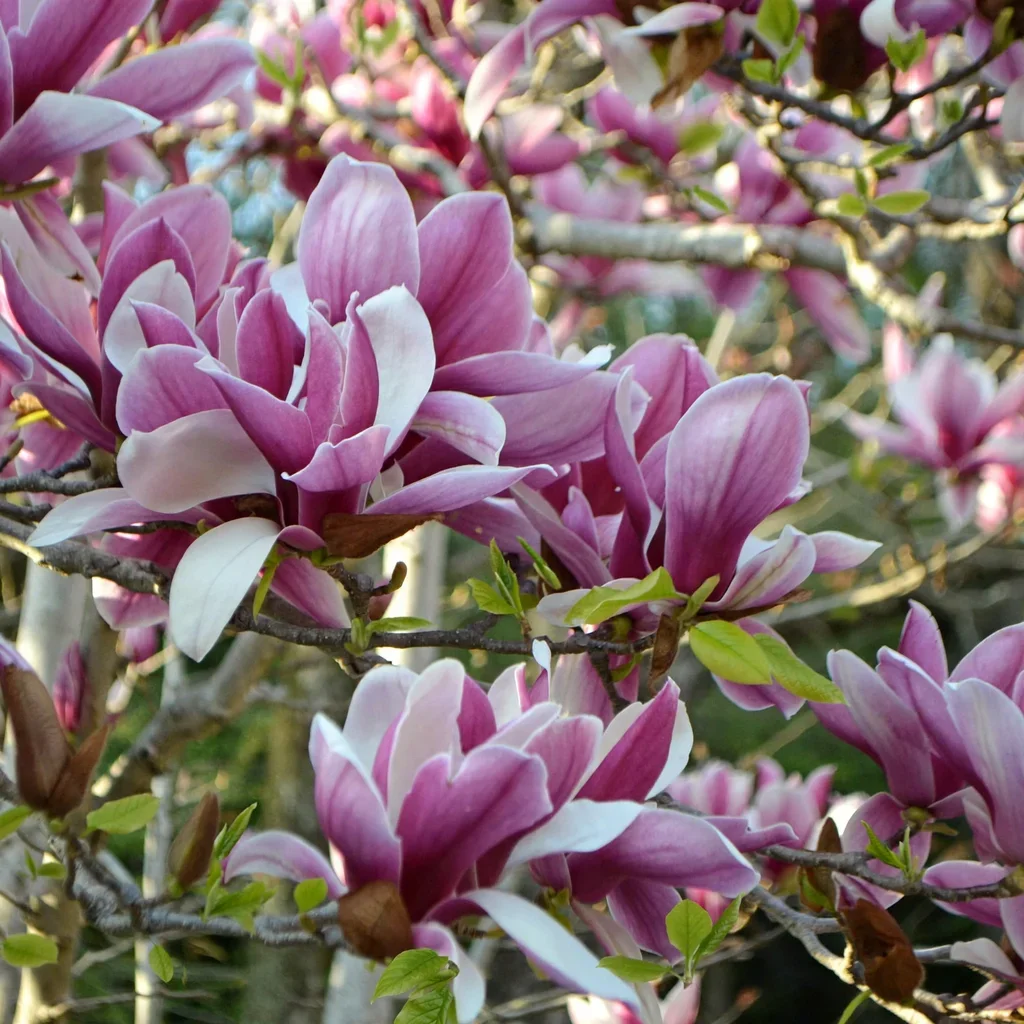
Coppertallica Saucer Magnolia
Magnolia x soulangeana 'Coppertallica'
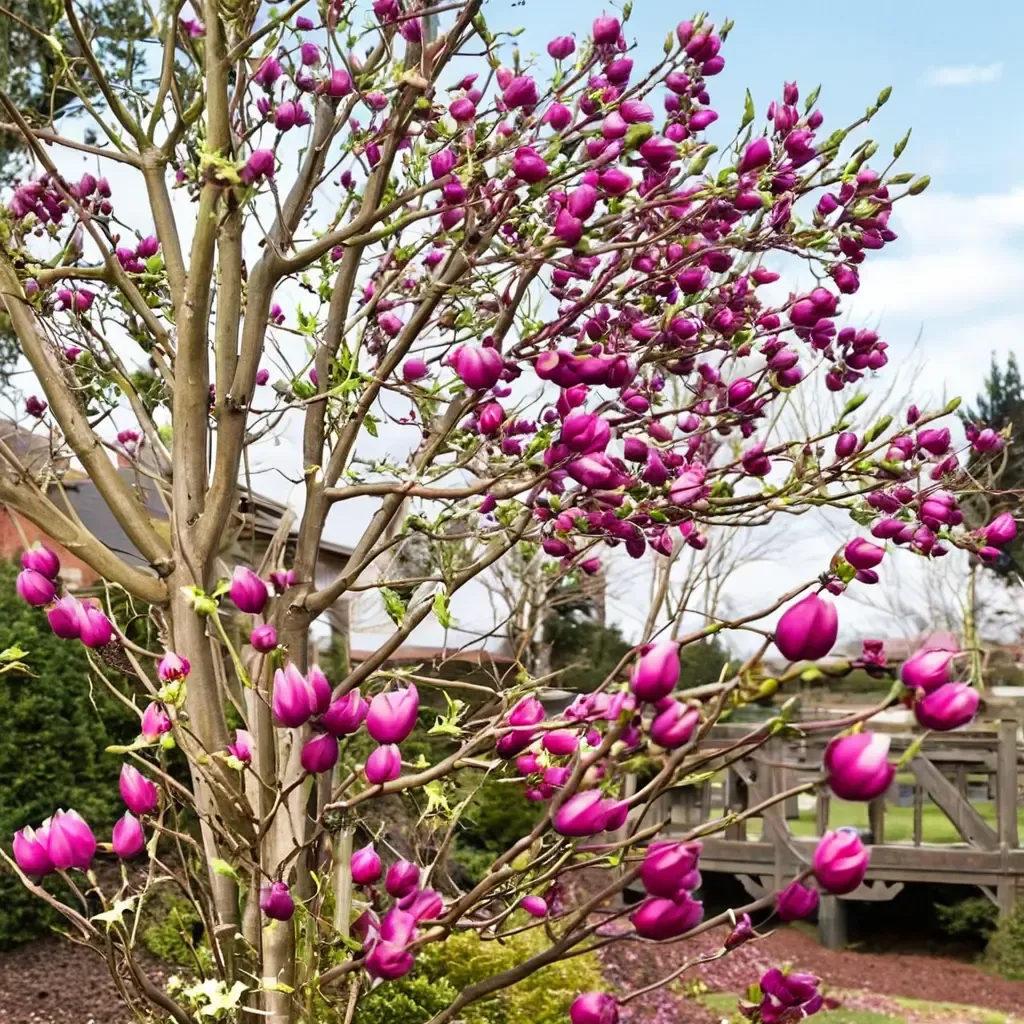
Black Tulip Magnolia
Magnolia x soulangeana 'Black Tulip'
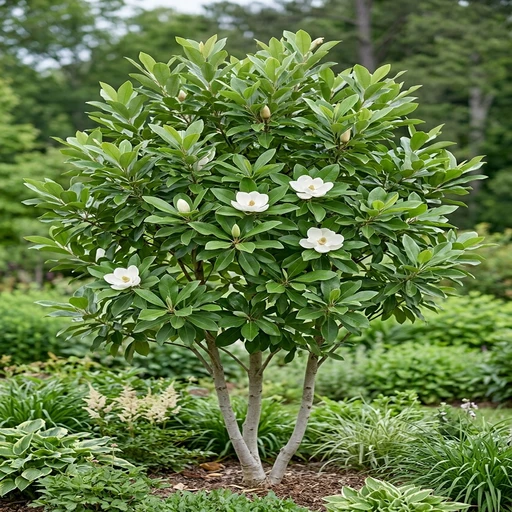
Sweetbay Magnolia
Magnolia virginiana
Keep exploring
Explore the genus
Hardy in your zone?
Grow Southern Magnolia with confidence
See it in a design of your actual yard, get zone-matched care reminders, and track it season by season in your garden journal.