



The Story
Plant Bio
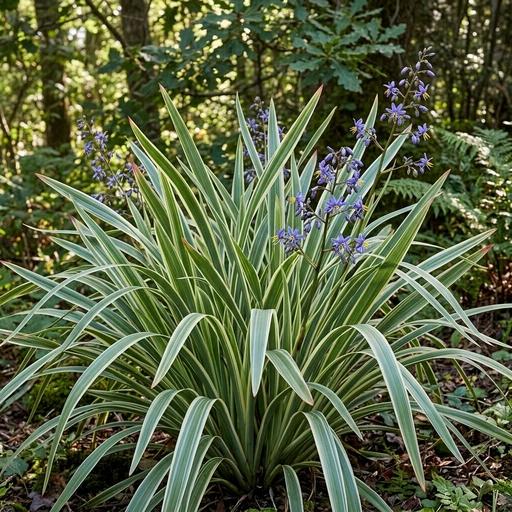
Dianella tasmanica, commonly known as the Tasman flax lily, is a clumping, rhizomatous evergreen perennial native to the moist forests of southeastern Australia and Tasmania. It features broad, arching, strap-like green leaves and produces airy panicles of small, star-shaped violet-blue flowers with prominent yellow stamens, followed by ornamental blue berries.
'Silver Streak' is distinguished by its striking variegated foliage, featuring bold white longitudinal margins that contrast sharply with the rich green centers of the leaves. This cultivar is notably more sensitive to hard frosts than the straight species, requiring sheltered, frost-free positions or container cultivation in colder climates.
Uses & Benefits:
Essentials
At a Glance
Plant Type
Grass
Height
24"
Width
36"
Light
Partial Sun, Shade
Zones
9, 10
Water
Moderate
Humidity
High
Lifespan
Perennial
Native To
Australia
Toxicity
Toxic to humans and pets
Bloom period
Spring – Summer
In flower about 6 months of the year
Planting
How to Grow
- Select a planting site with partial to full shade, ensuring protection from hot afternoon sun.
- Prepare well-draining, loamy or sandy soil, incorporating organic matter to improve structure.
- Dig a hole twice the width of the root ball and set the plant at the same depth as its nursery container.
- Water thoroughly after planting and maintain consistent moisture until the root system is established.
- Apply a light layer of organic mulch around the base to retain moisture, keeping it clear of the crown.
Pro Tip
Variegated cultivars like 'Silver Streak' lack the robust cold tolerance of the straight species; protect plants from hard frosts to prevent severe leaf burn and tip dieback.
Keep It Thriving
Care Guide
Do
- Grow in containers in USDA Zone 8 or colder to allow for winter protection.
- Provide shade from harsh afternoon sun to prevent foliage scorch.
- Ensure the soil drains rapidly to prevent root rot.
Don't
- Do not allow the soil to remain waterlogged or soggy.
- Avoid shearing the plant back into old, leafless wood.
- Do not ingest the ornamental blue berries, as they are toxic.
Seasonal Care Calendar
| Task | Jan | Feb | Mar | Apr | May | Jun | Jul | Aug | Sep | Oct | Nov | Dec |
|---|---|---|---|---|---|---|---|---|---|---|---|---|
| Divide | ||||||||||||
| Fertilize | ||||||||||||
| Pest Check | ||||||||||||
| Spring Cleanup |
Watch Out For
Pests & Diseases
Common Pests
Common Diseases
In the Garden
Landscape Uses & Companions
Landscape Uses
Companion Plants
Multiply
Propagation Methods
Good to Know
Common Questions
Tasman Flax Lily questions
What zones can Tasman Flax Lily grow in?
Tasman Flax Lily is hardy in USDA Zones 9–10. Inside that range it survives winter in the ground; outside it, grow it as an annual or a container plant you protect.
When does Tasman Flax Lily bloom?
Tasman Flax Lily typically blooms in spring through summer. Exact timing shifts a week or two with your zone — Sow's bloom calendar maps it to your garden.
Does Tasman Flax Lily need full sun?
Tasman Flax Lily does best in part shade.
Is Tasman Flax Lily drought tolerant?
Yes — once established (usually after the first full season), Tasman Flax Lily handles dry spells with minimal watering. Water deeply its first year to build the root system that makes that possible.
More Dianella to compare
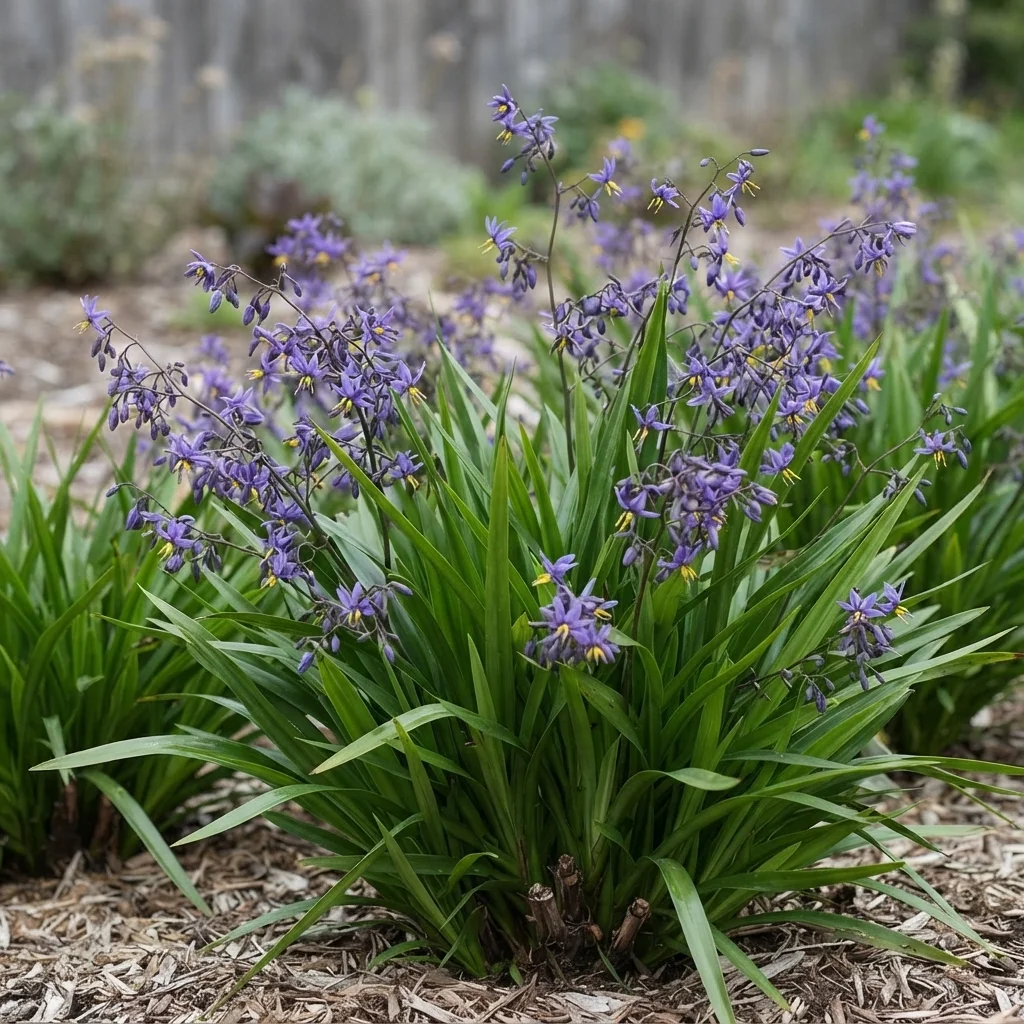
Blue Flax-Lily
Dianella caerulea 'Little Jess'
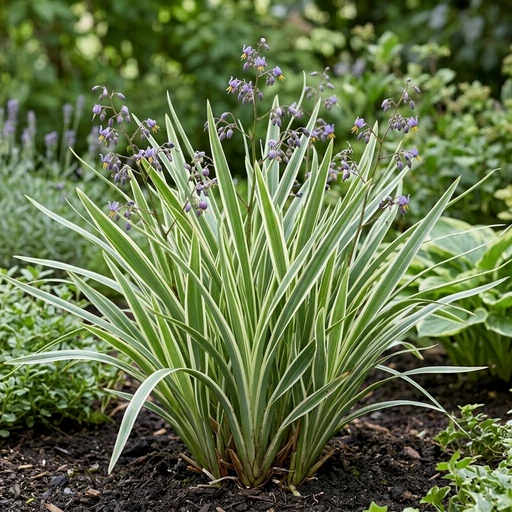
Variegated Flax Lily
Dianella caerulea 'Variegata'
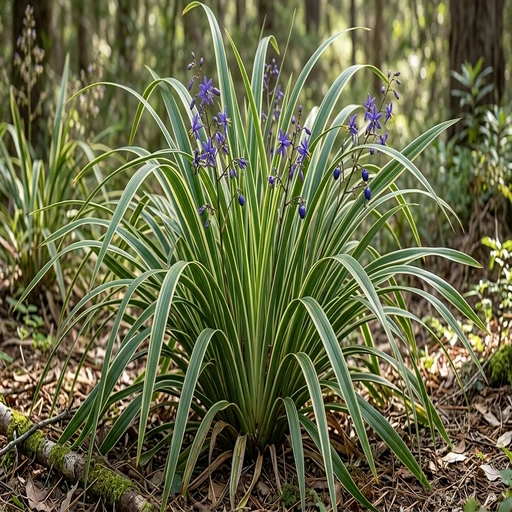
Tasmanian Flax Lily
Dianella tasmanica
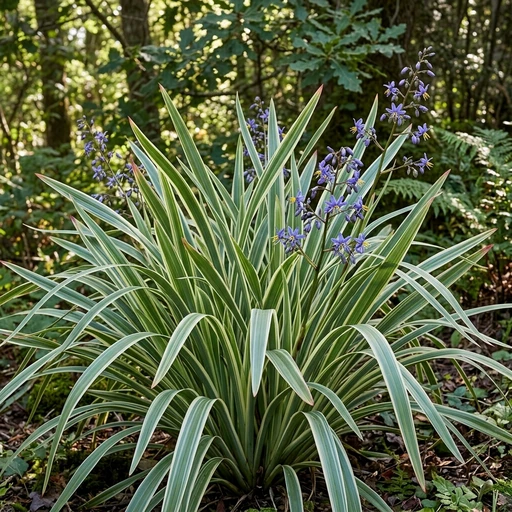
Blueberry Flax Lily
Dianella tasmanica 'Variegata'
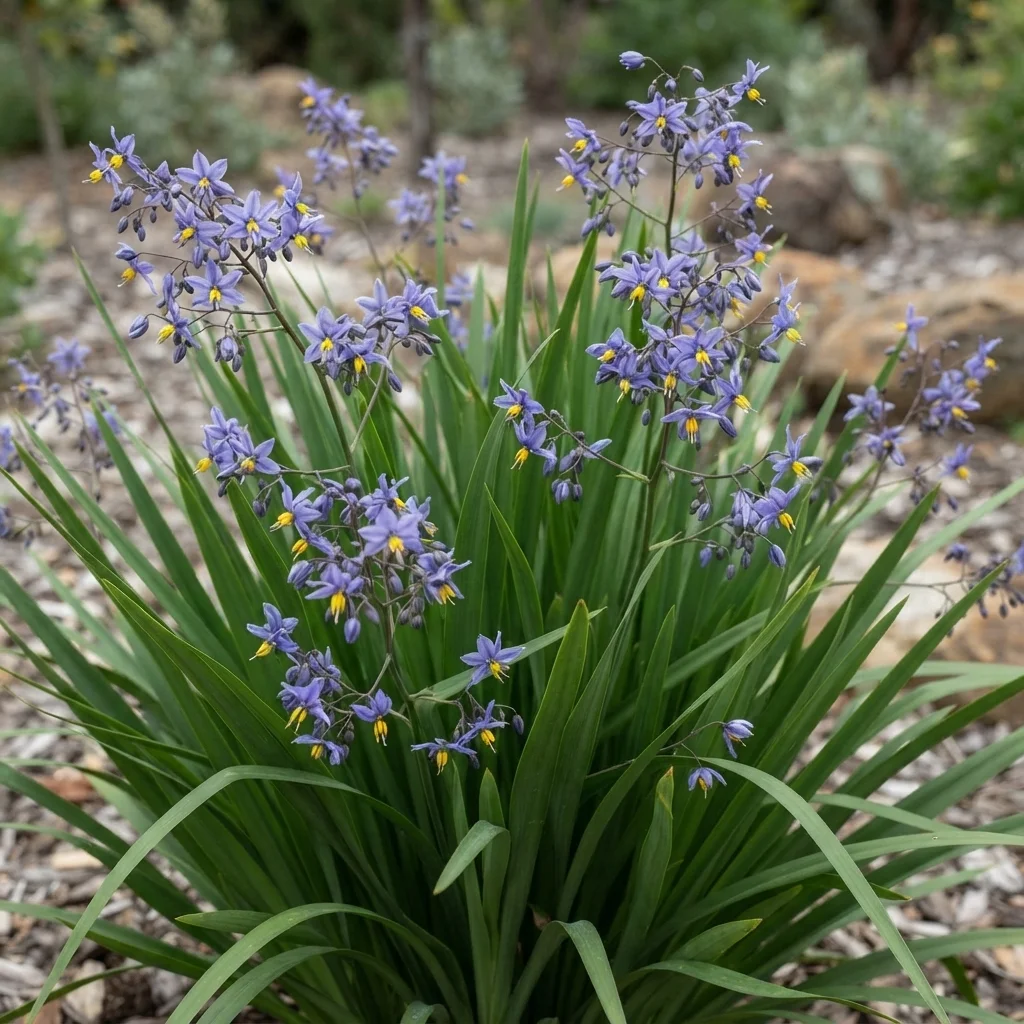
Blue Flax Lily
Dianella caerulea 'King Alfred'
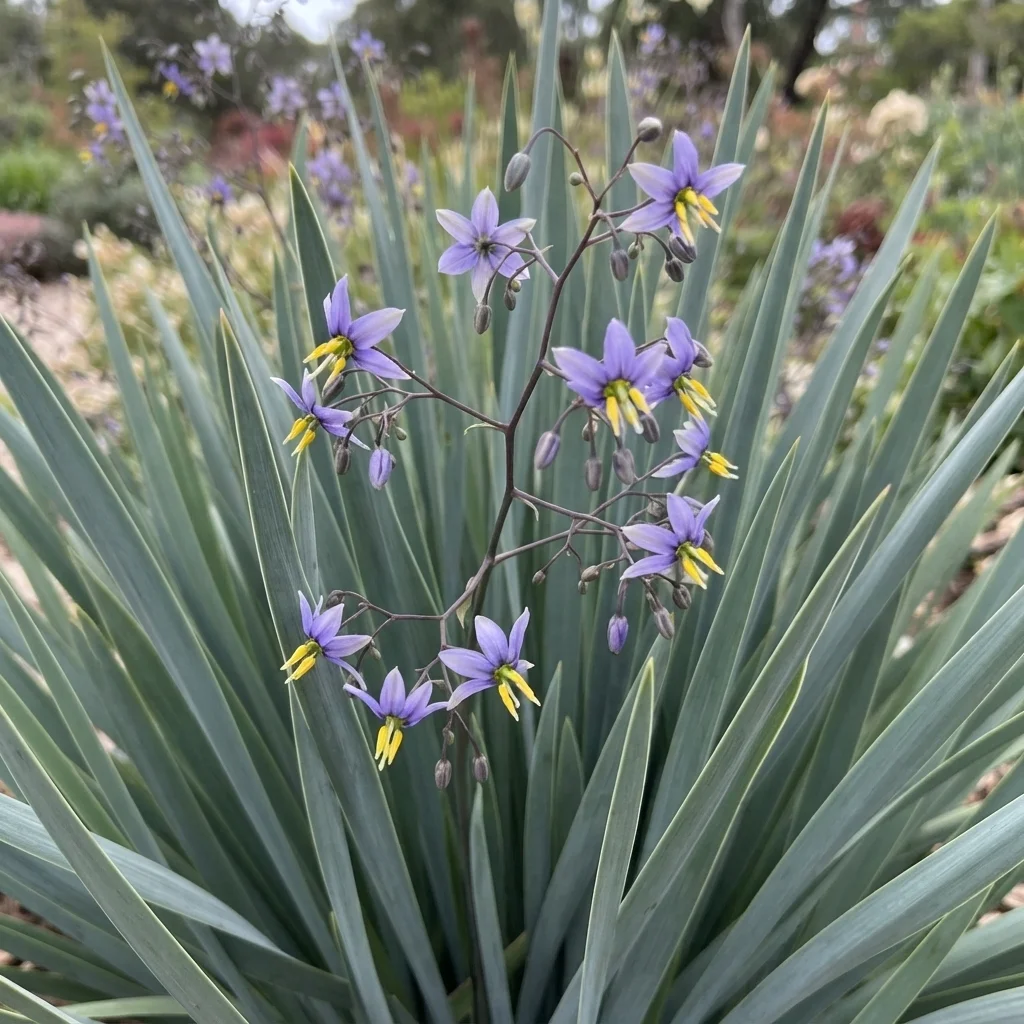
Baby Bliss Flax Lily
Dianella revoluta 'Baby Bliss'
Keep exploring
Explore the genus
Hardy in your zone?
Grow Tasman Flax Lily with confidence
See it in a design of your actual yard, get zone-matched care reminders, and track it season by season in your garden journal.