
1 named cultivar
The Story
Plant Bio
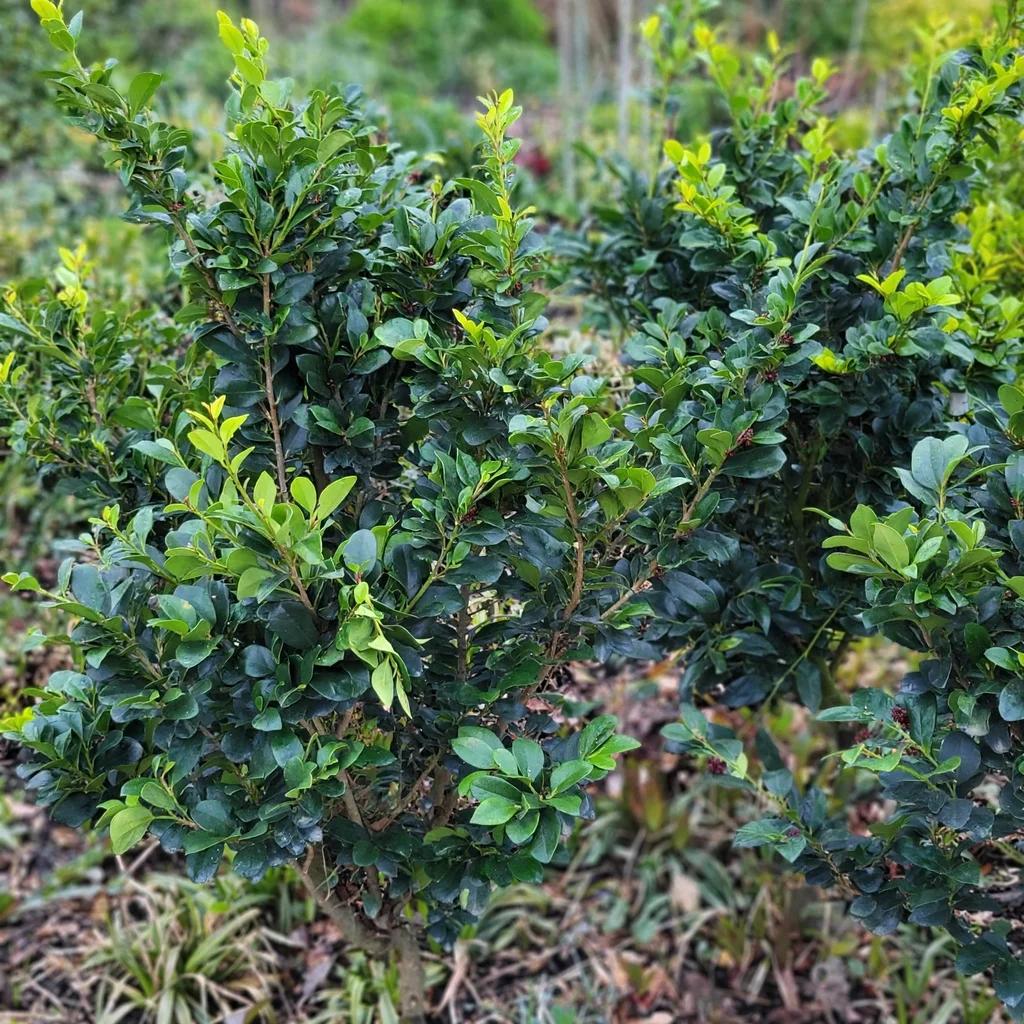
Distylium myricoides is a dense, spreading evergreen shrub native to China, characterized by its distinctive layered, cascading branch architecture. The small, leathery leaves emerge coppery-red before maturing to a powdery blue-green, while tiny, petal-less red flowers cluster along the stems in late winter.
This species is highly valued as an exceptionally tough, disease-resistant alternative to boxwood and cherry laurel in southern landscapes. Its natural horizontal growth habit makes it an excellent choice for low-maintenance foundation plantings and slopes.
Uses & Benefits:
Essentials
At a Glance
Plant Type
Shrub
Height
118"
Width
118"
Light
Full Sun, Partial Sun
Zones
6, 7, 8, 9
Water
Low to medium
Humidity
High
Lifespan
Long-lived
Native To
China
Toxicity
Non-toxic
Planting
How to Grow
- Plant in a location receiving full sun to partial shade, ensuring the soil is well-drained.
- Dig a hole twice as wide as the root ball and set the plant so the crown is slightly above the surrounding soil level.
- Water deeply and regularly during the first growing season to establish a deep, drought-tolerant root system.
- Apply a layer of organic mulch around the base to retain moisture and regulate soil temperature, keeping it clear of the main stem.
Pro Tip
Avoid shearing this shrub into formal shapes; tight clipping destroys the natural tiered branch structure and cutting back into old, leafless wood results in poor recovery.
Keep It Thriving
Care Guide
Do
- Prune lightly immediately after spring flowering to shape or remove stray branches.
- Ensure the planting site has excellent drainage to prevent root rot.
- Apply a balanced, slow-release fertilizer once a year in early spring.
Don't
- Do not shear the plant into formal geometric shapes, which ruins its natural cascading habit.
- Do not cut back into old, leafless wood where new buds cannot break.
- Do not allow the plant to sit in waterlogged soil for extended periods.
Seasonal Care Calendar
| Task | Jan | Feb | Mar | Apr | May | Jun | Jul | Aug | Sep | Oct | Nov | Dec |
|---|---|---|---|---|---|---|---|---|---|---|---|---|
| Fertilize | ||||||||||||
| Pest Check | ||||||||||||
| Propagate | ||||||||||||
| Prune |
Watch Out For
Pests & Diseases
Common Pests
Common Diseases
In the Garden
Landscape Uses & Companions
Landscape Uses
Companion Plants
Multiply
Propagation Methods
Good to Know
Common Questions
Myrtle-Leafed Distylium questions
What zones can Myrtle-Leafed Distylium grow in?
Myrtle-Leafed Distylium is hardy in USDA Zones 6–9. Inside that range it survives winter in the ground; outside it, grow it as an annual or a container plant you protect.
When does Myrtle-Leafed Distylium bloom?
Myrtle-Leafed Distylium typically blooms in late winter through early spring. Exact timing shifts a week or two with your zone — Sow's bloom calendar maps it to your garden.
Does Myrtle-Leafed Distylium need full sun?
Myrtle-Leafed Distylium does best in full sun to part shade. In hot climates, afternoon shade keeps blooms fresher longer.
Is Myrtle-Leafed Distylium drought tolerant?
Yes — once established (usually after the first full season), Myrtle-Leafed Distylium handles dry spells with minimal watering. Water deeply its first year to build the root system that makes that possible.
More Distylium to compare
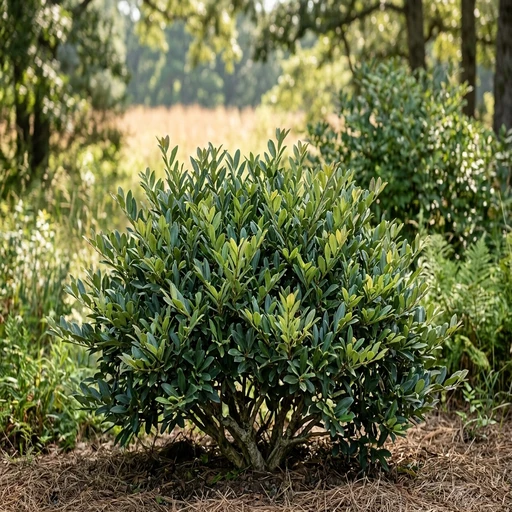
Distylium
Distylium x hybrida
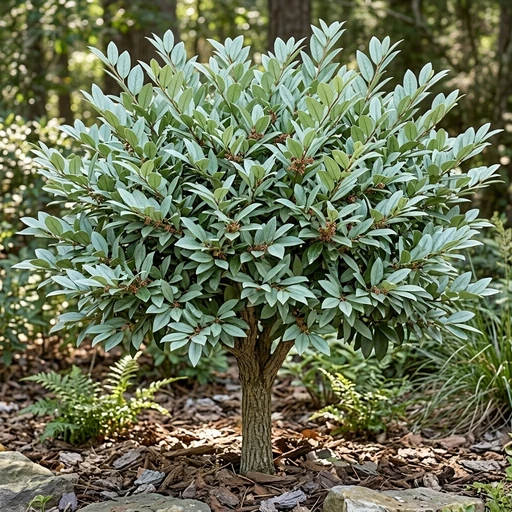
Vintage Jade Distylium
Distylium x hybrida 'Vintage Jade '
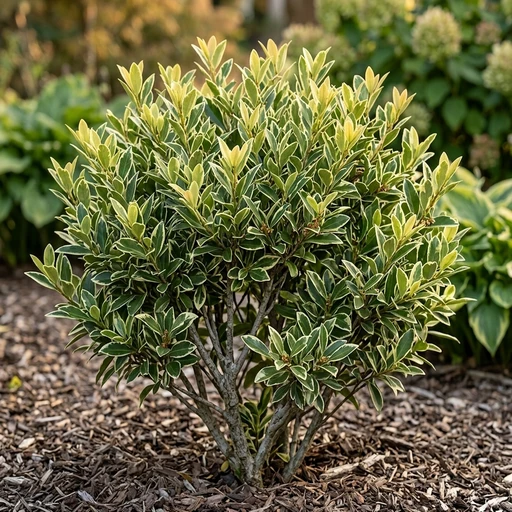
Cinnamon Girl Distylium
Distylium x hybrida 'Cinnamon Girl Distylium'
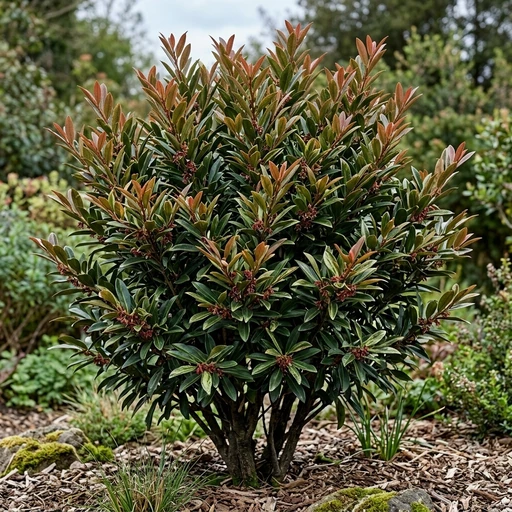
Cast in Bronze Distylium
Distylium x hybrida 'Cast in Bronze'
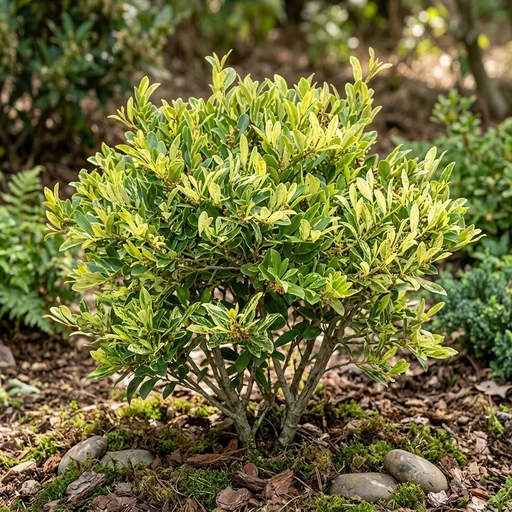
Spring Frost Distylium
Distylium x hybrida 'Spring Frost'
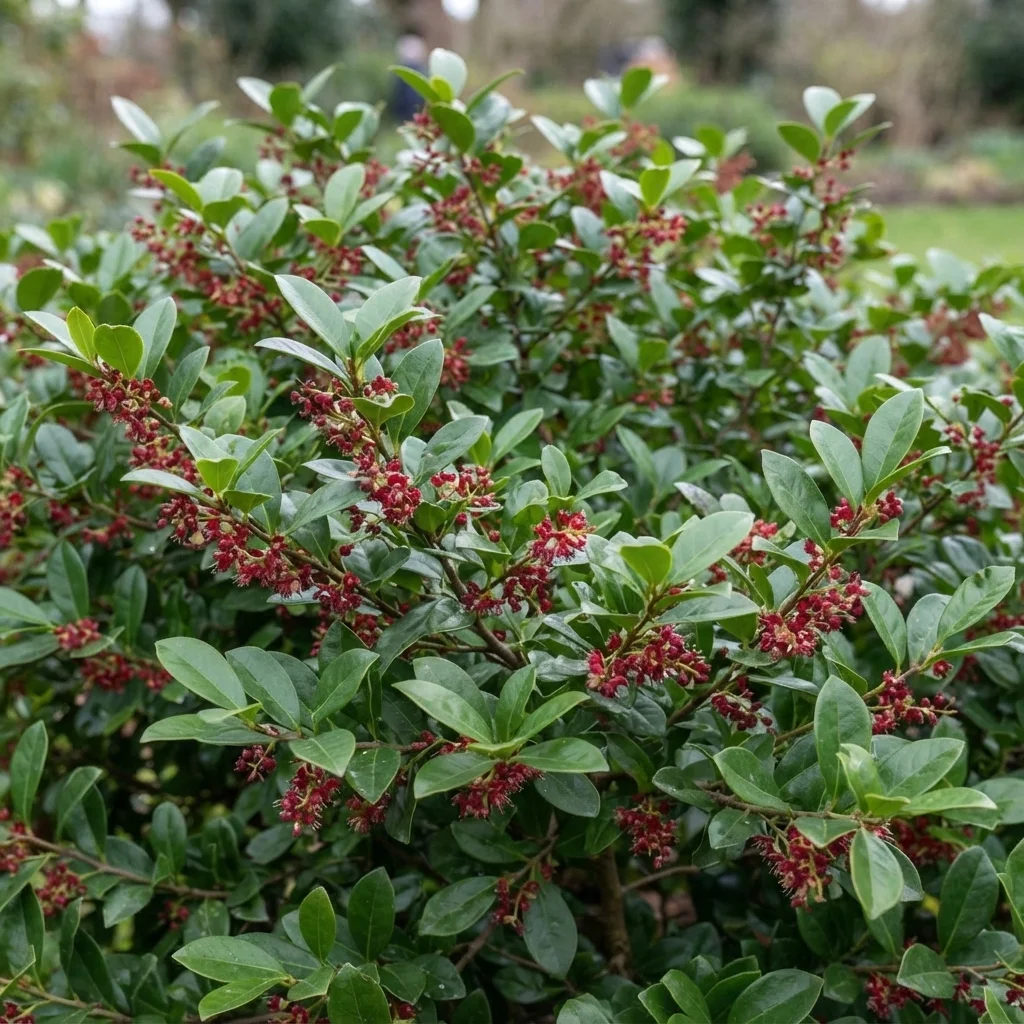
Isu Tree
Distylium racemosum
Keep exploring
Explore the genus
Hardy in your zone?
Grow Myrtle-Leafed Distylium with confidence
See it in a design of your actual yard, get zone-matched care reminders, and track it season by season in your garden journal.