
Garden hybrid
This is a garden hybrid, bred from more than one wild species, so it has no single species page of its own.
1 other cultivar

The Story
Plant Bio
Illicium species are broadleaf evergreen shrubs native to moist woodlands of eastern Asia and southeastern North America, known for their aromatic foliage and multi-tepaled flowers. Members of the anise-tree family produce foliage that releases a distinct licorice scent when crushed and thrive in sheltered soils with reliable moisture.
'Scorpio' is a compact dwarf hybrid growing three to four feet tall with a naturally dense, mounding habit and glossy dark green leaves. It produces star-shaped burgundy-red flowers from spring into summer, with sporadic reblooming continuing into fall in warm climates.
Uses & Benefits:
Bred from more than one wild species, so it has no species page of its own.
Essentials
At a Glance
Plant Type
Shrub
Height
48"
Width
60"
Light
Partial Sun, Shade
Zones
6, 7, 8, 9
Water
Moderate to high
Humidity
High
Lifespan
Long-lived perennial shrub
Native To
North America (cultivar origin)
Toxicity
Toxic if ingested
Bloom period
Spring – Summer
In flower about 6 months of the year
Planting
How to Grow
- Select a planting site in partial shade to full shade with rich, acidic to neutral soil.
- Dig a hole twice as wide as the root ball and equal to its depth.
- Backfill with soil enriched with organic compost, pressing firmly to remove air pockets.
- Water thoroughly after planting and apply a 2-inch layer of organic mulch around the base.
- Maintain consistent soil moisture during the first growing season until established.
Pro Tip
Avoid shearing 'Scorpio' into geometric shapes, as heavy pruning destroys the flower buds formed on previous wood and ruins its natural mounding habit.
Keep It Thriving
Care Guide
Do
- Do plant in shade or filtered sunlight to protect foliage from sunscald.
- Do keep soil consistently moist, especially during hot summer periods.
- Do apply acidic organic mulch to retain root moisture and suppress weeds.
Don't
- Don't shear aggressively into old bare wood.
- Don't allow the plant to sit in waterlogged, poorly drained clay soils.
- Don't plant in dry, unsheltered sites exposed to harsh afternoon sun.
Seasonal Care Calendar
| Task | Jan | Feb | Mar | Apr | May | Jun | Jul | Aug | Sep | Oct | Nov | Dec |
|---|---|---|---|---|---|---|---|---|---|---|---|---|
| Fertilize | ||||||||||||
| Mulch | ||||||||||||
| Pest Check | ||||||||||||
| Prune |
Watch Out For
Pests & Diseases
Common Pests
Common Diseases
In the Garden
Landscape Uses & Companions
Landscape Uses
Companion Plants
Multiply
Propagation Methods
Good to Know
Common Questions
Scorpio Anise Tree questions
What zones can Scorpio Anise Tree grow in?
Scorpio Anise Tree is hardy in USDA Zones 6–9. Inside that range it survives winter in the ground; outside it, grow it as an annual or a container plant you protect.
Is Scorpio Anise Tree deer resistant?
Yes — Scorpio Anise Tree is rated deer-resistant. Deer typically pass it over, though extreme hunger can override any plant's defenses.
When does Scorpio Anise Tree bloom?
Scorpio Anise Tree typically blooms in spring through summer. Exact timing shifts a week or two with your zone — Sow's bloom calendar maps it to your garden.
Does Scorpio Anise Tree need full sun?
Scorpio Anise Tree does best in part shade.
Is Scorpio Anise Tree drought tolerant?
Yes — once established (usually after the first full season), Scorpio Anise Tree handles dry spells with minimal watering. Water deeply its first year to build the root system that makes that possible.
More Illicium to compare
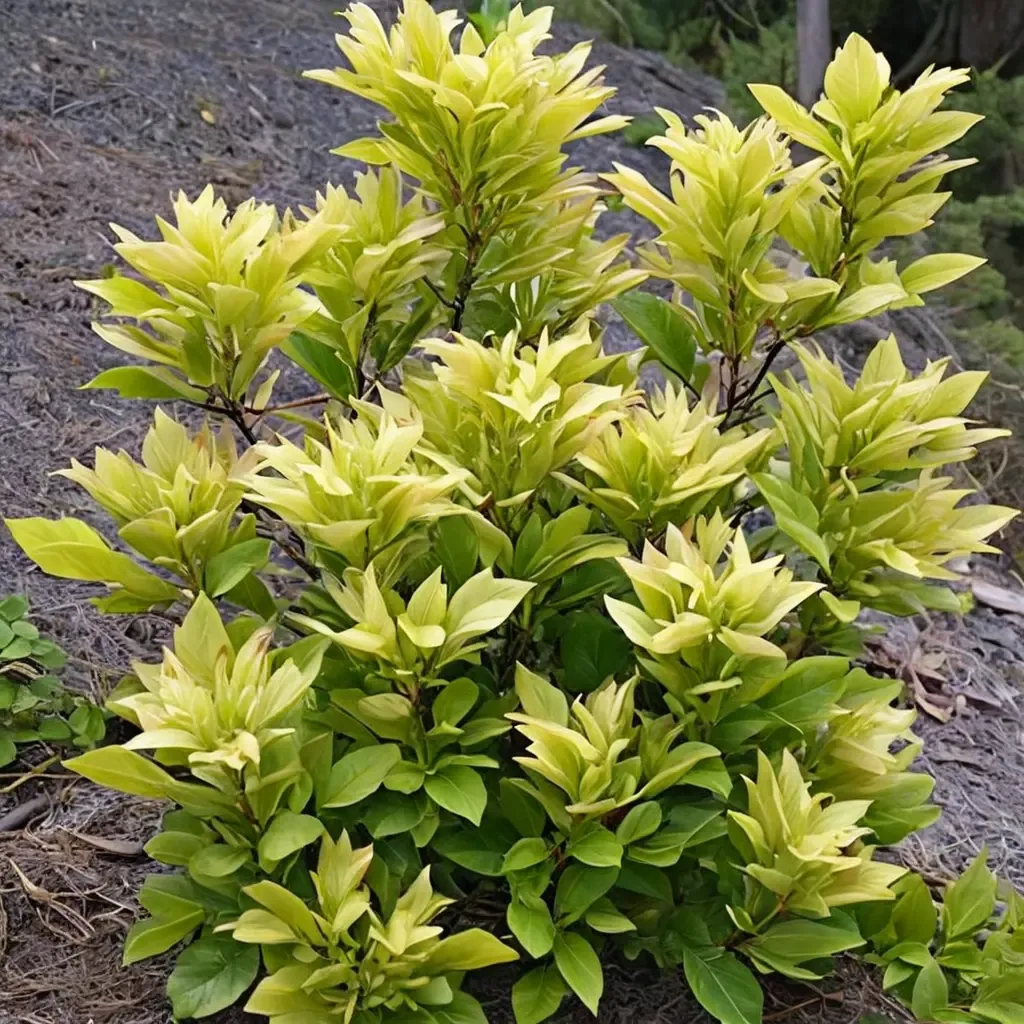
'Florida Sunshine' Anise Tree
Illicium parviflorum 'Florida Sunshine'
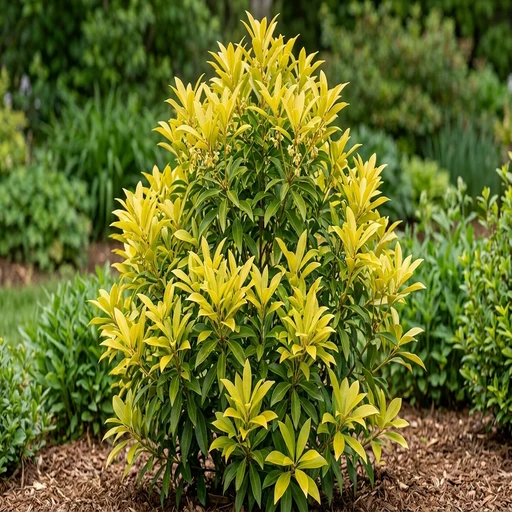
Bananappeal Anise Tree
Illicium parviflorum 'First Editions Bananappeal'
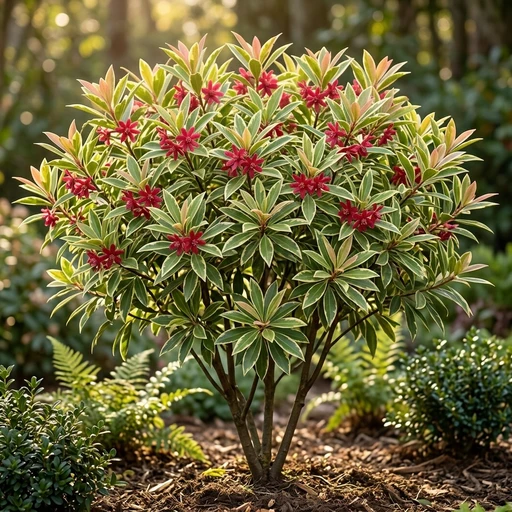
Pink Frost Florida Anise Tree
Illicium floridanum 'Pink Frost'
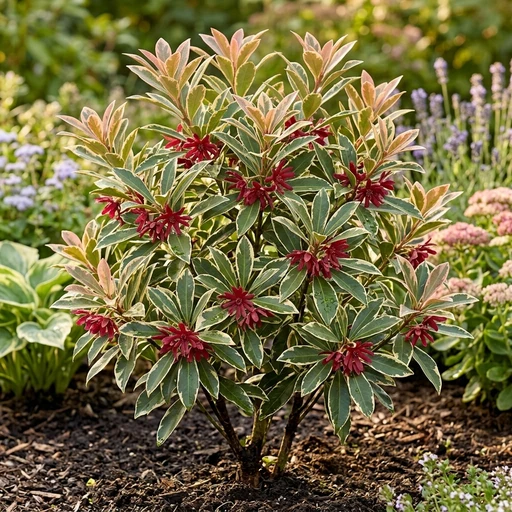
Miss Scarlett Illicium
Illicium floridanum 'Miss Scarlett'
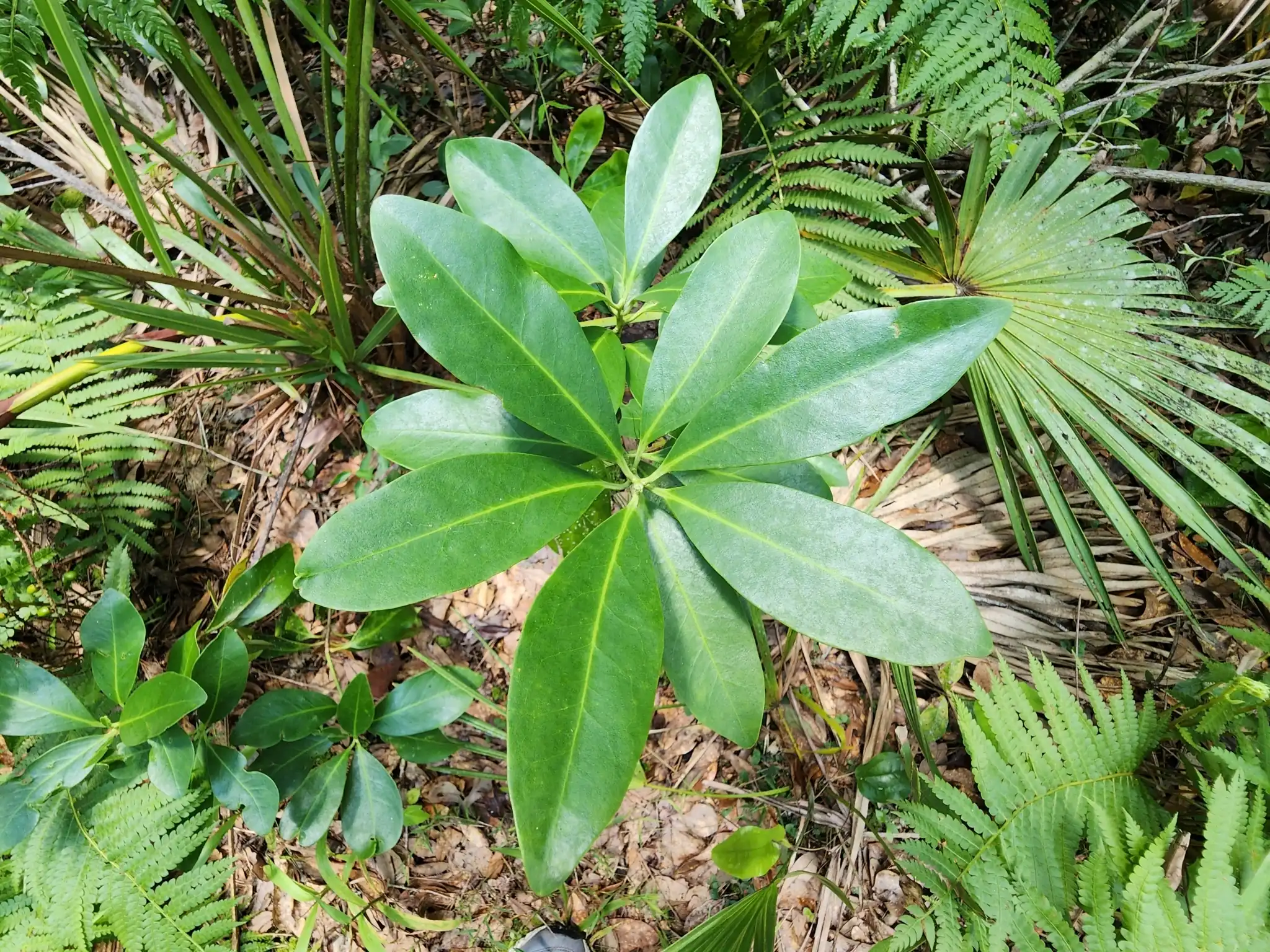
Yellow Anise Tree
Illicium parviflorum
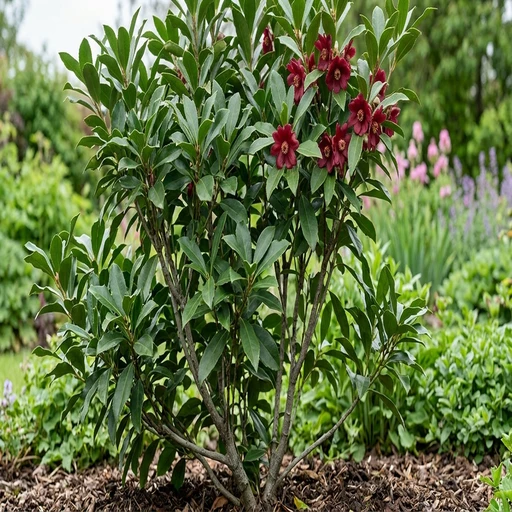
Woodland Ruby Anise Tree
Illicium x hybrida 'Woodland Ruby'
Keep exploring
Explore the genus
Hardy in your zone?
Grow Scorpio Anise Tree with confidence
See it in a design of your actual yard, get zone-matched care reminders, and track it season by season in your garden journal.