The Story
Plant Bio
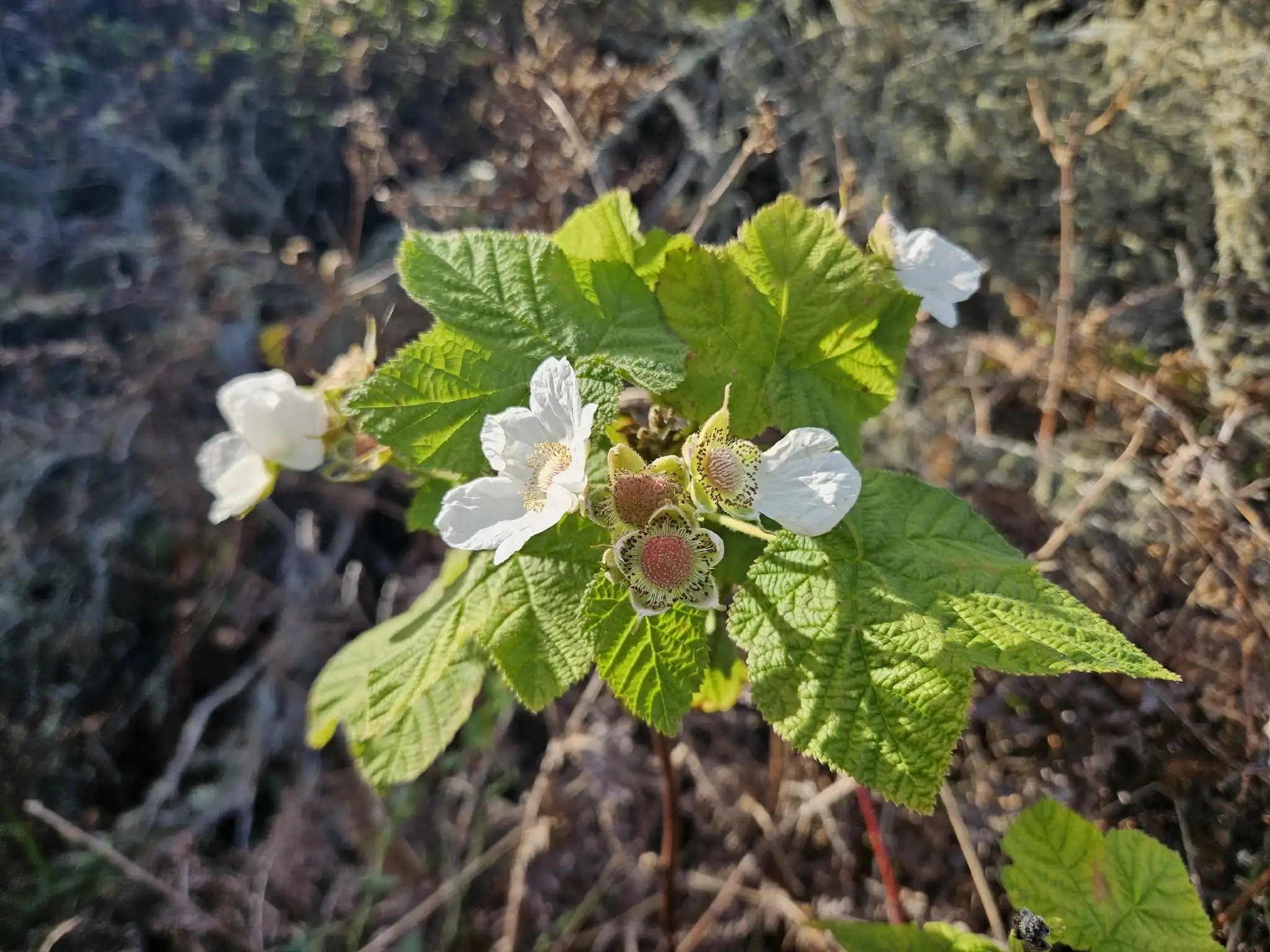
Rubus parviflorus is an upright, deciduous North American shrub that spreads via underground rhizomes to form broad thickets. Its soft, maple-like leaves grow up to eight inches across beneath terminal clusters of broad white flowers.
Unlike most wild raspberries, this species features completely thornless stems with peeling gray bark on mature wood. Bright red, soft aggregate fruits follow the blooms, offering edible harvests for gardeners and wildlife.
Uses & Benefits:
Essentials
At a Glance
Plant Type
Shrub
Height
118"
Width
236"
Light
Full Sun, Partial Sun
Zones
4, 5, 6, 7, 8, 9
Water
Moderate
Humidity
High
Lifespan
Perennial
Native To
North America
Toxicity
Non-toxic
Bloom period
Late spring – Early summer
In flower about 2 months of the year
Planting
How to Grow
- Select a site receiving full sun to partial shade with organically rich, well-draining soil.
- Set the root crown flush with the surrounding soil line and backfill thoroughly to eliminate air pockets.
- Spread a three-inch mulch layer over the root zone to retain soil moisture and keep roots cool.
- Water regularly during the first growing season to encourage underground rhizome establishment.
Pro Tip
Prune second-year floricanes right to the ground immediately after harvesting, allowing young vegetative primocanes space to mature for the following season's yield.
Keep It Thriving
Care Guide
Do
- Top-dress the root zone annually with rich organic compost in early spring.
- Prune out spent floricanes immediately after harvesting fruit.
- Provide afternoon shade in hot, low-latitude inland locations.
Don't
- Do not allow soil to remain waterlogged or subject to standing water.
- Do not cut back fresh vegetative primocanes, as they flower and fruit the following year.
- Do not plant in restricted beds where spreading underground rhizomes cannot be managed.
Seasonal Care Calendar
| Task | Jan | Feb | Mar | Apr | May | Jun | Jul | Aug | Sep | Oct | Nov | Dec |
|---|---|---|---|---|---|---|---|---|---|---|---|---|
| Harvest | ||||||||||||
| Mulch | ||||||||||||
| Propagate | ||||||||||||
| Prune | ||||||||||||
| Spring Cleanup |
Watch Out For
Pests & Diseases
Common Pests
Common Diseases
In the Garden
Landscape Uses & Companions
Landscape Uses
Multiply
Propagation Methods
Good to Know
Common Questions
Thimbleberry questions
What zones can Thimbleberry grow in?
Thimbleberry is hardy in USDA Zones 4–9. Inside that range it survives winter in the ground; outside it, grow it as an annual or a container plant you protect.
Is Thimbleberry deer resistant?
Not reliably. Deer may browse Thimbleberry, especially tender spring growth — plan on repellents or fencing where pressure is high.
When does Thimbleberry bloom?
Thimbleberry typically blooms in late spring through early summer. Exact timing shifts a week or two with your zone — Sow's bloom calendar maps it to your garden.
Does Thimbleberry need full sun?
Thimbleberry does best in full sun to part shade. In hot climates, afternoon shade keeps blooms fresher longer.
More Rubus to compare
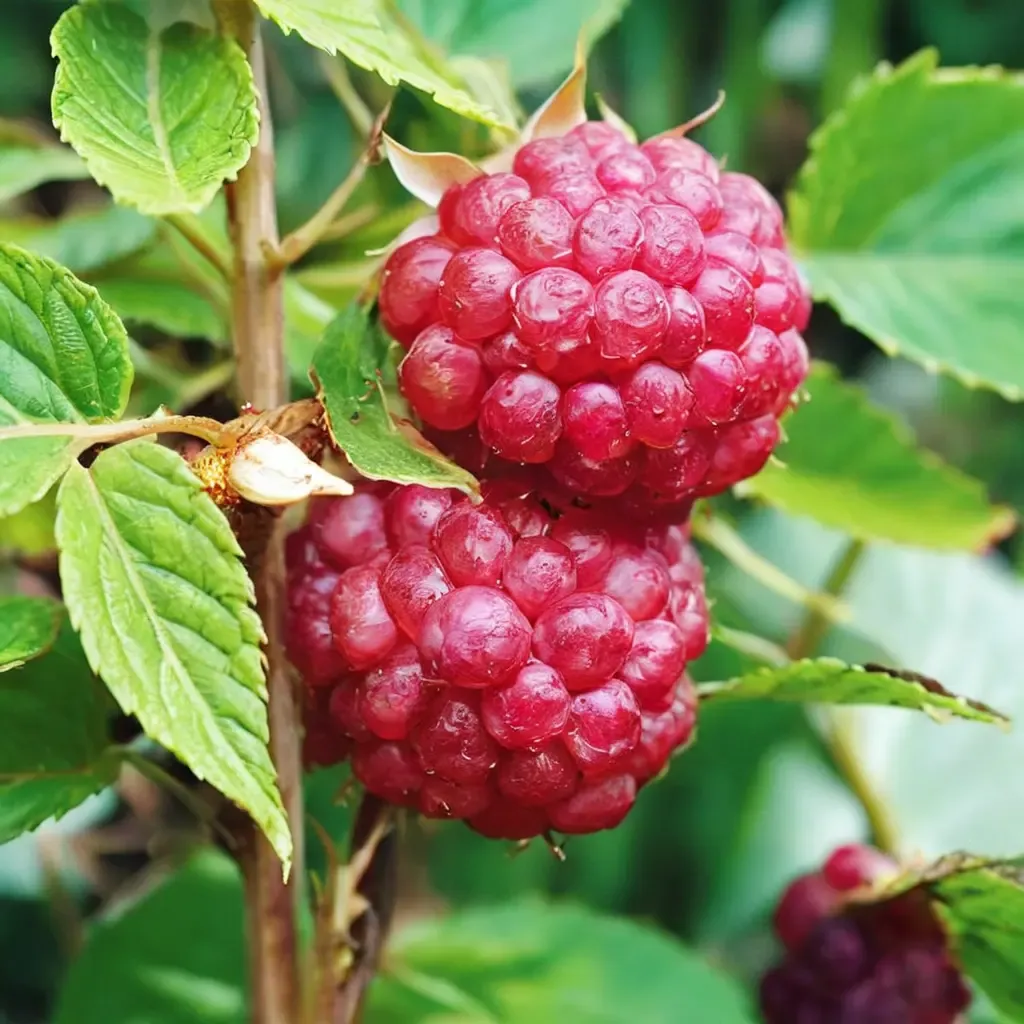
Mammoth Red Raspberry
Rubus idaeus 'Mammoth Red'
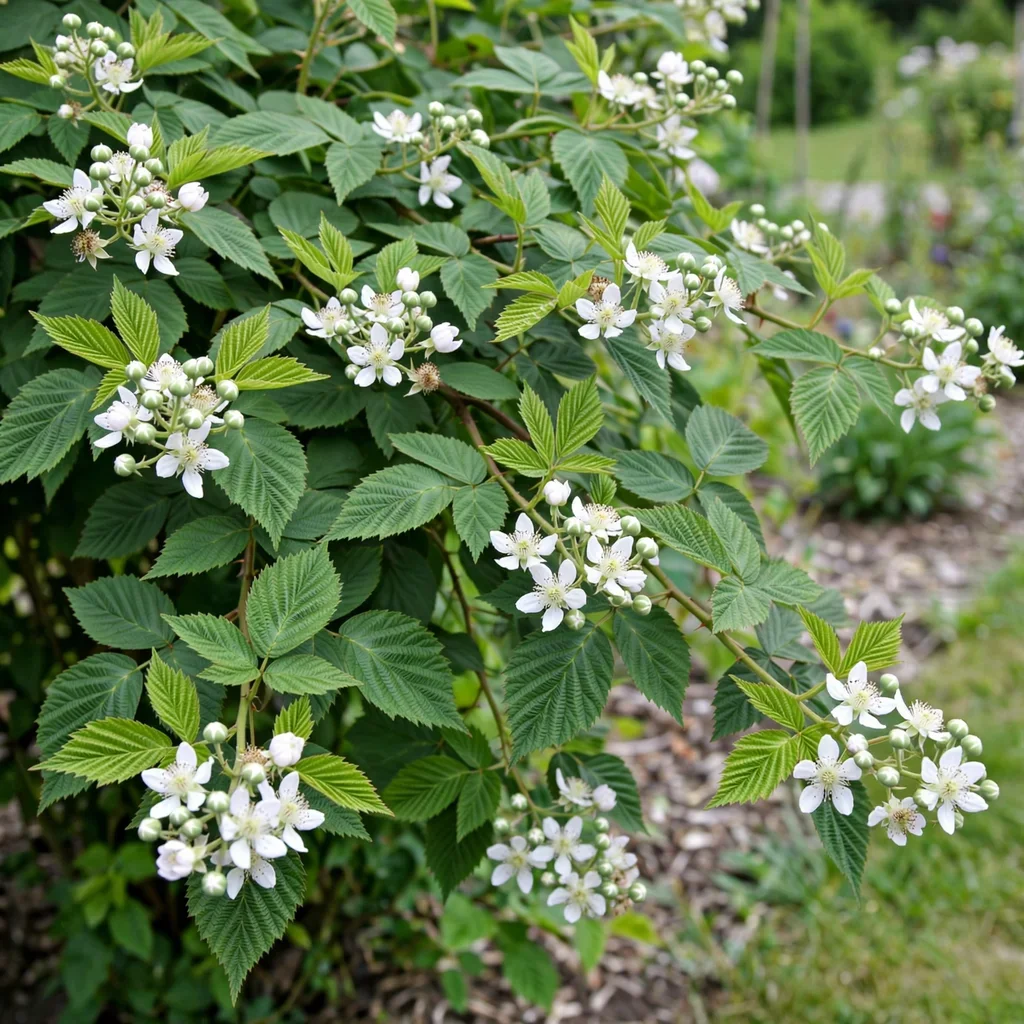
Triple Crown Blackberry
Rubus fruticosus 'Triple Crown'
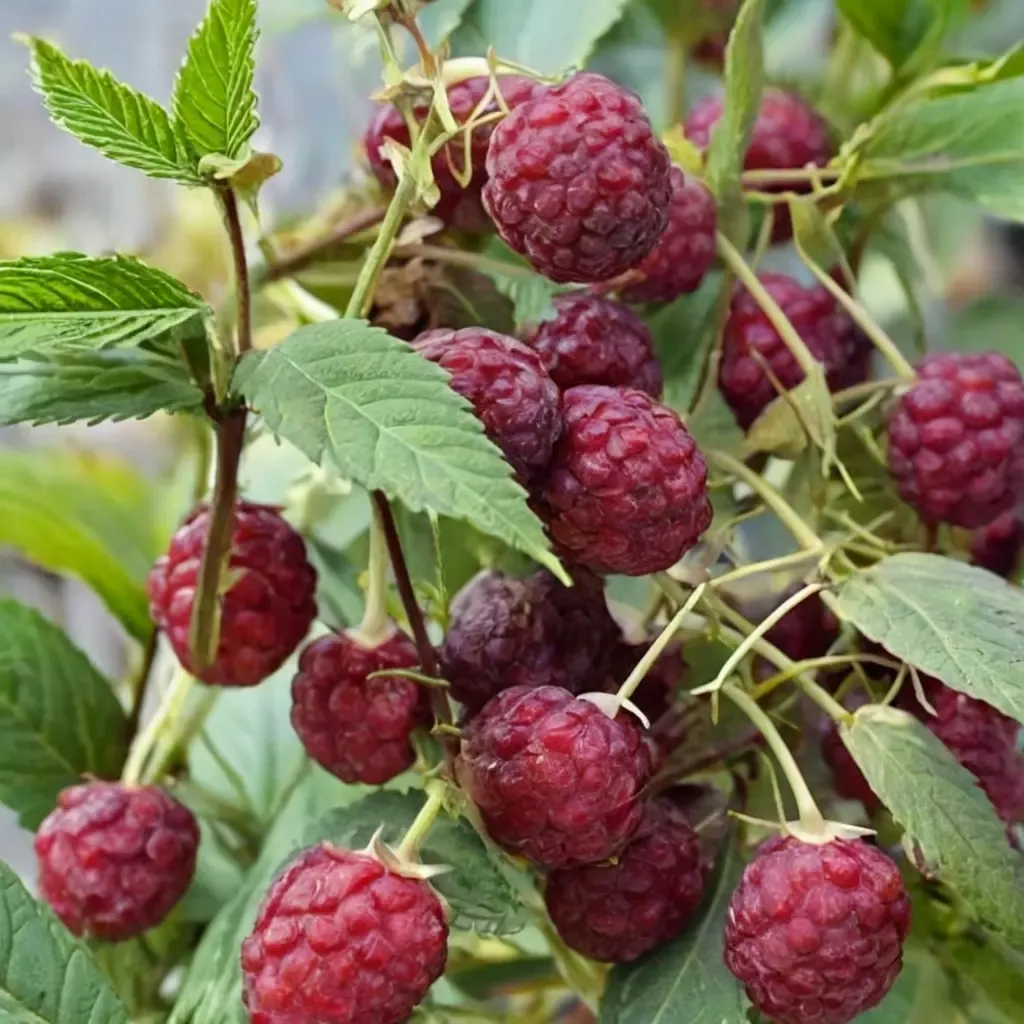
Crimson Night Raspberry
Rubus idaeus 'Crimson Night'
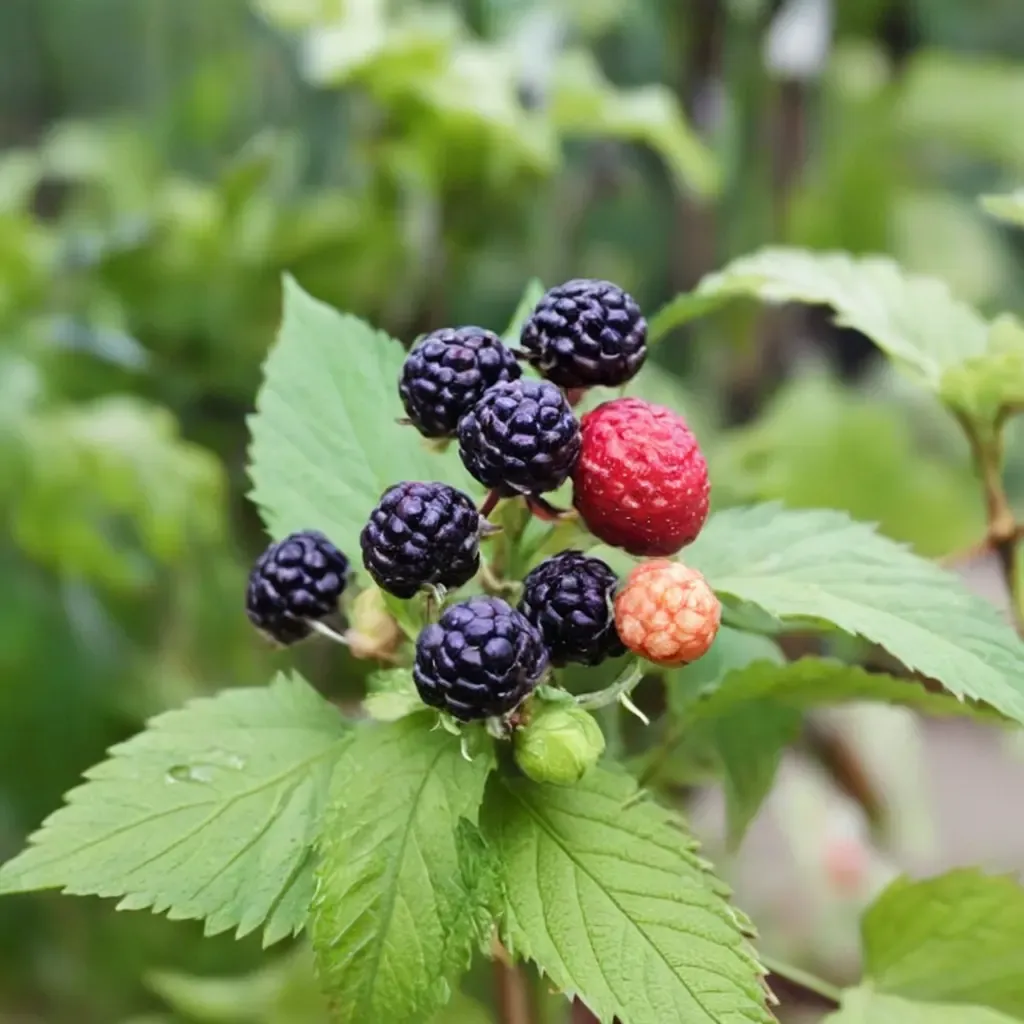
Jewel Black Raspberry
Rubus idaeus 'Jewel'
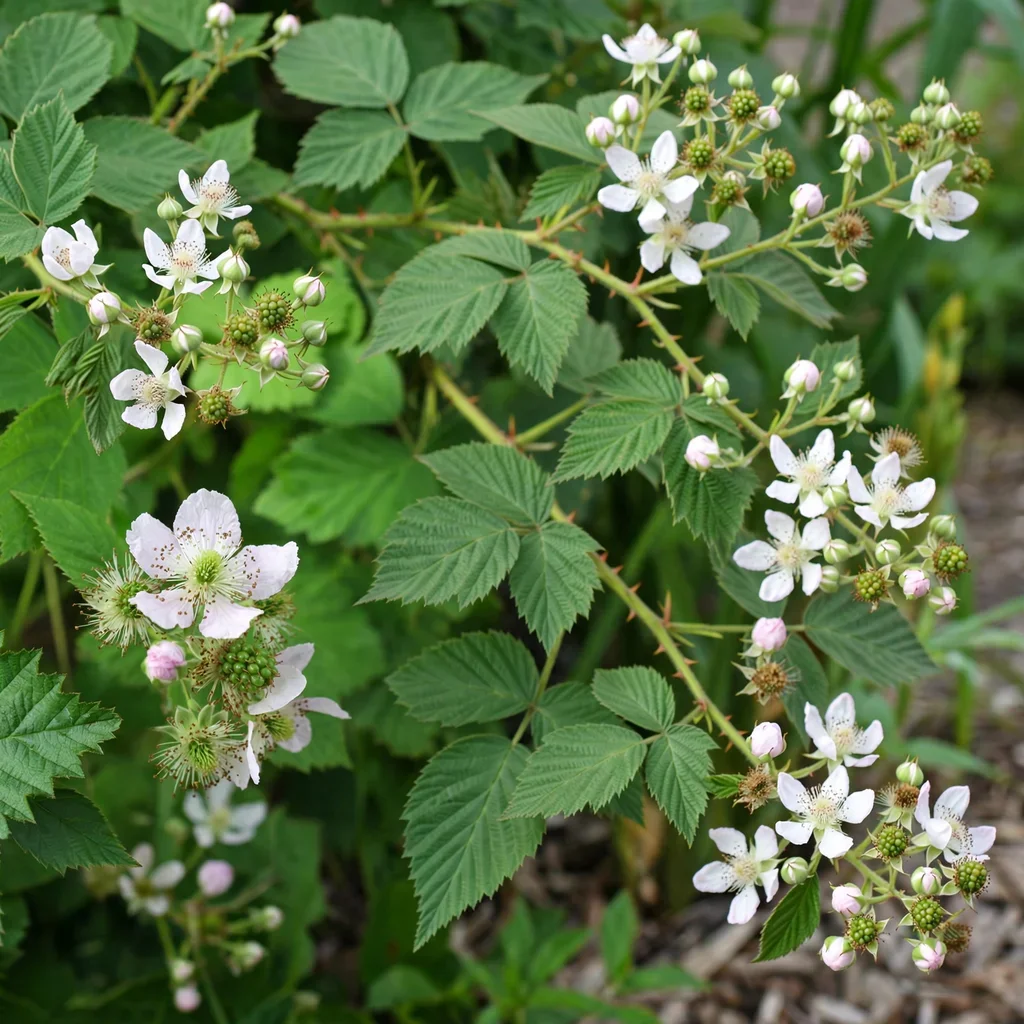
Apache Thornless Blackberry
Rubus fruticosus 'Apache Thornless'
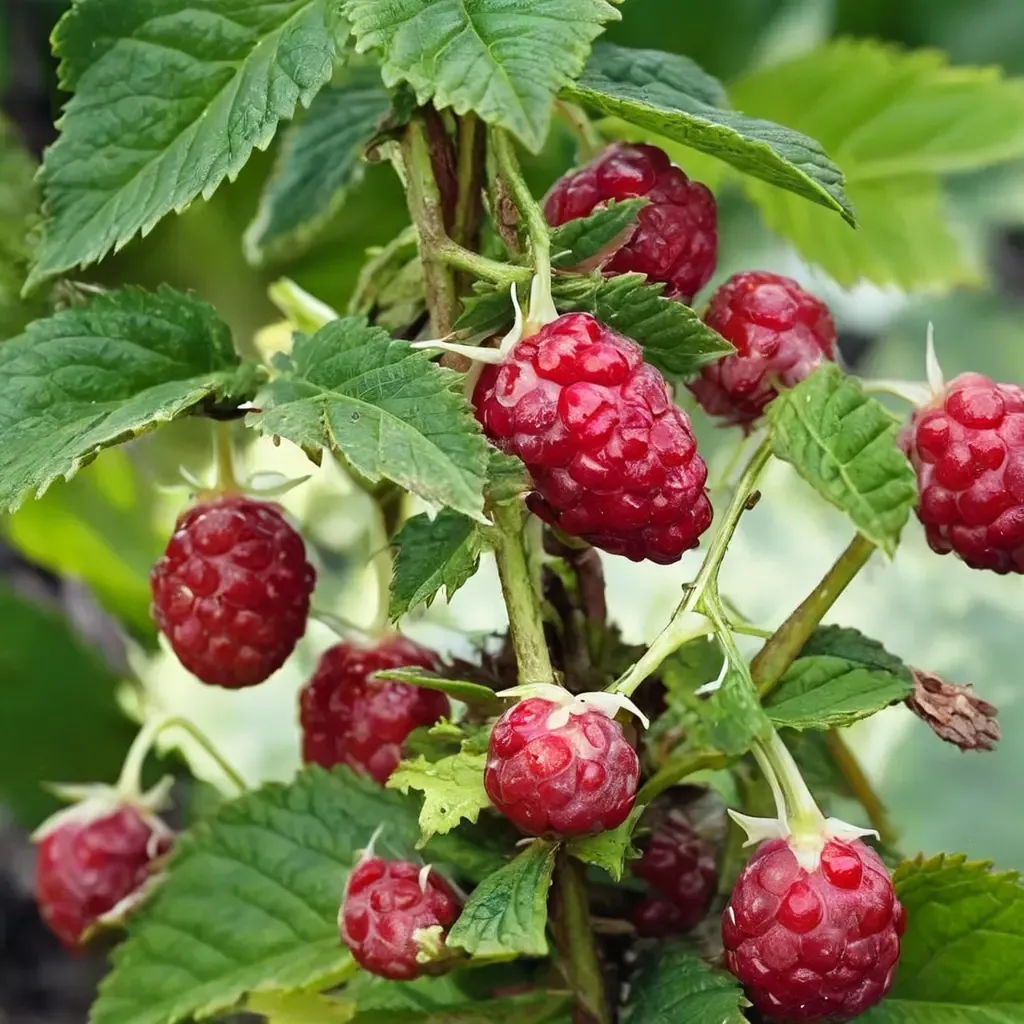
Canby raspberry
Rubus idaeus 'Canby'
Keep exploring
Explore the genus
Grow Thimbleberry with confidence
See it in a design of your actual yard, get zone-matched care reminders, and track it season by season in your garden journal.