

The Story
Plant Bio
Leucothoe fontanesiana is a slow-spreading, multi-stemmed broadleaf evergreen shrub native to the moist woodland slopes of the southeastern United States. The species features a graceful, arching, fountain-like habit and produces drooping clusters of waxy, white, bell-shaped flowers along its stems in late spring.
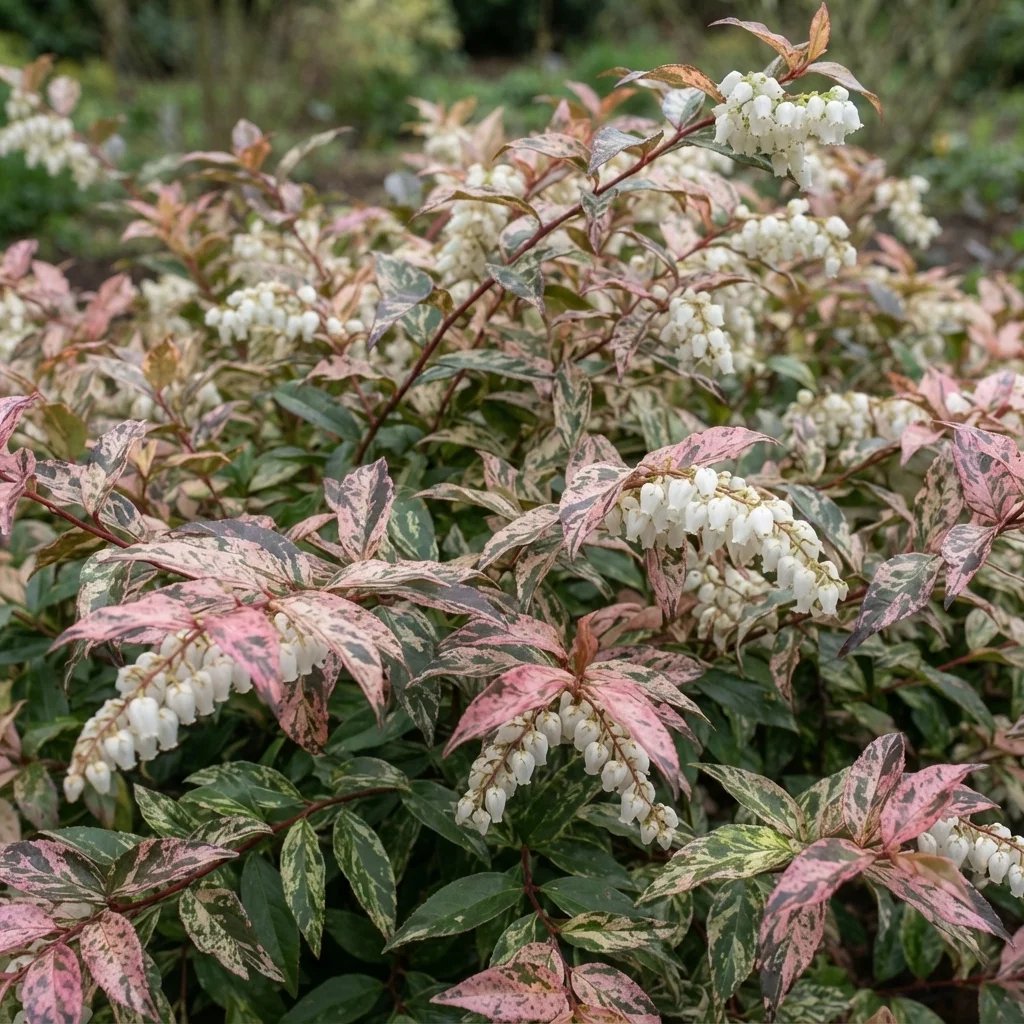
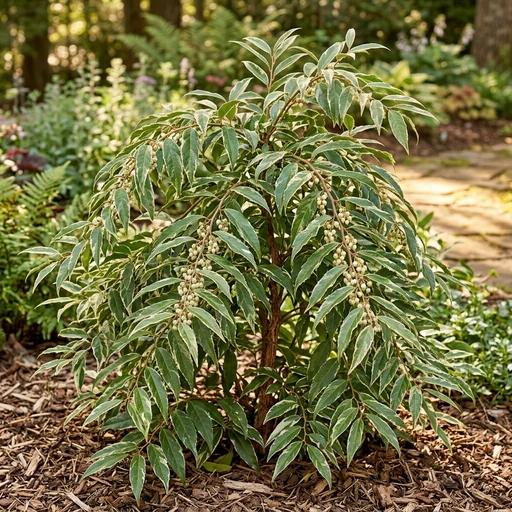
'Paisley Pup' is distinguished by its highly variegated foliage, which emerges in a shifting mix of pink, cream, white, bronze, and green, maintaining this multi-colored pattern year-round. This compact cultivar reaches three to four feet in height and exhibits strong resistance to deer and rabbit browsing.
Uses & Benefits:
Essentials
At a Glance
Plant Type
Shrub
Height
48"
Width
60"
Light
Partial Sun, Shade
Zones
5, 6, 7, 8
Water
Consistent moisture
Humidity
High
Lifespan
Perennial
Native To
Southeastern United States
Toxicity
Toxic to humans, dogs, cats, and horses
Bloom period
Late spring – Early summer
In flower about 2 months of the year
Marketplace
Where to Buy
Shipping costs Year-round shipping Free shipping
Planting
How to Grow
- Select a planting site with partial to full shade, ideally receiving filtered morning sun and afternoon protection.
- Amend the soil with organic matter to ensure a highly acidic, moist, and well-drained profile.
- Plant the root ball level with the surrounding soil, backfill, and water thoroughly to settle.
- Apply a thick layer of organic mulch to retain consistent moisture and protect the shallow root system.
Pro Tip
Correct yellowing foliage or poor vigor by lowering the soil pH below 6.0 rather than applying general-purpose fertilizers or iron.
Keep It Thriving
Care Guide
Do
- Do maintain consistently moist soil, especially during dry summer spells.
- Do grow in acidic, organically rich soils with a pH below 6.0.
- Do prune selectively by removing entire old or damaged stems at ground level.
Don't
- Don't shear or hedge the plant, which destroys its natural arching habit and removes flowering wood.
- Don't allow the soil to dry out completely or tolerate standing water.
- Don't apply heavy chemical fertilizers or high-phosphorus blends.
Seasonal Care Calendar
| Task | Jan | Feb | Mar | Apr | May | Jun | Jul | Aug | Sep | Oct | Nov | Dec |
|---|---|---|---|---|---|---|---|---|---|---|---|---|
| Fertilize | ||||||||||||
| Mulch | ||||||||||||
| Pest Check | ||||||||||||
| Prune |
Watch Out For
Pests & Diseases
Common Pests
Common Diseases
In the Garden
Landscape Uses & Companions
Landscape Uses
Companion Plants
Multiply
Propagation Methods
Good to Know
Common Questions
Doghobble questions
What zones can Doghobble grow in?
Doghobble is hardy in USDA Zones 5–8. Inside that range it survives winter in the ground; outside it, grow it as an annual or a container plant you protect.
Is Doghobble deer resistant?
Yes — Doghobble is rated deer-resistant. Deer typically pass it over, though extreme hunger can override any plant's defenses.
When does Doghobble bloom?
Doghobble typically blooms in late spring through early summer. Exact timing shifts a week or two with your zone — Sow's bloom calendar maps it to your garden.
Does Doghobble need full sun?
Doghobble does best in part shade.
More Leucothoe to compare
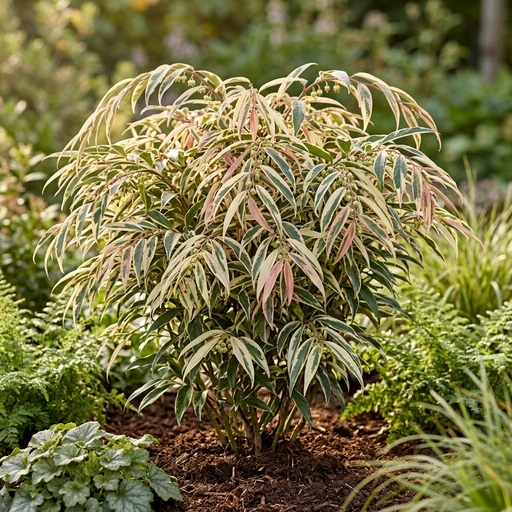
Rainbow Drooping Leucothoe
Leucothoe fontanesiana 'Rainbow'
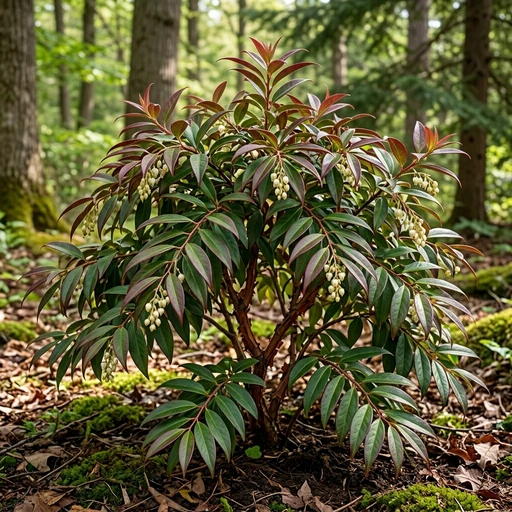
Scarletta Fetterbush
Leucothoe fontanesiana 'Zeblid'
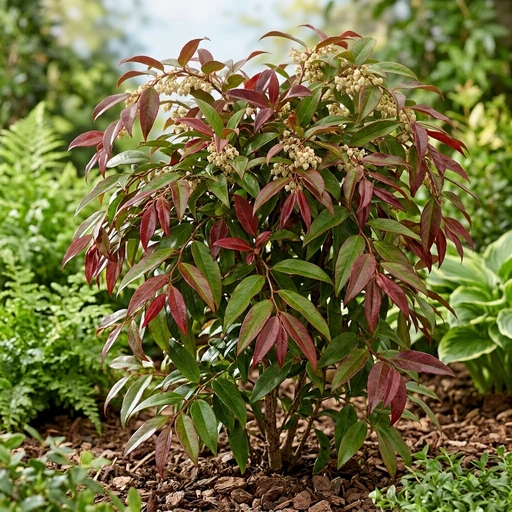
Scarletta Drooping Fetterbush
Leucothoe fontanesiana 'Scarletta Drooping'
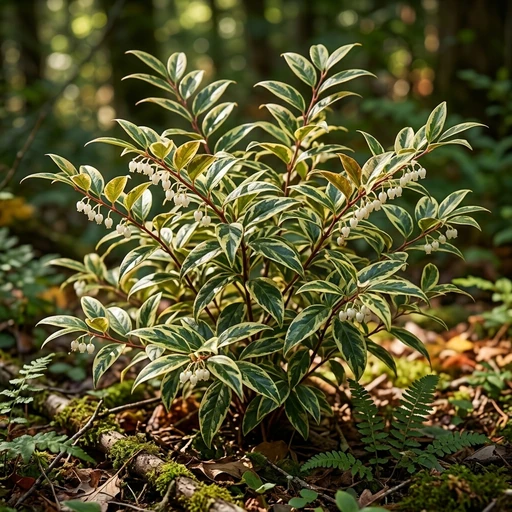
Coastal Leucothoe
Leucothoe axillaris
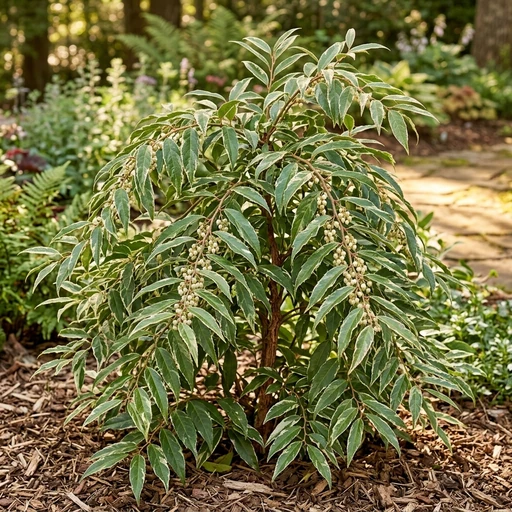
Drooping Leucothoe
Leucothoe fontanesiana
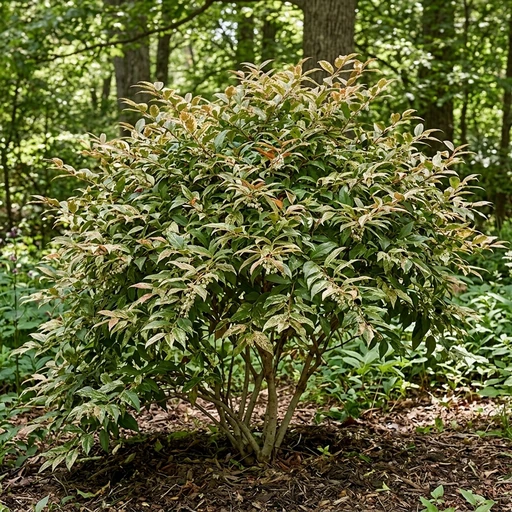
Margie Jenkins Coast Leucothoe
Leucothoe axillaris 'Margie Jenkins'
Keep exploring
Explore the genus
Hardy in your zone?
Grow Doghobble with confidence
See it in a design of your actual yard, get zone-matched care reminders, and track it season by season in your garden journal.