The Story
Plant Bio
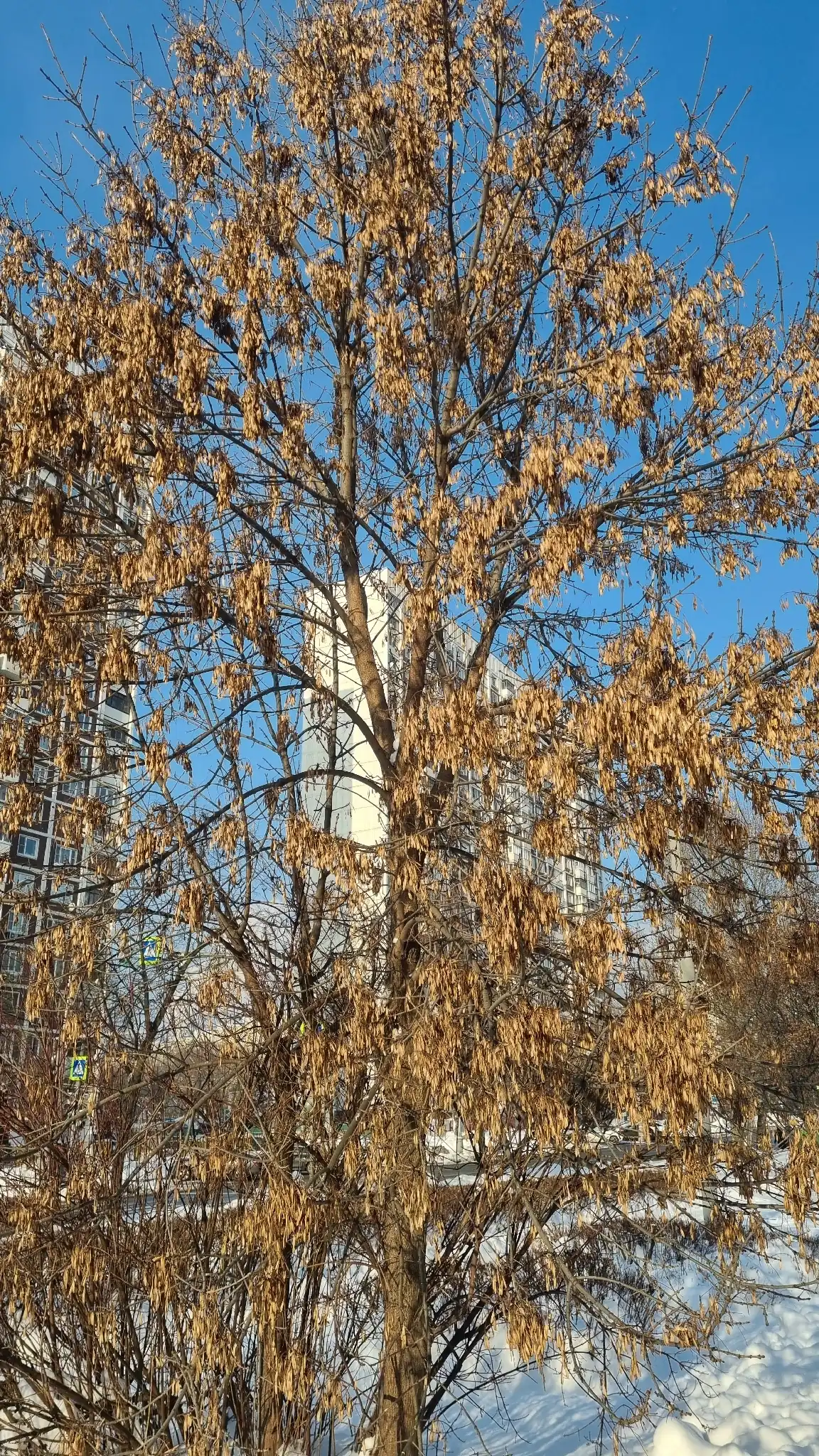
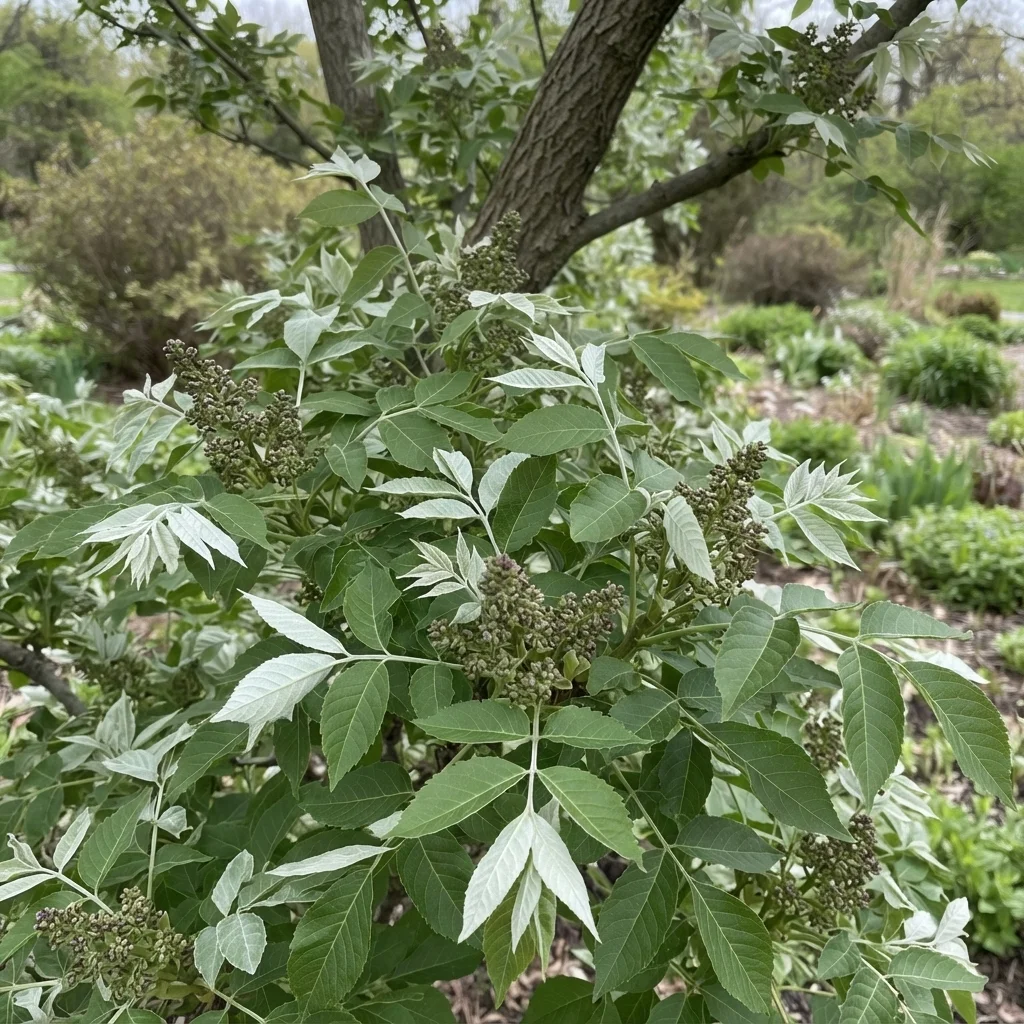
Fraxinus pennsylvanica is a deciduous, medium-to-large native tree with an upright-spreading to rounded crown, widely distributed across North American bottomlands. Its pinnately compound leaves turn a clear, uniform yellow in fall, dropping quickly to reveal a rugged, deeply furrowed gray-brown bark.
The species is exceptionally adaptable to challenging urban conditions, tolerating both prolonged soil saturation and moderate drought once established. Cultivars like 'Summit' offer a more disciplined, narrowly pyramidal form when young, maturing into a tidy oval shape.
Uses & Benefits:
Essentials
At a Glance
Plant Type
Tree
Height
787"
Width
590"
Light
Full Sun
Zones
4, 5, 6, 7, 8, 9
Water
Moderate to High
Humidity
High
Lifespan
50-150 years
Native To
North America
Toxicity
Non-toxic
Bloom period
Spring
In flower about 3 months of the year
Planting
How to Grow
- Select a planting site in full sun with ample clearance for the mature canopy.
- Excavate a planting hole twice as wide as the root ball but no deeper, ensuring the root flare sits slightly above the surrounding soil level.
- Backfill with native soil without adding soil amendments, and water deeply to settle the earth.
- Apply a three-inch layer of organic mulch over the root zone, keeping it several inches clear of the bark.
Pro Tip
Never pile mulch against the trunk or plant the root flare below grade, as this species is highly prone to stem-girdling roots and collar rot. Due to the severe threat of emerald ash borer, only plant this tree if you are prepared to commit to a long-term systemic insecticide treatment program.
Keep It Thriving
Care Guide
Do
- Prune during late winter or early spring while the tree is dormant to establish a strong central leader.
- Water deeply and regularly during the first two growing seasons to establish a deep root system.
- Monitor trees annually for signs of emerald ash borer infestation, such as canopy dieback or D-shaped exit holes.
Don't
- Do not pile mulch against the trunk, which traps moisture and encourages fungal rot.
- Avoid heavy pollarding or cutting back into old, leafless wood.
- Do not plant new specimens in areas with active, untreated emerald ash borer populations unless prepared for preventative chemical treatments.
Seasonal Care Calendar
| Task | Jan | Feb | Mar | Apr | May | Jun | Jul | Aug | Sep | Oct | Nov | Dec |
|---|---|---|---|---|---|---|---|---|---|---|---|---|
| Fertilize | ||||||||||||
| Mulch | ||||||||||||
| Pest Check | ||||||||||||
| Prune |
Watch Out For
Pests & Diseases
Common Pests
Common Diseases
In the Garden
Landscape Uses & Companions
Landscape Uses
Companion Plants
Multiply
Propagation Methods
Good to Know
Common Questions
Green Ash questions
What zones can Green Ash grow in?
Green Ash is hardy in USDA Zones 4–9. Inside that range it survives winter in the ground; outside it, grow it as an annual or a container plant you protect.
Is Green Ash deer resistant?
Not reliably. Deer may browse Green Ash, especially tender spring growth — plan on repellents or fencing where pressure is high.
When does Green Ash bloom?
Green Ash typically blooms in spring through spring. Exact timing shifts a week or two with your zone — Sow's bloom calendar maps it to your garden.
Does Green Ash need full sun?
Green Ash does best in full sun (6+ hours).
Is Green Ash drought tolerant?
Yes — once established (usually after the first full season), Green Ash handles dry spells with minimal watering. Water deeply its first year to build the root system that makes that possible.
More Fraxinus to compare
Keep exploring
Explore the genus
Grow Green Ash with confidence
See it in a design of your actual yard, get zone-matched care reminders, and track it season by season in your garden journal.