Also known as Ash · 22 saves
Fraxinus
Fraxinus, the genus most gardeners know as ash. We track 12 varieties; the ones most used by real gardeners.
The 12 most-saved Fraxinus varieties
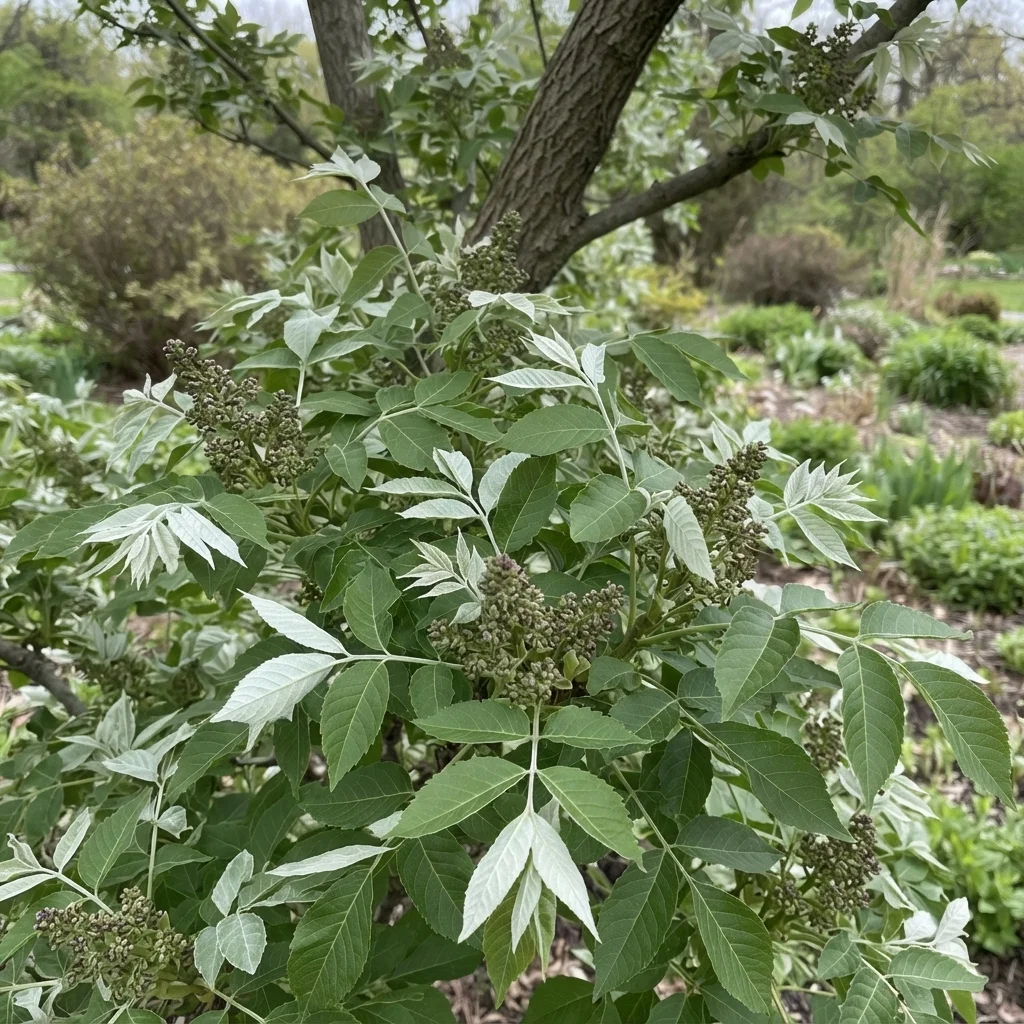
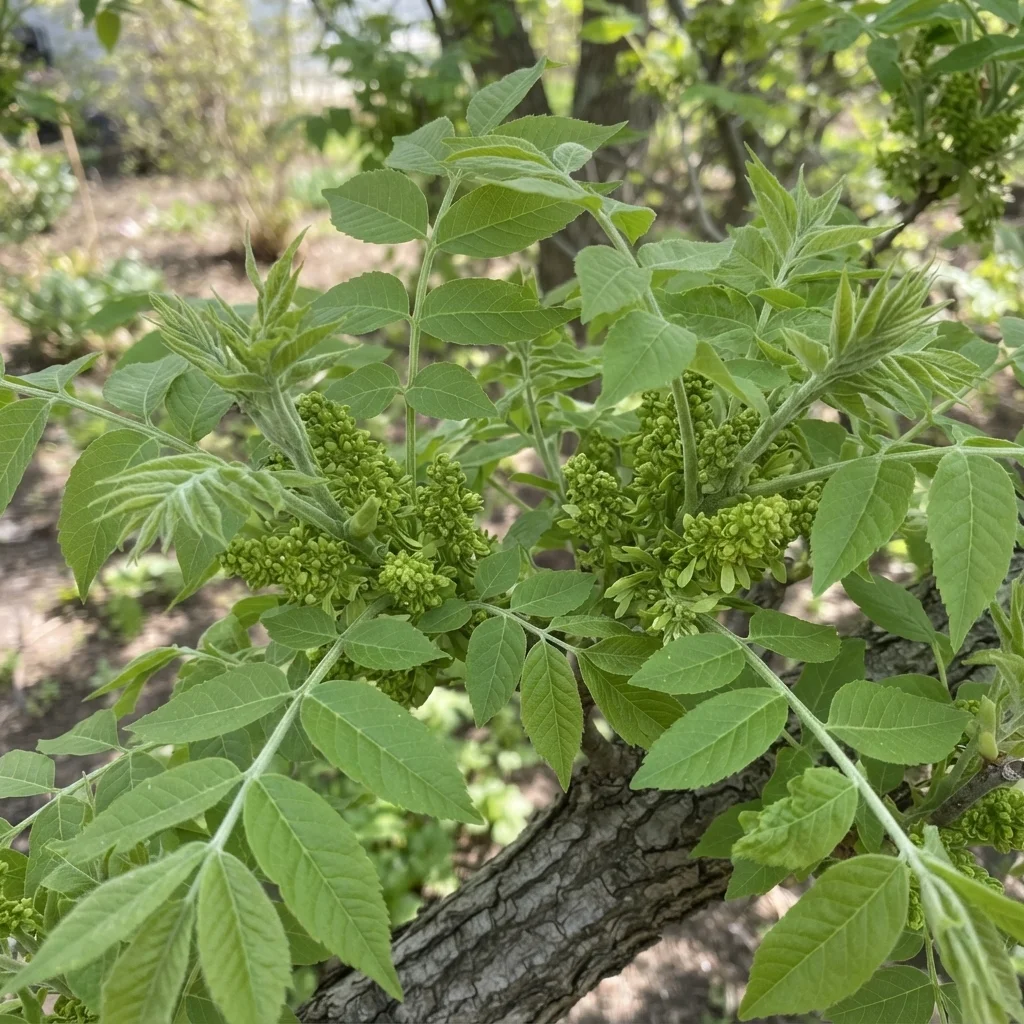
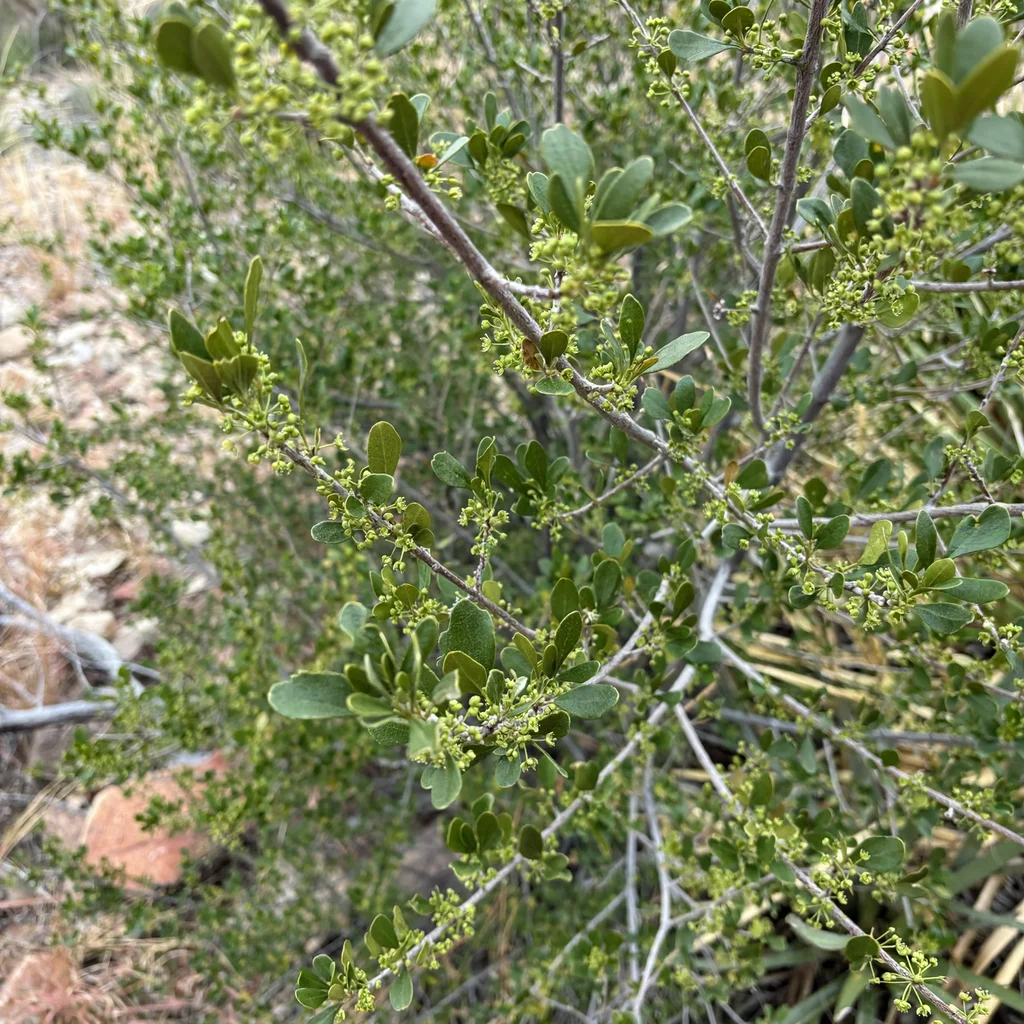
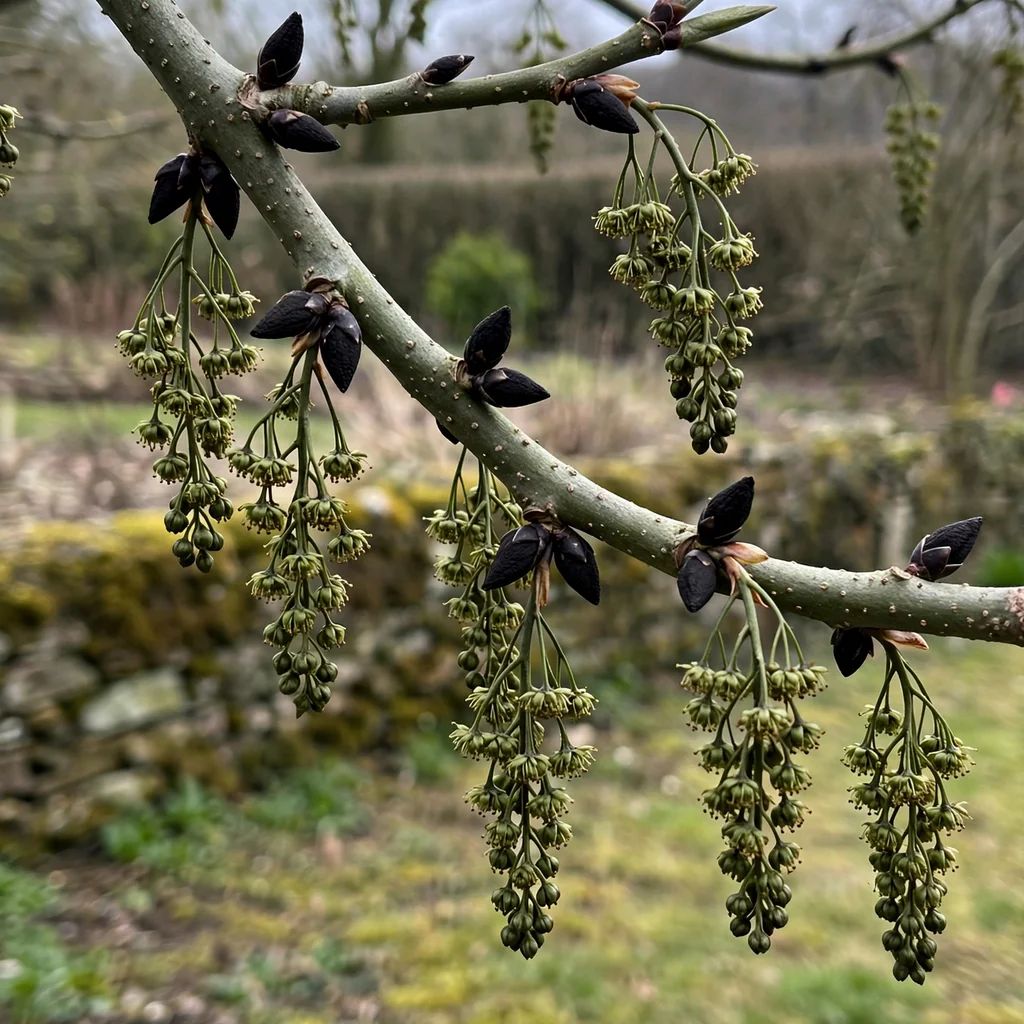
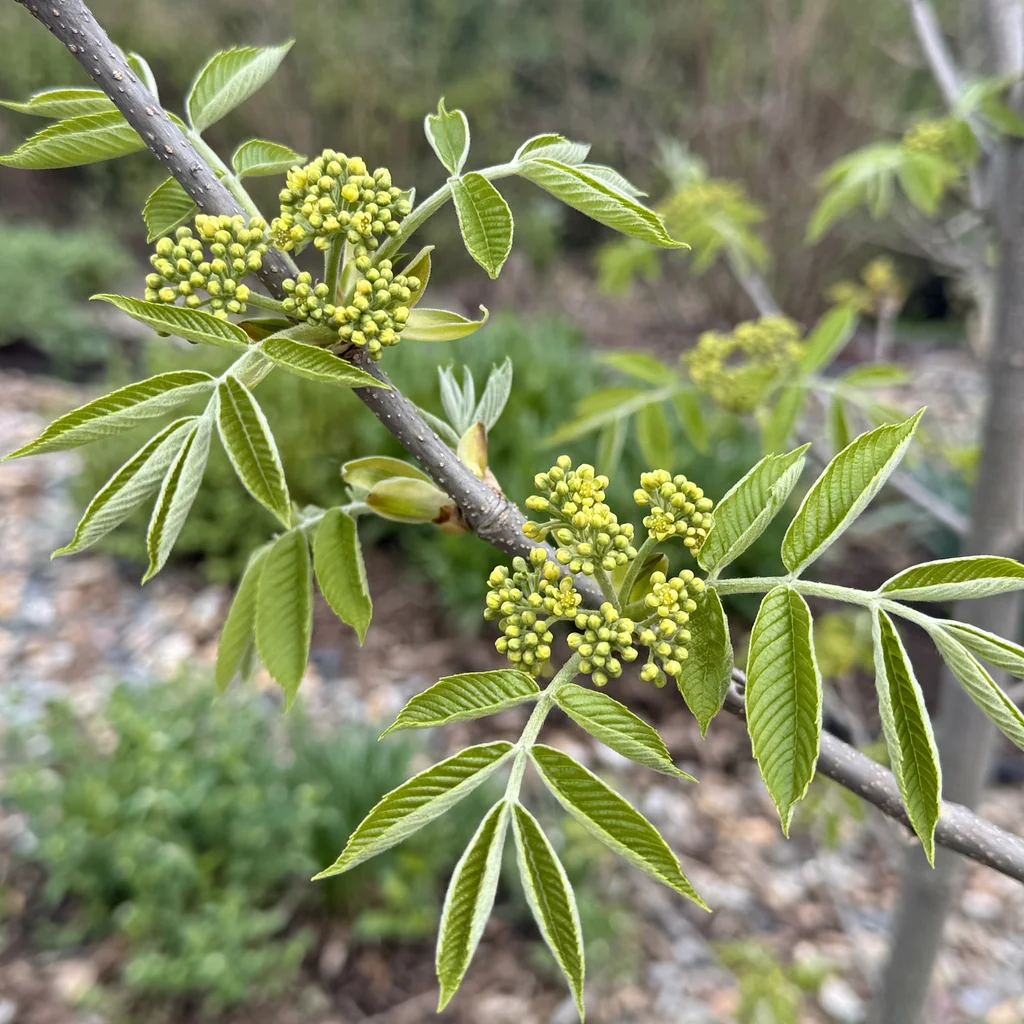
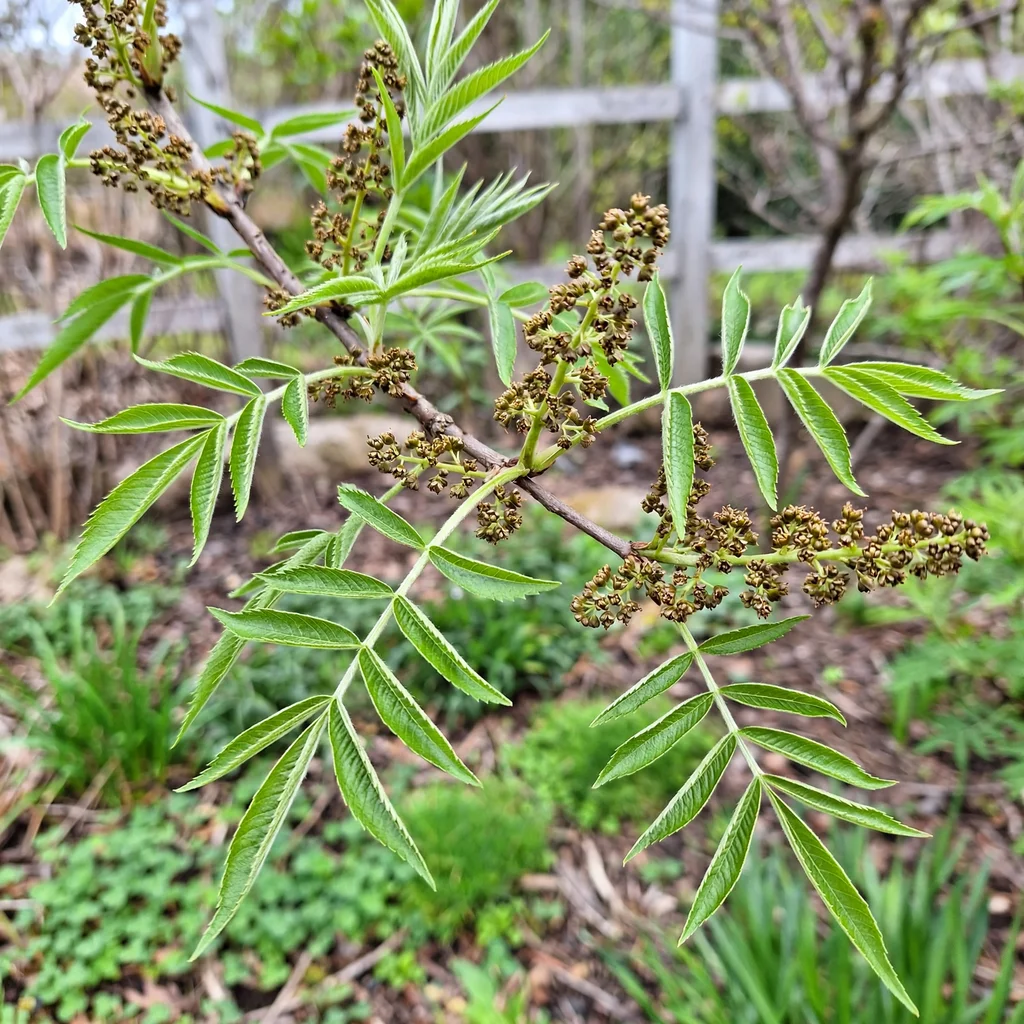
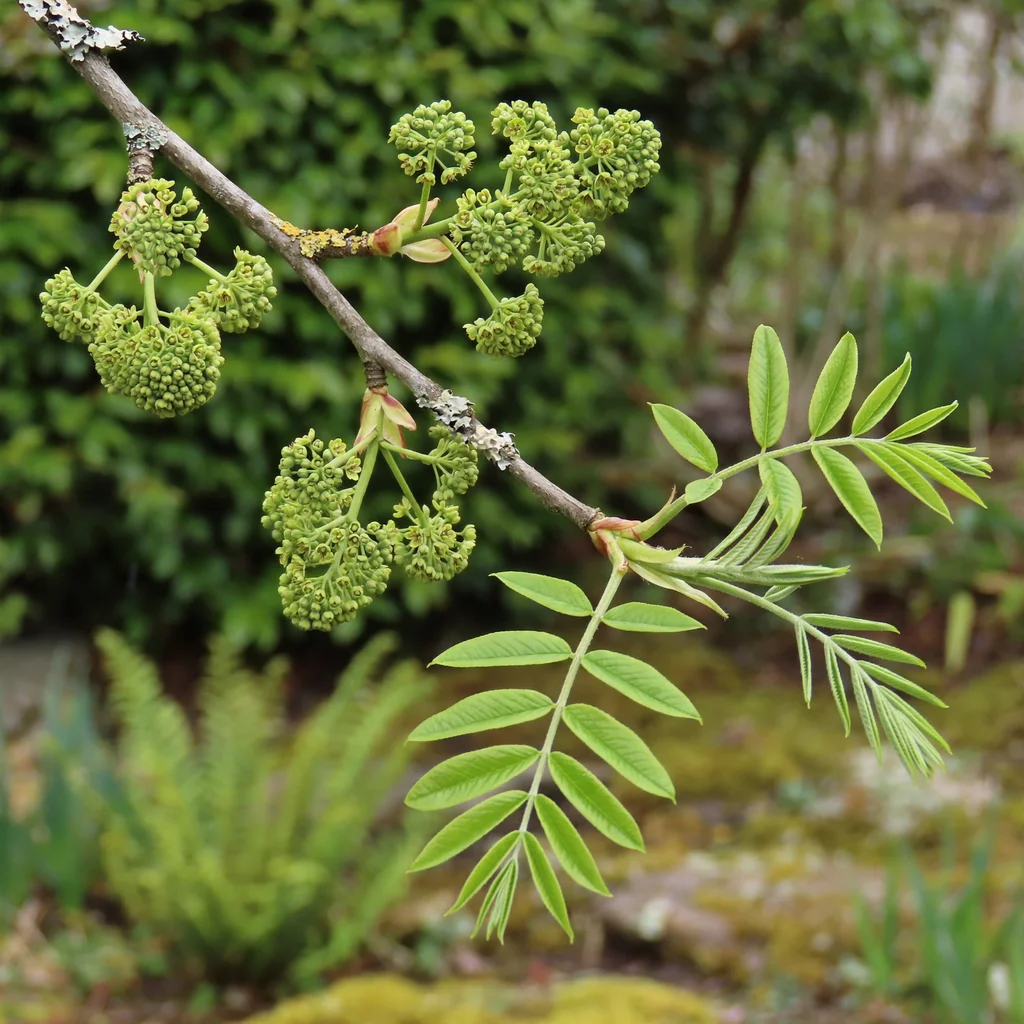
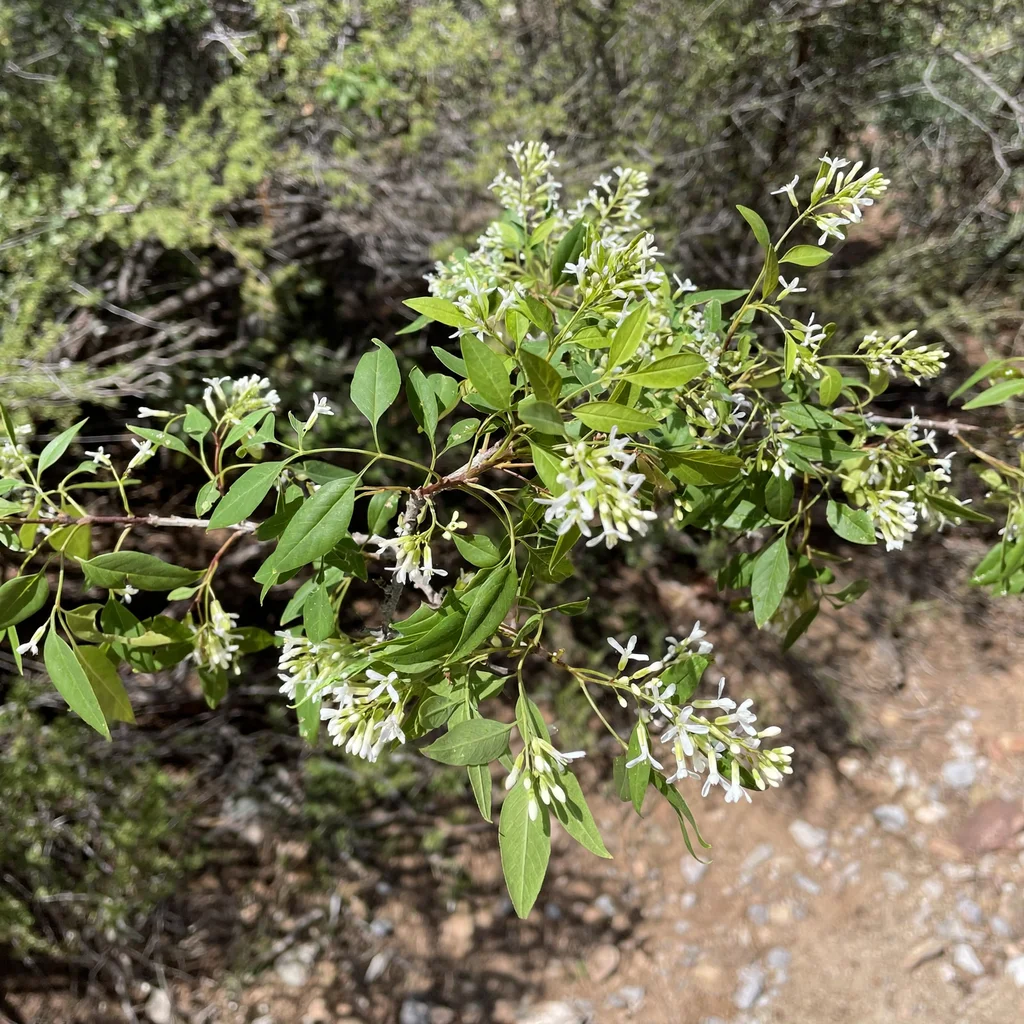
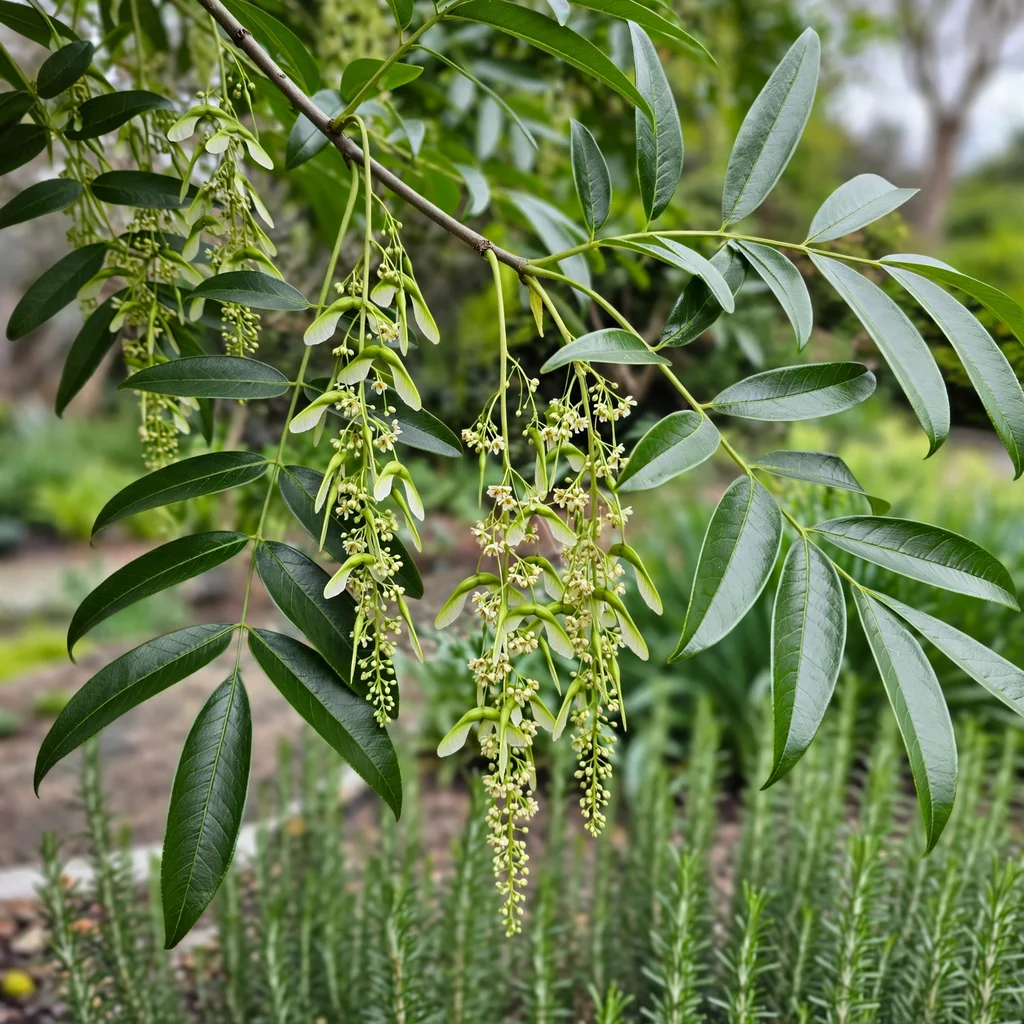
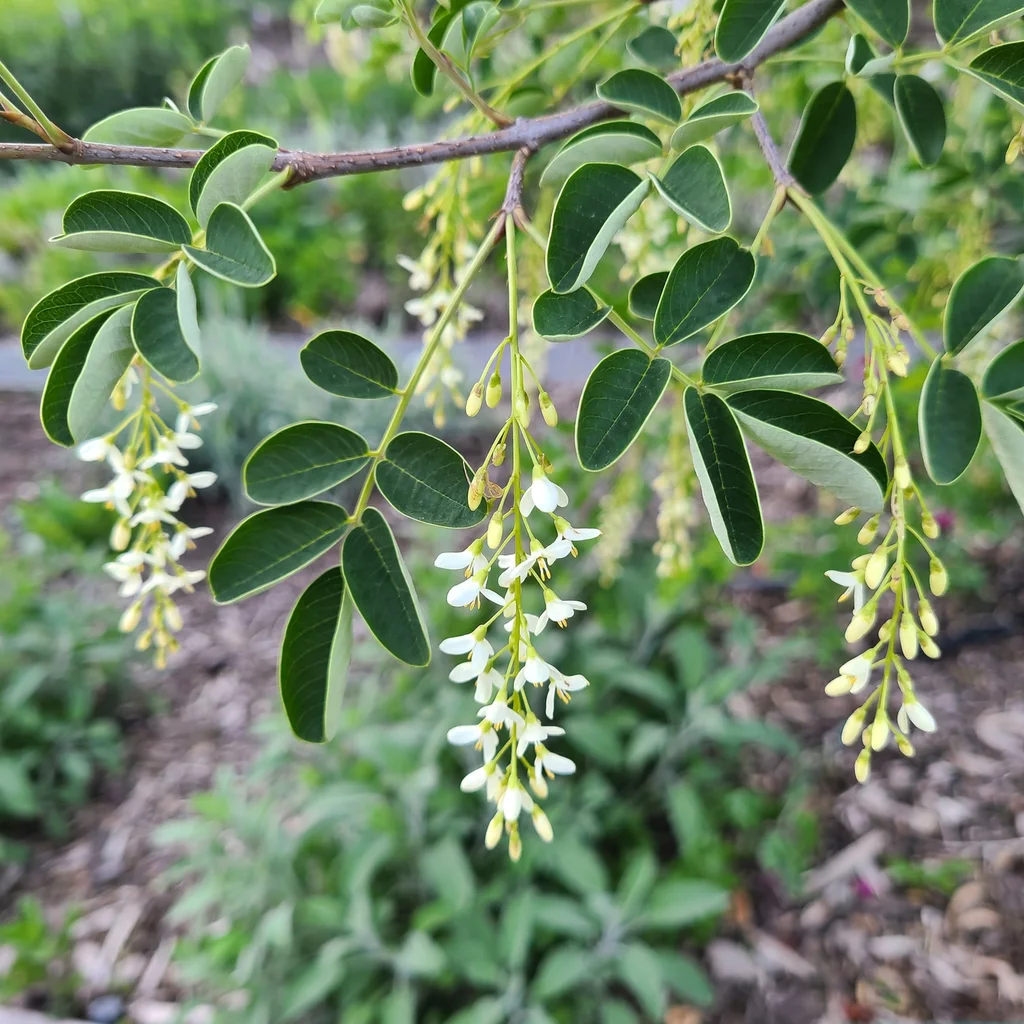
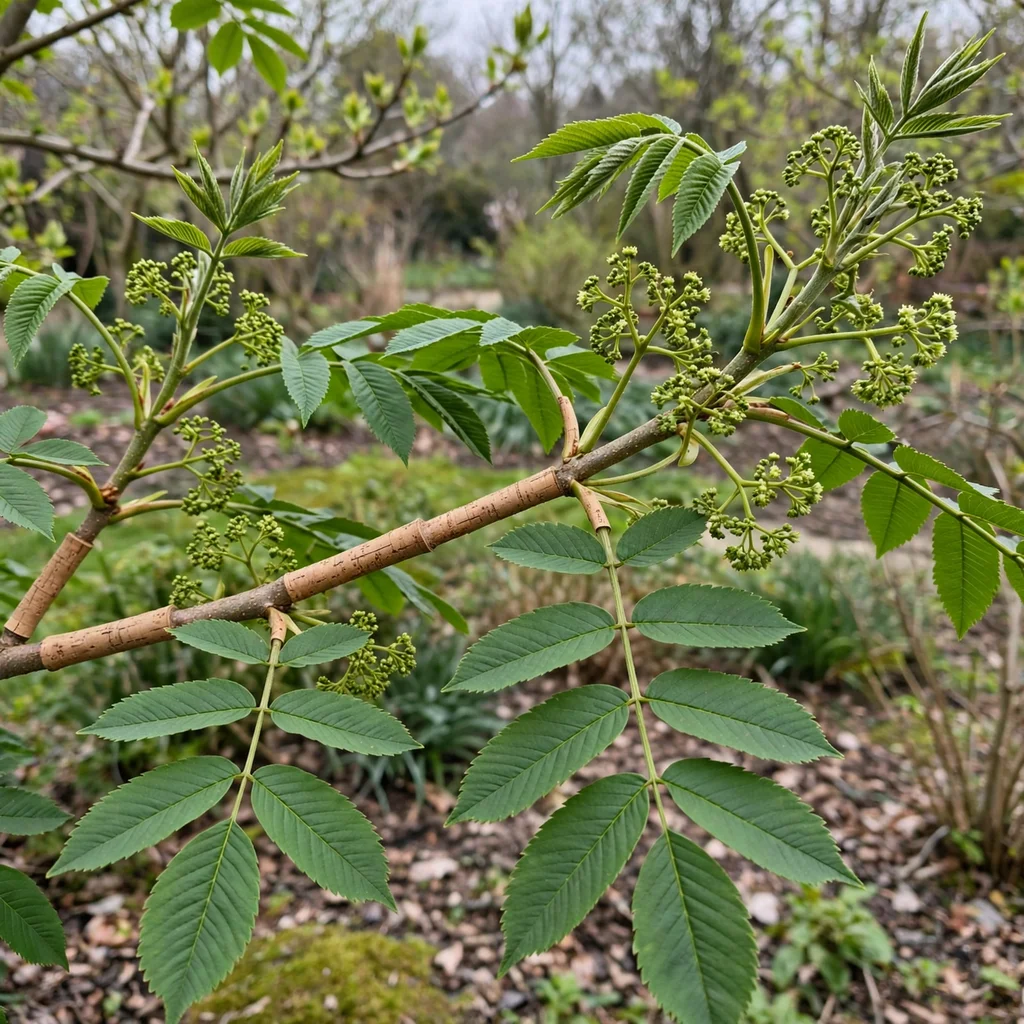
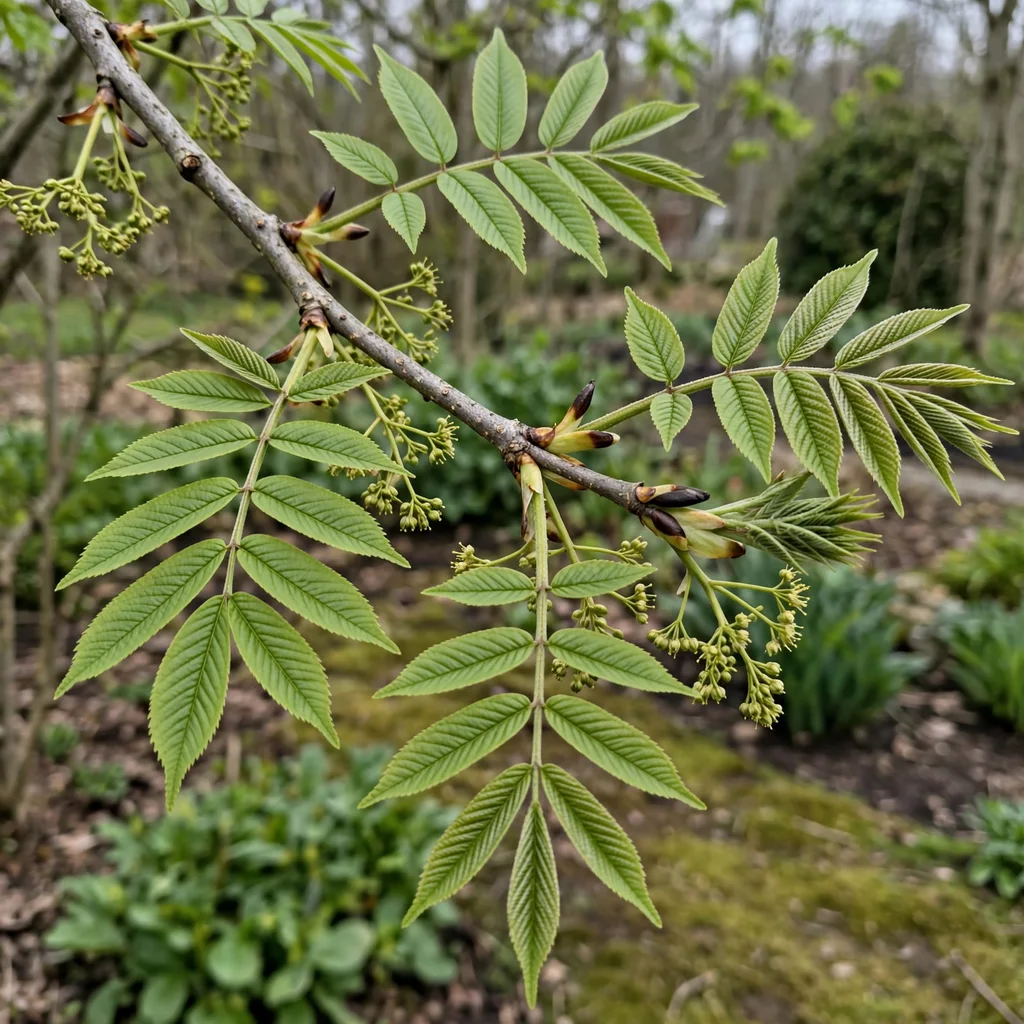
12 species of Fraxinus
Each one is a parent of the varieties above.
Track your Fraxinus in Sow
Save the Fraxinus you grow and get care reminders timed to your zone.
How to grow Fraxinus
Whats common across all Fraxinus varieties in our catalog — drawn from the care records of the 12 most-grown of them.
The Fraxinus year
- MulchApril and May100% of varieties
Apply organic mulch over the root zone to retain soil moisture during summer.
- Check for PestsMay–July100% of varieties
Inspect trunks and canopy foliage for signs of emerald ash borer or sawfly larvae.
- PruneJanuary and February92% of varieties
Prune dormant trees lightly to maintain a central trunk and remove crossing branches.
- PlantMarch and April42% of varieties
Plant container-grown or balled-and-burlapped stock into moist soil early in spring.
- Spring CleanupMarch and April42% of varieties
Rake and compost or destroy fallen yellow leaves to prevent overwintering fungal spores.
- FertilizeMarch and April42% of varieties
Apply balanced tree fertilizer only if soil tests indicate severe nutrient deficiency.


Do
- Plant in flood-prone or saturated sites where other native trees struggle to survive.
- Prune young trees sparingly in late winter to maintain a strong central leader.
- Water regularly during extended dry periods to prevent leaf drop and dieback.
- Water deeply during extended dry spells to maintain canopy density.
- Prune young trees early to establish a balanced branch structure.
Avoid
- Do not prune heavily into old leafless wood, as regrowth from old branches is poor.
- Do not apply excessive fertilizer unless soil tests show severe nutrient deficits.
- Do not plant in dry, unirrigated urban streetscapes with compacted soils.
- Do not top or severe-head mature limbs, which induces weak structural regrowth.
What goes wrong with Fraxinus
| Problem | What you'll see | What to do |
|---|---|---|
| Emerald ash borer | Serpentine galleries under the bark, epicormic sprouting, and rapid upper canopy dieback. | Apply systemic preventative treatments on valuable trees or remove heavily infested specimens. |
| Emerald Ash Borer | D-shaped exit holes in trunk bark, branch dieback, and dense epicormic shoots along the lower trunk. | Apply preventative systemic treatments in infected zones or remove severely compromised trees. |
| Ash Flower Gall Mite | Distorted, woody flower clusters that turn brown and persist into winter. | Prune out affected flower clusters and spray dormant horticultural oil in early spring. |
| Aphids | Curled leaf tips accompanied by sticky honeydew on foliage. | Dislodge infestations with a firm spray of water or apply insecticidal soap. |
| Powdery mildew | White powdery fungal coating on leaf surfaces during late summer. | Improve air circulation around the canopy and clean up fallen foliage in fall. |
| Ash yellows | Slowed growth, progressive branch dieback, and bushy witches'-brooms. | Maintain tree vigor with proper watering; remove severely declined trees. |
| Powdery Mildew | White powdery coating over leaf surfaces during humid weather. | Increase air circulation around the canopy and avoid wetting foliage during irrigation. |
Making more Fraxinus
Seed
- Collect samaras from the tree in late summer while slightly green before they fully dry.
- Remove seed wings and soak seeds in room-temperature water for 24 hours.
- Cold moist stratify seeds at 35 to 40 degrees Fahrenheit for 60 to 90 days.
- Sow stratified seeds into moist potting medium and keep in a cool, bright location.
Cuttings
- Take softwood cuttings from current season's growth in late spring.
- Dip the cut stem ends in rooting hormone powder.
- Insert cuttings into a sterile perlite and peat mixture under mist.
- Pot up rooted cuttings once strong root systems develop.
Fraxinus questions
How many types of Fraxinus are there?
The Sow catalog tracks 12 distinct Fraxinus varieties. The most popular — ranked by 22 real gardeners — are shown first above.
What zones does Fraxinus grow in?
Across its varieties, Fraxinus covers USDA Zones 4–10. Individual varieties differ — each plant page lists its exact range, and Sow filters the catalog to your zone automatically.
When does Fraxinus bloom?
Most Fraxinus varieties bloom in spring.
Which Fraxinus should I choose?
Start from the most-saved varieties above — popularity across thousands of gardens is a strong signal of reliability — then filter by your zone and sun. In the Sow app you can preview any of them in a photo of your actual yard before you buy.