The Story
Plant Bio
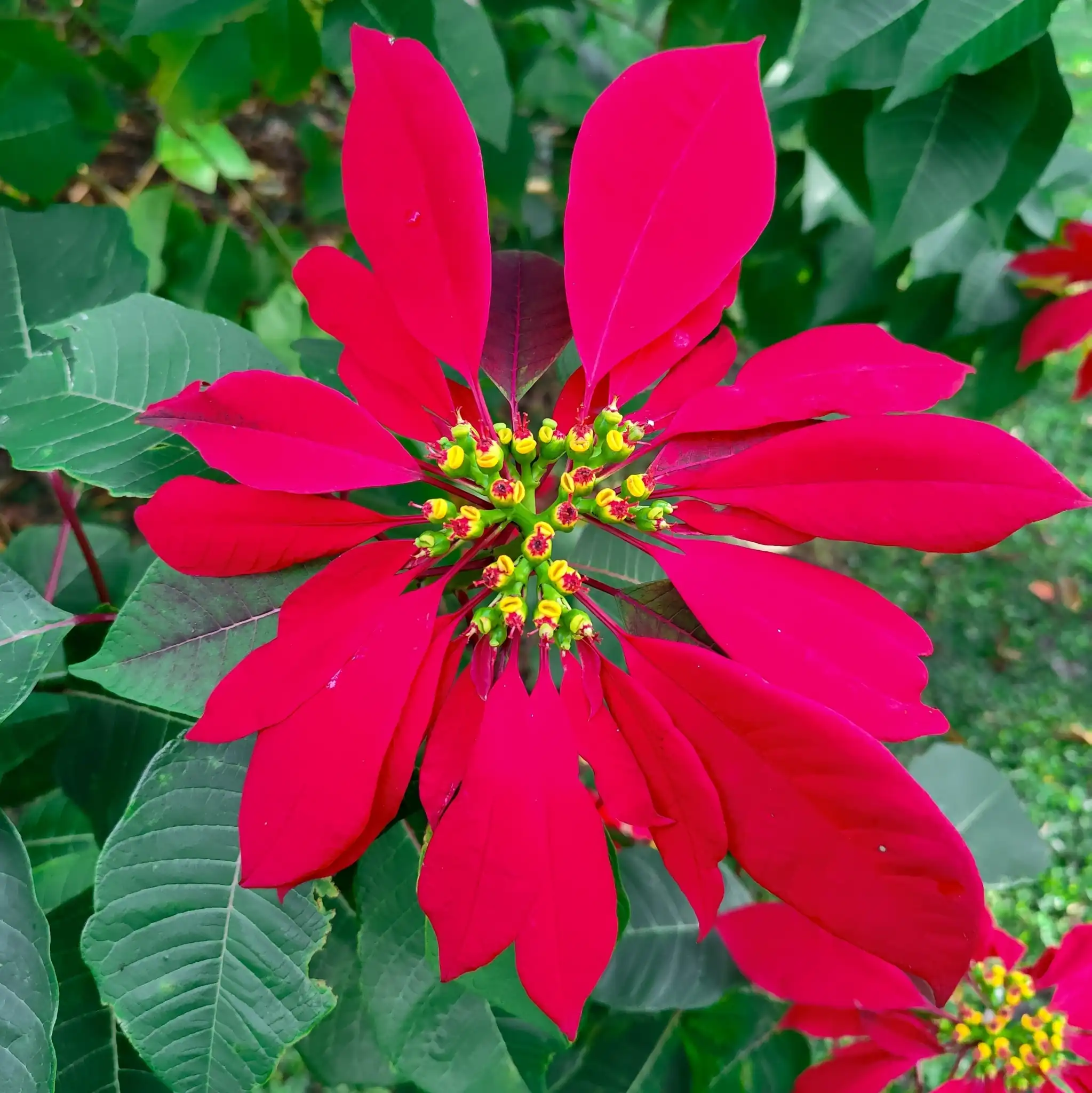
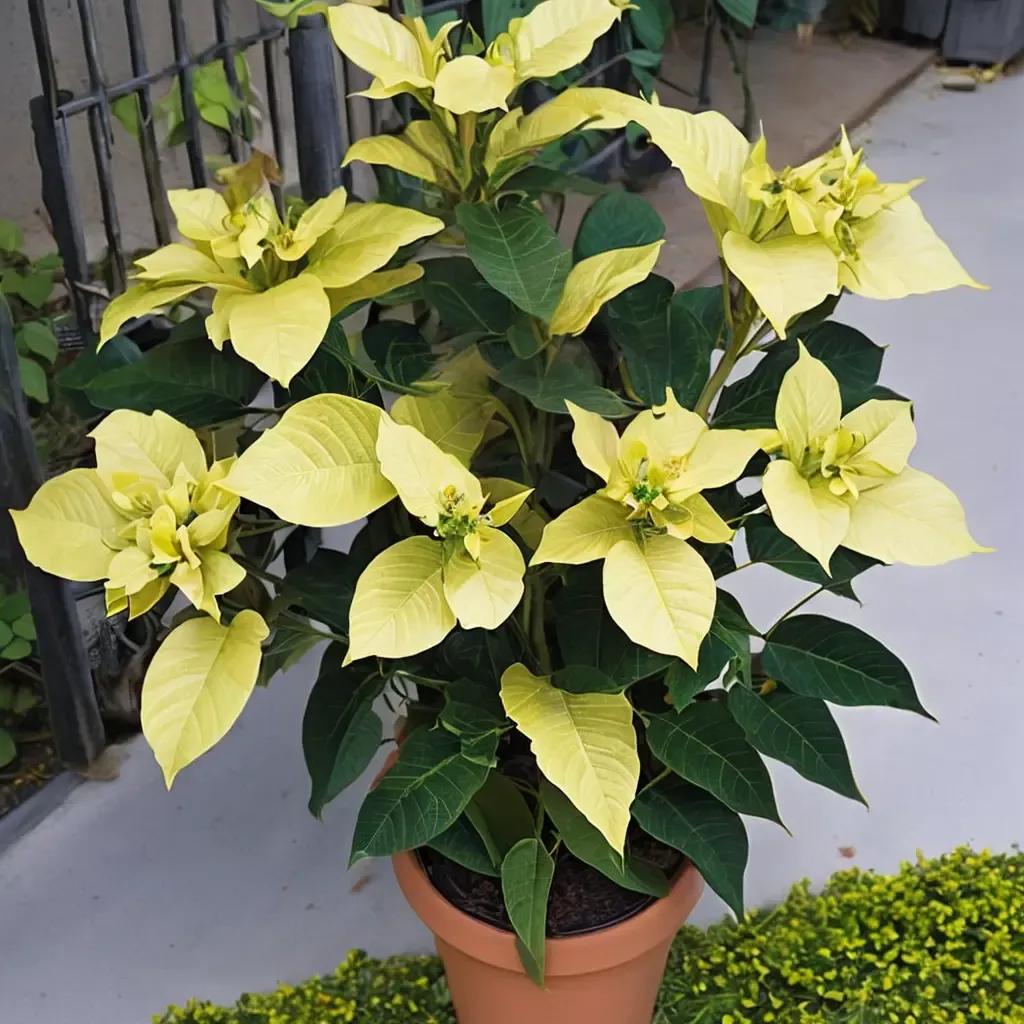
Euphorbia pulcherrima, poinsettia, is a leggy semi-evergreen shrub from Mexico and Guatemala, reaching three to twelve feet outdoors. Large dark green ovate leaves clothe upright stems, and in winter the uppermost leaves colour scarlet, pink or cream — those coloured bracts are what people take for flowers, while the true flowers are the small yellow cups at their centre.
It is a substantial outdoor shrub in its native range, not the compact pot plant sold at Christmas, which is chemically dwarfed and forced. Getting one to colour again needs strict darkness for fourteen hours a night for about eight weeks from autumn — any light break resets it. Its reputation as deadly is overstated, though the sap does irritate.
Uses & Benefits:
Essentials
At a Glance
Plant Type
Shrub
Height
90"
Width
66"
Light
Full Sun, Partial Sun
Zones
9, 10
Water
Moderate
Humidity
Moderate to high
Lifespan
Perennial
Native To
Mexico to Guatemala
Toxicity
Toxic if eaten; sap irritates skin
Marketplace
Where to Buy
Shipping costs Year-round shipping Free shipping
Planting
How to Grow
- Keep it above 60F and out of cold draughts.
- Give it bright indirect light indoors.
- Water when the surface dries; never leave it standing.
- Cut back hard in spring after the bracts fade.
- For rebloom, give fourteen hours of full darkness nightly from autumn.
- Wear gloves when cutting; the latex irritates skin.
Pro Tip
Any light at all during those fourteen dark hours resets the clock — a hall light through an open door is enough to stop it colouring.
Keep It Thriving
Care Guide
Do
- Keep it warm and draught-free 🌡️
- Give it complete darkness nightly to rebloom 🌑
- Cut back hard in spring ✂️
- Wear gloves when pruning 🧤
Don't
- Let it sit in a cold draught ❌
- Leave it in a wrapped sleeve ❌
- Break the dark period with any light ❌
Seasonal Care Calendar
| Task | Jan | Feb | Mar | Apr | May | Jun | Jul | Aug | Sep | Oct | Nov | Dec |
|---|---|---|---|---|---|---|---|---|---|---|---|---|
| Cut Back | ||||||||||||
| Dark Treatment |
Watch Out For
Pests & Diseases
Common Pests
Common Diseases
In the Garden
Landscape Uses & Companions
Landscape Uses
Multiply
Propagation Methods
Good to Know
Common Questions
Poinsettia questions
What zones can Poinsettia grow in?
Poinsettia is hardy in USDA Zones 9–10. Inside that range it survives winter in the ground; outside it, grow it as an annual or a container plant you protect.
Is Poinsettia deer resistant?
Not reliably. Deer may browse Poinsettia, especially tender spring growth — plan on repellents or fencing where pressure is high.
When does Poinsettia bloom?
Poinsettia typically blooms in winter through early fall. Exact timing shifts a week or two with your zone — Sow's bloom calendar maps it to your garden.
Does Poinsettia need full sun?
Poinsettia does best in full sun to part shade. In hot climates, afternoon shade keeps blooms fresher longer.
Is Poinsettia drought tolerant?
Yes — once established (usually after the first full season), Poinsettia handles dry spells with minimal watering. Water deeply its first year to build the root system that makes that possible.
More Euphorbia to compare
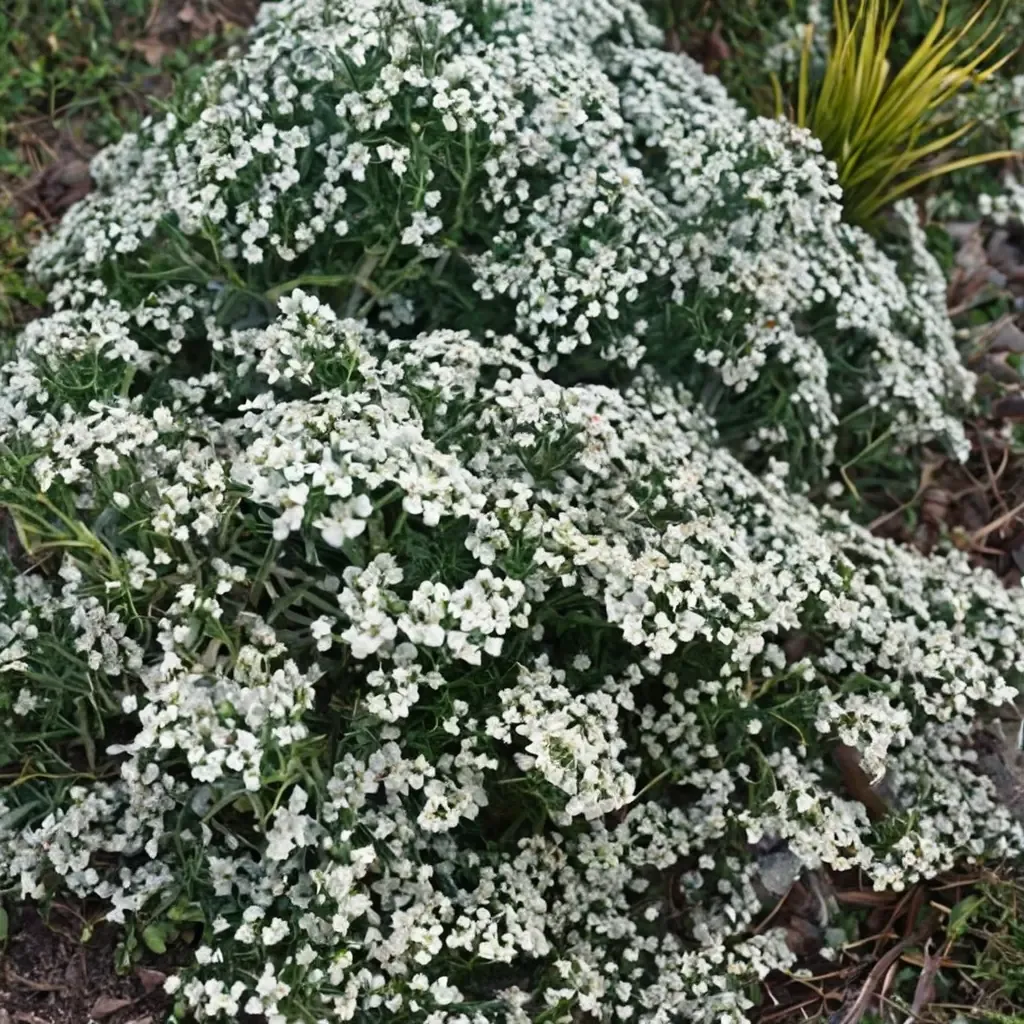
Flowering Spurge
Euphorbia corollata 'Carolina Snow'
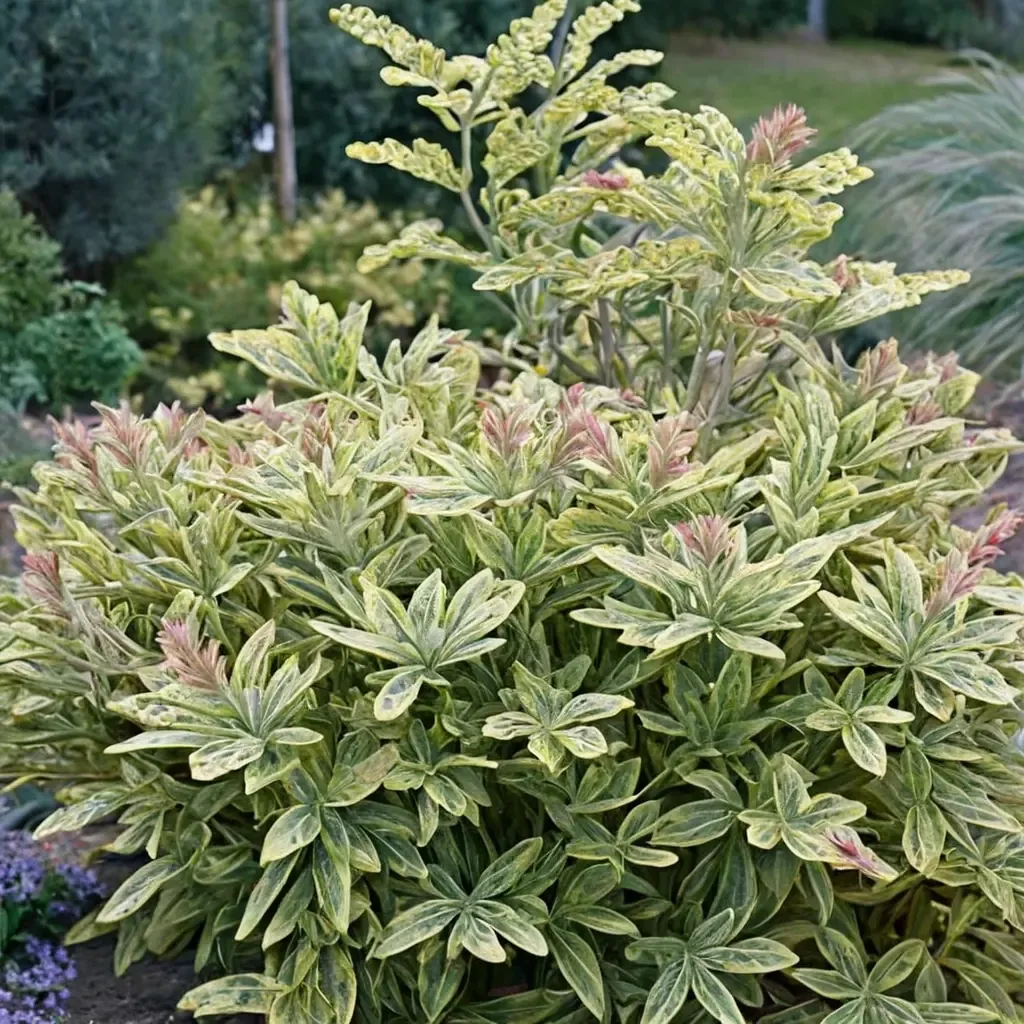
Ascot Rainbow Spurge
Euphorbia x hybrida 'Ascot Rainbow'
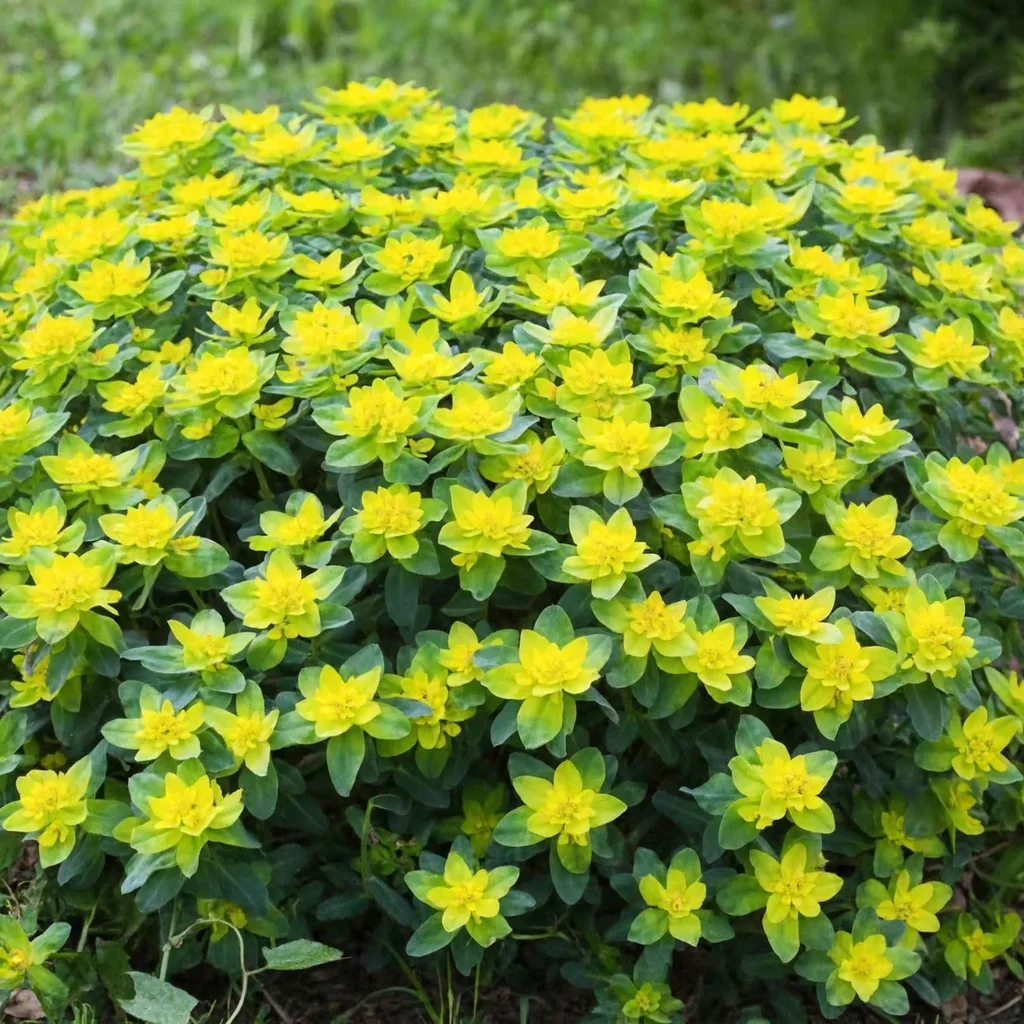
Mediterranean Spurge
Euphorbia polychroma
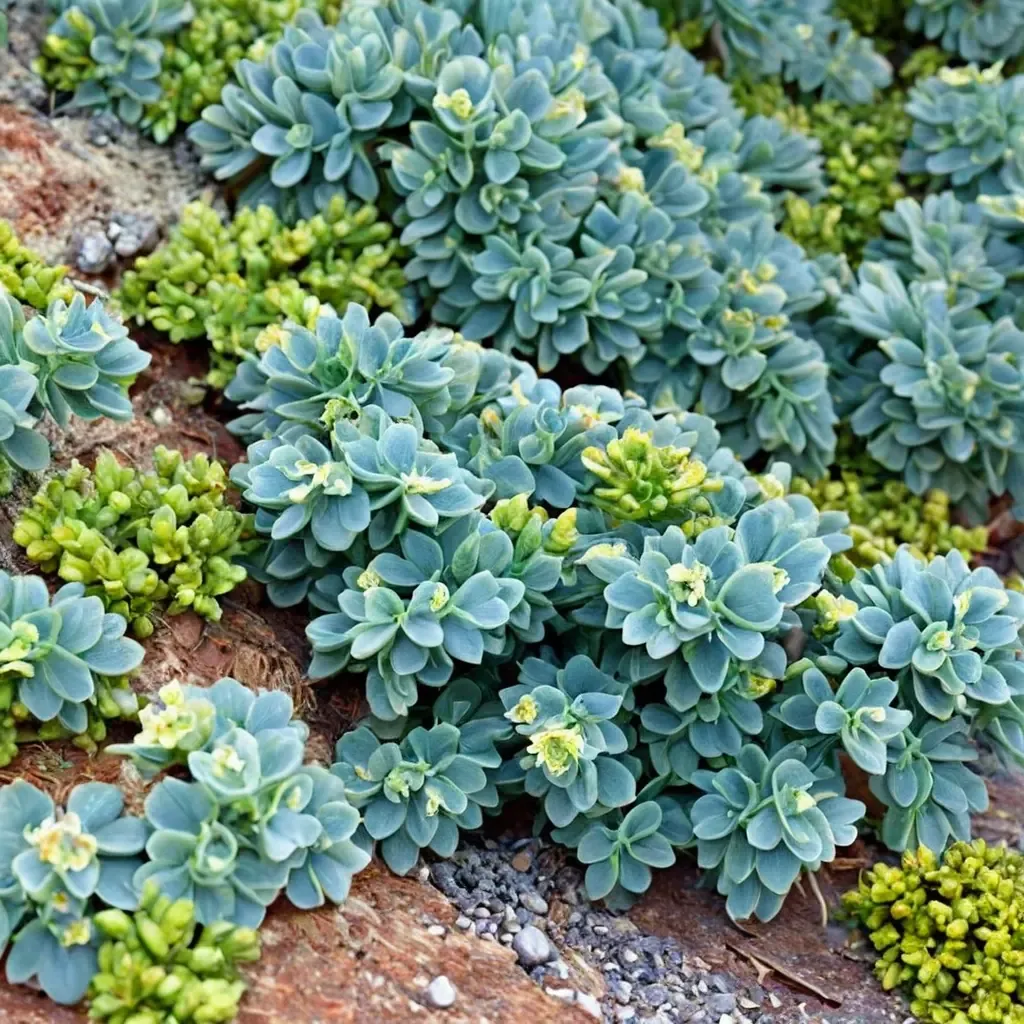
Myrtle Spurge
Euphorbia myrsinites
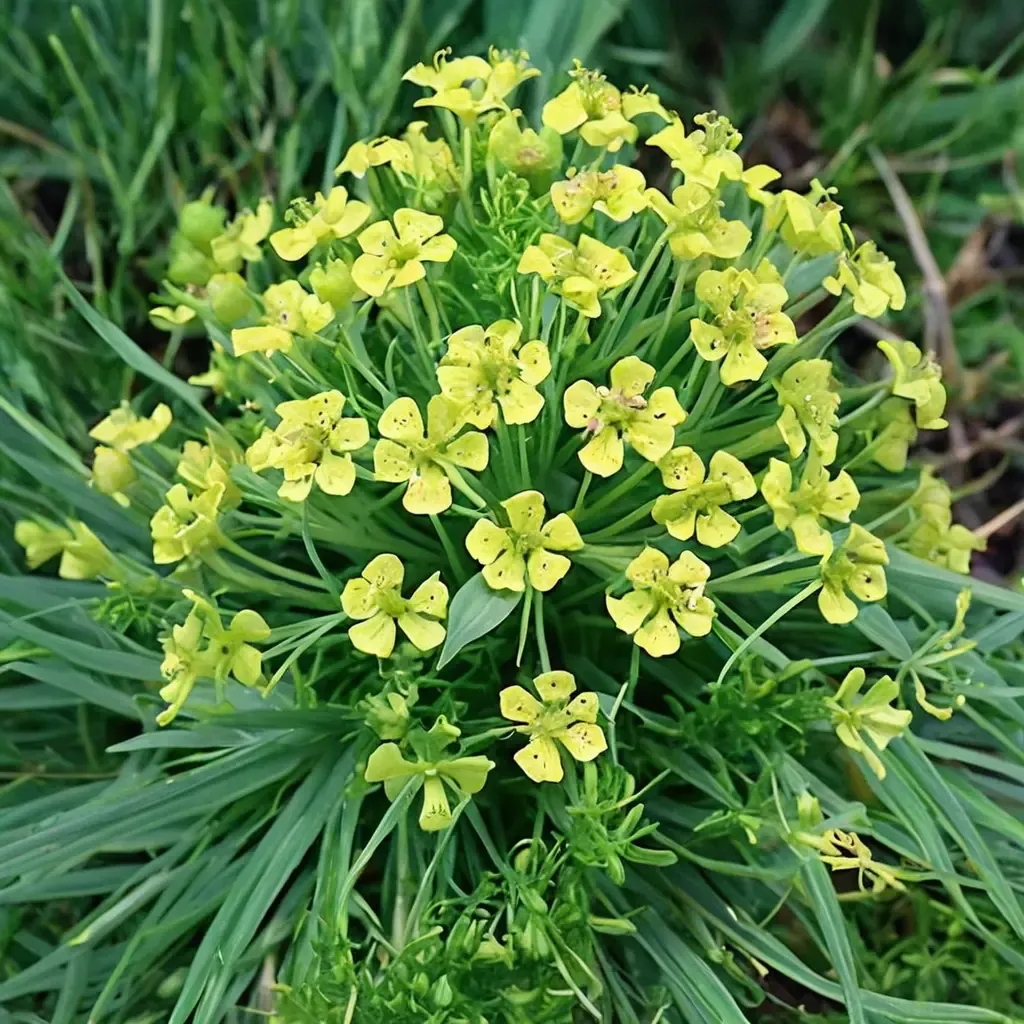
Cypress Spurge
Euphorbia cyparissias
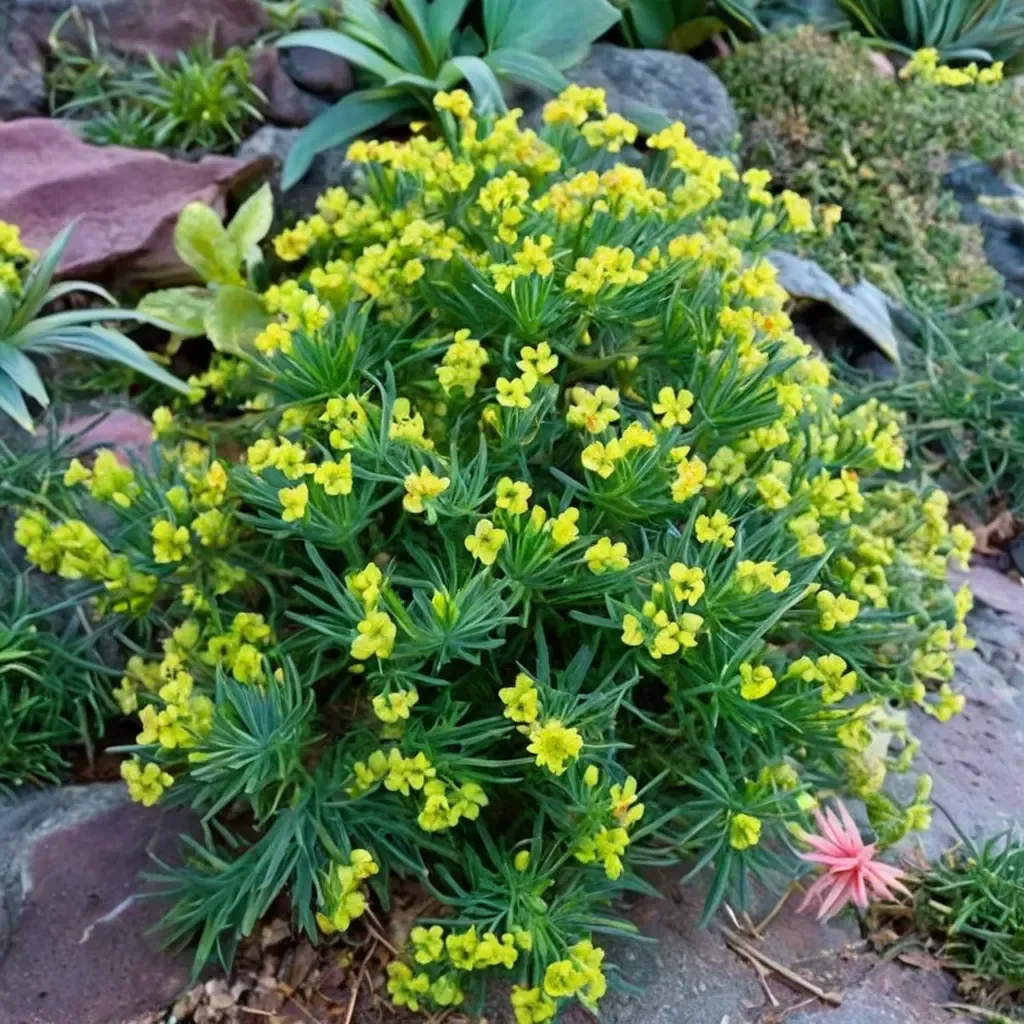
Ruby Spurge
Euphorbia cyparissias 'Fens Ruby'
Keep exploring
Explore the genus
Hardy in your zone?
Grow Poinsettia with confidence
See it in a design of your actual yard, get zone-matched care reminders, and track it season by season in your garden journal.