Also known as Monkey Puzzle Tree · 20 saves
Araucaria
Araucaria, the genus most gardeners know as monkey puzzle tree. We track 4 varieties; the ones most used by real gardeners.
The 4 most-saved Araucaria varieties
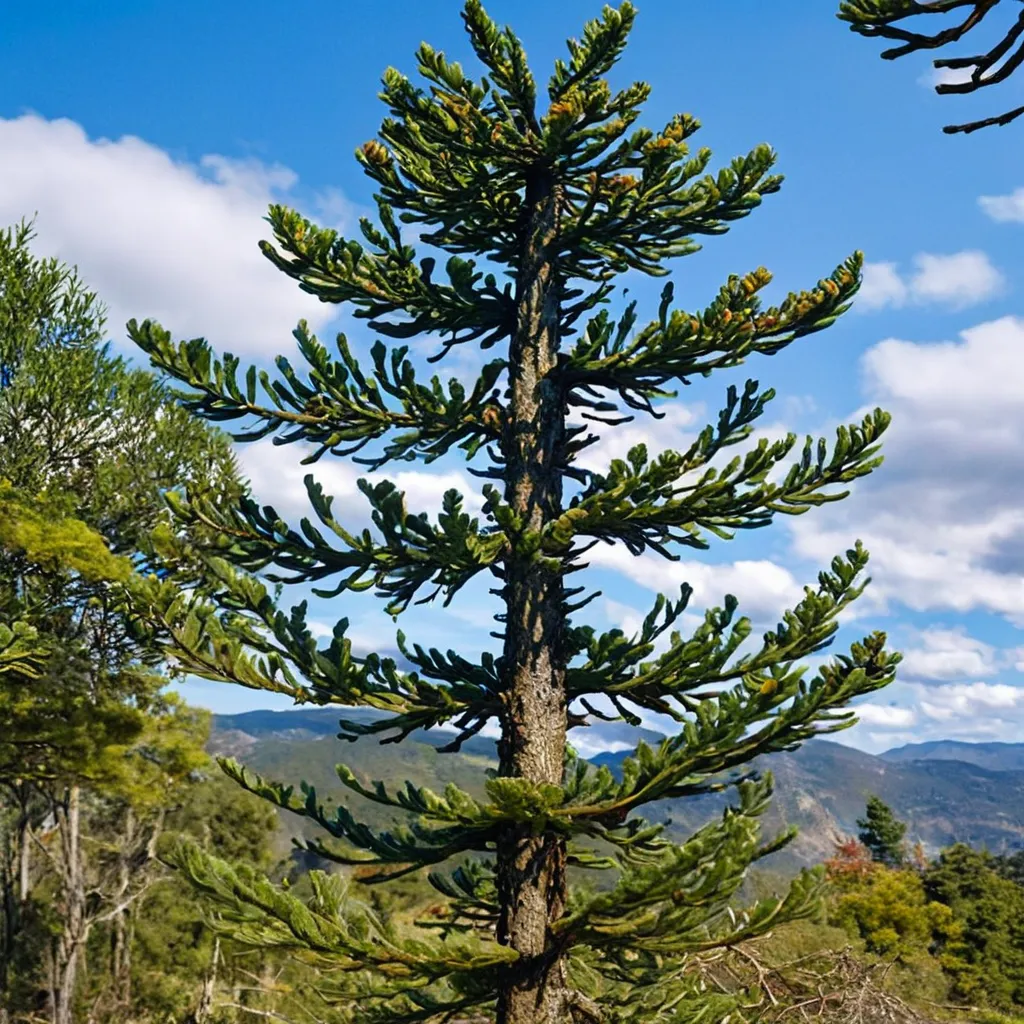
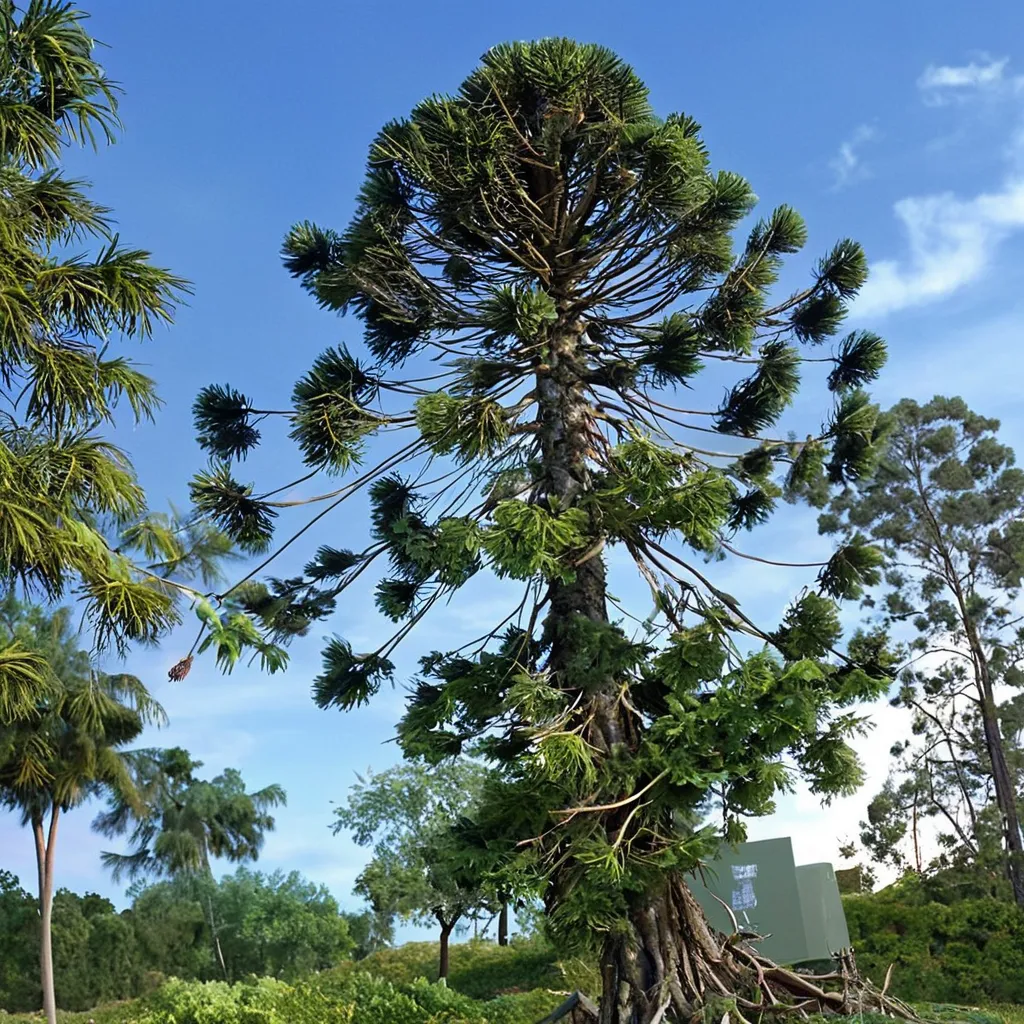
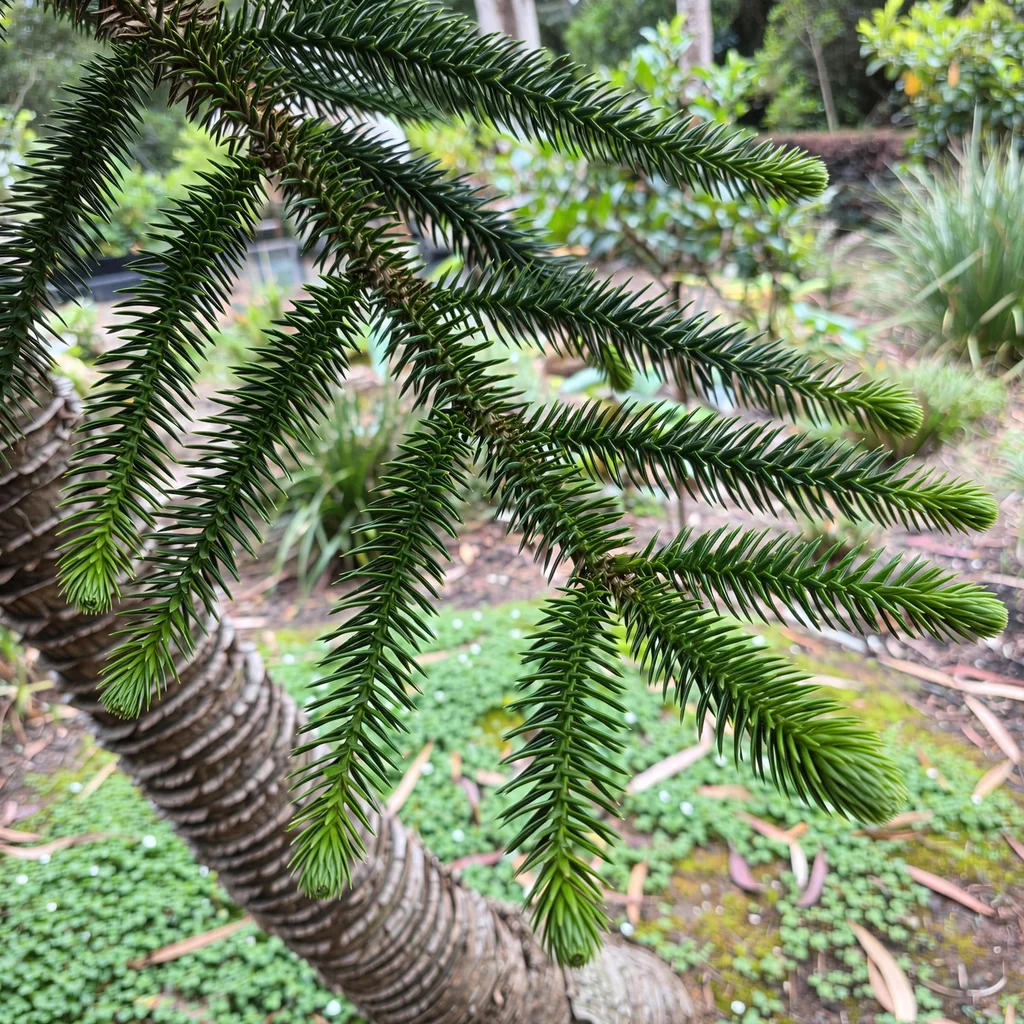
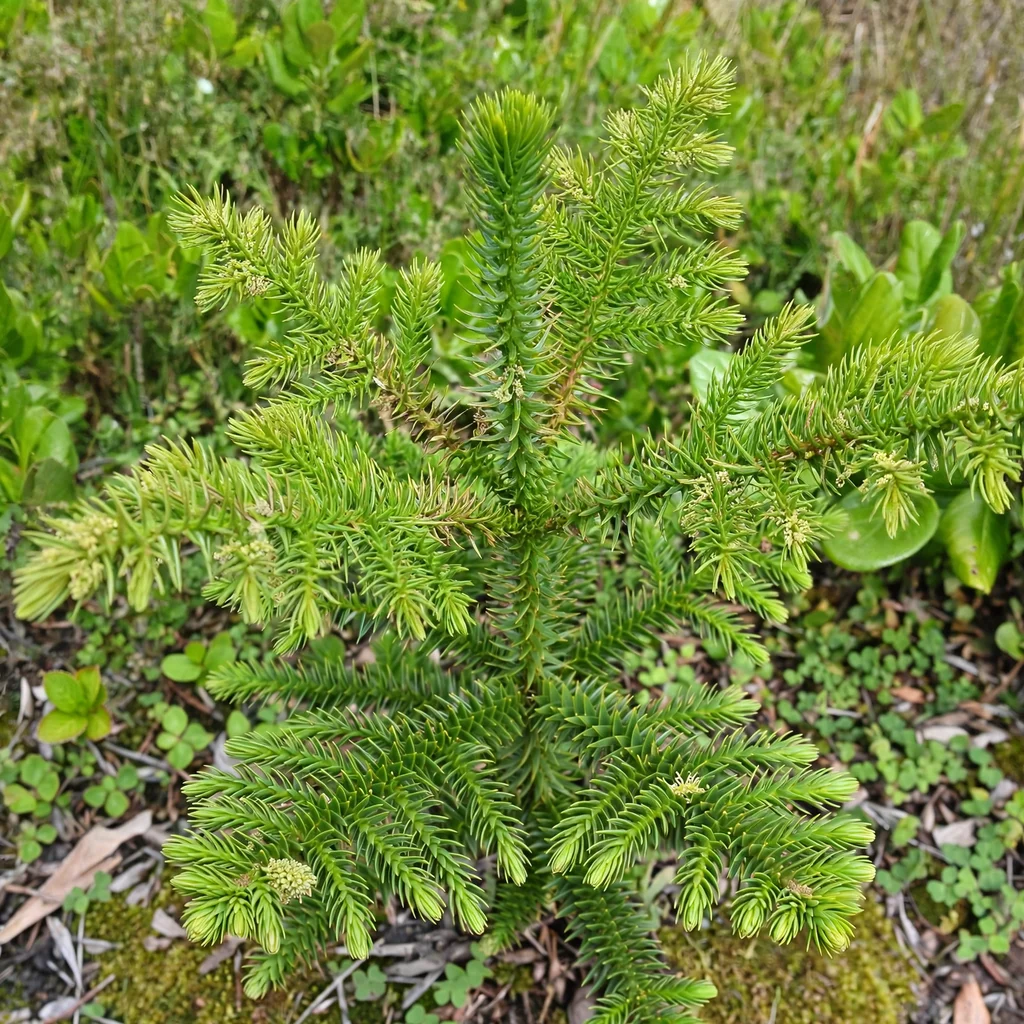
2 species of Araucaria
Each one is a parent of the varieties above.
Track your Araucaria in Sow
Save the Araucaria you grow and get care reminders timed to your zone.
How to grow Araucaria
Whats common across all Araucaria varieties in our catalog — drawn from the care records of the 4 most-grown of them.
The Araucaria year
- PruneFebruary and March100% of varieties
Remove dead, damaged, or crossing branches in late winter. Mature trees rarely need pruning.
- FertilizeApril100% of varieties
Fertilize only young trees with a balanced slow-release formula if growth is slow.
- Check for PestsJune–August75% of varieties
Inspect inner foliage branchlets for signs of scale insects, spider mites, or mealybugs.
- MulchApril50% of varieties
Apply organic mulch around the base to retain moisture and regulate soil temp.


Do
- Mulch annually to conserve moisture
- Water regularly during dry spells 🌱
- Prune dead branches in late winter
- Provide full sun for optimal growth
- Provide loose, open soil structure to facilitate deep taproot development and sharp drainage.
Avoid
- Avoid overwatering which can cause root rot ❌
- Don’t transplant mature trees frequently
- Refrain from fertilizing excessively
- Do not plant in heavy, waterlogged clay soils subject to prolonged moisture retention.
What goes wrong with Araucaria
| Problem | What you'll see | What to do |
|---|---|---|
| Spider mites | Fine webbing and speckled foliage | Use insecticidal soap or neem oil |
| Caterpillars | Defoliation of branches | Use Bacillus thuringiensis or organic insecticidal soap |
| Scale Insects | Small bumps on twigs and foliage accompanied by sticky honeydew and black sooty mold. | Apply horticultural oil during dormant periods or spot-treat minor populations with insecticidal soap. |
| Spider Mites | Fine webbing between inner needle whorls accompanied by stippled or yellowing foliage in warm indoor conditions. | Increase ambient humidity around container plants and rinse foliage with strong water jets. |
| Root rot | Wilting and yellowing needles | Improve drainage and reduce watering |
| Phytophthora Root Rot | Yellowing, wilting foliage followed by root decay and sudden dieback in heavy soils. | Improve soil drainage prior to planting and avoid overwatering or planting in saturated hollows. |
Making more Araucaria
Seed sowing
- Extract seeds from cones and clean thoroughly.
- Stratify seeds in moist medium for 6 weeks at 40°F (4°C).
- Plant in well-draining soil and keep moist.
- Maintain temperature at 70-75°F (21-24°C).
Seed
- Sow fresh seeds immediately after harvest, as viability declines rapidly within weeks.
- Press seeds vertically into a well-draining seed-raising mixture with the wing pointing upward.
- Maintain high humidity and steady temperatures between 68°F and 75°F.
- Pot up seedlings into individual deep containers once true leaves and taproots emerge.
Araucaria questions
How many types of Araucaria are there?
The Sow catalog tracks 4 distinct Araucaria varieties. The most popular — ranked by 20 real gardeners — are shown first above.
What zones does Araucaria grow in?
Across its varieties, Araucaria covers USDA Zones 7–10. Individual varieties differ — each plant page lists its exact range, and Sow filters the catalog to your zone automatically.
When does Araucaria bloom?
Most Araucaria varieties bloom from spring to fall.
Which Araucaria should I choose?
Start from the most-saved varieties above — popularity across thousands of gardens is a strong signal of reliability — then filter by your zone and sun. In the Sow app you can preview any of them in a photo of your actual yard before you buy.