1 named cultivar

The Story
Plant Bio
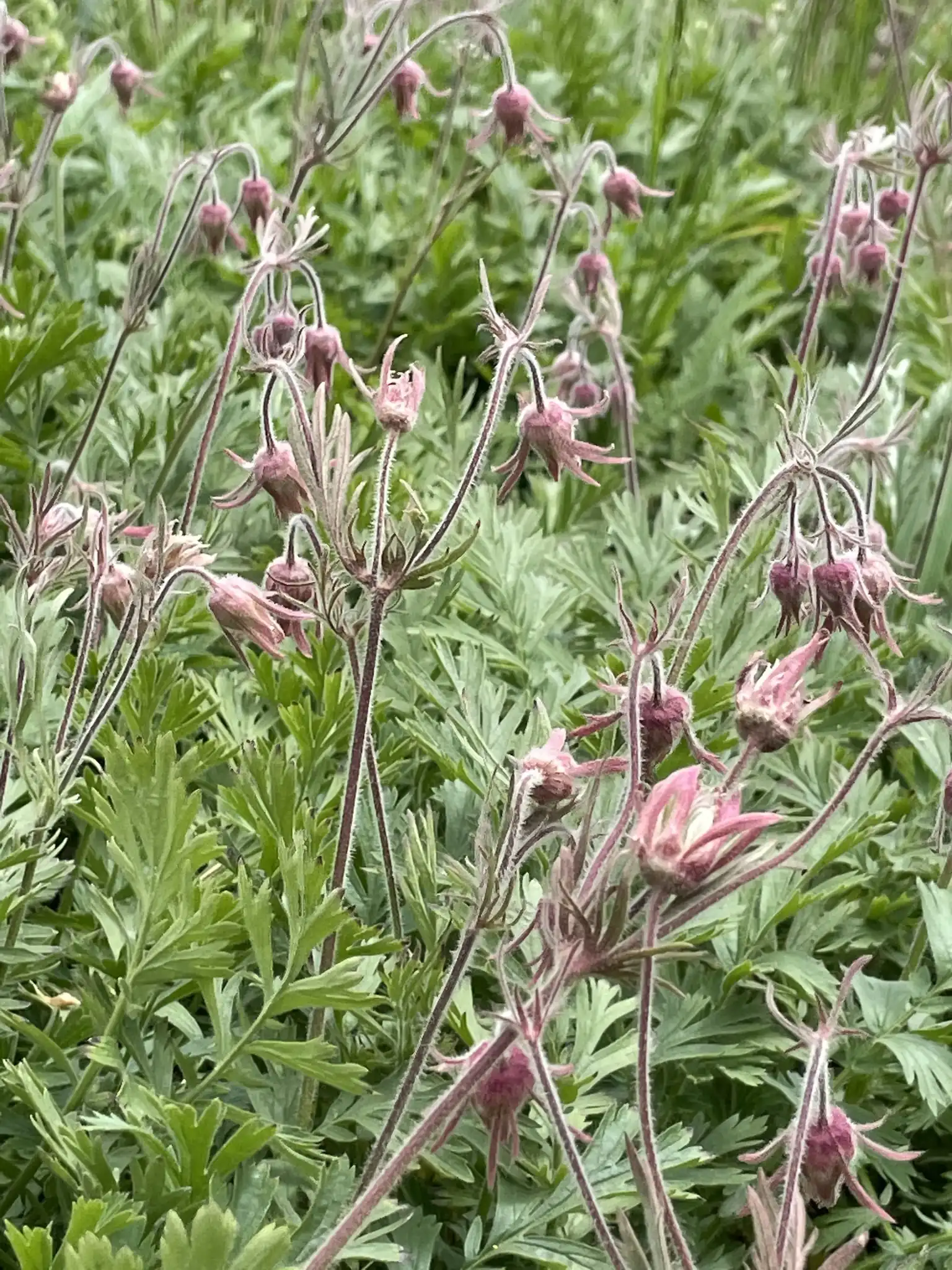
Geum triflorum, prairie smoke, is a low clump-forming perennial native across northern North America, six to eighteen inches high in flower. Ferny, deeply divided leaves form a tight basal mound, and nodding reddish-pink flowers hang in threes on upright stems from May to July. The flowers barely open before giving way to the real display.
The seed heads, not the flowers, are the point: each turns into a plume of long pink feathery styles that catch light and wind and give the plant its name. Leave them standing rather than deadheading, and site the plant where it will be backlit, which is when the effect actually reads.
Uses & Benefits:
Essentials
At a Glance
Plant Type
Perennial
Height
12"
Width
12"
Light
Full Sun, Partial Sun
Zones
4, 5, 6, 7
Water
Low to medium
Humidity
Low to average
Lifespan
Perennial
Native To
Northern North America
Toxicity
Non-toxic
Marketplace
Where to Buy
Shipping costs Year-round shipping Free shipping
Planting
How to Grow
- Plant in spring in full sun.
- Choose dry to medium, sharply drained soil.
- Avoid ground that stays wet over winter.
- Water lightly until established, then leave it.
- Leave the seed heads standing for the display.
- Give afternoon shade in hot summer regions.
Pro Tip
Do not deadhead it; cutting the spent flowers removes the feathery seed plumes that are the whole reason to grow it.
Keep It Thriving
Care Guide
Do
- Plant it in full sun and sharp drainage ☀️
- Leave seed heads standing after flowering 🌾
- Site it where low light will backlight the plumes ✨
- Mass it in a prairie or gravel planting 🪨
Don't
- Deadhead the spent flowers ❌
- Plant it in ground that stays wet in winter ❌
- Expect it to thrive in hot, humid summers ❌
Seasonal Care Calendar
| Task | Jan | Feb | Mar | Apr | May | Jun | Jul | Aug | Sep | Oct | Nov | Dec |
|---|---|---|---|---|---|---|---|---|---|---|---|---|
| Enjoy | ||||||||||||
| Tidy |
Watch Out For
Pests & Diseases
Common Pests
Common Diseases
In the Garden
Landscape Uses & Companions
Landscape Uses
Multiply
Propagation Methods
Good to Know
Common Questions
Prairie Smoke questions
What zones can Prairie Smoke grow in?
Prairie Smoke is hardy in USDA Zones 4–7. Inside that range it survives winter in the ground; outside it, grow it as an annual or a container plant you protect.
Is Prairie Smoke deer resistant?
Yes — Prairie Smoke is rated deer-resistant. Deer typically pass it over, though extreme hunger can override any plant's defenses.
When does Prairie Smoke bloom?
Prairie Smoke typically blooms in late spring to midsummer through early fall. Exact timing shifts a week or two with your zone — Sow's bloom calendar maps it to your garden.
Does Prairie Smoke need full sun?
Prairie Smoke does best in full sun to part shade. In hot climates, afternoon shade keeps blooms fresher longer.
Is Prairie Smoke drought tolerant?
Yes — once established (usually after the first full season), Prairie Smoke handles dry spells with minimal watering. Water deeply its first year to build the root system that makes that possible.
More Geum to compare
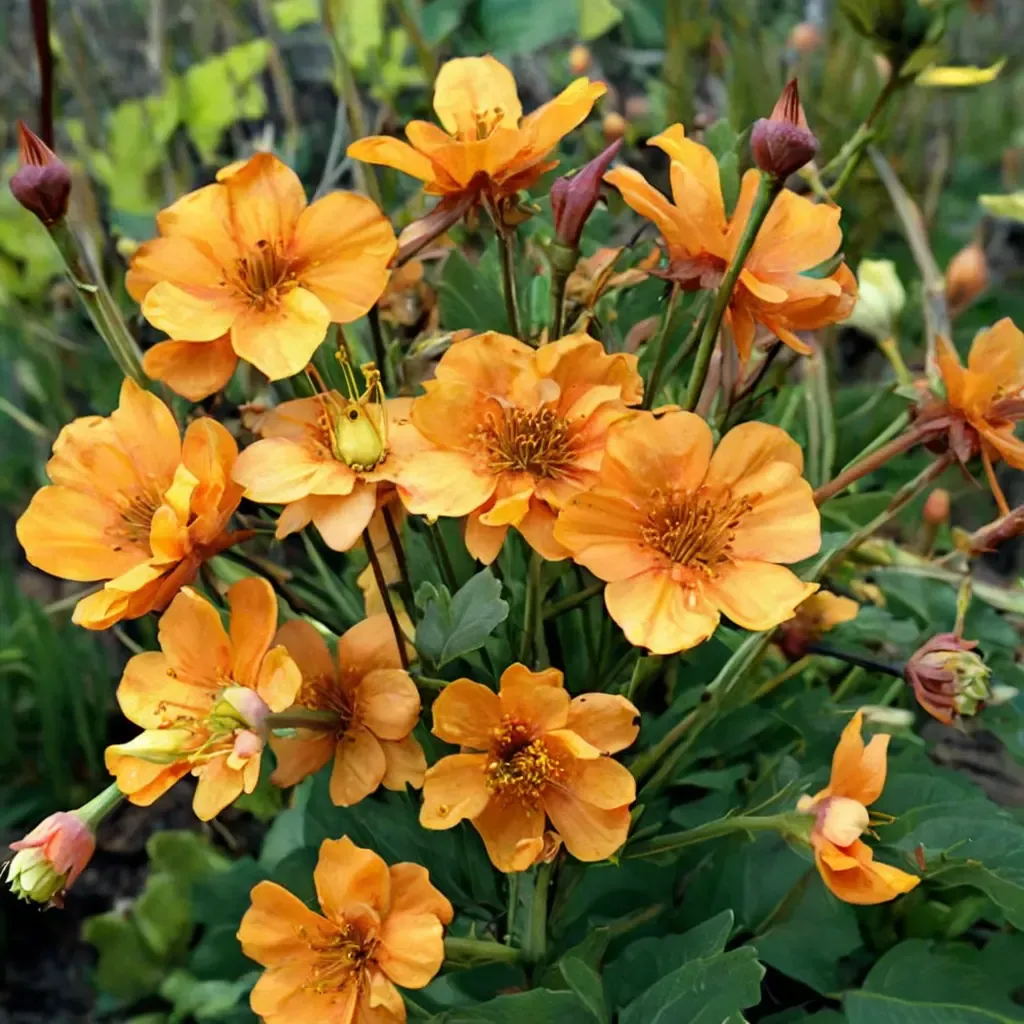
Fireball Avens
Geum rivale 'Fireball'
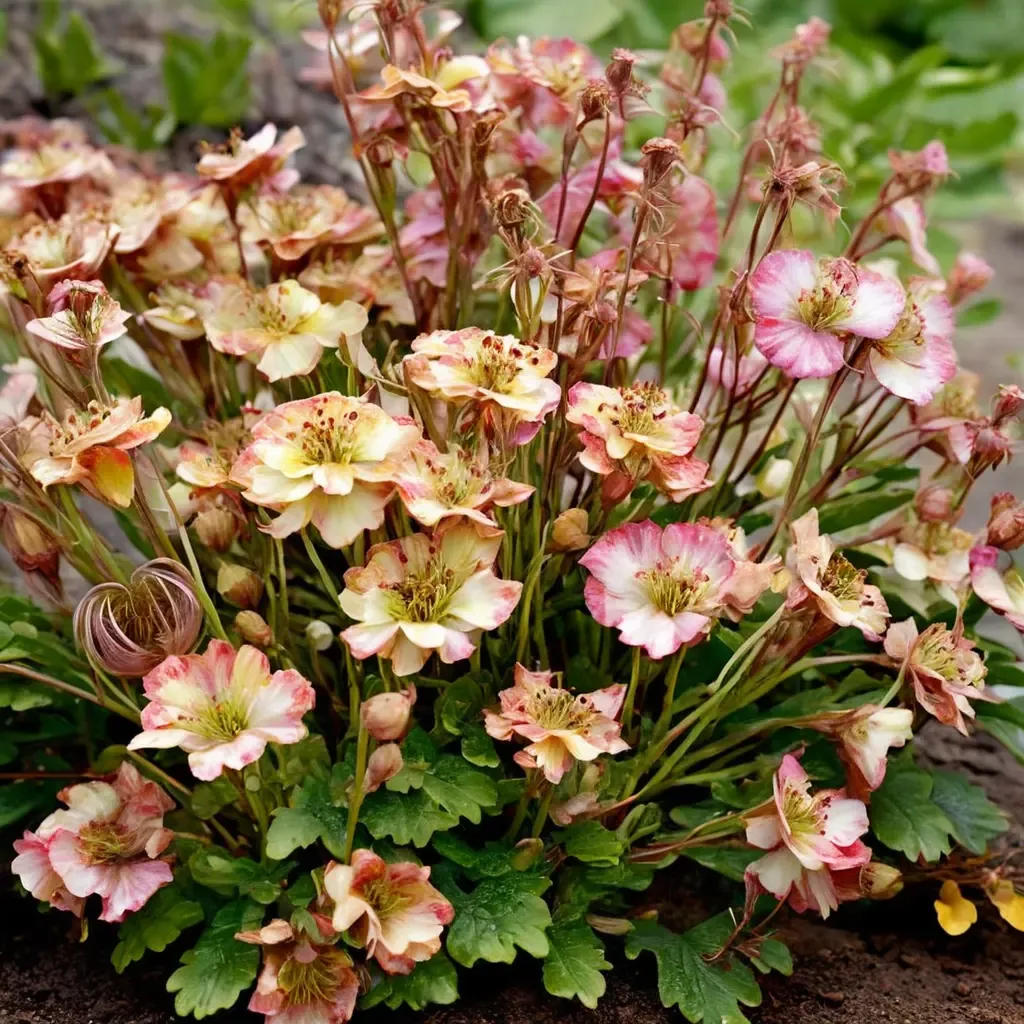
Pretticoats Peach Avens
Geum coccineum 'Pretticoats Peach'
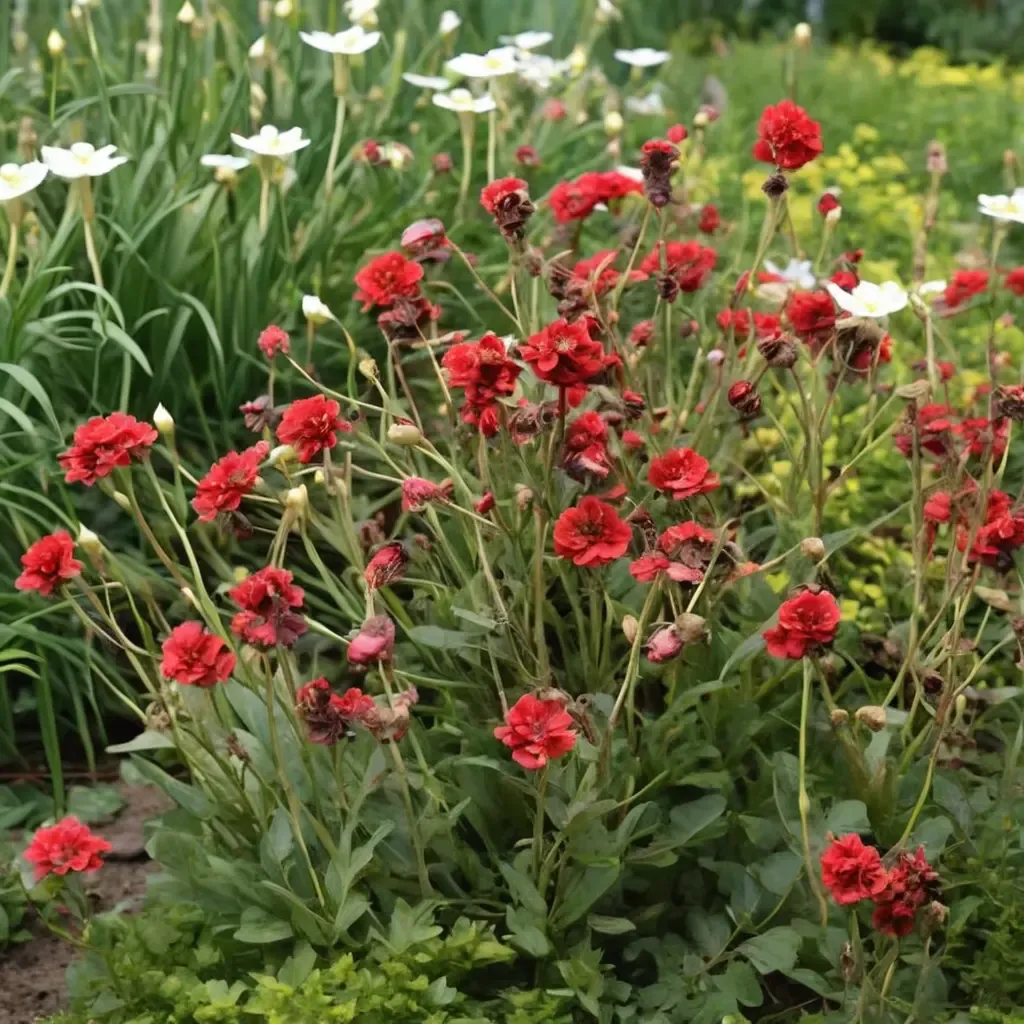
Blazing Sunset Geum
Geum quellyon 'Blazing Sunset'
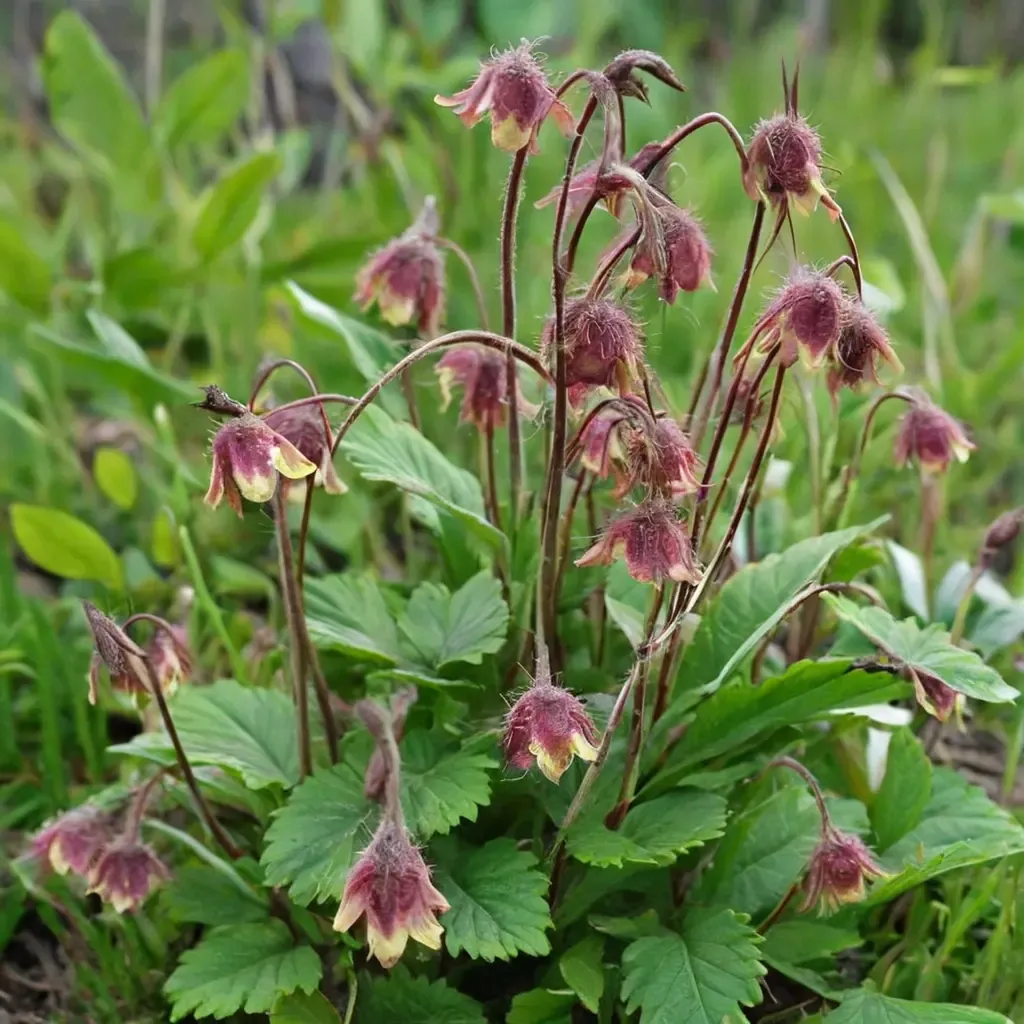
Water Avens
Geum rivale
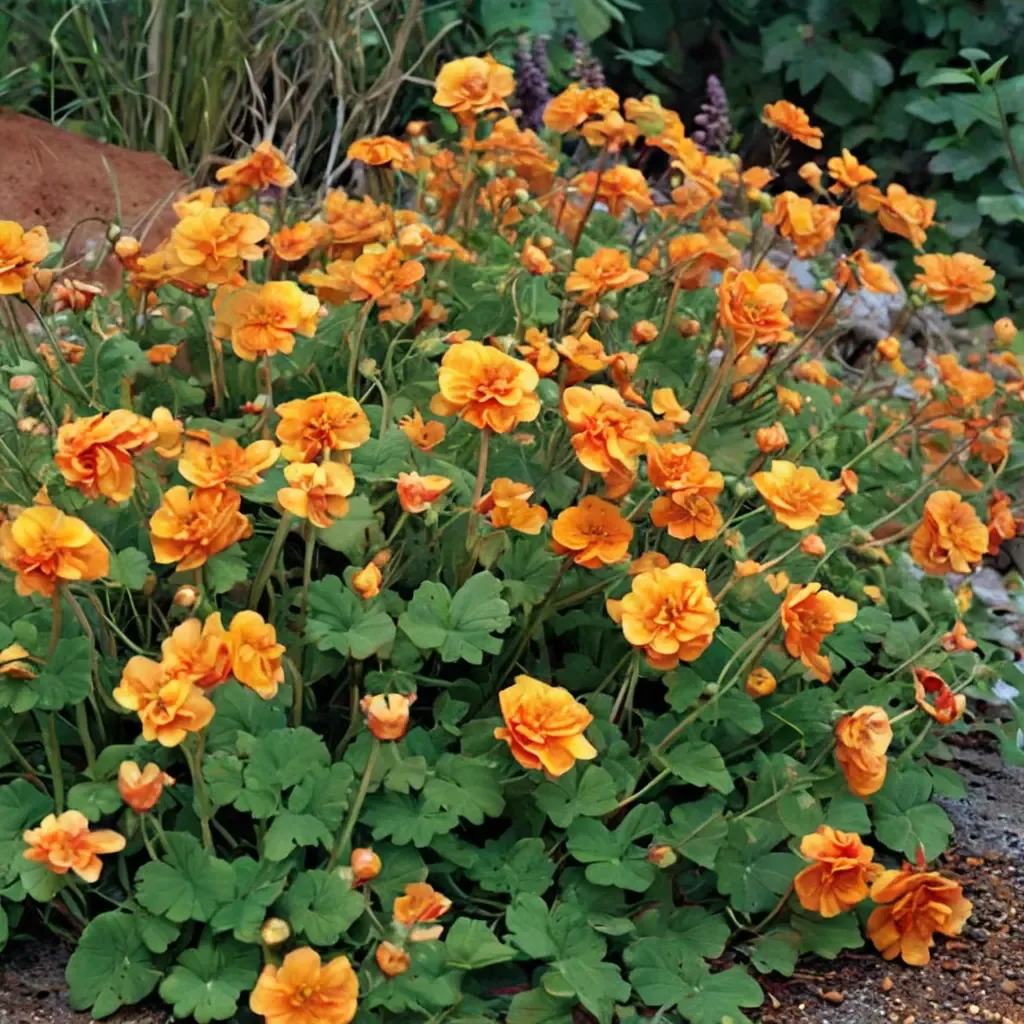
Fire Storm Avens
Geum x hybrida 'Fire Storm'
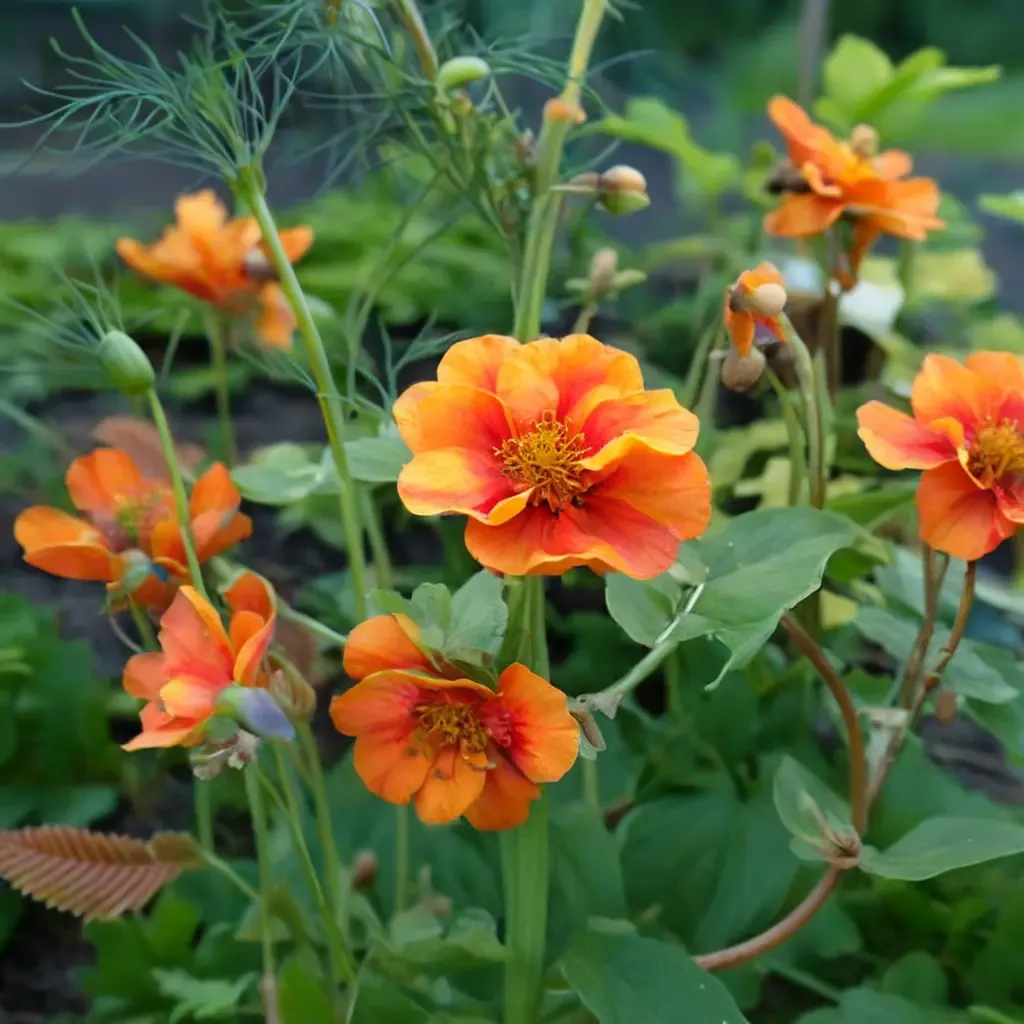
Prinses Juliana Geum
Geum x hybrida 'Prinses Juliana'
Keep exploring
Explore the genus
Hardy in your zone?
Grow Prairie Smoke with confidence
See it in a design of your actual yard, get zone-matched care reminders, and track it season by season in your garden journal.