The Story
Plant Bio
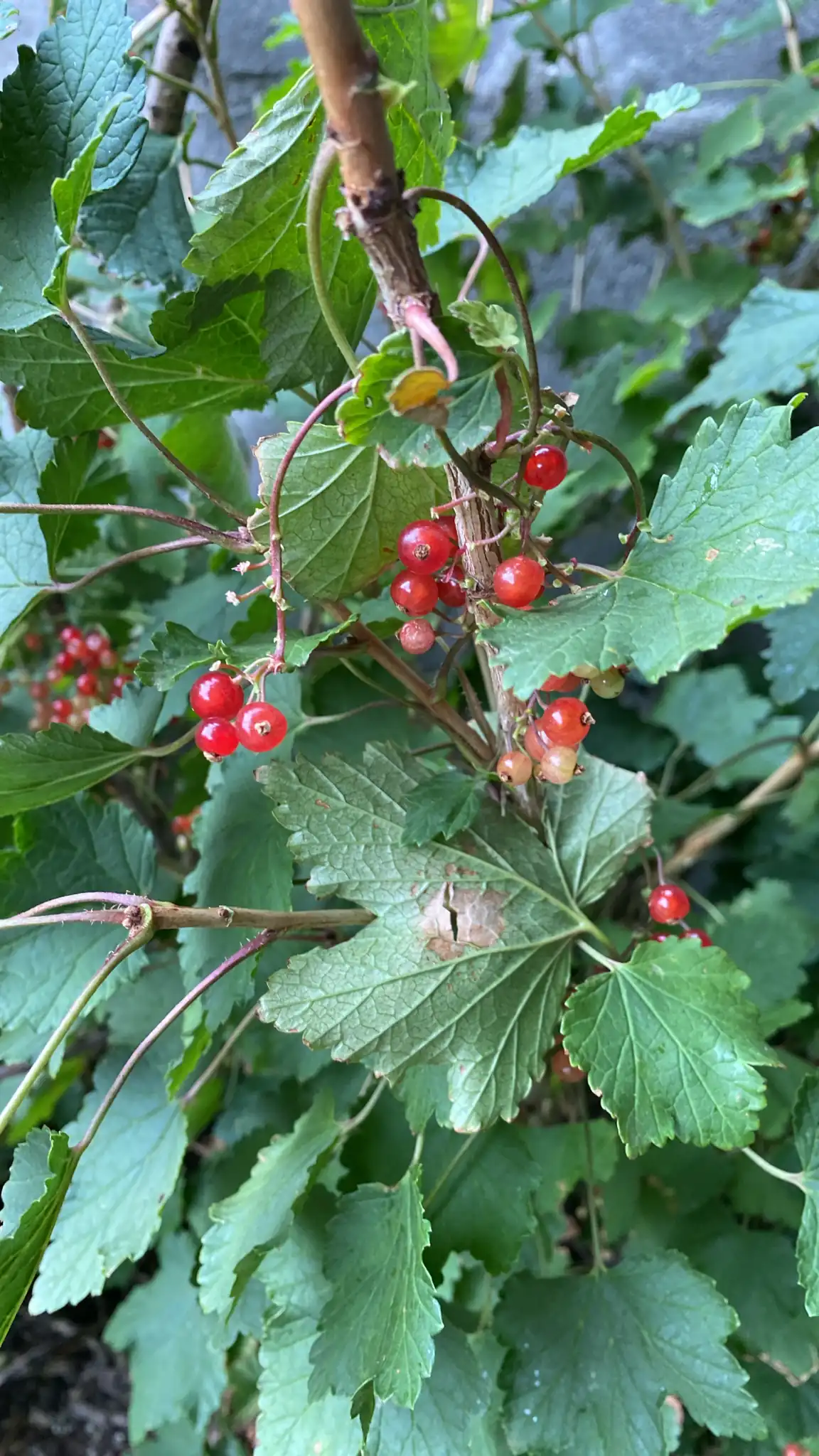
Ribes rubrum, the red currant, is a deciduous, multi-stemmed shrub native to Europe and parts of Asia, forming an upright to mounding habit of matte green, lobed leaves. In spring, it produces pendulous clusters of small, inconspicuous greenish-yellow flowers that give way to edible red berries.
This species is highly cold-hardy, thriving in northern climates down to USDA Zone 3, but requires protection from hot afternoon sun in warmer regions. The palmately veined foliage turns a soft yellow in the fall, adding late-season interest before dropping to reveal spineless branches.
Uses & Benefits:
Essentials
At a Glance
Plant Type
Shrub
Height
60"
Width
60"
Light
Full Sun, Partial Sun
Zones
4, 5, 6, 7, 8
Water
Medium
Humidity
Moderate
Lifespan
Perennial
Native To
Europe and parts of Asia
Toxicity
Non-toxic
Bloom period
Spring
In flower about 3 months of the year
Planting
How to Grow
- Select a planting site in full sun to partial shade with rich, loamy, well-draining soil.
- Amend the soil with organic compost to establish a slightly acidic to neutral pH between 6.0 and 7.0.
- Water regularly during dry spells to maintain consistent soil moisture, avoiding waterlogged conditions.
- Apply a balanced general fertilizer or organic compost annually in early spring to support vigorous growth.
Pro Tip
Prune exclusively during winter dormancy to remove wood older than three years down to the base; cutting back young spurs or summer-trimming destroys the two-to-three-year-old wood where the next season's fruit is produced.
Keep It Thriving
Care Guide
Do
- Prune annually during winter dormancy to remove weak, crossing, or diseased stems.
- Provide afternoon shade if planting in hot climates to protect the foliage.
- Check local state regulations regarding White Pine Blister Rust planting restrictions before purchasing.
Don't
- Do not shear the shrub into formal hedges, as this removes the fruiting spurs.
- Do not plant in heavy, compacted clay or poorly drained soils where water logs the roots.
- Do not allow the soil to dry out completely, as drought tolerance is low to moderate.
Seasonal Care Calendar
| Task | Jan | Feb | Mar | Apr | May | Jun | Jul | Aug | Sep | Oct | Nov | Dec |
|---|---|---|---|---|---|---|---|---|---|---|---|---|
| Fertilize | ||||||||||||
| Harvest | ||||||||||||
| Pest Check | ||||||||||||
| Prune |
Watch Out For
Pests & Diseases
Common Pests
Common Diseases
In the Garden
Landscape Uses & Companions
Landscape Uses
Companion Plants
Multiply
Propagation Methods
Good to Know
Common Questions
Red Currant questions
What zones can Red Currant grow in?
Red Currant is hardy in USDA Zones 4–8. Inside that range it survives winter in the ground; outside it, grow it as an annual or a container plant you protect.
Is Red Currant deer resistant?
Not reliably. Deer may browse Red Currant, especially tender spring growth — plan on repellents or fencing where pressure is high.
When does Red Currant bloom?
Red Currant typically blooms in spring through spring. Exact timing shifts a week or two with your zone — Sow's bloom calendar maps it to your garden.
Does Red Currant need full sun?
Red Currant does best in full sun to part shade. In hot climates, afternoon shade keeps blooms fresher longer.
More Ribes to compare
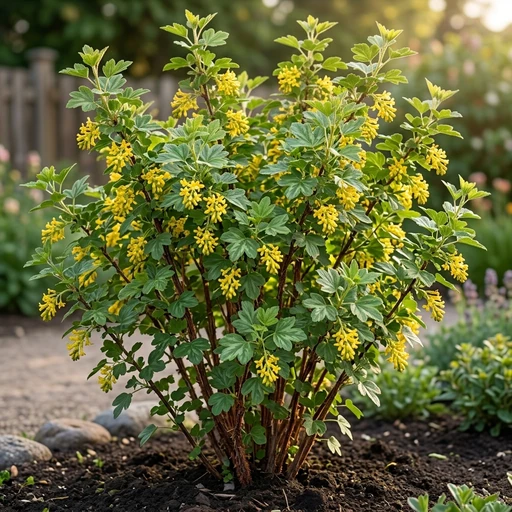
Golden Currant
Ribes aureum
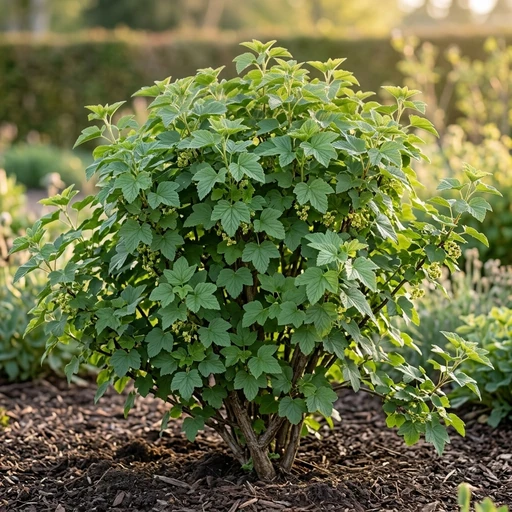
Alpine Currant
Ribes alpinum
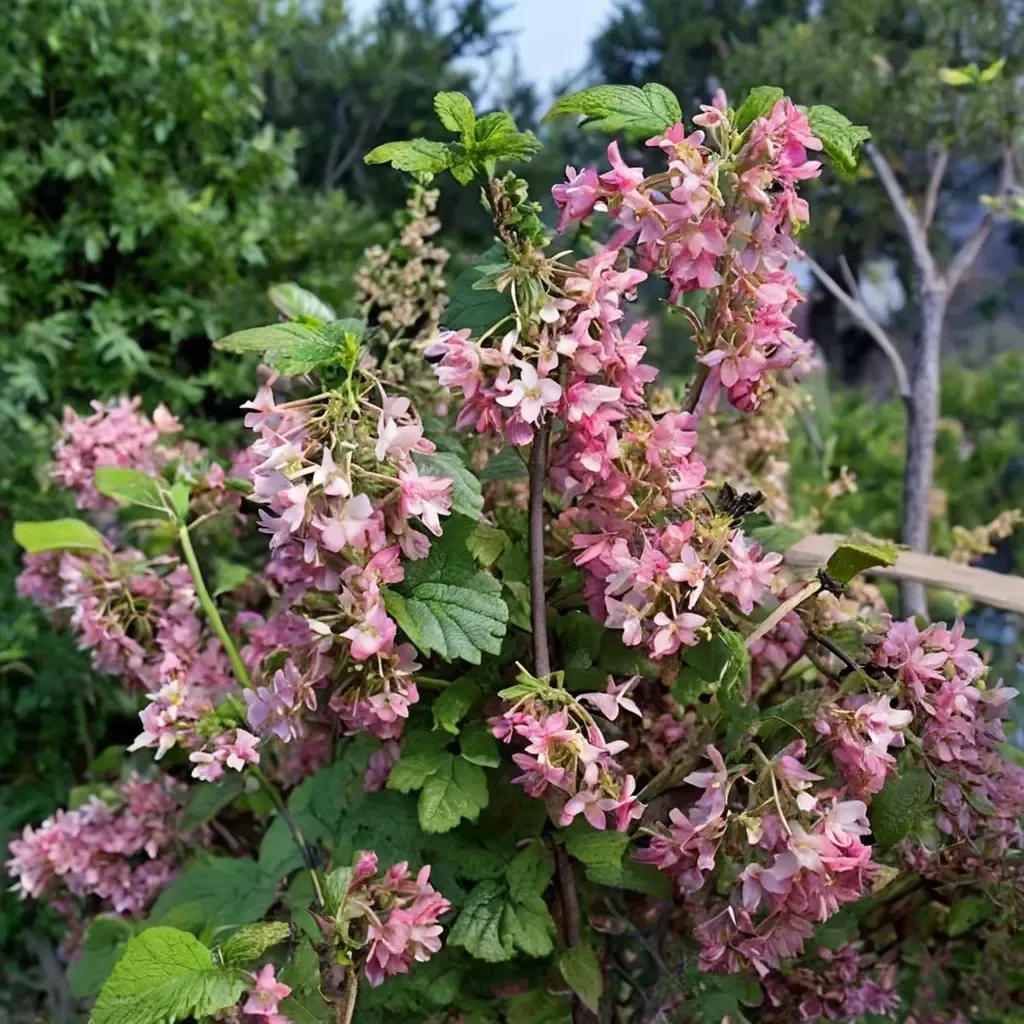
Claremont Currant
Ribes sanguineum 'Claremont'
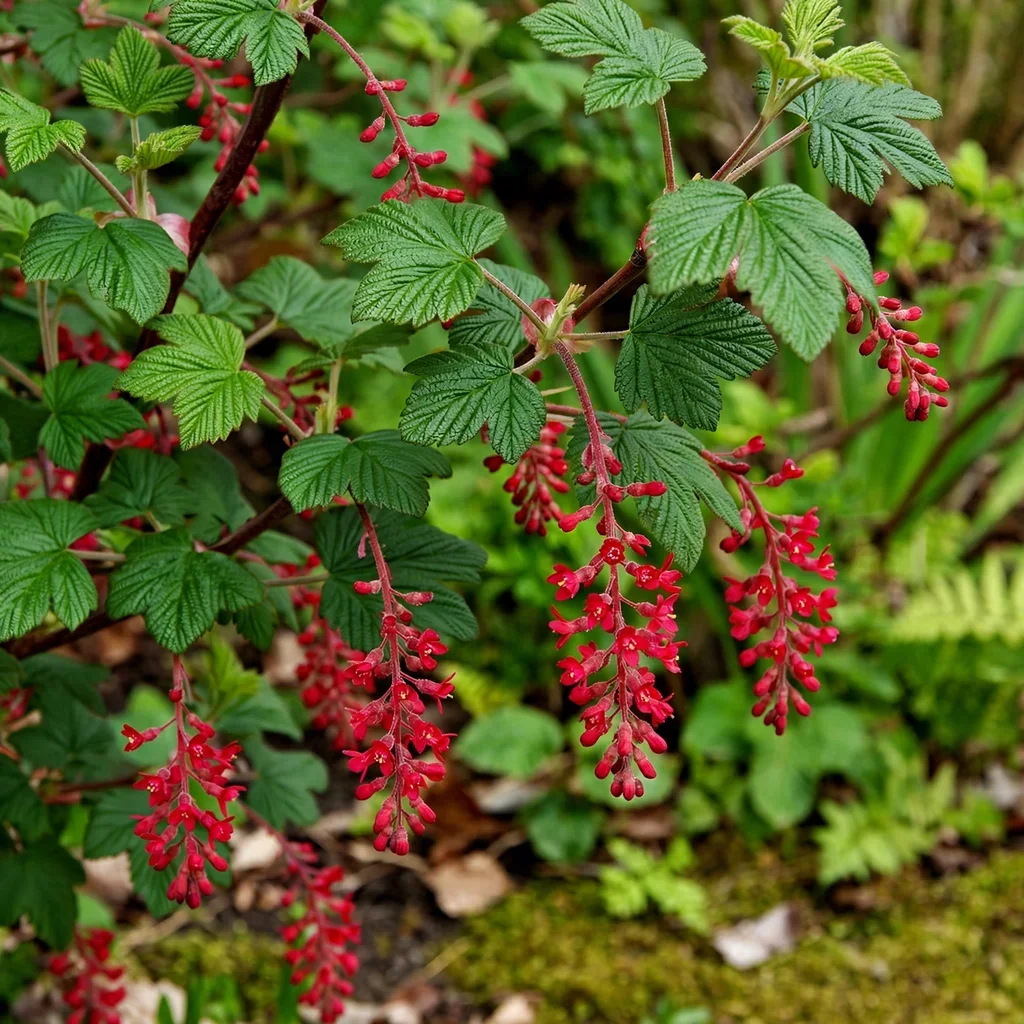
King Edward VII Flowering Currant
Ribes sanguineum 'King Edward VII'
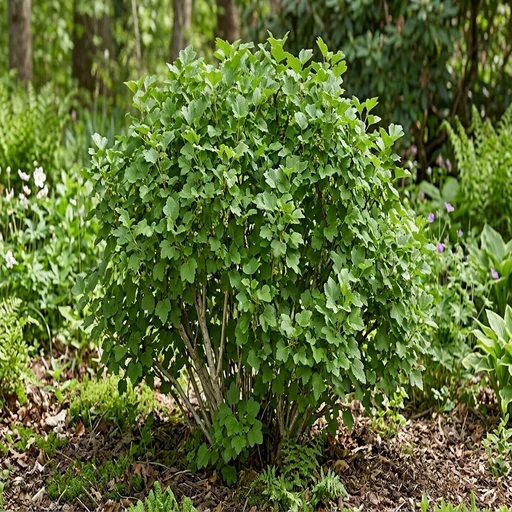
Green Mound Alpine Currant
Ribes alpinum 'Green Mound'
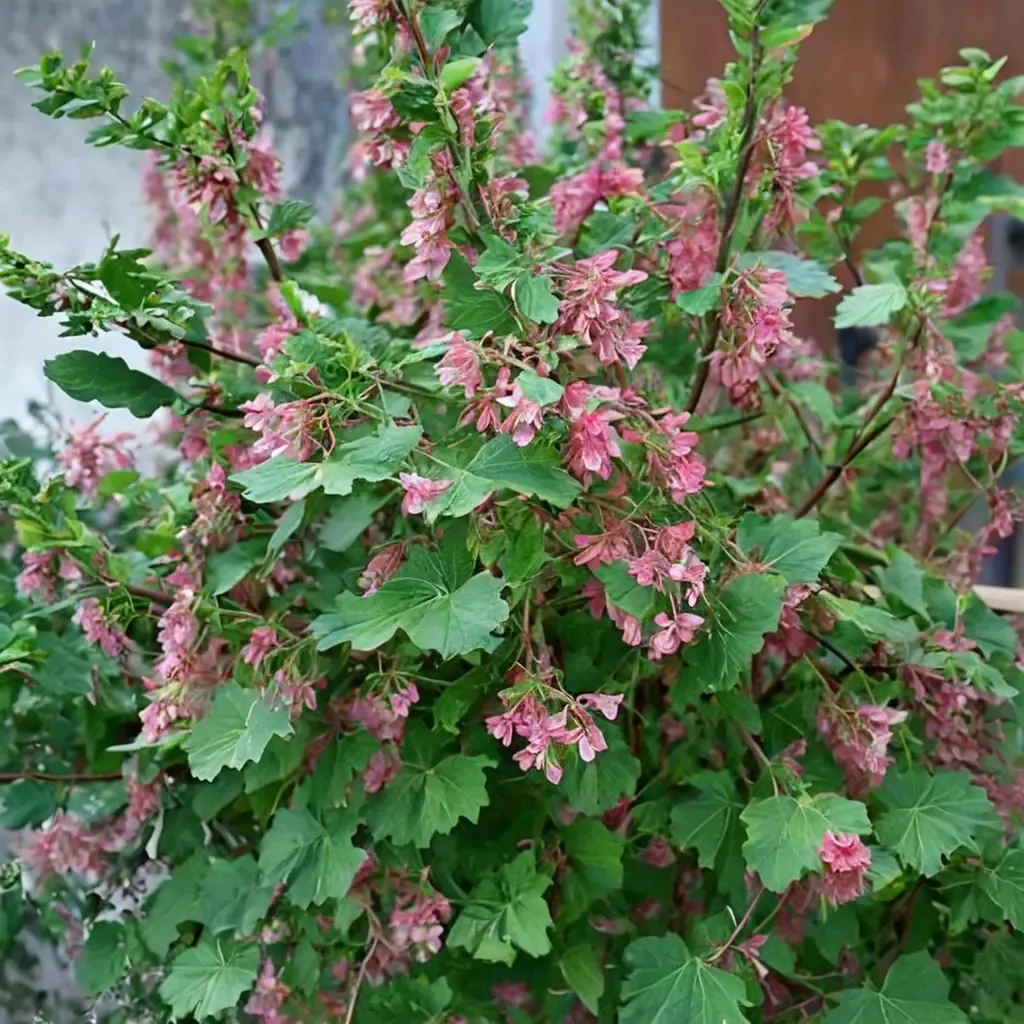
Pink-Flowering Currant
Ribes sanguineum 'glutinosum'
Keep exploring
Explore the genus
Hardy in your zone?
Grow Red Currant with confidence
See it in a design of your actual yard, get zone-matched care reminders, and track it season by season in your garden journal.