The Story
Plant Bio
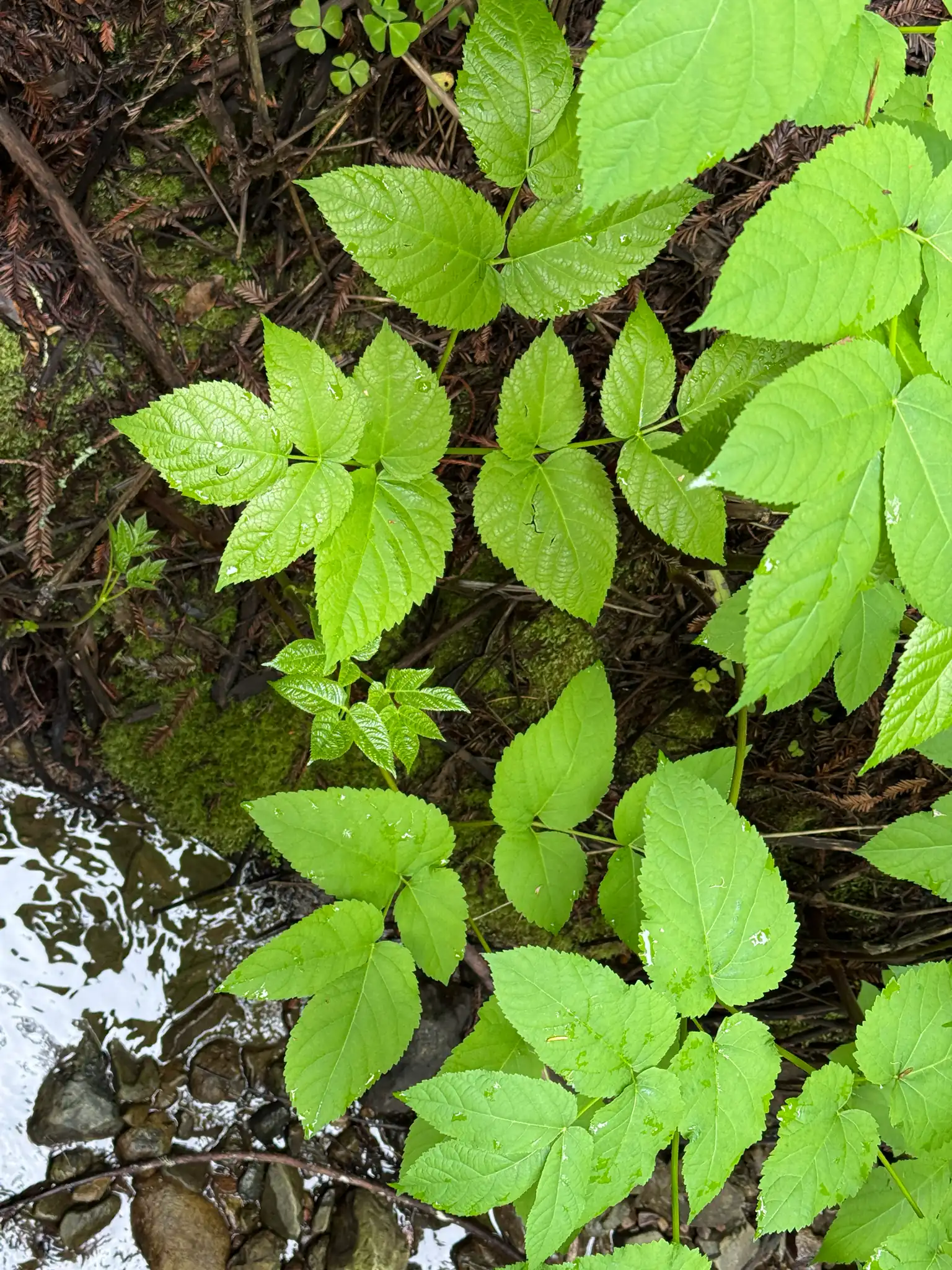
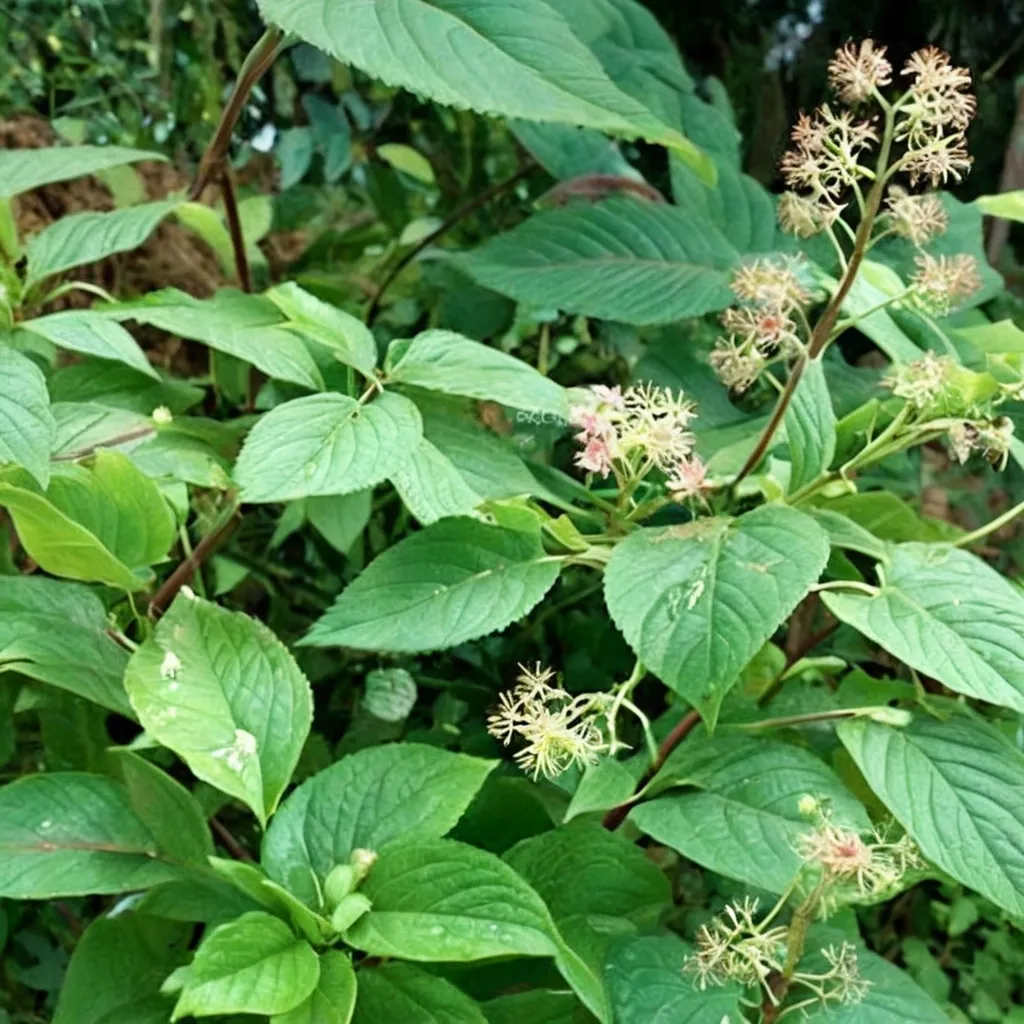
Aralia californica is a massive, shade-loving herbaceous perennial native to damp canyons and streambanks of the American Pacific Northwest. It produces sprawling stems with multipinnately compound foliage up to four feet long and tops them in summer with branched clusters of greenish-white umbels followed by dark purple berries.
Unlike woody Aralia species, California spikenard dies completely to the root crown after winter hard frosts before resprouting vigorously in spring. The tender emerging spring foliage frequently shows bronze-tinted margins before turning deep green.
Uses & Benefits:
Essentials
At a Glance
Plant Type
Perennial
Height
118"
Width
118"
Light
Partial Sun, Shade
Zones
7, 8, 9
Water
High / Consistently Moist
Humidity
Moderate to High
Lifespan
Perennial
Native To
Western North America
Toxicity
Non-toxic (can cause mild mechanical skin irritation)
Bloom period
Summer
In flower about 3 months of the year
Marketplace
Where to Buy
Shipping costs Year-round shipping Free shipping
Planting
How to Grow
- Select a planting site in partial to full shade with deep, rich, organic soil that remains consistently moist.
- Dig a hole twice as wide as the root crown and blend in leaf mold or organic compost to maximize moisture retention.
- Position the root crown so the emerging buds sit level with the soil surface, filling in firmly to remove air pockets.
- Water deeply at planting and maintain steady moisture throughout the growing season to prevent foliage scorch.
- Apply a three-inch layer of organic mulch across the root zone to cool the soil and conserve humidity.
Pro Tip
Allow at least eight to ten feet of lateral clearance at planting to prevent its sprawling canopy from smothering adjacent woodland perennials.
Keep It Thriving
Care Guide
Do
- Keep soil consistently moist, especially during hot summer spells.
- Mulch heavily each spring with organic leaf compost to maintain soil moisture.
- Cut spent stems cleanly to ground level in late winter before new shoots emerge.
Don't
- Do not plant in narrow borders or tight spaces where its ten-foot spread will overwhelm companions.
- Do not allow the root zone to dry out completely during active summer growth.
- Do not panic when top growth turns brown and dies back completely after winter frost.
Seasonal Care Calendar
| Task | Jan | Feb | Mar | Apr | May | Jun | Jul | Aug | Sep | Oct | Nov | Dec |
|---|---|---|---|---|---|---|---|---|---|---|---|---|
| Mulch | ||||||||||||
| Pest Check | ||||||||||||
| Propagate | ||||||||||||
| Prune |
Watch Out For
Pests & Diseases
Common Pests
Common Diseases
In the Garden
Landscape Uses & Companions
Landscape Uses
Multiply
Propagation Methods
Good to Know
Common Questions
California Spikenard questions
What zones can California Spikenard grow in?
California Spikenard is hardy in USDA Zones 7–9. Inside that range it survives winter in the ground; outside it, grow it as an annual or a container plant you protect.
Is California Spikenard deer resistant?
Not reliably. Deer may browse California Spikenard, especially tender spring growth — plan on repellents or fencing where pressure is high.
When does California Spikenard bloom?
California Spikenard typically blooms in summer through summer. Exact timing shifts a week or two with your zone — Sow's bloom calendar maps it to your garden.
Does California Spikenard need full sun?
California Spikenard does best in part shade.
More Aralia to compare
Keep exploring
Explore the genus
Hardy in your zone?
Grow California Spikenard with confidence
See it in a design of your actual yard, get zone-matched care reminders, and track it season by season in your garden journal.