The Story
Plant Bio
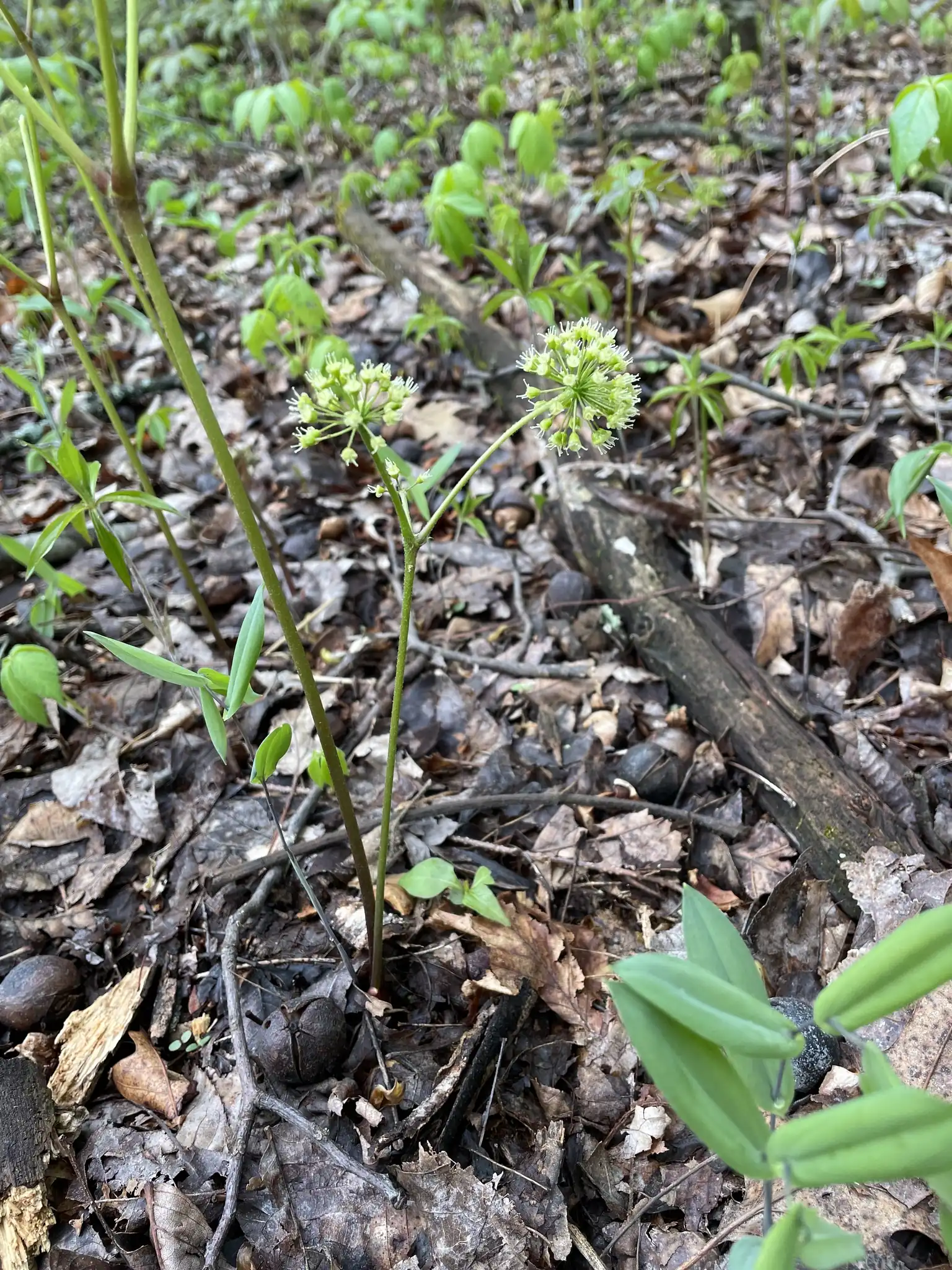
Aralia nudicaulis, the wild sarsaparilla, is a deciduous herbaceous perennial native to North American woodlands, spreading via creeping underground rhizomes to form loose colonies. It typically produces a single erect, unbranched aerial stem that splits into a single large compound leaf and a separate, shorter flowering stalk.
The new spring foliage emerges with a distinct bronze or purplish-green tint before maturing to a rich green. In late spring, tiny greenish-white flowers cluster into spherical umbels beneath the leaf canopy, followed by dark purple-black berries that feed local birds.
Uses & Benefits:
Essentials
At a Glance
Plant Type
Perennial
Height
24"
Width
36"
Light
Partial Sun, Shade
Zones
4, 5, 6, 7, 8
Water
Moderate
Humidity
Moderate
Lifespan
Perennial
Native To
North America
Toxicity
Mildly toxic if ingested in large quantities
Bloom period
Late spring – Mid summer
In flower about 3 months of the year
Planting
How to Grow
- Select a site with dappled to full shade and moist, well-draining soil rich in organic matter.
- Amend the planting area with leaf mold or compost to mimic a natural forest floor environment.
- Plant container-grown specimens or bare-root rhizomes at the same depth they were growing in the nursery container.
- Water thoroughly after planting and maintain consistent moisture until the root system is established.
Pro Tip
Plant in deep shade and rich, organic woodland duff; growing this species in hot, direct sun causes the foliage to burn and triggers premature dormancy.
Keep It Thriving
Care Guide
Do
- Mulch with leaf mold or organic compost annually to maintain soil moisture and nutrients.
- Ensure the soil drains freely to prevent root rot.
- Learn to distinguish the emerging bronze spring leaves from poison ivy.
Don't
- Do not plant in hot, dry, full-sun locations.
- Do not allow the soil to become waterlogged or sit in stagnant water.
- Do not prune or cut into the underground rhizomes haphazardly during the growing season.
Seasonal Care Calendar
| Task | Jan | Feb | Mar | Apr | May | Jun | Jul | Aug | Sep | Oct | Nov | Dec |
|---|---|---|---|---|---|---|---|---|---|---|---|---|
| Mulch | ||||||||||||
| Pest Check | ||||||||||||
| Propagate | ||||||||||||
| Spring Cleanup |
Watch Out For
Pests & Diseases
Common Pests
Common Diseases
In the Garden
Landscape Uses & Companions
Landscape Uses
Companion Plants
Multiply
Propagation Methods
Good to Know
Common Questions
Wild Sarsaparilla questions
What zones can Wild Sarsaparilla grow in?
Wild Sarsaparilla is hardy in USDA Zones 4–8. Inside that range it survives winter in the ground; outside it, grow it as an annual or a container plant you protect.
Is Wild Sarsaparilla deer resistant?
Not reliably. Deer may browse Wild Sarsaparilla, especially tender spring growth — plan on repellents or fencing where pressure is high.
When does Wild Sarsaparilla bloom?
Wild Sarsaparilla typically blooms in late spring through mid summer. Exact timing shifts a week or two with your zone — Sow's bloom calendar maps it to your garden.
Does Wild Sarsaparilla need full sun?
Wild Sarsaparilla does best in part shade.
Is Wild Sarsaparilla drought tolerant?
Yes — once established (usually after the first full season), Wild Sarsaparilla handles dry spells with minimal watering. Water deeply its first year to build the root system that makes that possible.
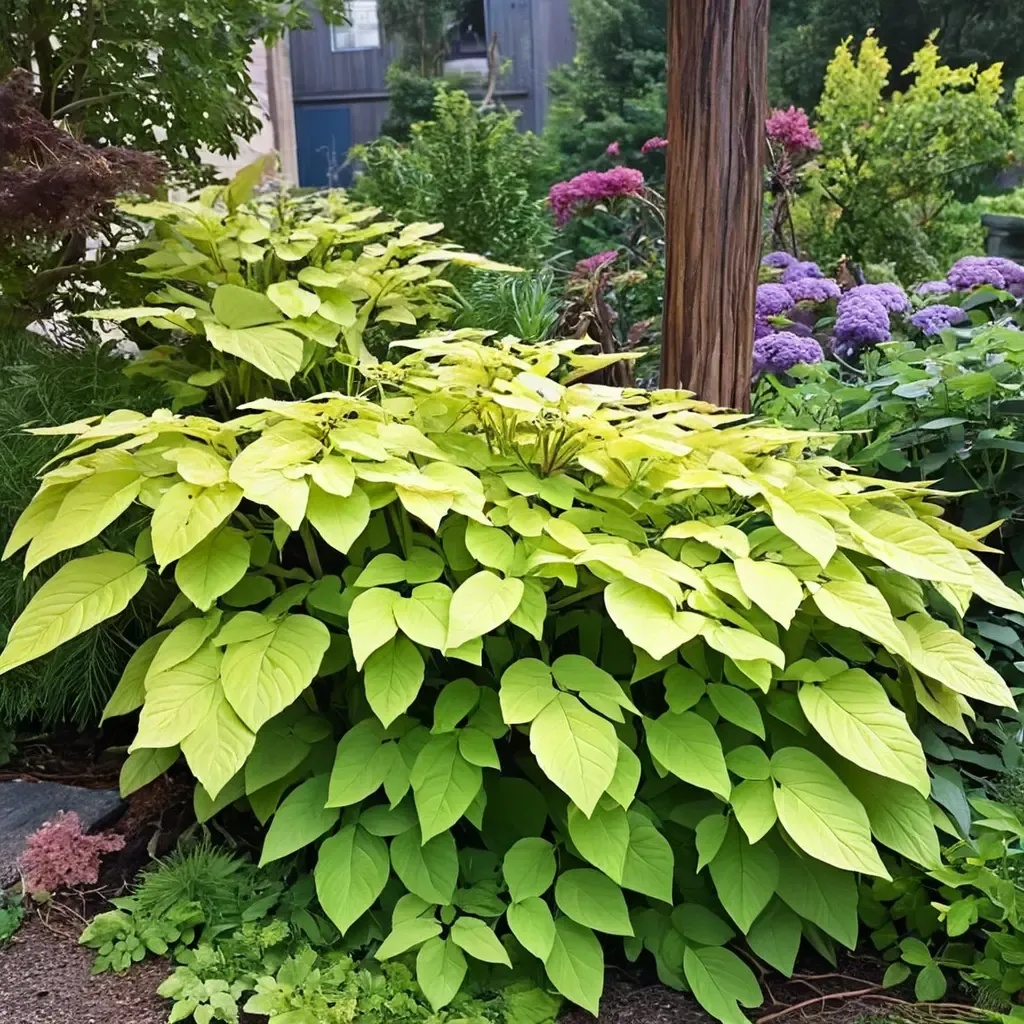
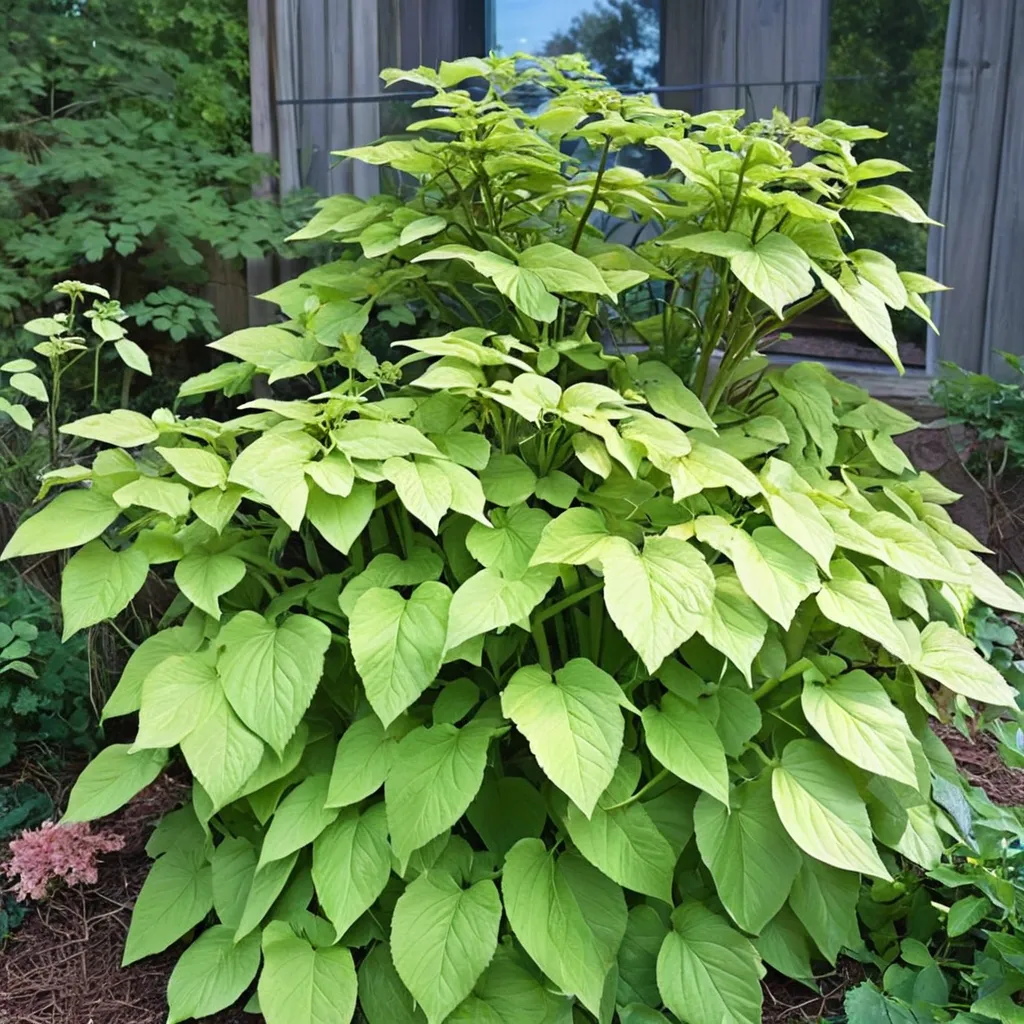
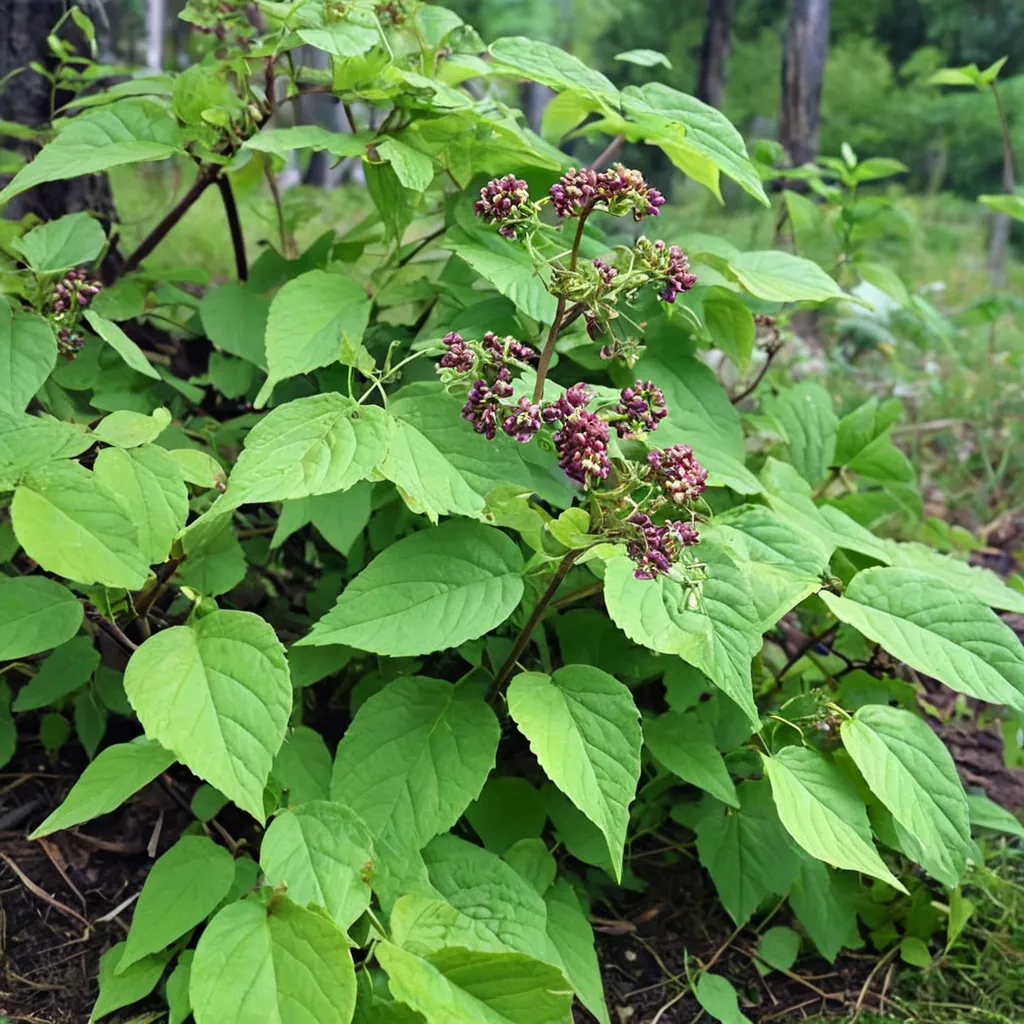
More Aralia to compare
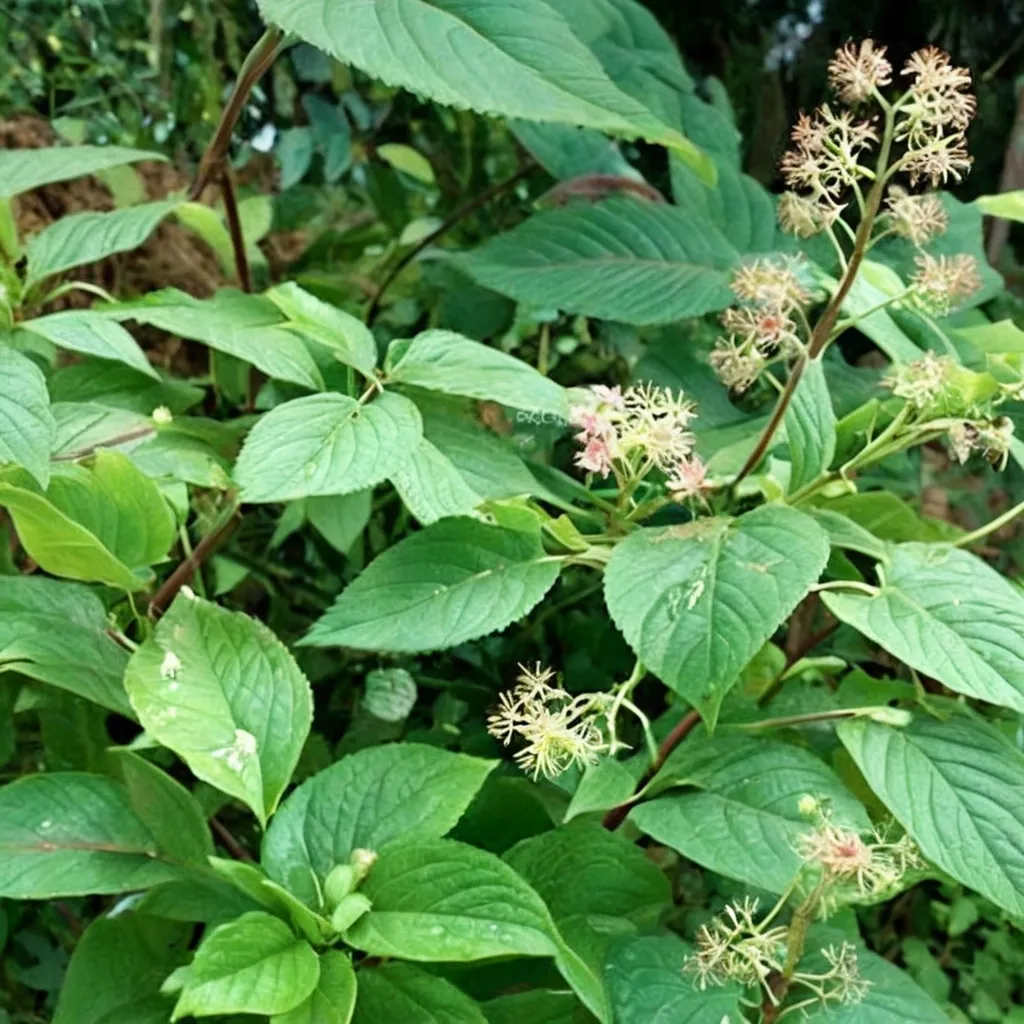
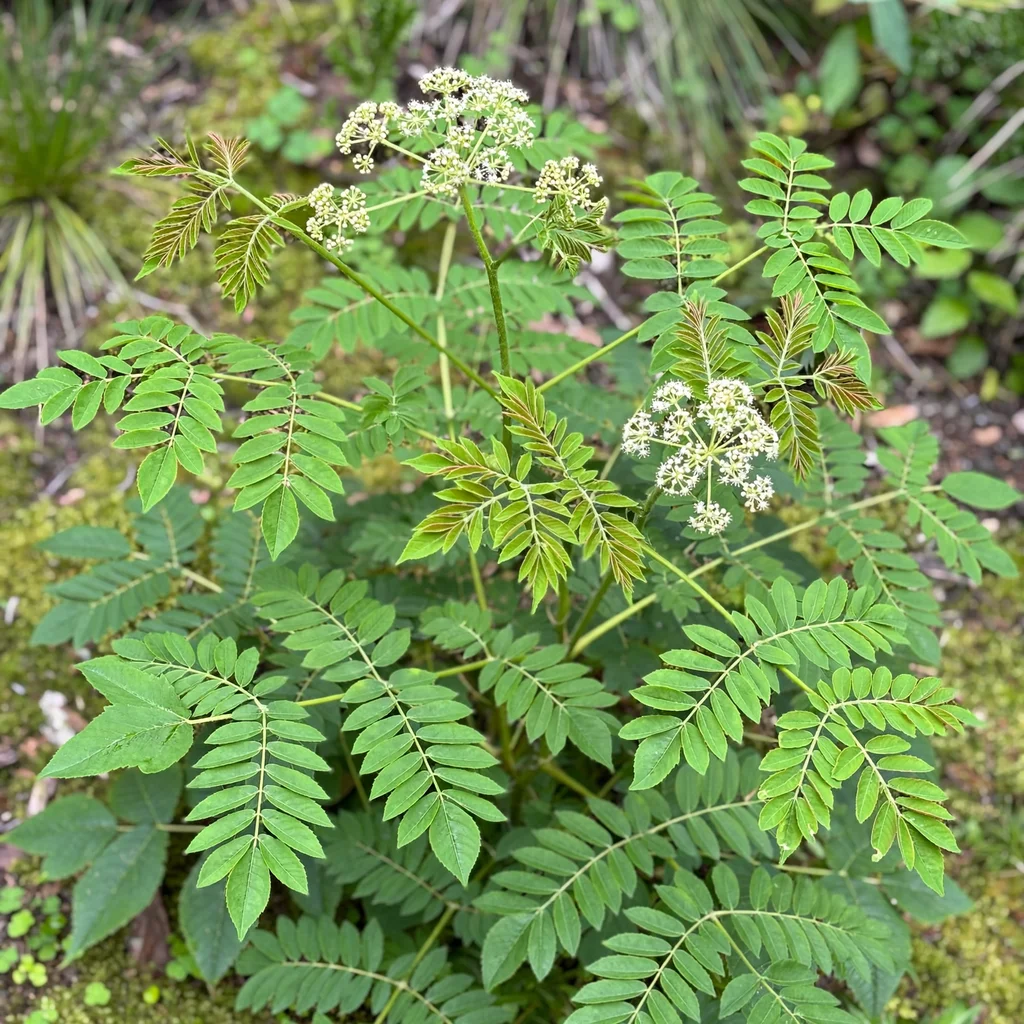
Keep exploring
Explore the genus
Hardy in your zone?
Grow Wild Sarsaparilla with confidence
See it in a design of your actual yard, get zone-matched care reminders, and track it season by season in your garden journal.