The Story
Plant Bio
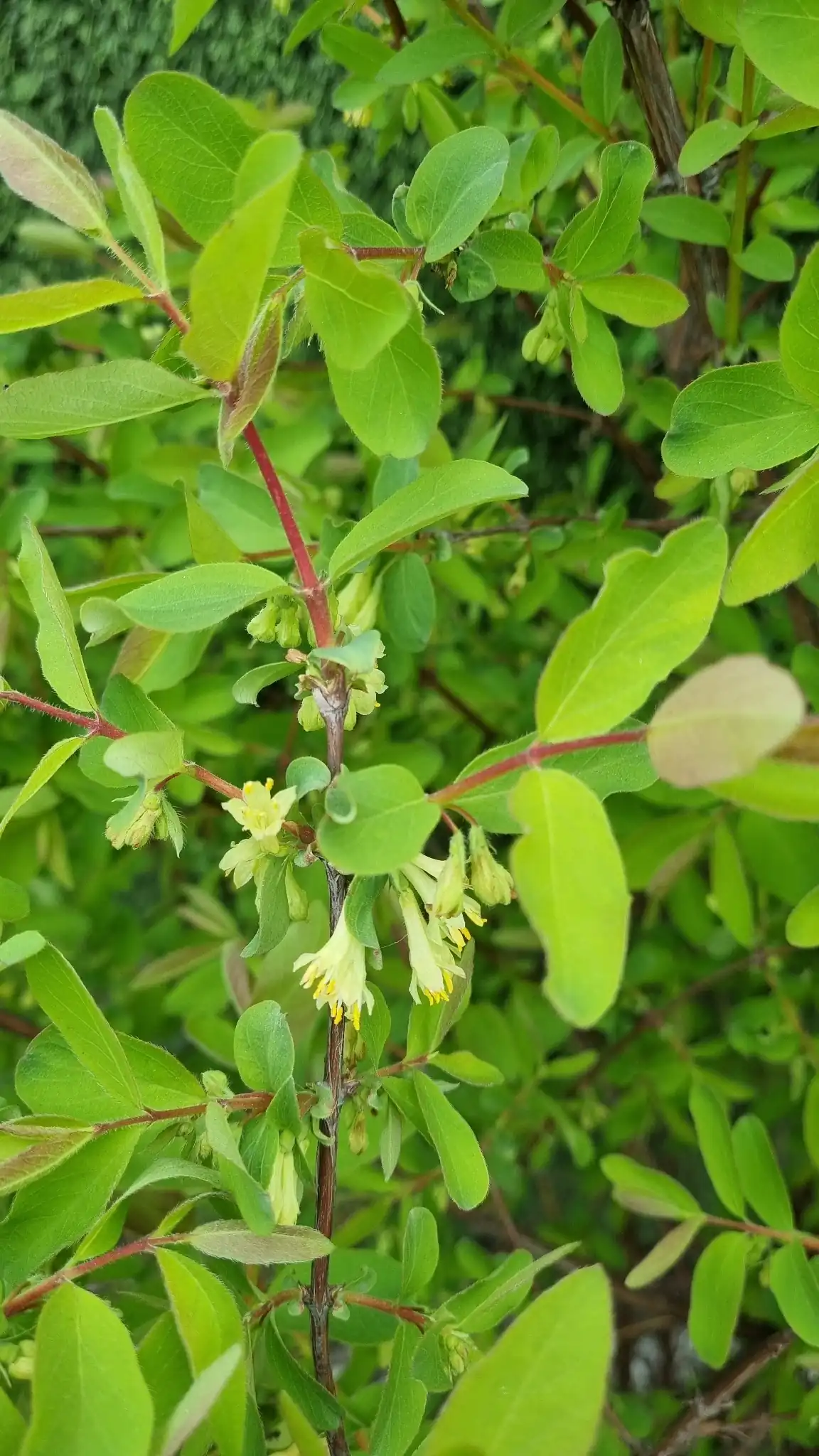
Lonicera caerulea is a dense, multi-branched deciduous shrub growing four to six feet tall with glaucous blue-green foliage and soft, non-suckering stems. In early spring, pairs of small, cream-colored tubular flowers bloom along leaf axils, followed by edible, cylindrical blue berries that ripen early in the season.
Unlike true blueberries, this species thrives across a wide soil pH range from mildly acidic to moderately alkaline without requiring specialized ericaceous substrate. Fruit production relies entirely on cross-pollination, requiring two distinct cultivars planted in close proximity.
Uses & Benefits:
Essentials
At a Glance
Plant Type
Shrub
Height
60"
Width
60"
Light
Full Sun, Partial Sun
Zones
4, 5, 6, 7
Water
Moderate
Humidity
Moderate
Lifespan
Perennial
Native To
Northern Hemisphere (North America, Europe, Asia)
Toxicity
Non-toxic
Bloom period
Early spring – Mid spring
In flower about 2 months of the year
Planting
How to Grow
- Select a planting site in full sun to partial shade with moist, organically rich soil.
- Plant two distinct cultivars within fifteen feet of each other to ensure cross-pollination.
- Set the root ball flush with the surrounding soil level and water thoroughly.
- Apply a two-inch layer of organic mulch around the base to retain root moisture.
Pro Tip
Prune immediately after harvesting in early summer by thinning old wood; hard cuts into leafless stems destroy the one-year-old growth that produces next season's crop.
Keep It Thriving
Care Guide
Do
- Do plant at least two different compatible cultivars for pollination.
- Do keep soil consistently moist during establishment and berry production.
- Do apply an annual spring top-dressing of organic mulch or compost.
Don't
- Don't cut hard into old bare wood when pruning.
- Don't let the soil dry out completely during active fruiting.
- Don't apply heavy synthetic fertilizers, as moderate organic feeding is sufficient.
Seasonal Care Calendar
| Task | Jan | Feb | Mar | Apr | May | Jun | Jul | Aug | Sep | Oct | Nov | Dec |
|---|---|---|---|---|---|---|---|---|---|---|---|---|
| Harvest | ||||||||||||
| Mulch | ||||||||||||
| Pest Check | ||||||||||||
| Plant | ||||||||||||
| Prune |
Watch Out For
Pests & Diseases
Common Pests
Common Diseases
In the Garden
Landscape Uses & Companions
Landscape Uses
Companion Plants
Multiply
Propagation Methods
Good to Know
Common Questions
Honeyberry questions
What zones can Honeyberry grow in?
Honeyberry is hardy in USDA Zones 4–7. Inside that range it survives winter in the ground; outside it, grow it as an annual or a container plant you protect.
When does Honeyberry bloom?
Honeyberry typically blooms in early spring through mid spring. Exact timing shifts a week or two with your zone — Sow's bloom calendar maps it to your garden.
Does Honeyberry need full sun?
Honeyberry does best in full sun to part shade. In hot climates, afternoon shade keeps blooms fresher longer.
More Lonicera to compare
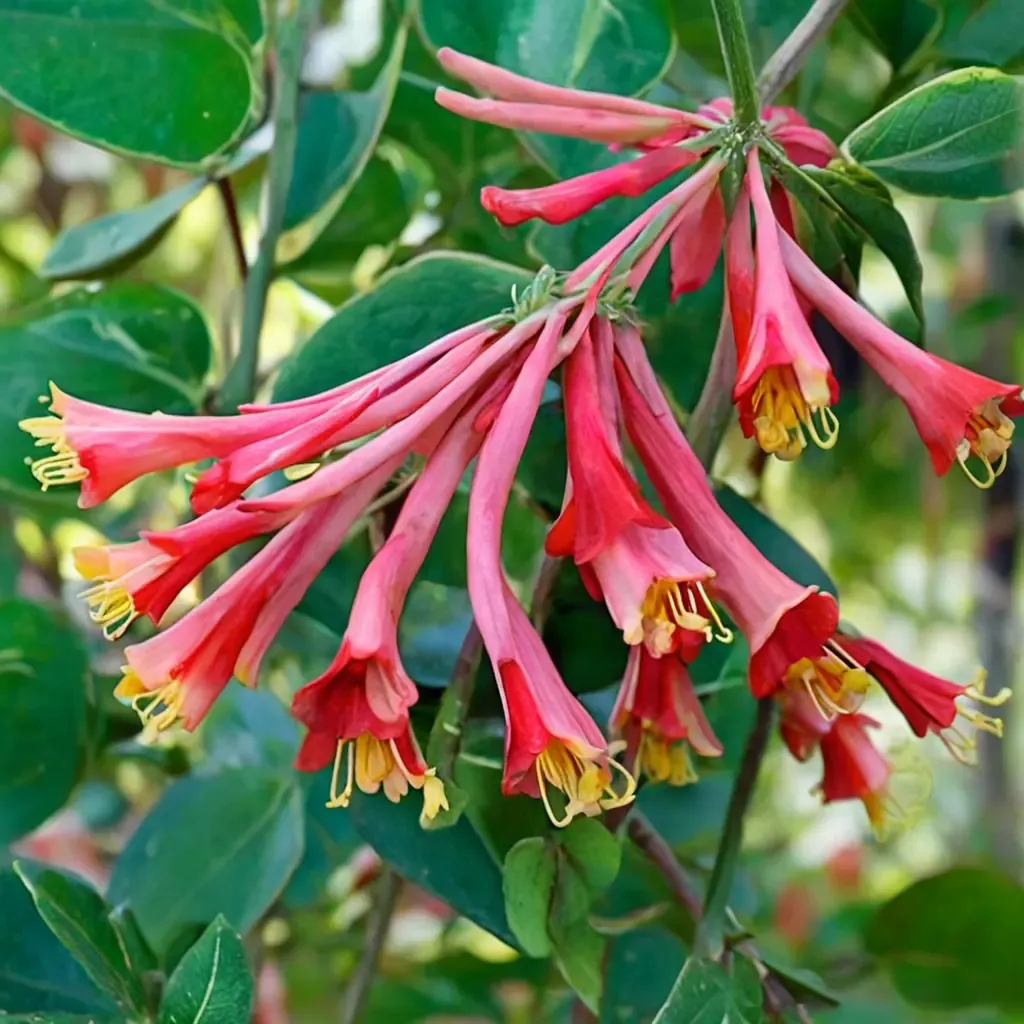
Coral Honeysuckle
Lonicera sempervirens 'Coral Honeysuckle'
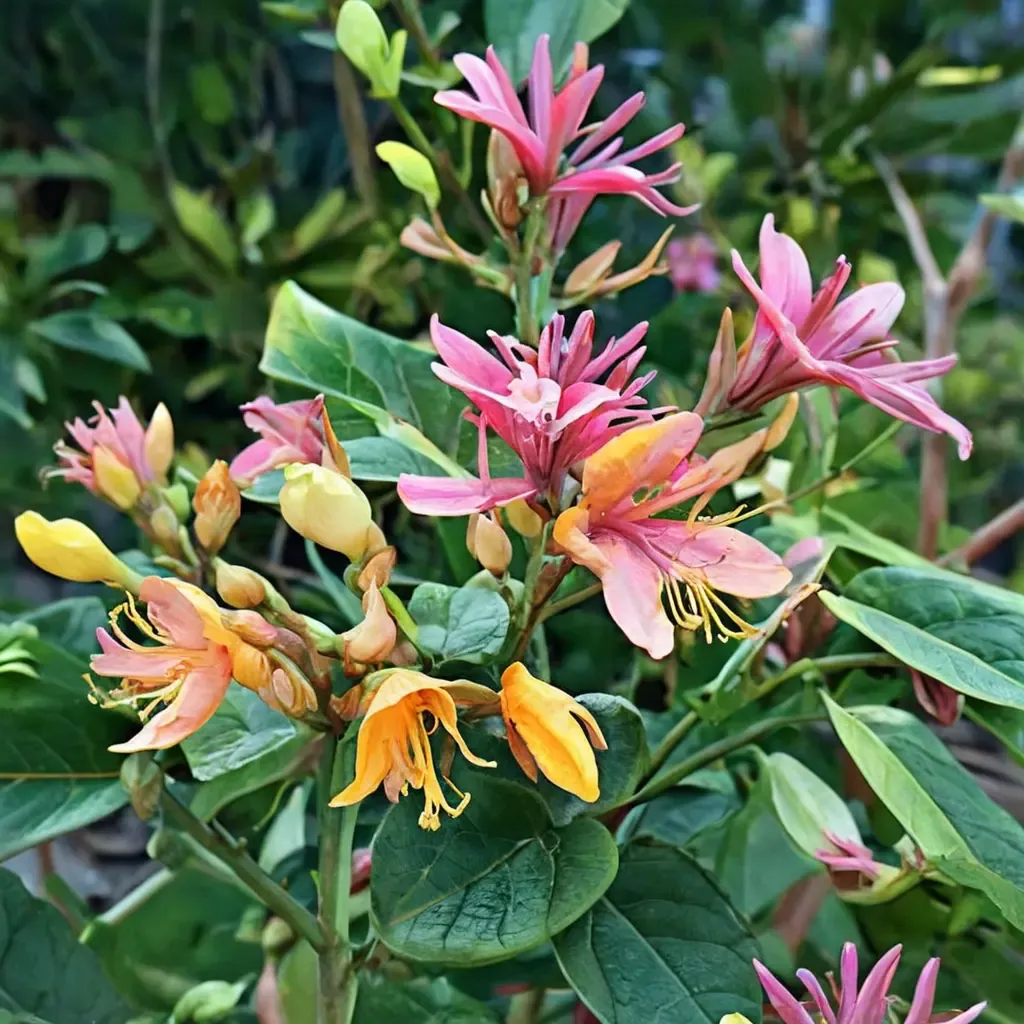
Goldflame Honeysuckle
Lonicera x heckrottii 'Goldflame'
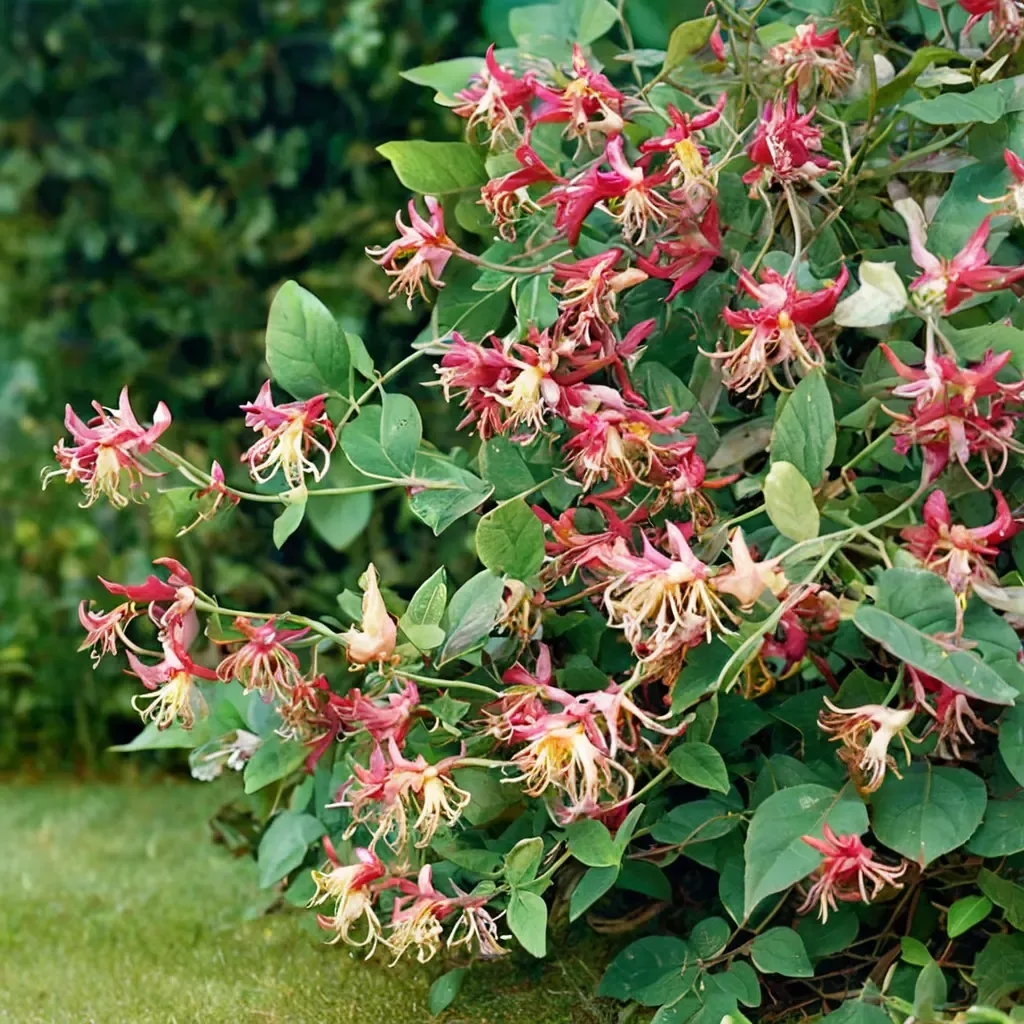
Late Dutch Honeysuckle
Lonicera serotina
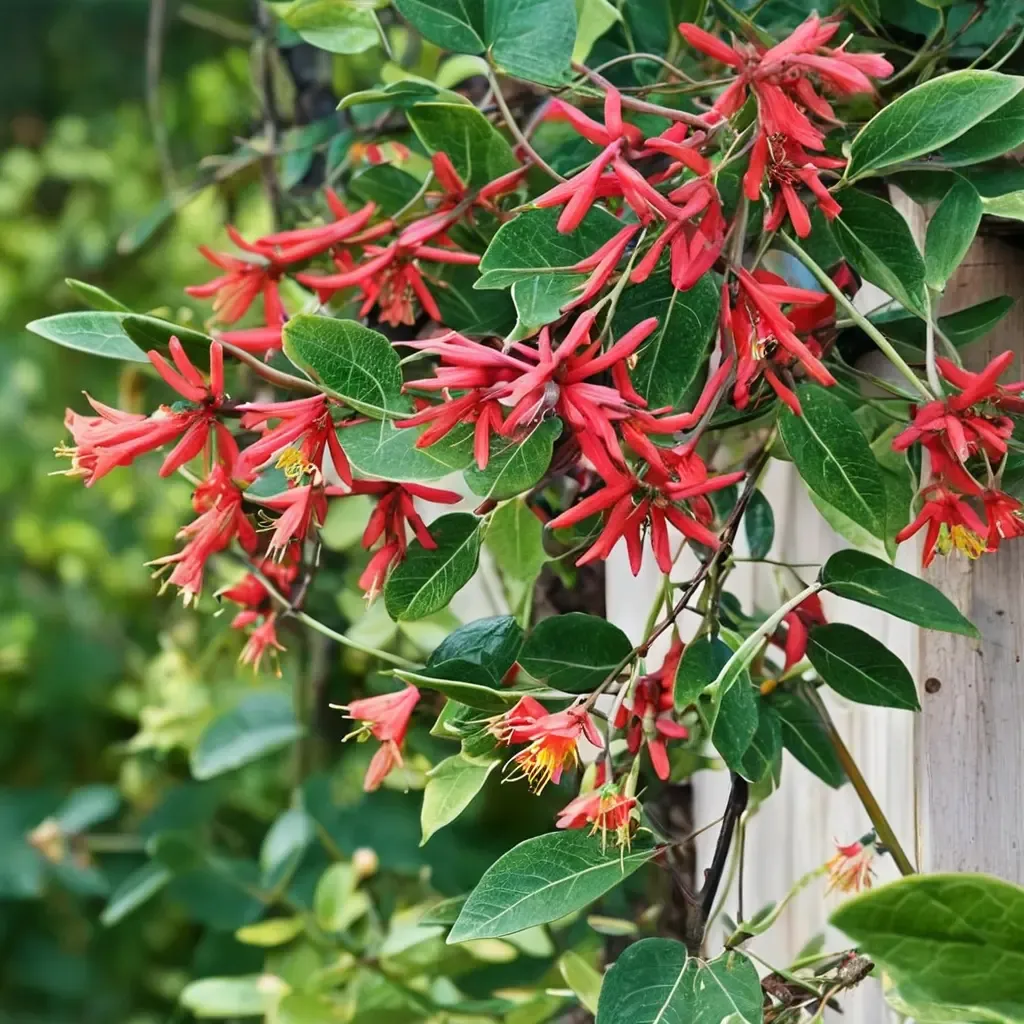
Major Wheeler honeysuckle
Lonicera sempervirens 'Major Wheeler'
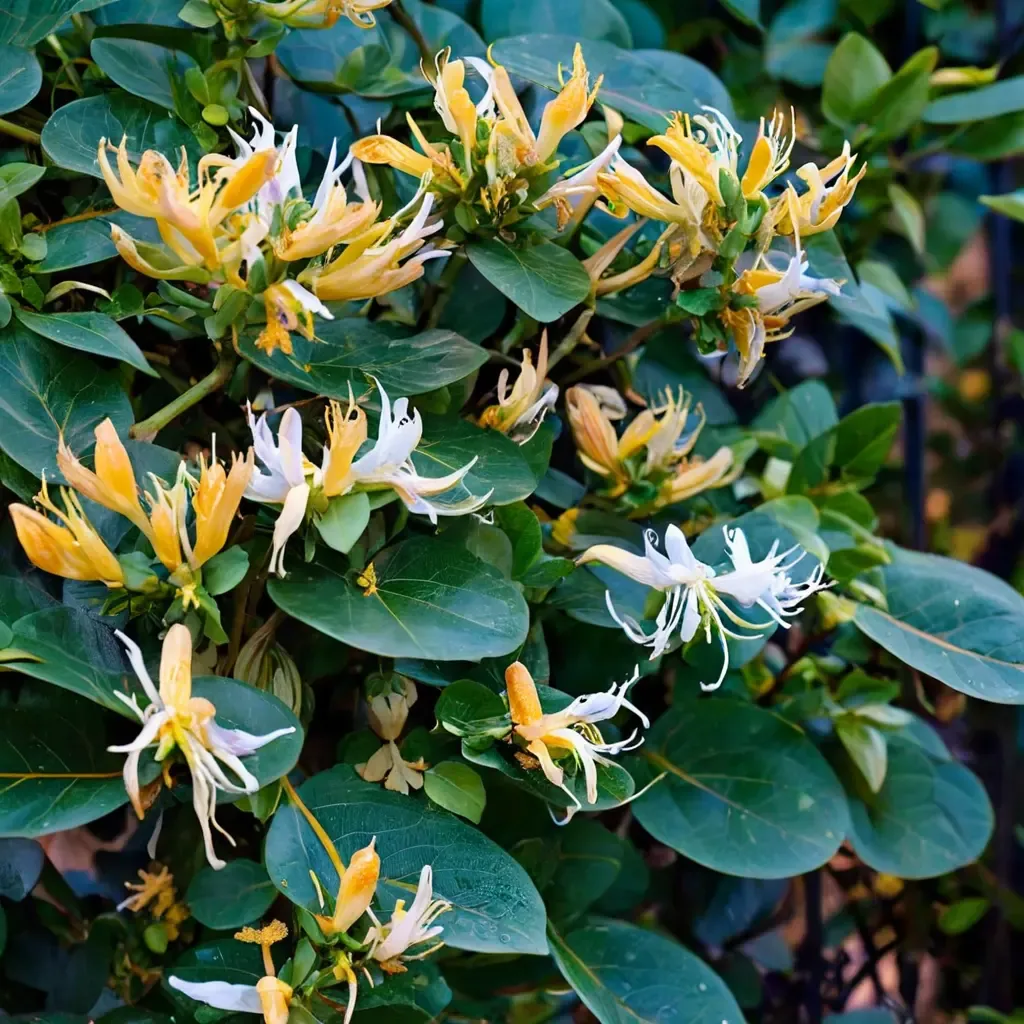
Japanese Honeysuckle
Lonicera japonica
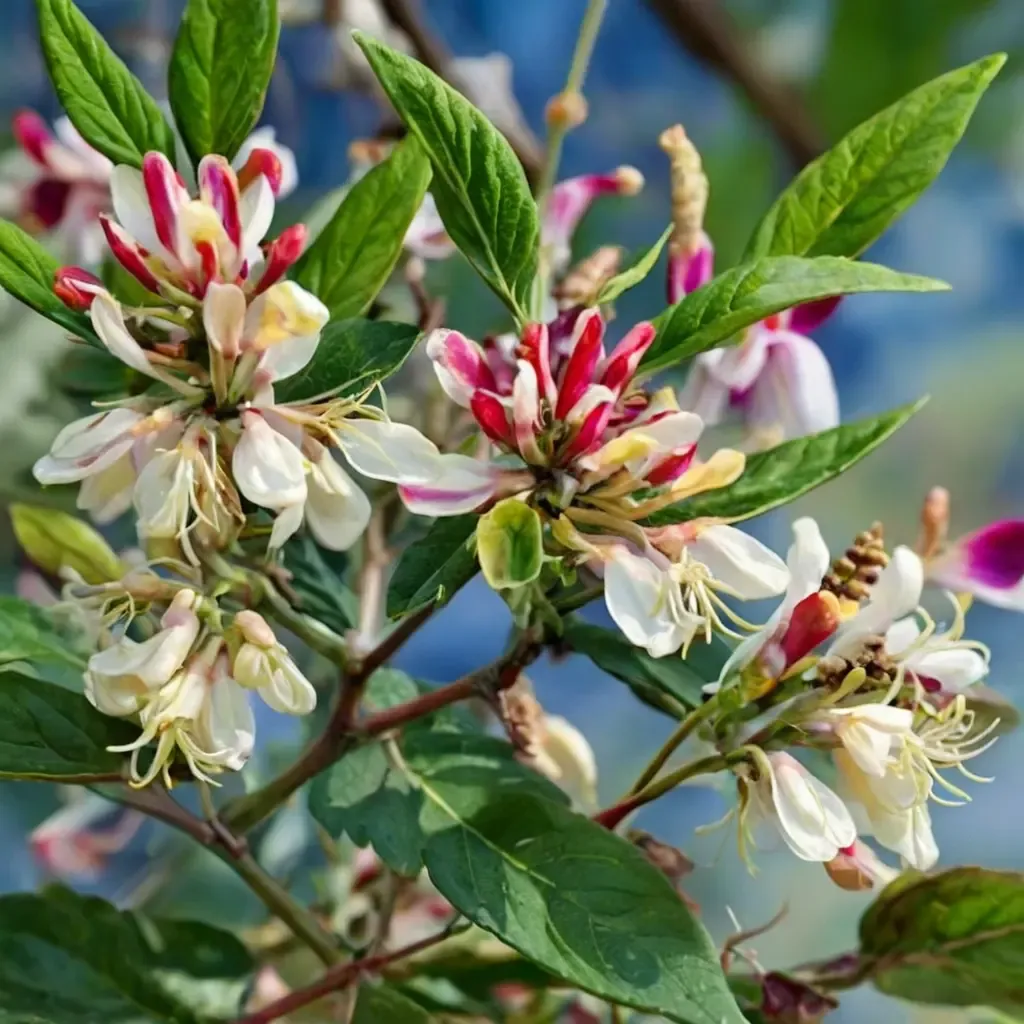
Winter Honeysuckle
Lonicera fragrantissima 'Fragrant Cloud'
Keep exploring
Explore the genus
Hardy in your zone?
Grow Honeyberry with confidence
See it in a design of your actual yard, get zone-matched care reminders, and track it season by season in your garden journal.