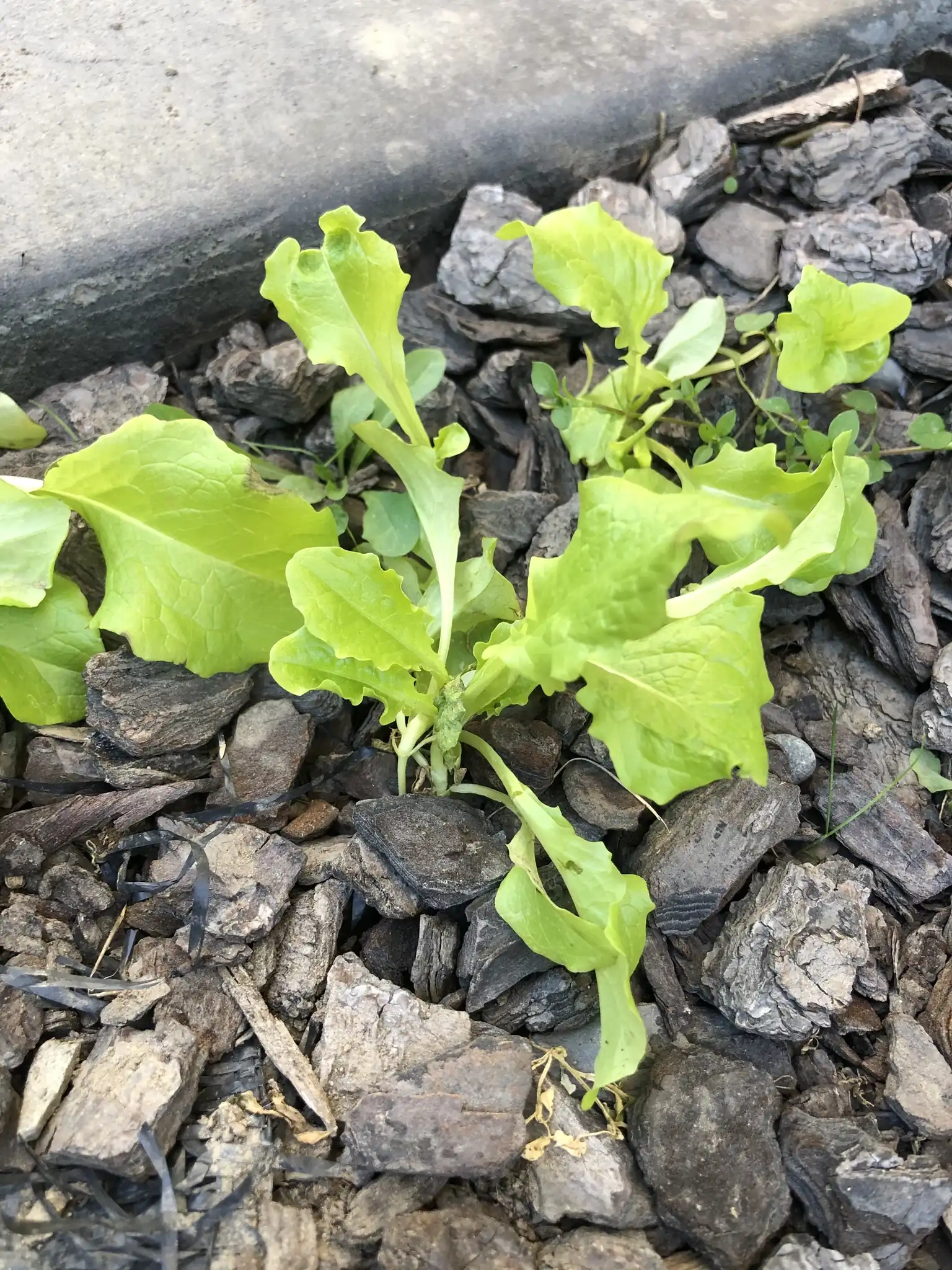
9 named cultivars
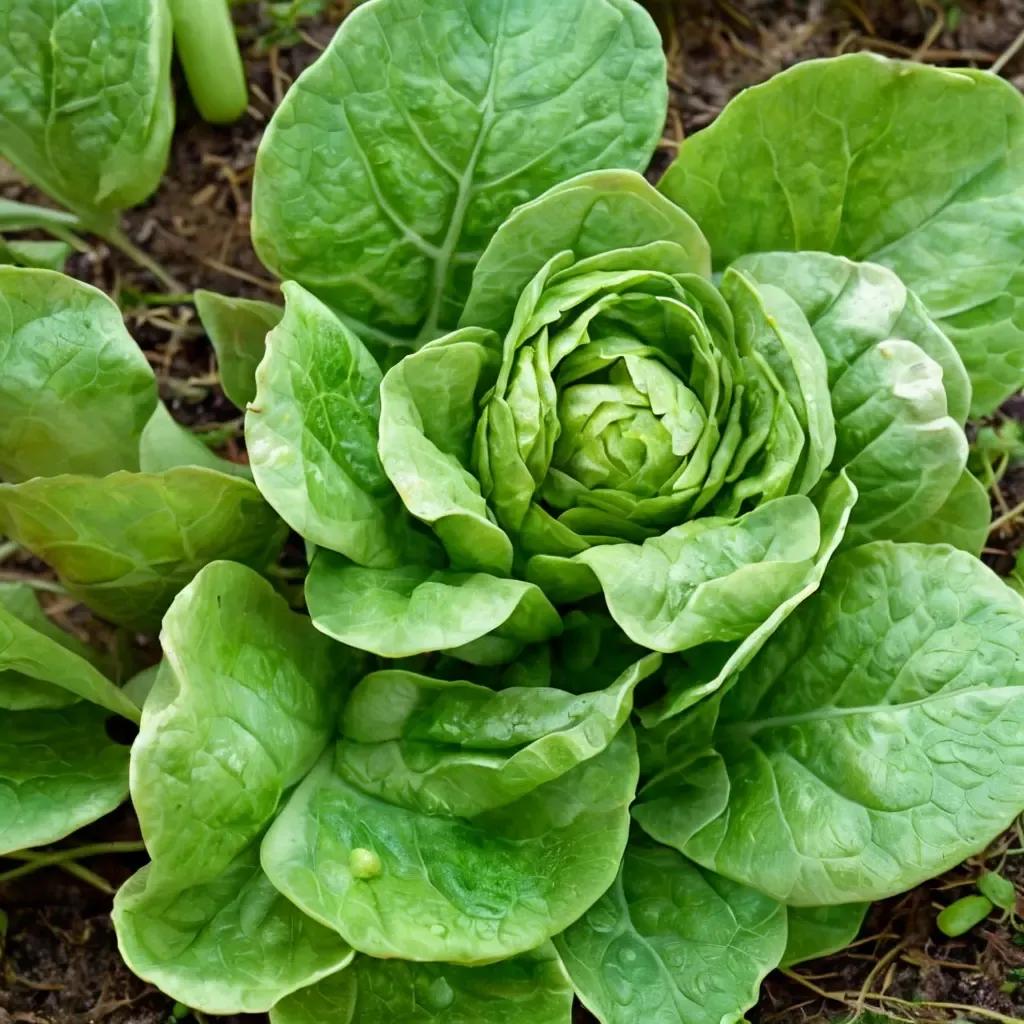 ‘Little Gem’Little Gem Lettuce
 ‘Buttercrunch’Buttercrunch Lettuce
 ‘Hampton’Hampton Lettuce
 ‘Brentwood’Brentwood Lettuce
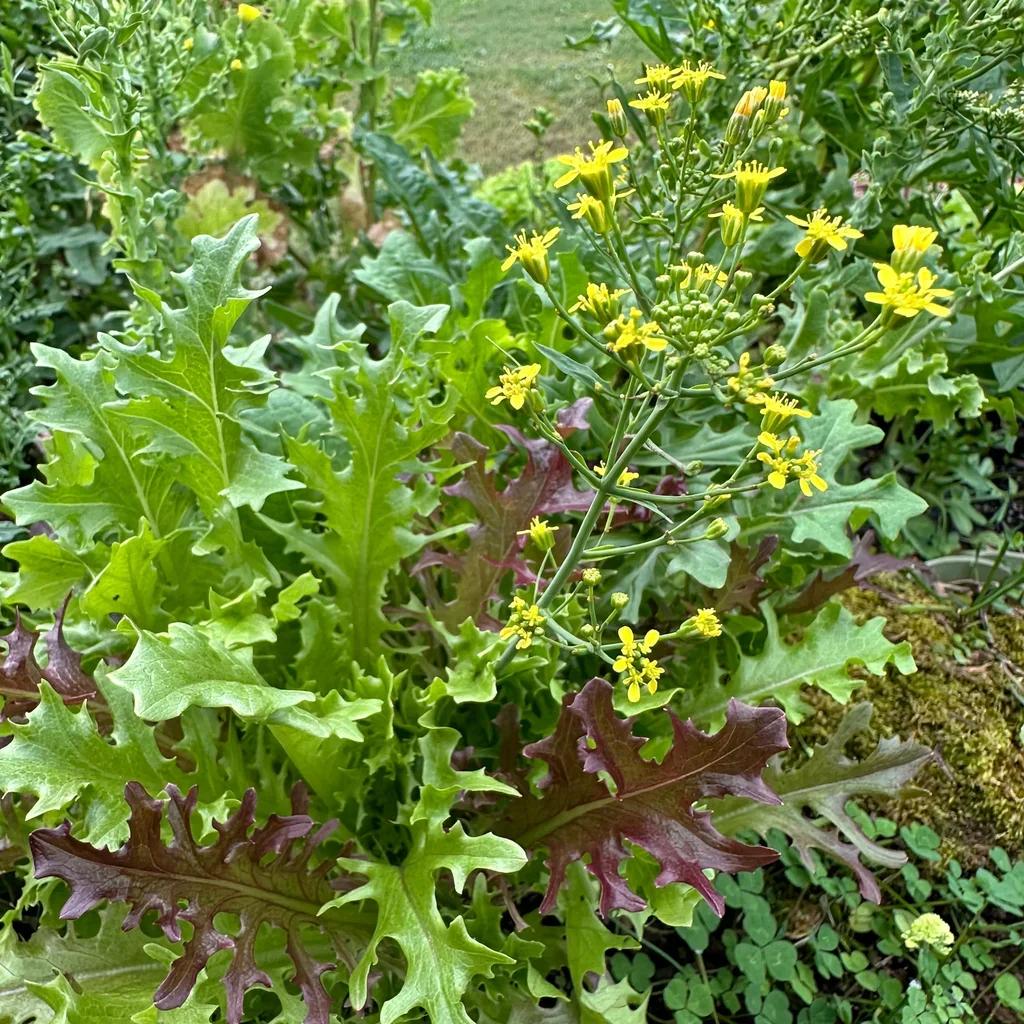 ‘Mix’Lettuce Mix
 ‘Drunken Woman Frizzy Headed’Drunken Woman Frizzy Headed Lettuce
 ‘Flashy Oak’Flashy Oak Leaf Lettuce
 ‘Merveille de Quatre Saisons’Marvel of Four Seasons
 ‘Parris Islands Cos’Parris Islands Cos Lettuce
The Story
Plant Bio
Lactuca sativa, lettuce, is a cool-season annual vegetable native from the Mediterranean to Siberia, reaching six to twelve inches before bolting. Leaf shape and colour vary enormously across cultivars — round to ragged and wavy, in green, red-purple, yellow and near-white — and all of it is edible until the plant runs to seed.
It bolts as soon as days lengthen and temperatures climb, sending up a flower stalk and turning bitter within days, which is why it is grown in spring and autumn rather than through summer. Sowing a short row every two weeks gives a continuous supply where a single large sowing gives one glut and then nothing.
Uses & Benefits:
Essentials
At a Glance
Plant Type
Fruit Vegetable
Height
9"
Width
12"
Light
Full Sun, Partial Sun
Zones
4, 5, 6, 7, 8, 9, 10
Water
Moderate
Humidity
Moderate
Lifespan
Annual
Native To
Mediterranean to Siberia
Toxicity
Non-toxic
Planting
How to Grow
- Sow directly from early spring, or start indoors for transplanting.
- Choose full sun in spring and autumn, partial shade in warm weather.
- Sow a short row every two weeks for a continuous supply.
- Keep the soil evenly moist; dryness triggers bolting.
- Harvest outer leaves or cut whole heads as needed.
- Stop sowing through the hottest weeks.
Pro Tip
Sow a short row every two weeks rather than one long one — lettuce goes from perfect to bitter in about a week once it starts to bolt.
Keep It Thriving
Care Guide
Do
- Sow successionally every two weeks 🌱
- Keep soil evenly moist 💧
- Give afternoon shade in warm weather 🌤️
- Harvest outer leaves for a longer crop 🥬
Don't
- Let the soil dry out; it triggers bolting ❌
- Sow through the hottest part of summer ❌
- Leave it standing once it starts to bolt ❌
Seasonal Care Calendar
| Task | Jan | Feb | Mar | Apr | May | Jun | Jul | Aug | Sep | Oct | Nov | Dec |
|---|---|---|---|---|---|---|---|---|---|---|---|---|
| Monitor |
Watch Out For
Pests & Diseases
Common Pests
Common Diseases
In the Garden
Landscape Uses & Companions
Landscape Uses
Multiply
Propagation Methods
Good to Know
Common Questions
Lettuce questions
What zones can Lettuce grow in?
Lettuce is hardy in USDA Zones 4–10. Inside that range it survives winter in the ground; outside it, grow it as an annual or a container plant you protect.
Is Lettuce deer resistant?
Not reliably. Deer may browse Lettuce, especially tender spring growth — plan on repellents or fencing where pressure is high.
When does Lettuce bloom?
Lettuce typically blooms in summer through late summer. Exact timing shifts a week or two with your zone — Sow's bloom calendar maps it to your garden.
Does Lettuce need full sun?
Lettuce does best in full sun to part shade. In hot climates, afternoon shade keeps blooms fresher longer.
More Lactuca to compare
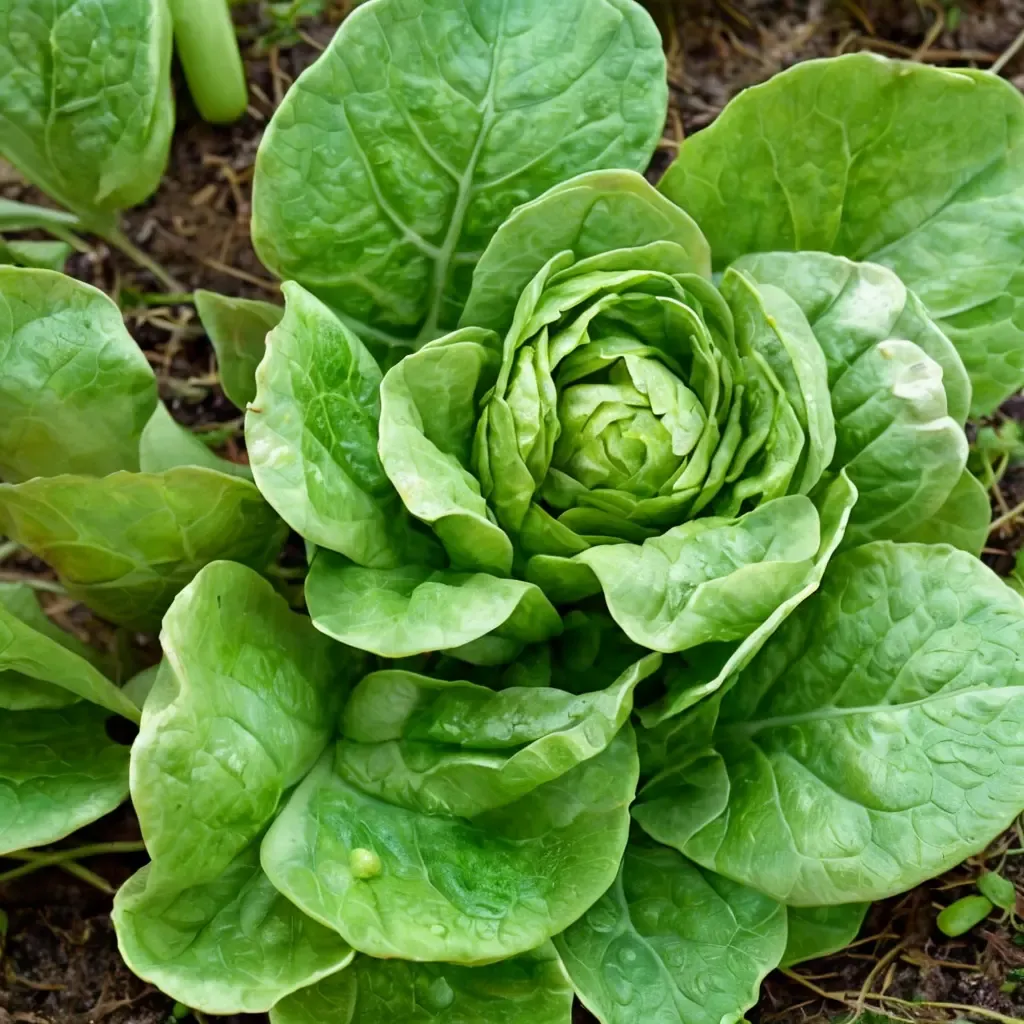
Little Gem Lettuce
Lactuca sativa 'Little Gem'
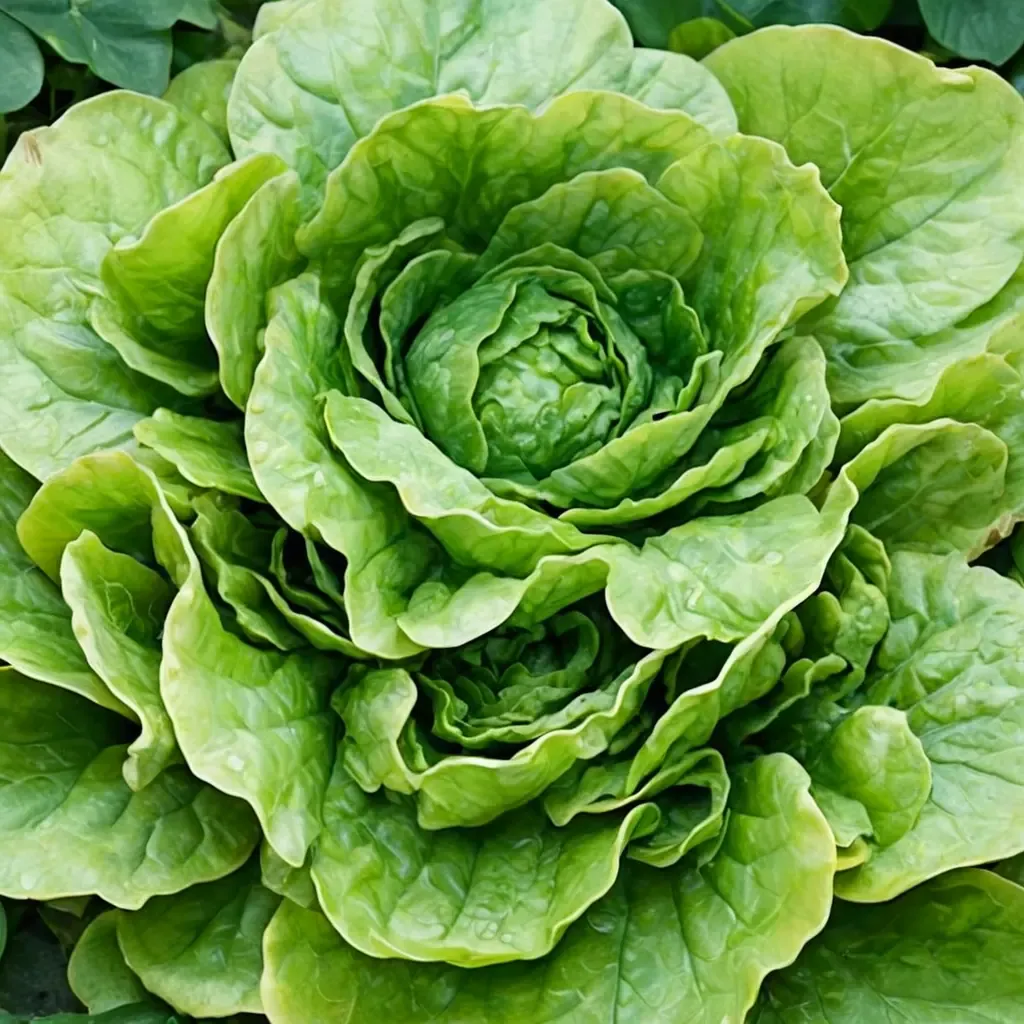
Buttercrunch Lettuce
Lactuca sativa 'Buttercrunch'
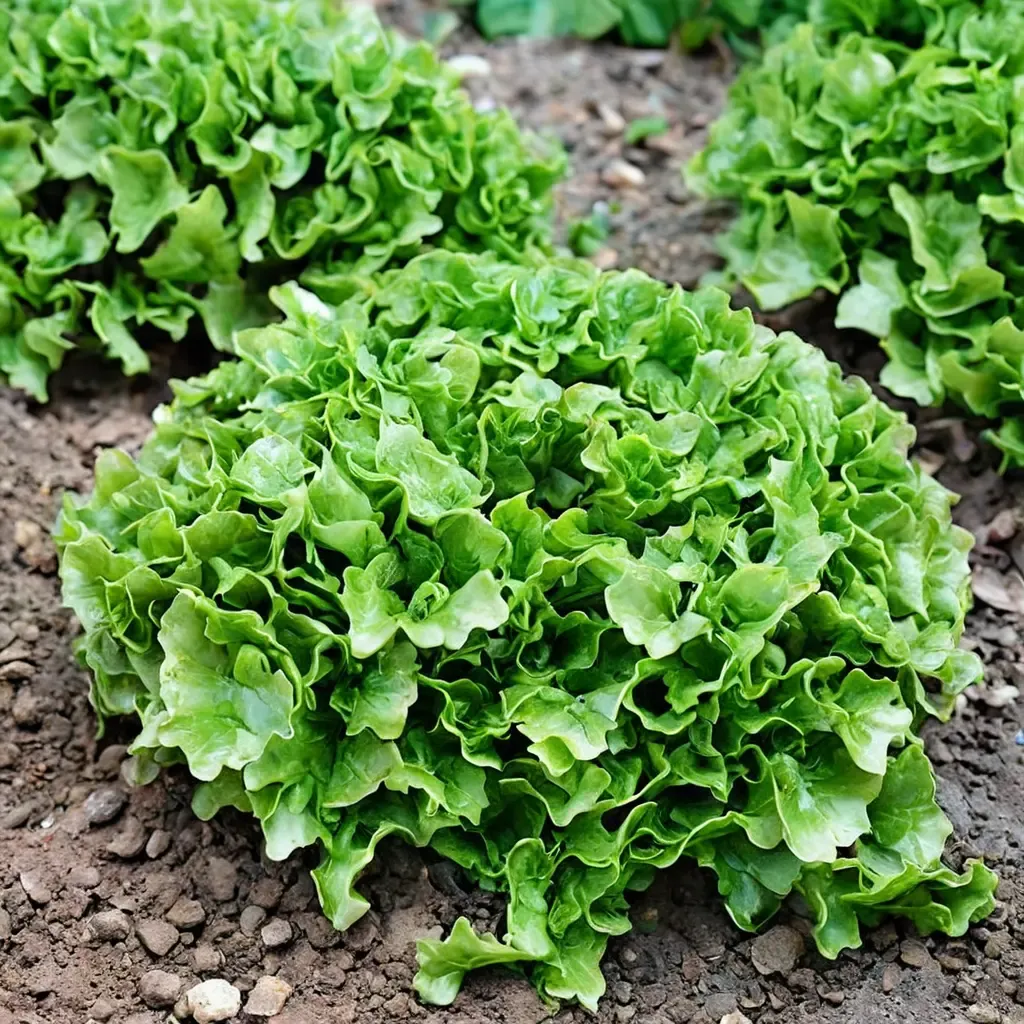
Hampton Lettuce
Lactuca sativa 'Hampton'

Brentwood Lettuce
Lactuca sativa 'Brentwood'
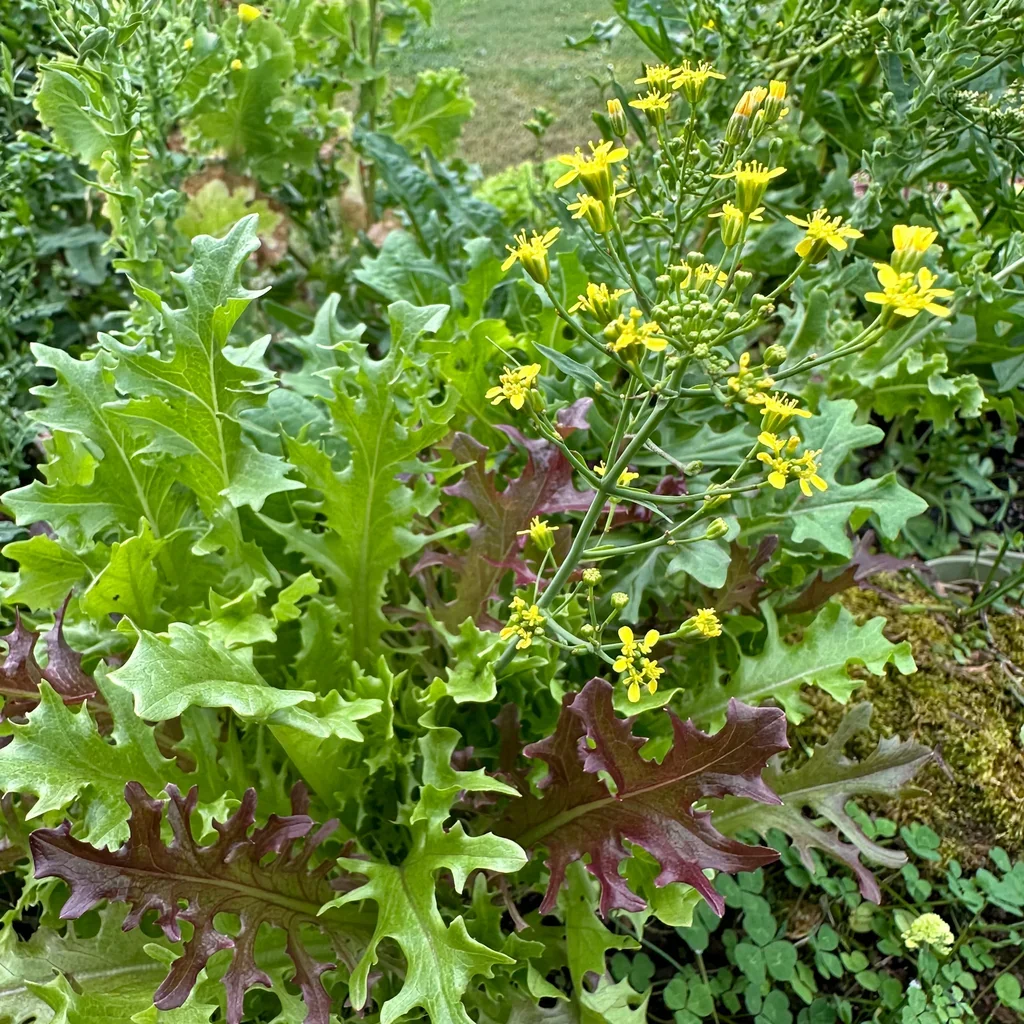
Lettuce Mix
Lactuca sativa 'Mix'
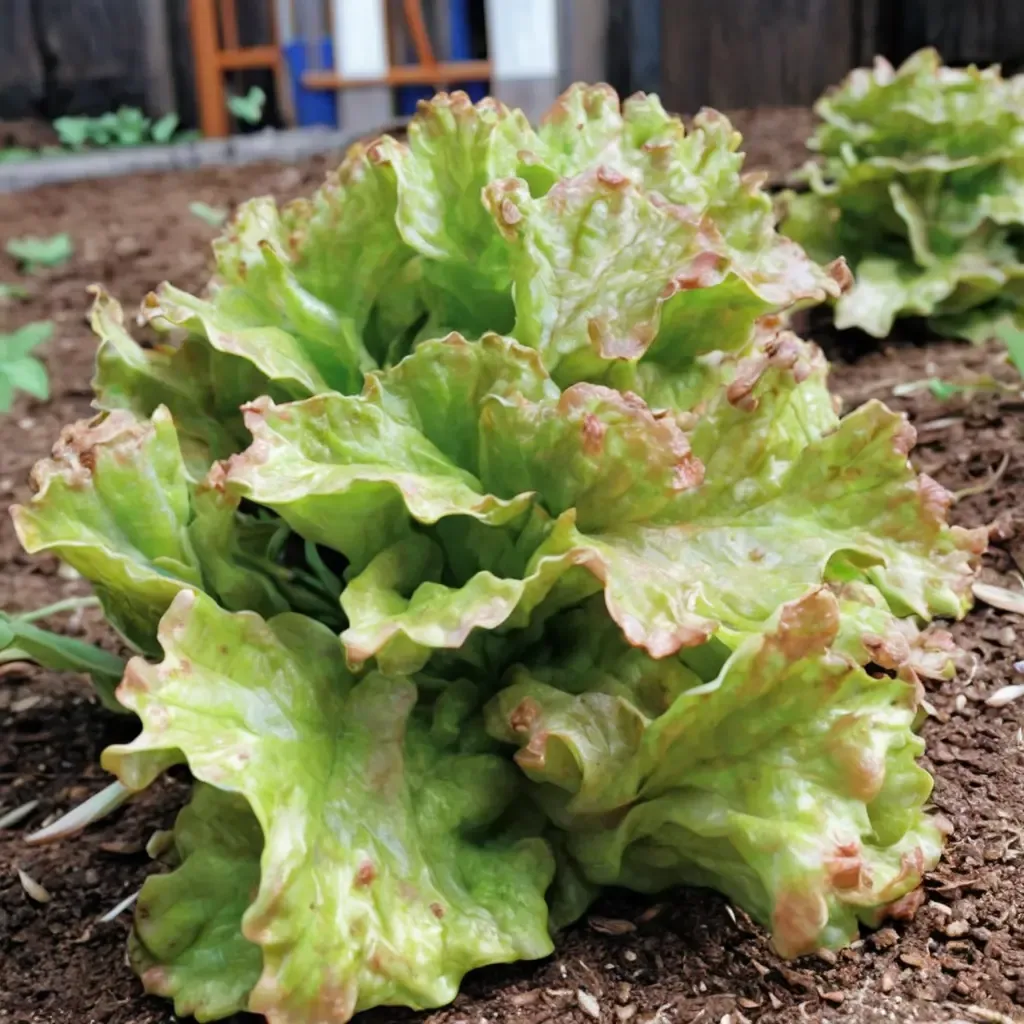
Drunken Woman Frizzy Headed Lettuce
Lactuca sativa 'Drunken Woman Frizzy Headed'
Keep exploring
Explore the genus
Grow Lettuce with confidence
See it in a design of your actual yard, get zone-matched care reminders, and track it season by season in your garden journal.