The Story
Plant Bio
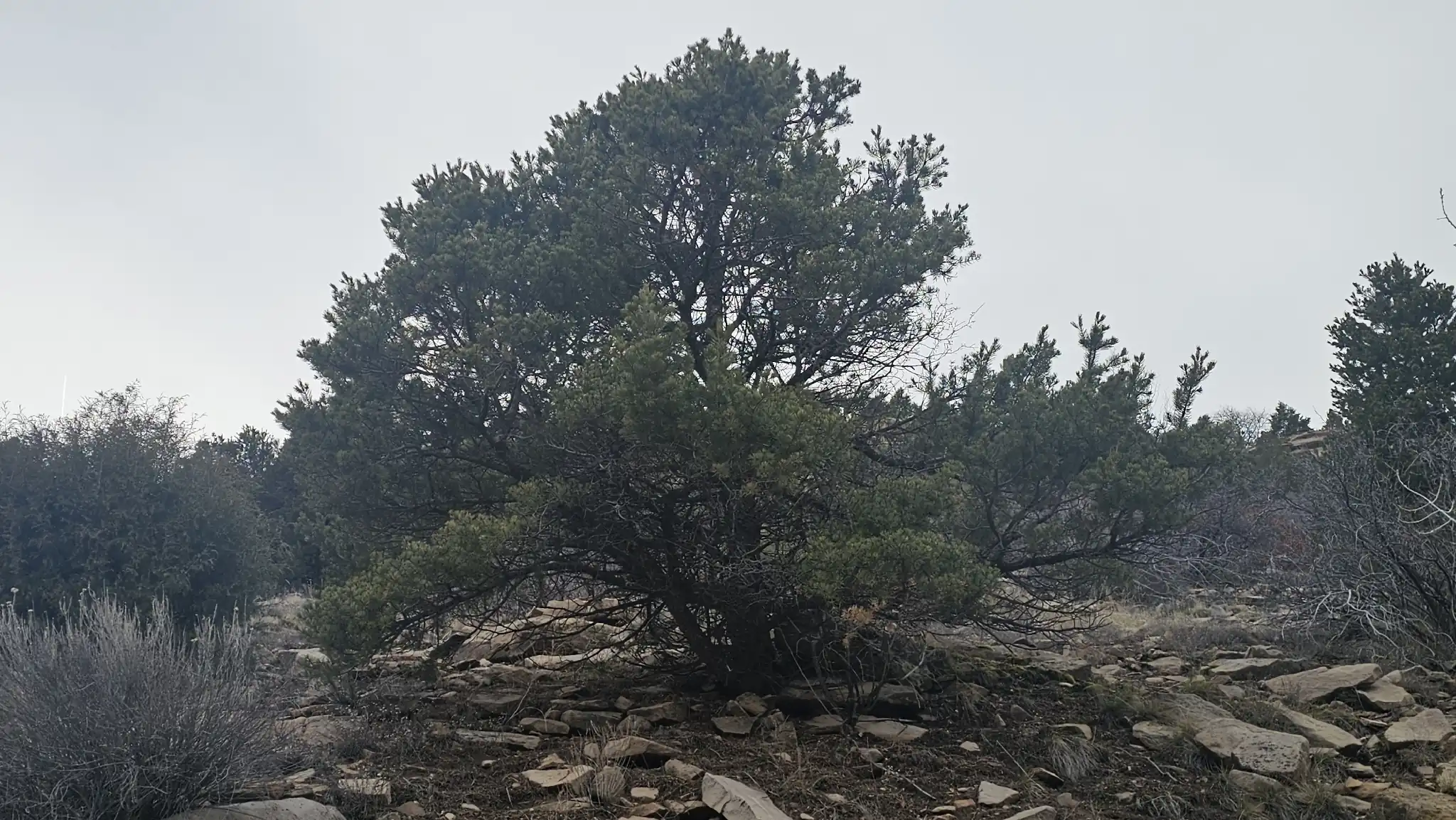
Pinus edulis, the pinyon pine, is a slow-growing evergreen conifer native to dry rocky slopes and plateaus across the American Southwest. It forms a bushy, symmetrical cone when young, developing a broad, open crown with age as lower branches drop.
The stiff needles grow mostly in pairs and display a blue-green to yellow-green color with prominent stomatal bands. Female cones mature over two seasons into woody cones containing large, wingless edible seeds that sustain native bird and small mammal populations.
Uses & Benefits:
Essentials
At a Glance
Plant Type
Tree
Height
591"
Width
472"
Light
Full Sun
Zones
4, 5, 6, 7, 8
Water
Low
Humidity
Low
Lifespan
Perennial
Native To
North America
Toxicity
Non-toxic
Bloom period
Spring
In flower about 3 months of the year
Planting
How to Grow
- Select a full-sun location with coarse, sandy or gravelly soil and neutral to alkaline pH.
- Plant container stock at the exact nursery depth, backfilling with unamended mineral soil.
- Water thoroughly at planting to settle the root ball, then irrigate sparingly during the first growing season.
- Withhold supplemental irrigation once established, allowing the tree to rely entirely on ambient precipitation.
Pro Tip
Avoid summer irrigation and rich organic soils; excess soil moisture induces rapid root rot and invites fatal Piñón Ips bark beetle infestations.
Keep It Thriving
Care Guide
Do
- Plant in coarse, fast-draining mineral soils with full sun exposure.
- Protect young saplings with wire cages if deer or rabbit browsing is heavy.
- Cleanly prune off dead, diseased, or broken branches in late winter.
Don't
- Do not apply nitrogen fertilizers, which trigger weak growth susceptible to bark beetles.
- Do not plant near lawn sprinklers or overwater established specimens.
- Do not prune back into bare, leafless wood, as pines do not resprout from bare stems.
Seasonal Care Calendar
| Task | Jan | Feb | Mar | Apr | May | Jun | Jul | Aug | Sep | Oct | Nov | Dec |
|---|---|---|---|---|---|---|---|---|---|---|---|---|
| Pest Check | ||||||||||||
| Plant | ||||||||||||
| Prune | ||||||||||||
| Winter Prep |
Watch Out For
Pests & Diseases
Common Pests
Common Diseases
In the Garden
Landscape Uses & Companions
Landscape Uses
Multiply
Propagation Methods
Good to Know
Common Questions
Pinyon Pine questions
What zones can Pinyon Pine grow in?
Pinyon Pine is hardy in USDA Zones 4–8. Inside that range it survives winter in the ground; outside it, grow it as an annual or a container plant you protect.
Is Pinyon Pine deer resistant?
Yes — Pinyon Pine is rated deer-resistant. Deer typically pass it over, though extreme hunger can override any plant's defenses.
When does Pinyon Pine bloom?
Pinyon Pine typically blooms in spring through spring. Exact timing shifts a week or two with your zone — Sow's bloom calendar maps it to your garden.
Does Pinyon Pine need full sun?
Pinyon Pine does best in full sun (6+ hours).
Is Pinyon Pine drought tolerant?
Yes — once established (usually after the first full season), Pinyon Pine handles dry spells with minimal watering. Water deeply its first year to build the root system that makes that possible.
More Pinus to compare
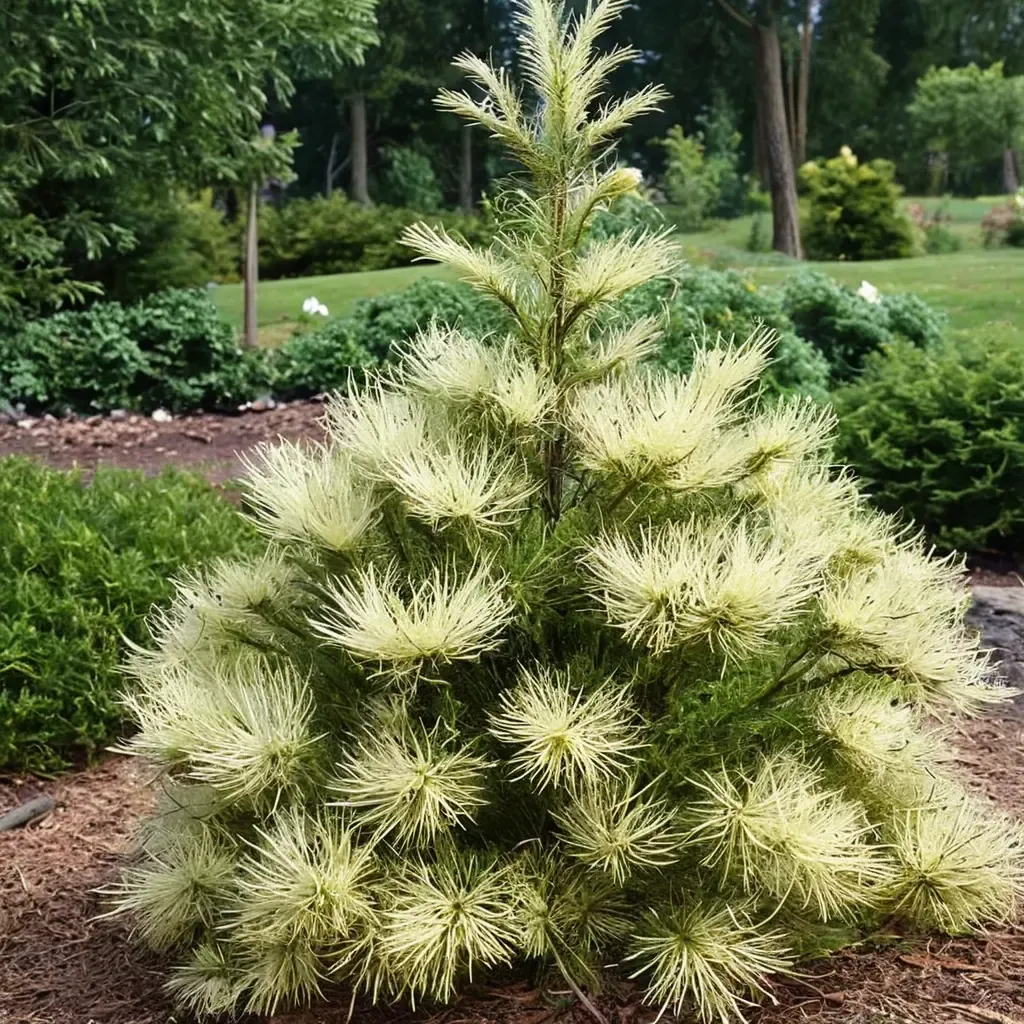
Golden Ghost Pine
Pinus densiflora 'Golden Ghost'
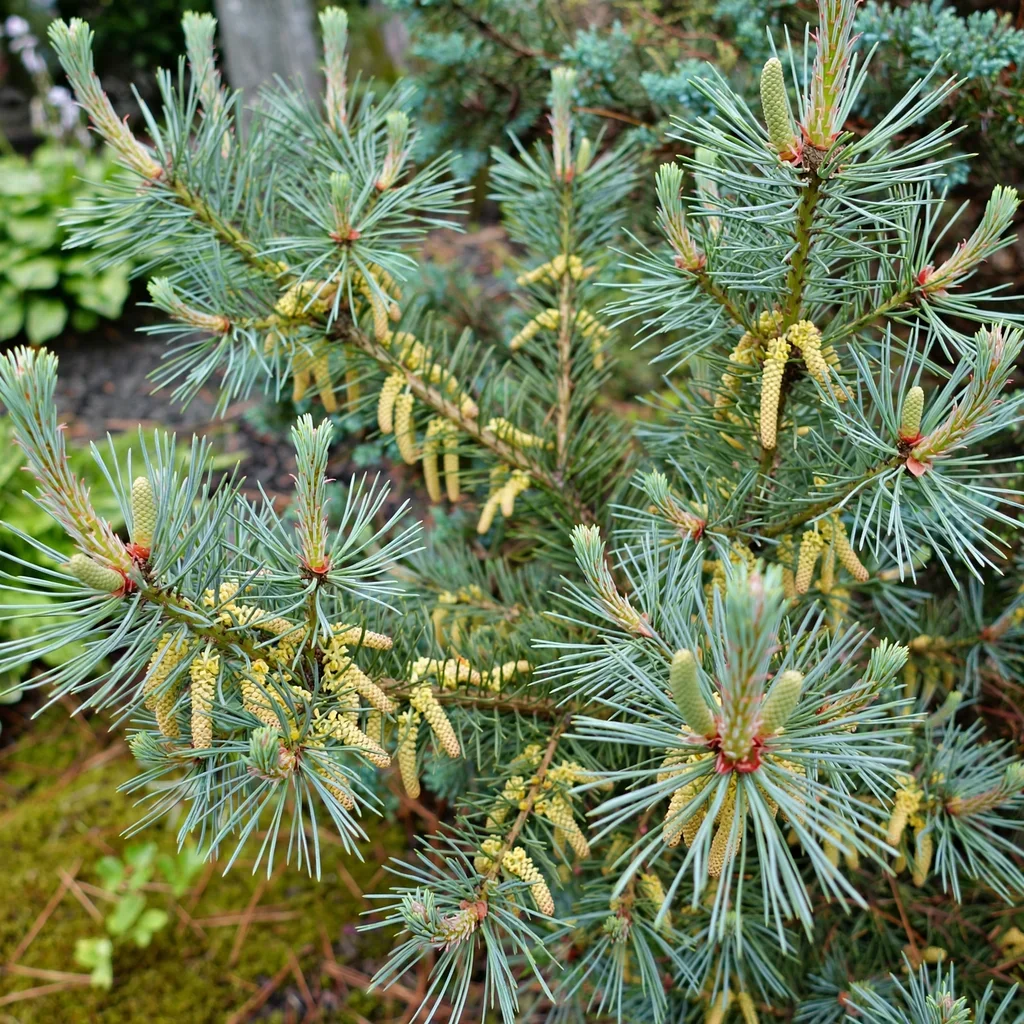
Eastern White Pine
Pinus strobus
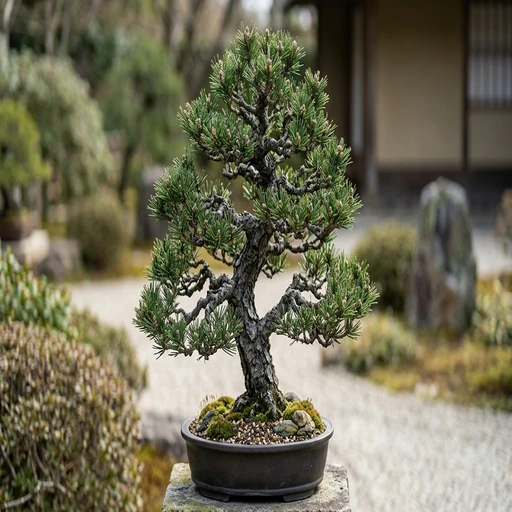
Thunderhead Japanese Black Pine
Pinus thunbergii 'Thunderhead'
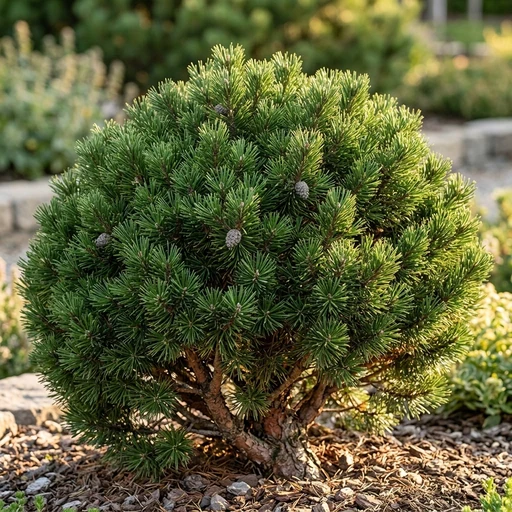
Slowmound Mugo Pine
Pinus mugo 'Slowmound'
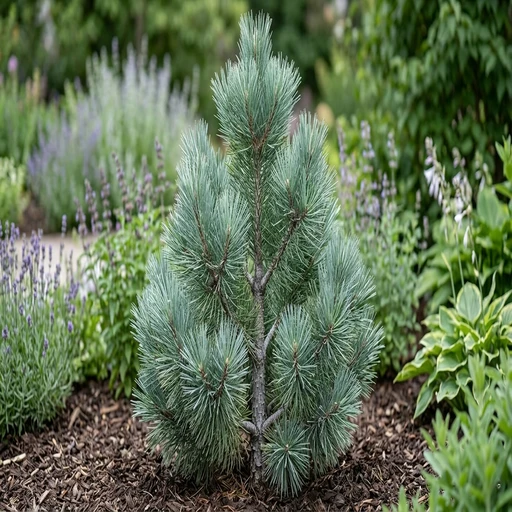
Vanderwolf's Pyramid Limber Pine
Pinus flexilis 'Vanderwolf'
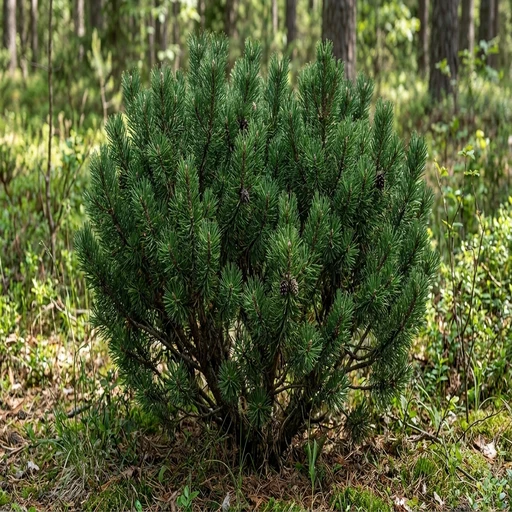
Mugo Pine
Pinus mugo
Keep exploring
Explore the genus
Hardy in your zone?
Grow Pinyon Pine with confidence
See it in a design of your actual yard, get zone-matched care reminders, and track it season by season in your garden journal.