Also known as Bitterbrush · 1 saves
Purshia
Purshia, the genus most gardeners know as bitterbrush. We track 4 varieties; the ones most used by real gardeners.
The 4 most-saved Purshia varieties
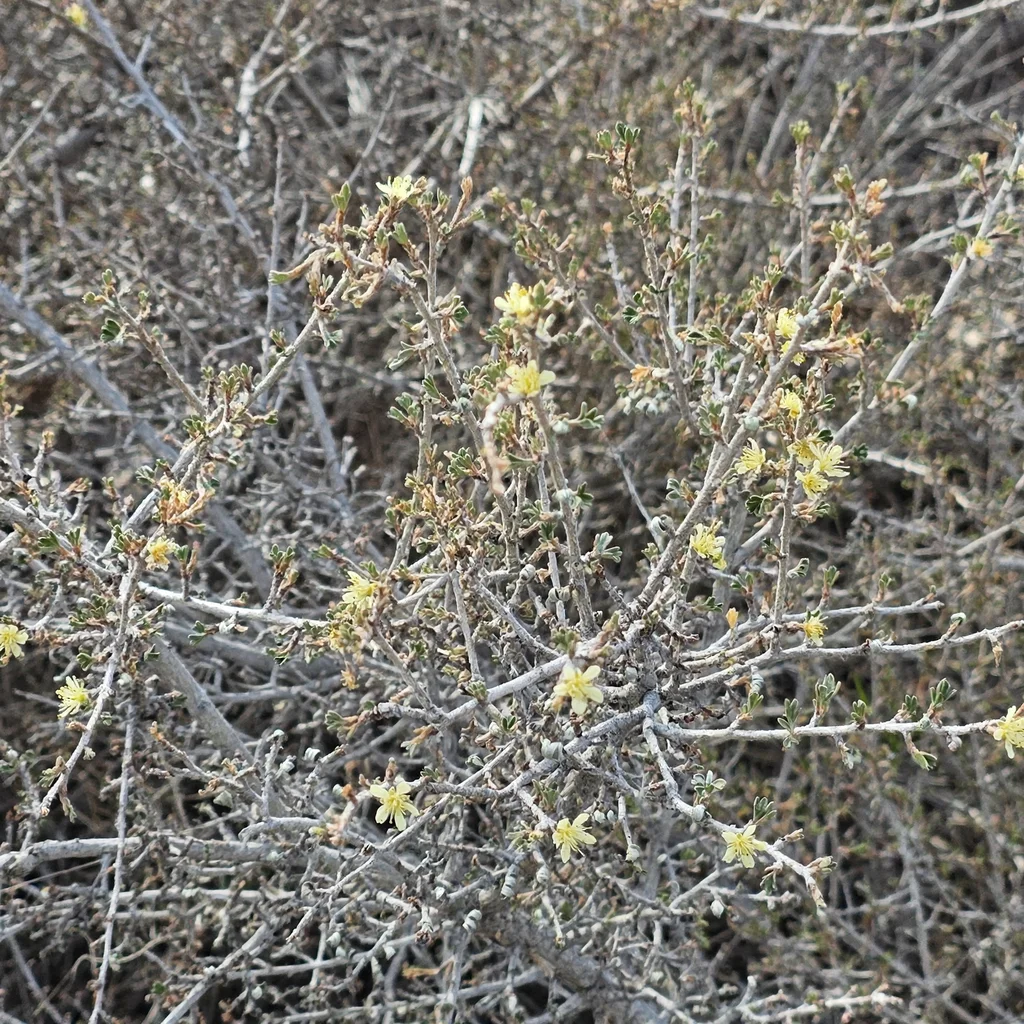
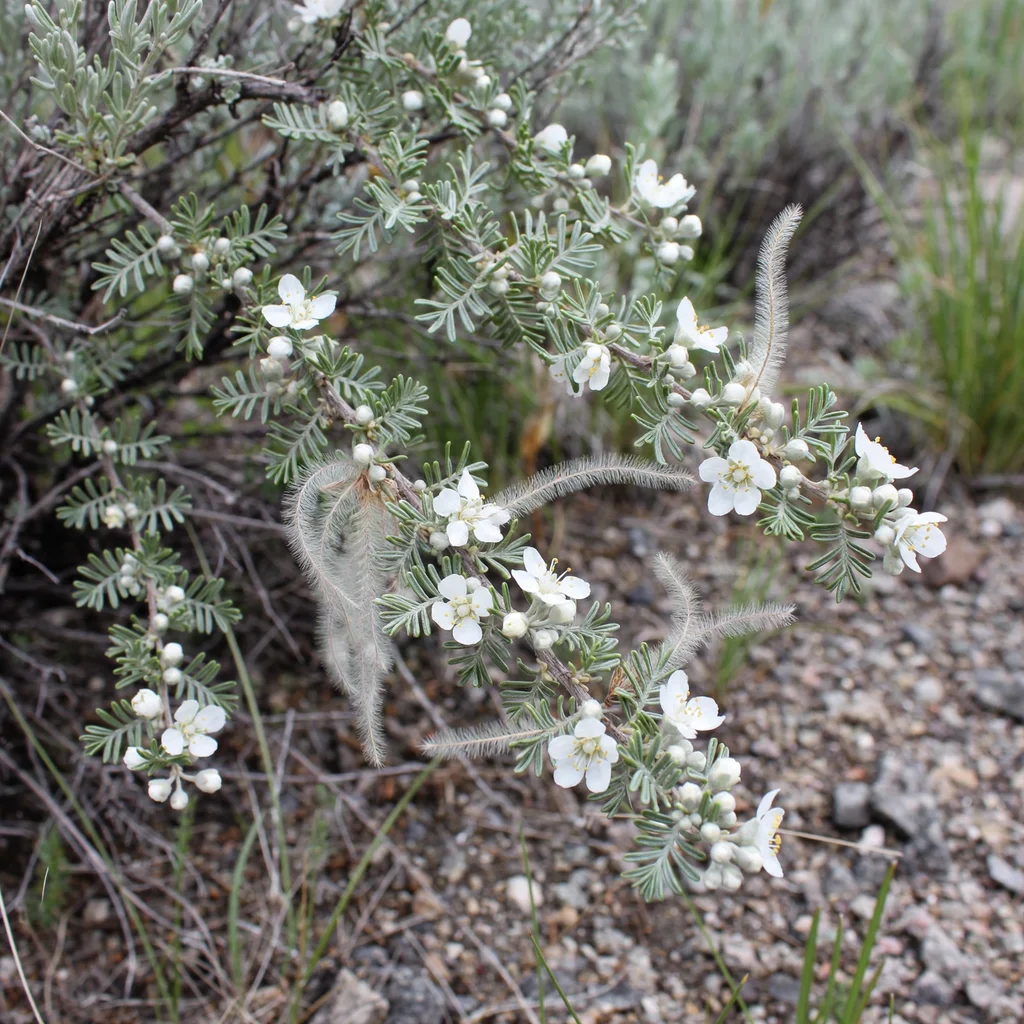
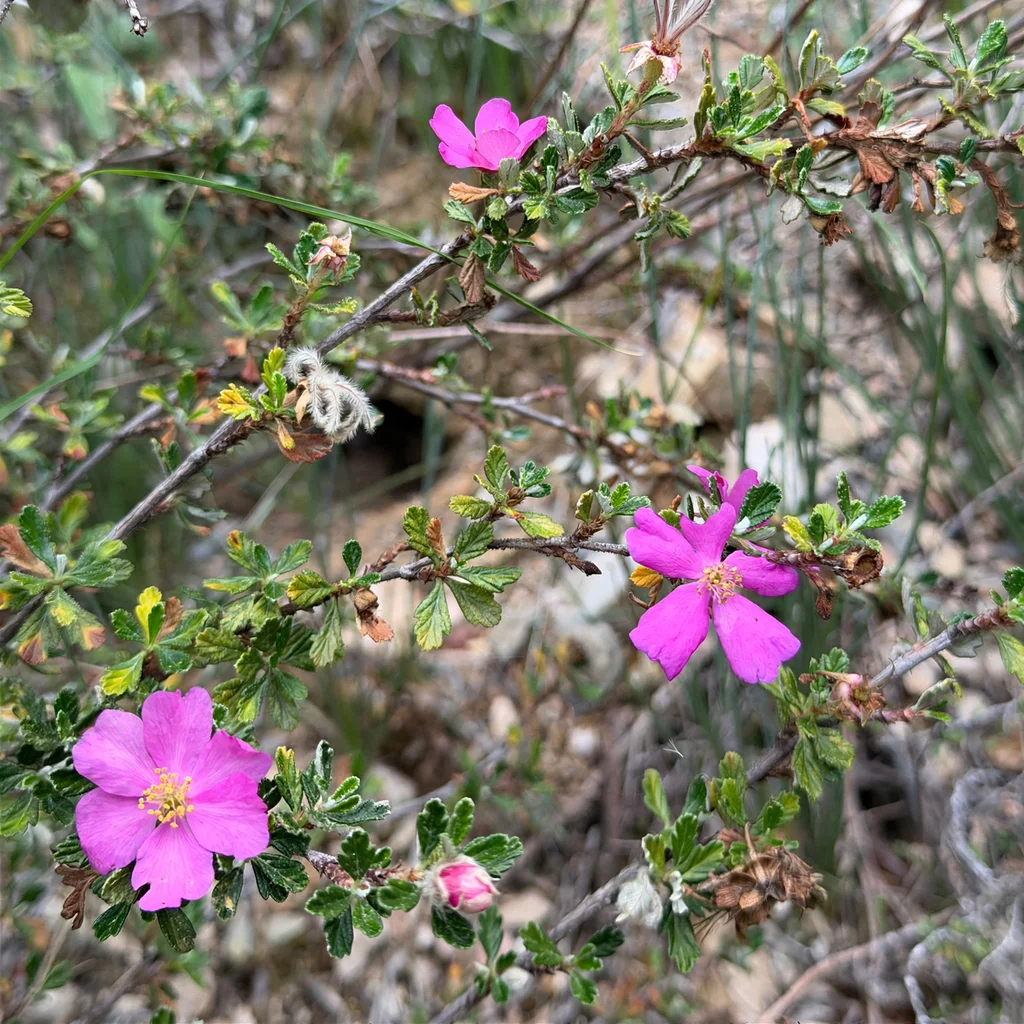
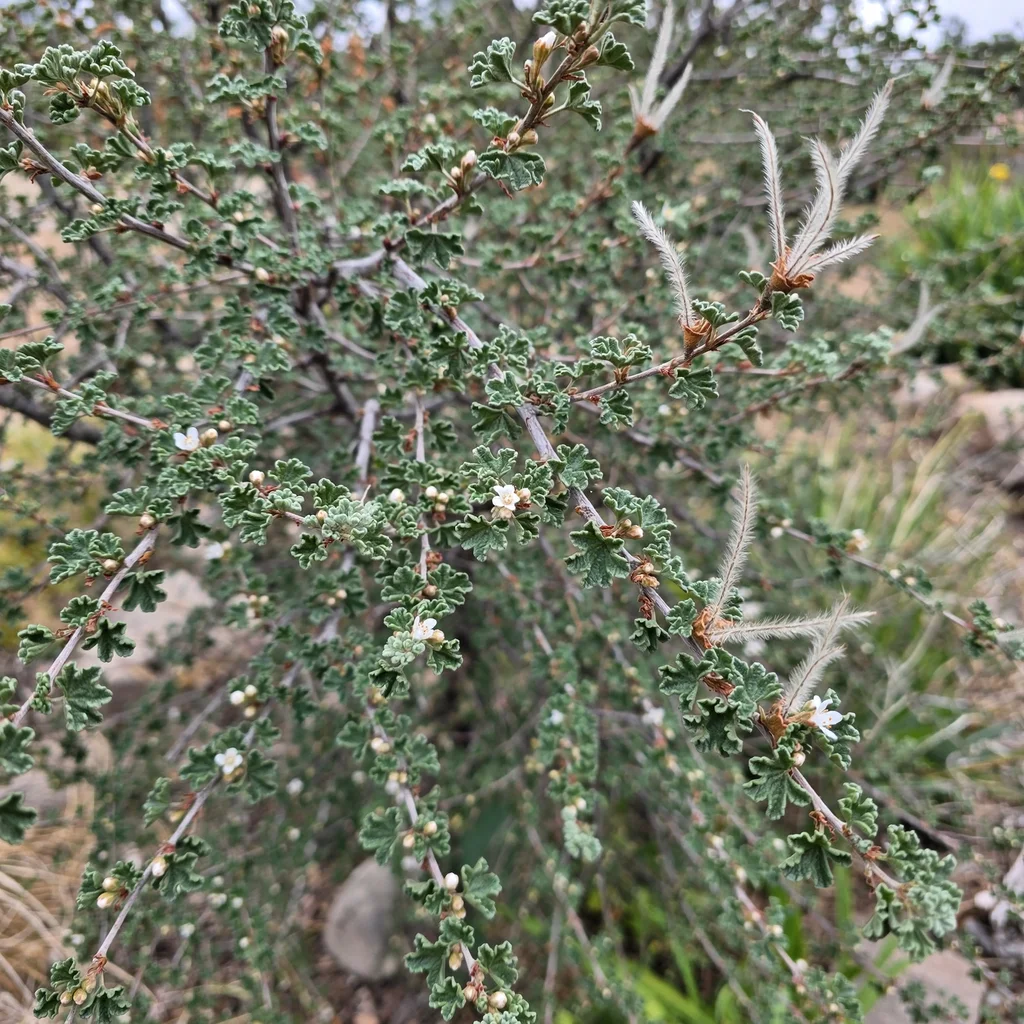
4 species of Purshia
Each one is a parent of the varieties above.
Track your Purshia in Sow
Save the Purshia you grow and get care reminders timed to your zone.
How to grow Purshia
Whats common across all Purshia varieties in our catalog — drawn from the care records of the 4 most-grown of them.
The Purshia year
- PlantMarch, April and October100% of varieties
Plant container, bare-root or plug stock in full sun and rocky soil.
- Check for PestsJune and July100% of varieties
Check leaf undersides for spider mites, aphids and scale.
- MulchMarch75% of varieties
Refresh gravel mulch and keep organic mulch away from the crown.
- PruneJune and July75% of varieties
Light tip-prune after flowering only; never cut into old bare wood.


Do
- Plant in full sun with excellent drainage.
- Use gravel mulch to keep the crown dry.
- Prune lightly after flowering only if shaping is needed.
- Plant in full sun with sharp drainage
- Water sparingly once roots are established
Avoid
- Do not overwater or fertilize heavily.
- Do not cut back into old leafless wood.
- Do not plant in heavy clay or waterlogged soil.
- Do not plant in rich wet soil or low spots that hold water
What goes wrong with Purshia
| Problem | What you'll see | What to do |
|---|---|---|
| Spider mites | Yellowing and wilting foliage in hot dry weather | Spray off with water and apply insecticidal soap if numbers build |
| Aphids | Stunted shoots and yellowing leaves | Wash off with a strong water spray or insecticidal soap |
| Scale | Yellowing leaves and sticky honeydew | Scrape off light infestations and treat with horticultural oil |
| Deer | Browsed shoots and stripped foliage | Protect young plants with fencing; mature plants tolerate browse |
| Root rot | Wilting and dieback in wet or poorly drained soil | Plant only in coarse well-drained ground and withhold water; remove affected plants |
| Powdery mildew | White powder on leaves | Avoid overhead water and improve air circulation |
| Leaf spot | Spotted foliage | Avoid overhead water and clean up fallen leaves |
Making more Purshia
Seed
- Collect feathery achenes when ripe and dry.
- Sow in fall in a gritty, well-drained seed mix.
- Cover lightly and keep barely moist outdoors through winter.
- Transplant seedlings to individual pots before taproot binds.
Purshia questions
How many types of Purshia are there?
The Sow catalog tracks 4 distinct Purshia varieties. The most popular — ranked by 1 real gardeners — are shown first above.
What zones does Purshia grow in?
Across its varieties, Purshia covers USDA Zones 4–10. Individual varieties differ — each plant page lists its exact range, and Sow filters the catalog to your zone automatically.
When does Purshia bloom?
Most Purshia varieties bloom from spring to fall.
Which Purshia should I choose?
Start from the most-saved varieties above — popularity across thousands of gardens is a strong signal of reliability — then filter by your zone and sun. In the Sow app you can preview any of them in a photo of your actual yard before you buy.