The Story
Plant Bio
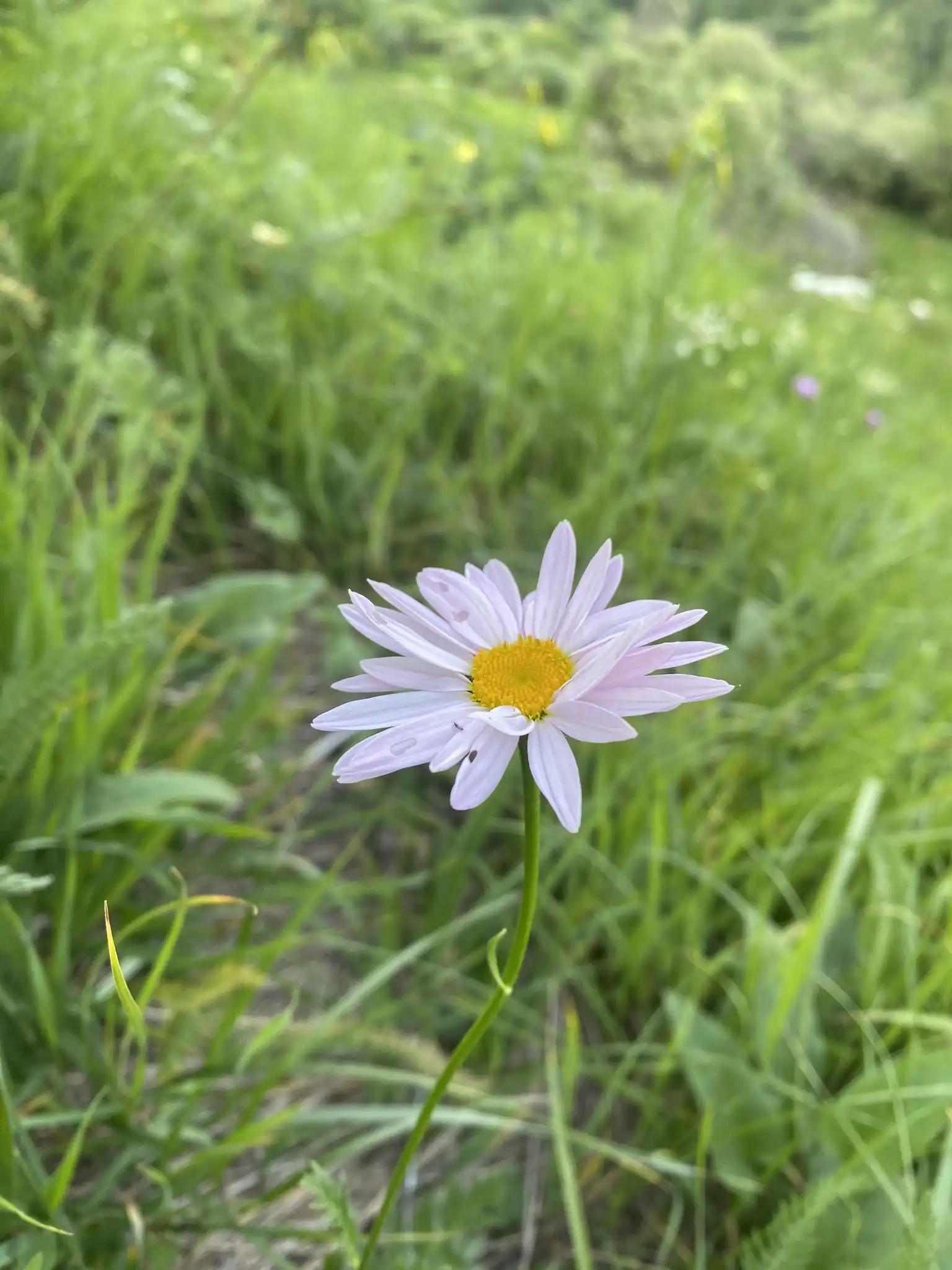
Tanacetum coccineum, the painted daisy, is an upright, clump-forming herbaceous perennial native from Eastern Europe through Central Asia to Iran. It features soft, finely divided, fern-like green foliage that releases a strong aromatic scent when crushed, topped by solitary daisy-like flowers on individual wiry stems.
The flower heads display vibrant rays of crimson, red, pink, purple, or white surrounding a prominent, golden-yellow central disc. The foliage contains natural pyrethrins, which act as a highly effective deterrent against deer and rabbit browsing.
Uses & Benefits:
Essentials
At a Glance
Plant Type
Perennial
Height
36"
Width
24"
Light
Full Sun, Partial Sun
Zones
4, 5, 6, 7
Water
Medium
Humidity
Low to moderate
Lifespan
Perennial
Native To
Asia
Toxicity
Toxic if ingested
Bloom period
Late spring – Early summer
In flower about 2 months of the year
Planting
How to Grow
- Select a planting site in full sun to partial shade with highly well-drained sandy or loamy soil.
- Incorporate compost into the planting hole to improve soil structure without over-fertilizing.
- Pinch back the young stems when they reach six to eight inches in height to encourage a bushy habit.
- Water regularly during the first growing season, allowing the top inch of soil to dry out between waterings.
Pro Tip
Pinch young shoots when they reach six to eight inches tall to prevent the mature flowering stems from flopping, and ensure sharp soil drainage to prevent fatal winter root rot.
Keep It Thriving
Care Guide
Do
- Cut back flowering stems to the basal foliage mound immediately after the first bloom flush to encourage a second round of flowers.
- Divide the clumps every two to three years in spring to maintain plant vigor.
- Apply a balanced slow-release fertilizer or organic compost sparingly in early spring.
Don't
- Do not allow the plant to sit in waterlogged or heavy wet soils, especially during winter.
- Avoid pruning hard into the old, leafless woody crown bases.
- Do not over-apply nitrogen fertilizer, which causes weak, leggy stems that flop.
Seasonal Care Calendar
| Task | Jan | Feb | Mar | Apr | May | Jun | Jul | Aug | Sep | Oct | Nov | Dec |
|---|---|---|---|---|---|---|---|---|---|---|---|---|
| Deadhead | ||||||||||||
| Divide | ||||||||||||
| Fertilize | ||||||||||||
| Pinch | ||||||||||||
| Winter Prep |
Watch Out For
Pests & Diseases
Common Pests
Common Diseases
In the Garden
Landscape Uses & Companions
Landscape Uses
Companion Plants
Multiply
Propagation Methods
Good to Know
Common Questions
Painted Daisy questions
What zones can Painted Daisy grow in?
Painted Daisy is hardy in USDA Zones 4–7. Inside that range it survives winter in the ground; outside it, grow it as an annual or a container plant you protect.
Is Painted Daisy deer resistant?
Yes — Painted Daisy is rated deer-resistant. Deer typically pass it over, though extreme hunger can override any plant's defenses.
When does Painted Daisy bloom?
Painted Daisy typically blooms in late spring through early summer. Exact timing shifts a week or two with your zone — Sow's bloom calendar maps it to your garden.
Does Painted Daisy need full sun?
Painted Daisy does best in full sun to part shade. In hot climates, afternoon shade keeps blooms fresher longer.
Is Painted Daisy drought tolerant?
Yes — once established (usually after the first full season), Painted Daisy handles dry spells with minimal watering. Water deeply its first year to build the root system that makes that possible.
More Tanacetum to compare
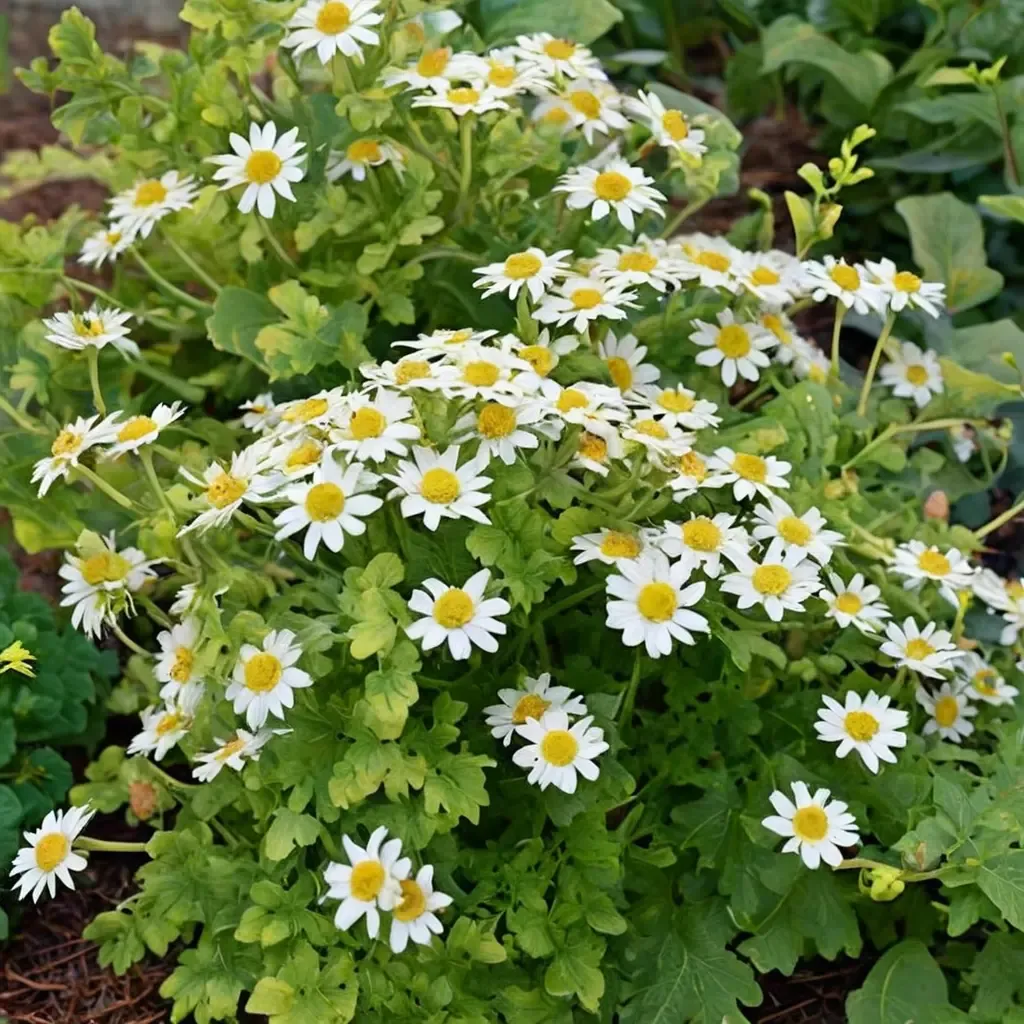
Golden Feverfew
Tanacetum parthenium 'Aureum'
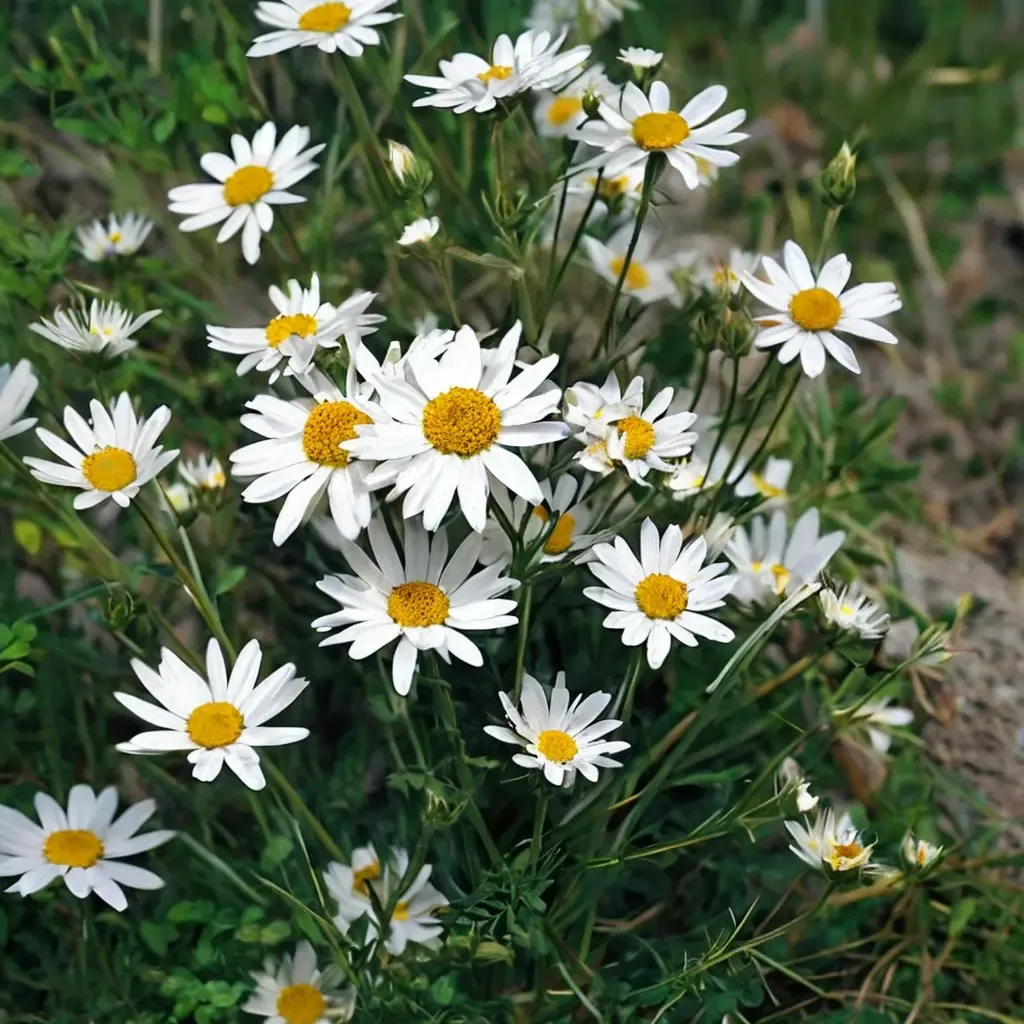
Scentless Feverfew
Tanacetum corymbosum
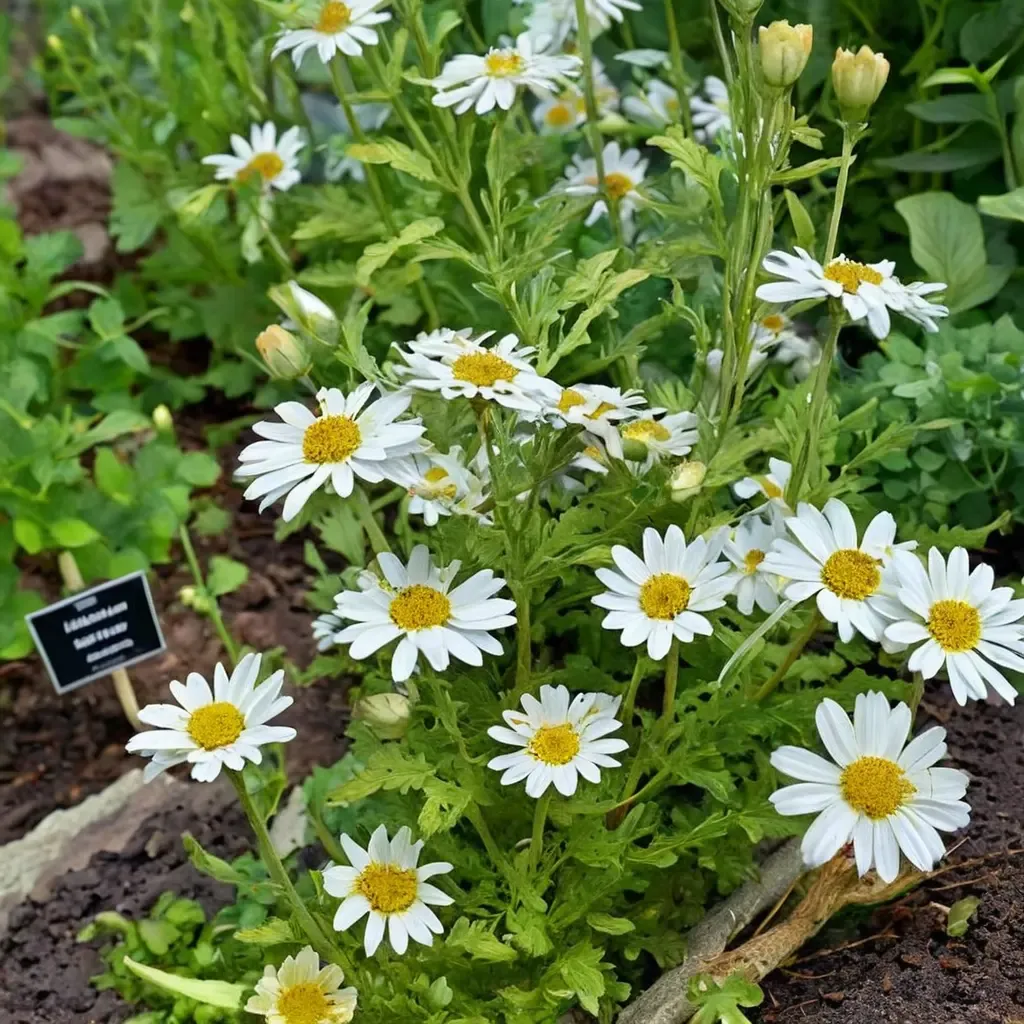
Feverfew
Tanacetum parthenium
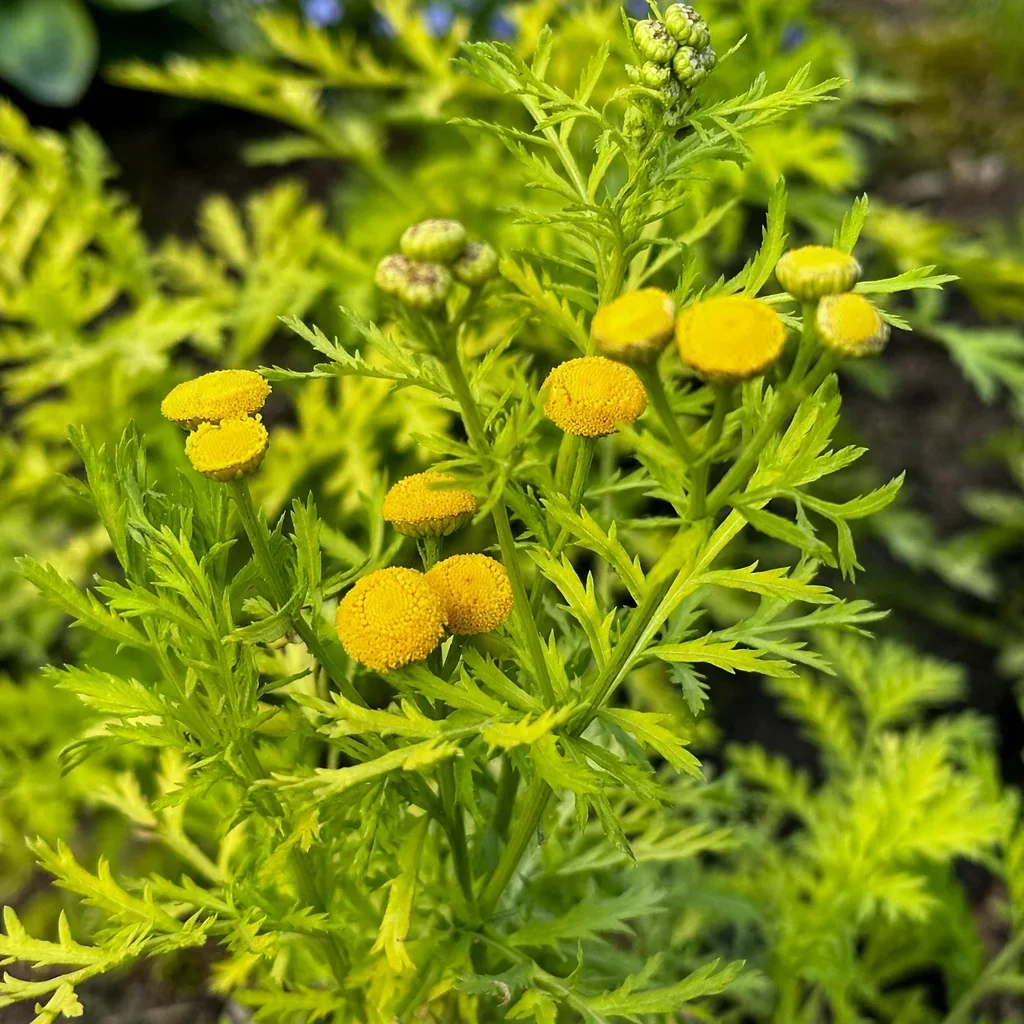
Golden Tansy
Tanacetum vulgare 'Isla Gold'
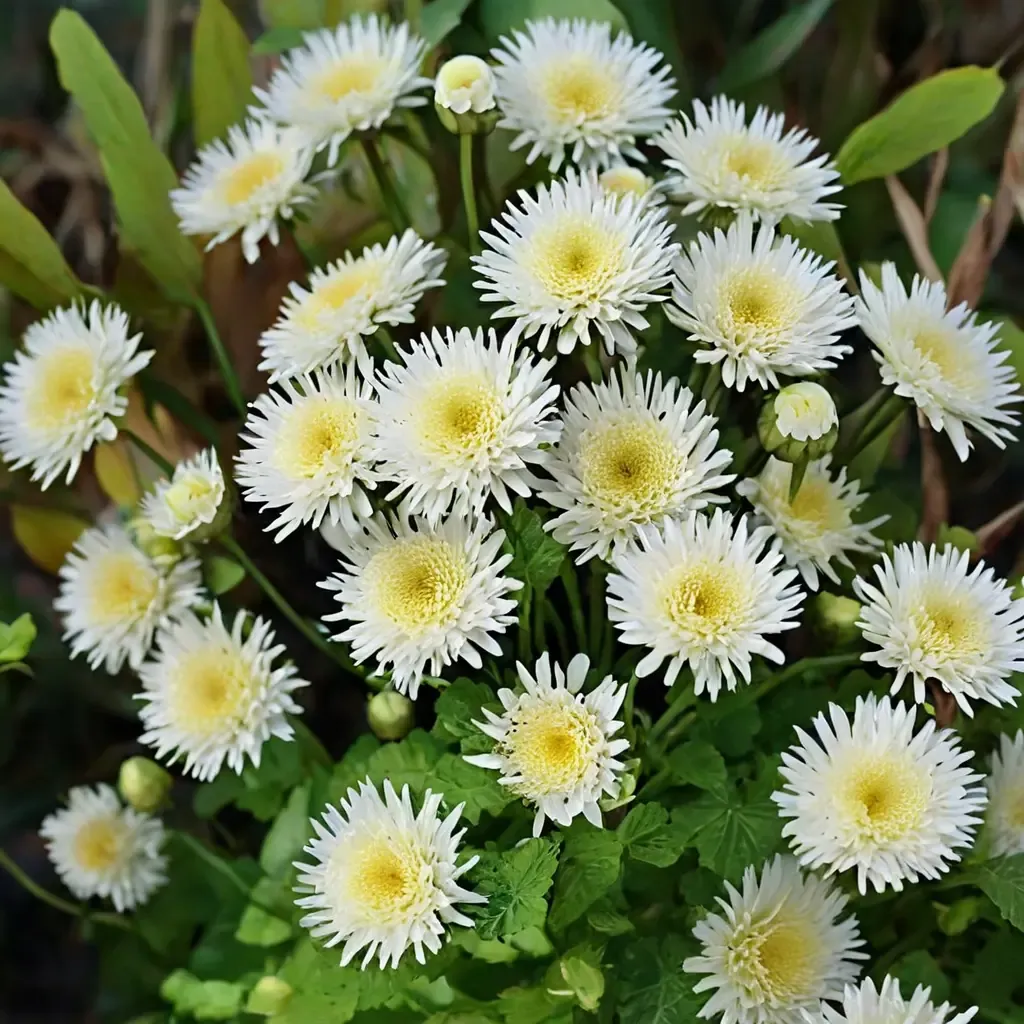
Selma Star Feverfew
Tanacetum parthenium 'Selma Star'
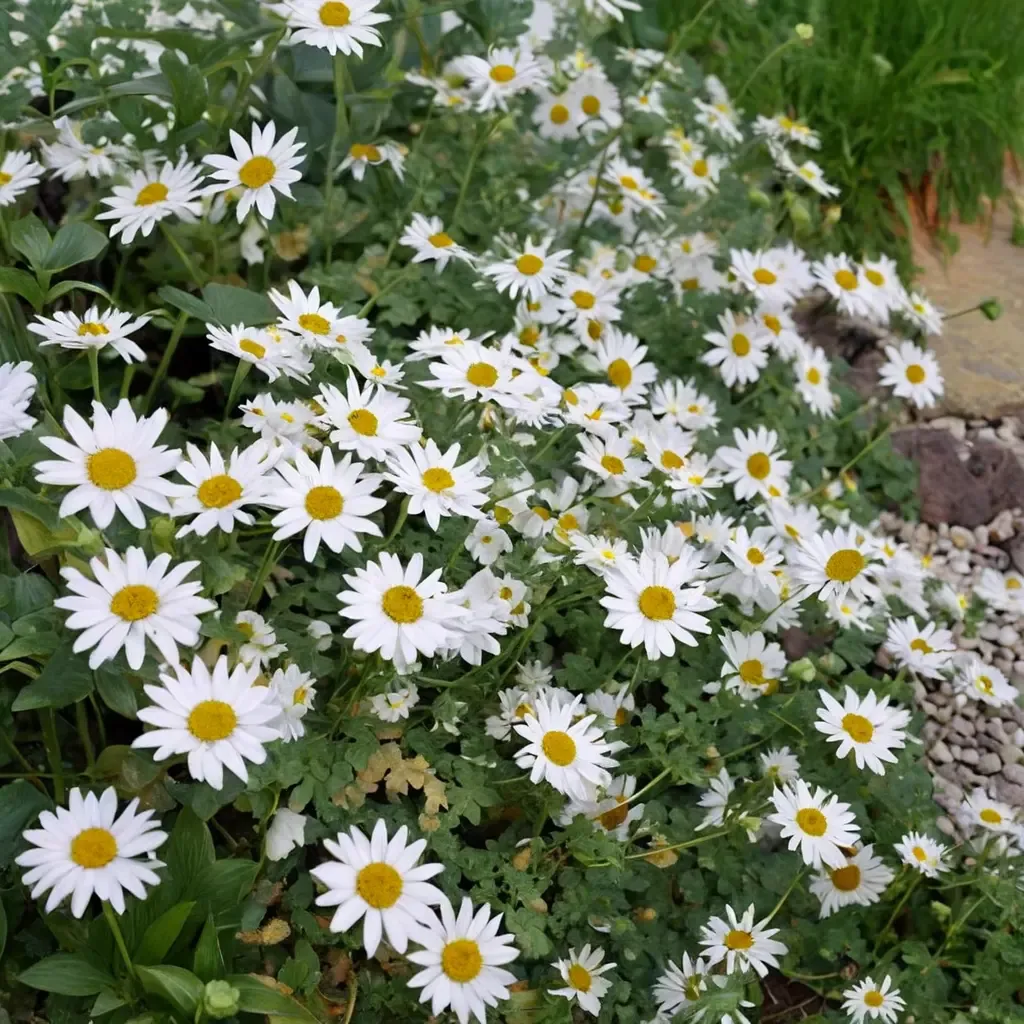
Silver Tansy
Tanacetum niveum
Keep exploring
Explore the genus
Hardy in your zone?
Grow Painted Daisy with confidence
See it in a design of your actual yard, get zone-matched care reminders, and track it season by season in your garden journal.