The Story
Plant Bio
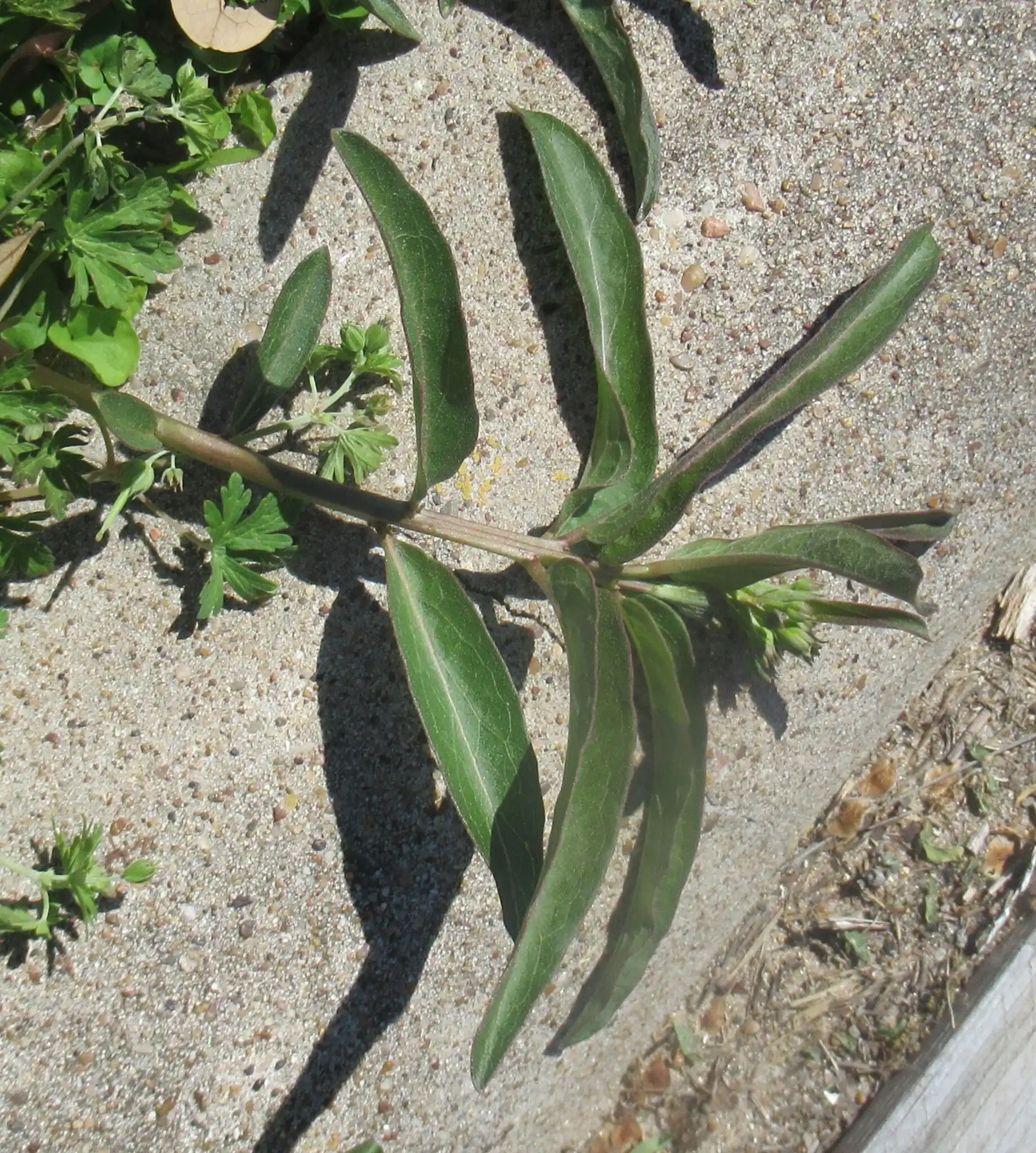
Asclepias viridis, commonly called green antelopehorn, is an herbaceous native perennial growing 12 to 30 inches tall from a deep, fleshy taproot. It produces sturdy upright stems clad in wavy-margined ovate leaves with prominent light-colored veins and wide umbels of pale green flowers.
Unlike many milkweeds, the pale green corolla lobes lack central horns and enclose distinctive rose- or purple-tinted hoods. The foliage serves as a vital larval food plant for monarch, queen, and soldier butterflies while resisting deer and rabbit browsing due to toxic latex sap.
Uses & Benefits:
Essentials
At a Glance
Plant Type
Perennial
Height
30"
Width
18"
Light
Full Sun
Zones
4, 5, 6, 7, 8, 9
Water
Low
Humidity
Low to Moderate
Lifespan
Perennial
Native To
North America
Toxicity
Toxic if Ingested
Bloom period
Late spring – Mid summer
In flower about 3 months of the year
Marketplace
Where to Buy
Shipping costs Year-round shipping Free shipping
Planting
How to Grow
- Select a site in full sun with gritty, sandy, or clay soil that drains thoroughly.
- Plant container-grown seedlings or tubers at the same depth as their nursery pots, taking care not to disturb the sensitive taproot.
- Water thoroughly upon planting, then reduce irrigation once growth commences.
- Allow the soil to dry completely between waterings to prevent root decay.
- Cut spent stems back to the soil line in late winter before new shoots emerge.
Pro Tip
Do not attempt to relocate established plants; the long taproot snaps easily and rarely survives transplanting.
Keep It Thriving
Care Guide
Do
- Plant in light or heavy soils provided winter drainage is sharp.
- Allow plants to undergo natural summer dormancy during severe heat spells without discarding them.
- Cut dead top-growth back to the ground in late winter.
Don't
- Do not overwater or plant in soggy, low-lying ground.
- Do not apply high-nitrogen fertilizers, which cause weak, floppy stem growth.
- Do not dig up or attempt to divide mature established crowns.
Seasonal Care Calendar
| Task | Jan | Feb | Mar | Apr | May | Jun | Jul | Aug | Sep | Oct | Nov | Dec |
|---|---|---|---|---|---|---|---|---|---|---|---|---|
| Fertilize | ||||||||||||
| Pest Check | ||||||||||||
| Propagate | ||||||||||||
| Spring Cleanup |
Watch Out For
Pests & Diseases
Common Pests
Common Diseases
In the Garden
Landscape Uses & Companions
Landscape Uses
Multiply
Propagation Methods
Good to Know
Common Questions
Green Antelopehorn questions
What zones can Green Antelopehorn grow in?
Green Antelopehorn is hardy in USDA Zones 4–9. Inside that range it survives winter in the ground; outside it, grow it as an annual or a container plant you protect.
Is Green Antelopehorn deer resistant?
Yes — Green Antelopehorn is rated deer-resistant. Deer typically pass it over, though extreme hunger can override any plant's defenses.
When does Green Antelopehorn bloom?
Green Antelopehorn typically blooms in late spring through mid summer. Exact timing shifts a week or two with your zone — Sow's bloom calendar maps it to your garden.
Does Green Antelopehorn need full sun?
Green Antelopehorn does best in full sun (6+ hours).
Is Green Antelopehorn drought tolerant?
Yes — once established (usually after the first full season), Green Antelopehorn handles dry spells with minimal watering. Water deeply its first year to build the root system that makes that possible.
More Asclepias to compare
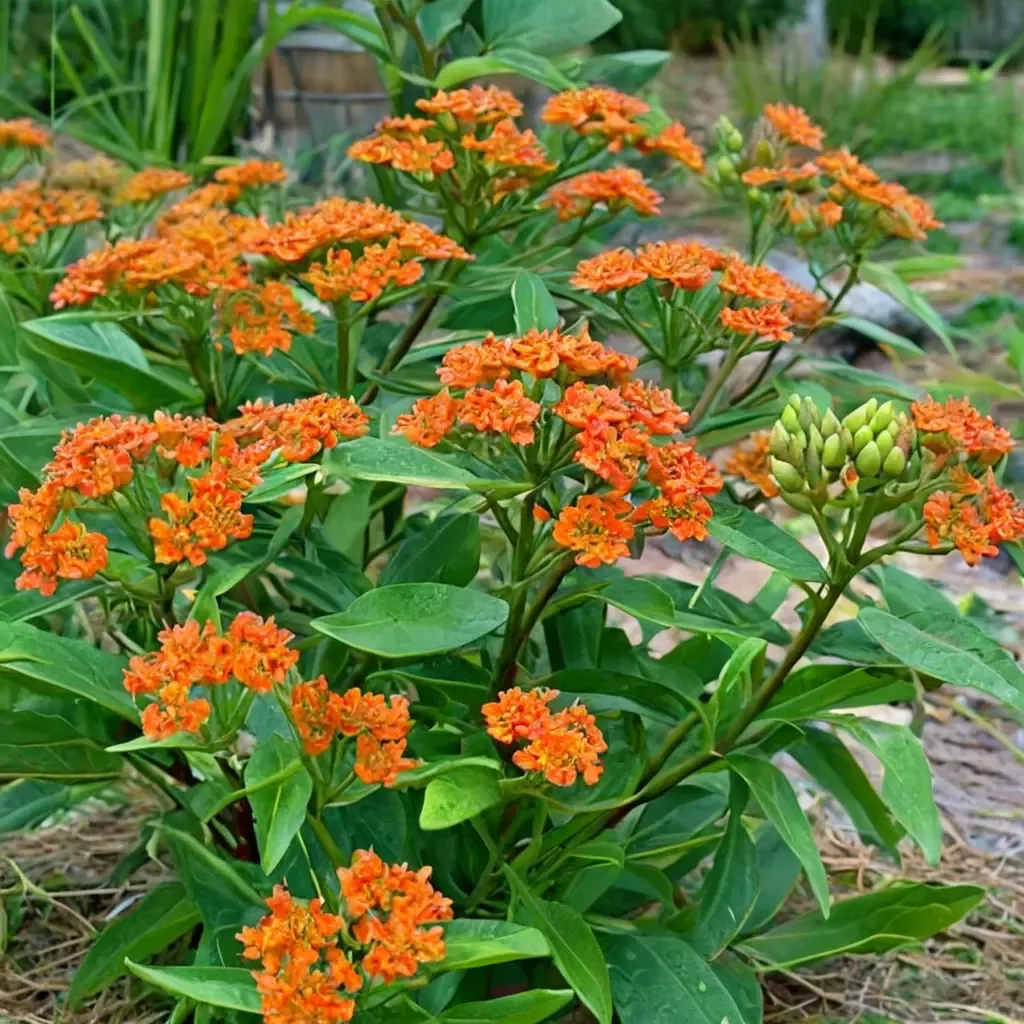
Butterfly Weed
Asclepias tuberosa
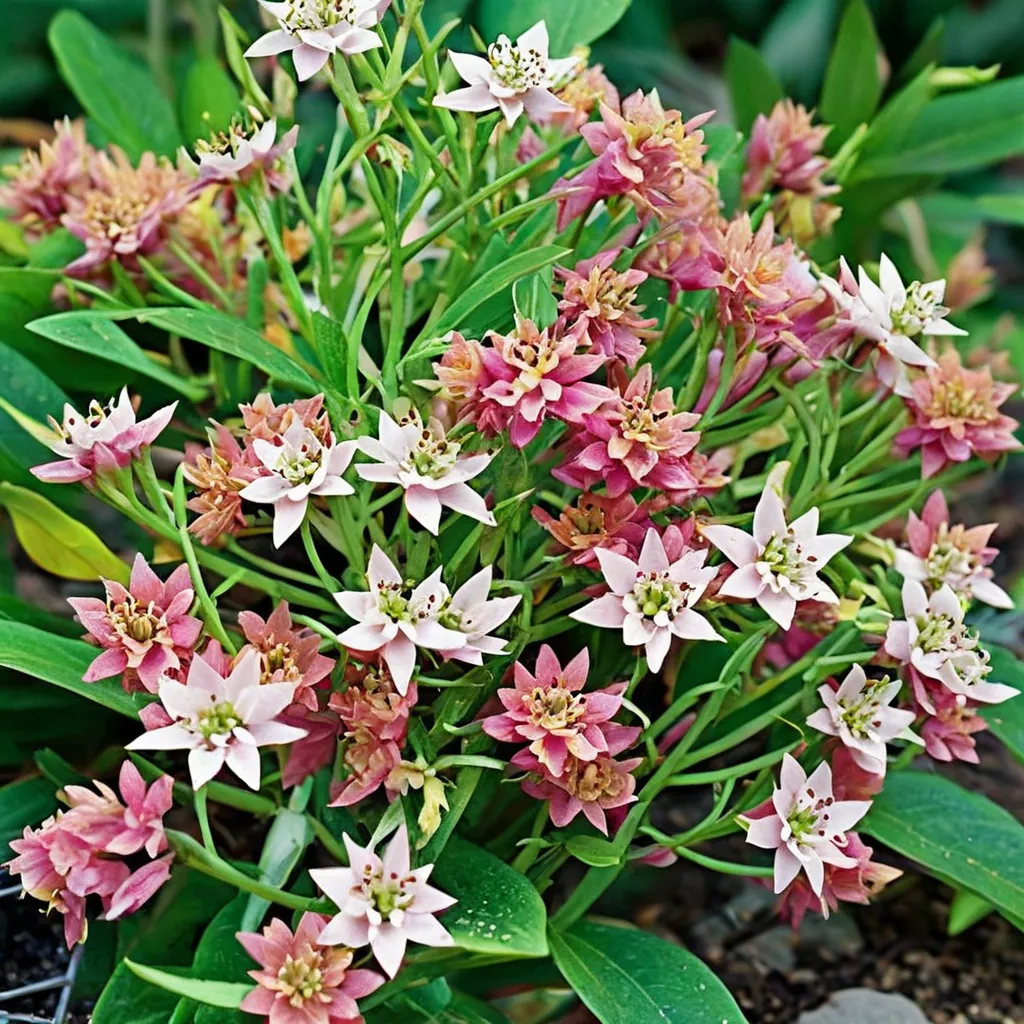
Butterfly Milkweed
Asclepias x hybrida
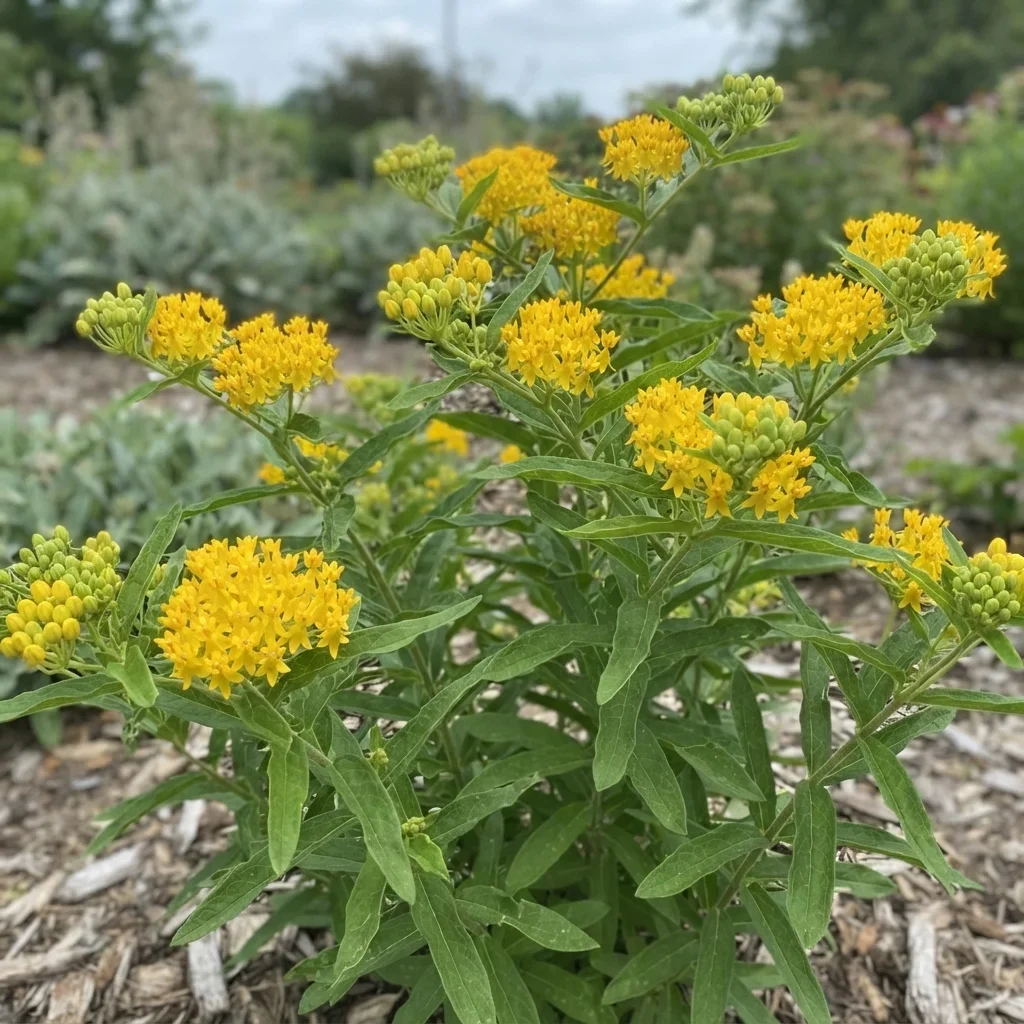
Hello Yellow Butterfly Weed
Asclepias tuberosa 'Hello Yellow'
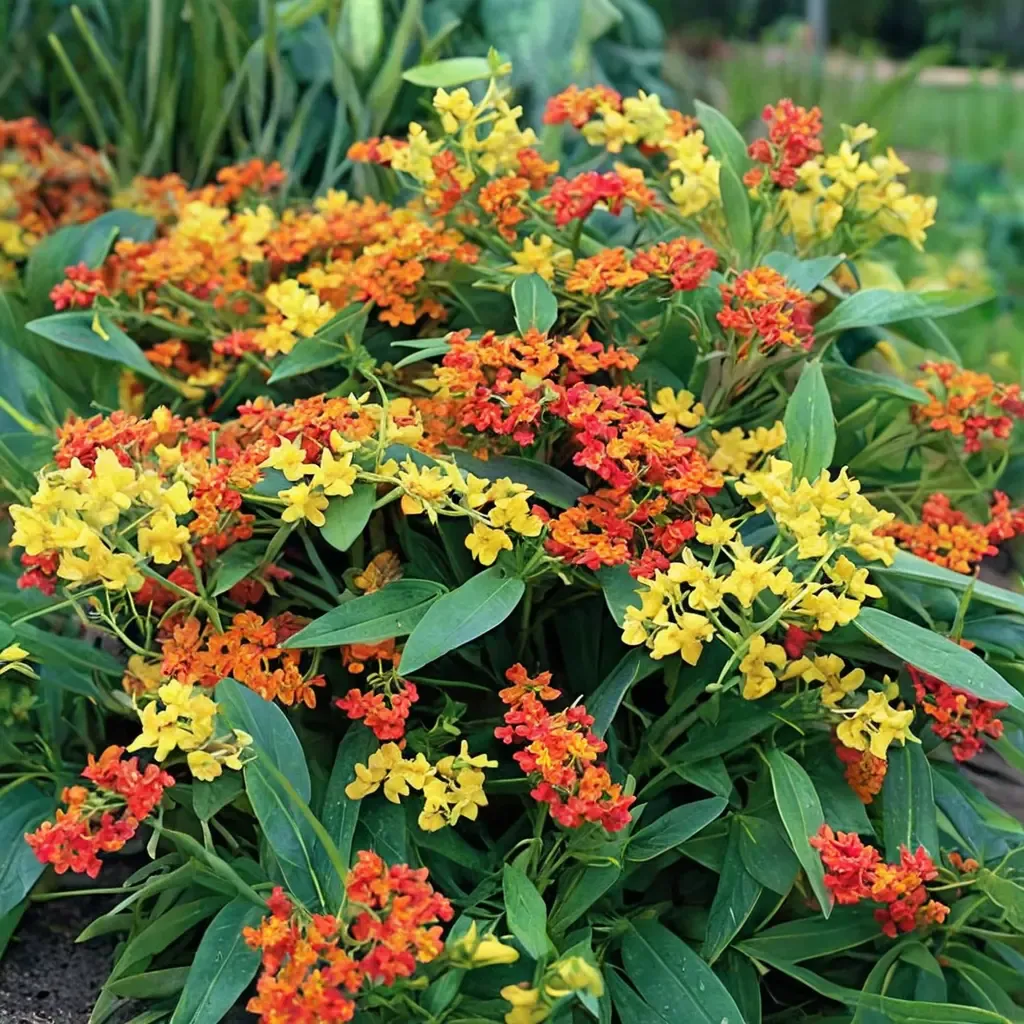
Gay Butterflies Mix Butterfly Weed
Asclepias tuberosa 'Gay Butterflies Mix'
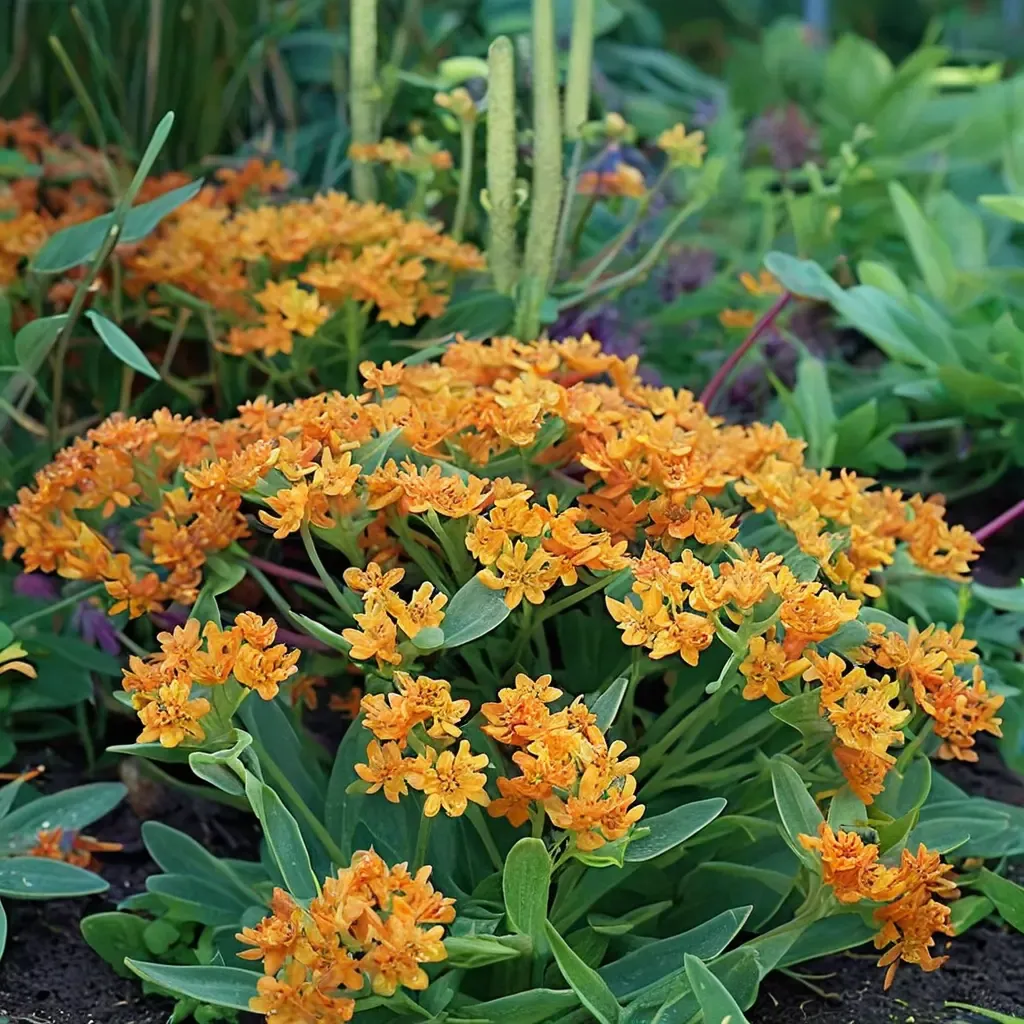
Butterfly Weed Gay Butterflies Milkweed
Asclepias tuberosa 'Gay Butterflies'
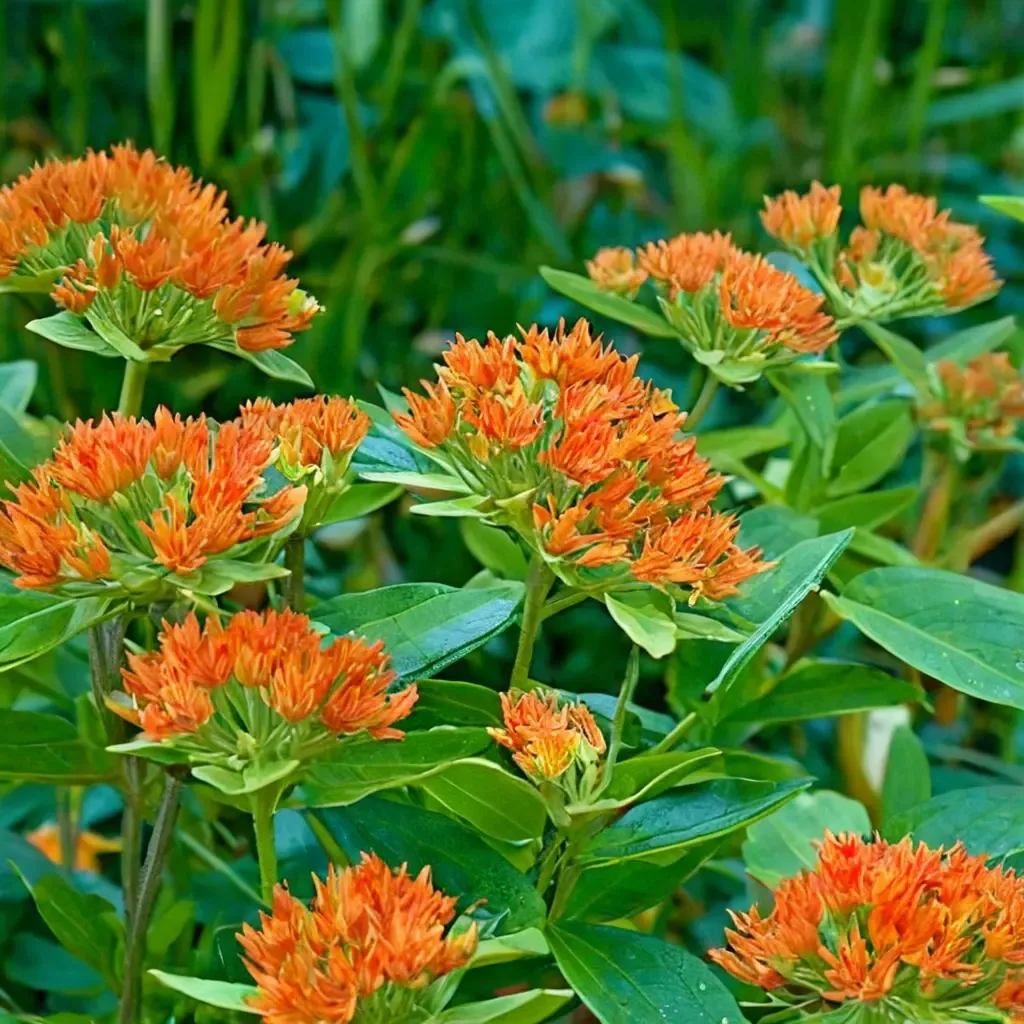
Butterfly Garden Butterfly Weed
Asclepias tuberosa 'Deluxe Butterfly Garden'
Keep exploring
Explore the genus
Grow Green Antelopehorn with confidence
See it in a design of your actual yard, get zone-matched care reminders, and track it season by season in your garden journal.