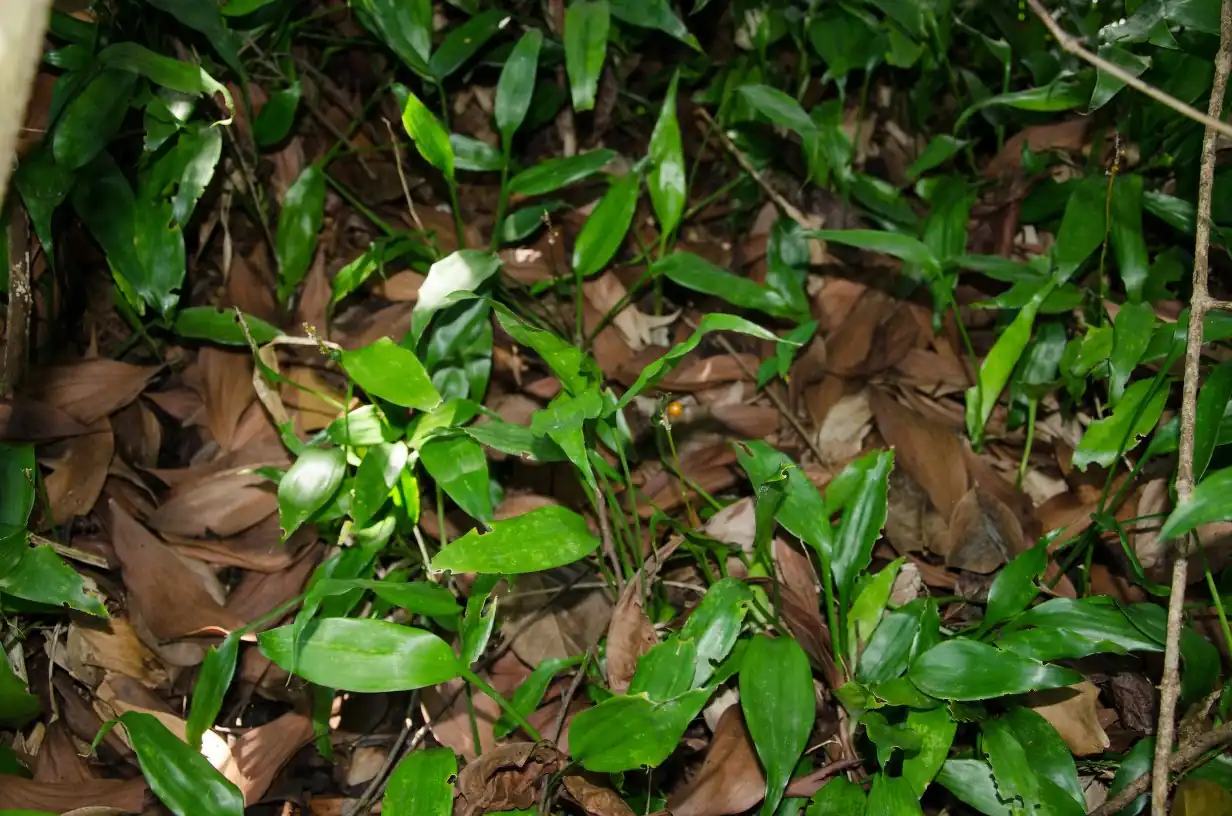
The Story
Plant Bio
Dracaena braunii is a slim, upright, cane-forming tropical shrub native to the rainforest understories of West Africa. It features jointed, bright green stems clad in flexible, strap-shaped leaves that clasp the stalk, closely resembling bamboo despite belonging to the asparagus family.
This species is highly adaptable to hydroponic culture, frequently grown directly in water supported by pebbles. While it occasionally produces small, pale green or whitish flowers in loose terminal clusters under optimal tropical conditions, it is primarily grown for its architectural, evergreen foliage.
Uses & Benefits:
Essentials
At a Glance
Plant Type
Tropical
Height
60"
Width
24"
Light
Partial Sun, Shade
Zones
10
Water
Moderate
Humidity
Moderate to High
Lifespan
Perennial
Native To
Tropical West Africa
Toxicity
Toxic to pets
Bloom period
Spring – Autumn
In flower about 9 months of the year
Planting
How to Grow
- Select a container with drainage holes for soil culture, or a solid vessel filled with clean pebbles to support the canes for hydroponic growth.
- Position the plant in bright, indirect indoor light, avoiding direct sunlight which quickly scorches the foliage.
- If growing in soil, use a highly porous, organic potting mix and allow the top inch to dry out completely between waterings.
- If growing hydroponically, submerge only the roots and lower stem, changing the water completely every two weeks to prevent stagnation.
Pro Tip
Use distilled, rain, or filtered water for hydroponic setups; municipal tap water contains fluoride and chlorine that accumulate in the leaves, causing irreversible brown tip necrosis.
Keep It Thriving
Care Guide
Do
- Flush soil-grown plants periodically with pure water to leach out accumulated fertilizer salts.
- Trim dead or yellowing lower leaves using sterilized shears to maintain a clean appearance.
- Maintain indoor humidity levels between 40% and 60% to prevent dry leaf tips.
Don't
- Do not use municipal tap water or softened water containing high sodium levels.
- Do not expose the plant to freezing temperatures or cold drafts below 50 degrees Fahrenheit.
- Do not over-fertilize; apply a half-strength balanced liquid fertilizer only once every one to two months during the active growing season.
Seasonal Care Calendar
| Task | Jan | Feb | Mar | Apr | May | Jun | Jul | Aug | Sep | Oct | Nov | Dec |
|---|---|---|---|---|---|---|---|---|---|---|---|---|
| Fertilize | ||||||||||||
| Pest Check | ||||||||||||
| Propagate | ||||||||||||
| Prune |
Watch Out For
Pests & Diseases
Common Pests
Common Diseases
In the Garden
Landscape Uses & Companions
Landscape Uses
Companion Plants
Multiply
Propagation Methods
Good to Know
Common Questions
Lucky Bamboo questions
What zones can Lucky Bamboo grow in?
Lucky Bamboo is hardy in USDA Zone 10. Inside that range it survives winter in the ground; outside it, grow it as an annual or a container plant you protect.
When does Lucky Bamboo bloom?
Lucky Bamboo typically blooms in spring through autumn. Exact timing shifts a week or two with your zone — Sow's bloom calendar maps it to your garden.
Does Lucky Bamboo need full sun?
Lucky Bamboo does best in part shade.
More Dracaena to compare
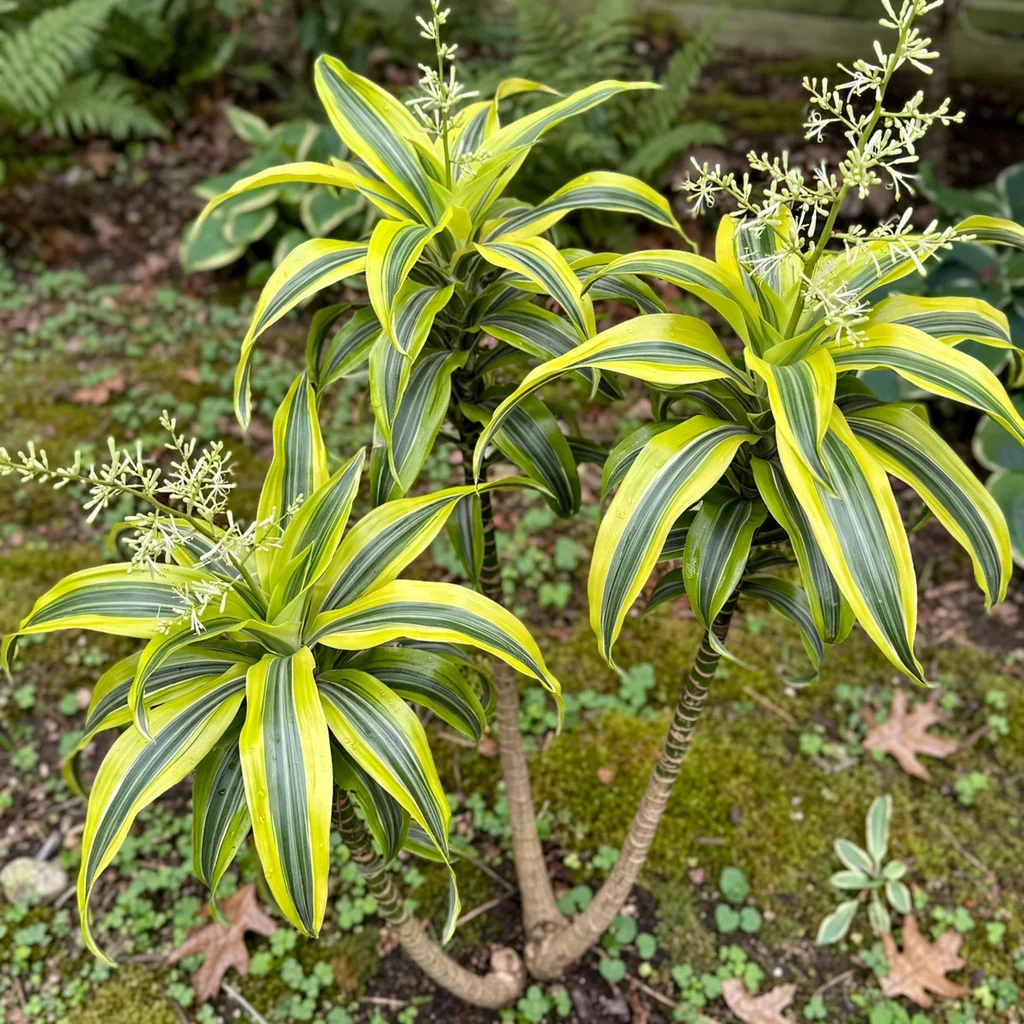
Lemon Surprise Corn Plant
Dracaena fragrans 'Lemon Surprise'
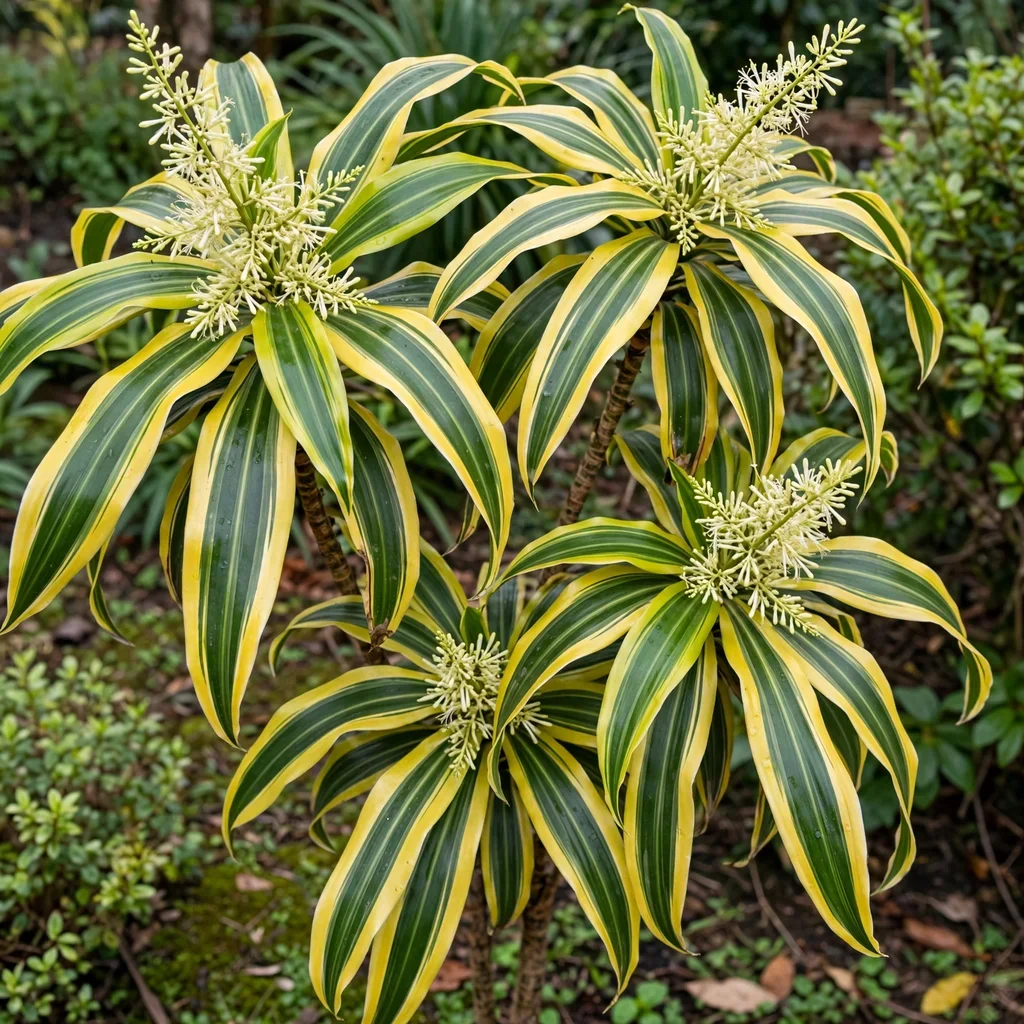
Corn Plant Dracaena Corn Plant
Dracaena fragrans 'Aureo Marginata'
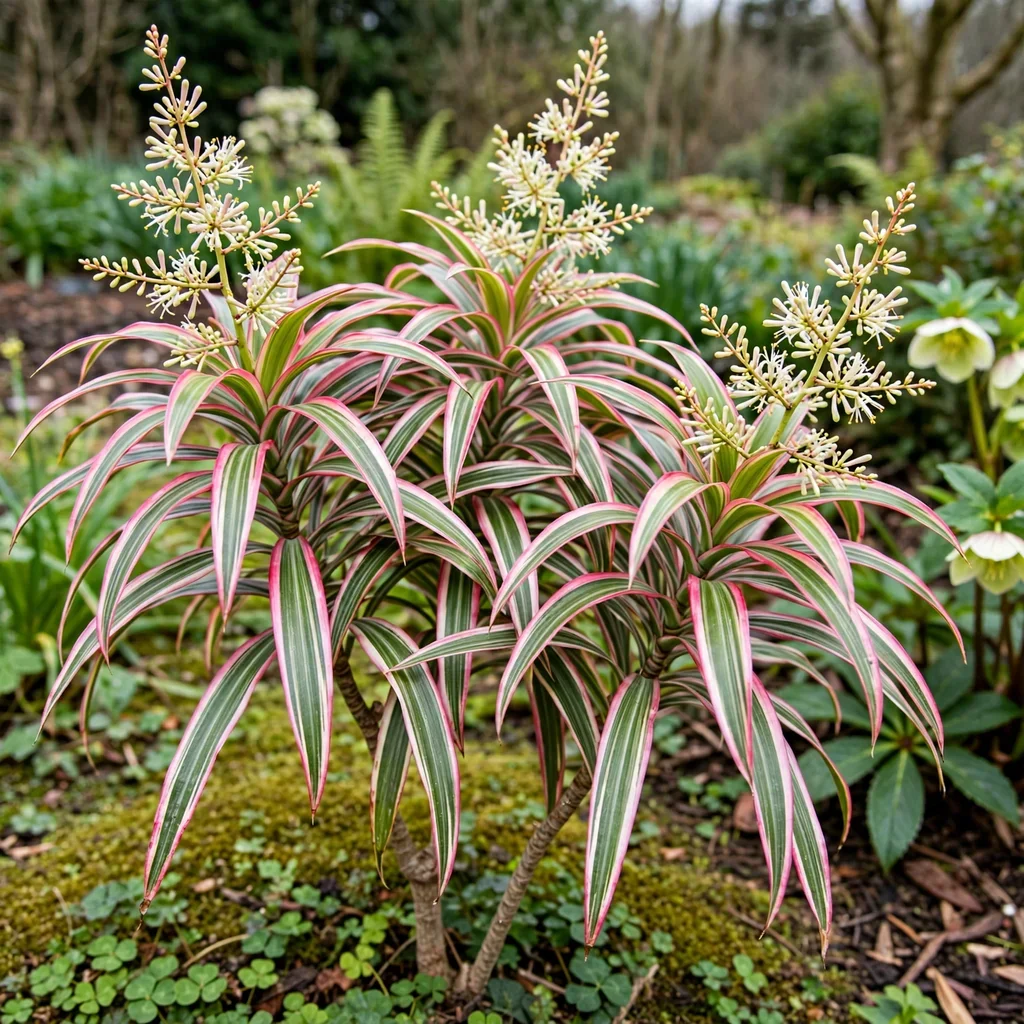
Madagascar Dragon Tree 'Colorama'
Dracaena fragrans 'Colorama'
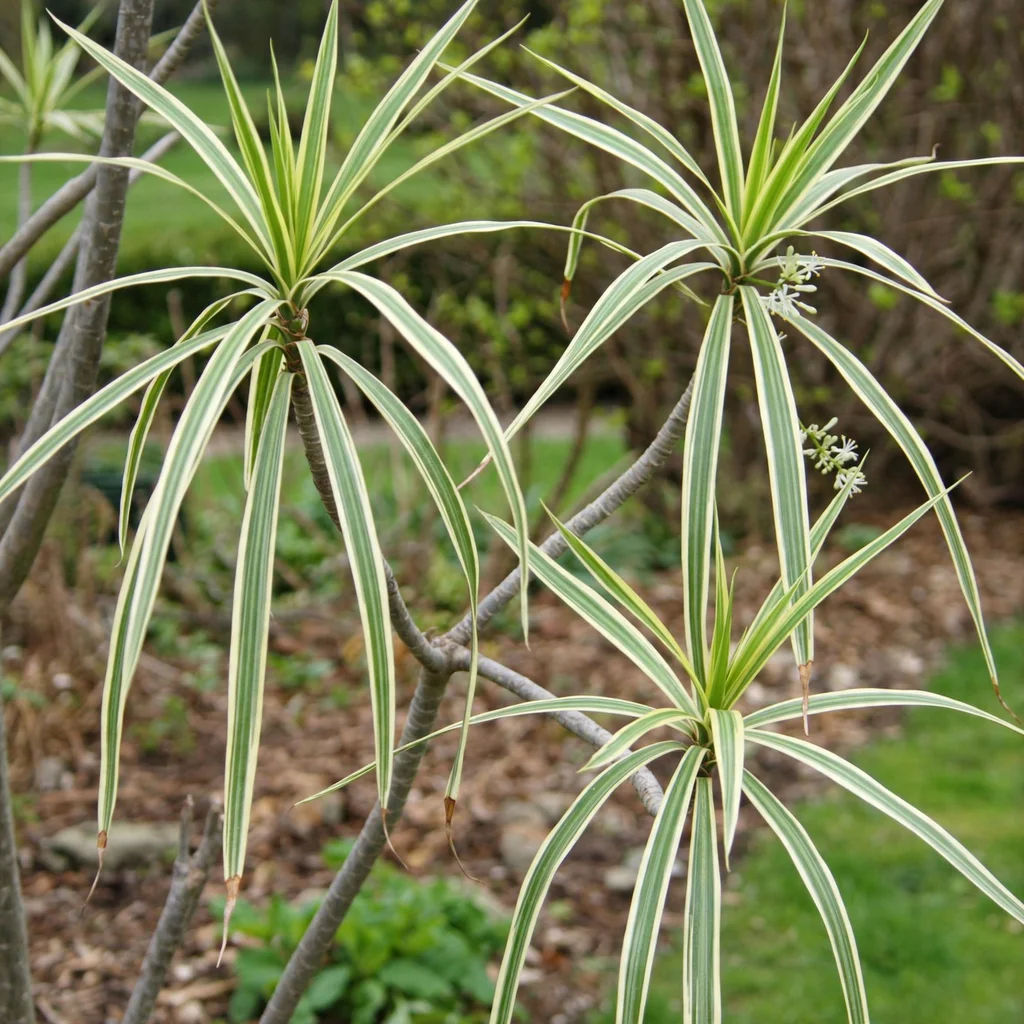
Madagascar Dragon Tree
Dracaena marginata
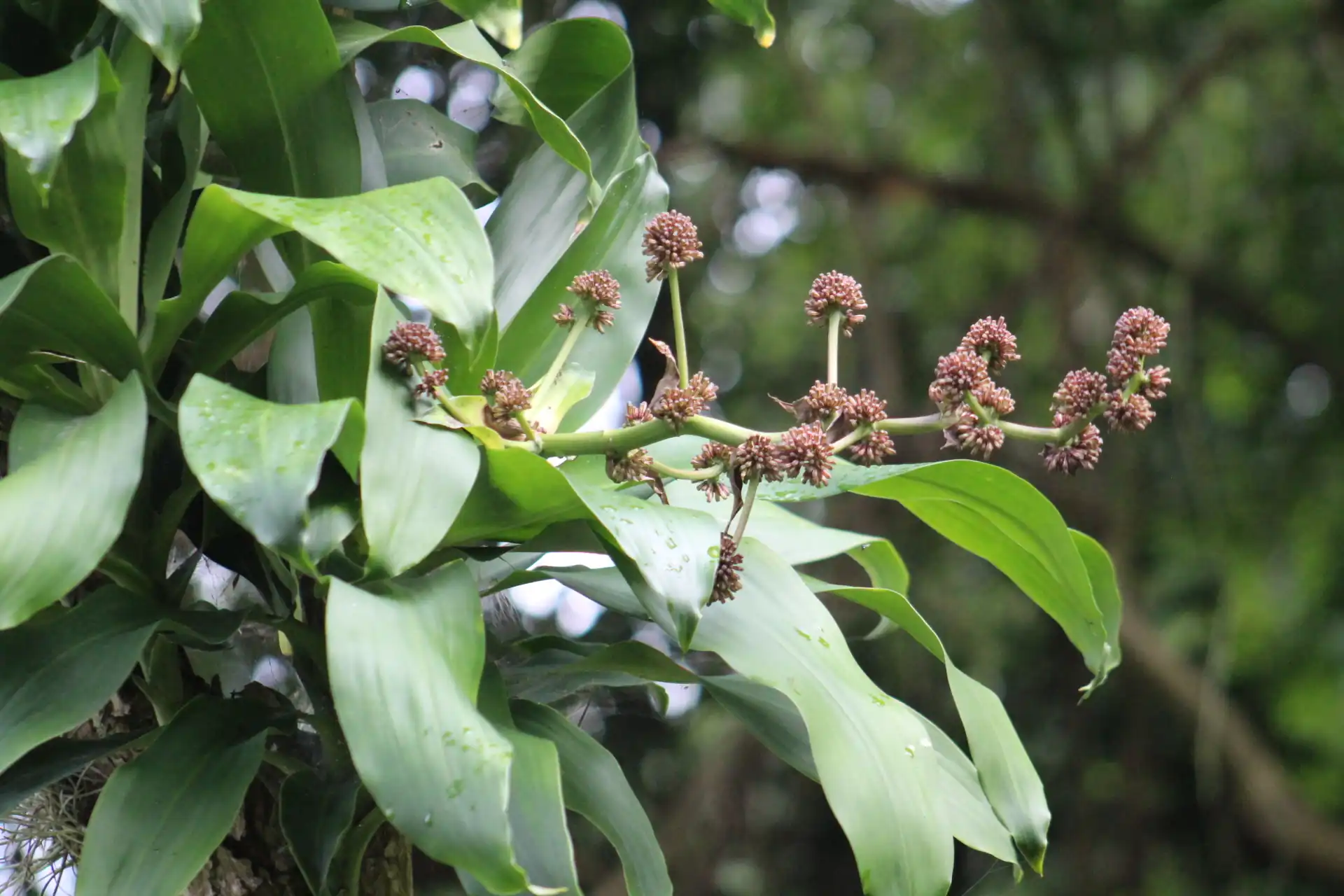
Corn Plant
Dracaena fragrans
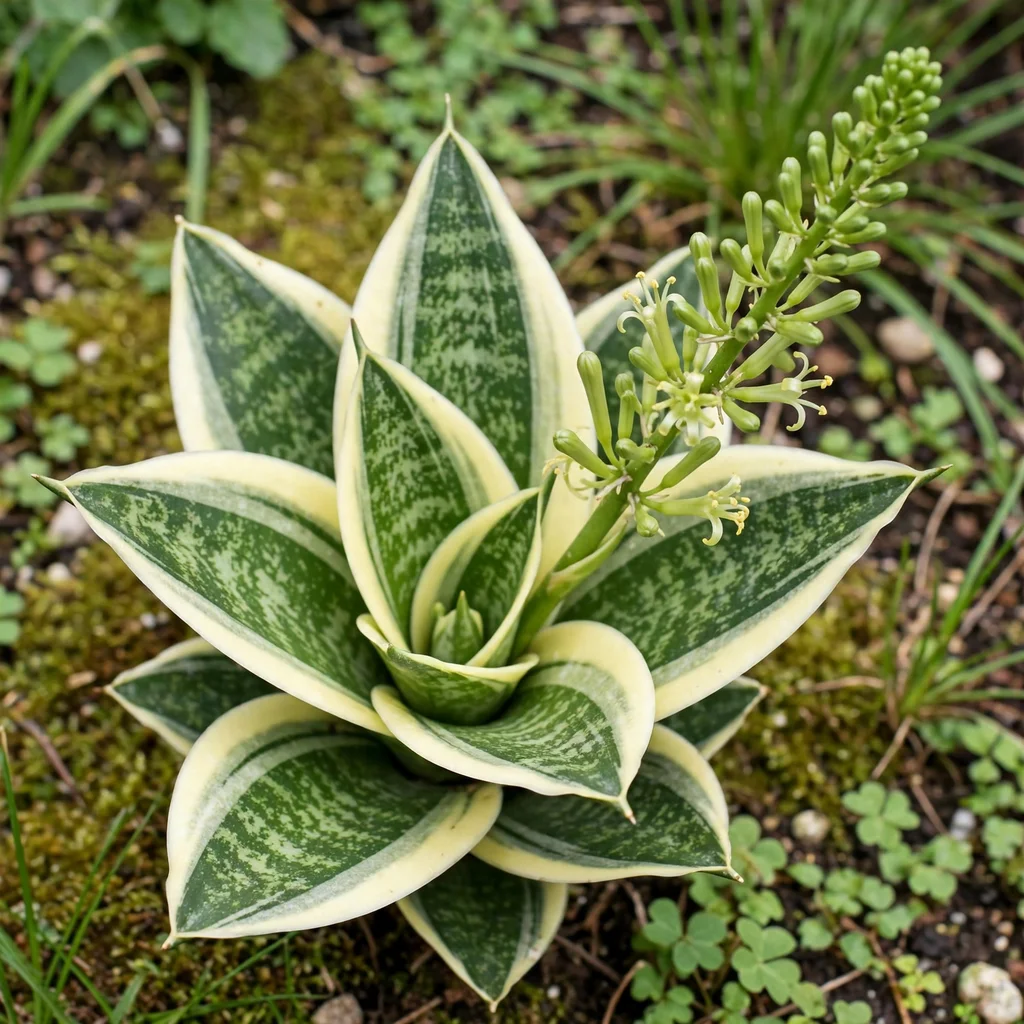
Bird's Nest Snake Plant
Dracaena trifasciata 'Hahnii'
Keep exploring
Explore the genus
Hardy in your zone?
Grow Lucky Bamboo with confidence
See it in a design of your actual yard, get zone-matched care reminders, and track it season by season in your garden journal.