
Garden hybrid
This is a garden hybrid, bred from more than one wild species, so it has no single species page of its own.
6 other cultivars
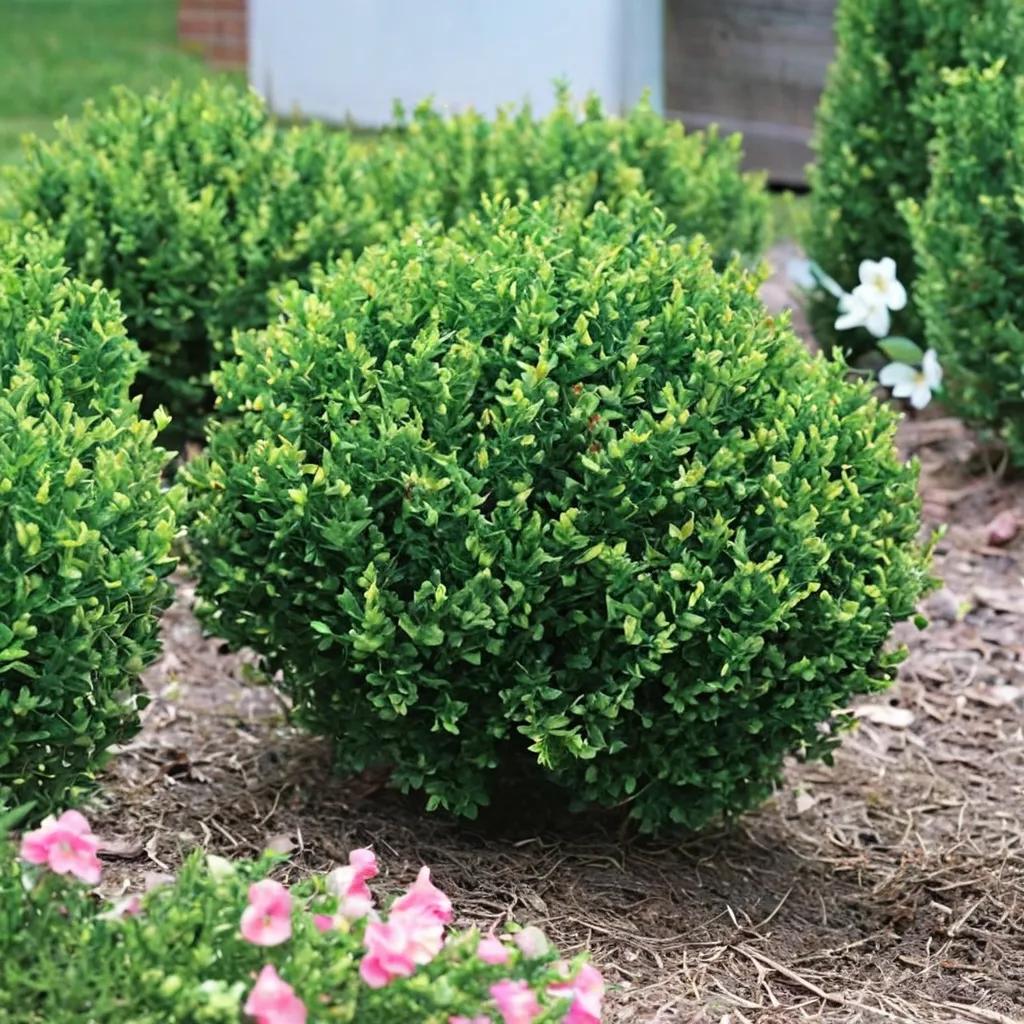


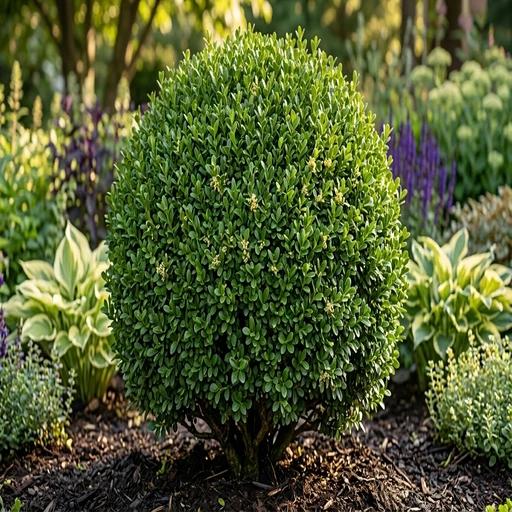

The Story
Plant Bio
Buxus species are evergreen shrubs characterized by small, opposite, leathery leaves and a dense, structural branching habit. Native across parts of Europe, Asia, and Africa, they produce inconspicuous, apetalous spring flowers in axillary clusters that attract foraging bees.
'Babylon Beauty' is a low-spreading, compact cultivar bred for strong resistance to boxwood blight and a naturally wider-than-tall habit reaching three feet high by five feet across. Its bright green foliage maintains year-round color without requiring aggressive formal shearing to retain a neat form.
Uses & Benefits:
Bred from more than one wild species, so it has no species page of its own.
Essentials
At a Glance
Plant Type
Shrub
Height
36"
Width
60"
Light
Full Sun, Partial Sun
Zones
5, 6, 7, 8, 9
Water
Moderate
Humidity
Moderate to High
Lifespan
Perennial
Native To
Europe (bred cultivar)
Toxicity
Toxic if ingested; contact dermatitis
Bloom period
Spring
In flower about 3 months of the year
Planting
How to Grow
- Select a planting site in full sun to partial shade with well-drained soil, avoiding low areas where water accumulates.
- Dig a planting hole twice as wide as the root ball and equal in depth, positioning the root crown flush with or slightly above the surrounding soil.
- Backfill with native soil, firm gently around the root system to eliminate air pockets, and water deeply.
- Apply a two-inch layer of organic mulch over the root zone to preserve moisture, keeping it clear of the main stems.
Pro Tip
Allow the naturally wide, mounding form to develop with only minimal light tip-pruning after the main spring flush; cutting deep into old, leafless stems prevents back-budding and causes permanent bare spots.
Keep It Thriving
Care Guide
Do
- Plant in well-drained soil to prevent root decay.
- Apply a balanced, slow-release fertilizer in early spring.
- Prune lightly after the primary spring growth flush.
Don't
- Do not allow roots to sit in standing water or saturated soil.
- Do not shear severely into old, leafless woody interiors.
- Do not pile mulch directly against the lower trunk or stems.
Seasonal Care Calendar
| Task | Jan | Feb | Mar | Apr | May | Jun | Jul | Aug | Sep | Oct | Nov | Dec |
|---|---|---|---|---|---|---|---|---|---|---|---|---|
| Fertilize | ||||||||||||
| Mulch | ||||||||||||
| Pest Check | ||||||||||||
| Prune | ||||||||||||
| Spring Cleanup |
Watch Out For
Pests & Diseases
Common Pests
Common Diseases
In the Garden
Landscape Uses & Companions
Landscape Uses
Companion Plants
Multiply
Propagation Methods
Good to Know
Common Questions
Babylon Beauty Boxwood questions
What zones can Babylon Beauty Boxwood grow in?
Babylon Beauty Boxwood is hardy in USDA Zones 5–9. Inside that range it survives winter in the ground; outside it, grow it as an annual or a container plant you protect.
Is Babylon Beauty Boxwood deer resistant?
Yes — Babylon Beauty Boxwood is rated deer-resistant. Deer typically pass it over, though extreme hunger can override any plant's defenses.
When does Babylon Beauty Boxwood bloom?
Babylon Beauty Boxwood typically blooms in spring through spring. Exact timing shifts a week or two with your zone — Sow's bloom calendar maps it to your garden.
Does Babylon Beauty Boxwood need full sun?
Babylon Beauty Boxwood does best in full sun to part shade. In hot climates, afternoon shade keeps blooms fresher longer.
Is Babylon Beauty Boxwood drought tolerant?
Yes — once established (usually after the first full season), Babylon Beauty Boxwood handles dry spells with minimal watering. Water deeply its first year to build the root system that makes that possible.
More Buxus to compare
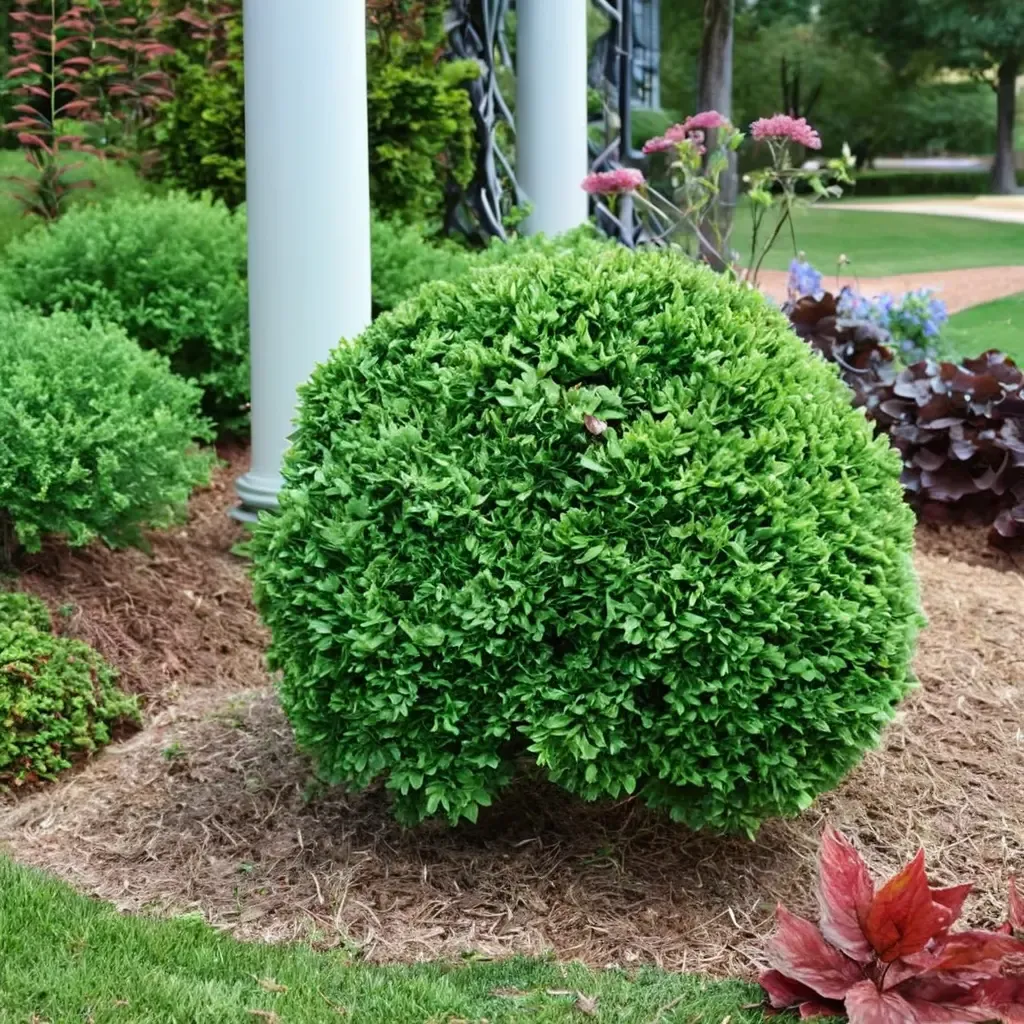
Green Velvet Boxwood
Buxus sempervirens 'Green Velvet'
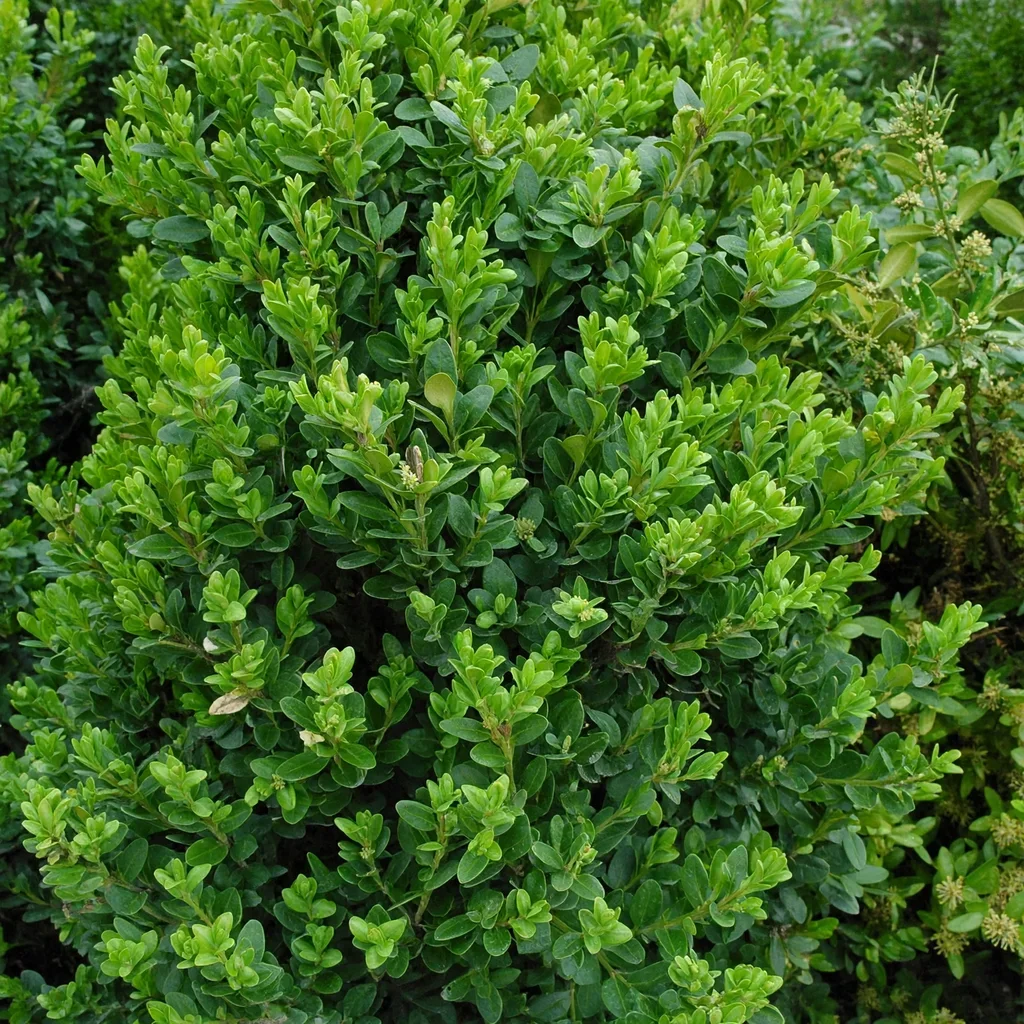
Green Mountain Boxwood
Buxus sempervirens 'Green Mountain'
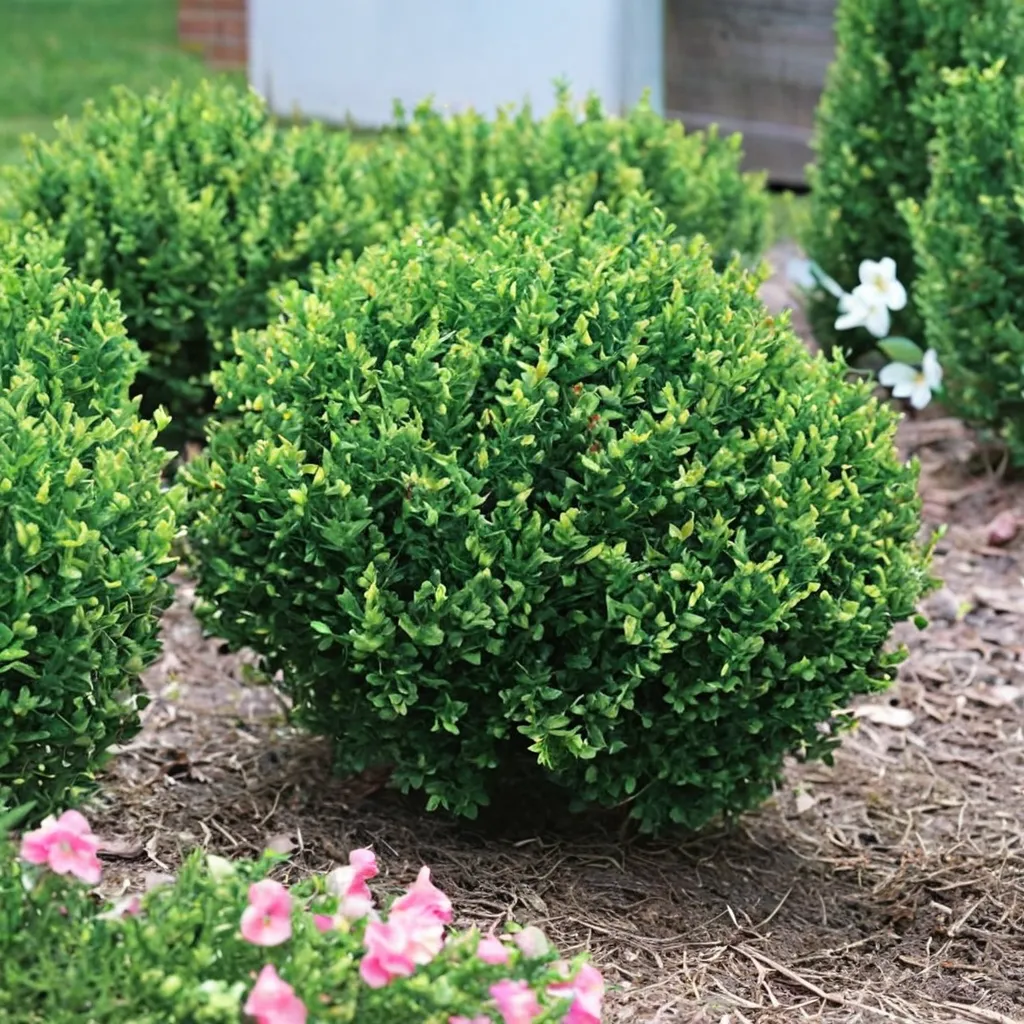
Boxwood Sprinter
Buxus x hybrida 'Sprinter'
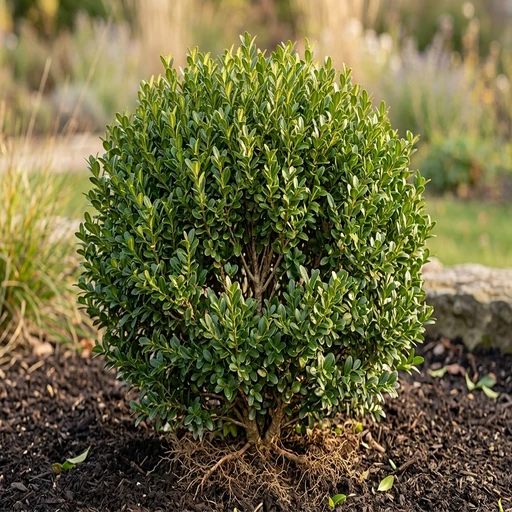
Winter Gem Boxwood
Buxus microphylla 'Winter Gem'
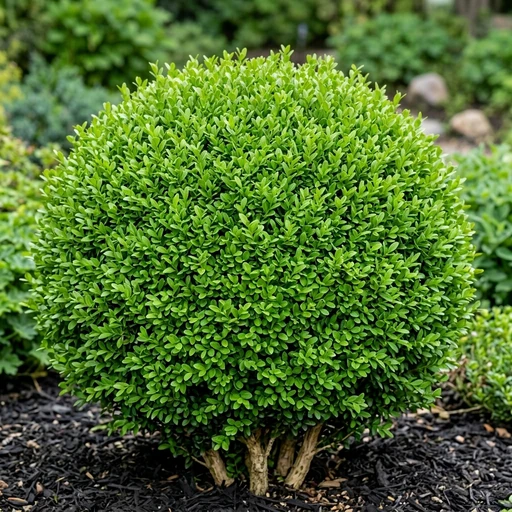
Wintergreen Boxwood
Buxus microphylla 'Wintergreen'
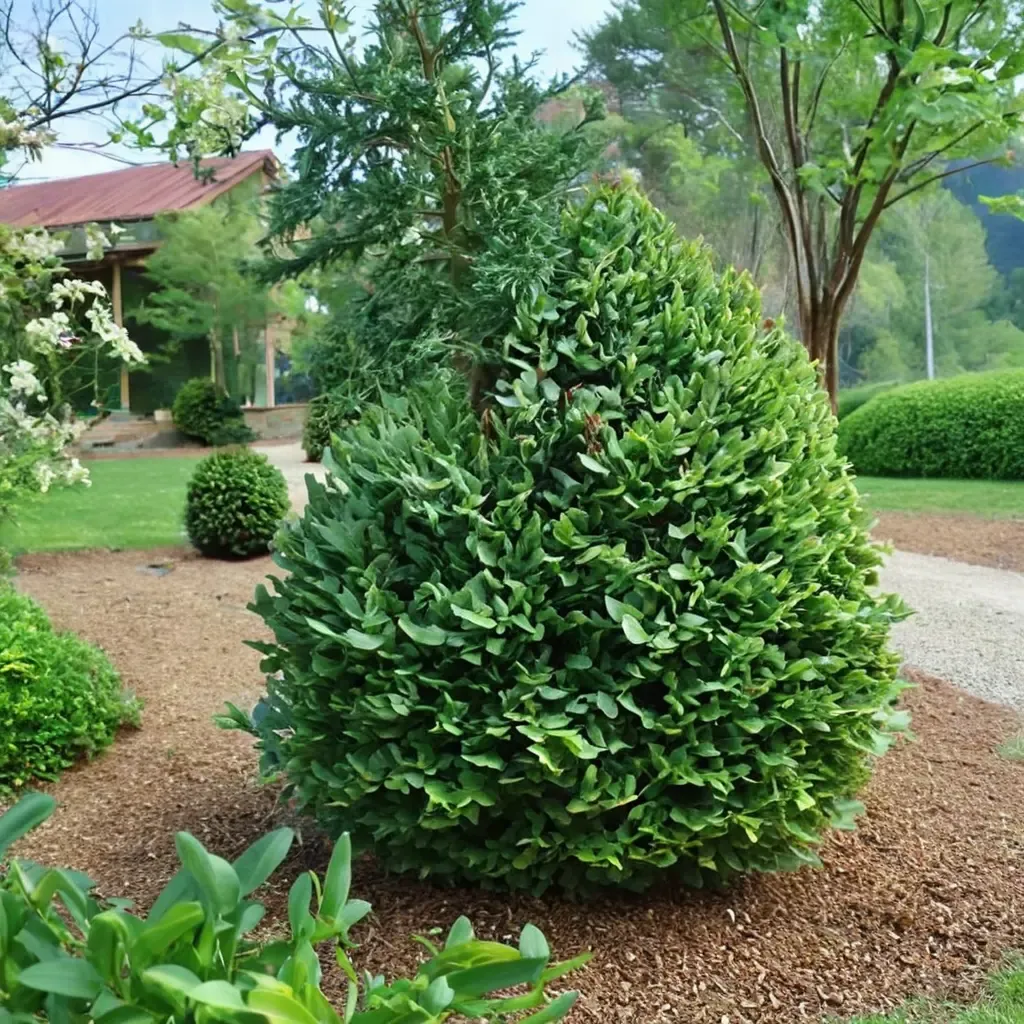
Common Boxwood
Buxus sempervirens
Keep exploring
Explore the genus
Hardy in your zone?
Grow Babylon Beauty Boxwood with confidence
See it in a design of your actual yard, get zone-matched care reminders, and track it season by season in your garden journal.