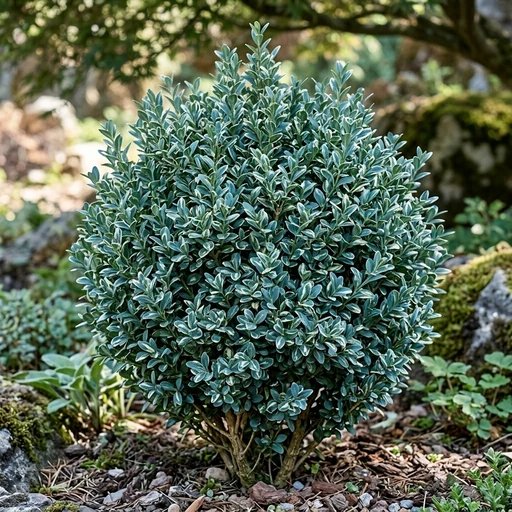
Garden hybrid
This is a garden hybrid, bred from more than one wild species, so it has no single species page of its own.
6 other cultivars




The Story
Plant Bio
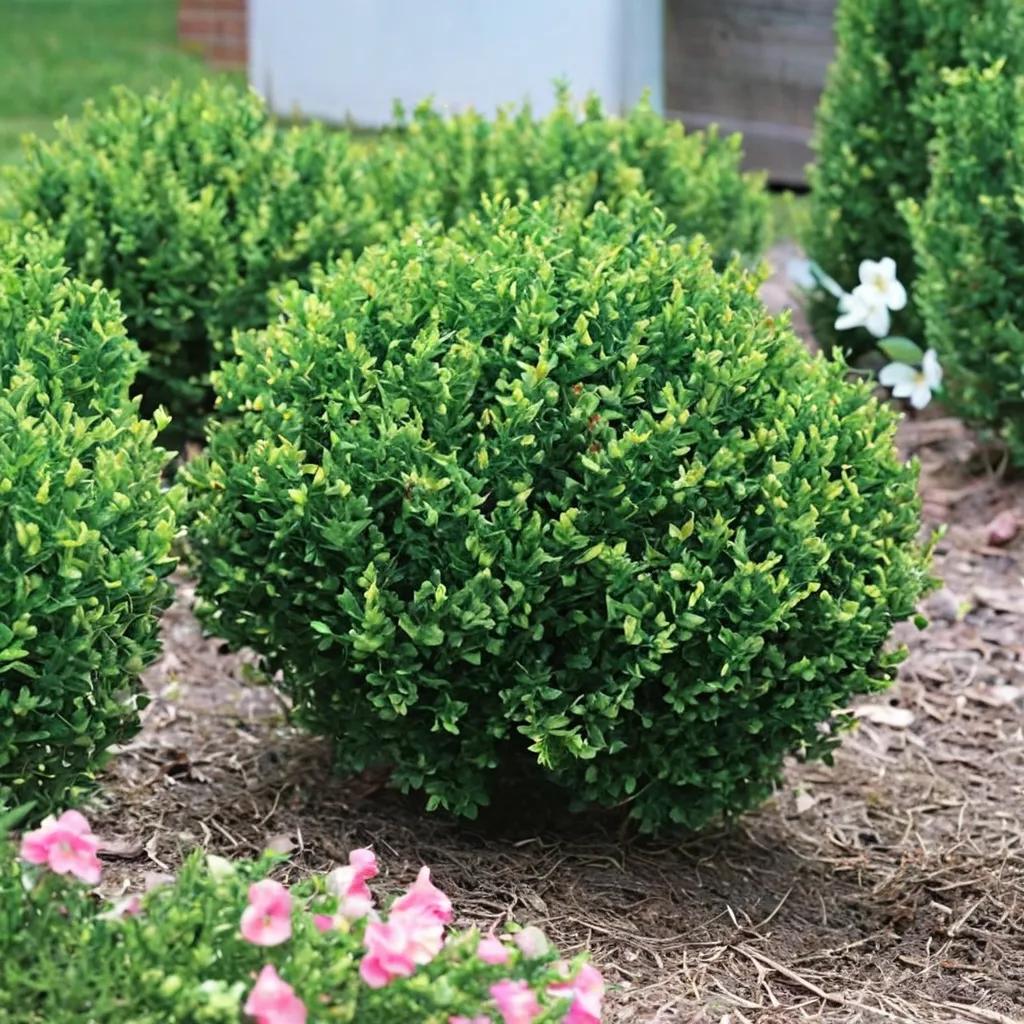
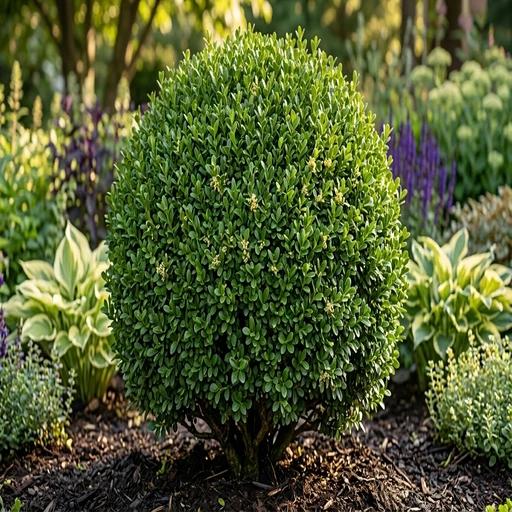
Part of the BetterBoxwood series, these modern hybrids are bred for superior disease resistance and garden performance. They are selected for vigor and good habit.
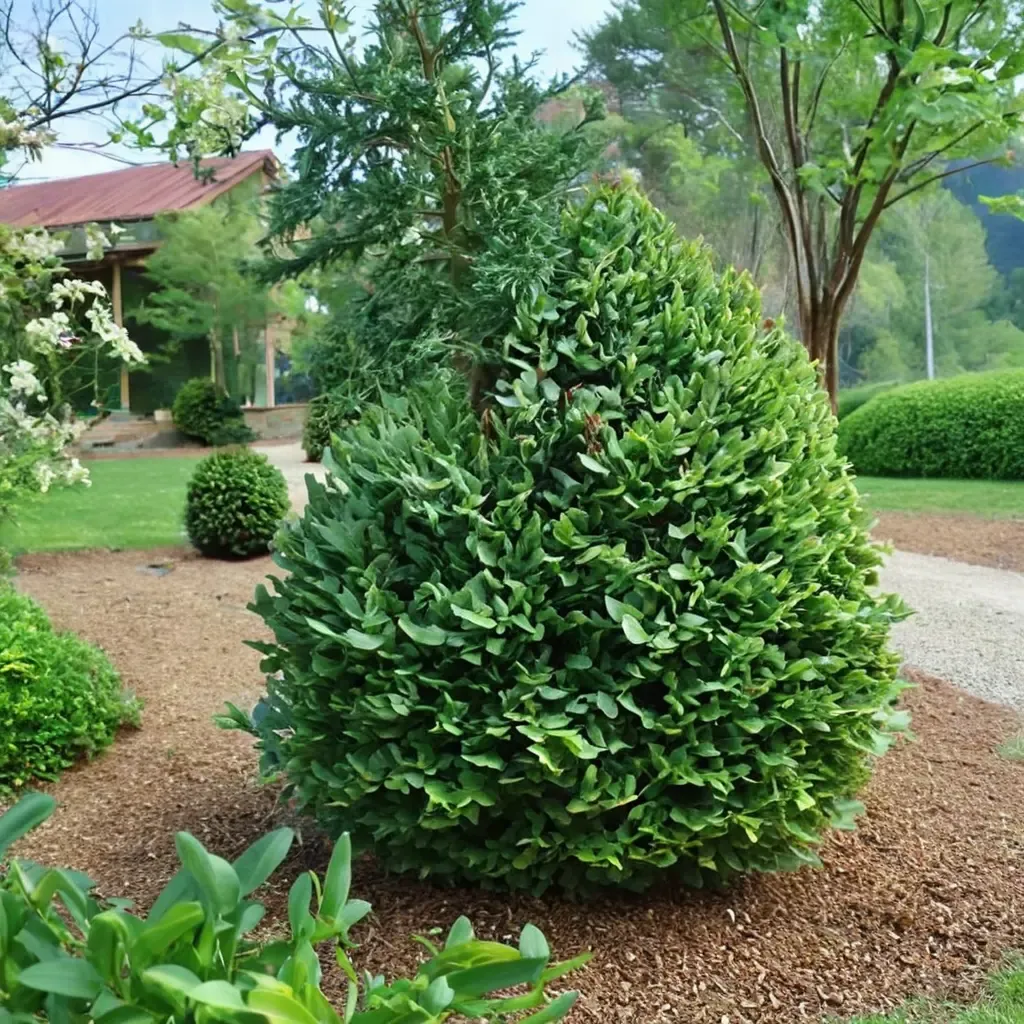
'Skylight' is a fast-growing, upright cultivar with a pyramidal to oval shape, making it ideal for taller hedges and screening. It exhibits high resistance to boxwood blight.
Uses & Benefits:
Bred from more than one wild species, so it has no species page of its own.
Essentials
At a Glance
Plant Type
Shrub
Height
84"
Width
54"
Light
Full Sun, Partial Sun, Shade
Zones
5, 6, 7, 8, 9
Water
Medium
Humidity
Average
Lifespan
Long-lived evergreen shrub
Native To
Hybrid
Toxicity
All parts are toxic if ingested.
Bloom period
Early spring – Mid-spring
In flower about 2 months of the year
Planting
How to Grow
- Select a site with good drainage; full sun to shade is acceptable.
- Space plants 3-4 feet apart for a dense hedge.
- Dig a hole twice as wide as the root ball.
- Set the plant so the top of the root ball is level with the soil.
- Backfill with native soil and water thoroughly.
- Mulch to conserve water and prevent weeds, keeping it off the trunk.
Pro Tip
Its fast growth rate means you can achieve a mature hedge in less time, but plan for annual shearing to keep it dense.
Keep It Thriving
Care Guide
Do
- Water deeply and regularly, especially during the first few seasons.
- Shear annually to encourage dense branching from the ground up.
- Provide good air circulation between plants.
- Monitor for pests, even though it is disease resistant.
Don't
- Do not plant in waterlogged soil.
- Avoid letting it get too tall before starting to shear the sides.
- Do not fertilize late in the season.
- Don't allow heavy snow to sit on branches, which can cause breakage.
Seasonal Care Calendar
| Task | Jan | Feb | Mar | Apr | May | Jun | Jul | Aug | Sep | Oct | Nov | Dec |
|---|---|---|---|---|---|---|---|---|---|---|---|---|
| Fertilize | ||||||||||||
| Pest Check | ||||||||||||
| Prune |
Watch Out For
Pests & Diseases
Common Pests
Common Diseases
In the Garden
Landscape Uses & Companions
Landscape Uses
Multiply
Propagation Methods
Good to Know
Common Questions
Skylight Better Boxwood questions
What zones can Skylight Better Boxwood grow in?
Skylight Better Boxwood is hardy in USDA Zones 5–9. Inside that range it survives winter in the ground; outside it, grow it as an annual or a container plant you protect.
Is Skylight Better Boxwood deer resistant?
Yes — Skylight Better Boxwood is rated deer-resistant. Deer typically pass it over, though extreme hunger can override any plant's defenses.
When does Skylight Better Boxwood bloom?
Skylight Better Boxwood typically blooms in early spring through mid-spring. Exact timing shifts a week or two with your zone — Sow's bloom calendar maps it to your garden.
Does Skylight Better Boxwood need full sun?
Skylight Better Boxwood does best in full sun to part shade. In hot climates, afternoon shade keeps blooms fresher longer.
Is Skylight Better Boxwood drought tolerant?
Yes — once established (usually after the first full season), Skylight Better Boxwood handles dry spells with minimal watering. Water deeply its first year to build the root system that makes that possible.
More Buxus to compare
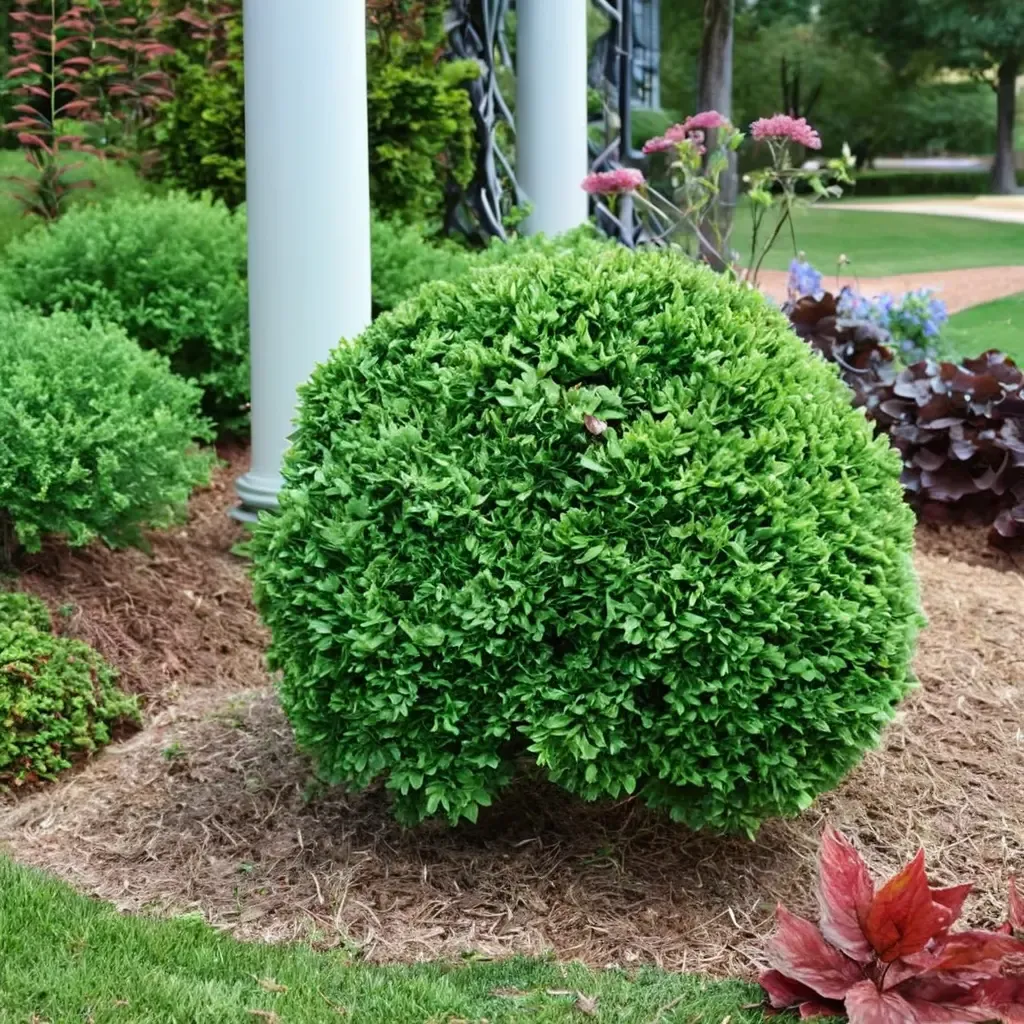
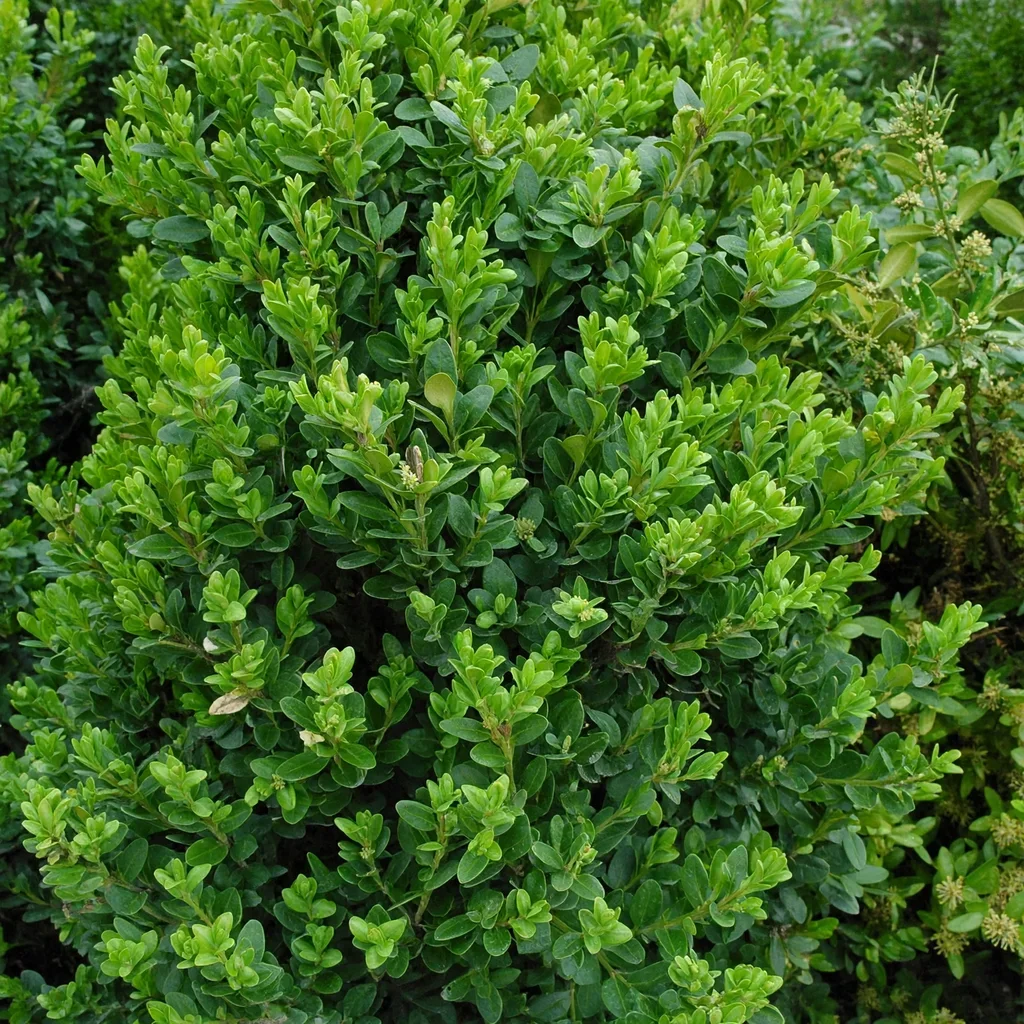
Green Velvet Boxwood
Buxus sempervirens 'Green Velvet'
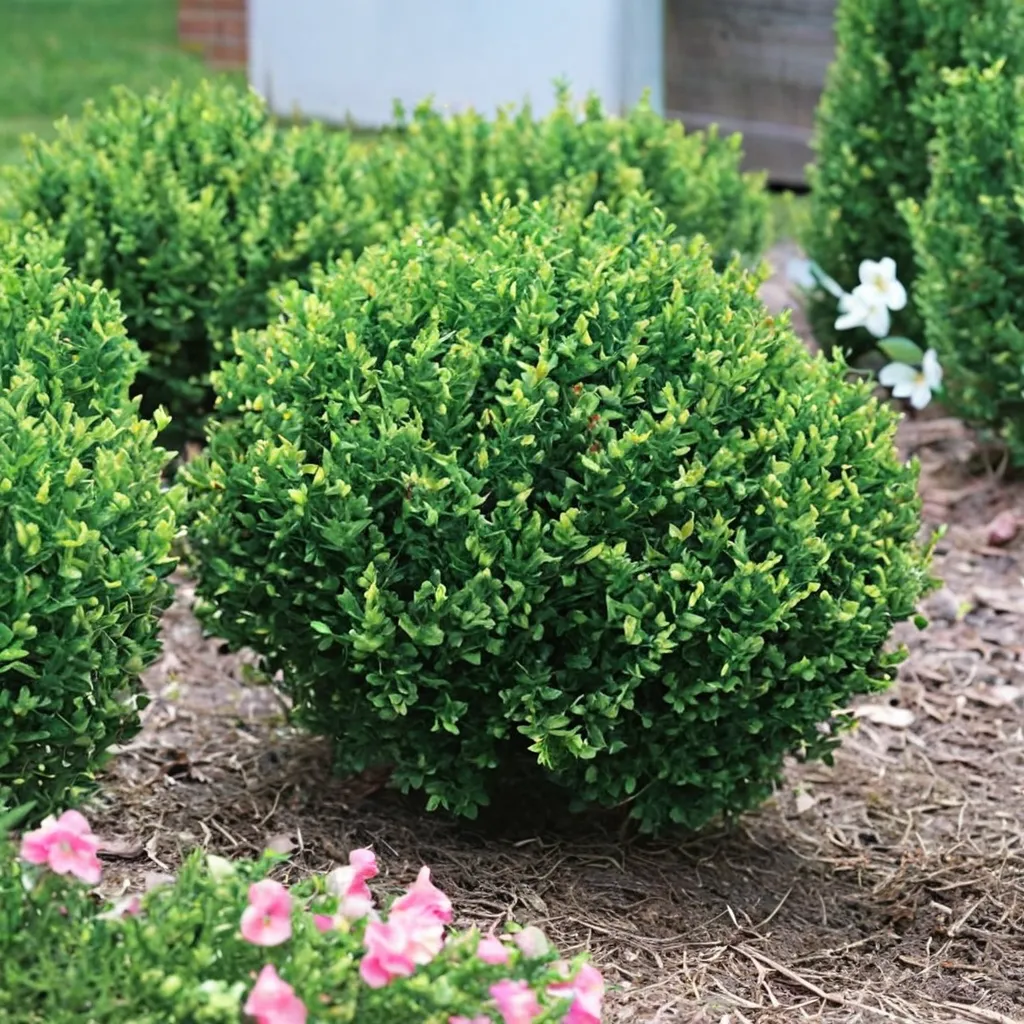
Green Mountain Boxwood
Buxus sempervirens 'Green Mountain'
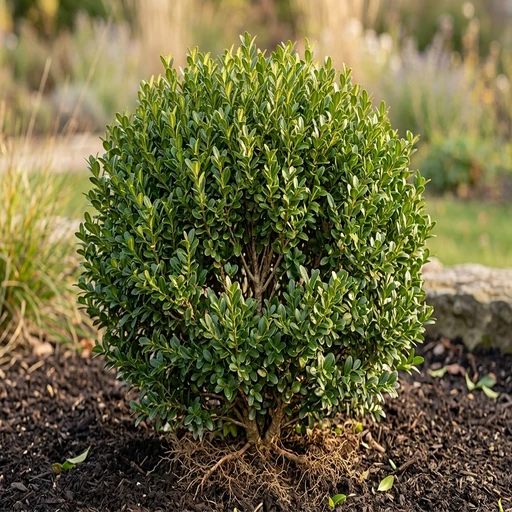
Boxwood Sprinter
Buxus x hybrida 'Sprinter'
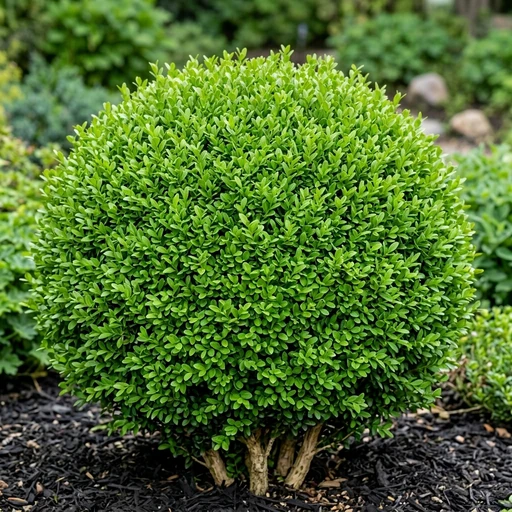
Winter Gem Boxwood
Buxus microphylla 'Winter Gem'
Wintergreen Boxwood
Buxus microphylla 'Wintergreen'
Common Boxwood
Buxus sempervirens
Keep exploring
Explore the genus
Hardy in your zone?
Grow Skylight Better Boxwood with confidence
See it in a design of your actual yard, get zone-matched care reminders, and track it season by season in your garden journal.