


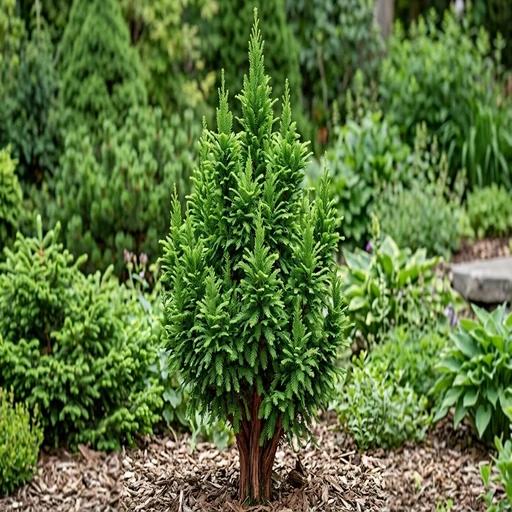
The Story
Plant Bio
Taxodium distichum, or bald cypress, is a long-lived, pyramidal deciduous conifer native to southeastern US wetlands, known for its feathery foliage, buttressed trunk, and tolerance of standing water.
'Mickelson', sold as Shawnee Brave™, is a superior selection with a dense, symmetrical, and distinctly narrow pyramidal form, making it better suited for urban landscapes and smaller spaces than the species.
Uses & Benefits:
Essentials
At a Glance
Plant Type
Tree
Height
720"
Width
240"
Light
Full Sun
Zones
4, 5, 6, 7, 8, 9
Water
High
Humidity
Adaptable
Lifespan
Very long-lived tree
Native To
Southeastern United States
Toxicity
Non-toxic
Bloom period
Late spring
In flower about 1 month of the year
Planting
How to Grow
- Select a site in full sun for best growth and form.
- Dig a hole two to three times the width of the root ball.
- Place the tree so its root flare is at or slightly above soil level.
- Backfill with native soil, watering to remove air pockets.
- Water thoroughly and consistently for the first growing season.
- Apply a 2-3 inch layer of mulch to conserve moisture.
Pro Tip
While famous for tolerating swamps, it grows best in moist, well-drained soil and is surprisingly drought-tolerant once established.
Keep It Thriving
Care Guide
Do
- Provide ample water, especially during establishment and dry spells.
- Give it plenty of room to grow tall.
- Allow lower limbs to remain, as they contribute to trunk taper and strength.
- Appreciate its unique texture and seasonal color changes.
Don't
- Do not plant in deep shade, which will result in a thin, weak tree.
- Avoid planting too close to buildings or power lines due to its height.
- Don't be alarmed when it drops its needles in fall; it's a deciduous conifer.
- Don't expect prominent 'knees' (pneumatophores) unless planted in or near water.
Seasonal Care Calendar
| Task | Jan | Feb | Mar | Apr | May | Jun | Jul | Aug | Sep | Oct | Nov | Dec |
|---|---|---|---|---|---|---|---|---|---|---|---|---|
| Plant | ||||||||||||
| Prune | ||||||||||||
| Spring Cleanup |
Watch Out For
Pests & Diseases
Common Pests
Common Diseases
In the Garden
Landscape Uses & Companions
Landscape Uses
Multiply
Propagation Methods
Good to Know
Common Questions
Shawnee Brave Bald Cypress questions
What zones can Shawnee Brave Bald Cypress grow in?
Shawnee Brave Bald Cypress is hardy in USDA Zones 4–9. Inside that range it survives winter in the ground; outside it, grow it as an annual or a container plant you protect.
Is Shawnee Brave Bald Cypress deer resistant?
Yes — Shawnee Brave Bald Cypress is rated deer-resistant. Deer typically pass it over, though extreme hunger can override any plant's defenses.
When does Shawnee Brave Bald Cypress bloom?
Shawnee Brave Bald Cypress typically blooms in late spring through late spring. Exact timing shifts a week or two with your zone — Sow's bloom calendar maps it to your garden.
Does Shawnee Brave Bald Cypress need full sun?
Shawnee Brave Bald Cypress does best in full sun (6+ hours).
Is Shawnee Brave Bald Cypress drought tolerant?
Yes — once established (usually after the first full season), Shawnee Brave Bald Cypress handles dry spells with minimal watering. Water deeply its first year to build the root system that makes that possible.
More Taxodium to compare
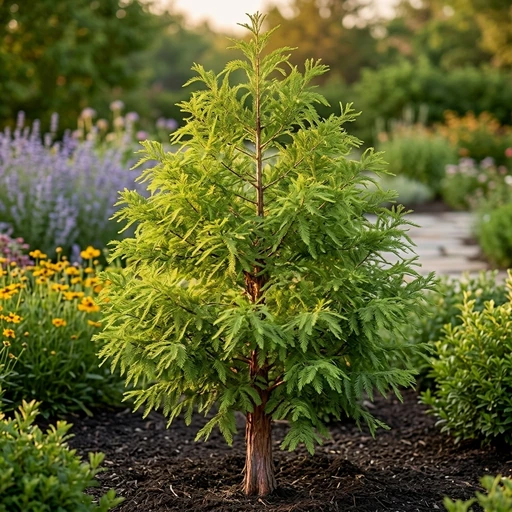
Green Whisper Bald Cypress
Taxodium distichum 'Green Whisper '
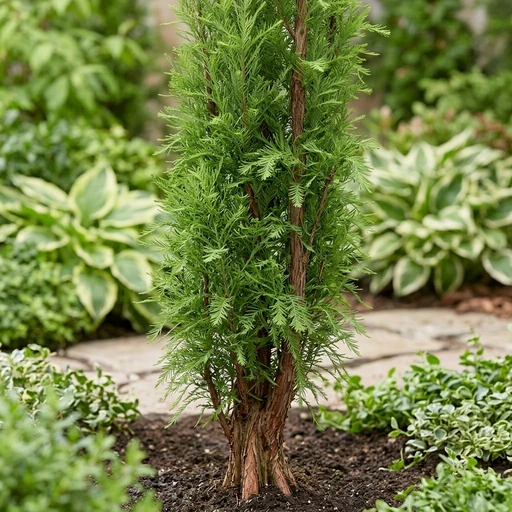
Lindsey's Skyward Bald Cypress
Taxodium distichum 'Skyward'
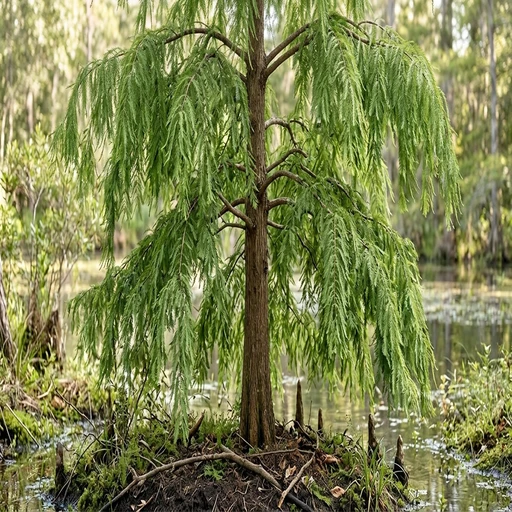
Falling Waters Weeping Bald Cypress
Taxodium distichum 'Falling Waters'
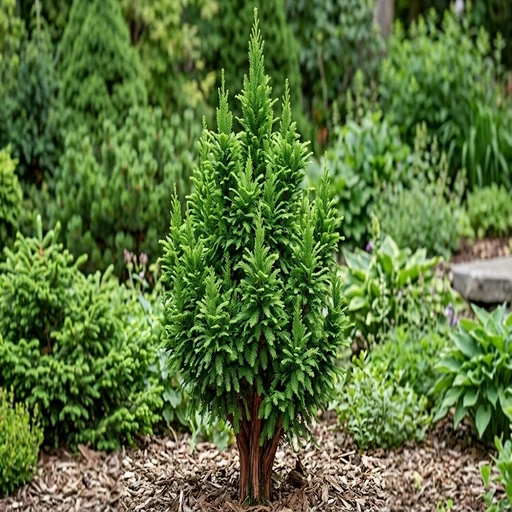
Peve Minaret Bald Cypress
Taxodium distichum 'Peve Minaret'
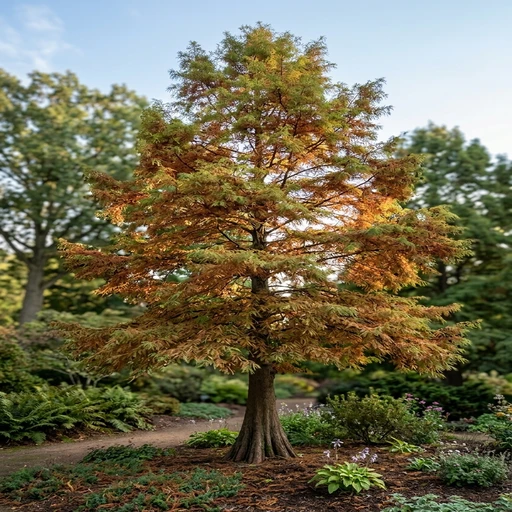
Bald Cypress
Taxodium distichum
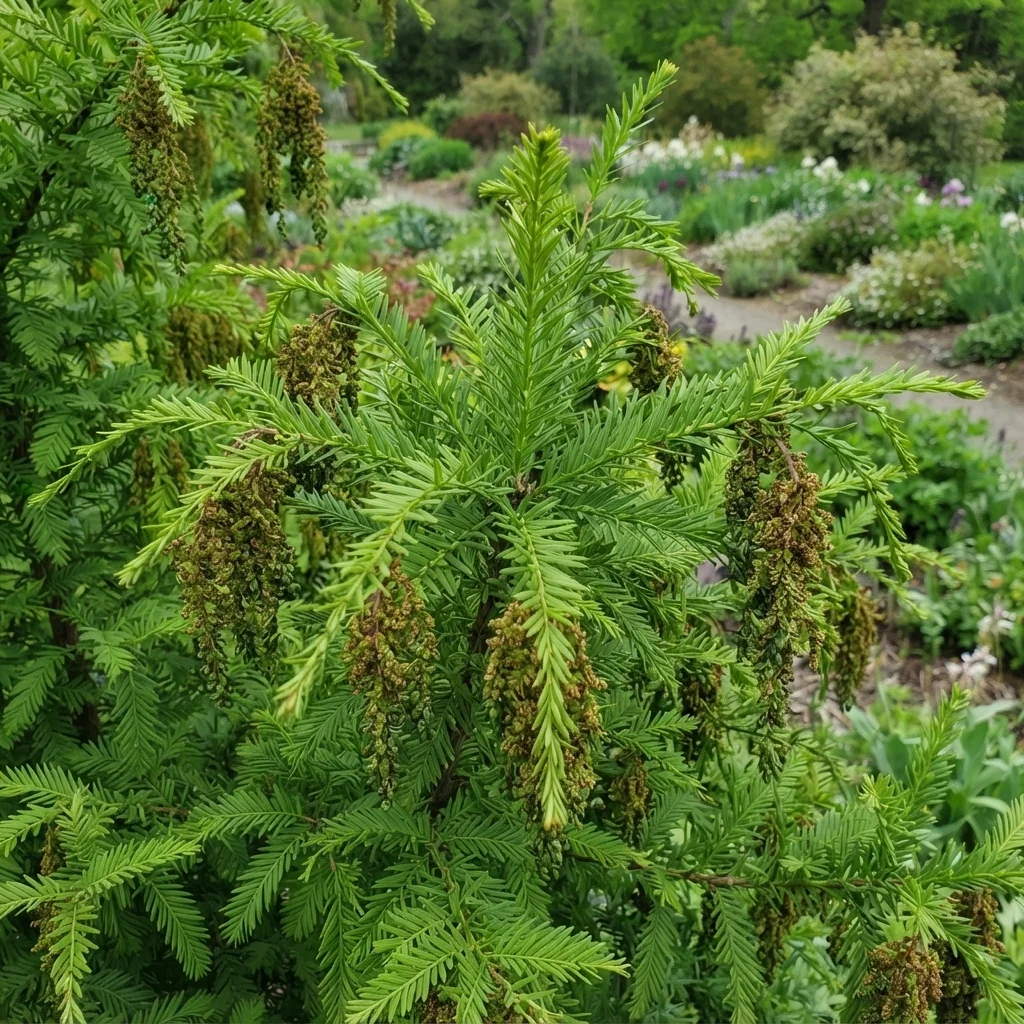
Pond Cypress
Taxodium ascendens
Keep exploring
Explore the genus
Grow Shawnee Brave Bald Cypress with confidence
See it in a design of your actual yard, get zone-matched care reminders, and track it season by season in your garden journal.