The Story
Plant Bio
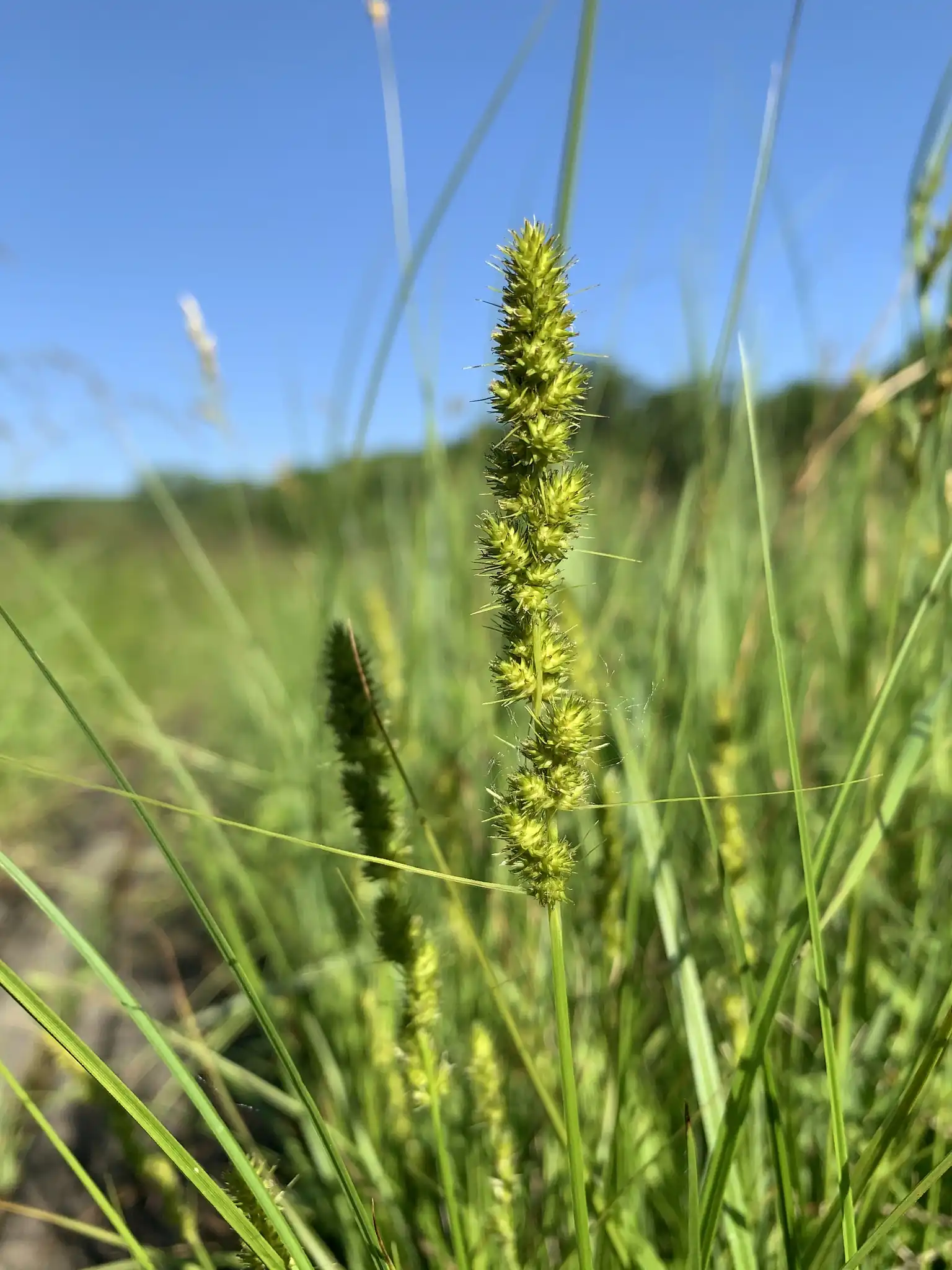
Carex vulpinoidea is a widespread native sedge that forms dense, upright clumps of bright green, grass-like foliage. It is highly adaptable and thrives in moist to wet soils, making it a key component of wetland ecosystems.
The common name, Fox Sedge, refers to its distinctive, bristly, elongated seed heads that appear in summer and resemble a fox's tail. These seed heads provide unique texture and are a valuable food source for birds.
Uses & Benefits:
Essentials
At a Glance
Plant Type
Grass
Height
30"
Width
24"
Light
Full Sun, Partial Sun
Zones
4, 5, 6, 7, 8, 9
Water
Medium to wet
Humidity
High
Lifespan
Perennial
Native To
North America
Toxicity
Non-toxic
Bloom period
Late spring – Early summer
In flower about 2 months of the year
Marketplace
Where to Buy
Shipping costs Year-round shipping Free shipping
Planting
How to Grow
- Select a site in full sun or part shade with consistently moist soil.
- It thrives in heavy clay, loam, and other moisture-retentive soils.
- Dig a hole slightly larger than the plant's root ball.
- Place the plant in the hole so its crown is at soil level.
- Backfill with soil and press firmly to ensure good root contact.
- Water thoroughly after planting and keep moist until established.
Pro Tip
This sedge is a vigorous self-seeder in moist, open ground; use it where you want it to naturalize or be prepared to edit seedlings.
Keep It Thriving
Care Guide
Do
- Provide consistent moisture; this plant loves wet feet.
- Plant in masses for the best visual effect and ecological function.
- Allow it to self-seed to create a naturalized colony.
- Cut back foliage in late winter or early spring to make way for new growth.
Don't
- Do not plant in dry, sandy, or drought-prone areas.
- Avoid planting in deep shade, which can lead to floppy growth.
- Don't remove the seed heads in fall; they provide winter interest and bird food.
- Don't fertilize; it is adapted to average or lean soils.
Seasonal Care Calendar
| Task | Jan | Feb | Mar | Apr | May | Jun | Jul | Aug | Sep | Oct | Nov | Dec |
|---|---|---|---|---|---|---|---|---|---|---|---|---|
| Divide | ||||||||||||
| Plant | ||||||||||||
| Spring Cleanup |
Watch Out For
Pests & Diseases
Common Pests
Common Diseases
In the Garden
Landscape Uses & Companions
Landscape Uses
Multiply
Propagation Methods
Good to Know
Common Questions
Fox Sedge questions
What zones can Fox Sedge grow in?
Fox Sedge is hardy in USDA Zones 4–9. Inside that range it survives winter in the ground; outside it, grow it as an annual or a container plant you protect.
Is Fox Sedge deer resistant?
Yes — Fox Sedge is rated deer-resistant. Deer typically pass it over, though extreme hunger can override any plant's defenses.
When does Fox Sedge bloom?
Fox Sedge typically blooms in late spring through early summer. Exact timing shifts a week or two with your zone — Sow's bloom calendar maps it to your garden.
Does Fox Sedge need full sun?
Fox Sedge does best in full sun to part shade. In hot climates, afternoon shade keeps blooms fresher longer.
More Carex to compare
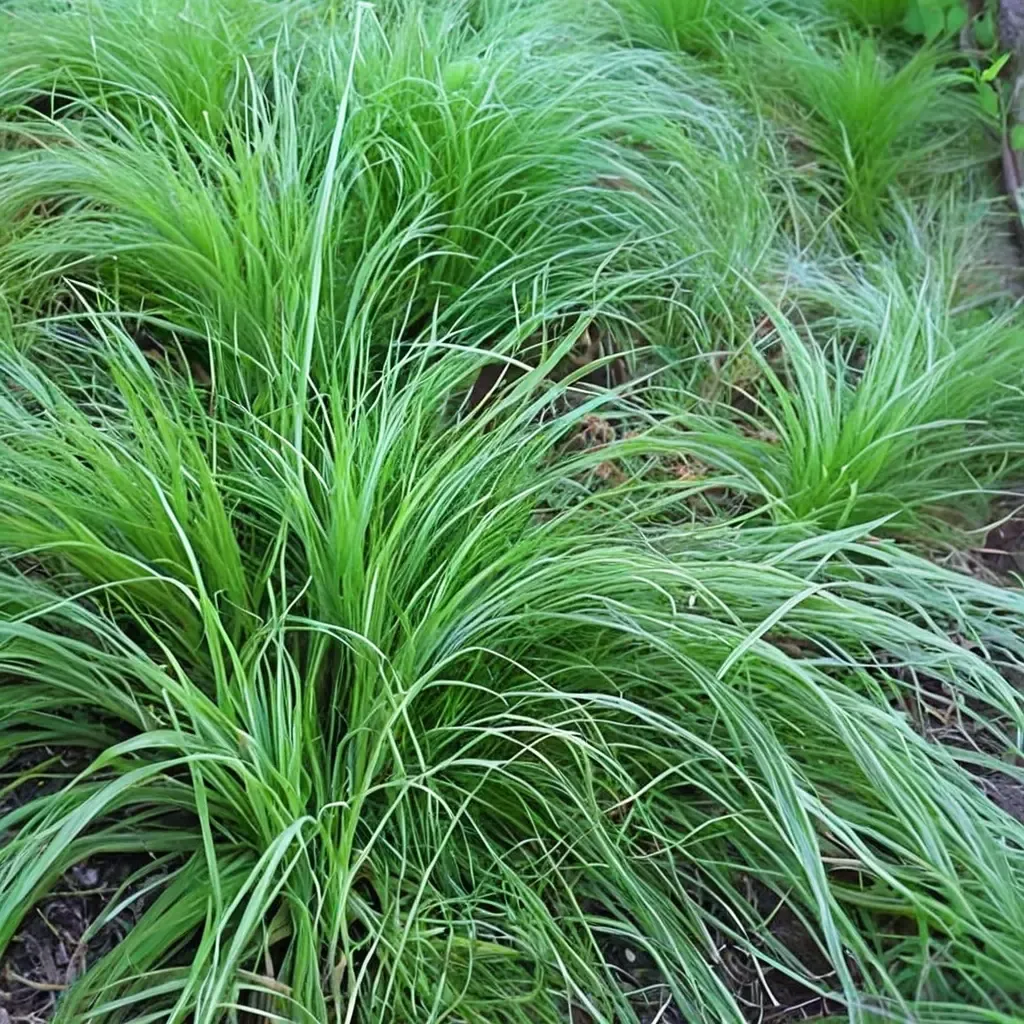
Pennsylvania Sedge
Carex pensylvanica
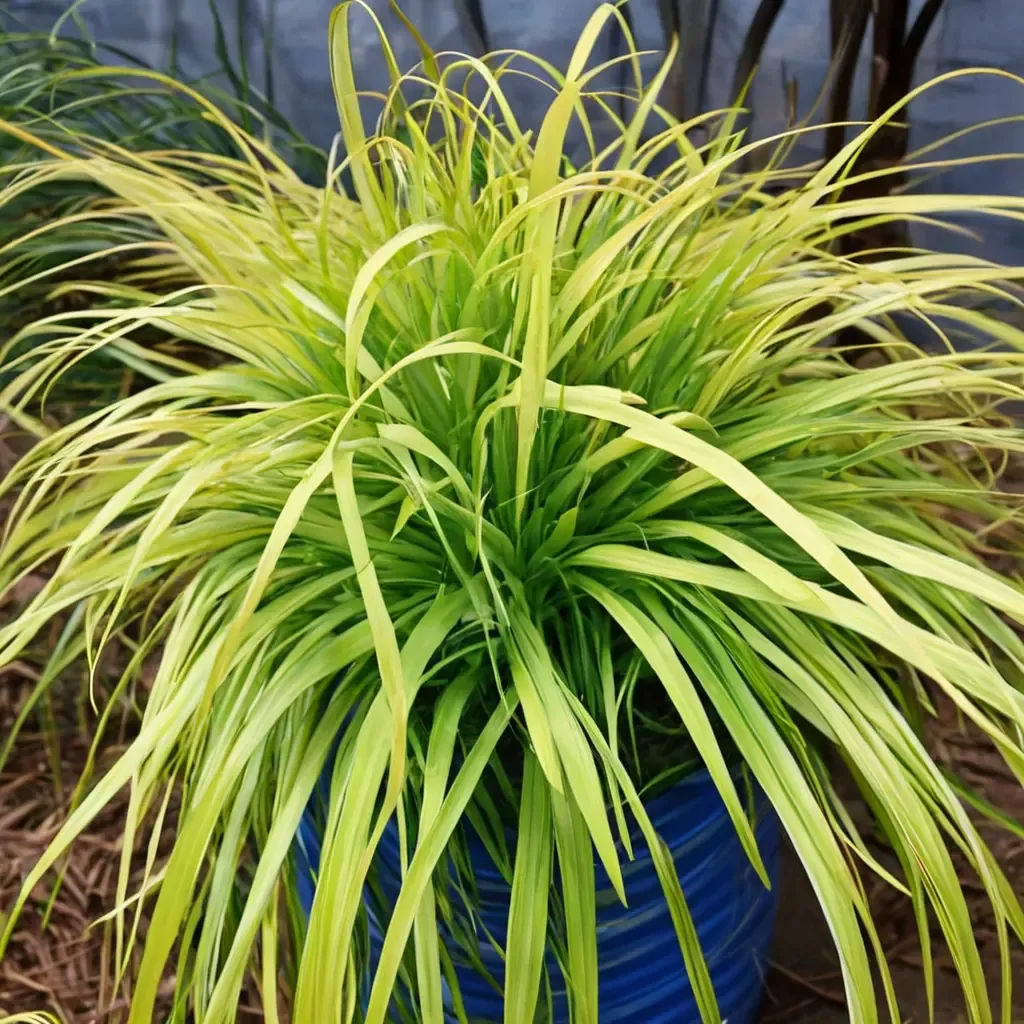
Everillo Sedge
Carex oshimensis 'Everillo'
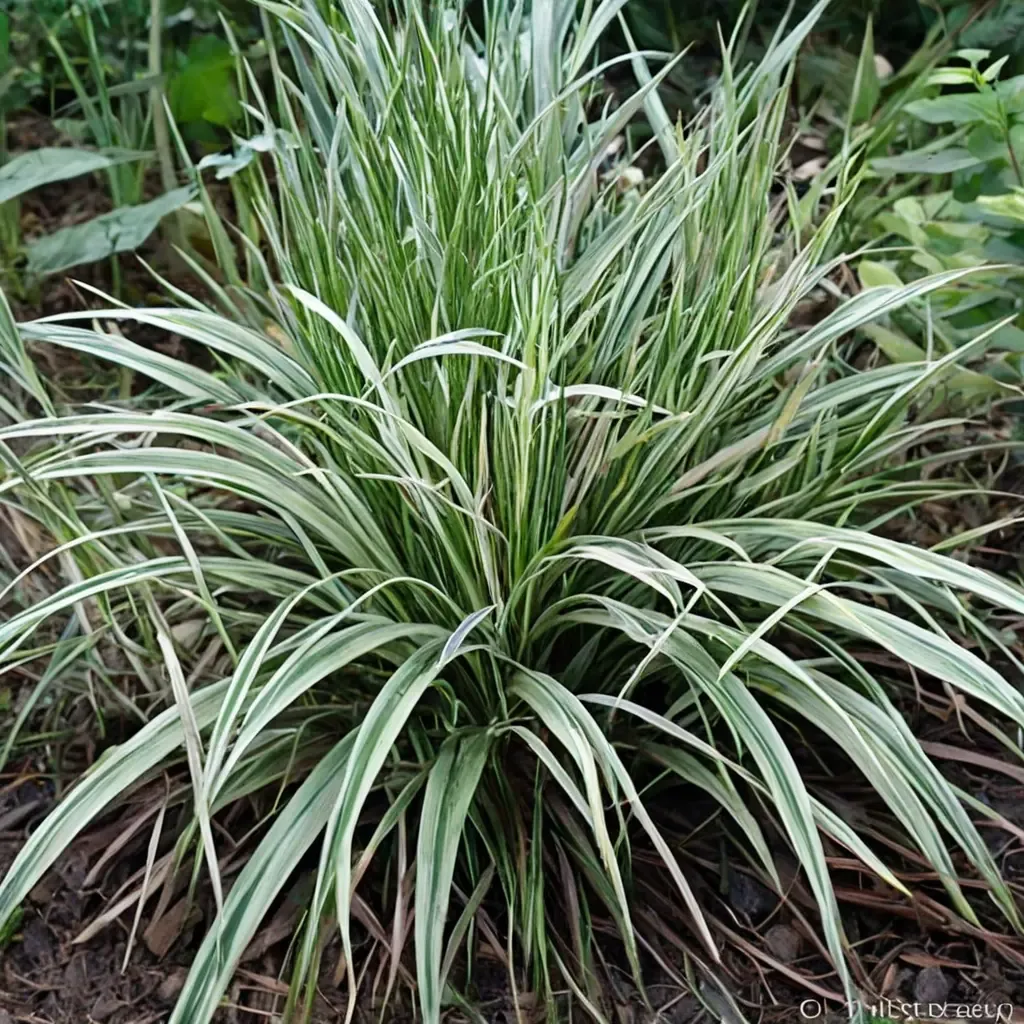
Japanese Sedge
Carex morrowii
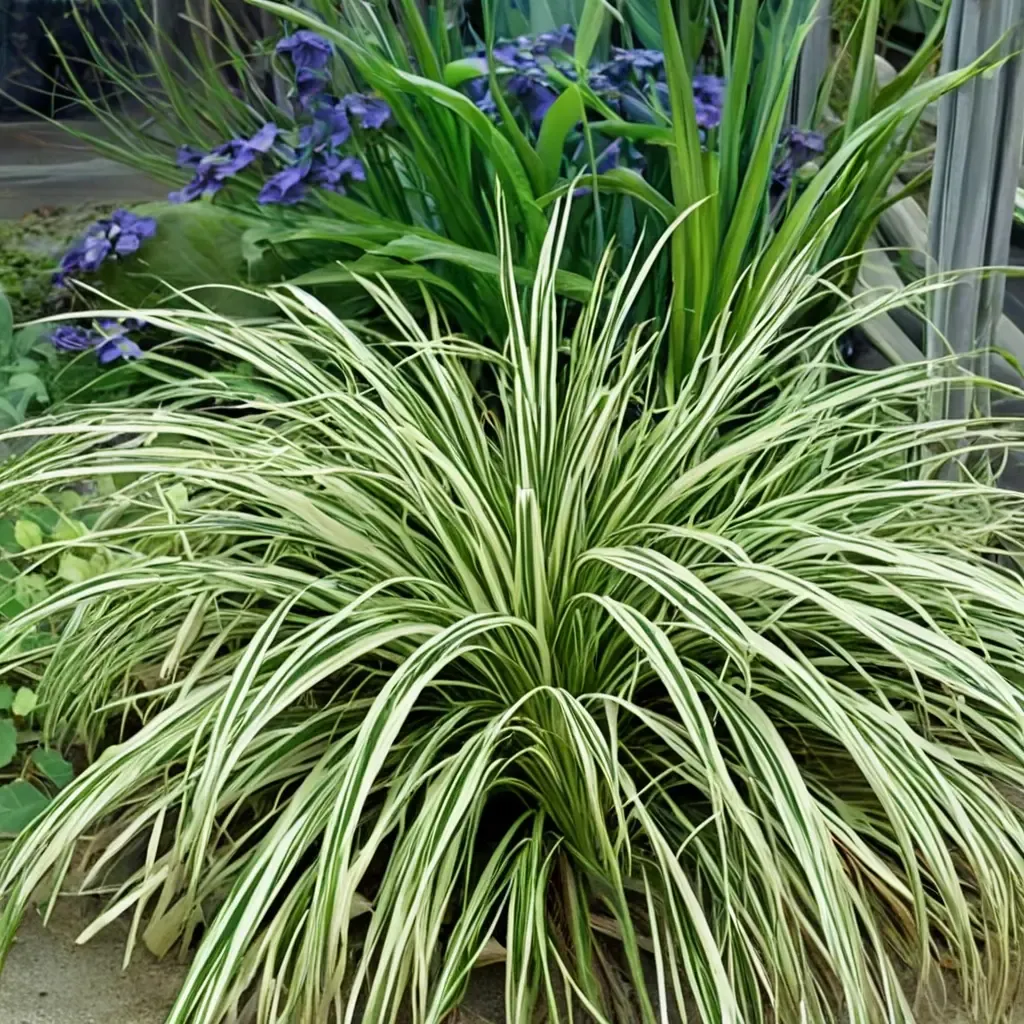
Evergold Japanese Sedge
Carex oshimensis 'Evergold'
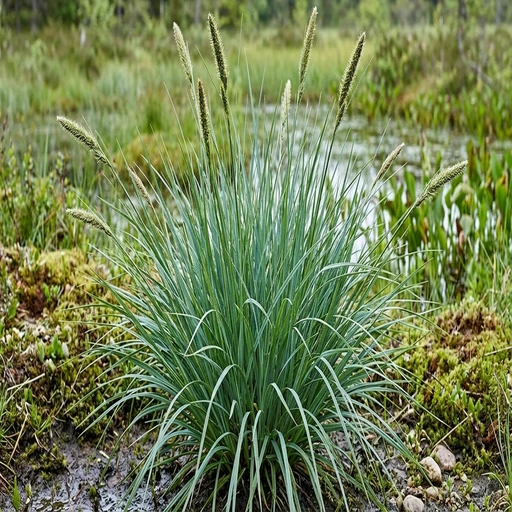
Comosa Sedge
Carex comosa
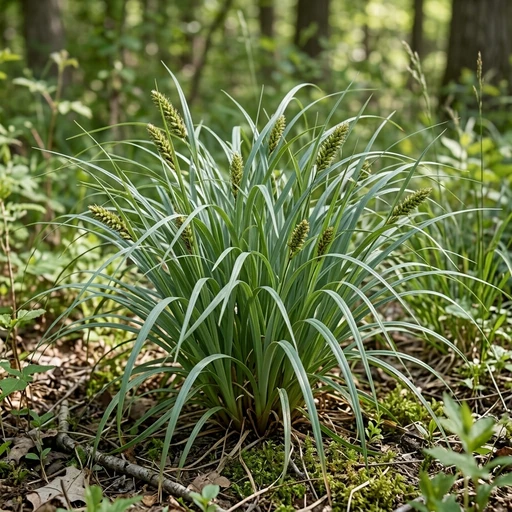
Shortbeak Sedge
Carex brevior
Keep exploring
Explore the genus
Grow Fox Sedge with confidence
See it in a design of your actual yard, get zone-matched care reminders, and track it season by season in your garden journal.