The Story
Plant Bio
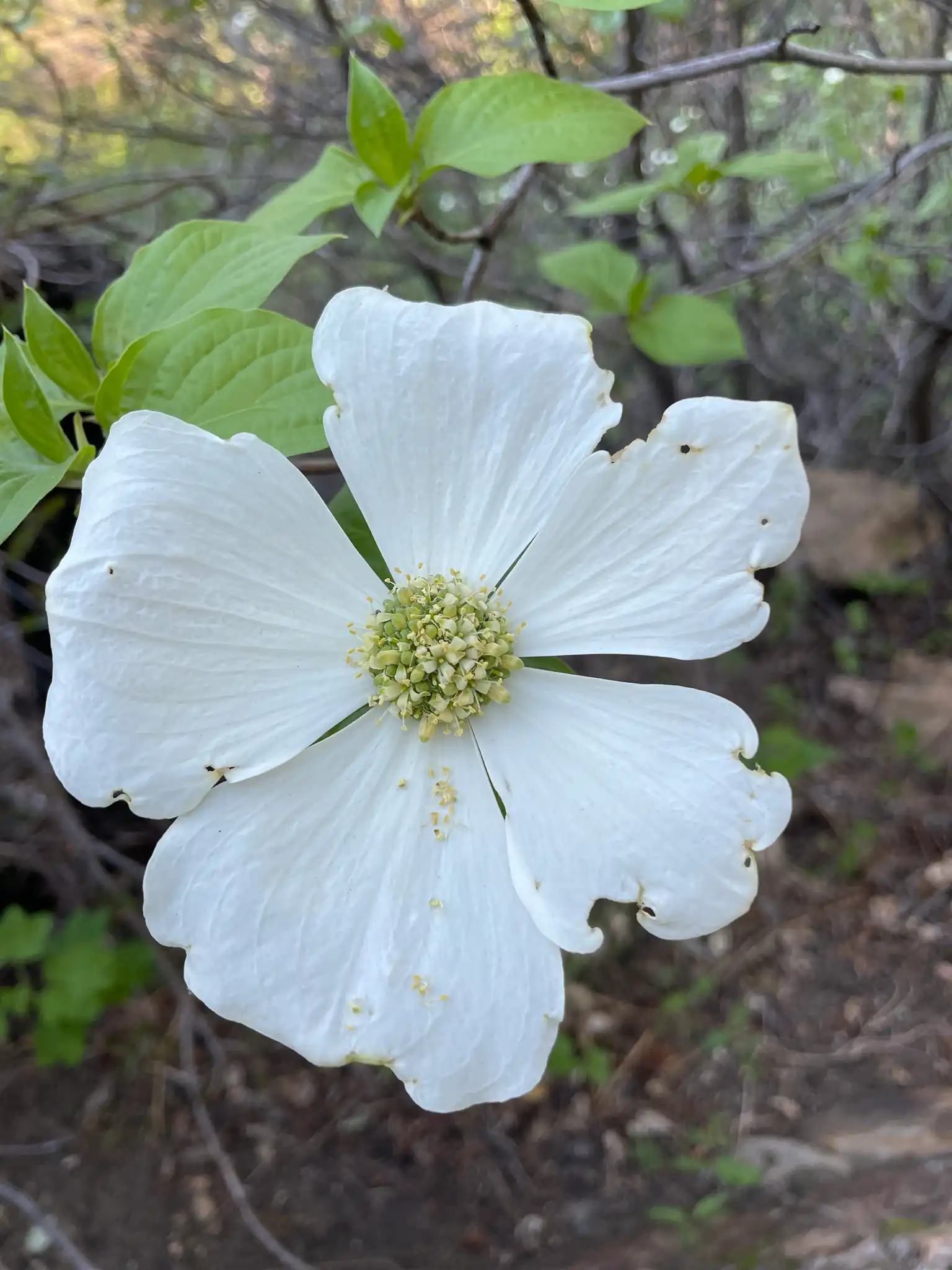
Cornus nuttallii, commonly called Pacific dogwood, is a deciduous understory tree native to western North America with an upright, rounded crown and distinctively horizontal, tiered branching architecture. In mid to late spring, dense central clusters of tiny purple-green flowers are framed by four to eight showy, petal-like white bracts.
This species typically features six large white floral bracts rather than four and often produces a light secondary bloom flush in early fall. The dark green leaves turn striking shades of yellow, orange, and red in autumn alongside bright red-orange aggregate fruits.
Uses & Benefits:
Essentials
At a Glance
Plant Type
Tree
Height
472"
Width
354"
Light
Full Sun, Partial Sun
Zones
7, 8, 9
Water
Moderate
Humidity
Moderate
Lifespan
Perennial
Native To
North America
Toxicity
Non-toxic
Bloom period
Mid spring – Late spring
In flower about 2 months of the year
Planting
How to Grow
- Select a planting location in full sun to partial shade, prioritizing afternoon shade in warmer inland regions.
- Prepare the planting area with organically rich, acidic to neutral soil that provides sharp drainage.
- Dig a hole twice as wide as the container and set the root crown level with or slightly above the surrounding soil grade.
- Backfill gently without compacting the root zone and water thoroughly to settle the soil.
- Apply a 2 to 4 inch layer of organic mulch around the root zone, keeping the mulch clear of the main trunk.
Pro Tip
Plant in rich, sharply draining acidic soil with afternoon shade in hot climates, and completely avoid root disturbance once established.
Keep It Thriving
Care Guide
Do
- Apply an organic mulch layer annually to keep the root zone cool and moist.
- Prune only during late summer or early fall after growth flushes to minimize bleeding and fungal entry.
- Provide supplemental irrigation during extended dry spells while maintaining high drainage.
Don't
- Do not plant in heavy, waterlogged, or compacted clay soils.
- Do not use overhead irrigation, which wets foliage and encourages dogwood anthracnose.
- Do not cut back heavily into old, leafless wood.
Seasonal Care Calendar
| Task | Jan | Feb | Mar | Apr | May | Jun | Jul | Aug | Sep | Oct | Nov | Dec |
|---|---|---|---|---|---|---|---|---|---|---|---|---|
| Fertilize | ||||||||||||
| Mulch | ||||||||||||
| Pest Check | ||||||||||||
| Prune |
Watch Out For
Pests & Diseases
Common Pests
Common Diseases
In the Garden
Landscape Uses & Companions
Landscape Uses
Companion Plants
Multiply
Propagation Methods
Good to Know
Common Questions
Pacific Dogwood questions
What zones can Pacific Dogwood grow in?
Pacific Dogwood is hardy in USDA Zones 7–9. Inside that range it survives winter in the ground; outside it, grow it as an annual or a container plant you protect.
Is Pacific Dogwood deer resistant?
Not reliably. Deer may browse Pacific Dogwood, especially tender spring growth — plan on repellents or fencing where pressure is high.
When does Pacific Dogwood bloom?
Pacific Dogwood typically blooms in mid spring through late spring. Exact timing shifts a week or two with your zone — Sow's bloom calendar maps it to your garden.
Does Pacific Dogwood need full sun?
Pacific Dogwood does best in full sun to part shade. In hot climates, afternoon shade keeps blooms fresher longer.
More Cornus to compare
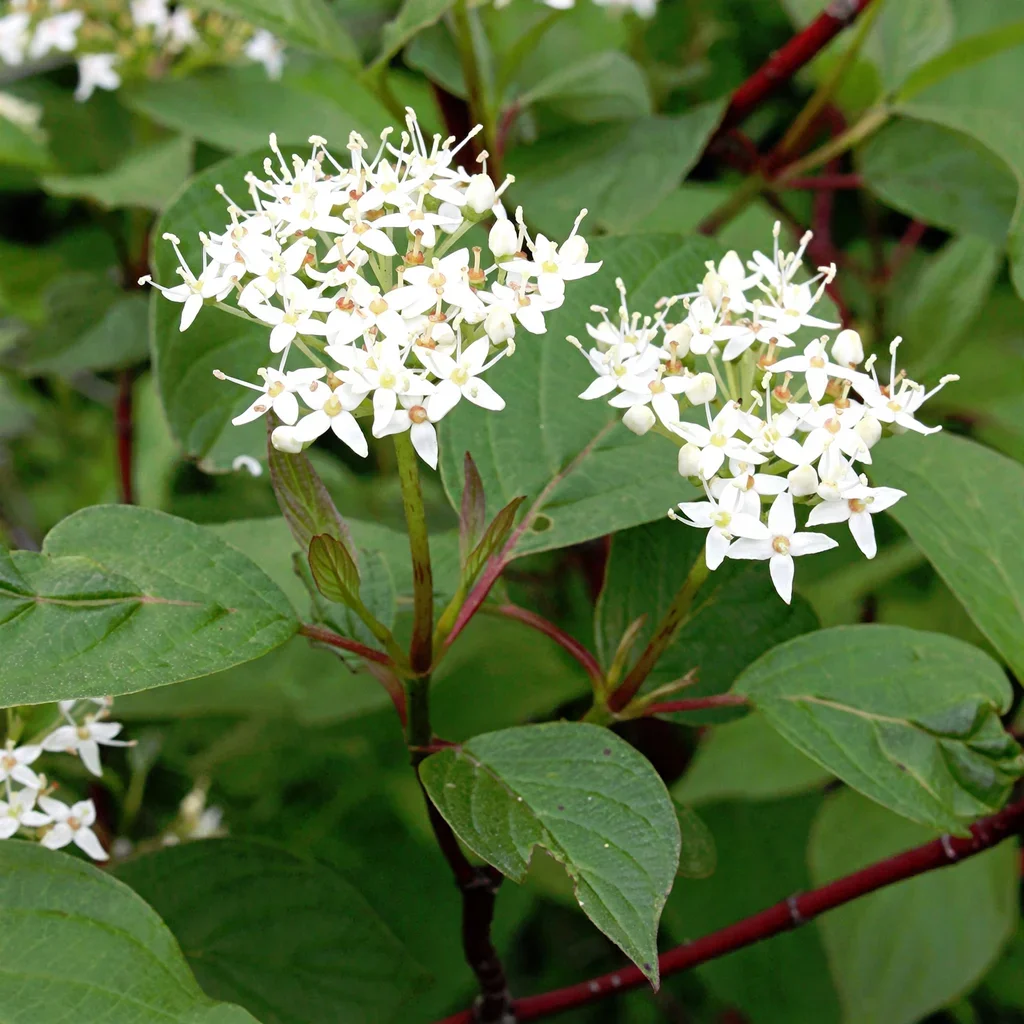
Red Twig Dogwood
Cornus sericea 'Red Twig'
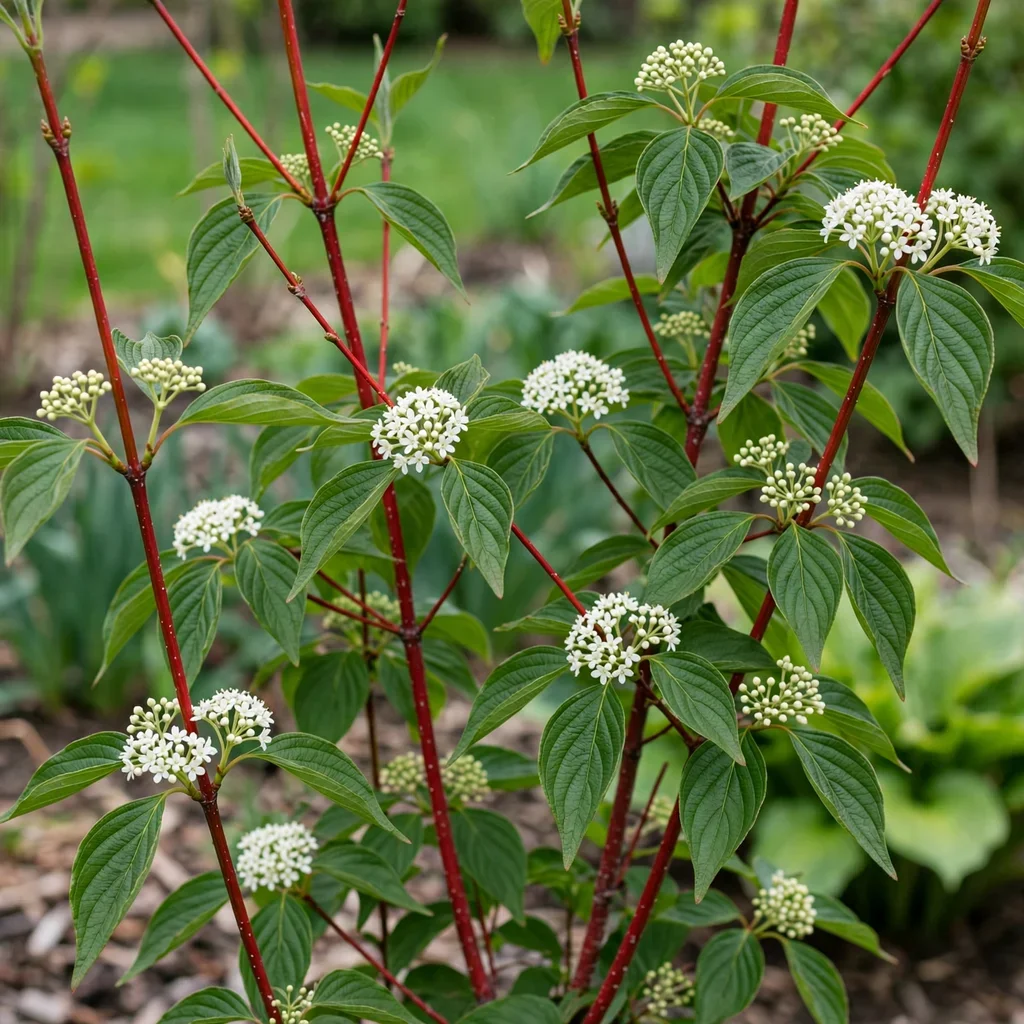
Arctic Fire Red Osier Dogwood
Cornus sericea 'Arctic Fire'
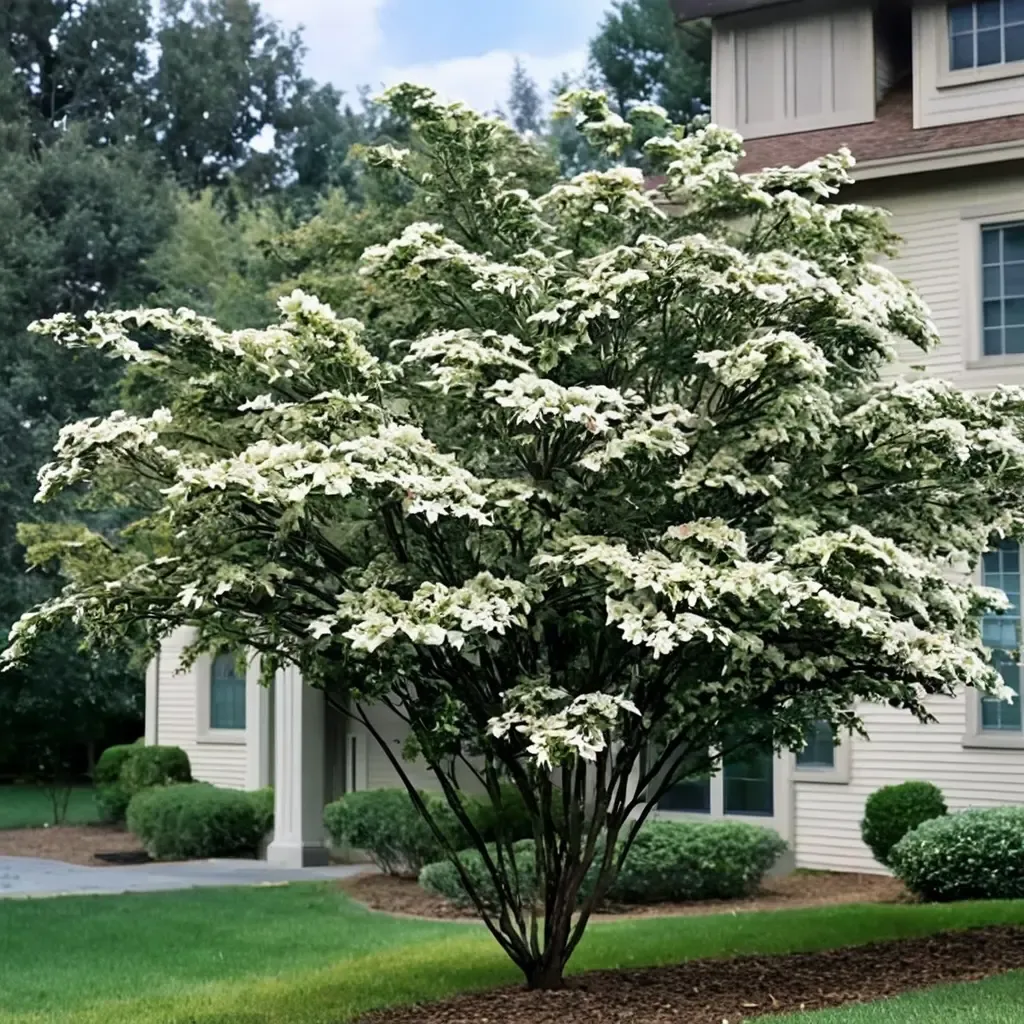
Kousa Dogwood
Cornus kousa
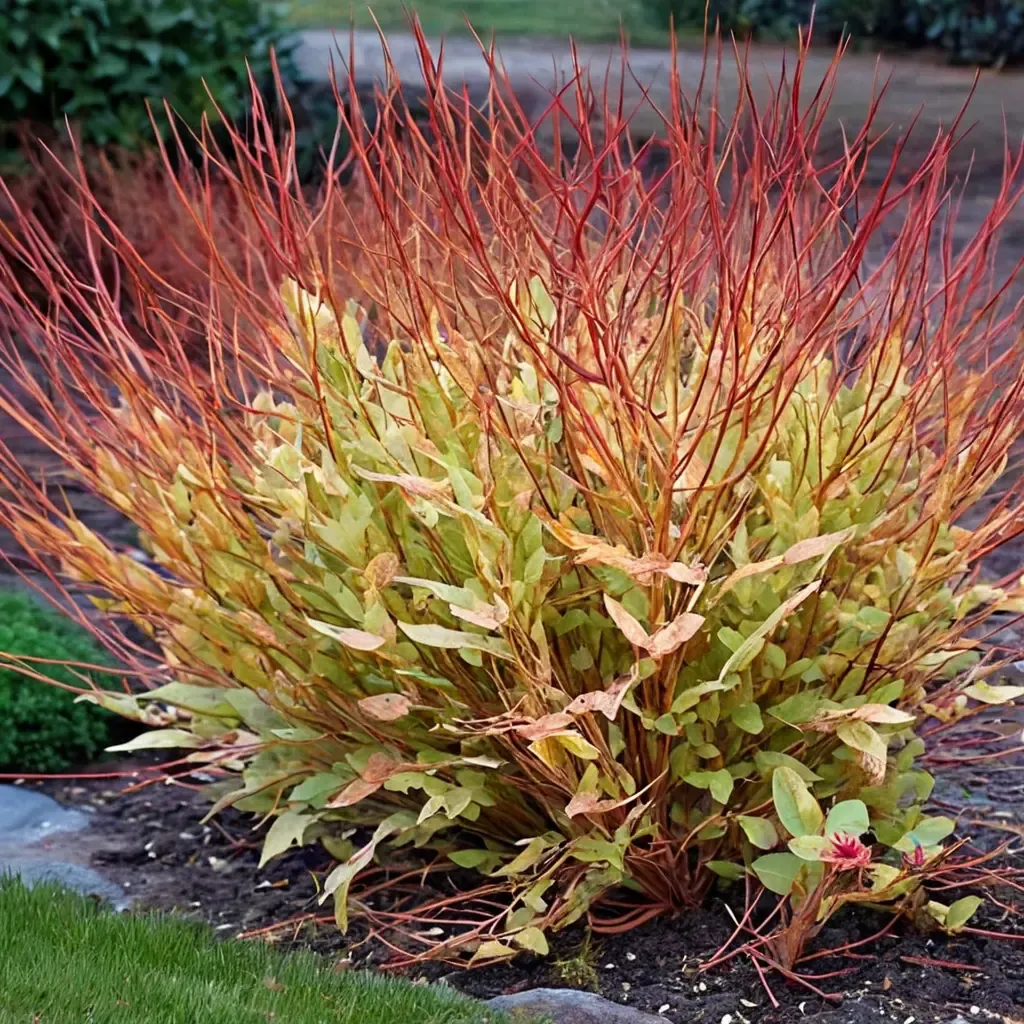
Midwinter Fire Dogwood
Cornus sanguinea 'Midwinter Fire'
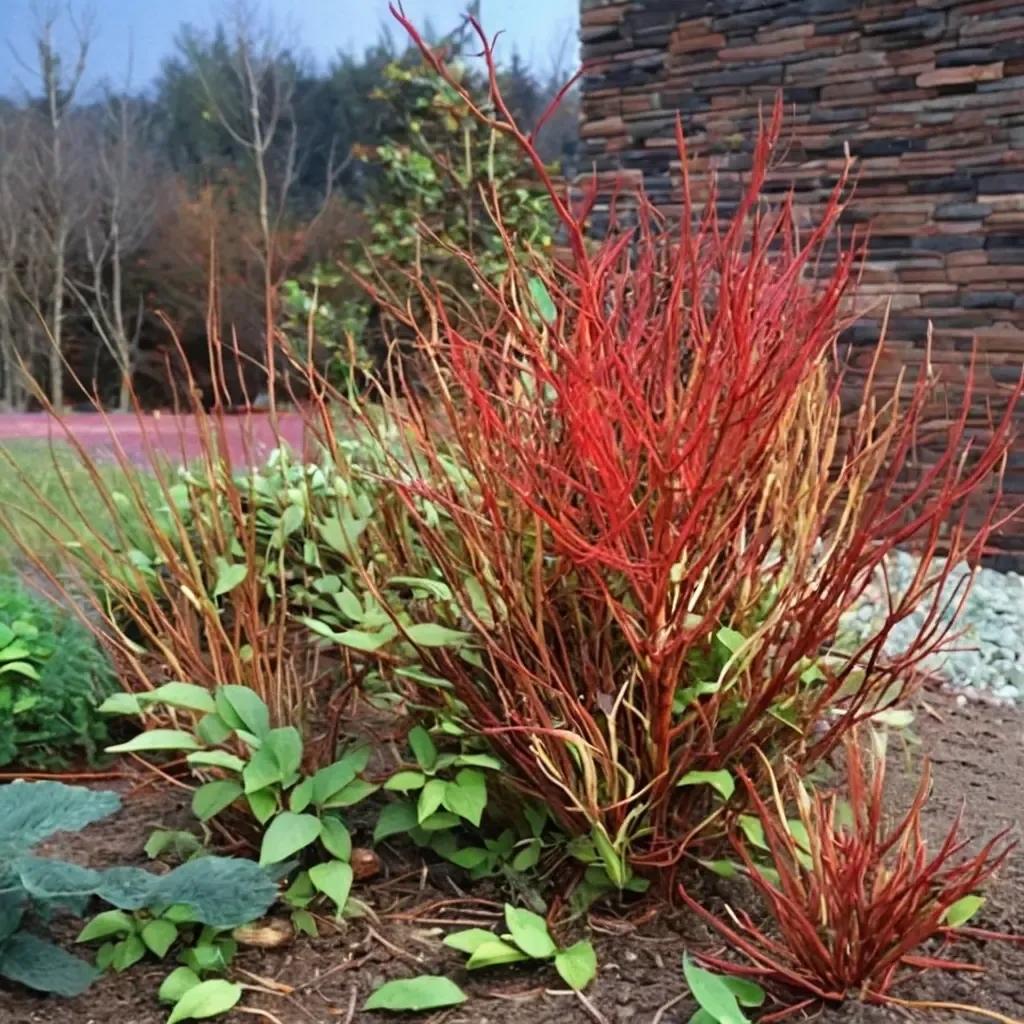
Cardinal Red Osier Dogwood
Cornus sericea 'Cardinal'
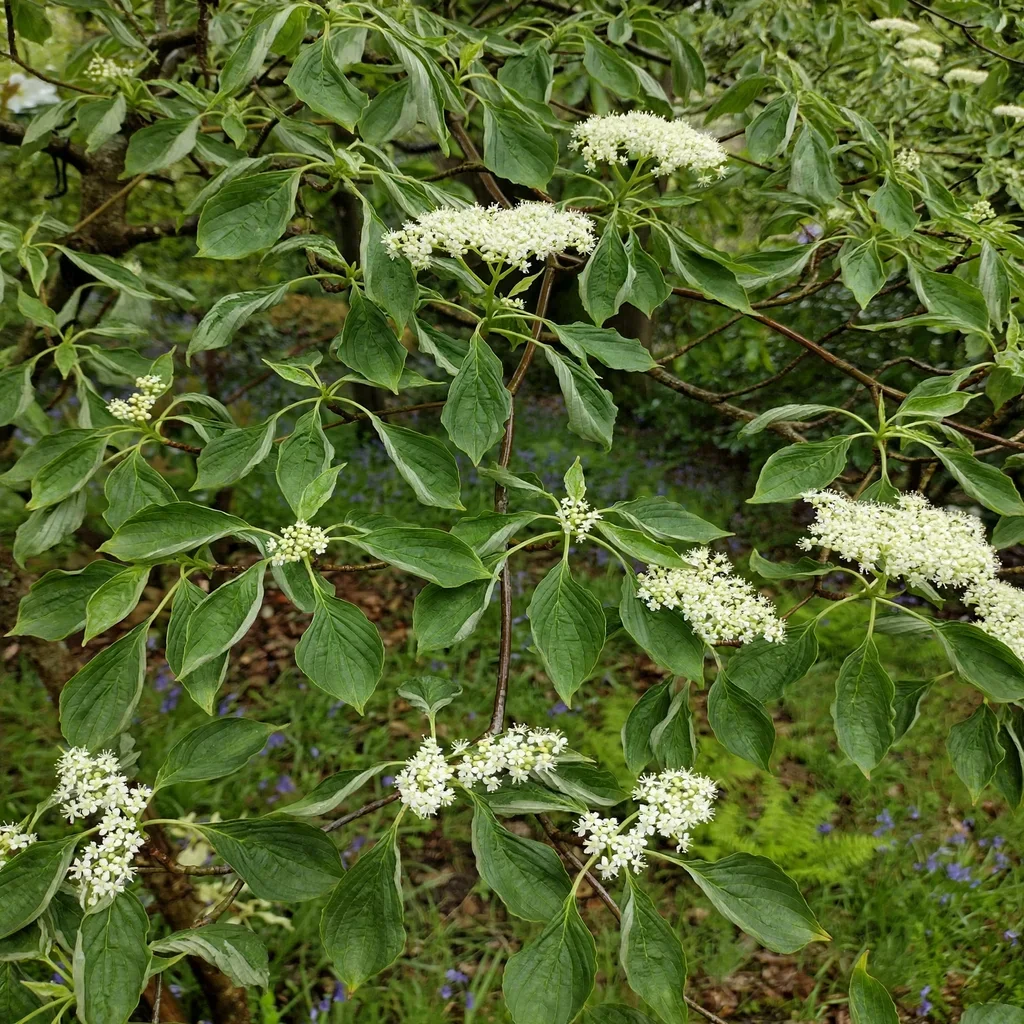
Giant Dogwood
Cornus controversa
Keep exploring
Explore the genus
Hardy in your zone?
Grow Pacific Dogwood with confidence
See it in a design of your actual yard, get zone-matched care reminders, and track it season by season in your garden journal.