1 named cultivar

The Story
Plant Bio
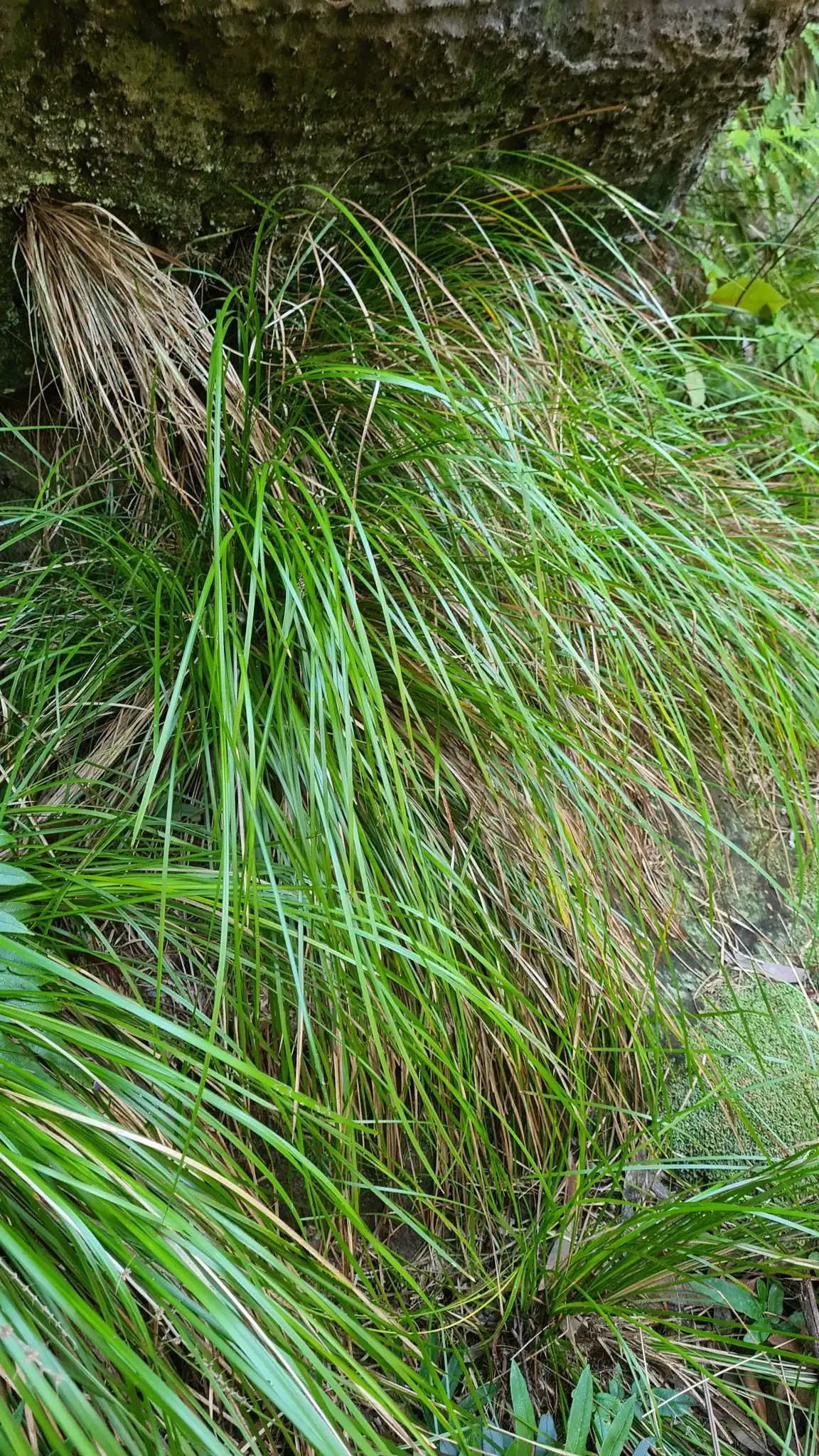
Lomandra fluviatilis, commonly known as river mat-rush, is an evergreen perennial grass native to eastern Australia that forms dense, fine-textured tufts of narrow, arching foliage. The slender, channeled leaves have a distinctive blue-grey to grey-green coloration and terminate in small two- or three-toothed tips.
This species is distinguished from other mat-rushes by its riverine origin, which grants it superior tolerance to high humidity and seasonally wet soils. In spring and summer, it produces branched clusters of small, cream-to-yellow flowers with prominent pointed bracts held among the foliage.
Uses & Benefits:
Essentials
At a Glance
Plant Type
Grass
Height
24"
Width
24"
Light
Full Sun, Partial Sun
Zones
8, 9, 10
Water
Low to Moderate
Humidity
High
Lifespan
Perennial
Native To
Australia
Toxicity
Non-toxic
Planting
How to Grow
- Select a planting site in full sun to light shade with well-drained to moderately moist soil.
- Dig a hole twice the width of the root ball and set the plant so the crown sits level with the surrounding soil.
- Water deeply and regularly during the first growing season to establish a deep, drought-tolerant root system.
- Apply a thin layer of organic mulch around the base, keeping it clear of the crown to prevent moisture retention.
Pro Tip
Avoid shearing the foliage into the lower woody stems, as this prevents clean recovery. Instead, rejuvenate ragged clumps by cutting the entire plant back to about six inches above the ground every three to five years in early spring.
Keep It Thriving
Care Guide
Do
- Water occasionally during prolonged dry spells to maintain the lushest foliage appearance.
- Ensure the planting site has decent drainage to prevent water from pooling around the roots.
- Trim the entire clump back hard to halfway above the ground every few years to clear out old thatch.
Don't
- Do not plant in constantly waterlogged or boggy soils where oxygen is excluded from the roots.
- Do not apply heavy doses of standard fertilizer, as this grass thrives in low-nutrient conditions.
- Do not shear the plant into old, leafless woody lower stems.
Seasonal Care Calendar
| Task | Jan | Feb | Mar | Apr | May | Jun | Jul | Aug | Sep | Oct | Nov | Dec |
|---|---|---|---|---|---|---|---|---|---|---|---|---|
| Fertilize | ||||||||||||
| Pest Check | ||||||||||||
| Plant | ||||||||||||
| Prune |
Watch Out For
Pests & Diseases
Common Pests
Common Diseases
In the Garden
Landscape Uses & Companions
Landscape Uses
Multiply
Propagation Methods
Good to Know
Common Questions
River Mat-rush questions
What zones can River Mat-rush grow in?
River Mat-rush is hardy in USDA Zones 8–10. Inside that range it survives winter in the ground; outside it, grow it as an annual or a container plant you protect.
Is River Mat-rush deer resistant?
Yes — River Mat-rush is rated deer-resistant. Deer typically pass it over, though extreme hunger can override any plant's defenses.
When does River Mat-rush bloom?
River Mat-rush typically blooms in spring through fall. Exact timing shifts a week or two with your zone — Sow's bloom calendar maps it to your garden.
Does River Mat-rush need full sun?
River Mat-rush does best in full sun to part shade. In hot climates, afternoon shade keeps blooms fresher longer.
Is River Mat-rush drought tolerant?
Yes — once established (usually after the first full season), River Mat-rush handles dry spells with minimal watering. Water deeply its first year to build the root system that makes that possible.
More Lomandra to compare
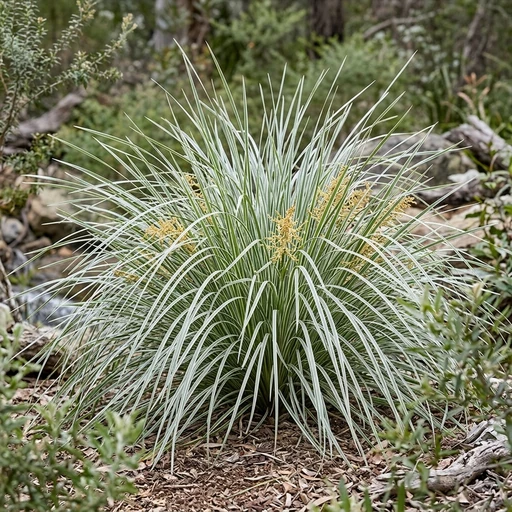
Platinum Beauty Lomandra
Lomandra longifolia 'Platinum Beauty'
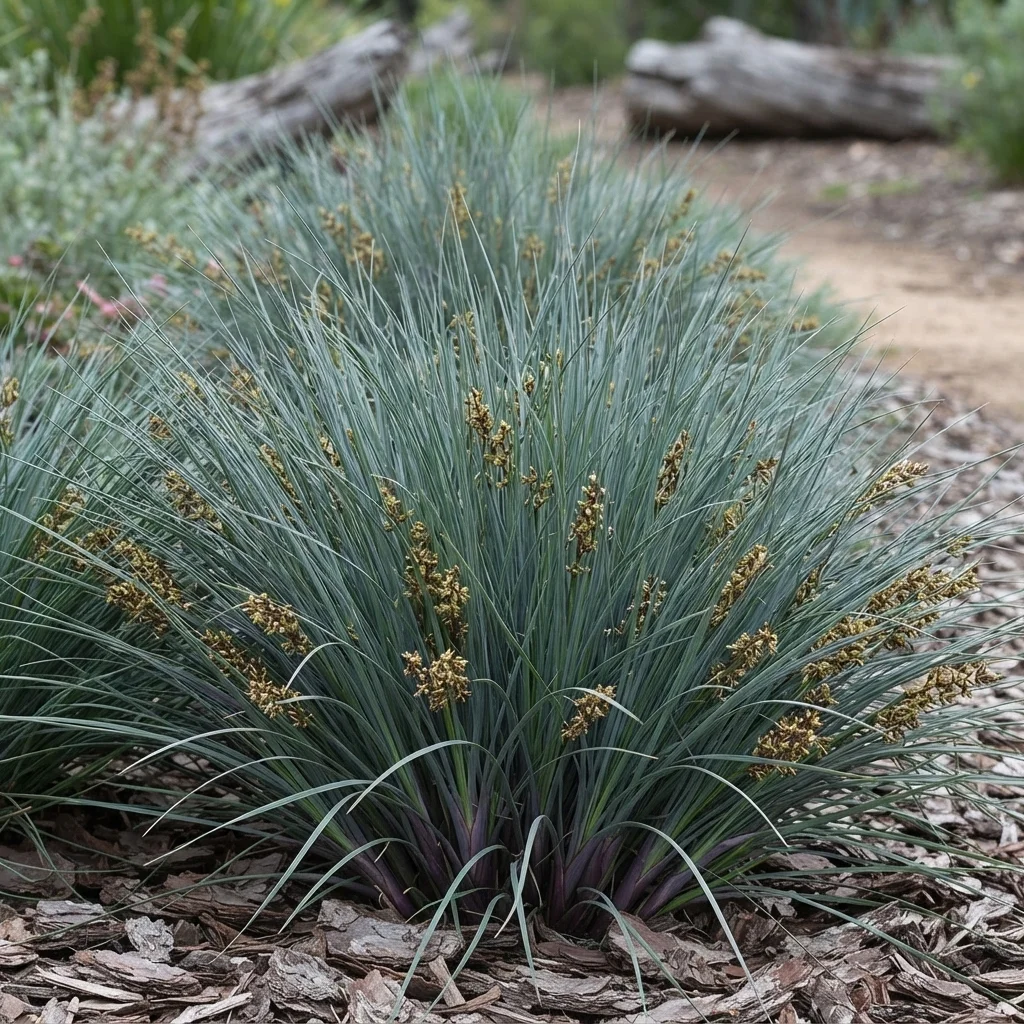
Mat Rush
Lomandra confertifolia 'Wingarra'
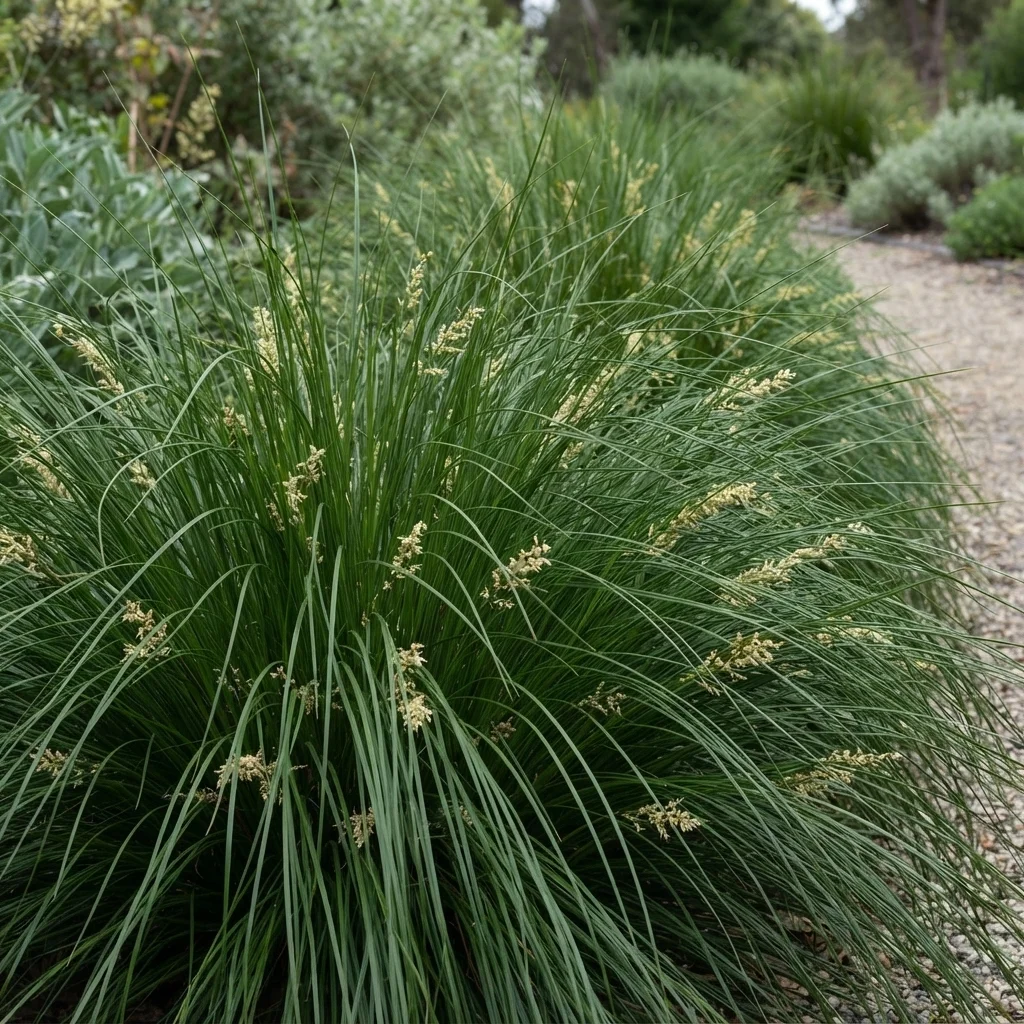
Tanika Mat-rush
Lomandra longifolia 'Tanika'
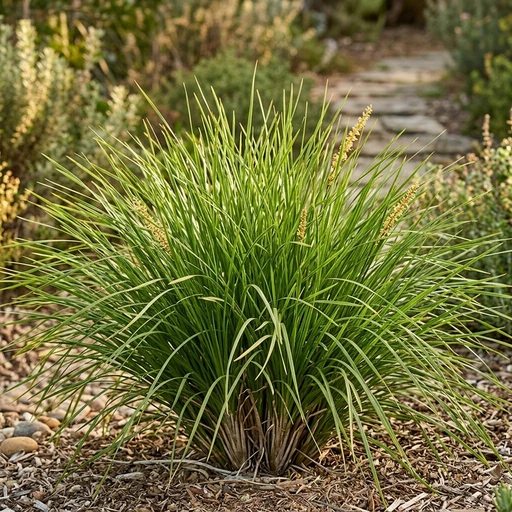
Dwarf Mat Rush
Lomandra longifolia 'Breeze Dwarf Mat Rush'
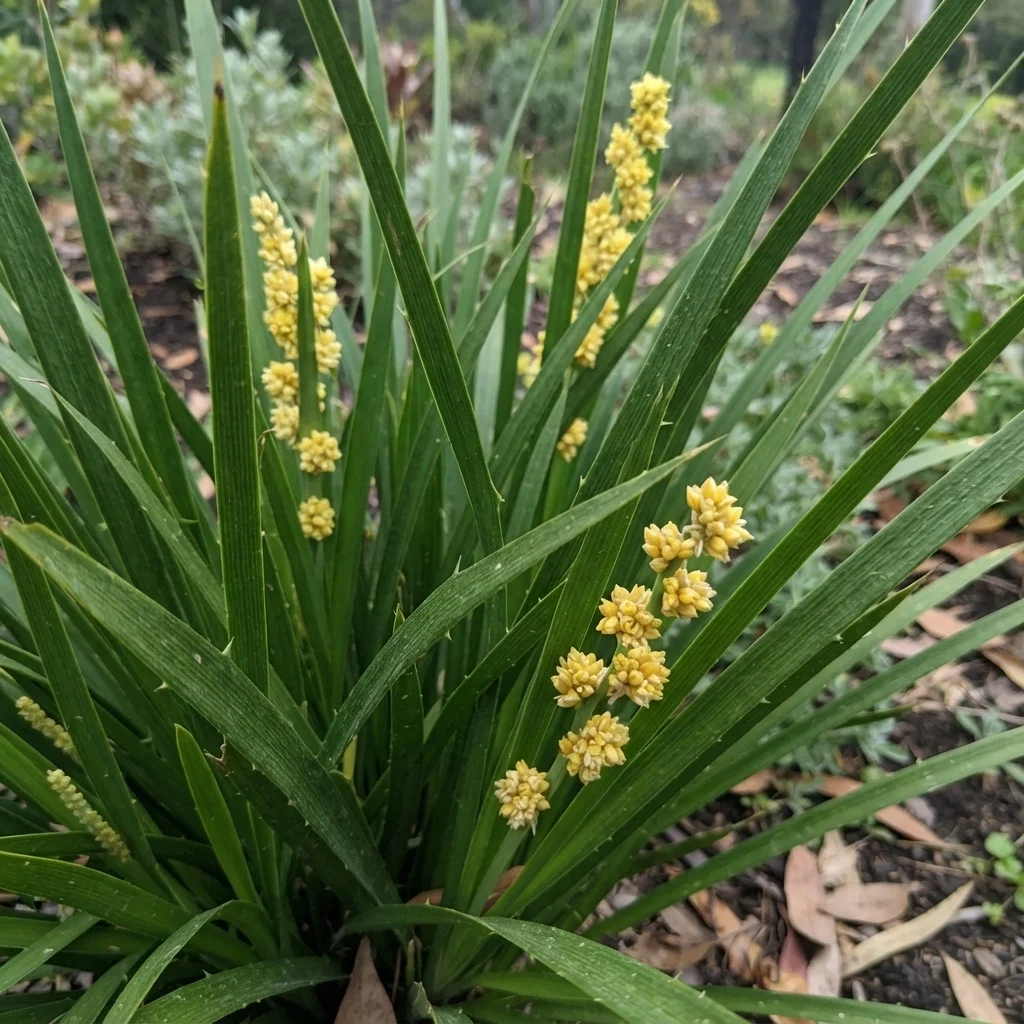
Australian Mat Rush
Lomandra longifolia
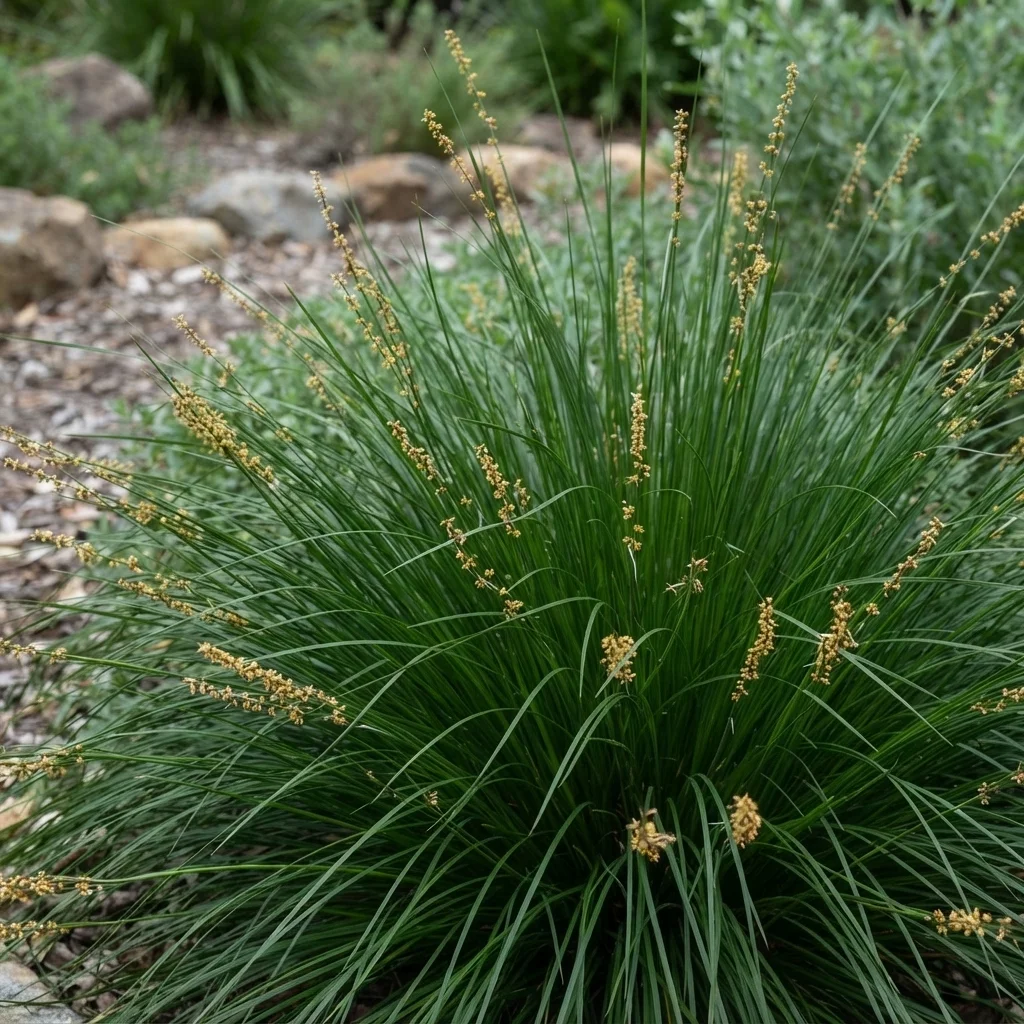
Spiny-headed Mat-rush
Lomandra longifolia 'Verday'
Keep exploring
Explore the genus
Hardy in your zone?
Grow River Mat-rush with confidence
See it in a design of your actual yard, get zone-matched care reminders, and track it season by season in your garden journal.